
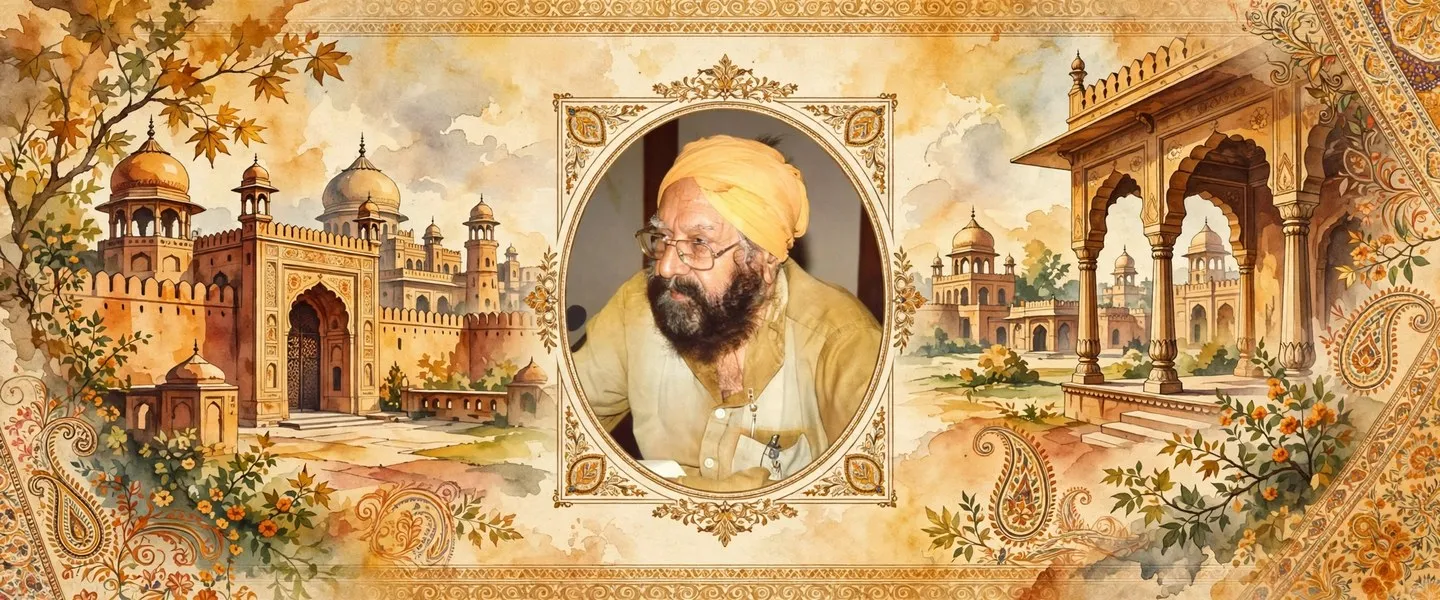
Ranjit Singh: Maharaja of the Punjab is Khushwant Singh's 1962 biography of Maharaja Ranjit Singh (1780-1839), the founder of the Sikh empire. Based on Persian, Punjabi and English sources, it follows the chieftain who took Lahore in 1799 and became the most powerful Indian ruler of his time. It is still the classic life of the Maharaja.
English- Author
- Khushwant Singh
- Published
- 1962 · George Allen & Unwin, London
- Pages
- 237 (first edition)
- Chapters
- 21
- Subject
- Maharaja Ranjit Singh (1780-1839)
- Sources
- Persian, Punjabi and English records; European travellers' accounts
- Original title
- Ranjit Singh, Maharajah of the Punjab
About the book
Ranjit Singh: Maharaja of the Punjab, first published in London in 1962 by George Allen and Unwin, is Khushwant Singh's biography of the founder of the Sikh empire. In 237 pages and 21 chapters it follows Ranjit Singh from his birth in Gujranwala in 1780 to his death in Lahore in 1839, and it remains the classic life of the Maharaja more than sixty years after it appeared.
The book's claim, repeated on every edition since, is that it is the first detailed biography of the first and only Sikh ruler of the Punjab by a Sikh writer. Khushwant Singh presents Ranjit Singh as he really was: neither the flawless hero of Sikh legend nor the villain of his enemies' accounts, but a one-eyed chieftain of extraordinary ability who built an empire and held it together for forty years.
At its height his kingdom stretched from the Khyber Pass to the Sutlej and from Tibet to the deserts of Sindh, taking in Kashmir, Multan and Peshawar. The book's original title was Ranjit Singh, Maharajah of the Punjab, with the older spelling of Maharajah; later editions, including Penguin's, use the modern spelling Maharaja.
What sources did Khushwant Singh use?
The biography is built on Persian, Punjabi and English sources, and on the diaries and accounts of European travellers who visited the Lahore court: William Moorcroft, Alexander Burnes, Charles Masson, Henry Fane and Emily Eden.
Behind those published accounts lies the book's real research. Its working sources, named in the introduction, are the diary of Sohan Lal Suri from his chronicle Umdat-ut-Tawarikh, in the translation by Vidya Sagar Suri; the newsletters of agents of Indian princes accredited to the Lahore court; the correspondence between English agents and their government in Calcutta; and the accounts of European officers who served Ranjit Singh, travellers and visitors to his court. Yvonne Le Rougetel helped with the research, Serbjeet Singh drew the maps, and a Rockefeller Foundation grant supported the work. Some of the material was also used in the first volume of Khushwant Singh's A History of the Sikhs.
The book carries 7 illustrations and 2 maps: northern India at Ranjit Singh's birth in 1780 and at his death in 1839. It is dedicated to his wife Kaval.
The rise of Ranjit Singh
Ranjit Singh was born Buddh Singh on 13 November 1780 in Gujranwala, the son of Maha Singh, chief of the Sukerchakia misl. He lost the sight of one eye to smallpox as a child, and succeeded his father as chief of the misl while still a boy.
In July 1799, at eighteen, he took Lahore, the historic capital of Punjab. On 12 April 1801 he assumed the title of Maharaja of the Punjab. Over the next four decades he brought the scattered Sikh misls under one rule, then pushed outward to Amritsar, Multan, Kashmir and Peshawar. He built a modern army with European officers, kept the peace with the British across the Sutlej, and made Lahore a court that travellers compared with the great capitals of Asia.
He died in Lahore on 27 June 1839. Within ten years his kingdom was gone, annexed by the British after the Anglo-Sikh wars in 1849. The book's final chapter, The Last Chapter, follows the collapse that came after his death, and the introduction frames the whole story as the rise and ebb of Punjabi nationalism rather than an accident of history.
A portrait, not a monument
Khushwant Singh opens the book with a story he himself calls apocryphal, about a calligraphist and a Koran, and the warning matters: this is a biography that knows the difference between legend and evidence, and tells the reader when it is repeating a tale. His introduction warns against both the Sikh and Hindu habit of deifying Ranjit Singh and the Muslim and English habit of vilifying him. His subject, he writes, was neither a selfless patriot nor an avaricious freebooter.
The introduction calls Ranjit Singh the first Indian in a thousand years to stem the tide of invasions from the north-west, and credits him with rising from the status of petty chieftain to become the most powerful Indian ruler of his time, a contemporary of Napoleon and Muhammad Ali.
That balance is why the book has lasted. It is stronger on campaigns, court politics and the building of the state than on Ranjit Singh's private life, a point readers still make, but as a portrait of a ruler and his kingdom it has not been replaced.
The author
Khushwant Singh (1915-2014) was born in Hadali, in what is now Pakistan, trained as a lawyer, served in the Indian Foreign Service, and became India's best known man of letters: novelist, journalist and historian. Train to Pakistan (1956) was his first novel, and A History of the Sikhs, in two volumes, is his other great work of history. He edited The Illustrated Weekly of India, received the Padma Bhushan in 1974 and returned it in 1984 in protest against the army's assault on the Golden Temple, and accepted the Padma Vibhushan in 2007. He died in Delhi on 20 March 2014, aged ninety-nine.
The Ranjit Singh biography came early in his career, six years after Train to Pakistan, and it shows the historian he would become: the same appetite for archives, the same plain prose, the same refusal to flatter his subject.
Reception and legacy
The book has never been out of print. Penguin Books India reissued it in paperback in 2008, and Penguin Random House India reissued it again, and it is still the biography other writers start from: Wikipedia's article on Ranjit Singh cites the 2008 Penguin edition throughout. Readers call it the most authentic account of the Maharaja, and a classic.
Its standing rests on the sources. Written before much of the modern scholarship on the Sikh empire, it drew on Persian chronicles and European eyewitnesses that later historians still use, and its bibliography reflects the scholarship of its era. For a reader who wants one book on Ranjit Singh, it is still the one to read first.
ਕਿਤਾਬ ਬਾਰੇ
ਰਣਜੀਤ ਸਿੰਘ: ਮਹਾਰਾਜਾ ਆਫ਼ ਦ ਪੰਜਾਬ, ਜੋ ਪਹਿਲੀ ਵਾਰ 1962 ਵਿੱਚ ਲੰਡਨ ਵਿੱਚ ਜਾਰਜ ਐਲਨ ਐਂਡ ਅਨਵਿਨ ਵੱਲੋਂ ਛਪੀ, ਸਿੱਖ ਸਾਮਰਾਜ ਦੇ ਸੰਸਥਾਪਕ ਬਾਰੇ ਖ਼ੁਸ਼ਵੰਤ ਸਿੰਘ ਦੀ ਜੀਵਨੀ ਹੈ। 237 ਸਫ਼ਿਆਂ ਅਤੇ 21 ਅਧਿਆਇਆਂ ਵਿੱਚ ਇਹ ਰਣਜੀਤ ਸਿੰਘ ਨੂੰ 1780 ਵਿੱਚ ਗੁਜਰਾਂਵਾਲਾ ਵਿੱਚ ਜਨਮ ਤੋਂ ਲੈ ਕੇ 1839 ਵਿੱਚ ਲਾਹੌਰ ਵਿੱਚ ਮੌਤ ਤੱਕ ਲੈ ਜਾਂਦੀ ਹੈ, ਅਤੇ ਇਹ ਛਪਣ ਤੋਂ ਸੱਠ ਸਾਲ ਤੋਂ ਵੱਧ ਸਮੇਂ ਬਾਅਦ ਵੀ ਮਹਾਰਾਜੇ ਦੀ ਕਲਾਸਿਕ ਜੀਵਨੀ ਹੈ।
ਇਸ ਕਿਤਾਬ ਦਾ ਦਾਅਵਾ, ਜੋ ਹਰ ਐਡੀਸ਼ਨ ਤੋਂ ਬਾਅਦ ਦੁਹਰਾਇਆ ਜਾਂਦਾ ਹੈ, ਇਹ ਹੈ ਕਿ ਇਹ ਕਿਸੇ ਸਿੱਖ ਲੇਖਕ ਵੱਲੋਂ ਪੰਜਾਬ ਦੇ ਪਹਿਲੇ ਅਤੇ ਇਕਲੌਤੇ ਸਿੱਖ ਸ਼ਾਸਕ ਦੀ ਪਹਿਲੀ ਵਿਸਤ੍ਰਿਤ ਜੀਵਨੀ ਹੈ। ਖ਼ੁਸ਼ਵੰਤ ਸਿੰਘ ਰਣਜੀਤ ਸਿੰਘ ਨੂੰ ਉਸੇ ਤਰ੍ਹਾਂ ਪੇਸ਼ ਕਰਦਾ ਹੈ ਜਿਵੇਂ ਉਹ ਅਸਲ ਵਿੱਚ ਸੀ: ਨਾ ਸਿੱਖ ਕਥਾਵਾਂ ਦਾ ਨਿਰਦੋਸ਼ ਨਾਇਕ, ਨਾ ਉਸ ਦੇ ਦੁਸ਼ਮਣਾਂ ਦੇ ਬਿਰਤਾਂਤਾਂ ਦਾ ਖਲਨਾਇਕ, ਸਗੋਂ ਇੱਕ ਅੱਖ ਵਾਲਾ ਸਰਦਾਰ ਜਿਸ ਵਿੱਚ ਅਸਾਧਾਰਨ ਯੋਗਤਾ ਸੀ ਅਤੇ ਜਿਸ ਨੇ ਇੱਕ ਸਾਮਰਾਜ ਬਣਾਇਆ ਅਤੇ ਚਾਲੀ ਸਾਲ ਤੱਕ ਇਸ ਨੂੰ ਸੰਭਾਲਿਆ।
ਆਪਣੇ ਸਿਖਰ ਉੱਤੇ ਉਸ ਦਾ ਰਾਜ ਖ਼ੈਬਰ ਦੱਰੇ ਤੋਂ ਸਤਲੁਜ ਤੱਕ ਅਤੇ ਤਿੱਬਤ ਤੋਂ ਸਿੰਧ ਦੇ ਰੇਗਿਸਤਾਨਾਂ ਤੱਕ ਫੈਲਿਆ ਹੋਇਆ ਸੀ, ਜਿਸ ਵਿੱਚ ਕਸ਼ਮੀਰ, ਮੁਲਤਾਨ ਅਤੇ ਪਿਸ਼ਾਵਰ ਸ਼ਾਮਲ ਸਨ। ਕਿਤਾਬ ਦਾ ਮੂਲ ਸਿਰਲੇਖ ਰਣਜੀਤ ਸਿੰਘ, ਮਹਾਰਾਜਾ ਆਫ਼ ਦ ਪੰਜਾਬ ਸੀ, ਜਿਸ ਵਿੱਚ ਮਹਾਰਾਜਾ ਦੀ ਪੁਰਾਣੀ ਸਪੈਲਿੰਗ ਵਰਤੀ ਗਈ ਸੀ; ਬਾਅਦ ਦੇ ਐਡੀਸ਼ਨਾਂ, ਜਿਨ੍ਹਾਂ ਵਿੱਚ ਪੈਂਗੁਇਨ ਦਾ ਐਡੀਸ਼ਨ ਵੀ ਹੈ, ਵਿੱਚ ਆਧੁਨਿਕ ਸਪੈਲਿੰਗ ਮਹਾਰਾਜਾ ਵਰਤੀ ਜਾਂਦੀ ਹੈ।
ਖ਼ੁਸ਼ਵੰਤ ਸਿੰਘ ਨੇ ਕਿਹੜੇ ਸਰੋਤ ਵਰਤੇ?
ਇਹ ਜੀਵਨੀ ਫ਼ਾਰਸੀ, ਪੰਜਾਬੀ ਅਤੇ ਅੰਗਰੇਜ਼ੀ ਸਰੋਤਾਂ ਉੱਤੇ, ਅਤੇ ਉਨ੍ਹਾਂ ਯੂਰਪੀ ਯਾਤਰੀਆਂ ਦੀਆਂ ਡਾਇਰੀਆਂ ਅਤੇ ਬਿਰਤਾਂਤਾਂ ਉੱਤੇ ਬਣੀ ਹੈ ਜਿਨ੍ਹਾਂ ਨੇ ਲਾਹੌਰ ਦਰਬਾਰ ਦੀ ਫੇਰੀ ਕੀਤੀ ਸੀ: ਵਿਲੀਅਮ ਮੂਰਕ੍ਰਾਫ਼ਟ, ਅਲੈਗਜ਼ੈਂਡਰ ਬਰਨਜ਼, ਚਾਰਲਜ਼ ਮਾਸਨ, ਹੈਨਰੀ ਫ਼ੇਨ ਅਤੇ ਐਮਿਲੀ ਈਡਨ।
ਇਨ੍ਹਾਂ ਛਪੇ ਬਿਰਤਾਂਤਾਂ ਪਿੱਛੇ ਕਿਤਾਬ ਦੀ ਅਸਲੀ ਖੋਜ ਹੈ। ਇਸ ਦੇ ਕੰਮ ਕਰਨ ਵਾਲੇ ਸਰੋਤ, ਜਿਨ੍ਹਾਂ ਦਾ ਨਾਂ ਮੁੱਖਬੰਦ ਵਿੱਚ ਦਿੱਤਾ ਗਿਆ ਹੈ, ਇਹ ਹਨ: ਸੋਹਣ ਲਾਲ ਸੂਰੀ ਦੀ ਡਾਇਰੀ, ਜੋ ਉਸ ਦੇ ਇਤਿਹਾਸ ਉਮਦਤ-ਉਤ-ਤਵਾਰੀਖ਼ ਵਿੱਚੋਂ ਹੈ ਅਤੇ ਵਿਦਿਆ ਸਾਗਰ ਸੂਰੀ ਨੇ ਜਿਸ ਦਾ ਅਨੁਵਾਦ ਕੀਤਾ ਹੈ; ਲਾਹੌਰ ਦਰਬਾਰ ਵਿੱਚ ਮਾਨਤਾ ਪ੍ਰਾਪਤ ਭਾਰਤੀ ਰਾਜਿਆਂ ਦੇ ਏਜੰਟਾਂ ਦੀਆਂ ਖ਼ਬਰਾਂ; ਕਲਕੱਤਾ ਵਿੱਚ ਆਪਣੀ ਸਰਕਾਰ ਨਾਲ ਅੰਗਰੇਜ਼ ਏਜੰਟਾਂ ਦਾ ਪੱਤਰ-ਵਿਹਾਰ; ਅਤੇ ਉਨ੍ਹਾਂ ਯੂਰਪੀ ਅਫ਼ਸਰਾਂ, ਯਾਤਰੀਆਂ ਅਤੇ ਦਰਬਾਰ ਦੇ ਮਹਿਮਾਨਾਂ ਦੇ ਬਿਰਤਾਂਤ ਜਿਨ੍ਹਾਂ ਨੇ ਰਣਜੀਤ ਸਿੰਘ ਦੀ ਸੇਵਾ ਕੀਤੀ। ਯਵੋਨ ਲੇ ਰੂਜਤੇਲ ਨੇ ਖੋਜ ਵਿੱਚ ਮਦਦ ਕੀਤੀ, ਸਰਬਜੀਤ ਸਿੰਘ ਨੇ ਨਕਸ਼ੇ ਬਣਾਏ, ਅਤੇ ਰੌਕਫ਼ੈਲਰ ਫ਼ਾਊਂਡੇਸ਼ਨ ਦੀ ਗ੍ਰਾਂਟ ਨੇ ਇਸ ਕੰਮ ਨੂੰ ਸਹਾਰਾ ਦਿੱਤਾ। ਇਸ ਸਮੱਗਰੀ ਦਾ ਕੁਝ ਹਿੱਸਾ ਖ਼ੁਸ਼ਵੰਤ ਸਿੰਘ ਦੇ ਅ ਹਿਸਟਰੀ ਆਫ਼ ਦ ਸਿੱਖਜ਼ ਦੀ ਪਹਿਲੀ ਜਿਲਦ ਵਿੱਚ ਵੀ ਵਰਤਿਆ ਗਿਆ ਸੀ।
ਕਿਤਾਬ ਵਿੱਚ 7 ਤਸਵੀਰਾਂ ਅਤੇ 2 ਨਕਸ਼ੇ ਹਨ: 1780 ਵਿੱਚ ਰਣਜੀਤ ਸਿੰਘ ਦੇ ਜਨਮ ਵੇਲੇ ਦਾ ਉੱਤਰੀ ਭਾਰਤ ਅਤੇ 1839 ਵਿੱਚ ਉਸ ਦੀ ਮੌਤ ਵੇਲੇ ਦਾ ਉੱਤਰੀ ਭਾਰਤ। ਇਹ ਉਸ ਦੀ ਪਤਨੀ ਕਵਲ ਨੂੰ ਸਮਰਪਿਤ ਹੈ।
ਰਣਜੀਤ ਸਿੰਘ ਦਾ ਉਭਾਰ
ਰਣਜੀਤ ਸਿੰਘ ਦਾ ਜਨਮ ਬੁੱਧ ਸਿੰਘ ਵਜੋਂ 13 ਨਵੰਬਰ 1780 ਨੂੰ ਗੁਜਰਾਂਵਾਲਾ ਵਿੱਚ ਹੋਇਆ, ਉਹ ਸੁਕਰਚੱਕੀਆ ਮਿਸਲ ਦੇ ਸਰਦਾਰ ਮਹਾਂ ਸਿੰਘ ਦਾ ਪੁੱਤਰ ਸੀ। ਬਚਪਨ ਵਿੱਚ ਚੇਚਕ ਕਾਰਨ ਉਸ ਦੀ ਇੱਕ ਅੱਖ ਦੀ ਰੌਸ਼ਨੀ ਚਲੀ ਗਈ, ਅਤੇ ਉਹ ਬਚਪਨ ਵਿੱਚ ਹੀ ਆਪਣੇ ਪਿਤਾ ਤੋਂ ਬਾਅਦ ਮਿਸਲ ਦਾ ਸਰਦਾਰ ਬਣਿਆ।
ਜੁਲਾਈ 1799 ਵਿੱਚ, ਅਠਾਰਾਂ ਸਾਲ ਦੀ ਉਮਰ ਵਿੱਚ, ਉਸ ਨੇ ਲਾਹੌਰ ਲਿਆ, ਜੋ ਪੰਜਾਬ ਦੀ ਇਤਿਹਾਸਕ ਰਾਜਧਾਨੀ ਸੀ। 12 ਅਪ੍ਰੈਲ 1801 ਨੂੰ ਉਸ ਨੇ ਪੰਜਾਬ ਦੇ ਮਹਾਰਾਜੇ ਦਾ ਖ਼ਿਤਾਬ ਧਾਰਨ ਕੀਤਾ। ਅਗਲੇ ਚਾਲੀ ਸਾਲਾਂ ਵਿੱਚ ਉਸ ਨੇ ਖਿੰਡੀਆਂ ਹੋਈਆਂ ਸਿੱਖ ਮਿਸਲਾਂ ਨੂੰ ਇੱਕ ਰਾਜ ਹੇਠ ਲਿਆਂਦਾ, ਅਤੇ ਫਿਰ ਅੰਮ੍ਰਿਤਸਰ, ਮੁਲਤਾਨ, ਕਸ਼ਮੀਰ ਅਤੇ ਪਿਸ਼ਾਵਰ ਵੱਲ ਵਧਿਆ। ਉਸ ਨੇ ਯੂਰਪੀ ਅਫ਼ਸਰਾਂ ਨਾਲ ਇੱਕ ਆਧੁਨਿਕ ਫ਼ੌਜ ਬਣਾਈ, ਸਤਲੁਜ ਪਾਰ ਅੰਗਰੇਜ਼ਾਂ ਨਾਲ ਸ਼ਾਂਤੀ ਰੱਖੀ, ਅਤੇ ਲਾਹੌਰ ਨੂੰ ਅਜਿਹਾ ਦਰਬਾਰ ਬਣਾਇਆ ਜਿਸ ਦੀ ਤੁਲਨਾ ਯਾਤਰੀ ਏਸ਼ੀਆ ਦੀਆਂ ਮਹਾਨ ਰਾਜਧਾਨੀਆਂ ਨਾਲ ਕਰਦੇ ਸਨ।
27 ਜੂਨ 1839 ਨੂੰ ਉਸ ਦੀ ਮੌਤ ਲਾਹੌਰ ਵਿੱਚ ਹੋਈ। ਦਸ ਸਾਲਾਂ ਦੇ ਅੰਦਰ ਉਸ ਦਾ ਰਾਜ ਖ਼ਤਮ ਹੋ ਗਿਆ, ਅਤੇ ਐਂਗਲੋ-ਸਿੱਖ ਜੰਗਾਂ ਤੋਂ ਬਾਅਦ 1849 ਵਿੱਚ ਅੰਗਰੇਜ਼ਾਂ ਨੇ ਇਸ ਨੂੰ ਆਪਣੇ ਰਾਜ ਵਿੱਚ ਮਿਲਾ ਲਿਆ। ਕਿਤਾਬ ਦਾ ਆਖ਼ਰੀ ਅਧਿਆਇ, ਦ ਲਾਸਟ ਚੈਪਟਰ, ਉਸ ਦੀ ਮੌਤ ਤੋਂ ਬਾਅਦ ਆਏ ਪਤਨ ਦੀ ਕਹਾਣੀ ਦੱਸਦਾ ਹੈ, ਅਤੇ ਮੁੱਖਬੰਦ ਪੂਰੀ ਕਹਾਣੀ ਨੂੰ ਪੰਜਾਬੀ ਰਾਸ਼ਟਰਵਾਦ ਦੇ ਉਭਾਰ ਅਤੇ ਪਤਨ ਵਜੋਂ ਪੇਸ਼ ਕਰਦਾ ਹੈ, ਨਾ ਕਿ ਇਤਿਹਾਸ ਦੀ ਕਿਸੇ ਦੁਰਘਟਨਾ ਵਜੋਂ।
ਇੱਕ ਤਸਵੀਰ, ਸਮਾਰਕ ਨਹੀਂ
ਖ਼ੁਸ਼ਵੰਤ ਸਿੰਘ ਕਿਤਾਬ ਦੀ ਸ਼ੁਰੂਆਤ ਇੱਕ ਅਜਿਹੀ ਕਹਾਣੀ ਨਾਲ ਕਰਦਾ ਹੈ ਜਿਸ ਨੂੰ ਉਹ ਖ਼ੁਦ ਕਪੋਲ-ਕਲਪਿਤ ਦੱਸਦਾ ਹੈ, ਇੱਕ ਖ਼ੁਸ਼ਨਵੀਸ ਅਤੇ ਇੱਕ ਕੁਰਾਨ ਬਾਰੇ, ਅਤੇ ਇਹ ਚੇਤਾਵਨੀ ਮਹੱਤਵਪੂਰਨ ਹੈ: ਇਹ ਇੱਕ ਅਜਿਹੀ ਜੀਵਨੀ ਹੈ ਜੋ ਦੰਤ-ਕਥਾ ਅਤੇ ਸਬੂਤ ਵਿੱਚ ਫ਼ਰਕ ਜਾਣਦੀ ਹੈ, ਅਤੇ ਪਾਠਕ ਨੂੰ ਦੱਸਦੀ ਹੈ ਕਿ ਕਦੋਂ ਉਹ ਕੋਈ ਕਥਾ ਦੁਹਰਾ ਰਹੀ ਹੈ। ਉਸ ਦਾ ਮੁੱਖਬੰਦ ਸਿੱਖਾਂ ਅਤੇ ਹਿੰਦੂਆਂ ਦੀ ਰਣਜੀਤ ਸਿੰਘ ਨੂੰ ਦੇਵਤਾ ਬਣਾਉਣ ਦੀ ਆਦਤ ਅਤੇ ਮੁਸਲਮਾਨਾਂ ਅਤੇ ਅੰਗਰੇਜ਼ਾਂ ਦੀ ਉਸ ਨੂੰ ਬਦਨਾਮ ਕਰਨ ਦੀ ਆਦਤ, ਦੋਵਾਂ ਖ਼ਿਲਾਫ਼ ਚੇਤਾਵਨੀ ਦਿੰਦਾ ਹੈ। ਉਸ ਦਾ ਵਿਸ਼ਾ, ਉਹ ਲਿਖਦਾ ਹੈ, ਨਾ ਨਿਰਸਵਾਰਥ ਦੇਸ਼ਭਗਤ ਸੀ ਅਤੇ ਨਾ ਲਾਲਚੀ ਲੁਟੇਰਾ।
ਮੁੱਖਬੰਦ ਰਣਜੀਤ ਸਿੰਘ ਨੂੰ ਹਜ਼ਾਰ ਸਾਲਾਂ ਵਿੱਚ ਪਹਿਲਾ ਭਾਰਤੀ ਦੱਸਦਾ ਹੈ ਜਿਸ ਨੇ ਉੱਤਰ-ਪੱਛਮ ਤੋਂ ਆਉਂਦੇ ਹਮਲਿਆਂ ਦੀ ਲਹਿਰ ਨੂੰ ਰੋਕਿਆ, ਅਤੇ ਉਸ ਨੂੰ ਇੱਕ ਛੋਟੇ ਸਰਦਾਰ ਤੋਂ ਉੱਠ ਕੇ ਆਪਣੇ ਸਮੇਂ ਦਾ ਸਭ ਤੋਂ ਤਾਕਤਵਰ ਭਾਰਤੀ ਸ਼ਾਸਕ ਬਣਨ ਦਾ ਸਿਹਰਾ ਦਿੰਦਾ ਹੈ, ਜੋ ਨੈਪੋਲੀਅਨ ਅਤੇ ਮੁਹੰਮਦ ਅਲੀ ਦਾ ਸਮਕਾਲੀ ਸੀ।
ਇਹੀ ਸੰਤੁਲਨ ਇਸ ਕਿਤਾਬ ਨੂੰ ਜੀਉਂਦਾ ਰੱਖਦਾ ਹੈ। ਇਹ ਰਣਜੀਤ ਸਿੰਘ ਦੇ ਨਿੱਜੀ ਜੀਵਨ ਨਾਲੋਂ ਮੁਹਿੰਮਾਂ, ਦਰਬਾਰ ਦੀ ਰਾਜਨੀਤੀ ਅਤੇ ਰਾਜ ਦੇ ਨਿਰਮਾਣ ਬਾਰੇ ਵਧੇਰੇ ਮਜ਼ਬੂਤ ਹੈ, ਇਹ ਗੱਲ ਪਾਠਕ ਅੱਜ ਵੀ ਕਹਿੰਦੇ ਹਨ, ਪਰ ਇੱਕ ਸ਼ਾਸਕ ਅਤੇ ਉਸ ਦੇ ਰਾਜ ਦੀ ਤਸਵੀਰ ਵਜੋਂ ਇਸ ਦੀ ਥਾਂ ਕਿਸੇ ਹੋਰ ਕਿਤਾਬ ਨੇ ਨਹੀਂ ਲਈ।
ਲੇਖਕ
ਖ਼ੁਸ਼ਵੰਤ ਸਿੰਘ (1915-2014) ਦਾ ਜਨਮ ਹਦਾਲੀ ਵਿੱਚ ਹੋਇਆ, ਜੋ ਹੁਣ ਪਾਕਿਸਤਾਨ ਵਿੱਚ ਹੈ, ਉਸ ਨੇ ਵਕੀਲ ਵਜੋਂ ਸਿੱਖਿਆ ਲਈ, ਭਾਰਤੀ ਵਿਦੇਸ਼ ਸੇਵਾ ਵਿੱਚ ਕੰਮ ਕੀਤਾ, ਅਤੇ ਭਾਰਤ ਦਾ ਸਭ ਤੋਂ ਮਸ਼ਹੂਰ ਸਾਹਿਤਕਾਰ ਬਣਿਆ: ਨਾਵਲਕਾਰ, ਪੱਤਰਕਾਰ ਅਤੇ ਇਤਿਹਾਸਕਾਰ। ਟ੍ਰੇਨ ਟੂ ਪਾਕਿਸਤਾਨ (1956) ਉਸ ਦਾ ਪਹਿਲਾ ਨਾਵਲ ਸੀ, ਅਤੇ ਦੋ ਜਿਲਦਾਂ ਵਿੱਚ ਅ ਹਿਸਟਰੀ ਆਫ਼ ਦ ਸਿੱਖਜ਼ ਉਸ ਦੀ ਇਤਿਹਾਸ ਦੀ ਦੂਜੀ ਮਹਾਨ ਰਚਨਾ ਹੈ। ਉਸ ਨੇ ਦ ਇਲਸਟ੍ਰੇਟਿਡ ਵੀਕਲੀ ਆਫ਼ ਇੰਡੀਆ ਦਾ ਸੰਪਾਦਨ ਕੀਤਾ, 1974 ਵਿੱਚ ਪਦਮ ਭੂਸ਼ਣ ਪ੍ਰਾਪਤ ਕੀਤਾ ਅਤੇ 1984 ਵਿੱਚ ਸ੍ਰੀ ਦਰਬਾਰ ਸਾਹਿਬ ਉੱਤੇ ਫ਼ੌਜ ਦੇ ਹਮਲੇ ਦੇ ਵਿਰੋਧ ਵਿੱਚ ਇਸ ਨੂੰ ਵਾਪਸ ਕਰ ਦਿੱਤਾ, ਅਤੇ 2007 ਵਿੱਚ ਪਦਮ ਵਿਭੂਸ਼ਣ ਸਵੀਕਾਰ ਕੀਤਾ। 20 ਮਾਰਚ 2014 ਨੂੰ ਉਸ ਦੀ ਮੌਤ ਦਿੱਲੀ ਵਿੱਚ ਹੋਈ, ਜਦੋਂ ਉਹ 99 ਸਾਲ ਦਾ ਸੀ।
ਰਣਜੀਤ ਸਿੰਘ ਦੀ ਜੀਵਨੀ ਉਸ ਦੇ ਕੈਰੀਅਰ ਦੇ ਸ਼ੁਰੂ ਵਿੱਚ ਆਈ, ਟ੍ਰੇਨ ਟੂ ਪਾਕਿਸਤਾਨ ਤੋਂ ਛੇ ਸਾਲ ਬਾਅਦ, ਅਤੇ ਇਸ ਵਿੱਚ ਉਹ ਇਤਿਹਾਸਕਾਰ ਦਿਸਦਾ ਹੈ ਜੋ ਉਹ ਬਣਨ ਵਾਲਾ ਸੀ: ਪੁਰਾਲੇਖਾਂ ਲਈ ਉਹੀ ਭੁੱਖ, ਉਹੀ ਸਾਦੀ ਗਦ, ਆਪਣੇ ਵਿਸ਼ੇ ਨੂੰ ਖ਼ੁਸ਼ ਕਰਨ ਤੋਂ ਉਹੀ ਇਨਕਾਰ।
ਸਵਾਗਤ ਅਤੇ ਵਿਰਾਸਤ
ਇਹ ਕਿਤਾਬ ਕਦੇ ਛਪਣੋਂ ਹਟੀ ਨਹੀਂ। ਪੈਂਗੁਇਨ ਬੁੱਕਸ ਇੰਡੀਆ ਨੇ ਇਸ ਨੂੰ 2008 ਵਿੱਚ ਪੇਪਰਬੈਕ ਵਿੱਚ ਦੁਬਾਰਾ ਛਾਪਿਆ, ਅਤੇ ਪੈਂਗੁਇਨ ਰੈਂਡਮ ਹਾਊਸ ਇੰਡੀਆ ਨੇ ਇਸ ਨੂੰ ਫਿਰ ਦੁਬਾਰਾ ਛਾਪਿਆ, ਅਤੇ ਇਹ ਅੱਜ ਵੀ ਉਹ ਜੀਵਨੀ ਹੈ ਜਿਸ ਤੋਂ ਹੋਰ ਲੇਖਕ ਸ਼ੁਰੂਆਤ ਕਰਦੇ ਹਨ: ਰਣਜੀਤ ਸਿੰਘ ਬਾਰੇ ਵਿਕੀਪੀਡੀਆ ਦਾ ਲੇਖ ਪੂਰੀ ਤਰ੍ਹਾਂ 2008 ਦੇ ਪੈਂਗੁਇਨ ਐਡੀਸ਼ਨ ਦਾ ਹਵਾਲਾ ਦਿੰਦਾ ਹੈ। ਪਾਠਕ ਇਸ ਨੂੰ ਮਹਾਰਾਜੇ ਦਾ ਸਭ ਤੋਂ ਪ੍ਰਮਾਣਿਕ ਬਿਰਤਾਂਤ ਅਤੇ ਇੱਕ ਕਲਾਸਿਕ ਕਹਿੰਦੇ ਹਨ।
ਇਸ ਦੀ ਹੈਸੀਅਤ ਸਰੋਤਾਂ ਉੱਤੇ ਟਿਕੀ ਹੋਈ ਹੈ। ਸਿੱਖ ਸਾਮਰਾਜ ਬਾਰੇ ਆਧੁਨਿਕ ਖੋਜ ਦੇ ਬਹੁਤ ਹਿੱਸੇ ਤੋਂ ਪਹਿਲਾਂ ਲਿਖੀ ਗਈ, ਇਸ ਨੇ ਫ਼ਾਰਸੀ ਇਤਿਹਾਸਾਂ ਅਤੇ ਯੂਰਪੀ ਪ੍ਰਤੱਖਦਰਸ਼ੀਆਂ ਉੱਤੇ ਭਰੋਸਾ ਕੀਤਾ ਜਿਨ੍ਹਾਂ ਨੂੰ ਬਾਅਦ ਦੇ ਇਤਿਹਾਸਕਾਰ ਅੱਜ ਵੀ ਵਰਤਦੇ ਹਨ, ਅਤੇ ਇਸ ਦੀ ਗ੍ਰੰਥ-ਸੂਚੀ ਆਪਣੇ ਸਮੇਂ ਦੀ ਖੋਜ ਨੂੰ ਦਰਸਾਉਂਦੀ ਹੈ। ਜਿਸ ਪਾਠਕ ਨੂੰ ਰਣਜੀਤ ਸਿੰਘ ਬਾਰੇ ਇੱਕ ਕਿਤਾਬ ਚਾਹੀਦੀ ਹੈ, ਉਸ ਲਈ ਇਹ ਅੱਜ ਵੀ ਪਹਿਲਾਂ ਪੜ੍ਹਨ ਵਾਲੀ ਕਿਤਾਬ ਹੈ।
Editions and translations
- Ranjit Singh, Maharajah of the PunjabFirst edition · George Allen & Unwin, London, 1962 · 237 pagesEdition
- Ranjit Singh: Maharaja of the PunjabPenguin Books India paperback, 2008 · ISBN 9780143065432Edition
- Ranjit Singh: Maharaja of the PunjabPenguin Random House India reissue · ISBN 9780143440420Edition
The author

Connected
More to read
Sources (6)
Jugti is free and independent. Reader support keeps the Kosh growing.
Support