
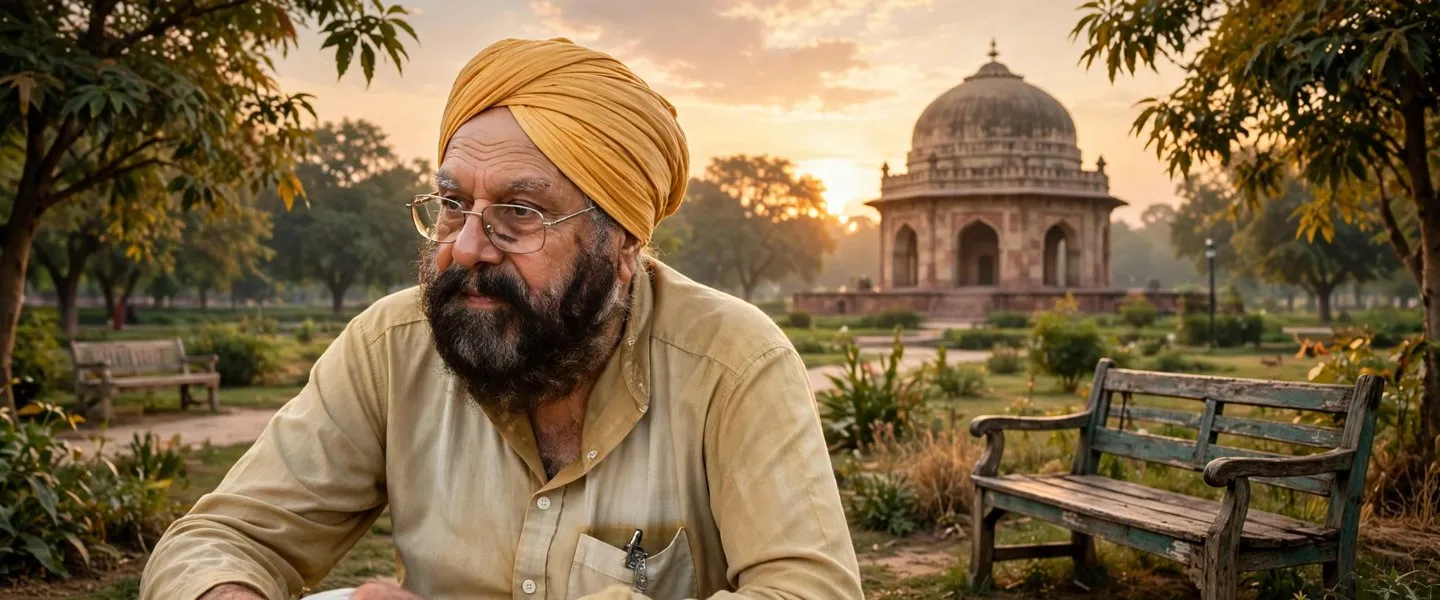
The Sunset Club (2010) is the last novel by Khushwant Singh, written at 95. It follows three friends in their eighties, Pandit Preetam Sharma, Nawab Barkatullah Baig and Sardar Boota Singh, who meet every evening on a bench in Delhi's Lodhi Gardens through one year, from 26 January 2009 to 26 January 2010, talking about love, politics, religion and old age.
English- Author
- Khushwant Singh
- Published
- 2010, Viking, Penguin India
- Language
- English
- Form
- Novel
- Pages
- 232 (first edition, hardcover)
- ISBN
- 9780670085194
All 9 facts
- Setting
- Lodhi Gardens, New Delhi
- Period covered
- 26 January 2009 to 26 January 2010
- Author's age at writing
- 95
Characters
About the book
The Sunset Club is a novel by Khushwant Singh, published by Viking, Penguin India, in 2010, when its author was 95 years old. The hardcover first edition runs to 232 pages. Singh declared it his last novel, and at its launch on 30 November 2010, released by Gursharan Kaur, he said he had not intended to write it at all: he had turned 95 and was not sure he would be able to finish it. He also claimed, with a smile his readers knew well, that it was his best book.
The novel grew out of the diary Singh had kept meticulously for years, in which, by his own account, he put down everything from a cold to who came to see him. Its three old men are drawn from life. Sardar Boota Singh is based on Singh himself, Pandit Preetam Sharma on his friend Prem Kirpal, and Nawab Barkatullah Baig is a combination of several people the author had known. That closeness to real life is the book's engine: these are not symbols first, but men the writer had eaten, argued and grown old with.
What is The Sunset Club about?
The Sunset Club follows three friends in their eighties who have known each other for over forty years: Pandit Preetam Sharma, Nawab Barkatullah Baig and Sardar Boota Singh. Every evening, at the sunset hour, they sit together on a bench in Delhi's Lodhi Gardens and exchange news and views on the events of the day, talking about everything from love, lust, sex and scandal to religion and politics.
The book follows the three men through exactly one year, from 26 January 2009 to 26 January 2010, moving month by month through Delhi's seasons, its flowers and festivals, and the life of their households. Interwoven with their story is a second chronicle, of a year in the life of India itself, with its general elections, violence, natural disasters and corruption in high places. By the time the year closes, two of the three friends are dead, and the bench holds a silence the whole novel has been walking towards.
Old age, friendship and desire
Singh summed the book up himself as an essay on love and lust, and called its heroes' inner lives the fantasies of octogenarians: what they cannot do, they imagine they are doing. The publisher describes it as a moving exploration of friendship, sexuality, old age and infirmity, and as a celebration of nature. The frankness is deliberate. Bodies that no longer obey, memories that will not fade, and desire that refuses to retire are treated as facts of old age, not embarrassments to be hidden.
Yet to call it a book about sex is to oversimplify it, as its first reviewers already noted. The bench talk ranges over religion and communal violence, the Babri Masjid and the freedom struggle, and over Ghalib and Iqbal, because that is the furniture of these men's minds. Friendship in the novel is not agreement: a Hindu, a Muslim and a Sikh who have argued for forty years keep arguing, and the argument itself is the companionship.
A year in the life of India
Because the novel is built from a diary, it doubles as a record of India in 2009, seen from one bench. Elections come and go, public figures are praised and pulled apart without mercy, and the country's paradoxes are turned over by three men who have lived through most of its modern history. The monthly structure, one chapter for each turn of the year, follows an old Indian storytelling rhythm, the baramasa, in which the seasons carry the story.
Lodhi Gardens is more than a backdrop. Its tombs and domes, its trees and its evening walkers give the three friends a daily world that keeps changing around men who are themselves running out of time. Reviewers singled out Singh's ear for dialogue and his feel for the texture of everyday Delhi life, the households, servants, visitors and routines that fill the spaces between the bench conversations.
The author
Khushwant Singh (1915 to 2014) was born in Hadali, in the Khushab district of Punjab, now in Pakistan, and educated at Government College, Lahore, and King's College London. A lawyer, diplomat and parliamentarian before he was a full time writer, he became India's best known columnist and the editor who made the Illustrated Weekly of India a national habit. His fiction began with The Mark of Vishnu and Other Stories in 1951 and reached its widest fame with Train to Pakistan in 1956, his classic novel of Partition, alongside his scholarly History of the Sikhs.
The Sunset Club came at the very end of that long shelf, written by a man of 95 who had outlived most of his own address book. He died in New Delhi on 20 March 2014, aged 99, leaving this novel as his farewell to fiction.
Reception and legacy
The novel was received as an event in itself: a last novel, launched like his earlier lasts to crowds and traffic jams in Delhi, by an author who admitted he had lost count of his own books. Some early reviewers found the sexual frankness heavy, and said so plainly, while also conceding the intricacy underneath it. Others praised the book's warmth, its humour and its refusal to treat old age as a waiting room.
Penguin kept the book in print, with a paperback edition following in 2011, and it is still read as the closing panel of Singh's fiction: the Partition novelist and historian ending, in his nineties, with three old men on a bench, watching the sun go down on their city and their century, and talking to the last.
ਕਿਤਾਬ ਬਾਰੇ
ਦ ਸਨਸੈੱਟ ਕਲੱਬ ਖੁਸ਼ਵੰਤ ਸਿੰਘ ਦਾ ਨਾਵਲ ਹੈ, ਜੋ ਵਾਈਕਿੰਗ, ਪੈਂਗੁਇਨ ਇੰਡੀਆ ਨੇ 2010 ਵਿੱਚ ਛਾਪਿਆ, ਜਦੋਂ ਇਸ ਦਾ ਲੇਖਕ 95 ਸਾਲ ਦਾ ਸੀ। ਹਾਰਡਕਵਰ ਪਹਿਲੇ ਸੰਸਕਰਣ ਦੇ 232 ਸਫ਼ੇ ਹਨ। ਸਿੰਘ ਨੇ ਇਸ ਨੂੰ ਆਪਣਾ ਆਖ਼ਰੀ ਨਾਵਲ ਐਲਾਨਿਆ ਸੀ, ਅਤੇ 30 ਨਵੰਬਰ 2010 ਨੂੰ ਗੁਰਸ਼ਰਨ ਕੌਰ ਵੱਲੋਂ ਇਸ ਦੇ ਲੋਕ ਅਰਪਣ ਮੌਕੇ ਉਸ ਨੇ ਕਿਹਾ ਸੀ ਕਿ ਉਸ ਦਾ ਇਸ ਨੂੰ ਲਿਖਣ ਦਾ ਕੋਈ ਇਰਾਦਾ ਹੀ ਨਹੀਂ ਸੀ: ਉਹ 95 ਸਾਲ ਦਾ ਹੋ ਚੁੱਕਾ ਸੀ ਅਤੇ ਉਸ ਨੂੰ ਯਕੀਨ ਨਹੀਂ ਸੀ ਕਿ ਉਹ ਇਸ ਨੂੰ ਮੁਕੰਮਲ ਕਰ ਸਕੇਗਾ। ਉਸ ਨੇ ਇਹ ਵੀ ਕਿਹਾ, ਉਸ ਮੁਸਕਰਾਹਟ ਨਾਲ ਜਿਸ ਨੂੰ ਉਸ ਦੇ ਪਾਠਕ ਚੰਗੀ ਤਰ੍ਹਾਂ ਜਾਣਦੇ ਸਨ, ਕਿ ਇਹ ਉਸ ਦੀ ਸਭ ਤੋਂ ਵਧੀਆ ਕਿਤਾਬ ਹੈ।
ਇਹ ਨਾਵਲ ਉਸ ਡਾਇਰੀ ਵਿੱਚੋਂ ਉੱਗਿਆ ਜੋ ਸਿੰਘ ਸਾਲਾਂ ਤੋਂ ਬੜੀ ਸੰਜੀਦਗੀ ਨਾਲ ਲਿਖਦਾ ਆ ਰਿਹਾ ਸੀ, ਜਿਸ ਵਿੱਚ, ਉਸ ਦੇ ਆਪਣੇ ਕਹਿਣ ਅਨੁਸਾਰ, ਉਹ ਜ਼ੁਕਾਮ ਤੋਂ ਲੈ ਕੇ ਮਿਲਣ ਆਉਣ ਵਾਲਿਆਂ ਤੱਕ ਸਭ ਕੁਝ ਲਿਖਦਾ ਸੀ। ਇਸ ਦੇ ਤਿੰਨ ਬਜ਼ੁਰਗ ਪਾਤਰ ਅਸਲ ਜ਼ਿੰਦਗੀ ਵਿੱਚੋਂ ਲਏ ਗਏ ਹਨ। ਸਰਦਾਰ ਬੂਟਾ ਸਿੰਘ ਸਿੰਘ ਆਪ ਉੱਤੇ ਆਧਾਰਿਤ ਹੈ, ਪੰਡਿਤ ਪ੍ਰੀਤਮ ਸ਼ਰਮਾ ਉਸ ਦੇ ਦੋਸਤ ਪ੍ਰੇਮ ਕਿਰਪਾਲ ਉੱਤੇ, ਅਤੇ ਨਵਾਬ ਬਰਕਤੁੱਲਾ ਬੇਗ ਕਈ ਲੋਕਾਂ ਦਾ ਮੇਲ ਹੈ ਜਿਨ੍ਹਾਂ ਨੂੰ ਲੇਖਕ ਜਾਣਦਾ ਸੀ। ਅਸਲ ਜ਼ਿੰਦਗੀ ਨਾਲ ਇਹ ਨੇੜਤਾ ਹੀ ਕਿਤਾਬ ਦੀ ਜਾਨ ਹੈ: ਇਹ ਪਹਿਲਾਂ ਪ੍ਰਤੀਕ ਨਹੀਂ, ਉਹ ਮਨੁੱਖ ਹਨ ਜਿਨ੍ਹਾਂ ਨਾਲ ਲੇਖਕ ਨੇ ਖਾਧਾ, ਬਹਿਸ ਕੀਤੀ ਅਤੇ ਬੁਢਾਪਾ ਵੇਖਿਆ।
ਦ ਸਨਸੈੱਟ ਕਲੱਬ ਕਿਸ ਬਾਰੇ ਹੈ?
ਦ ਸਨਸੈੱਟ ਕਲੱਬ ਤਿੰਨ ਦੋਸਤਾਂ ਦੀ ਕਹਾਣੀ ਹੈ ਜੋ ਅੱਸੀਆਂ ਨੂੰ ਪਾਰ ਕਰ ਚੁੱਕੇ ਹਨ ਅਤੇ ਇੱਕ ਦੂਜੇ ਨੂੰ ਚਾਲੀ ਸਾਲ ਤੋਂ ਵੱਧ ਸਮੇਂ ਤੋਂ ਜਾਣਦੇ ਹਨ: ਪੰਡਿਤ ਪ੍ਰੀਤਮ ਸ਼ਰਮਾ, ਨਵਾਬ ਬਰਕਤੁੱਲਾ ਬੇਗ ਅਤੇ ਸਰਦਾਰ ਬੂਟਾ ਸਿੰਘ। ਹਰ ਸ਼ਾਮ, ਸੂਰਜ ਢਲਣ ਵੇਲੇ, ਉਹ ਦਿੱਲੀ ਦੇ ਲੋਧੀ ਗਾਰਡਨ ਵਿੱਚ ਇੱਕ ਬੈਂਚ ਉੱਤੇ ਇਕੱਠੇ ਬੈਠਦੇ ਹਨ ਅਤੇ ਦਿਨ ਦੀਆਂ ਖ਼ਬਰਾਂ ਅਤੇ ਗੱਲਾਂ ਸਾਂਝੀਆਂ ਕਰਦੇ ਹਨ, ਪਿਆਰ, ਵਾਸਨਾ, ਸੈਕਸ ਅਤੇ ਸਕੈਂਡਲ ਤੋਂ ਲੈ ਕੇ ਧਰਮ ਅਤੇ ਸਿਆਸਤ ਤੱਕ ਹਰ ਵਿਸ਼ੇ ਉੱਤੇ ਗੱਲ ਕਰਦੇ ਹੋਏ।
ਕਿਤਾਬ ਤਿੰਨਾਂ ਮਨੁੱਖਾਂ ਦੇ ਠੀਕ ਇੱਕ ਸਾਲ ਦੀ ਪੈੜ ਰੱਖਦੀ ਹੈ, 26 ਜਨਵਰੀ 2009 ਤੋਂ 26 ਜਨਵਰੀ 2010 ਤੱਕ, ਮਹੀਨਾ ਦਰ ਮਹੀਨਾ ਦਿੱਲੀ ਦੀਆਂ ਰੁੱਤਾਂ, ਇਸ ਦੇ ਫੁੱਲਾਂ ਅਤੇ ਤਿਉਹਾਰਾਂ ਅਤੇ ਉਨ੍ਹਾਂ ਦੇ ਘਰਾਂ ਦੇ ਜੀਵਨ ਵਿੱਚੋਂ ਲੰਘਦੀ ਹੋਈ। ਉਨ੍ਹਾਂ ਦੀ ਕਹਾਣੀ ਨਾਲ ਇੱਕ ਦੂਜਾ ਬਿਰਤਾਂਤ ਬੁਣਿਆ ਗਿਆ ਹੈ, ਖ਼ੁਦ ਭਾਰਤ ਦੇ ਇੱਕ ਸਾਲ ਦਾ, ਇਸ ਦੀਆਂ ਆਮ ਚੋਣਾਂ, ਹਿੰਸਾ, ਕੁਦਰਤੀ ਆਫ਼ਤਾਂ ਅਤੇ ਉੱਚੀਆਂ ਥਾਵਾਂ ਉੱਤੇ ਭ੍ਰਿਸ਼ਟਾਚਾਰ ਸਮੇਤ। ਜਦੋਂ ਸਾਲ ਮੁੱਕਦਾ ਹੈ, ਤਿੰਨਾਂ ਦੋਸਤਾਂ ਵਿੱਚੋਂ ਦੋ ਮਰ ਚੁੱਕੇ ਹੁੰਦੇ ਹਨ, ਅਤੇ ਬੈਂਚ ਉੱਤੇ ਉਹ ਚੁੱਪ ਛਾ ਜਾਂਦੀ ਹੈ ਜਿਸ ਵੱਲ ਸਾਰਾ ਨਾਵਲ ਤੁਰਿਆ ਆ ਰਿਹਾ ਸੀ।
ਬੁਢਾਪਾ, ਦੋਸਤੀ ਅਤੇ ਇੱਛਾ
ਸਿੰਘ ਨੇ ਖ਼ੁਦ ਕਿਤਾਬ ਨੂੰ ਪਿਆਰ ਅਤੇ ਵਾਸਨਾ ਉੱਤੇ ਇੱਕ ਲੇਖ ਕਿਹਾ, ਅਤੇ ਆਪਣੇ ਨਾਇਕਾਂ ਦੇ ਅੰਦਰਲੇ ਜੀਵਨ ਨੂੰ ਅੱਸੀ ਸਾਲ ਤੋਂ ਉੱਪਰ ਵਾਲਿਆਂ ਦੀਆਂ ਕਲਪਨਾਵਾਂ ਕਿਹਾ: ਜੋ ਉਹ ਕਰ ਨਹੀਂ ਸਕਦੇ, ਉਹ ਕਲਪਨਾ ਕਰਦੇ ਹਨ ਕਿ ਉਹ ਕਰ ਰਹੇ ਹਨ। ਪ੍ਰਕਾਸ਼ਕ ਇਸ ਨੂੰ ਦੋਸਤੀ, ਲਿੰਗਕਤਾ, ਬੁਢਾਪੇ ਅਤੇ ਕਮਜ਼ੋਰੀ ਦੀ ਇੱਕ ਭਾਵੁਕ ਪੜਚੋਲ ਅਤੇ ਕੁਦਰਤ ਦਾ ਜਸ਼ਨ ਦੱਸਦਾ ਹੈ। ਇਹ ਖੁੱਲ੍ਹਾਪਣ ਜਾਣ ਬੁੱਝ ਕੇ ਹੈ। ਸਰੀਰ ਜੋ ਹੁਣ ਸਾਥ ਨਹੀਂ ਦਿੰਦੇ, ਯਾਦਾਂ ਜੋ ਮਿਟਦੀਆਂ ਨਹੀਂ, ਅਤੇ ਇੱਛਾ ਜੋ ਸੇਵਾ ਮੁਕਤ ਹੋਣ ਤੋਂ ਇਨਕਾਰ ਕਰਦੀ ਹੈ, ਇਨ੍ਹਾਂ ਨੂੰ ਬੁਢਾਪੇ ਦੇ ਤੱਥਾਂ ਵਾਂਗ ਪੇਸ਼ ਕੀਤਾ ਗਿਆ ਹੈ, ਲੁਕਾਉਣ ਵਾਲੀ ਸ਼ਰਮ ਵਾਂਗ ਨਹੀਂ।
ਫਿਰ ਵੀ ਇਸ ਨੂੰ ਸੈਕਸ ਬਾਰੇ ਕਿਤਾਬ ਕਹਿਣਾ ਇਸ ਨੂੰ ਸਰਲ ਬਣਾਉਣਾ ਹੈ, ਜਿਵੇਂ ਇਸ ਦੇ ਪਹਿਲੇ ਸਮੀਖਿਅਕਾਂ ਨੇ ਵੀ ਨੋਟ ਕੀਤਾ ਸੀ। ਬੈਂਚ ਉੱਤੇ ਹੋਣ ਵਾਲੀਆਂ ਗੱਲਾਂ ਧਰਮ ਅਤੇ ਫਿਰਕੂ ਹਿੰਸਾ, ਬਾਬਰੀ ਮਸਜਿਦ ਅਤੇ ਆਜ਼ਾਦੀ ਦੀ ਲੜਾਈ ਉੱਤੇ, ਅਤੇ ਗ਼ਾਲਿਬ ਅਤੇ ਇਕਬਾਲ ਉੱਤੇ ਵੀ ਘੁੰਮਦੀਆਂ ਹਨ, ਕਿਉਂਕਿ ਇਹੀ ਇਨ੍ਹਾਂ ਮਨੁੱਖਾਂ ਦੇ ਮਨਾਂ ਦਾ ਸਾਮਾਨ ਹੈ। ਨਾਵਲ ਵਿੱਚ ਦੋਸਤੀ ਦਾ ਅਰਥ ਸਹਿਮਤੀ ਨਹੀਂ: ਇੱਕ ਹਿੰਦੂ, ਇੱਕ ਮੁਸਲਮਾਨ ਅਤੇ ਇੱਕ ਸਿੱਖ, ਜੋ ਚਾਲੀ ਸਾਲ ਤੋਂ ਬਹਿਸ ਕਰਦੇ ਆਏ ਹਨ, ਬਹਿਸ ਕਰਦੇ ਰਹਿੰਦੇ ਹਨ, ਅਤੇ ਬਹਿਸ ਹੀ ਉਨ੍ਹਾਂ ਦਾ ਸਾਥ ਹੈ।
ਭਾਰਤ ਦੇ ਇੱਕ ਸਾਲ ਦੀ ਤਸਵੀਰ
ਕਿਉਂਕਿ ਨਾਵਲ ਇੱਕ ਡਾਇਰੀ ਵਿੱਚੋਂ ਬਣਿਆ ਹੈ, ਇਹ ਇੱਕ ਬੈਂਚ ਤੋਂ ਵੇਖੇ ਗਏ 2009 ਦੇ ਭਾਰਤ ਦਾ ਰਿਕਾਰਡ ਵੀ ਹੈ। ਚੋਣਾਂ ਆਉਂਦੀਆਂ ਤੇ ਜਾਂਦੀਆਂ ਹਨ, ਜਨਤਕ ਹਸਤੀਆਂ ਦੀ ਤਾਰੀਫ਼ ਵੀ ਹੁੰਦੀ ਹੈ ਅਤੇ ਬਿਨਾਂ ਕਿਸੇ ਰਹਿਮ ਦੇ ਖਿੰਡਾਅ ਵੀ, ਅਤੇ ਦੇਸ਼ ਦੇ ਵਿਰੋਧਾਭਾਸਾਂ ਨੂੰ ਤਿੰਨ ਮਨੁੱਖ ਉਲਟ ਪੁਲਟ ਕੇ ਵੇਖਦੇ ਹਨ ਜੋ ਇਸ ਦੇ ਆਧੁਨਿਕ ਇਤਿਹਾਸ ਦਾ ਵੱਡਾ ਹਿੱਸਾ ਜੀ ਚੁੱਕੇ ਹਨ। ਮਾਸਿਕ ਬਣਤਰ, ਸਾਲ ਦੇ ਹਰ ਮੋੜ ਲਈ ਇੱਕ ਅਧਿਆਇ, ਇੱਕ ਪੁਰਾਣੀ ਭਾਰਤੀ ਕਥਾ ਲੈਅ, ਬਾਰਾਂਮਾਹ, ਦੀ ਪੈੜ ਰੱਖਦੀ ਹੈ, ਜਿਸ ਵਿੱਚ ਰੁੱਤਾਂ ਕਹਾਣੀ ਨੂੰ ਅੱਗੇ ਤੋਰਦੀਆਂ ਹਨ।
ਲੋਧੀ ਗਾਰਡਨ ਸਿਰਫ਼ ਪਿਛੋਕੜ ਤੋਂ ਵੱਧ ਹੈ। ਇਸ ਦੇ ਮਕਬਰੇ ਅਤੇ ਗੁੰਬਦ, ਇਸ ਦੇ ਰੁੱਖ ਅਤੇ ਸ਼ਾਮ ਨੂੰ ਸੈਰ ਕਰਨ ਵਾਲੇ ਲੋਕ, ਤਿੰਨਾਂ ਦੋਸਤਾਂ ਨੂੰ ਇੱਕ ਰੋਜ਼ਾਨਾ ਸੰਸਾਰ ਦਿੰਦੇ ਹਨ ਜੋ ਉਨ੍ਹਾਂ ਮਨੁੱਖਾਂ ਦੇ ਆਲੇ ਦੁਆਲੇ ਬਦਲਦਾ ਰਹਿੰਦਾ ਹੈ ਜਿਨ੍ਹਾਂ ਕੋਲ ਖ਼ੁਦ ਸਮਾਂ ਘੱਟ ਰਹਿ ਗਿਆ ਹੈ। ਸਮੀਖਿਅਕਾਂ ਨੇ ਸਿੰਘ ਦੇ ਸੰਵਾਦ ਸੁਣਨ ਦੇ ਕੰਨ ਅਤੇ ਰੋਜ਼ਾਨਾ ਦਿੱਲੀ ਜੀਵਨ ਦੀ ਬਣਤਰ ਦੇ ਉਸ ਦੇ ਅਹਿਸਾਸ ਨੂੰ ਖ਼ਾਸ ਤੌਰ ਉੱਤੇ ਸਰਾਹਿਆ, ਉਹ ਘਰ, ਨੌਕਰ, ਮਹਿਮਾਨ ਅਤੇ ਰੁਟੀਨ ਜੋ ਬੈਂਚ ਵਾਲੀਆਂ ਗੱਲਾਂ ਵਿਚਕਾਰਲੀਆਂ ਥਾਵਾਂ ਭਰਦੇ ਹਨ।
ਲੇਖਕ
ਖੁਸ਼ਵੰਤ ਸਿੰਘ (1915 ਤੋਂ 2014) ਹਦਾਲੀ, ਜ਼ਿਲ੍ਹਾ ਖ਼ੁਸ਼ਾਬ, ਪੰਜਾਬ, ਹੁਣ ਪਾਕਿਸਤਾਨ ਵਿੱਚ, ਜਨਮਿਆ ਅਤੇ ਸਰਕਾਰੀ ਕਾਲਜ, ਲਾਹੌਰ, ਅਤੇ ਕਿੰਗਜ਼ ਕਾਲਜ ਲੰਡਨ ਵਿੱਚ ਪੜ੍ਹਿਆ। ਪੂਰੇ ਸਮੇਂ ਦਾ ਲੇਖਕ ਬਣਨ ਤੋਂ ਪਹਿਲਾਂ ਇੱਕ ਵਕੀਲ, ਰਾਜਦੂਤ ਅਤੇ ਸੰਸਦ ਮੈਂਬਰ, ਉਹ ਭਾਰਤ ਦਾ ਸਭ ਤੋਂ ਜਾਣਿਆ ਜਾਂਦਾ ਕਾਲਮ ਲੇਖਕ ਬਣਿਆ ਅਤੇ ਉਹ ਸੰਪਾਦਕ ਜਿਸ ਨੇ ਦ ਇਲਸਟ੍ਰੇਟਿਡ ਵੀਕਲੀ ਆਫ਼ ਇੰਡੀਆ ਨੂੰ ਇੱਕ ਰਾਸ਼ਟਰੀ ਆਦਤ ਬਣਾ ਦਿੱਤਾ। ਉਸ ਦੀ ਗਲਪ ਦ ਮਾਰਕ ਆਫ਼ ਵਿਸ਼ਨੂ ਐਂਡ ਅਦਰ ਸਟੋਰੀਜ਼ (1951) ਨਾਲ ਸ਼ੁਰੂ ਹੋਈ ਅਤੇ ਟ੍ਰੇਨ ਟੂ ਪਾਕਿਸਤਾਨ (1956), ਵੰਡ ਦੇ ਉਸ ਦੇ ਕਲਾਸਿਕ ਨਾਵਲ, ਅਤੇ ਉਸ ਦੇ ਵਿਦਵਤਾ ਭਰੇ ਸਿੱਖਾਂ ਦੇ ਇਤਿਹਾਸ ਨਾਲ ਸਭ ਤੋਂ ਵੱਧ ਪ੍ਰਸਿੱਧੀ ਤੱਕ ਪੁੱਜੀ।
ਦ ਸਨਸੈੱਟ ਕਲੱਬ ਉਸ ਲੰਬੀ ਸ਼ੈਲਫ਼ ਦੇ ਬਿਲਕੁਲ ਅੰਤ ਵਿੱਚ ਆਇਆ, ਇੱਕ 95 ਸਾਲ ਦੇ ਮਨੁੱਖ ਵੱਲੋਂ ਲਿਖਿਆ ਗਿਆ ਜੋ ਆਪਣੀ ਪਤੇ ਵਾਲੀ ਕਿਤਾਬ ਦੇ ਬਹੁਤੇ ਨਾਵਾਂ ਤੋਂ ਲੰਬਾ ਜੀ ਚੁੱਕਾ ਸੀ। ਉਸ ਦਾ ਦੇਹਾਂਤ 20 ਮਾਰਚ 2014 ਨੂੰ ਨਵੀਂ ਦਿੱਲੀ ਵਿੱਚ 99 ਸਾਲ ਦੀ ਉਮਰ ਵਿੱਚ ਹੋਇਆ, ਅਤੇ ਇਹ ਨਾਵਲ ਗਲਪ ਨੂੰ ਉਸ ਦੀ ਵਿਦਾਇਗੀ ਬਣ ਕੇ ਰਹਿ ਗਿਆ।
ਸਵਾਗਤ ਅਤੇ ਵਿਰਾਸਤ
ਨਾਵਲ ਦਾ ਸਵਾਗਤ ਖ਼ੁਦ ਇੱਕ ਘਟਨਾ ਵਾਂਗ ਹੋਇਆ: ਇੱਕ ਆਖ਼ਰੀ ਨਾਵਲ, ਜੋ ਉਸ ਦੇ ਪਹਿਲਾਂ ਵਾਲੇ ਆਖ਼ਰੀ ਨਾਵਲਾਂ ਵਾਂਗ ਦਿੱਲੀ ਵਿੱਚ ਭੀੜਾਂ ਅਤੇ ਟ੍ਰੈਫਿਕ ਜਾਮਾਂ ਨਾਲ ਲੋਕ ਅਰਪਣ ਹੋਇਆ, ਇੱਕ ਅਜਿਹੇ ਲੇਖਕ ਵੱਲੋਂ ਜੋ ਮੰਨਦਾ ਸੀ ਕਿ ਉਸ ਨੂੰ ਆਪਣੀਆਂ ਕਿਤਾਬਾਂ ਦੀ ਗਿਣਤੀ ਹੀ ਯਾਦ ਨਹੀਂ। ਕੁਝ ਮੁੱਢਲੇ ਸਮੀਖਿਅਕਾਂ ਨੂੰ ਲਿੰਗਕ ਖੁੱਲ੍ਹਾਪਣ ਭਾਰੀ ਲੱਗਾ, ਅਤੇ ਉਨ੍ਹਾਂ ਨੇ ਇਹ ਗੱਲ ਸਾਫ਼ ਕਹੀ, ਨਾਲ ਹੀ ਇਸ ਦੇ ਹੇਠਲੇ ਗੁੰਝਲਦਾਰ ਵਿਸ਼ੇ ਨੂੰ ਵੀ ਮੰਨਿਆ। ਹੋਰਨਾਂ ਨੇ ਕਿਤਾਬ ਦੀ ਨਰਮੀ, ਇਸ ਦੇ ਹਾਸੇ ਅਤੇ ਬੁਢਾਪੇ ਨੂੰ ਇੰਤਜ਼ਾਰ ਵਾਲਾ ਕਮਰਾ ਨਾ ਸਮਝਣ ਦੇ ਇਸ ਦੇ ਇਨਕਾਰ ਦੀ ਤਾਰੀਫ਼ ਕੀਤੀ।
ਪੈਂਗੁਇਨ ਨੇ ਕਿਤਾਬ ਨੂੰ ਛਪਦੀ ਰੱਖਿਆ, 2011 ਵਿੱਚ ਇਸ ਦਾ ਪੇਪਰਬੈਕ ਸੰਸਕਰਣ ਆਇਆ, ਅਤੇ ਇਹ ਅੱਜ ਵੀ ਸਿੰਘ ਦੀ ਗਲਪ ਦੇ ਅੰਤਿਮ ਪੰਨੇ ਵਜੋਂ ਪੜ੍ਹੀ ਜਾਂਦੀ ਹੈ: ਵੰਡ ਦਾ ਨਾਵਲਕਾਰ ਅਤੇ ਇਤਿਹਾਸਕਾਰ, ਆਪਣੇ ਨੱਬੇਵਿਆਂ ਵਿੱਚ, ਤਿੰਨ ਬਜ਼ੁਰਗ ਮਨੁੱਖਾਂ ਨਾਲ ਇੱਕ ਬੈਂਚ ਉੱਤੇ ਸਮਾਪਤ ਹੁੰਦਾ ਹੈ, ਆਪਣੇ ਸ਼ਹਿਰ ਅਤੇ ਆਪਣੀ ਸਦੀ ਉੱਤੇ ਸੂਰਜ ਢਲਦਾ ਵੇਖਦੇ ਹੋਏ, ਅਤੇ ਅੰਤ ਤੱਕ ਗੱਲਾਂ ਕਰਦੇ ਹੋਏ।
Editions and translations
- The Sunset ClubEnglish, original, Viking, Penguin India, 2010Original
- The Sunset ClubEnglish, Penguin Books India paperback, 2011Edition
The author

Connected
More to read
Sources (2)
Jugti is free and independent. Reader support keeps the Kosh growing.
Support