

Delhi is a historical novel by Khushwant Singh, published by Penguin Books India in 1990 after, by his own account, some twenty-five years of work. A journalist narrator and his companion Bhagmati, a hijra, frame six hundred years of the city's past, told through sultans, emperors, poets and refugees, from the age of Balban to the violence of 1984.
English- Author
- Khushwant Singh (1915 to 2014)
- Published
- 1990, Penguin Books India
- Pages
- 391 (first Penguin edition)
- Language
- English
- Form
- Historical novel
- Time covered
- About 600 years, from Balban's Delhi to 1984
- Writing
- The author said it took him almost 25 years to complete
Characters
About the book
Delhi, published in 1990, is the biggest of Khushwant Singh's novels and the one he worked on longest: he said it took him almost twenty-five years to complete. It is a historical novel built like a double exposure. In the present day, an ageing journalist, a figure close to Singh himself, returns to Delhi from abroad and takes up with Bhagmati, a hijra he picks up on a deserted road after her release from Tihar Jail. Around that frankly bawdy, funny and tender relationship, the novel opens chapter after chapter of the city's six hundred years, alternating the modern story with the past told in the first person by the people who lived it.
Singh was open about his method and his aim. History, he joked, provided the skeleton, and he covered it with flesh and blood. In the foreword to the paperback edition he put it more simply: his only aim was to get his readers to know Delhi and love it as much as he did. The book runs to 391 pages in its first Penguin edition, opens with a couplet of Mirza Ghalib asking what Delhi is, and answers the question with a whole civilisation.
What is Delhi about?
It is about the city of Delhi itself, treated as the true main character: built, looted, burned and rebuilt across six centuries, loved by the people it keeps disappointing. Bhagmati is the city's mirror. The narrator says the two have much in common, that both reveal their true selves only to their lovers, and the novel keeps the parallel running: the city misused by a long line of rough masters, concealing its charms under an unlovely surface, sterile and yet endlessly desired. Critics describe the book as a palimpsest, a parchment written over again and again by successive rulers, and that is exactly how it is structured.
History in other voices
The historical chapters are given to witnesses rather than to a narrator's summary. The reader meets the city through Musaddi Lal, a Kayasth serving under Sultan Balban in the thirteenth century; through the invaders Timur and Nadir Shah, who plundered her, and Aurangzeb, who ruled her; through the poets Meer Taqi Meer and Bahadur Shah Zafar, the last Mughal emperor, whom Delhi in the novel's phrase destroyed. A Sikh soldier, Nihal Singh, helps the British crush the rising of 1857. The Punjabi contractors who built Lutyens' New Delhi appear in person: among them was Sir Sobha Singh, the author's own father, who won British contracts and raised the imperial capital.
The twentieth century closes the circle. A young Hindu refugee from western Punjab, whose sister was abducted during Partition, joins the RSS in Delhi and finds himself an accidental witness to the assassination of Mahatma Gandhi. The novel ends where its frame began, in the narrator's own city: Bhagmati, who has been his protection and his undoing, saves his life in the anti-Sikh violence of 1984, while he watches Sikh neighbours burned alive after the assassination of Indira Gandhi. Six hundred years of Delhi, the book insists, are one story told many times.
The author
Khushwant Singh (1915 to 2014) was born in Hadali, in the Punjab now in Pakistan, and educated at St Stephen's College, Delhi, Government College, Lahore, and King's College London. He practised law in Lahore, served as a diplomat, edited The Illustrated Weekly of India into India's most read magazine, and sat in the Rajya Sabha. His other books on this shelf of the Kosh are Train to Pakistan (1956), his Partition novel, and A History of the Sikhs. Delhi draws on both sides of that career: the historian's command of the record and the journalist's eye for the telling, disreputable detail.
Reception and legacy
Reviewers and scholars have treated Delhi as Singh's magnum opus on the city, vast, erotic and irreverent in the publisher's own words. Literary studies keep returning to its structure: V. A. Shahane's summary of Singh's art, the capacity to capture reality in its magnificence and horror, is quoted again and again in readings of this book, and journals such as Muse India have devoted long essays to its layering of history and place. It was translated into Urdu by Irfan Ahmad Khan of Lahore, with the first Urdu publications appearing from 1998. For readers of this Kosh, it is the natural companion to Train to Pakistan: the same writer, the same honesty about violence and desire, turned from one Punjab village in 1947 to six centuries of the capital.
Read it if
You want one novel that carries you from Balban to 1984 without letting go of its story; you loved Train to Pakistan and want the bigger, looser, funnier book; or you are going to Delhi and want its past told by the people who, in Singh's telling, lived it.
ਕਿਤਾਬ ਬਾਰੇ
ਦਿੱਲੀ, ਜੋ 1990 ਵਿੱਚ ਛਪਿਆ, ਖ਼ੁਸ਼ਵੰਤ ਸਿੰਘ ਦੇ ਨਾਵਲਾਂ ਵਿੱਚੋਂ ਸਭ ਤੋਂ ਵੱਡਾ ਹੈ ਅਤੇ ਉਹ ਜਿਸ ਉੱਤੇ ਉਸ ਨੇ ਸਭ ਤੋਂ ਲੰਮਾ ਸਮਾਂ ਕੰਮ ਕੀਤਾ: ਉਸ ਨੇ ਕਿਹਾ ਕਿ ਇਸ ਨੂੰ ਪੂਰਾ ਕਰਨ ਵਿੱਚ ਉਸ ਨੂੰ ਲਗਭਗ ਪੱਚੀ ਸਾਲ ਲੱਗੇ। ਇਹ ਇੱਕ ਇਤਿਹਾਸਕ ਨਾਵਲ ਹੈ ਜੋ ਦੋਹਰੀ ਤਸਵੀਰ ਵਾਂਗ ਬਣਿਆ ਹੈ। ਵਰਤਮਾਨ ਵਿੱਚ, ਇੱਕ ਬੁੱਢਾ ਪੱਤਰਕਾਰ, ਜੋ ਸਿੰਘ ਦੇ ਆਪਣੇ ਨੇੜੇ ਦਾ ਪਾਤਰ ਹੈ, ਵਿਦੇਸ਼ ਤੋਂ ਦਿੱਲੀ ਪਰਤਦਾ ਹੈ ਅਤੇ ਭਾਗਮਤੀ ਨੂੰ ਸਾਥੀ ਬਣਾਉਂਦਾ ਹੈ, ਇੱਕ ਹਿਜੜਾ ਜਿਸ ਨੂੰ ਉਹ ਤਿਹਾੜ ਜੇਲ੍ਹ ਤੋਂ ਰਿਹਾਈ ਤੋਂ ਬਾਅਦ ਇੱਕ ਸੁੰਨਸਾਨ ਸੜਕ ਤੋਂ ਚੁੱਕਦਾ ਹੈ। ਉਸ ਖੁੱਲ੍ਹੇ, ਹਾਸੋਹੀਣੇ ਅਤੇ ਕੋਮਲ ਰਿਸ਼ਤੇ ਦੇ ਆਲੇ ਦੁਆਲੇ ਨਾਵਲ ਸ਼ਹਿਰ ਦੇ ਛੇ ਸੌ ਸਾਲਾਂ ਦੇ ਅਧਿਆਏ ਤੇ ਅਧਿਆਏ ਖੋਲ੍ਹਦਾ ਹੈ, ਆਧੁਨਿਕ ਕਹਾਣੀ ਨੂੰ ਉਸ ਅਤੀਤ ਨਾਲ ਬਦਲ ਬਦਲ ਕੇ ਜੋ ਉਸ ਨੂੰ ਜੀਣ ਵਾਲੇ ਲੋਕਾਂ ਦੇ ਆਪਣੇ ਮੂੰਹੋਂ ਦੱਸਿਆ ਗਿਆ ਹੈ।
ਸਿੰਘ ਆਪਣੇ ਤਰੀਕੇ ਅਤੇ ਮਕਸਦ ਬਾਰੇ ਖੁੱਲ੍ਹਾ ਸੀ। ਉਸ ਨੇ ਮਜ਼ਾਕ ਵਿੱਚ ਕਿਹਾ ਕਿ ਇਤਿਹਾਸ ਨੇ ਪਿੰਜਰ ਦਿੱਤਾ, ਅਤੇ ਉਸ ਨੇ ਉਸ ਨੂੰ ਮਾਸ ਅਤੇ ਲਹੂ ਨਾਲ ਢਕ ਦਿੱਤਾ। ਪੇਪਰਬੈਕ ਛਾਪ ਦੀ ਭੂਮਿਕਾ ਵਿੱਚ ਉਸ ਨੇ ਇਹ ਗੱਲ ਸਾਦੀ ਤਰ੍ਹਾਂ ਕਹੀ: ਉਸ ਦਾ ਇੱਕੋ ਮਕਸਦ ਸੀ ਕਿ ਪਾਠਕ ਦਿੱਲੀ ਨੂੰ ਜਾਣਨ ਅਤੇ ਉਸ ਨੂੰ ਉਨਾ ਹੀ ਪਿਆਰ ਕਰਨ ਜਿੰਨਾ ਉਹ ਕਰਦਾ ਹੈ। ਕਿਤਾਬ ਆਪਣੀ ਪਹਿਲੀ ਪੈਂਗੁਇਨ ਛਾਪ ਵਿੱਚ 391 ਪੰਨਿਆਂ ਦੀ ਹੈ, ਮਿਰਜ਼ਾ ਗ਼ਾਲਿਬ ਦੇ ਉਸ ਸ਼ੇਅਰ ਨਾਲ ਸ਼ੁਰੂ ਹੁੰਦੀ ਹੈ ਜੋ ਪੁੱਛਦਾ ਹੈ ਕਿ ਦਿੱਲੀ ਕੀ ਹੈ, ਅਤੇ ਸਵਾਲ ਦਾ ਜਵਾਬ ਸਾਰੀ ਸੱਭਿਅਤਾ ਨਾਲ ਦਿੰਦੀ ਹੈ।
ਦਿੱਲੀ ਕਿਸ ਬਾਰੇ ਹੈ?
ਇਹ ਖ਼ੁਦ ਦਿੱਲੀ ਸ਼ਹਿਰ ਬਾਰੇ ਹੈ, ਜਿਸ ਨੂੰ ਅਸਲ ਮੁੱਖ ਪਾਤਰ ਮੰਨਿਆ ਗਿਆ ਹੈ: ਛੇ ਸਦੀਆਂ ਵਿੱਚ ਬਣਿਆ, ਲੁੱਟਿਆ, ਸਾੜਿਆ ਅਤੇ ਮੁੜ ਬਣਿਆ, ਉਨ੍ਹਾਂ ਲੋਕਾਂ ਦਾ ਪਿਆਰਾ ਜਿਨ੍ਹਾਂ ਨੂੰ ਉਹ ਨਿਰਾਸ਼ ਕਰਦਾ ਰਹਿੰਦਾ ਹੈ। ਭਾਗਮਤੀ ਸ਼ਹਿਰ ਦਾ ਸ਼ੀਸ਼ਾ ਹੈ। ਕਥਾਵਾਚਕ ਕਹਿੰਦਾ ਹੈ ਕਿ ਦੋਵਾਂ ਵਿੱਚ ਬਹੁਤ ਕੁਝ ਸਾਂਝਾ ਹੈ, ਕਿ ਦੋਵੇਂ ਆਪਣਾ ਅਸਲ ਰੂਪ ਸਿਰਫ਼ ਆਪਣੇ ਪ੍ਰੇਮੀਆਂ ਨੂੰ ਦਿਖਾਉਂਦੀਆਂ ਹਨ, ਅਤੇ ਨਾਵਲ ਇਹ ਸਮਾਨਤਾ ਚਲਾਉਂਦਾ ਰਹਿੰਦਾ ਹੈ: ਸ਼ਹਿਰ, ਜਿਸ ਨਾਲ ਮੋਟੇ ਮਾਲਕਾਂ ਦੀ ਲੰਮੀ ਕਤਾਰ ਨੇ ਬੁਰਾ ਸਲੂਕ ਕੀਤਾ, ਆਪਣੇ ਸੋਹਣੇ ਨਾ ਲੱਗਦੇ ਬਾਹਰ ਹੇਠ ਆਪਣਾ ਸੁਹੱਪਣ ਲੁਕਾਉਂਦਾ ਹੈ, ਬਾਂਝ ਅਤੇ ਫਿਰ ਵੀ ਬੇਅੰਤ ਲੋੜੀਂਦਾ। ਆਲੋਚਕ ਕਿਤਾਬ ਨੂੰ ਉਹ ਚਰਮ ਪੱਤਰ ਕਹਿੰਦੇ ਹਨ ਜਿਸ ਉੱਤੇ ਹਰ ਨਵੇਂ ਹਾਕਮ ਨੇ ਮੁੜ ਮੁੜ ਲਿਖਿਆ, ਅਤੇ ਇਸ ਦੀ ਬਣਤਰ ਬਿਲਕੁਲ ਓਹੀ ਹੈ।
ਹੋਰ ਆਵਾਜ਼ਾਂ ਵਿੱਚ ਇਤਿਹਾਸ
ਇਤਿਹਾਸਕ ਅਧਿਆਏ ਕਥਾਵਾਚਕ ਦੇ ਸਾਰ ਦੀ ਥਾਂ ਗਵਾਹਾਂ ਨੂੰ ਦਿੱਤੇ ਗਏ ਹਨ। ਪਾਠਕ ਸ਼ਹਿਰ ਨੂੰ ਮੁਸੱਦੀ ਲਾਲ ਰਾਹੀਂ ਮਿਲਦਾ ਹੈ, ਜੋ ਤੇਰ੍ਹਵੀਂ ਸਦੀ ਵਿੱਚ ਸੁਲਤਾਨ ਬਲਬਨ ਹੇਠ ਸੇਵਾ ਕਰਨ ਵਾਲਾ ਇੱਕ ਕਾਇਸਥ ਸੀ; ਹਮਲਾਵਰਾਂ ਤੈਮੂਰ ਅਤੇ ਨਾਦਰ ਸ਼ਾਹ ਰਾਹੀਂ, ਜਿਨ੍ਹਾਂ ਨੇ ਉਸ ਨੂੰ ਲੁੱਟਿਆ, ਅਤੇ ਔਰੰਗਜ਼ੇਬ ਰਾਹੀਂ, ਜਿਸ ਨੇ ਉਸ ਉੱਤੇ ਰਾਜ ਕੀਤਾ; ਸ਼ਾਇਰਾਂ ਮੀਰ ਤਕੀ ਮੀਰ ਅਤੇ ਆਖ਼ਰੀ ਮੁਗ਼ਲ ਬਾਦਸ਼ਾਹ ਬਹਾਦਰ ਸ਼ਾਹ ਜ਼ਫ਼ਰ ਰਾਹੀਂ, ਜਿਨ੍ਹਾਂ ਨੂੰ ਨਾਵਲ ਦੇ ਸ਼ਬਦਾਂ ਵਿੱਚ ਦਿੱਲੀ ਨੇ ਤਬਾਹ ਕੀਤਾ। ਇੱਕ ਸਿੱਖ ਸਿਪਾਹੀ, ਨਿਹਾਲ ਸਿੰਘ, 1857 ਦੇ ਵਿਦਰੋਹ ਨੂੰ ਕੁਚਲਣ ਵਿੱਚ ਅੰਗਰੇਜ਼ਾਂ ਦੀ ਮਦਦ ਕਰਦਾ ਹੈ। ਲੁਟੀਅਨਜ਼ ਦੀ ਨਵੀਂ ਦਿੱਲੀ ਬਣਾਉਣ ਵਾਲੇ ਪੰਜਾਬੀ ਠੇਕੇਦਾਰ ਖ਼ੁਦ ਹਾਜ਼ਰ ਹੁੰਦੇ ਹਨ: ਉਨ੍ਹਾਂ ਵਿੱਚੋਂ ਇੱਕ ਸਰ ਸੋਭਾ ਸਿੰਘ ਸੀ, ਲੇਖਕ ਦਾ ਆਪਣਾ ਪਿਤਾ, ਜਿਸ ਨੇ ਅੰਗਰੇਜ਼ੀ ਠੇਕੇ ਜਿੱਤੇ ਅਤੇ ਸ਼ਾਹੀ ਰਾਜਧਾਨੀ ਖੜ੍ਹੀ ਕੀਤੀ।
ਵੀਹਵੀਂ ਸਦੀ ਘੇਰਾ ਪੂਰਾ ਕਰਦੀ ਹੈ। ਪੱਛਮੀ ਪੰਜਾਬ ਦਾ ਇੱਕ ਨੌਜਵਾਨ ਹਿੰਦੂ ਸ਼ਰਨਾਰਥੀ, ਜਿਸ ਦੀ ਭੈਣ ਵੰਡ ਦੌਰਾਨ ਅਗਵਾ ਹੋ ਗਈ ਸੀ, ਦਿੱਲੀ ਵਿੱਚ ਆਰ ਐਸ ਐਸ ਵਿੱਚ ਸ਼ਾਮਲ ਹੁੰਦਾ ਹੈ ਅਤੇ ਮਹਾਤਮਾ ਗਾਂਧੀ ਦੀ ਹੱਤਿਆ ਦਾ ਅਚਾਨਕ ਗਵਾਹ ਬਣ ਜਾਂਦਾ ਹੈ। ਨਾਵਲ ਉੱਥੇ ਮੁੱਕਦਾ ਹੈ ਜਿੱਥੋਂ ਇਸ ਦਾ ਢਾਂਚਾ ਸ਼ੁਰੂ ਹੋਇਆ ਸੀ, ਕਥਾਵਾਚਕ ਦੇ ਆਪਣੇ ਸ਼ਹਿਰ ਵਿੱਚ: ਭਾਗਮਤੀ, ਜੋ ਉਸ ਦੀ ਰਾਖੀ ਵੀ ਰਹੀ ਅਤੇ ਉਸ ਦੀ ਮੁਸੀਬਤ ਵੀ, 1984 ਦੀ ਸਿੱਖ ਵਿਰੋਧੀ ਹਿੰਸਾ ਵਿੱਚ ਉਸ ਦੀ ਜਾਨ ਬਚਾਉਂਦੀ ਹੈ, ਜਦੋਂ ਉਹ ਇੰਦਰਾ ਗਾਂਧੀ ਦੀ ਹੱਤਿਆ ਤੋਂ ਬਾਅਦ ਸਿੱਖ ਗੁਆਂਢੀਆਂ ਨੂੰ ਜਿਉਂਦੇ ਸਾੜੇ ਜਾਂਦੇ ਦੇਖਦਾ ਹੈ। ਨਾਵਲ ਜ਼ੋਰ ਦੇ ਕੇ ਕਹਿੰਦਾ ਹੈ ਕਿ ਦਿੱਲੀ ਦੇ ਛੇ ਸੌ ਸਾਲ ਇੱਕੋ ਕਹਾਣੀ ਹੈ ਜੋ ਕਈ ਵਾਰ ਦੱਸੀ ਗਈ ਹੈ।
ਲੇਖਕ
ਖ਼ੁਸ਼ਵੰਤ ਸਿੰਘ (1915 ਤੋਂ 2014) ਦਾ ਜਨਮ ਹਦਾਲੀ ਵਿੱਚ ਹੋਇਆ, ਜੋ ਹੁਣ ਪਾਕਿਸਤਾਨ ਵਾਲੇ ਪੰਜਾਬ ਵਿੱਚ ਹੈ, ਅਤੇ ਉਸ ਨੇ ਸੇਂਟ ਸਟੀਫ਼ਨਜ਼ ਕਾਲਜ ਦਿੱਲੀ, ਗੌਰਮਿੰਟ ਕਾਲਜ ਲਾਹੌਰ ਅਤੇ ਕਿੰਗਜ਼ ਕਾਲਜ ਲੰਡਨ ਵਿੱਚ ਪੜ੍ਹਾਈ ਕੀਤੀ। ਉਸ ਨੇ ਲਾਹੌਰ ਵਿੱਚ ਵਕਾਲਤ ਕੀਤੀ, ਕੂਟਨੀਤਕ ਵਜੋਂ ਸੇਵਾ ਕੀਤੀ, ਦ ਇਲਸਟ੍ਰੇਟਿਡ ਵੀਕਲੀ ਆਫ਼ ਇੰਡੀਆ ਨੂੰ ਸੰਪਾਦਿਤ ਕਰਕੇ ਭਾਰਤ ਦਾ ਸਭ ਤੋਂ ਵੱਧ ਪੜ੍ਹਿਆ ਜਾਣ ਵਾਲਾ ਰਸਾਲਾ ਬਣਾਇਆ, ਅਤੇ ਰਾਜ ਸਭਾ ਵਿੱਚ ਬੈਠਿਆ। ਕੋਸ਼ ਦੀ ਇਸੇ ਅਲਮਾਰੀ ਵਿੱਚ ਉਸ ਦੀਆਂ ਹੋਰ ਕਿਤਾਬਾਂ ਹਨ ਟ੍ਰੇਨ ਟੂ ਪਾਕਿਸਤਾਨ (1956), ਉਸ ਦਾ ਵੰਡ ਦਾ ਨਾਵਲ, ਅਤੇ ਏ ਹਿਸਟਰੀ ਆਫ਼ ਦ ਸਿੱਖਸ। ਦਿੱਲੀ ਉਸ ਦੇ ਦੋਵੇਂ ਪਾਸੇ ਵਰਤਦਾ ਹੈ: ਇਤਿਹਾਸਕਾਰ ਦੀ ਰਿਕਾਰਡ ਉੱਤੇ ਪਕੜ ਅਤੇ ਪੱਤਰਕਾਰ ਦੀ ਦੱਸਣ ਯੋਗ, ਬੇਬਾਕ ਤਫ਼ਸੀਲ ਵਾਲੀ ਅੱਖ।
ਪ੍ਰਤੀਕਿਰਿਆ ਅਤੇ ਵਿਰਾਸਤ
ਆਲੋਚਕਾਂ ਅਤੇ ਵਿਦਵਾਨਾਂ ਨੇ ਦਿੱਲੀ ਨੂੰ ਸ਼ਹਿਰ ਉੱਤੇ ਸਿੰਘ ਦੀ ਸਭ ਤੋਂ ਵੱਡੀ ਰਚਨਾ ਮੰਨਿਆ ਹੈ, ਪ੍ਰਕਾਸ਼ਕ ਦੇ ਆਪਣੇ ਸ਼ਬਦਾਂ ਵਿੱਚ ਵਿਸ਼ਾਲ, ਖੁੱਲ੍ਹੀ ਅਤੇ ਬੇਬਾਕ। ਸਾਹਿਤਕ ਅਧਿਐਨ ਇਸ ਦੀ ਬਣਤਰ ਵੱਲ ਮੁੜ ਮੁੜ ਆਉਂਦੇ ਹਨ: ਸਿੰਘ ਦੀ ਕਲਾ ਬਾਰੇ ਵੀ ਏ ਸ਼ਾਹਾਨੇ ਦਾ ਸਾਰ, ਹਕੀਕਤ ਨੂੰ ਉਸ ਦੀ ਸ਼ਾਨ ਅਤੇ ਡਰਾਉਣੇਪਨ ਸਮੇਤ ਫੜਨ ਦੀ ਸਮਰੱਥਾ, ਇਸ ਕਿਤਾਬ ਦੀਆਂ ਪੜ੍ਹਤਾਂ ਵਿੱਚ ਵਾਰ ਵਾਰ ਦਿੱਤਾ ਜਾਂਦਾ ਹੈ, ਅਤੇ ਮਿਊਜ਼ ਇੰਡੀਆ ਵਰਗੇ ਰਸਾਲਿਆਂ ਨੇ ਇਸ ਦੇ ਇਤਿਹਾਸ ਅਤੇ ਥਾਂ ਦੇ ਪਰਤਦਾਰ ਹੋਣ ਉੱਤੇ ਲੰਮੇ ਲੇਖ ਲਿਖੇ ਹਨ। ਇਸ ਦਾ ਉਰਦੂ ਅਨੁਵਾਦ ਲਾਹੌਰ ਦੇ ਇਰਫ਼ਾਨ ਅਹਿਮਦ ਖ਼ਾਨ ਨੇ ਕੀਤਾ, ਜਿਸ ਦੀਆਂ ਪਹਿਲੀਆਂ ਉਰਦੂ ਛਾਪਾਂ 1998 ਤੋਂ ਆਉਣ ਲੱਗੀਆਂ। ਕੋਸ਼ ਦੇ ਪਾਠਕਾਂ ਲਈ ਇਹ ਟ੍ਰੇਨ ਟੂ ਪਾਕਿਸਤਾਨ ਦਾ ਕੁਦਰਤੀ ਸਾਥੀ ਹੈ: ਉਹੀ ਲੇਖਕ, ਹਿੰਸਾ ਅਤੇ ਇੱਛਾ ਬਾਰੇ ਉਹੀ ਸੱਚਾਈ, 1947 ਦੇ ਇੱਕ ਪੰਜਾਬੀ ਪਿੰਡ ਤੋਂ ਰਾਜਧਾਨੀ ਦੀਆਂ ਛੇ ਸਦੀਆਂ ਵੱਲ ਮੁੜੀ ਹੋਈ।
ਇਸਨੂੰ ਪੜ੍ਹੋ ਜੇ
ਤੁਸੀਂ ਇੱਕ ਅਜਿਹਾ ਨਾਵਲ ਚਾਹੁੰਦੇ ਹੋ ਜੋ ਤੁਹਾਨੂੰ ਬਲਬਨ ਤੋਂ 1984 ਤੱਕ ਆਪਣੀ ਕਹਾਣੀ ਛੱਡੇ ਬਿਨਾਂ ਲੈ ਜਾਵੇ; ਤੁਹਾਨੂੰ ਟ੍ਰੇਨ ਟੂ ਪਾਕਿਸਤਾਨ ਪਸੰਦ ਆਇਆ ਅਤੇ ਤੁਸੀਂ ਵੱਡੀ, ਖੁੱਲ੍ਹੀ, ਹੋਰ ਹਾਸੋਹੀਣੀ ਕਿਤਾਬ ਚਾਹੁੰਦੇ ਹੋ; ਜਾਂ ਤੁਸੀਂ ਦਿੱਲੀ ਜਾ ਰਹੇ ਹੋ ਅਤੇ ਇਸ ਦਾ ਅਤੀਤ ਉਨ੍ਹਾਂ ਲੋਕਾਂ ਤੋਂ ਸੁਣਨਾ ਚਾਹੁੰਦੇ ਹੋ ਜਿਨ੍ਹਾਂ ਨੇ, ਸਿੰਘ ਦੇ ਕਹਿਣ ਵਿੱਚ, ਇਸ ਨੂੰ ਜੀਵਿਆ।
Editions and translations
- DelhiEnglish, original, Penguin Books India, 1990, 391 pagesOriginal
- DelhiUrdu translation by Irfan Ahmad Khan, Lahore; first Urdu publications 1998Translation
The author

Connected
More to read
Delhi in the news
 Delhi Minister Alleges 'Conspiracy' Behind Punjab Diwali Farm Firesਦਿੱਲੀ ਦੇ ਮੰਤਰੀ ਦਾ ਦੋਸ਼: ਪੰਜਾਬ ਦੀਆਂ ਦੀਵਾਲੀ ਅੱਗਾਂ ਪਿੱਛੇ ‘ਸਾਜ਼ਿਸ਼’
 Punjab Police Bring Back Gangster Gurwinder 'Afridi' from Ethiopia After 10-Month Manhuntਪੰਜਾਬ ਪੁਲਿਸ ਨੇ ਗੈਂਗਸਟਰ ਗੁਰਵਿੰਦਰ 'ਅਫ਼ਰੀਦੀ' ਨੂੰ ਇਥੋਪੀਆ ਤੋਂ ਵਾਪਸ ਲਿਆਂਦਾ
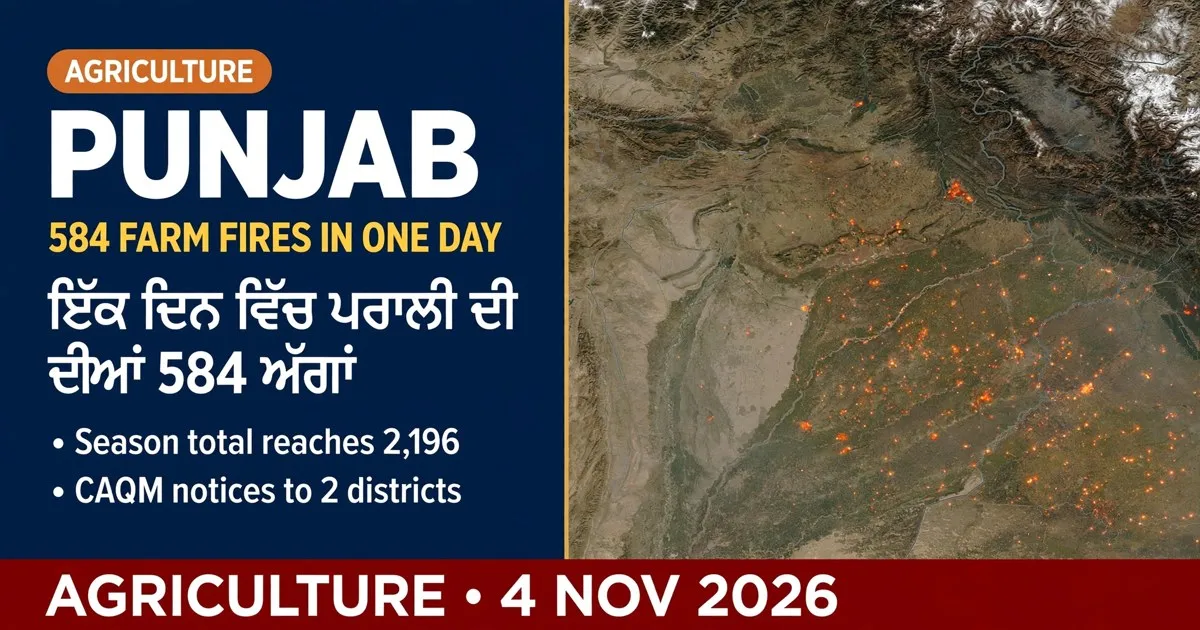 Punjab Farm Fires Jump to 584 in a Day, Season Total Hits 2,196ਪੰਜਾਬ ਵਿੱਚ ਇੱਕ ਦਿਨ ਵਿੱਚ ਪਰਾਲੀ ਦੀਆਂ 584 ਅੱਗਾਂ, ਸੀਜ਼ਨ ਦਾ ਕੁੱਲ ਅੰਕੜਾ 2,196
 Punjab Farm Fires Hit 1,612 as BJP and AAP Trade Charges Over Stubble Burningਪੰਜਾਬ ਵਿੱਚ ਖੇਤ ਅੱਗਾਂ 1,612 ਤੱਕ, ਪਰਾਲੀ ਉੱਤੇ ਭਾਜਪਾ ਅਤੇ ਆਪ ਆਹਮੋ ਸਾਹਮਣੇ
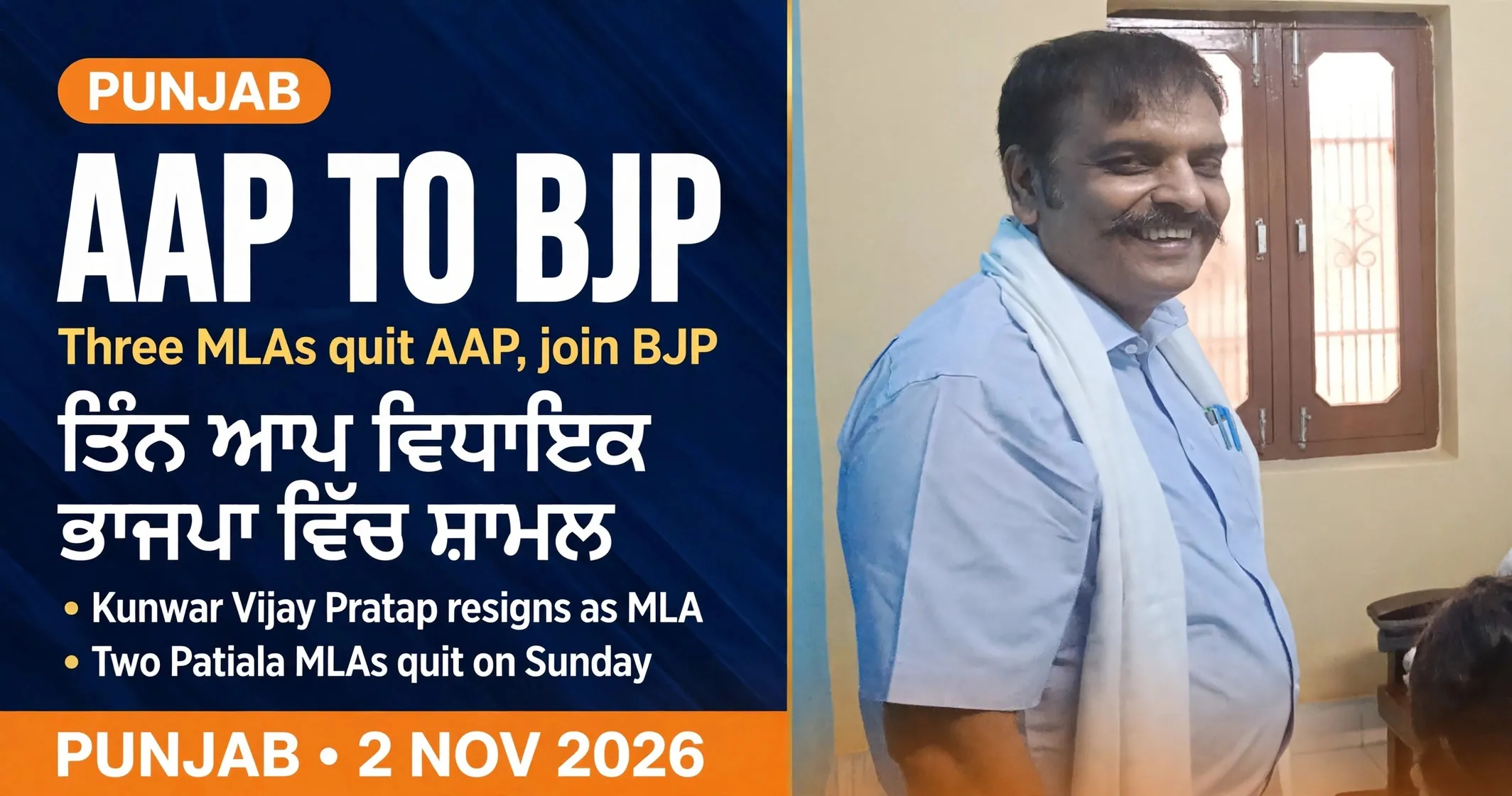 Three Punjab AAP MLAs Quit and Join BJP in Delhiਤਿੰਨ ਪੰਜਾਬ ਆਪ ਵਿਧਾਇਕਾਂ ਨੇ ਪਾਰਟੀ ਛੱਡੀ, ਭਾਜਪਾ ਵਿੱਚ ਸ਼ਾਮਲ ਹੋਏ
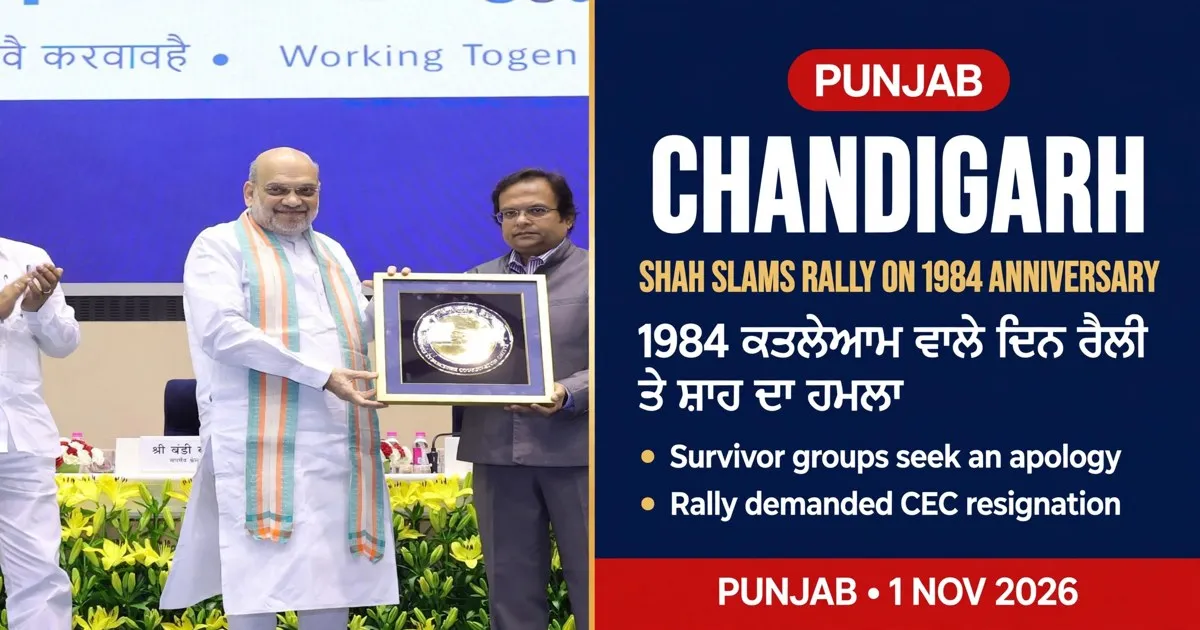 Shah Condemns Delhi Rally Held on 1984 Anniversary, Survivor Groups Seek Apologyਸ਼ਾਹ ਨੇ 1984 ਦੀ ਵਰ੍ਹੇਗੰਢ ਉੱਤੇ ਦਿੱਲੀ ਰੈਲੀ ਦੀ ਨਿੰਦਾ ਕੀਤੀ, ਪੀੜਤ ਪਰਿਵਾਰਾਂ ਨੇ ਮੁਆਫ਼ੀ ਮੰਗੀ
Sources (3)
Jugti is free and independent. Reader support keeps the Kosh growing.
Support