
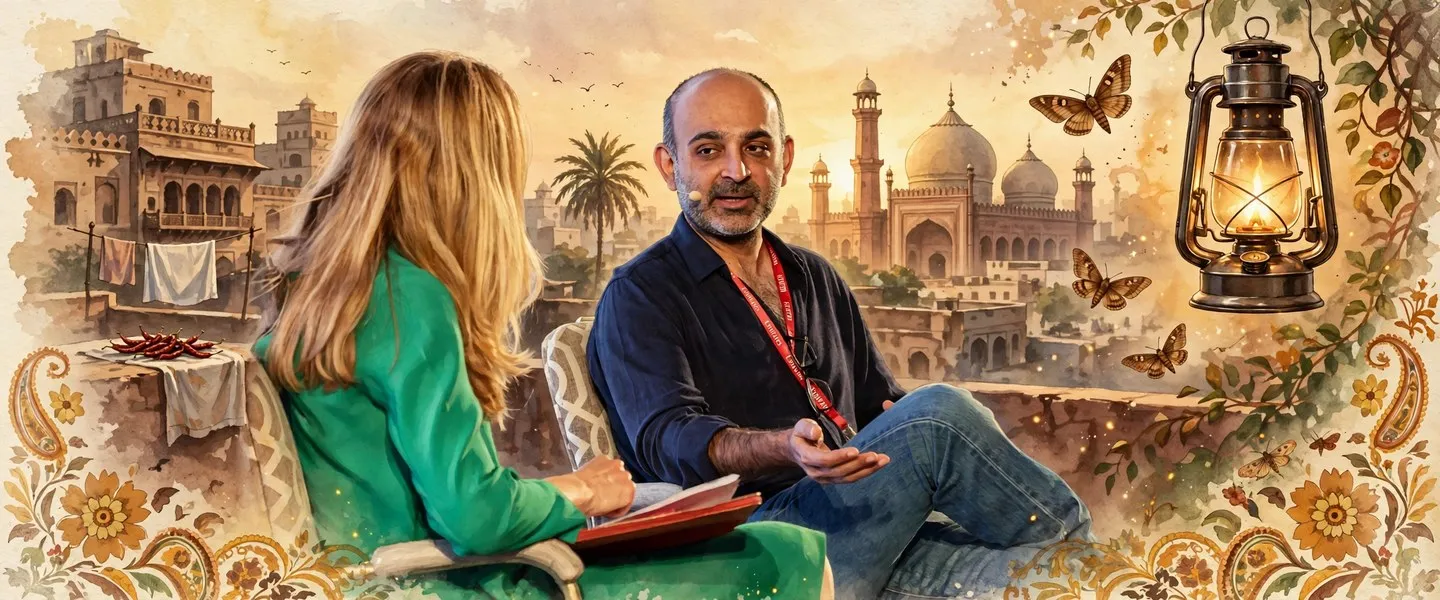
Moth Smoke (2000) is the debut novel of Mohsin Hamid, set in Lahore in the summer of 1998. It follows Darashikoh 'Daru' Shezad, a banker who loses his job, falls in love with his best friend's wife Mumtaz, and slides into drugs and crime, ending on trial for the death of a boy he may not have caused. The novel won the Betty Trask Award and was a finalist for the PEN/Hemingway Award.
English- Author
- Mohsin Hamid (born 1971)
- Published
- 2000
- Publisher
- Granta (UK); Farrar, Straus and Giroux (US)
- Language
- English
- Form
- Novel
- Setting
- Lahore, summer 1998
All 8 facts
- Awards
- Betty Trask Award; finalist, PEN/Hemingway Award
- Film adaptation
- Daira (2002)
Characters
About the book
Moth Smoke, published in 2000, is the debut novel of Mohsin Hamid, the Lahore-born writer who would go on to write The Reluctant Fundamentalist and Exit West. It is a short novel, about 250 pages, published by Granta in Britain and by Farrar, Straus and Giroux in the United States. It is set in Lahore over one long, hot summer: the summer of 1998, when Pakistan tested its first nuclear weapons and the country held its breath.
The book opens at the end. Darashikoh Shezad, known as Daru, is in a cell, on trial for killing a boy. The reader is told, in effect: you are the judge. What follows is the summer that led him there, told in chapters that alternate between Daru's own voice and the recollections of the people around him. The verdict is never given. The novel leaves the reader to decide what Daru is guilty of, and of what he is not.
What is Moth Smoke about?
Daru is a mid-level banker in Lahore with a short fuse. He was a college boxer, and the aggression that once served him well gets him fired after an outburst at work, for insubordination. He hides the loss of his job from his friends, but the gap between him and them widens by the day. His childhood best friend, Aurangzeb Shah, known as Ozi, has just returned from three years in America, rich, married to the beautiful Mumtaz, and living in a world of farmhouse parties and corrupt cash. Daru despises that world and cannot leave it.
Mumtaz is the centre of the book. She is a journalist who writes under the pen name Zulfikar Manto, and she falls for Daru even as she stays married to Ozi, with an infant son, Muazzam, at home. The affair is the one honest thing in Daru's summer, and it is also doomed: Mumtaz is ambivalent, Daru is obsessive, and the mismatch between them grows until she leaves him, urging him to get help.
Without her, Daru falls further. His electricity is cut off because he cannot pay. He cannot pay his servant, Manucci. He starts selling drugs, at first casually and then with enthusiasm, and smokes heroin-laced joints himself. His drug connection, Murad Badshah, talks him into robbing a boutique. During the robbery a small boy runs for the door and a gun goes off. The next day Daru is arrested, but not for the robbery: he is accused of hitting a boy with his car and driving away. The reader knows what Daru knows: he once saw Ozi strike a boy with his car and drive on, and he took the dying boy to hospital himself, promising Ozi he would say nothing. Whether Daru fired the gun, and whether the boy in the shop was hurt at all, the novel never says.
The Dara Shikoh parallel
The novel's frame comes from Mughal history. It opens with a story: the emperor Shah Jahan asks a Sufi saint what will become of his empire, and the saint answers with the names of his sons. Dara Shikoh, the eldest, the liberal and the mystic, will lose to Aurangzeb, the youngest, the severe and the sectarian. Dara is tried as an apostate and executed; Aurangzeb reigns.
Hamid gives his characters the princes' names and then scrambles them. Daru is Darashikoh, the Dara figure, and his best friend is Aurangzeb. But there is no throne here, only class: the contest is between a man with nothing and a man with everything, in a Lahore where money, not birth, decides who is protected. The title comes from a passage in the book about a moth circling a candle: it spins lower and lower, touches the flame, and ignites 'like a ball of hair, curling into an oily puff of fumes'. The flame burns on, as bright as before. Moth smoke lingers.
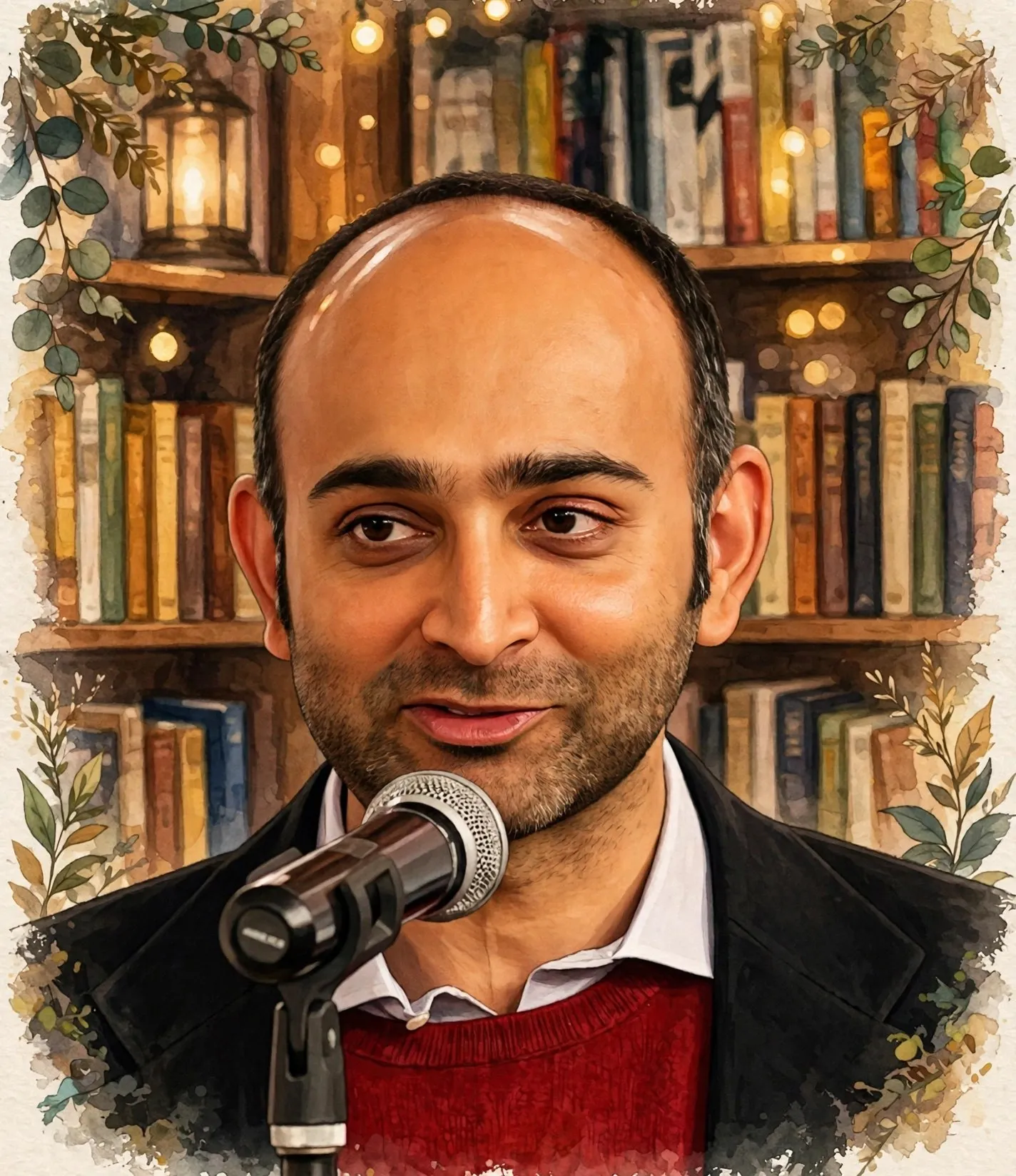
The author: Mohsin Hamid
Mohsin Hamid was born in Lahore in 1971, a few months before Pakistan's separation from Bangladesh. His family moved to California soon after, where his father was studying for a doctorate, and moved back to Lahore in 1980. He was educated at Princeton and Harvard Law School, worked as a management consultant in New York and London, and moved back to Lahore in 2013. He has said the novel is not autobiographical: he did not seduce his best friend's wife or stand trial for murder. But, as he told an interviewer, 'all of those characters came from me. Aurangzeb, too; who of us hasn't felt like a sellout living in Pakistan, at some point in our lives?'
Moth Smoke was his first book, written in his twenties. The Reluctant Fundamentalist followed in 2007, and Exit West in 2017; both were shortlisted for the Booker Prize. His work has been translated into more than thirty languages. The Sufi thread that runs through Moth Smoke, love as a force that transforms people, runs through all of it: Hamid has said that of all his fiction, love is the subject he keeps returning to, because 'without love, what is the point? Why be here?'
Reception and legacy
Moth Smoke won the Betty Trask Award for a first novel by a writer under 35, was a finalist for the PEN/Hemingway Award, and was named a New York Times Notable Book of the Year. In the New York Times, Jhumpa Lahiri compared Hamid to F. Scott Fitzgerald for showing 'the slippery ties between the extremely wealthy and those who hover, and generally stumble, in money's glare'. In the New York Review of Books, Anita Desai asked where the novelist was who could record the new Lahore of gun-running, drug-trafficking and new money, and answered: 'Mohsin Hamid's novel Moth Smoke, set in Lahore, is one of the first pictures we have of that world.'
In Pakistan, the book landed as a milestone: a debut that was unexotic, funny and bleak at once, and that treated Lahore's elite as a subject rather than an audience. It was adapted into the 2002 Pakistani film Daira, directed by Azfar Ali and starring Shahzad Nawaz, who also wrote the screenplay. A Hindi film version, planned by Rahul Bose, was never made. Twenty-five years on, the novel is still the sharpest portrait of the summer when Pakistan went nuclear and a young man in Lahore found out how little stood between him and the edge.
ਕਿਤਾਬ ਬਾਰੇ
ਮਾਥ ਸਮੋਕ, 2000 ਵਿੱਚ ਪ੍ਰਕਾਸ਼ਿਤ, ਮੋਹਸਿਨ ਹਾਮਿਦ ਦਾ ਪਹਿਲਾ ਨਾਵਲ ਹੈ, ਉਸ ਲਾਹੌਰ ਵਿੱਚ ਜੰਮੇ ਲੇਖਕ ਦਾ ਜੋ ਬਾਅਦ ਵਿੱਚ ਦ ਰਿਲਕਟੈਂਟ ਫੰਡਾਮੈਂਟਲਿਸਟ ਅਤੇ ਐਗਜ਼ਿਟ ਵੈਸਟ ਲਿਖੇਗਾ। ਇਹ ਇੱਕ ਛੋਟਾ ਨਾਵਲ ਹੈ, ਲਗਭਗ 250 ਸਫ਼ਿਆਂ ਦਾ, ਬ੍ਰਿਟੇਨ ਵਿੱਚ ਗ੍ਰਾਂਟਾ ਅਤੇ ਅਮਰੀਕਾ ਵਿੱਚ ਫ਼ਾਰਰ, ਸਟ੍ਰਾਸ ਐਂਡ ਗਿਰੂ ਦੁਆਰਾ ਪ੍ਰਕਾਸ਼ਿਤ। ਇਹ ਲਾਹੌਰ ਵਿੱਚ ਇੱਕ ਲੰਬੀ, ਗਰਮ ਗਰਮੀ ਦੌਰਾਨ ਵਾਪਰਦਾ ਹੈ: 1998 ਦੀ ਗਰਮੀ, ਜਦੋਂ ਪਾਕਿਸਤਾਨ ਨੇ ਆਪਣੇ ਪਹਿਲੇ ਪ੍ਰਮਾਣੂ ਹਥਿਆਰਾਂ ਦੀ ਪਰਖ ਕੀਤੀ ਅਤੇ ਸਾਰਾ ਦੇਸ਼ ਸਾਹ ਰੋਕ ਕੇ ਖੜ੍ਹਾ ਸੀ।
ਕਿਤਾਬ ਅੰਤ ਤੋਂ ਸ਼ੁਰੂ ਹੁੰਦੀ ਹੈ। ਦਾਰਾਸ਼ਿਕੋਹ ਸ਼ਹਿਜ਼ਾਦ, ਜਿਸ ਨੂੰ ਦਾਰੂ ਕਿਹਾ ਜਾਂਦਾ ਹੈ, ਇੱਕ ਕੋਠੜੀ ਵਿੱਚ ਹੈ, ਇੱਕ ਮੁੰਡੇ ਦੀ ਹੱਤਿਆ ਦੇ ਦੋਸ਼ ਵਿੱਚ ਮੁਕੱਦਮੇ ਦਾ ਸਾਹਮਣਾ ਕਰ ਰਿਹਾ ਹੈ। ਪਾਠਕ ਨੂੰ ਅਸਲ ਵਿੱਚ ਇਹ ਕਿਹਾ ਜਾਂਦਾ ਹੈ: ਤੁਸੀਂ ਜੱਜ ਹੋ। ਫਿਰ ਉਹ ਗਰਮੀ ਸੁਣਾਈ ਜਾਂਦੀ ਹੈ ਜੋ ਉਸ ਨੂੰ ਉੱਥੇ ਲੈ ਆਈ, ਅਜਿਹੇ ਅਧਿਆਇਆਂ ਵਿੱਚ ਜੋ ਦਾਰੂ ਦੀ ਆਪਣੀ ਆਵਾਜ਼ ਅਤੇ ਉਸ ਦੇ ਆਲੇ-ਦੁਆਲੇ ਦੇ ਲੋਕਾਂ ਦੀਆਂ ਯਾਦਾਂ ਵਿਚਕਾਰ ਬਦਲਦੇ ਰਹਿੰਦੇ ਹਨ। ਫ਼ੈਸਲਾ ਕਦੇ ਨਹੀਂ ਸੁਣਾਇਆ ਜਾਂਦਾ। ਨਾਵਲ ਪਾਠਕ ਉੱਤੇ ਛੱਡ ਦਿੰਦਾ ਹੈ ਕਿ ਦਾਰੂ ਕਿਸ ਗੱਲ ਦਾ ਦੋਸ਼ੀ ਹੈ, ਅਤੇ ਕਿਸ ਗੱਲ ਦਾ ਨਹੀਂ।
ਮਾਥ ਸਮੋਕ ਕਿਸ ਬਾਰੇ ਹੈ?
ਦਾਰੂ ਲਾਹੌਰ ਵਿੱਚ ਇੱਕ ਦਰਮਿਆਨੇ ਦਰਜੇ ਦਾ ਬੈਂਕਰ ਹੈ, ਜਿਸ ਦਾ ਗੁੱਸਾ ਜਲਦੀ ਭੜਕਦਾ ਹੈ। ਉਹ ਕਾਲਜ ਵਿੱਚ ਮੁੱਕੇਬਾਜ਼ ਸੀ, ਅਤੇ ਜਿਸ ਹਮਲਾਵਰਪੁਣੇ ਨੇ ਉਸ ਨੂੰ ਕਦੇ ਕੰਮ ਆਉਂਦਾ ਸੀ, ਉਹੀ ਉਸ ਦੀ ਨੌਕਰੀ ਖਾ ਜਾਂਦਾ ਹੈ, ਜਦੋਂ ਕੰਮ ਵਾਲੀ ਥਾਂ ਉੱਤੇ ਇੱਕ ਝਗੜੇ ਤੋਂ ਬਾਅਦ ਉਸ ਨੂੰ ਬੇਅਦਬੀ ਦੇ ਦੋਸ਼ ਵਿੱਚ ਕੱਢ ਦਿੱਤਾ ਜਾਂਦਾ ਹੈ। ਉਹ ਆਪਣੇ ਦੋਸਤਾਂ ਤੋਂ ਨੌਕਰੀ ਜਾਣ ਦੀ ਗੱਲ ਲੁਕਾਉਂਦਾ ਹੈ, ਪਰ ਉਨ੍ਹਾਂ ਨਾਲ ਉਸ ਦਾ ਫ਼ਾਸਲਾ ਦਿਨੋਂ-ਦਿਨ ਵਧਦਾ ਜਾਂਦਾ ਹੈ। ਉਸ ਦਾ ਬਚਪਨ ਦਾ ਸਭ ਤੋਂ ਚੰਗਾ ਦੋਸਤ, ਔਰੰਗਜ਼ੇਬ ਸ਼ਾਹ, ਜਿਸ ਨੂੰ ਓਜ਼ੀ ਕਿਹਾ ਜਾਂਦਾ ਹੈ, ਅਮਰੀਕਾ ਵਿੱਚ ਤਿੰਨ ਸਾਲ ਬਿਤਾ ਕੇ ਹੁਣੇ ਵਾਪਸ ਆਇਆ ਹੈ, ਅਮੀਰ, ਸੋਹਣੀ ਮੁਮਤਾਜ਼ ਨਾਲ ਵਿਆਹਿਆ ਹੋਇਆ, ਅਤੇ ਫ਼ਾਰਮਹਾਊਸ ਪਾਰਟੀਆਂ ਅਤੇ ਭ੍ਰਿਸ਼ਟ ਪੈਸੇ ਦੀ ਦੁਨੀਆ ਵਿੱਚ ਰਹਿੰਦਾ ਹੈ। ਦਾਰੂ ਉਸ ਦੁਨੀਆ ਤੋਂ ਨਫ਼ਰਤ ਕਰਦਾ ਹੈ ਅਤੇ ਉਸ ਨੂੰ ਛੱਡ ਵੀ ਨਹੀਂ ਸਕਦਾ।
ਮੁਮਤਾਜ਼ ਕਿਤਾਬ ਦਾ ਕੇਂਦਰ ਹੈ। ਉਹ ਇੱਕ ਪੱਤਰਕਾਰ ਹੈ ਜੋ ਜ਼ੁਲਫ਼ਿਕਾਰ ਮੰਟੋ ਦੇ ਕਲਮੀ ਨਾਂ ਹੇਠ ਲਿਖਦੀ ਹੈ, ਅਤੇ ਉਹ ਦਾਰੂ ਨਾਲ ਪਿਆਰ ਕਰ ਬੈਠਦੀ ਹੈ, ਭਾਵੇਂ ਉਹ ਓਜ਼ੀ ਨਾਲ ਵਿਆਹੀ ਹੋਈ ਹੈ ਅਤੇ ਘਰ ਵਿੱਚ ਉਸ ਦਾ ਛੋਟਾ ਪੁੱਤਰ ਮੁਅੱਜ਼ਮ ਹੈ। ਇਹ ਮੁਹੱਬਤ ਦਾਰੂ ਦੀ ਗਰਮੀ ਦੀ ਇੱਕੋ ਇਮਾਨਦਾਰ ਗੱਲ ਹੈ, ਅਤੇ ਇਹ ਬਰਬਾਦ ਹੋਣੀ ਵੀ ਤੈਅ ਹੈ: ਮੁਮਤਾਜ਼ ਦੁਚਿੱਤੀ ਵਿੱਚ ਹੈ, ਦਾਰੂ ਜਨੂੰਨੀ ਹੈ, ਅਤੇ ਉਨ੍ਹਾਂ ਵਿਚਕਾਰ ਫ਼ਰਕ ਉਦੋਂ ਤੱਕ ਵਧਦਾ ਰਹਿੰਦਾ ਹੈ ਜਦੋਂ ਤੱਕ ਉਹ ਉਸ ਨੂੰ ਛੱਡ ਕੇ ਨਹੀਂ ਜਾਂਦੀ, ਉਸ ਨੂੰ ਮਦਦ ਲੈਣ ਲਈ ਕਹਿੰਦੇ ਹੋਏ।
ਉਸ ਤੋਂ ਬਿਨਾਂ ਦਾਰੂ ਹੋਰ ਹੇਠਾਂ ਡਿੱਗਦਾ ਹੈ। ਉਸ ਦੀ ਬਿਜਲੀ ਕੱਟ ਦਿੱਤੀ ਜਾਂਦੀ ਹੈ ਕਿਉਂਕਿ ਉਹ ਬਿੱਲ ਨਹੀਂ ਦੇ ਸਕਦਾ। ਉਹ ਆਪਣੇ ਨੌਕਰ ਮਨੂਚੀ ਨੂੰ ਤਨਖ਼ਾਹ ਨਹੀਂ ਦੇ ਸਕਦਾ। ਉਹ ਨਸ਼ੇ ਵੇਚਣਾ ਸ਼ੁਰੂ ਕਰ ਦਿੰਦਾ ਹੈ, ਪਹਿਲਾਂ ਆਮ ਤੌਰ ਉੱਤੇ ਅਤੇ ਫਿਰ ਜੋਸ਼ ਨਾਲ, ਅਤੇ ਖ਼ੁਦ ਵੀ ਹੈਰੋਇਨ ਮਿਲੇ ਸਿਗਰਟ ਪੀਂਦਾ ਹੈ। ਉਸ ਦਾ ਨਸ਼ੇ ਵਾਲਾ ਸੰਪਰਕ, ਮੁਰਾਦ ਬਾਦਸ਼ਾਹ, ਉਸ ਨੂੰ ਇੱਕ ਬੁਟੀਕ ਲੁੱਟਣ ਲਈ ਮਨਾ ਲੈਂਦਾ ਹੈ। ਲੁੱਟ ਦੌਰਾਨ ਇੱਕ ਛੋਟਾ ਮੁੰਡਾ ਦਰਵਾਜ਼ੇ ਵੱਲ ਭੱਜਦਾ ਹੈ ਅਤੇ ਬੰਦੂਕ ਚੱਲ ਜਾਂਦੀ ਹੈ। ਅਗਲੇ ਦਿਨ ਦਾਰੂ ਗ੍ਰਿਫ਼ਤਾਰ ਹੋ ਜਾਂਦਾ ਹੈ, ਪਰ ਲੁੱਟ ਲਈ ਨਹੀਂ: ਉਸ ਉੱਤੇ ਦੋਸ਼ ਹੈ ਕਿ ਉਸ ਨੇ ਆਪਣੀ ਗੱਡੀ ਨਾਲ ਇੱਕ ਮੁੰਡੇ ਨੂੰ ਮਾਰ ਕੇ ਭੱਜ ਗਿਆ ਸੀ। ਪਾਠਕ ਜਾਣਦਾ ਹੈ ਜੋ ਦਾਰੂ ਜਾਣਦਾ ਹੈ: ਉਸ ਨੇ ਇੱਕ ਵਾਰ ਓਜ਼ੀ ਨੂੰ ਆਪਣੀ ਗੱਡੀ ਨਾਲ ਇੱਕ ਮੁੰਡੇ ਨੂੰ ਮਾਰ ਕੇ ਭੱਜਦੇ ਵੇਖਿਆ ਸੀ, ਅਤੇ ਉਸ ਨੇ ਖ਼ੁਦ ਮਰ ਰਹੇ ਮੁੰਡੇ ਨੂੰ ਹਸਪਤਾਲ ਪਹੁੰਚਾਇਆ ਸੀ, ਓਜ਼ੀ ਨੂੰ ਵਾਅਦਾ ਕਰ ਕੇ ਕਿ ਉਹ ਕੁਝ ਨਹੀਂ ਕਹੇਗਾ। ਬੰਦੂਕ ਕਿਸ ਨੇ ਚਲਾਈ ਸੀ, ਅਤੇ ਦੁਕਾਨ ਵਾਲਾ ਮੁੰਡਾ ਜ਼ਖ਼ਮੀ ਹੋਇਆ ਸੀ ਜਾਂ ਨਹੀਂ, ਨਾਵਲ ਇਹ ਕਦੇ ਨਹੀਂ ਦੱਸਦਾ।
ਦਾਰਾ ਸ਼ਿਕੋਹ ਨਾਲ ਸਮਾਨਤਾ
ਨਾਵਲ ਦਾ ਢਾਂਚਾ ਮੁਗ਼ਲ ਇਤਿਹਾਸ ਤੋਂ ਆਇਆ ਹੈ। ਇਹ ਇੱਕ ਕਹਾਣੀ ਨਾਲ ਸ਼ੁਰੂ ਹੁੰਦਾ ਹੈ: ਬਾਦਸ਼ਾਹ ਸ਼ਾਹ ਜਹਾਂ ਇੱਕ ਸੂਫ਼ੀ ਸੰਤ ਤੋਂ ਪੁੱਛਦਾ ਹੈ ਕਿ ਉਸ ਦੀ ਸਲਤਨਤ ਦਾ ਕੀ ਬਣੇਗਾ, ਅਤੇ ਸੰਤ ਉਸ ਦੇ ਪੁੱਤਰਾਂ ਦੇ ਨਾਂ ਲੈ ਕੇ ਜਵਾਬ ਦਿੰਦਾ ਹੈ। ਦਾਰਾ ਸ਼ਿਕੋਹ, ਸਭ ਤੋਂ ਵੱਡਾ, ਉਦਾਰ ਅਤੇ ਸੂਫ਼ੀ ਸੁਭਾਅ ਵਾਲਾ, ਔਰੰਗਜ਼ੇਬ, ਸਭ ਤੋਂ ਛੋਟੇ, ਸਖ਼ਤ ਅਤੇ ਫ਼ਿਰਕੂ, ਤੋਂ ਹਾਰ ਜਾਵੇਗਾ। ਦਾਰਾ ਉੱਤੇ ਕੁਫ਼ਰ ਦਾ ਮੁਕੱਦਮਾ ਚਲਾਇਆ ਜਾਂਦਾ ਹੈ ਅਤੇ ਉਸ ਨੂੰ ਮਾਰ ਦਿੱਤਾ ਜਾਂਦਾ ਹੈ; ਔਰੰਗਜ਼ੇਬ ਰਾਜ ਕਰਦਾ ਹੈ।
ਹਾਮਿਦ ਆਪਣੇ ਪਾਤਰਾਂ ਨੂੰ ਸ਼ਹਿਜ਼ਾਦਿਆਂ ਦੇ ਨਾਂ ਦਿੰਦਾ ਹੈ ਅਤੇ ਫਿਰ ਉਨ੍ਹਾਂ ਨੂੰ ਉਲਝਾ ਦਿੰਦਾ ਹੈ। ਦਾਰੂ ਦਾਰਾਸ਼ਿਕੋਹ ਹੈ, ਦਾਰਾ ਵਾਲਾ ਪਾਤਰ, ਅਤੇ ਉਸ ਦਾ ਸਭ ਤੋਂ ਚੰਗਾ ਦੋਸਤ ਔਰੰਗਜ਼ੇਬ ਹੈ। ਪਰ ਇੱਥੇ ਕੋਈ ਤਖ਼ਤ ਨਹੀਂ, ਸਿਰਫ਼ ਜਮਾਤ ਹੈ: ਮੁਕਾਬਲਾ ਉਸ ਆਦਮੀ ਵਿਚਕਾਰ ਹੈ ਜਿਸ ਕੋਲ ਕੁਝ ਨਹੀਂ ਅਤੇ ਉਸ ਆਦਮੀ ਵਿਚਕਾਰ ਹੈ ਜਿਸ ਕੋਲ ਸਭ ਕੁਝ ਹੈ, ਇੱਕ ਅਜਿਹੇ ਲਾਹੌਰ ਵਿੱਚ ਜਿੱਥੇ ਪੈਸਾ, ਨਾ ਕਿ ਜਨਮ, ਤੈਅ ਕਰਦਾ ਹੈ ਕਿ ਕਿਸ ਦੀ ਰੱਖਿਆ ਹੋਵੇਗੀ। ਨਾਂ ਕਿਤਾਬ ਦੇ ਇੱਕ ਹਿੱਸੇ ਤੋਂ ਆਇਆ ਹੈ, ਜਿਸ ਵਿੱਚ ਇੱਕ ਪਤੰਗਾ ਮੋਮਬੱਤੀ ਦੁਆਲੇ ਘੁੰਮਦਾ ਹੈ: ਉਹ ਹੇਠਾਂ-ਹੇਠਾਂ ਘੁੰਮਦਾ ਹੈ, ਅੱਗ ਨੂੰ ਛੂੰਹਦਾ ਹੈ, ਅਤੇ 'ਵਾਲਾਂ ਦੀ ਗੇਂਦ ਵਾਂਗ' ਸੜ ਜਾਂਦਾ ਹੈ, ਤੇਲ ਵਾਲੇ ਧੂੰਏਂ ਵਿੱਚ ਬਦਲ ਜਾਂਦਾ ਹੈ। ਅੱਗ ਪਹਿਲਾਂ ਵਾਂਗ ਹੀ ਬਲਦੀ ਰਹਿੰਦੀ ਹੈ। ਪਤੰਗੇ ਦਾ ਧੂੰਆਂ ਰਹਿ ਜਾਂਦਾ ਹੈ।
ਲੇਖਕ: ਮੋਹਸਿਨ ਹਾਮਿਦ
ਮੋਹਸਿਨ ਹਾਮਿਦ ਦਾ ਜਨਮ 1971 ਵਿੱਚ ਲਾਹੌਰ ਵਿੱਚ ਹੋਇਆ ਸੀ, ਪਾਕਿਸਤਾਨ ਦੇ ਬੰਗਲਾਦੇਸ਼ ਤੋਂ ਵੱਖ ਹੋਣ ਤੋਂ ਕੁਝ ਮਹੀਨੇ ਪਹਿਲਾਂ। ਉਸ ਦਾ ਪਰਿਵਾਰ ਜਲਦੀ ਹੀ ਕੈਲੀਫ਼ੋਰਨੀਆ ਚਲਾ ਗਿਆ, ਜਿੱਥੇ ਉਸ ਦੇ ਪਿਤਾ ਡਾਕਟਰੇਟ ਕਰ ਰਹੇ ਸਨ, ਅਤੇ 1980 ਵਿੱਚ ਲਾਹੌਰ ਵਾਪਸ ਆ ਗਿਆ। ਉਸ ਨੇ ਪ੍ਰਿੰਸਟਨ ਅਤੇ ਹਾਰਵਰਡ ਲਾਅ ਸਕੂਲ ਵਿੱਚ ਪੜ੍ਹਾਈ ਕੀਤੀ, ਨਿਊਯਾਰਕ ਅਤੇ ਲੰਡਨ ਵਿੱਚ ਪ੍ਰਬੰਧਨ ਸਲਾਹਕਾਰ ਵਜੋਂ ਕੰਮ ਕੀਤਾ, ਅਤੇ 2013 ਵਿੱਚ ਲਾਹੌਰ ਵਾਪਸ ਆ ਗਿਆ। ਉਸ ਨੇ ਕਿਹਾ ਹੈ ਕਿ ਨਾਵਲ ਆਤਮਕਥਾ ਨਹੀਂ ਹੈ: ਉਸ ਨੇ ਆਪਣੇ ਸਭ ਤੋਂ ਚੰਗੇ ਦੋਸਤ ਦੀ ਪਤਨੀ ਨੂੰ ਨਹੀਂ ਲੁਭਾਇਆ ਅਤੇ ਨਾ ਹੀ ਉਹ ਕਤਲ ਦੇ ਮੁਕੱਦਮੇ ਵਿੱਚ ਖੜ੍ਹਾ ਹੋਇਆ। ਪਰ, ਜਿਵੇਂ ਉਸ ਨੇ ਇੱਕ ਇੰਟਰਵਿਊ ਵਿੱਚ ਕਿਹਾ, 'ਉਹ ਸਾਰੇ ਪਾਤਰ ਮੇਰੇ ਅੰਦਰੋਂ ਆਏ ਸਨ। ਔਰੰਗਜ਼ੇਬ ਵੀ; ਸਾਡੇ ਵਿੱਚੋਂ ਕਿਸ ਨੇ ਕਦੇ ਪਾਕਿਸਤਾਨ ਵਿੱਚ ਰਹਿੰਦੇ ਹੋਏ ਆਪਣੇ ਆਪ ਨੂੰ ਵਿਕਿਆ ਹੋਇਆ ਨਹੀਂ ਮਹਿਸੂਸ ਕੀਤਾ?'
ਮਾਥ ਸਮੋਕ ਉਸ ਦੀ ਪਹਿਲੀ ਕਿਤਾਬ ਸੀ, ਜੋ ਉਸ ਨੇ ਆਪਣੇ ਵੀਹਵਿਆਂ ਵਿੱਚ ਲਿਖੀ ਸੀ। ਦ ਰਿਲਕਟੈਂਟ ਫੰਡਾਮੈਂਟਲਿਸਟ 2007 ਵਿੱਚ ਅਤੇ ਐਗਜ਼ਿਟ ਵੈਸਟ 2017 ਵਿੱਚ ਆਏ; ਦੋਵੇਂ ਬੁੱਕਰ ਪੁਰਸਕਾਰ ਲਈ ਸ਼ਾਰਟਲਿਸਟ ਹੋਏ। ਉਸ ਦੀ ਰਚਨਾ ਤੀਹ ਤੋਂ ਵੱਧ ਭਾਸ਼ਾਵਾਂ ਵਿੱਚ ਅਨੁਵਾਦ ਹੋ ਚੁੱਕੀ ਹੈ। ਸੂਫ਼ੀ ਧਾਗਾ ਜੋ ਮਾਥ ਸਮੋਕ ਵਿੱਚੋਂ ਲੰਘਦਾ ਹੈ, ਪਿਆਰ ਇੱਕ ਅਜਿਹੀ ਤਾਕਤ ਵਜੋਂ ਜੋ ਲੋਕਾਂ ਨੂੰ ਬਦਲ ਦਿੰਦੀ ਹੈ, ਉਸ ਦੀ ਸਾਰੀ ਰਚਨਾ ਵਿੱਚੋਂ ਲੰਘਦਾ ਹੈ: ਹਾਮਿਦ ਨੇ ਕਿਹਾ ਹੈ ਕਿ ਉਸ ਦੀ ਸਾਰੀ ਗਲਪ ਵਿੱਚ ਪਿਆਰ ਹੀ ਉਹ ਵਿਸ਼ਾ ਹੈ ਜਿਸ ਵੱਲ ਉਹ ਵਾਰ-ਵਾਰ ਮੁੜਦਾ ਹੈ, ਕਿਉਂਕਿ 'ਪਿਆਰ ਤੋਂ ਬਿਨਾਂ, ਕੀ ਫ਼ਾਇਦਾ? ਇੱਥੇ ਕਿਉਂ ਹੋਈਏ?'
ਸਵਾਗਤ ਅਤੇ ਵਿਰਾਸਤ
ਮਾਥ ਸਮੋਕ ਨੇ 35 ਸਾਲ ਤੋਂ ਘੱਟ ਉਮਰ ਦੇ ਲੇਖਕ ਦੇ ਪਹਿਲੇ ਨਾਵਲ ਲਈ ਬੈਟੀ ਟਰਾਸਕ ਅਵਾਰਡ ਜਿੱਤਿਆ, ਪੈਨ/ਹੈਮਿੰਗਵੇ ਅਵਾਰਡ ਲਈ ਫ਼ਾਈਨਲਿਸਟ ਰਿਹਾ, ਅਤੇ ਨਿਊਯਾਰਕ ਟਾਈਮਜ਼ ਦੀ ਸਾਲ ਦੀ ਮਹੱਤਵਪੂਰਨ ਕਿਤਾਬ ਚੁਣਿਆ ਗਿਆ। ਨਿਊਯਾਰਕ ਟਾਈਮਜ਼ ਵਿੱਚ ਝੁੰਪਾ ਲਾਹਿਰੀ ਨੇ ਹਾਮਿਦ ਦੀ ਤੁਲਨਾ ਐਫ਼. ਸਕਾਟ ਫ਼ਿਟਜ਼ਜੈਰਲਡ ਨਾਲ ਕੀਤੀ, ਕਿਉਂਕਿ ਉਸ ਨੇ 'ਬਹੁਤ ਅਮੀਰ ਲੋਕਾਂ ਅਤੇ ਉਨ੍ਹਾਂ ਵਿਚਕਾਰ ਫ਼ਿਸਲਣ ਵਾਲੇ ਸਬੰਧ ਦਿਖਾਏ ਜੋ ਉਨ੍ਹਾਂ ਦੇ ਪੈਸੇ ਦੀ ਚਮਕ ਵਿੱਚ ਘੁੰਮਦੇ ਹਨ, ਅਤੇ ਆਮ ਤੌਰ ਉੱਤੇ ਠੋਕਰ ਖਾਂਦੇ ਹਨ।' ਨਿਊਯਾਰਕ ਰਿਵਿਊ ਆਫ਼ ਬੁੱਕਸ ਵਿੱਚ ਅਨੀਤਾ ਦੇਸਾਈ ਨੇ ਪੁੱਛਿਆ ਕਿ ਉਹ ਨਾਵਲਕਾਰ ਕਿੱਥੇ ਹੈ ਜੋ ਹਥਿਆਰਾਂ ਦੀ ਤਸਕਰੀ, ਨਸ਼ਿਆਂ ਦੇ ਵਪਾਰ ਅਤੇ ਨਵੇਂ ਪੈਸੇ ਵਾਲੇ ਨਵੇਂ ਲਾਹੌਰ ਨੂੰ ਦਰਜ ਕਰ ਸਕੇ, ਅਤੇ ਜਵਾਬ ਦਿੱਤਾ: 'ਲਾਹੌਰ ਵਿੱਚ ਸਥਿਤ ਮੋਹਸਿਨ ਹਾਮਿਦ ਦਾ ਨਾਵਲ ਮਾਥ ਸਮੋਕ, ਉਸ ਦੁਨੀਆ ਦੀਆਂ ਪਹਿਲੀਆਂ ਤਸਵੀਰਾਂ ਵਿੱਚੋਂ ਇੱਕ ਹੈ।'
ਪਾਕਿਸਤਾਨ ਵਿੱਚ ਕਿਤਾਬ ਇੱਕ ਮੀਲ ਪੱਥਰ ਵਜੋਂ ਆਈ: ਇੱਕ ਅਜਿਹਾ ਪਹਿਲਾ ਨਾਵਲ ਜੋ ਵਿਦੇਸ਼ੀ, ਮਜ਼ਾਕੀਆ ਅਤੇ ਉਦਾਸ, ਤਿੰਨੇ ਇੱਕੋ ਸਮੇਂ ਸੀ, ਅਤੇ ਜਿਸ ਨੇ ਲਾਹੌਰ ਦੇ ਕੁਲੀਨ ਵਰਗ ਨੂੰ ਦਰਸ਼ਕ ਦੀ ਥਾਂ ਵਿਸ਼ਾ ਬਣਾਇਆ। ਇਸ ਉੱਤੇ 2002 ਵਿੱਚ ਪਾਕਿਸਤਾਨੀ ਫ਼ਿਲਮ ਦਾਇਰਾ ਬਣੀ, ਜਿਸ ਦਾ ਨਿਰਦੇਸ਼ਨ ਅਜ਼ਫ਼ਰ ਅਲੀ ਨੇ ਕੀਤਾ ਅਤੇ ਜਿਸ ਵਿੱਚ ਸ਼ਹਿਜ਼ਾਦ ਨਵਾਜ਼ ਨੇ ਅਭਿਨੈ ਕੀਤਾ, ਜਿਸ ਨੇ ਇਸ ਦੀ ਪਟਕਥਾ ਵੀ ਲਿਖੀ ਸੀ। ਰਾਹੁਲ ਬੋਸ ਦੁਆਰਾ ਯੋਜਨਾਬੱਧ ਹਿੰਦੀ ਫ਼ਿਲਮ ਸੰਸਕਰਨ ਕਦੇ ਨਹੀਂ ਬਣਿਆ। ਪੱਚੀ ਸਾਲਾਂ ਬਾਅਦ ਵੀ ਇਹ ਨਾਵਲ ਉਸ ਗਰਮੀ ਦੀ ਸਭ ਤੋਂ ਤਿੱਖੀ ਤਸਵੀਰ ਹੈ ਜਦੋਂ ਪਾਕਿਸਤਾਨ ਪ੍ਰਮਾਣੂ ਸ਼ਕਤੀ ਬਣਿਆ ਅਤੇ ਲਾਹੌਰ ਵਿੱਚ ਇੱਕ ਨੌਜਵਾਨ ਨੂੰ ਪਤਾ ਲੱਗਾ ਕਿ ਉਸ ਅਤੇ ਕਿਨਾਰੇ ਵਿਚਕਾਰ ਕਿੰਨਾ ਘੱਟ ਫ਼ਾਸਲਾ ਸੀ।
Editions and translations
- Moth SmokeEnglish · original · Granta, 2000 (UK); Farrar, Straus and Giroux, 2000 (US)Original
The author
Connected
More to read
Sources (3)
Jugti is free and independent. Reader support keeps the Kosh growing.
Support