
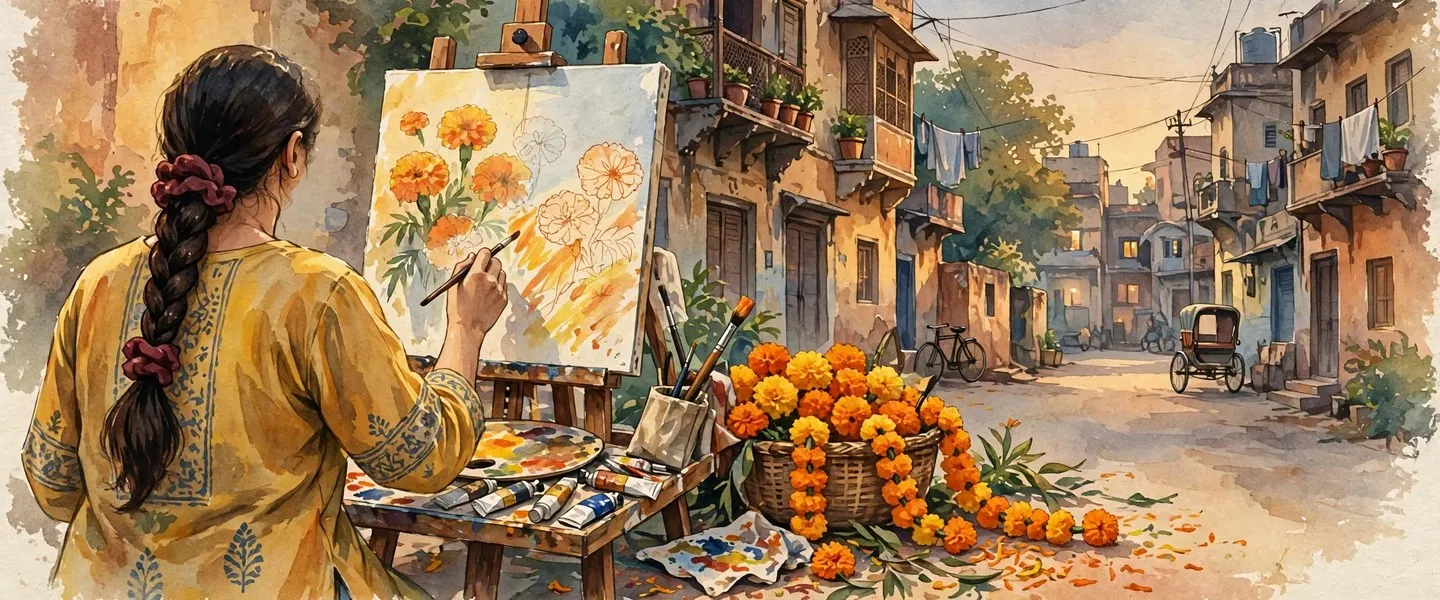
A Married Woman (2002) is Manju Kapur's second novel, the story of Astha, a Delhi schoolteacher and painter whose arranged marriage to Hemant leaves her suffocated by routine. Against the Ayodhya movement and the destruction of the Babri Masjid, she finds love with Pipeelika, the widow of a street-theatre activist, in a novel that pairs one woman's search for herself with India at a moment of communal crisis.
English- Author
- Manju Kapur
- Published
- 2002 (India); 2003 (Faber, London)
- Language
- English
- Form
- Novel
- Set in
- Delhi, 1970s to early 1990s
- Main character
- Astha
All 8 facts
- Shortlisted for
- Encore Award
- Adapted as
- The Married Woman, web series
Characters
About the book
A Married Woman is Manju Kapur's second novel, first published in India in 2002 and by Faber in London in 2003. It follows Astha, a Delhi schoolteacher and painter, from an arranged marriage that gives her everything a respectable life is supposed to contain to a love that threatens to take it all away. The novel sets one woman's private search for a self against a public crisis: the Ayodhya movement and the destruction of the Babri Masjid in December 1992, when India argued over religion in the streets. Kapur has said the book began as a study of female friendship, and that the politics mattered most to her.
What is A Married Woman about?
Astha is the only daughter of middle-class Delhi parents, a senior bureaucrat father and a schoolteacher mother, whose hopes for her end at a good marriage. She is talented, restless and a painter, and she dreams of a lover who will touch her soul. She refuses suitor after suitor until she meets Hemant, who has studied in the United States and comes home with liberal ideas. They marry, he leaves a bank job to set up a factory making televisions, and they have two children, a girl, Anuradha, and a boy, Himanshu. For a while the marriage works. Then the routine closes in: the housework, the children, a husband who grows indifferent and unfaithful, and the migraines that arrive with the feeling of being worthless. Astha starts teaching at a public school, and there she meets Aijaz Akhtar Khan, a history lecturer who runs a street theatre group and holds a workshop on communalism for the schoolchildren. She is drawn to his energy and his politics, and then, after Aijaz is killed, to his widow Pipeelika, called Pipee, an NGO worker younger than Astha. The two women become lovers, stealing time together on the pretext of a pilgrimage to Ayodhya and an Ekta Yatra, a unity march, while Astha's marriage and the country around her come apart.
The novel ends without a triumph. Pipee asks Astha to leave her family and start a life with her, and Astha refuses: she has children, a home, and a marriage she cannot quite abandon, even though it makes her ill. Pipee leaves for the United States to do a PhD on communalism, and Astha goes home to the housework, the cleaning, and the tears she cannot explain. Kapur does not resolve the question her novel asks. She leaves Astha exactly where so many women are left: between a life that is respectable and a life that is her own.
Themes: marriage, desire and a country in crisis
The first theme is marriage as a cage with comfortable bars. Astha is not beaten or starved; she is bored, ignored and slowly erased, and the novel's most telling symptom is the migraine, which vanishes when she is with Pipee and returns when she is not. The second theme is desire that will not fit the shape allowed to it. Astha's love for Pipee is physical, tender and real, and the novel describes it without apology, which was a bold choice in India in 2002, six years after Deepa Mehta's film Fire had been attacked for showing a lesbian romance. The third theme is communalism: the novel is set against the campaign to build a temple at Ayodhya, and Astha's private rebellion runs alongside a public one, as if her search for a self and the country's argument over itself were the same story told twice.
The author
Manju Kapur was born in Amritsar, Punjab, in 1948, a year after Partition divided her province. She studied at Miranda House, the women's college of the University of Delhi, and taught English literature there for almost thirty years. Her first novel, Difficult Daughters (1998), won the Commonwealth Writers' Prize for Best First Book. A Married Woman was her second novel, followed by Home (2006), The Immigrant (2008) and Custody (2011). Her fiction returns again and again to educated middle-class women who find the roles handed to them too small, and who pay a price for wanting more. A Married Woman later became the web series The Married Woman.
Reception and legacy
A Married Woman was shortlisted for the Encore Award, and it has become one of the most written-about Indian novels of its decade, widely studied in Indian universities and the subject of many academic papers on gender and Indian writing in English. Critics have argued over whether it is a lesbian novel at all: Astha never leaves her husband, never comes out, and chooses her children over Pipee, and some readers find the ending a failure of nerve. Others read that refusal as the point. The novel's honesty about what a woman in Astha's position can and cannot do is what makes it last: it shows a desire that is real and a world that has no room for it, and it refuses to pretend otherwise.
ਕਿਤਾਬ ਬਾਰੇ
ਅ ਮੈਰਿਡ ਵੂਮੈਨ ਮੰਜੂ ਕਪੂਰ ਦਾ ਦੂਜਾ ਨਾਵਲ ਹੈ, ਜੋ ਭਾਰਤ ਵਿੱਚ 2002 ਵਿੱਚ ਅਤੇ ਲੰਡਨ ਵਿੱਚ ਫੈਬਰ ਵੱਲੋਂ 2003 ਵਿੱਚ ਛਪਿਆ। ਇਹ ਆਸਥਾ ਦੀ ਕਹਾਣੀ ਹੈ, ਦਿੱਲੀ ਦੀ ਇੱਕ ਸਕੂਲ ਅਧਿਆਪਕਾ ਅਤੇ ਚਿੱਤਰਕਾਰ, ਜਿਸ ਦਾ ਤੈਅ ਵਿਆਹ ਉਸ ਨੂੰ ਉਹ ਸਭ ਕੁਝ ਦਿੰਦਾ ਹੈ ਜੋ ਇੱਕ ਸਤਿਕਾਰਯੋਗ ਜੀਵਨ ਵਿੱਚ ਹੋਣਾ ਚਾਹੀਦਾ ਹੈ, ਅਤੇ ਫਿਰ ਇੱਕ ਪਿਆਰ ਉਸ ਤੋਂ ਸਭ ਕੁਝ ਖੋਹਣ ਦਾ ਖ਼ਤਰਾ ਬਣ ਜਾਂਦਾ ਹੈ। ਨਾਵਲ ਇੱਕ ਔਰਤ ਦੀ ਆਪਣੇ ਆਪ ਦੀ ਨਿੱਜੀ ਖੋਜ ਨੂੰ ਇੱਕ ਜਨਤਕ ਸੰਕਟ ਦੇ ਸਾਹਮਣੇ ਰੱਖਦਾ ਹੈ: ਅਯੁੱਧਿਆ ਲਹਿਰ ਅਤੇ ਦਸੰਬਰ 1992 ਵਿੱਚ ਬਾਬਰੀ ਮਸਜਿਦ ਦਾ ਢਾਹਿਆ ਜਾਣਾ, ਜਦੋਂ ਭਾਰਤ ਗਲੀਆਂ ਵਿੱਚ ਧਰਮ ਉੱਤੇ ਬਹਿਸ ਕਰ ਰਿਹਾ ਸੀ। ਕਪੂਰ ਨੇ ਕਿਹਾ ਹੈ ਕਿ ਕਿਤਾਬ ਔਰਤਾਂ ਦੀ ਦੋਸਤੀ ਦੇ ਅਧਿਐਨ ਵਜੋਂ ਸ਼ੁਰੂ ਹੋਈ ਸੀ, ਅਤੇ ਉਸ ਲਈ ਸਿਆਸਤ ਸਭ ਤੋਂ ਵੱਧ ਮਹੱਤਵਪੂਰਨ ਸੀ।
ਅ ਮੈਰਿਡ ਵੂਮੈਨ ਕਿਸ ਬਾਰੇ ਹੈ?
ਆਸਥਾ ਦਿੱਲੀ ਦੇ ਮੱਧ ਵਰਗੀ ਮਾਪਿਆਂ ਦੀ ਇਕਲੌਤੀ ਧੀ ਹੈ, ਉਸ ਦਾ ਪਿਤਾ ਸਰਕਾਰੀ ਅਫ਼ਸਰ ਹੈ ਅਤੇ ਮਾਂ ਸਕੂਲ ਅਧਿਆਪਕਾ, ਜਿਨ੍ਹਾਂ ਦੀਆਂ ਉਸ ਲਈ ਉਮੀਦਾਂ ਇੱਕ ਚੰਗੇ ਵਿਆਹ ਉੱਤੇ ਖ਼ਤਮ ਹੁੰਦੀਆਂ ਹਨ। ਉਹ ਹੋਣਹਾਰ, ਬੇਚੈਨ ਅਤੇ ਚਿੱਤਰਕਾਰ ਹੈ, ਅਤੇ ਉਹ ਇੱਕ ਅਜਿਹੇ ਪ੍ਰੇਮੀ ਦਾ ਸੁਪਨਾ ਵੇਖਦੀ ਹੈ ਜੋ ਉਸ ਦੀ ਰੂਹ ਨੂੰ ਛੂਹੇਗਾ। ਉਹ ਇੱਕ ਤੋਂ ਬਾਅਦ ਇੱਕ ਰਿਸ਼ਤਾ ਠੁਕਰਾ ਦਿੰਦੀ ਹੈ, ਜਦੋਂ ਤੱਕ ਉਸ ਨੂੰ ਹੇਮੰਤ ਨਹੀਂ ਮਿਲਦਾ, ਜਿਸ ਨੇ ਅਮਰੀਕਾ ਵਿੱਚ ਪੜ੍ਹਾਈ ਕੀਤੀ ਹੈ ਅਤੇ ਉਦਾਰ ਵਿਚਾਰਾਂ ਨਾਲ ਘਰ ਪਰਤਿਆ ਹੈ। ਉਨ੍ਹਾਂ ਦਾ ਵਿਆਹ ਹੁੰਦਾ ਹੈ, ਉਹ ਬੈਂਕ ਦੀ ਨੌਕਰੀ ਛੱਡ ਕੇ ਟੈਲੀਵਿਜ਼ਨ ਬਣਾਉਣ ਦੀ ਫੈਕਟਰੀ ਲਾਉਂਦਾ ਹੈ, ਅਤੇ ਉਨ੍ਹਾਂ ਦੇ ਦੋ ਬੱਚੇ ਹੁੰਦੇ ਹਨ, ਧੀ ਅਨੁਰਾਧਾ ਅਤੇ ਪੁੱਤਰ ਹਿਮਾਂਸ਼ੁ। ਕੁਝ ਸਮੇਂ ਲਈ ਵਿਆਹ ਚੱਲਦਾ ਹੈ। ਫਿਰ ਰੁਟੀਨ ਉਸ ਨੂੰ ਘੇਰ ਲੈਂਦੀ ਹੈ: ਘਰ ਦਾ ਕੰਮ, ਬੱਚੇ, ਇੱਕ ਪਤੀ ਜੋ ਬੇਪਰਵਾਹ ਅਤੇ ਬੇਵਫ਼ਾ ਹੁੰਦਾ ਜਾਂਦਾ ਹੈ, ਅਤੇ ਸਿਰ ਦਰਦ ਜੋ ਬੇਕਾਰ ਹੋਣ ਦੇ ਅਹਿਸਾਸ ਨਾਲ ਆਉਂਦਾ ਹੈ। ਆਸਥਾ ਇੱਕ ਸਰਕਾਰੀ ਸਕੂਲ ਵਿੱਚ ਪੜ੍ਹਾਉਣ ਲੱਗਦੀ ਹੈ, ਅਤੇ ਉੱਥੇ ਉਸ ਨੂੰ ਐਜਾਜ਼ ਅਖ਼ਤਰ ਖ਼ਾਨ ਮਿਲਦਾ ਹੈ, ਇੱਕ ਇਤਿਹਾਸ ਦਾ ਲੈਕਚਰਾਰ ਜੋ ਗਲੀ ਨਾਟਕ ਸਮੂਹ ਚਲਾਉਂਦਾ ਹੈ ਅਤੇ ਸਕੂਲੀ ਬੱਚਿਆਂ ਲਈ ਫ਼ਿਰਕੂਵਾਦ ਬਾਰੇ ਵਰਕਸ਼ਾਪ ਕਰਦਾ ਹੈ। ਉਹ ਉਸ ਦੀ ਊਰਜਾ ਅਤੇ ਸਿਆਸਤ ਵੱਲ ਖਿੱਚੀ ਜਾਂਦੀ ਹੈ, ਅਤੇ ਫਿਰ, ਐਜਾਜ਼ ਦੇ ਮਾਰੇ ਜਾਣ ਤੋਂ ਬਾਅਦ, ਉਸ ਦੀ ਵਿਧਵਾ ਪਿਪੀਲਿਕਾ ਵੱਲ, ਜਿਸ ਨੂੰ ਪਿਪੀ ਕਿਹਾ ਜਾਂਦਾ ਹੈ, ਇੱਕ ਐਨ.ਜੀ.ਓ. ਵਰਕਰ ਜੋ ਆਸਥਾ ਤੋਂ ਛੋਟੀ ਹੈ। ਦੋਵੇਂ ਔਰਤਾਂ ਇੱਕ ਦੂਜੇ ਨੂੰ ਪਿਆਰ ਕਰਨ ਲੱਗਦੀਆਂ ਹਨ, ਅਯੁੱਧਿਆ ਦੀ ਯਾਤਰਾ ਅਤੇ ਏਕਤਾ ਯਾਤਰਾ ਦੇ ਬਹਾਨੇ ਇਕੱਠੀਆਂ ਥੋੜ੍ਹਾ ਸਮਾਂ ਚੁਰਾਉਂਦੀਆਂ ਹਨ, ਜਦੋਂ ਕਿ ਆਸਥਾ ਦਾ ਵਿਆਹ ਅਤੇ ਉਸ ਦੇ ਆਲੇ-ਦੁਆਲੇ ਦਾ ਦੇਸ਼ ਟੁੱਟ ਰਿਹਾ ਹੁੰਦਾ ਹੈ।
ਨਾਵਲ ਕਿਸੇ ਜਿੱਤ ਉੱਤੇ ਖ਼ਤਮ ਨਹੀਂ ਹੁੰਦਾ। ਪਿਪੀ ਆਸਥਾ ਨੂੰ ਕਹਿੰਦੀ ਹੈ ਕਿ ਉਹ ਆਪਣਾ ਪਰਿਵਾਰ ਛੱਡ ਕੇ ਉਸ ਨਾਲ ਜੀਵਨ ਸ਼ੁਰੂ ਕਰੇ, ਅਤੇ ਆਸਥਾ ਇਨਕਾਰ ਕਰ ਦਿੰਦੀ ਹੈ: ਉਸ ਦੇ ਬੱਚੇ ਹਨ, ਇੱਕ ਘਰ ਹੈ, ਅਤੇ ਇੱਕ ਵਿਆਹ ਹੈ ਜਿਸ ਨੂੰ ਉਹ ਛੱਡ ਨਹੀਂ ਸਕਦੀ, ਭਾਵੇਂ ਉਹ ਉਸ ਨੂੰ ਬਿਮਾਰ ਕਰਦਾ ਹੈ। ਪਿਪੀ ਫ਼ਿਰਕੂਵਾਦ ਉੱਤੇ ਪੀ.ਐੱਚ.ਡੀ. ਕਰਨ ਲਈ ਅਮਰੀਕਾ ਚਲੀ ਜਾਂਦੀ ਹੈ, ਅਤੇ ਆਸਥਾ ਘਰ ਪਰਤਦੀ ਹੈ, ਘਰ ਦੀ ਸਫ਼ਾਈ, ਅਤੇ ਉਨ੍ਹਾਂ ਹੰਝੂਆਂ ਵੱਲ ਜਿਨ੍ਹਾਂ ਦੀ ਉਹ ਵਿਆਖਿਆ ਨਹੀਂ ਕਰ ਸਕਦੀ। ਕਪੂਰ ਉਸ ਸਵਾਲ ਦਾ ਜਵਾਬ ਨਹੀਂ ਦਿੰਦੀ ਜੋ ਉਸ ਦਾ ਨਾਵਲ ਪੁੱਛਦਾ ਹੈ। ਉਹ ਆਸਥਾ ਨੂੰ ਬਿਲਕੁਲ ਉੱਥੇ ਛੱਡ ਦਿੰਦੀ ਹੈ ਜਿੱਥੇ ਕਈ ਔਰਤਾਂ ਛੱਡੀਆਂ ਜਾਂਦੀਆਂ ਹਨ: ਇੱਕ ਸਤਿਕਾਰਯੋਗ ਜੀਵਨ ਅਤੇ ਆਪਣੇ ਜੀਵਨ ਵਿਚਕਾਰ।
ਵਿਸ਼ੇ: ਵਿਆਹ, ਇੱਛਾ ਅਤੇ ਸੰਕਟ ਵਿੱਚ ਦੇਸ਼
ਪਹਿਲਾ ਵਿਸ਼ਾ ਵਿਆਹ ਹੈ, ਇੱਕ ਪਿੰਜਰਾ ਜਿਸ ਦੀਆਂ ਸਲਾਖਾਂ ਆਰਾਮਦਾਇਕ ਹਨ। ਆਸਥਾ ਨੂੰ ਨਾ ਕੁੱਟਿਆ ਜਾਂਦਾ ਹੈ ਅਤੇ ਨਾ ਭੁੱਖਾ ਰੱਖਿਆ ਜਾਂਦਾ ਹੈ; ਉਸ ਨੂੰ ਬੋਰ ਕੀਤਾ ਜਾਂਦਾ ਹੈ, ਨਜ਼ਰਅੰਦਾਜ਼ ਕੀਤਾ ਜਾਂਦਾ ਹੈ ਅਤੇ ਹੌਲੀ ਹੌਲੀ ਮਿਟਾਇਆ ਜਾਂਦਾ ਹੈ, ਅਤੇ ਨਾਵਲ ਦਾ ਸਭ ਤੋਂ ਦੱਸਣ ਵਾਲਾ ਲੱਛਣ ਸਿਰ ਦਰਦ ਹੈ, ਜੋ ਪਿਪੀ ਨਾਲ ਹੁੰਦਿਆਂ ਗ਼ਾਇਬ ਹੋ ਜਾਂਦਾ ਹੈ ਅਤੇ ਉਸ ਤੋਂ ਦੂਰ ਹੁੰਦਿਆਂ ਮੁੜ ਆਉਂਦਾ ਹੈ। ਦੂਜਾ ਵਿਸ਼ਾ ਇੱਛਾ ਹੈ ਜੋ ਮਿਲੀ ਹੋਈ ਸ਼ਕਲ ਵਿੱਚ ਨਹੀਂ ਸਮਾਉਂਦੀ। ਪਿਪੀ ਲਈ ਆਸਥਾ ਦਾ ਪਿਆਰ ਸਰੀਰਕ, ਕੋਮਲ ਅਤੇ ਸੱਚਾ ਹੈ, ਅਤੇ ਨਾਵਲ ਇਸ ਨੂੰ ਬਿਨਾਂ ਮੁਆਫ਼ੀ ਦੇ ਦੱਸਦਾ ਹੈ, ਜੋ 2002 ਦੇ ਭਾਰਤ ਵਿੱਚ ਇੱਕ ਦਲੇਰਾਨਾ ਚੋਣ ਸੀ, ਦੀਪਾ ਮਹਿਤਾ ਦੀ ਫ਼ਿਲਮ ਫ਼ਾਇਰ ਤੋਂ ਛੇ ਸਾਲ ਬਾਅਦ, ਜਿਸ ਨੂੰ ਔਰਤਾਂ ਦੇ ਪਿਆਰ ਨੂੰ ਦਿਖਾਉਣ ਲਈ ਹਮਲਿਆਂ ਦਾ ਸਾਹਮਣਾ ਕਰਨਾ ਪਿਆ ਸੀ। ਤੀਜਾ ਵਿਸ਼ਾ ਫ਼ਿਰਕੂਵਾਦ ਹੈ: ਨਾਵਲ ਅਯੁੱਧਿਆ ਵਿੱਚ ਮੰਦਰ ਬਣਾਉਣ ਦੀ ਮੁਹਿੰਮ ਦੇ ਪਿਛੋਕੜ ਵਿੱਚ ਸਥਿਤ ਹੈ, ਅਤੇ ਆਸਥਾ ਦੀ ਨਿੱਜੀ ਬਗ਼ਾਵਤ ਇੱਕ ਜਨਤਕ ਬਗ਼ਾਵਤ ਦੇ ਨਾਲ ਨਾਲ ਚੱਲਦੀ ਹੈ, ਜਿਵੇਂ ਉਸ ਦੀ ਆਪਣੇ ਆਪ ਦੀ ਖੋਜ ਅਤੇ ਦੇਸ਼ ਦੀ ਆਪਣੇ ਆਪ ਉੱਤੇ ਬਹਿਸ ਇੱਕੋ ਕਹਾਣੀ ਹੋਵੇ ਜੋ ਦੋ ਵਾਰ ਦੱਸੀ ਜਾ ਰਹੀ ਹੋਵੇ।
ਲੇਖਿਕਾ ਬਾਰੇ
ਮੰਜੂ ਕਪੂਰ ਦਾ ਜਨਮ 1948 ਵਿੱਚ ਅੰਮ੍ਰਿਤਸਰ, ਪੰਜਾਬ ਵਿੱਚ ਹੋਇਆ, ਵੰਡ ਤੋਂ ਇੱਕ ਸਾਲ ਬਾਅਦ, ਜਿਸ ਨੇ ਉਸ ਦਾ ਸੂਬਾ ਵੰਡਿਆ ਸੀ। ਉਸ ਨੇ ਦਿੱਲੀ ਦੇ ਮਿਰਾਂਡਾ ਹਾਊਸ ਵਿੱਚ ਪੜ੍ਹਾਈ ਕੀਤੀ ਅਤੇ ਉੱਥੇ ਹੀ ਲਗਭਗ ਤੀਹ ਸਾਲ ਅੰਗਰੇਜ਼ੀ ਸਾਹਿਤ ਪੜ੍ਹਾਇਆ। ਉਸ ਦਾ ਪਹਿਲਾ ਨਾਵਲ, Difficult Daughters (1998), ਨੇ ਸਰਵੋਤਮ ਪਹਿਲੀ ਕਿਤਾਬ ਦਾ ਕਾਮਨਵੈਲਥ ਰਾਈਟਰਜ਼ ਪ੍ਰਾਈਜ਼ ਜਿੱਤਿਆ। ਅ ਮੈਰਿਡ ਵੂਮੈਨ ਉਸ ਦਾ ਦੂਜਾ ਨਾਵਲ ਸੀ, ਜਿਸ ਤੋਂ ਬਾਅਦ Home (2006), The Immigrant (2008) ਅਤੇ Custody (2011) ਆਏ। ਉਸ ਦੀ ਗਲਪ ਵਾਰ ਵਾਰ ਉਨ੍ਹਾਂ ਪੜ੍ਹੀਆਂ-ਲਿਖੀਆਂ ਮੱਧ ਵਰਗੀ ਔਰਤਾਂ ਵੱਲ ਮੁੜਦੀ ਹੈ ਜਿਨ੍ਹਾਂ ਨੂੰ ਮਿਲੀਆਂ ਭੂਮਿਕਾਵਾਂ ਬਹੁਤ ਛੋਟੀਆਂ ਲੱਗਦੀਆਂ ਹਨ, ਅਤੇ ਜੋ ਵੱਧ ਚਾਹੁਣ ਦੀ ਕੀਮਤ ਚੁਕਾਉਂਦੀਆਂ ਹਨ। ਅ ਮੈਰਿਡ ਵੂਮੈਨ ਬਾਅਦ ਵਿੱਚ ਵੈੱਬ ਸੀਰੀਜ਼ The Married Woman ਬਣਿਆ।
ਸਵਾਗਤ ਅਤੇ ਵਿਰਾਸਤ
ਅ ਮੈਰਿਡ ਵੂਮੈਨ ਐਨਕੋਰ ਅਵਾਰਡ ਲਈ ਚੁਣਿਆ ਗਿਆ, ਜੋ ਦੂਜੇ ਨਾਵਲ ਲਈ ਦਿੱਤਾ ਜਾਂਦਾ ਹੈ, ਅਤੇ ਇਹ ਆਪਣੇ ਦਹਾਕੇ ਦੇ ਸਭ ਤੋਂ ਵੱਧ ਚਰਚਾ ਕੀਤੇ ਗਏ ਭਾਰਤੀ ਨਾਵਲਾਂ ਵਿੱਚੋਂ ਇੱਕ ਬਣ ਗਿਆ ਹੈ, ਜੋ ਲਿੰਗ ਅਤੇ ਭਾਰਤੀ ਅੰਗਰੇਜ਼ੀ ਲਿਖਤ ਬਾਰੇ ਯੂਨੀਵਰਸਿਟੀ ਕੋਰਸਾਂ ਵਿੱਚ ਪੜ੍ਹਾਇਆ ਜਾਂਦਾ ਹੈ। ਆਲੋਚਕਾਂ ਨੇ ਇਸ ਉੱਤੇ ਬਹਿਸ ਕੀਤੀ ਹੈ ਕਿ ਕੀ ਇਹ ਇੱਕ ਲੈਸਬੀਅਨ ਨਾਵਲ ਹੈ ਵੀ: ਆਸਥਾ ਆਪਣੇ ਪਤੀ ਨੂੰ ਕਦੇ ਨਹੀਂ ਛੱਡਦੀ, ਕਦੇ ਖੁੱਲ੍ਹ ਕੇ ਸਾਹਮਣੇ ਨਹੀਂ ਆਉਂਦੀ, ਅਤੇ ਪਿਪੀ ਨਾਲੋਂ ਬੱਚਿਆਂ ਨੂੰ ਚੁਣਦੀ ਹੈ, ਅਤੇ ਕੁਝ ਪਾਠਕਾਂ ਨੂੰ ਅੰਤ ਹਿੰਮਤ ਦੀ ਕਮੀ ਲੱਗਦਾ ਹੈ। ਦੂਜੇ ਇਸ ਇਨਕਾਰ ਨੂੰ ਹੀ ਮੁੱਦਾ ਮੰਨਦੇ ਹਨ। ਨਾਵਲ ਦੀ ਇਮਾਨਦਾਰੀ ਇਸ ਗੱਲ ਵਿੱਚ ਹੈ ਕਿ ਉਹ ਦੱਸਦਾ ਹੈ ਕਿ ਆਸਥਾ ਦੀ ਸਥਿਤੀ ਵਿੱਚ ਇੱਕ ਔਰਤ ਕੀ ਕਰ ਸਕਦੀ ਹੈ ਅਤੇ ਕੀ ਨਹੀਂ: ਇਹ ਇੱਕ ਇੱਛਾ ਦਿਖਾਉਂਦਾ ਹੈ ਜੋ ਸੱਚੀ ਹੈ ਅਤੇ ਇੱਕ ਦੁਨੀਆ ਜਿਸ ਵਿੱਚ ਉਸ ਲਈ ਕੋਈ ਥਾਂ ਨਹੀਂ ਹੈ, ਅਤੇ ਇਹ ਇਸ ਬਾਰੇ ਝੂਠ ਨਹੀਂ ਬੋਲਦਾ।
On screen
- The Married Woman, web series
Editions and translations
- A Married WomanEnglish · first published in India, 2002Edition
- A Married WomanEnglish · Faber and Faber, London, 2003Edition
The author
Connected
More to read
Jugti is free and independent. Reader support keeps the Kosh growing.
Support