
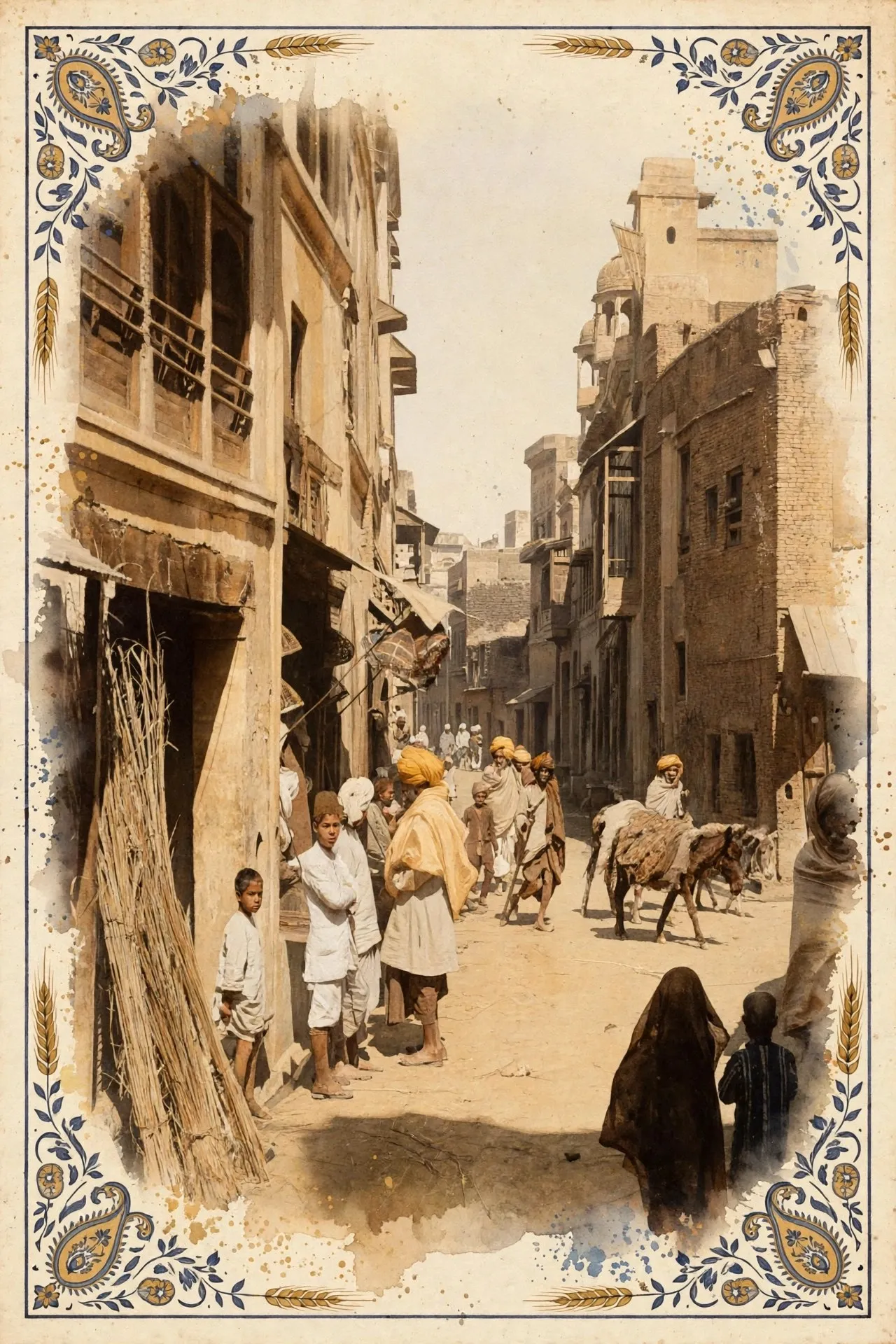
Manju Kapur, born in Amritsar in 1948, is an Indian novelist who taught English literature at Miranda House, University of Delhi, for almost thirty years. Her first novel, Difficult Daughters (1998), the story of a Punjabi woman in 1940s Amritsar and Lahore who fights for education and marries a man who is already married, won the Commonwealth Writers Prize for Best First Book in 1999. She has since written six more novels, most recently The Gallery (2023), about women, family and class in modern India.
Life at a glance
- 1948Born Amritsar, Punjab
- 1998First novel Difficult Daughters
- 1998Novel Difficult Daughters
- 2002Novel A Married Woman
- 2006Novel Home
- 2008Novel The Immigrant
Show 2 more
- 2011Novel Custody
- 2014Editor Shaping the World: Women Writers on Themselves
- Punjabi name
- ਮੰਜੂ ਕਪੂਰ
- Born
- 1948, Amritsar, Punjab
- Home place
- Amritsar
- District
- Amritsar
- Region
- Majha
- Education
- Miranda House, University of Delhi; M.A., Dalhousie University, Canada, 1972; M.Phil., University of Delhi
All 12 facts
- Work
- Taught English literature at Miranda House, University of Delhi, for almost thirty years
- First novel
- Difficult Daughters (1998)
- Novels
- Difficult Daughters (1998); A Married Woman (2002); Home (2006); The Immigrant (2008); Custody (2011); Brothers (2016); The Gallery (2023)
- Honour
- Commonwealth Writers Prize, Best First Book (Europe and South Asia), 1999
- Editor
- Shaping the World: Women Writers on Themselves (2014)
- Lives in
- New Delhi
Early life and education
Manju Kapur was born in Amritsar, Punjab, in 1948, a year after Partition divided her province. She grew up in the north Indian middle class world her novels return to again and again: households run by women, where education was prized and marriage was still treated as a woman's main destination. Her mother, born in 1915, had herself been a teacher and a school principal, a woman who had gone out into the world and, as Kapur has put it, suffered accordingly. That mother's story, loosely retold, became the seed of her first novel.
Kapur studied at Miranda House, the women's college of the University of Delhi, and later taught there. She took her M.A. at Dalhousie University in Halifax, Canada, in 1972, and an M.Phil. at the University of Delhi. The college classroom, with its generations of young women negotiating between home and ambition, became the other great source of her fiction.
A teacher who became a novelist
Kapur taught English literature at Miranda House for almost thirty years before taking voluntary retirement to write full time. She came to writing late and, in her own account, almost by accident. She began Difficult Daughters in 1991, when her youngest child was one year old. From start to finish the book took eight years: her forties were spent on it.
Publication took nearly as long. The manuscript was rejected in India, the United States and Britain, by Penguin among others, before Faber and Faber in London saw its possibilities. Penguin, which had earlier turned the novel down, brought out the Indian edition in 1998 under its tie up with Faber, and her Faber editor, Julian Loose, remained her editor for the books that followed. Kapur has said the rejections taught her to edit. She has described herself as an obsessive word counter.
What is Difficult Daughters about?
Difficult Daughters (1998) is the story of Virmati, the eldest of eleven children in an Arya Samaji family in Amritsar, who wants an education, falls in love with Harish, a married professor who is her family's tenant, and becomes his second wife at the cost of her family's love. It is set in Amritsar and Lahore in the 1930s and 1940s, against the freedom struggle and the approach of Partition, and it is told by Virmati's daughter Ida, a divorced woman reconstructing her dead mother's life.
Kapur drew the novel from the lives of her mother and grandmother, with her mother's permission and help, although she has resisted calling it autobiographical: the broad fact that her mother married a man who was already married is the same, while the telling is hers. Even the title was not hers: the publishers gave the book its name, and her aim, she has said, was empathy rather than a portrait of a troublesome child. The novel won the Commonwealth Writers Prize for Best First Book, for Europe and South Asia, in 1999, and was shortlisted for the Crossword Book Award. The Guardian found it steeped in exquisite melancholy, and The Sunday Times called it a skillful, enticing first novel. It has its own entry in this Kosh.
The novels that followed
A Married Woman, published in India in 2002 and by Faber in 2003, follows Astha, a Delhi schoolteacher and painter whose arranged marriage to Hemant leaves her longing for a life of her own. Against the Ayodhya movement and the destruction of the Babri Masjid, she is drawn first to the street theatre activist Aijaz and then, after his killing, to his widow Pipeelika. Kapur has said the relationship began as a study of female friendship, and that the politics mattered most to her. The novel was shortlisted for the Encore Award.
Home (2006) stays inside one house: the home of Lala Banwari Lal, a Karol Bagh cloth merchant. Across three generations it follows his daughter in law Sona, childless for ten years and pitied for it, and Sona's daughter Nisha, whose struggle to become more than the family allows carries the second half. Reviewers praised Kapur's refusal to judge her characters, and the book was nominated for the Hutch Crossword Book Award.
The Immigrant (2008) takes a Punjabi lecturer out of Delhi altogether. Nina, thirty and living with her widowed mother, marries Ananda, a dentist settled in Halifax, Nova Scotia, in an arranged match, and follows him to Canada, the country where Kapur herself had studied. The novel follows two adjustments, first his and then hers, as Nina rebuilds a self in a new country. It was shortlisted for the DSC Prize for South Asian Literature and was a finalist for the India Plaza Golden Quill Award.
Custody (2011) is set in the new money Delhi of the 1990s. Shagun leaves her husband Raman for his boss, Ashok Khanna, and their two children, Arjun and Roohi, become the stakes in a bitter custody fight. Ishita, whose own marriage ended because she could not have children, enters the children's lives as their stepmother. Kapur has said she identified most with Raman, the father traumatised by the loss of his children.
Brothers (2016) deliberately left Delhi for Rajasthan: Lalbanga village near Ajmer, Ajmer itself and Jaipur. It traces the Gaina family across some seventy years, through the freedom struggle, caste politics and the Emergency. In the second, Himmat Singh Gaina rises to become chief minister of Rajasthan and is shot by his younger brother Mangal, whose wife Tapti stands at the centre of the story. Critics noted how the book opens with its own ending and works backwards to the killing.
Kapur also edited Shaping the World: Women Writers on Themselves (2014). Her seventh novel, The Gallery, appeared in 2023, after a gap of almost seven years. It follows two Delhi families whose lives run side by side without ever becoming equal: Minal, who opens an art gallery in the wealthy Golf Links neighbourhood, and Maitrye, the Nepali woman employed in her home, whose daughter Tashi grows up in the servant quarters alongside Minal's daughter Ellora. Kapur told Mint Lounge that she wanted this book to reflect a larger world, one of women going out to work and to independence.
Themes: women, family and power
Kapur has described herself as a very Indian novelist, more specifically a north Indian urban middle class novelist. Her subjects look domestic on the surface: marriage, divorce, custody, the joint family, the woman who wants a room and a life of her own. Underneath they are about power: who in a family may study, work, choose a partner, keep a child, or leave. Her material comes from observation, her own family and thirty years of students, whose aspirations she watched change as jobs became expected for every girl.
History reaches her characters through the household. Partition divides the Punjab of Difficult Daughters, the Babri Masjid campaign shadows A Married Woman, the Emergency and caste politics drive Brothers, and the money of the 1990s unsettles Custody. Unlike the heroines of the nineteenth century novels she taught, her women are not required to die for their choices: the world has changed enough, she has said, for compromise to replace tragedy.
Honours, adaptations and later work
Difficult Daughters won the Commonwealth Writers Prize for Best First Book in 1999 and was shortlisted for the Crossword Book Award. A Married Woman was shortlisted for the Encore Award, Home was nominated for the Hutch Crossword Book Award in 2006, and The Immigrant was shortlisted for the DSC Prize for South Asian Literature in 2011 and was a finalist for the India Plaza Golden Quill Award. Her novels have been translated into German, Portuguese, Italian, Spanish, Hebrew, Greek, Marathi and Hindi, and are widely studied in Indian universities.
Television carried her Delhi households far beyond her readership: Yeh Hai Mohabbatein, based on Custody, ran on Star Plus and was remade in several Indian languages, The Immigrant became Pardes Mein Hai Mera Dil, and A Married Woman became a web series, The Married Woman. She lives in New Delhi and continues to write.
Legacy
Kapur's place in Punjabi letters is distinctive: an Amritsar born writer working in English, whose best loved book looks back to the undivided Punjab of Amritsar and Lahore before 1947, and to the women whose ambitions that world had no room for. Difficult Daughters gave the Punjabi middle class family, and especially its mothers and daughters, a permanent place in the Indian English novel, and the six novels after it carried the same clear eyed attention to the Delhi of galleries, courtrooms and custody battles.
ਮੁੱਢਲਾ ਜੀਵਨ ਅਤੇ ਸਿੱਖਿਆ
ਮੰਜੂ ਕਪੂਰ ਦਾ ਜਨਮ 1948 ਵਿੱਚ ਅੰਮ੍ਰਿਤਸਰ, ਪੰਜਾਬ ਵਿੱਚ ਹੋਇਆ, ਵੰਡ ਤੋਂ ਇੱਕ ਸਾਲ ਬਾਅਦ, ਜਿਸ ਨੇ ਉਸ ਸੂਬੇ ਨੂੰ ਵੰਡਿਆ ਜਿਸ ਬਾਰੇ ਉਹ ਬਾਅਦ ਵਿੱਚ ਲਿਖੇਗੀ। ਉਹ ਉੱਤਰੀ ਭਾਰਤ ਦੇ ਉਸ ਮੱਧ ਵਰਗੀ ਸੰਸਾਰ ਵਿੱਚ ਵੱਡੀ ਹੋਈ ਜਿਸ ਵੱਲ ਉਸ ਦੇ ਨਾਵਲ ਵਾਰ ਵਾਰ ਮੁੜਦੇ ਹਨ: ਔਰਤਾਂ ਵੱਲੋਂ ਚਲਾਏ ਜਾਂਦੇ ਘਰ, ਜਿੱਥੇ ਸਿੱਖਿਆ ਦੀ ਕਦਰ ਸੀ ਅਤੇ ਵਿਆਹ ਨੂੰ ਅਜੇ ਵੀ ਔਰਤ ਦੀ ਮੁੱਖ ਮੰਜ਼ਿਲ ਮੰਨਿਆ ਜਾਂਦਾ ਸੀ। ਉਸ ਦੀ ਮਾਂ, ਜੋ 1915 ਵਿੱਚ ਜਨਮੀ ਸੀ, ਆਪ ਇੱਕ ਅਧਿਆਪਕਾ ਅਤੇ ਸਕੂਲ ਦੀ ਪ੍ਰਿੰਸੀਪਲ ਰਹੀ ਸੀ, ਇੱਕ ਔਰਤ ਜੋ ਦੁਨੀਆ ਵਿੱਚ ਨਿਕਲੀ ਅਤੇ, ਕਪੂਰ ਦੇ ਕਹਿਣ ਵਾਂਗ, ਉਸ ਅਨੁਸਾਰ ਝੱਲਿਆ ਵੀ। ਉਸੇ ਮਾਂ ਦੀ ਕਹਾਣੀ ਨੇ, ਢਿੱਲੇ ਰੂਪ ਵਿੱਚ ਮੁੜ ਦੱਸੇ ਜਾਣ ਤੇ, ਉਸ ਦੇ ਪਹਿਲੇ ਨਾਵਲ ਦਾ ਬੀਜ ਬਣਿਆ।
ਕਪੂਰ ਨੇ ਦਿੱਲੀ ਯੂਨੀਵਰਸਿਟੀ ਦੇ ਮਹਿਲਾ ਕਾਲਜ ਮਿਰਾਂਡਾ ਹਾਊਸ ਵਿੱਚ ਪੜ੍ਹਾਈ ਕੀਤੀ ਅਤੇ ਬਾਅਦ ਵਿੱਚ ਉੱਥੇ ਹੀ ਪੜ੍ਹਾਇਆ। ਉਸ ਨੇ 1972 ਵਿੱਚ ਕੈਨੇਡਾ ਦੇ ਹੈਲੀਫੈਕਸ ਵਿੱਚ ਡਲਹਾਊਜ਼ੀ ਯੂਨੀਵਰਸਿਟੀ ਤੋਂ ਐੱਮ.ਏ. ਕੀਤੀ ਅਤੇ ਦਿੱਲੀ ਯੂਨੀਵਰਸਿਟੀ ਤੋਂ ਐੱਮ.ਫਿਲ. ਕੀਤੀ। ਕਾਲਜ ਦੀ ਜਮਾਤ, ਜਿੱਥੇ ਨੌਜਵਾਨ ਔਰਤਾਂ ਦੀਆਂ ਪੀੜ੍ਹੀਆਂ ਘਰ ਅਤੇ ਮਹੱਤਵਾਕਾਂਖਾ ਵਿਚਕਾਰ ਰਾਹ ਲੱਭਦੀਆਂ ਸਨ, ਉਸ ਦੀ ਗਲਪ ਦਾ ਦੂਜਾ ਵੱਡਾ ਸਰੋਤ ਬਣੀ।
ਅਧਿਆਪਕਾ ਜੋ ਨਾਵਲਕਾਰ ਬਣੀ
ਕਪੂਰ ਨੇ ਮਿਰਾਂਡਾ ਹਾਊਸ ਵਿੱਚ ਲਗਭਗ ਤੀਹ ਸਾਲ ਅੰਗਰੇਜ਼ੀ ਸਾਹਿਤ ਪੜ੍ਹਾਇਆ, ਫਿਰ ਪੂਰਾ ਸਮਾਂ ਲਿਖਣ ਲਈ ਸਵੈਇੱਛਤ ਸੇਵਾਮੁਕਤੀ ਲੈ ਲਈ। ਉਹ ਲਿਖਣ ਵੱਲ ਦੇਰ ਨਾਲ ਆਈ ਅਤੇ, ਉਸ ਦੇ ਆਪਣੇ ਕਹਿਣ ਅਨੁਸਾਰ, ਲਗਭਗ ਇਤਫ਼ਾਕ ਨਾਲ। ਉਸ ਨੇ 1991 ਵਿੱਚ Difficult Daughters ਸ਼ੁਰੂ ਕੀਤਾ, ਜਦੋਂ ਉਸ ਦਾ ਸਭ ਤੋਂ ਛੋਟਾ ਬੱਚਾ ਇੱਕ ਸਾਲ ਦਾ ਸੀ। ਸ਼ੁਰੂ ਤੋਂ ਅੰਤ ਤੱਕ ਕਿਤਾਬ ਨੂੰ ਅੱਠ ਸਾਲ ਲੱਗੇ: ਉਸ ਦੇ ਚਾਲੀ ਦੇ ਸਾਲ ਇਸੇ ਕਿਤਾਬ ਉੱਤੇ ਲੱਗੇ।
ਛਪਾਈ ਵਿੱਚ ਵੀ ਲਗਭਗ ਉੱਨਾ ਹੀ ਸਮਾਂ ਲੱਗਾ। ਹੱਥ ਲਿਖਤ ਭਾਰਤ, ਅਮਰੀਕਾ ਅਤੇ ਬਰਤਾਨੀਆ ਵਿੱਚ ਠੁਕਰਾਈ ਗਈ, ਪੈਂਗੁਇਨ ਵੱਲੋਂ ਵੀ, ਫਿਰ ਲੰਡਨ ਦੇ ਪ੍ਰਕਾਸ਼ਕ ਫੈਬਰ ਐਂਡ ਫੈਬਰ ਨੇ ਇਸ ਦੀਆਂ ਸੰਭਾਵਨਾਵਾਂ ਵੇਖੀਆਂ। ਪੈਂਗੁਇਨ ਨੇ, ਜਿਸ ਨੇ ਨਾਵਲ ਨੂੰ ਪਹਿਲਾਂ ਠੁਕਰਾਇਆ ਸੀ, ਫੈਬਰ ਨਾਲ ਆਪਣੇ ਸਮਝੌਤੇ ਤਹਿਤ 1998 ਵਿੱਚ ਇਸ ਦਾ ਭਾਰਤੀ ਸੰਸਕਰਨ ਕੱਢਿਆ, ਅਤੇ ਫੈਬਰ ਵਾਲਾ ਉਸ ਦਾ ਸੰਪਾਦਕ ਜੂਲੀਅਨ ਲੂਸ ਬਾਅਦ ਵਾਲੀਆਂ ਕਿਤਾਬਾਂ ਵਿੱਚ ਵੀ ਉਸ ਦਾ ਸੰਪਾਦਕ ਰਿਹਾ। ਕਪੂਰ ਨੇ ਕਿਹਾ ਹੈ ਕਿ ਠੁਕਰਾਏ ਜਾਣ ਨੇ ਉਸ ਨੂੰ ਸੰਪਾਦਨ ਸਿਖਾਇਆ। ਉਸ ਨੇ ਆਪਣੇ ਆਪ ਨੂੰ ਸ਼ਬਦ ਗਿਣਨ ਦੀ ਆਦੀ ਦੱਸਿਆ ਹੈ।
Difficult Daughters ਕਿਸ ਬਾਰੇ ਹੈ?
Difficult Daughters (1998) ਵਿਰਮਤੀ ਦੀ ਕਹਾਣੀ ਹੈ, ਜੋ ਅੰਮ੍ਰਿਤਸਰ ਦੇ ਇੱਕ ਆਰੀਆ ਸਮਾਜੀ ਪਰਿਵਾਰ ਵਿੱਚ ਗਿਆਰਾਂ ਬੱਚਿਆਂ ਵਿੱਚੋਂ ਸਭ ਤੋਂ ਵੱਡੀ ਹੈ, ਸਿੱਖਿਆ ਚਾਹੁੰਦੀ ਹੈ, ਆਪਣੇ ਪਰਿਵਾਰ ਦੇ ਕਿਰਾਏਦਾਰ, ਵਿਆਹੇ ਪ੍ਰੋਫ਼ੈਸਰ ਹਰੀਸ਼ ਨਾਲ ਪਿਆਰ ਕਰਦੀ ਹੈ ਅਤੇ ਉਸ ਦੀ ਦੂਜੀ ਪਤਨੀ ਬਣਦੀ ਹੈ, ਉਸ ਦੀ ਪਹਿਲੀ ਪਤਨੀ ਦੇ ਨਾਲ ਰਹਿ ਕੇ, ਆਪਣੇ ਪਰਿਵਾਰ ਦਾ ਪਿਆਰ ਗੁਆ ਕੇ। ਇਹ 1930ਵਿਆਂ ਅਤੇ 1940ਵਿਆਂ ਦੇ ਅੰਮ੍ਰਿਤਸਰ ਅਤੇ ਲਾਹੌਰ ਵਿੱਚ, ਆਜ਼ਾਦੀ ਸੰਗਰਾਮ ਅਤੇ ਵੰਡ ਦੇ ਨੇੜੇ ਆਉਣ ਦੇ ਪਿਛੋਕੜ ਵਿੱਚ ਸਥਿਤ ਹੈ, ਅਤੇ ਇਸ ਨੂੰ ਵਿਰਮਤੀ ਦੀ ਧੀ ਆਇਡਾ ਦੱਸਦੀ ਹੈ, ਇੱਕ ਤਲਾਕਸ਼ੁਦਾ ਔਰਤ ਜੋ ਆਪਣੀ ਮਰ ਚੁੱਕੀ ਮਾਂ ਨੂੰ ਸਮਝਣ ਲਈ ਉਸ ਦਾ ਜੀਵਨ ਮੁੜ ਜੋੜਦੀ ਹੈ।
ਕਪੂਰ ਨੇ ਇਹ ਨਾਵਲ ਆਪਣੀ ਮਾਂ ਅਤੇ ਨਾਨੀ ਦੇ ਜੀਵਨ ਤੋਂ ਲਿਆ, ਮਾਂ ਦੀ ਇਜਾਜ਼ਤ ਅਤੇ ਮਦਦ ਨਾਲ, ਭਾਵੇਂ ਉਸ ਨੇ ਇਸ ਨੂੰ ਆਤਮਕਥਾ ਕਹਿਣ ਤੋਂ ਇਨਕਾਰ ਕੀਤਾ ਹੈ: ਵੱਡੀ ਗੱਲ, ਕਿ ਉਸ ਦੀ ਮਾਂ ਨੇ ਪਹਿਲਾਂ ਤੋਂ ਵਿਆਹੇ ਆਦਮੀ ਨਾਲ ਵਿਆਹ ਕੀਤਾ, ਉਹੀ ਹੈ, ਜਦੋਂ ਕਿ ਦੱਸਣ ਦਾ ਢੰਗ ਉਸ ਦਾ ਆਪਣਾ ਹੈ। ਸਿਰਲੇਖ ਵੀ ਉਸ ਦਾ ਨਹੀਂ ਸੀ: ਉਸ ਨੇ ਕਿਹਾ ਹੈ ਕਿ ਕਿਤਾਬ ਦਾ ਨਾਂ ਪ੍ਰਕਾਸ਼ਕਾਂ ਨੇ ਦਿੱਤਾ, ਅਤੇ ਉਸ ਦਾ ਮਕਸਦ ਕਿਸੇ ਮੁਸ਼ਕਲ ਬੱਚੀ ਦੀ ਤਸਵੀਰ ਨਹੀਂ, ਹਮਦਰਦੀ ਪੈਦਾ ਕਰਨਾ ਸੀ। ਨਾਵਲ ਨੇ 1999 ਵਿੱਚ ਯੂਰਪ ਅਤੇ ਦੱਖਣੀ ਏਸ਼ੀਆ ਲਈ ਸਰਵੋਤਮ ਪਹਿਲੀ ਕਿਤਾਬ ਦਾ ਕਾਮਨਵੈਲਥ ਰਾਈਟਰਜ਼ ਪ੍ਰਾਈਜ਼ ਜਿੱਤਿਆ ਅਤੇ ਕਰਾਸਵਰਡ ਬੁੱਕ ਅਵਾਰਡ ਲਈ ਚੁਣਿਆ ਗਿਆ। The Guardian ਨੂੰ ਇਸ ਵਿੱਚ ਗਹਿਰੀ ਉਦਾਸੀ ਦਿੱਸੀ ਅਤੇ The Sunday Times ਨੇ ਇਸ ਨੂੰ ਕੁਸ਼ਲ ਅਤੇ ਮਨਮੋਹਕ ਪਹਿਲਾ ਨਾਵਲ ਕਿਹਾ। ਇਸ ਕੋਸ਼ ਵਿੱਚ ਇਸ ਨਾਵਲ ਦੀ ਆਪਣੀ ਐਂਟਰੀ ਹੈ।
ਇਸ ਤੋਂ ਬਾਅਦ ਦੇ ਨਾਵਲ
A Married Woman, ਜੋ ਭਾਰਤ ਵਿੱਚ 2002 ਵਿੱਚ ਅਤੇ ਫੈਬਰ ਵੱਲੋਂ 2003 ਵਿੱਚ ਛਪਿਆ, ਆਸਥਾ ਦੀ ਕਹਾਣੀ ਹੈ, ਦਿੱਲੀ ਦੀ ਇੱਕ ਸਕੂਲ ਅਧਿਆਪਕਾ ਅਤੇ ਚਿੱਤਰਕਾਰ, ਜਿਸ ਦਾ ਹੈਮੰਤ ਨਾਲ ਤੈਅ ਵਿਆਹ ਉਸ ਨੂੰ ਆਪਣੀ ਜ਼ਿੰਦਗੀ ਦੀ ਤਾਂਘ ਵਿੱਚ ਛੱਡ ਦਿੰਦਾ ਹੈ। ਅਯੁੱਧਿਆ ਲਹਿਰ ਅਤੇ ਬਾਬਰੀ ਮਸਜਿਦ ਦੇ ਢਾਹੇ ਜਾਣ ਦੇ ਪਿਛੋਕੜ ਵਿੱਚ ਉਹ ਪਹਿਲਾਂ ਗਲੀ ਨਾਟਕ ਕਲਾਕਾਰ ਐਜਾਜ਼ ਵੱਲ ਖਿੱਚੀ ਜਾਂਦੀ ਹੈ ਅਤੇ ਫਿਰ, ਉਸ ਦੇ ਮਾਰੇ ਜਾਣ ਤੋਂ ਬਾਅਦ, ਉਸ ਦੀ ਵਿਧਵਾ ਪਿਪੀਲਿਕਾ ਵੱਲ। ਕਪੂਰ ਨੇ ਕਿਹਾ ਹੈ ਕਿ ਇਹ ਰਿਸ਼ਤਾ ਔਰਤਾਂ ਦੀ ਦੋਸਤੀ ਦੇ ਅਧਿਐਨ ਵਜੋਂ ਸ਼ੁਰੂ ਹੋਇਆ ਸੀ, ਅਤੇ ਉਸ ਲਈ ਸਿਆਸਤ ਸਭ ਤੋਂ ਵੱਧ ਮਹੱਤਵਪੂਰਨ ਸੀ। ਨਾਵਲ ਐਨਕੋਰ ਅਵਾਰਡ ਲਈ ਚੁਣਿਆ ਗਿਆ।
Home (2006) ਇੱਕੋ ਘਰ ਦੇ ਅੰਦਰ ਰਹਿੰਦਾ ਹੈ: ਕਰੋਲ ਬਾਗ ਦੇ ਕੱਪੜਾ ਵਪਾਰੀ ਲਾਲਾ ਬਨਵਾਰੀ ਲਾਲ ਦਾ ਘਰ। ਤਿੰਨ ਪੀੜ੍ਹੀਆਂ ਵਿੱਚ ਨਾਵਲ ਉਸ ਦੀ ਨੂੰਹ ਸੋਨਾ ਨੂੰ ਦੱਸਦਾ ਹੈ, ਜੋ ਦਸ ਸਾਲ ਬੇਔਲਾਦ ਰਹੀ ਅਤੇ ਇਸ ਲਈ ਤਰਸ ਦੀ ਪਾਤਰ ਬਣੀ, ਅਤੇ ਸੋਨਾ ਦੀ ਧੀ ਨਿਸ਼ਾ ਨੂੰ, ਜਿਸ ਦਾ ਪਰਿਵਾਰ ਦੀ ਇਜਾਜ਼ਤ ਤੋਂ ਵੱਧ ਬਣਨ ਦਾ ਸੰਘਰਸ਼ ਦੂਜਾ ਅੱਧ ਅੱਗੇ ਲੈ ਜਾਂਦਾ ਹੈ। ਆਲੋਚਕਾਂ ਨੇ ਕਪੂਰ ਦੀ ਇਸ ਗੱਲ ਦੀ ਸ਼ਲਾਘਾ ਕੀਤੀ ਕਿ ਉਹ ਆਪਣੇ ਪਾਤਰਾਂ ਤੇ ਫੈਸਲਾ ਨਹੀਂ ਸੁਣਾਉਂਦੀ, ਅਤੇ ਕਿਤਾਬ ਹਚ ਕਰਾਸਵਰਡ ਬੁੱਕ ਅਵਾਰਡ ਲਈ ਨਾਮਜ਼ਦ ਹੋਈ।
The Immigrant (2008) ਇੱਕ ਪੰਜਾਬੀ ਅਧਿਆਪਕਾ ਨੂੰ ਦਿੱਲੀ ਤੋਂ ਬਾਹਰ ਲੈ ਜਾਂਦਾ ਹੈ। ਨੀਨਾ, ਤੀਹ ਸਾਲ ਦੀ ਅਤੇ ਆਪਣੀ ਵਿਧਵਾ ਮਾਂ ਨਾਲ ਰਹਿੰਦੀ, ਹੈਲੀਫੈਕਸ, ਨੋਵਾ ਸਕੋਸ਼ੀਆ ਵਿੱਚ ਵਸੇ ਦੰਦਾਂ ਦੇ ਡਾਕਟਰ ਅਨੰਦ ਨਾਲ ਤੈਅ ਵਿਆਹ ਕਰਦੀ ਹੈ ਅਤੇ ਉਸ ਦੇ ਪਿੱਛੇ ਕੈਨੇਡਾ ਜਾਂਦੀ ਹੈ, ਉਹੀ ਦੇਸ਼ ਜਿੱਥੇ ਕਪੂਰ ਨੇ ਆਪ ਪੜ੍ਹਾਈ ਕੀਤੀ ਸੀ। ਨਾਵਲ ਦੋ ਸੰਤੁਲਨਾਂ ਨੂੰ ਦੱਸਦਾ ਹੈ, ਪਹਿਲਾਂ ਉਸ ਦਾ ਅਤੇ ਫਿਰ ਉਸ ਦਾ, ਜਿਵੇਂ ਨੀਨਾ ਨਵੇਂ ਦੇਸ਼ ਵਿੱਚ ਆਪਣੇ ਆਪ ਨੂੰ ਮੁੜ ਬਣਾਉਂਦੀ ਹੈ। ਇਹ ਦੱਖਣੀ ਏਸ਼ੀਆਈ ਸਾਹਿਤ ਲਈ ਡੀ.ਐੱਸ.ਸੀ. ਇਨਾਮ ਲਈ ਚੁਣਿਆ ਗਿਆ ਅਤੇ ਇੰਡੀਆ ਪਲਾਜ਼ਾ ਗੋਲਡਨ ਕੁਇਲ ਅਵਾਰਡ ਦਾ ਫਾਈਨਲਿਸਟ ਰਿਹਾ।
Custody (2011) 1990ਵਿਆਂ ਦੀ ਨਵੇਂ ਪੈਸੇ ਵਾਲੀ ਦਿੱਲੀ ਵਿੱਚ ਸਥਿਤ ਹੈ। ਸ਼ਗੁਨ ਆਪਣੇ ਪਤੀ ਰਮਨ ਨੂੰ ਉਸ ਦੇ ਮਾਲਕ ਅਸ਼ੋਕ ਖੰਨਾ ਲਈ ਛੱਡ ਦਿੰਦੀ ਹੈ, ਅਤੇ ਉਨ੍ਹਾਂ ਦੇ ਦੋ ਬੱਚੇ, ਅਰਜੁਨ ਅਤੇ ਰੂਹੀ, ਸੰਭਾਲ ਲਈ ਕੌੜੀ ਲੜਾਈ ਦਾ ਦਾਅ ਬਣ ਜਾਂਦੇ ਹਨ। ਈਸ਼ਿਤਾ, ਜਿਸ ਦਾ ਆਪਣਾ ਵਿਆਹ ਇਸ ਲਈ ਖਤਮ ਹੋਇਆ ਕਿਉਂਕਿ ਉਹ ਬੱਚੇ ਪੈਦਾ ਨਹੀਂ ਕਰ ਸਕਦੀ ਸੀ, ਬੱਚਿਆਂ ਦੇ ਜੀਵਨ ਵਿੱਚ ਉਨ੍ਹਾਂ ਦੀ ਮਤਰੇਈ ਮਾਂ ਵਜੋਂ ਆਉਂਦੀ ਹੈ। ਕਪੂਰ ਨੇ ਕਿਹਾ ਹੈ ਕਿ ਉਸ ਨੇ ਸਭ ਤੋਂ ਵੱਧ ਰਮਨ ਨਾਲ ਆਪਣਾਪਣ ਮਹਿਸੂਸ ਕੀਤਾ, ਉਹ ਪਿਤਾ ਜੋ ਆਪਣੇ ਬੱਚਿਆਂ ਦੇ ਖੁੱਸ ਜਾਣ ਨਾਲ ਸਦਮੇ ਵਿੱਚ ਸੀ।
Brothers (2016) ਜਾਣ ਬੁੱਝ ਕੇ ਉਸ ਦੇ ਸੁਖਾਵੇਂ ਖੇਤਰ, ਸ਼ਹਿਰੀ ਮੱਧ ਵਰਗੀ ਦਿੱਲੀ, ਤੋਂ ਬਾਹਰ ਰਾਜਸਥਾਨ ਗਿਆ: ਅਜਮੇਰ ਨੇੜਲਾ ਪਿੰਡ ਲਾਲਬੰਗਾ, ਅਜਮੇਰ ਅਤੇ ਜੈਪੁਰ। ਇਹ ਗੈਨਾ ਪਰਿਵਾਰ ਨੂੰ ਲਗਭਗ ਸੱਤਰ ਸਾਲਾਂ ਵਿੱਚ ਦੱਸਦਾ ਹੈ, ਆਜ਼ਾਦੀ ਸੰਗਰਾਮ, ਜਾਤ ਸਿਆਸਤ ਅਤੇ ਐਮਰਜੈਂਸੀ ਵਿੱਚੋਂ ਲੰਘ ਕੇ, ਭਰਾਵਾਂ ਦੀਆਂ ਦੋ ਪੀੜ੍ਹੀਆਂ ਵਿੱਚ। ਦੂਜੀ ਪੀੜ੍ਹੀ ਵਿੱਚ ਹਿੰਮਤ ਸਿੰਘ ਗੈਨਾ ਰਾਜਸਥਾਨ ਦਾ ਮੁੱਖ ਮੰਤਰੀ ਬਣਦਾ ਹੈ ਅਤੇ ਆਪਣੇ ਛੋਟੇ ਭਰਾ ਮੰਗਲ ਹੱਥੋਂ ਗੋਲੀ ਖਾਂਦਾ ਹੈ, ਜਿਸ ਦੀ ਪਤਨੀ ਤਪਤੀ ਕਹਾਣੀ ਦੇ ਕੇਂਦਰ ਵਿੱਚ ਖੜੀ ਹੈ। ਆਲੋਚਕਾਂ ਨੇ ਨੋਟ ਕੀਤਾ ਕਿ ਕਿਤਾਬ ਆਪਣੇ ਅੰਤ ਨਾਲ ਸ਼ੁਰੂ ਹੁੰਦੀ ਹੈ ਅਤੇ ਫਿਰ ਪਿੱਛੇ ਮੁੜ ਕੇ ਕਤਲ ਤੱਕ ਪਹੁੰਚਦੀ ਹੈ।
ਕਪੂਰ ਨੇ Shaping the World: Women Writers on Themselves (2014) ਦਾ ਸੰਪਾਦਨ ਵੀ ਕੀਤਾ। ਉਸ ਦਾ ਸੱਤਵਾਂ ਨਾਵਲ, The Gallery, 2023 ਵਿੱਚ ਆਇਆ, ਲਗਭਗ ਸੱਤ ਸਾਲਾਂ ਦੇ ਵਕਫ਼ੇ ਤੋਂ ਬਾਅਦ। ਇਹ ਦਿੱਲੀ ਦੇ ਦੋ ਪਰਿਵਾਰਾਂ ਨੂੰ ਦੱਸਦਾ ਹੈ ਜਿਨ੍ਹਾਂ ਦੇ ਜੀਵਨ ਨਾਲ ਨਾਲ ਚਲਦੇ ਹਨ ਪਰ ਕਦੇ ਬਰਾਬਰ ਨਹੀਂ ਹੁੰਦੇ: ਮਿਨਲ, ਜੋ ਅਮੀਰ ਗੋਲਫ ਲਿੰਕਸ ਇਲਾਕੇ ਵਿੱਚ ਇੱਕ ਆਰਟ ਗੈਲਰੀ ਖੋਲ੍ਹਦੀ ਹੈ, ਅਤੇ ਮੈਤ੍ਰੇਈ, ਉਸ ਦੇ ਘਰ ਕੰਮ ਕਰਨ ਵਾਲੀ ਨੇਪਾਲੀ ਔਰਤ, ਜਿਸ ਦੀ ਧੀ ਤਾਸ਼ੀ ਨੌਕਰਾਂ ਦੇ ਕੁਆਰਟਰਾਂ ਵਿੱਚ ਮਿਨਲ ਦੀ ਧੀ ਐਲੋਰਾ ਨਾਲ ਵੱਡੀ ਹੁੰਦੀ ਹੈ। ਕਪੂਰ ਨੇ Mint Lounge ਨੂੰ ਕਿਹਾ ਕਿ ਉਹ ਚਾਹੁੰਦੀ ਸੀ ਇਹ ਕਿਤਾਬ ਇੱਕ ਵੱਡੀ ਦੁਨੀਆ ਵਿਖਾਵੇ, ਔਰਤਾਂ ਦੇ ਬਾਹਰ ਨਿਕਲ ਕੇ ਕੰਮ ਕਰਨ ਅਤੇ ਸੁਤੰਤਰ ਹੋਣ ਦੀ ਦੁਨੀਆ।
ਵਿਸ਼ੇ: ਔਰਤਾਂ, ਪਰਿਵਾਰ ਅਤੇ ਸ਼ਕਤੀ
ਕਪੂਰ ਨੇ ਆਪਣੇ ਆਪ ਨੂੰ ਇੱਕ ਬਹੁਤ ਭਾਰਤੀ ਨਾਵਲਕਾਰ ਦੱਸਿਆ ਹੈ, ਹੋਰ ਖ਼ਾਸ ਤੌਰ ਤੇ ਇੱਕ ਉੱਤਰੀ ਭਾਰਤੀ ਸ਼ਹਿਰੀ ਮੱਧ ਵਰਗੀ ਨਾਵਲਕਾਰ, ਅਤੇ ਉਸ ਦੇ ਵਿਸ਼ੇ ਉਪਰੋਂ ਘਰੇਲੂ ਲੱਗਦੇ ਹਨ: ਵਿਆਹ, ਤਲਾਕ, ਬੱਚਿਆਂ ਦੀ ਸੰਭਾਲ, ਸਾਂਝਾ ਪਰਿਵਾਰ, ਉਹ ਔਰਤ ਜੋ ਆਪਣਾ ਕਮਰਾ ਅਤੇ ਆਪਣਾ ਜੀਵਨ ਚਾਹੁੰਦੀ ਹੈ। ਥੱਲੇ ਉਹ ਸ਼ਕਤੀ ਬਾਰੇ ਹਨ: ਪਰਿਵਾਰ ਵਿੱਚ ਕੌਣ ਪੜ੍ਹ ਸਕਦਾ ਹੈ, ਕੰਮ ਕਰ ਸਕਦਾ ਹੈ, ਸਾਥੀ ਚੁਣ ਸਕਦਾ ਹੈ, ਬੱਚਾ ਰੱਖ ਸਕਦਾ ਹੈ, ਜਾਂ ਛੱਡ ਕੇ ਜਾ ਸਕਦਾ ਹੈ। ਉਸ ਦੀ ਸਮੱਗਰੀ ਨਿਰੀਖਣ ਤੋਂ ਆਉਂਦੀ ਹੈ, ਆਪਣੇ ਪਰਿਵਾਰ ਤੋਂ ਅਤੇ ਤੀਹ ਸਾਲਾਂ ਦੀਆਂ ਵਿਦਿਆਰਥਣਾਂ ਤੋਂ, ਜਿਨ੍ਹਾਂ ਦੀਆਂ ਮਹੱਤਵਾਕਾਂਖਾਵਾਂ ਬਦਲਦੀਆਂ ਉਸ ਨੇ ਵੇਖੀਆਂ, ਜਿਵੇਂ ਨੌਕਰੀ ਹਰ ਕੁੜੀ ਦੀ ਉਮੀਦ ਬਣਦੀ ਗਈ।
ਇਤਿਹਾਸ ਉਸ ਦੇ ਪਾਤਰਾਂ ਤੱਕ ਘਰ ਰਾਹੀਂ ਪਹੁੰਚਦਾ ਹੈ। ਵੰਡ Difficult Daughters ਦੇ ਪੰਜਾਬ ਨੂੰ ਵੰਡਦੀ ਹੈ, ਬਾਬਰੀ ਮਸਜਿਦ ਮੁਹਿੰਮ A Married Woman ਤੇ ਪਰਛਾਵਾਂ ਪਾਉਂਦੀ ਹੈ, ਐਮਰਜੈਂਸੀ ਅਤੇ ਜਾਤ ਸਿਆਸਤ Brothers ਨੂੰ ਚਲਾਉਂਦੀਆਂ ਹਨ, ਅਤੇ 1990ਵਿਆਂ ਦਾ ਪੈਸਾ Custody ਨੂੰ ਅਸਥਿਰ ਕਰਦਾ ਹੈ। ਉਨ੍ਹਾਂ ਨਾਇਕਾਵਾਂ ਤੋਂ ਉਲਟ ਜਿਨ੍ਹਾਂ ਨੂੰ ਉਹ ਪੜ੍ਹਾਉਂਦੀ ਰਹੀ, ਉਸ ਦੀਆਂ ਔਰਤਾਂ ਨੂੰ ਆਪਣੀਆਂ ਚੋਣਾਂ ਲਈ ਮਰਨਾ ਨਹੀਂ ਪੈਂਦਾ: ਦੁਨੀਆ ਇੰਨੀ ਬਦਲ ਗਈ ਹੈ, ਉਸ ਨੇ ਕਿਹਾ ਹੈ, ਕਿ ਸਮਝੌਤਾ ਦੁਖਾਂਤ ਦੀ ਥਾਂ ਲੈ ਸਕਦਾ ਹੈ।
ਸਨਮਾਨ, ਰੂਪਾਂਤਰ ਅਤੇ ਬਾਅਦ ਦਾ ਕੰਮ
Difficult Daughters ਨੇ 1999 ਵਿੱਚ ਸਰਵੋਤਮ ਪਹਿਲੀ ਕਿਤਾਬ ਲਈ ਕਾਮਨਵੈਲਥ ਰਾਈਟਰਜ਼ ਪ੍ਰਾਈਜ਼ ਜਿੱਤਿਆ ਅਤੇ ਕਰਾਸਵਰਡ ਬੁੱਕ ਅਵਾਰਡ ਲਈ ਚੁਣਿਆ ਗਿਆ। A Married Woman ਐਨਕੋਰ ਅਵਾਰਡ ਲਈ ਚੁਣਿਆ ਗਿਆ, Home 2006 ਵਿੱਚ ਹਚ ਕਰਾਸਵਰਡ ਬੁੱਕ ਅਵਾਰਡ ਲਈ ਨਾਮਜ਼ਦ ਹੋਇਆ, ਅਤੇ The Immigrant 2011 ਵਿੱਚ ਦੱਖਣੀ ਏਸ਼ੀਆਈ ਸਾਹਿਤ ਲਈ ਡੀ.ਐੱਸ.ਸੀ. ਇਨਾਮ ਲਈ ਚੁਣਿਆ ਗਿਆ ਅਤੇ ਇੰਡੀਆ ਪਲਾਜ਼ਾ ਗੋਲਡਨ ਕੁਇਲ ਅਵਾਰਡ ਦਾ ਫਾਈਨਲਿਸਟ ਰਿਹਾ। ਉਸ ਦੇ ਨਾਵਲ ਜਰਮਨ, ਪੁਰਤਗਾਲੀ, ਇਤਾਲਵੀ, ਸਪੇਨੀ, ਹਿਬਰੂ, ਯੂਨਾਨੀ, ਮਰਾਠੀ ਅਤੇ ਹਿੰਦੀ ਸਮੇਤ ਕਈ ਭਾਸ਼ਾਵਾਂ ਵਿੱਚ ਅਨੁਵਾਦ ਹੋਏ ਹਨ, ਅਤੇ ਭਾਰਤੀ ਯੂਨੀਵਰਸਿਟੀਆਂ ਵਿੱਚ ਉਨ੍ਹਾਂ ਦਾ ਵਿਆਪਕ ਅਧਿਐਨ ਹੁੰਦਾ ਹੈ।
ਟੈਲੀਵਿਜ਼ਨ ਰੂਪਾਂਤਰਾਂ ਨੇ ਉਸ ਦੇ ਦਿੱਲੀ ਵਾਲੇ ਘਰਾਂ ਨੂੰ ਉਸ ਦੇ ਪਾਠਕਾਂ ਤੋਂ ਕਿਤੇ ਅੱਗੇ ਪਹੁੰਚਾਇਆ: Custody ਤੇ ਅਧਾਰਤ Yeh Hai Mohabbatein Star Plus ਤੇ ਚੱਲਿਆ ਅਤੇ ਕਈ ਭਾਰਤੀ ਭਾਸ਼ਾਵਾਂ ਵਿੱਚ ਮੁੜ ਬਣਾਇਆ ਗਿਆ, The Immigrant Pardes Mein Hai Mera Dil ਬਣਿਆ ਅਤੇ A Married Woman ਇੱਕ ਵੈੱਬ ਸੀਰੀਜ਼, The Married Woman, ਬਣੀ। ਉਹ ਨਵੀਂ ਦਿੱਲੀ ਵਿੱਚ ਰਹਿੰਦੀ ਹੈ ਅਤੇ ਹੌਲੀ ਹੌਲੀ, ਰੋਜ਼ਾਨਾ, ਲਿਖਦੀ ਰਹਿੰਦੀ ਹੈ।
ਵਿਰਸਾ
ਪੰਜਾਬੀ ਸਾਹਿਤ ਵਿੱਚ ਕਪੂਰ ਦੀ ਥਾਂ ਵੱਖਰੀ ਹੈ: ਅੰਮ੍ਰਿਤਸਰ ਵਿੱਚ ਜਨਮੀ, ਅੰਗਰੇਜ਼ੀ ਵਿੱਚ ਲਿਖਣ ਵਾਲੀ ਲੇਖਕ, ਜਿਸ ਦੀ ਸਭ ਤੋਂ ਪਿਆਰੀ ਕਿਤਾਬ 1947 ਤੋਂ ਪਹਿਲਾਂ ਦੇ ਅੰਮ੍ਰਿਤਸਰ ਅਤੇ ਲਾਹੌਰ ਦੇ ਅਣਵੰਡੇ ਪੰਜਾਬ ਵੱਲ ਮੁੜਦੀ ਹੈ, ਅਤੇ ਉਨ੍ਹਾਂ ਔਰਤਾਂ ਵੱਲ ਜਿਨ੍ਹਾਂ ਦੀਆਂ ਮਹੱਤਵਾਕਾਂਖਾਵਾਂ ਲਈ ਉਸ ਸੰਸਾਰ ਵਿੱਚ ਕੋਈ ਥਾਂ ਨਹੀਂ ਸੀ। Difficult Daughters ਨੇ ਪੰਜਾਬੀ ਮੱਧ ਵਰਗੀ ਪਰਿਵਾਰ ਨੂੰ, ਅਤੇ ਖ਼ਾਸ ਕਰਕੇ ਉਸ ਦੀਆਂ ਮਾਵਾਂ ਅਤੇ ਧੀਆਂ ਨੂੰ, ਭਾਰਤੀ ਅੰਗਰੇਜ਼ੀ ਨਾਵਲ ਵਿੱਚ ਸਥਾਈ ਥਾਂ ਦਿੱਤੀ, ਅਤੇ ਇਸ ਤੋਂ ਬਾਅਦ ਦੇ ਛੇ ਨਾਵਲਾਂ ਨੇ ਉਹੀ ਸਾਫ਼ ਨਜ਼ਰ ਗੈਲਰੀਆਂ, ਅਦਾਲਤਾਂ ਅਤੇ ਸੰਭਾਲ ਦੀਆਂ ਲੜਾਈਆਂ ਵਾਲੀ ਦਿੱਲੀ ਤੱਕ ਪਹੁੰਚਾਈ।
Works
More people



Sources (9)
- Manju Kapur, Wikipedia
- Lisa Lau, India's women and the writing process: Interview with Manju Kapur, Keele University repository
- Neha Dixit, Manju Kapur: I am an obsessive word counter, The Hindu (reproduced)
- Difficult Daughters, Bookshop.org (Open Road Media)
- Jai Arjun Singh, Manju Kapur's Home truths, Jabberwock
- Jane Wallace, Brothers by Manju Kapur, Asian Review of Books
- Brothers by Manju Kapur, Browns Books
- Sneha Pathak, Book Review: The Gallery Explores Women's Independence and the Idea of Belongingness, Kunzum
- Reshu Shukla, The Gallery by Manju Kapur, Creative Saplings
Jugti is free and independent. Reader support keeps the Kosh growing.
Support