
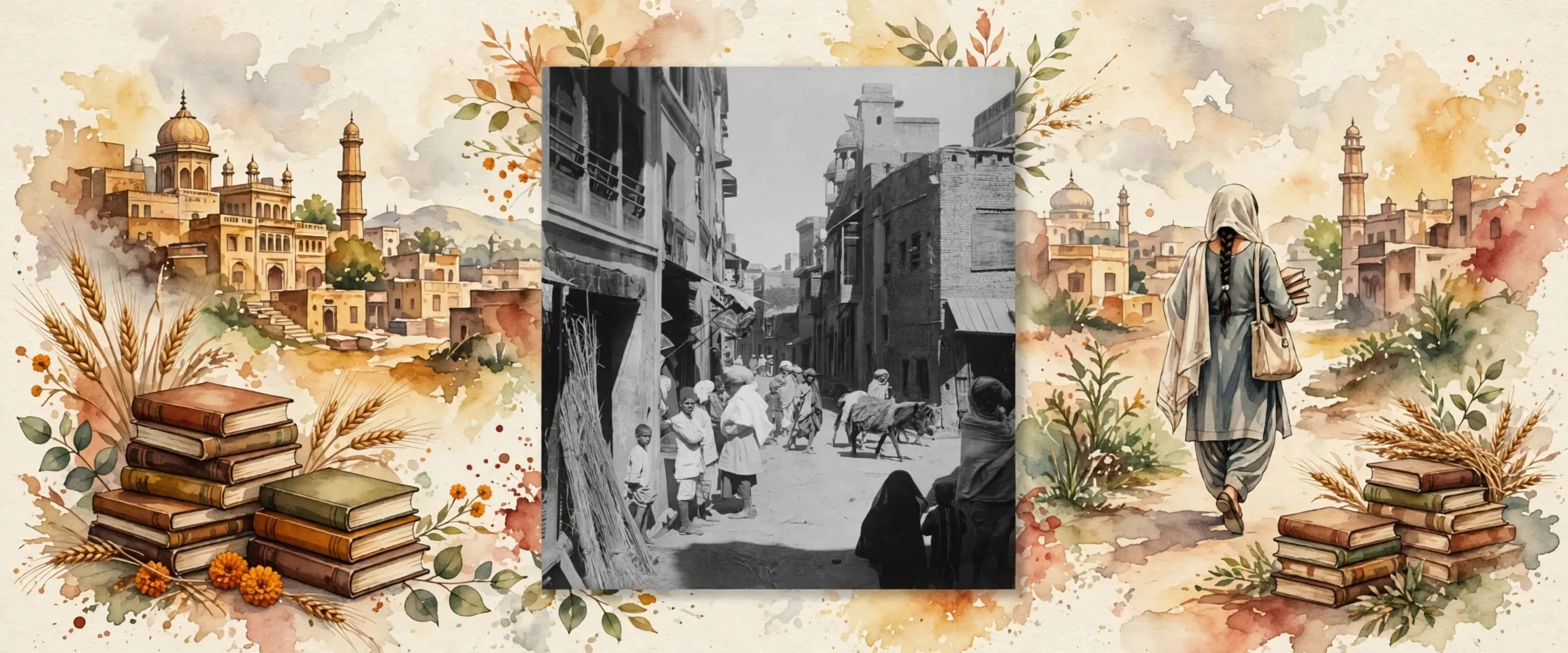
Difficult Daughters is the first novel by the Amritsar born writer Manju Kapur, first published in 1998 by Faber and Faber in London and Penguin India. Set in Amritsar and Lahore in the 1940s, it tells, through her daughter Ida, the story of Virmati, the eldest of eleven children, who fights for education, loves a married professor, and becomes his second wife as Punjab moves toward Partition. It won the Commonwealth Writers Prize for Best First Book in 1999.
English- Author
- Manju Kapur (born 1948, Amritsar)
- First published
- 1998, Faber and Faber, London; Penguin India
- Form
- Novel
- Language
- English
- Setting
- Amritsar and Lahore in the 1940s, also Nahan and Delhi
- Award
- Commonwealth Writers Prize, Best First Book (Eurasia region), 1999
- Writing
- Begun in 1991; eight years from start to finish, in the author's account
Characters
About the book
Difficult Daughters is the first novel by Manju Kapur, published in 1998 by Faber and Faber in London, with an Indian edition from Penguin India in the same year. Kapur, who was born in Amritsar and taught English at Miranda House in Delhi, began it in 1991 and, by her own account, spent eight years on it: her forties were spent on this book. Publishers in India, the United States and Britain rejected it before Faber took it, and Kapur has said the title itself was the publishers' choice: she would have called it Partition, or Partitions. The published title proved exact, because the book is about three generations of women, each of them a difficult daughter to the one before.
The novel is told by Ida, a divorced, childless woman who begins with the line that she had wanted, above all, not to be like her mother. After her mother Virmati dies in Delhi, Ida travels to Amritsar and rebuilds her mother's hidden past out of what relatives and old friends will tell her. What she finds is a story of education, desire and disgrace in the Punjab of the 1940s, running in parallel with the freedom struggle and ending in Partition.
What is Difficult Daughters about?
Virmati is the eldest of eleven children of Kasturi and Suraj Prakash, in an upper middle class Arya Samaj family of Amritsar. While her mother moves from pregnancy to pregnancy, Virmati runs the house and raises her siblings. At about thirteen she is struck by her cousin Shakuntala, educated, unmarried and independent, and begins to want a life beyond marriage. She fails her intermediate examination at seventeen, passes at a second attempt, and asks to study further. Her parents instead arrange her marriage to a canal engineer.
When the wedding is postponed because of a death in the groom's family, Virmati is allowed to go to college, and there she falls in love with her teacher, Professor Harish Chandra, an Oxford returned professor of English who lodges in her aunt's part of the house and is already married to Ganga, his child bride. Virmati refuses the arranged marriage, attempts to drown herself, and is locked away by her family. She is then sent to Lahore for higher studies, where her roommate Swarna Lata draws her into the world of women students active in the Independence movement, while the affair with Harish continues in secret.
Virmati becomes pregnant, and Harish will not marry her. With Swarna Lata's support she undergoes a painful abortion. Qualified as a teacher, she becomes principal of a girls' school at Nahan, in the princely state of Sirmaur, the freest period of her life, until Harish's secret visits destroy her reputation and she loses the post. On a journey that was meant to take her to Shantiniketan, she stops in Delhi, where a friend of Harish persuades him, at last, to marry her. But Harish does not leave Ganga. Virmati returns to his Amritsar house as second wife, to live alongside the first wife and her children, scorned in the house and cut off by her own family. As violence rises, the household moves, and she and Harish settle in Delhi, where Ida is born around Independence.
Themes: education, mothers and daughters
The book's deepest subject is what a woman of that time and class was permitted to want. Kasturi, educated only for marriage, spends her life bearing eleven children. Virmati wants study, work and chosen love, and gets each of them at a price that leaves her neither free nor forgiven. Ida, educated and divorced, repeats her mother's pattern in a new form and judges her for it, until the telling of the story teaches her what her mother's choices cost. Around this family argument the novel sets the national one: as India fights for freedom from Britain, its daughters are still told that marriage, and nothing else, is their freedom.
Kapur has said that Virmati was loosely based on her own mother, a teacher and principal who married a man who was already married: the broad fact is the same, the details are the novelist's. She has also resisted calling the book autobiographical. It is better read as an act of understanding across a generation: a daughter using fiction to ask why her mother lived as she did, and what she endured.
The author
Manju Kapur (born 1948) taught English literature at Miranda House, University of Delhi, for over twenty five years, and wrote Difficult Daughters around her teaching life. Her later novels, A Married Woman, Home, The Immigrant, Custody and Brothers, continued her study of middle class Indian women's lives. Her full story is in her Kosh entry.
Reception and legacy
Difficult Daughters won the Commonwealth Writers Prize for Best First Book in the Eurasia region in 1999, and was shortlisted for the Crossword Book Award. Contemporary reviewers praised its quiet control: the Sunday Times called it a skillful, enticing first novel offering a completely imagined, complex world, and the Observer praised Kapur's quiet intelligence and wry, deadpan humour. Scholars have since read it as a layered feminist text in which a woman's private rebellion and a nation's birth are made to explain each other, and as an elegy for the shared Punjabi culture of Amritsar and Lahore that Partition ended.
The book has stayed in print, in a Faber paperback and, in the United States, as an Open Road Media edition, and in a Spanish translation, Hijas difíciles (2003). For Punjabi readers its force is double: it is a major Indian English novel, and it is also one of the fullest fictional records of an Amritsar family in the last years of undivided Punjab.
ਕਿਤਾਬ ਬਾਰੇ
Difficult Daughters ਮੰਜੂ ਕਪੂਰ ਦਾ ਪਹਿਲਾ ਨਾਵਲ ਹੈ, ਜੋ 1998 ਵਿੱਚ ਲੰਡਨ ਵਿੱਚ ਫੈਬਰ ਐਂਡ ਫੈਬਰ ਵੱਲੋਂ ਛਪਿਆ, ਅਤੇ ਉਸੇ ਸਾਲ ਪੈਂਗੁਇਨ ਇੰਡੀਆ ਵੱਲੋਂ ਇਸ ਦਾ ਭਾਰਤੀ ਸੰਸਕਰਨ ਆਇਆ। ਕਪੂਰ, ਜੋ ਅੰਮ੍ਰਿਤਸਰ ਵਿੱਚ ਜਨਮੀ ਅਤੇ ਦਿੱਲੀ ਦੇ ਮਿਰਾਂਡਾ ਹਾਊਸ ਵਿੱਚ ਅੰਗਰੇਜ਼ੀ ਪੜ੍ਹਾਉਂਦੀ ਸੀ, ਨੇ ਇਹ 1991 ਵਿੱਚ ਸ਼ੁਰੂ ਕੀਤਾ ਅਤੇ, ਉਸ ਦੇ ਆਪਣੇ ਕਹਿਣ ਅਨੁਸਾਰ, ਇਸ ਉੱਤੇ ਅੱਠ ਸਾਲ ਲਾਏ: ਉਸ ਦੇ ਚਾਲੀ ਦੇ ਸਾਲ ਇਸੇ ਕਿਤਾਬ ਉੱਤੇ ਲੱਗੇ। ਭਾਰਤ, ਅਮਰੀਕਾ ਅਤੇ ਬਰਤਾਨੀਆ ਦੇ ਪ੍ਰਕਾਸ਼ਕਾਂ ਨੇ ਇਸ ਨੂੰ ਠੁਕਰਾਇਆ, ਫਿਰ ਫੈਬਰ ਨੇ ਇਸ ਨੂੰ ਲਿਆ, ਅਤੇ ਕਪੂਰ ਨੇ ਕਿਹਾ ਹੈ ਕਿ ਸਿਰਲੇਖ ਖ਼ੁਦ ਪ੍ਰਕਾਸ਼ਕਾਂ ਦੀ ਚੋਣ ਸੀ: ਉਹ ਇਸ ਨੂੰ Partition ਜਾਂ Partitions ਕਹਿਣਾ ਚਾਹੁੰਦੀ ਸੀ। ਛਪਿਆ ਸਿਰਲੇਖ ਠੀਕ ਨਿਕਲਿਆ, ਕਿਉਂਕਿ ਕਿਤਾਬ ਔਰਤਾਂ ਦੀਆਂ ਤਿੰਨ ਪੀੜ੍ਹੀਆਂ ਬਾਰੇ ਹੈ, ਜਿਨ੍ਹਾਂ ਵਿੱਚੋਂ ਹਰ ਇੱਕ ਪਿਛਲੀ ਪੀੜ੍ਹੀ ਲਈ ਔਖੀ ਧੀ ਸੀ।
ਨਾਵਲ ਨੂੰ ਆਇਡਾ ਦੱਸਦੀ ਹੈ, ਇੱਕ ਤਲਾਕਸ਼ੁਦਾ, ਬੇਔਲਾਦ ਔਰਤ, ਜੋ ਇਸ ਗੱਲ ਨਾਲ ਸ਼ੁਰੂ ਕਰਦੀ ਹੈ ਕਿ ਉਹ ਸਭ ਤੋਂ ਵੱਧ ਇਹੀ ਚਾਹੁੰਦੀ ਸੀ ਕਿ ਉਹ ਆਪਣੀ ਮਾਂ ਵਰਗੀ ਨਾ ਬਣੇ। ਜਦੋਂ ਉਸ ਦੀ ਮਾਂ ਵਿਰਮਤੀ ਦਿੱਲੀ ਵਿੱਚ ਮਰ ਜਾਂਦੀ ਹੈ, ਆਇਡਾ ਅੰਮ੍ਰਿਤਸਰ ਜਾਂਦੀ ਹੈ ਅਤੇ ਰਿਸ਼ਤੇਦਾਰਾਂ ਅਤੇ ਪੁਰਾਣੇ ਦੋਸਤਾਂ ਤੋਂ ਜੋ ਸੁਣਦੀ ਹੈ, ਉਸ ਤੋਂ ਆਪਣੀ ਮਾਂ ਦਾ ਲੁਕਿਆ ਅਤੀਤ ਮੁੜ ਜੋੜਦੀ ਹੈ। ਜੋ ਉਸ ਨੂੰ ਮਿਲਦਾ ਹੈ, ਉਹ 1940ਵਿਆਂ ਦੇ ਪੰਜਾਬ ਵਿੱਚ ਸਿੱਖਿਆ, ਇੱਛਾ ਅਤੇ ਬਦਨਾਮੀ ਦੀ ਕਹਾਣੀ ਹੈ, ਜੋ ਆਜ਼ਾਦੀ ਦੀ ਲੜਾਈ ਦੇ ਨਾਲ ਨਾਲ ਚੱਲਦੀ ਹੈ ਅਤੇ ਵੰਡ ਉੱਤੇ ਖ਼ਤਮ ਹੁੰਦੀ ਹੈ।
Difficult Daughters ਕਿਸ ਬਾਰੇ ਹੈ?
ਵਿਰਮਤੀ ਅੰਮ੍ਰਿਤਸਰ ਦੇ ਇੱਕ ਉੱਚ ਮੱਧ ਵਰਗੀ ਆਰੀਆ ਸਮਾਜ ਪਰਿਵਾਰ ਵਿੱਚ ਕਸਤੂਰੀ ਅਤੇ ਸੂਰਜ ਪ੍ਰਕਾਸ਼ ਦੇ ਗਿਆਰਾਂ ਬੱਚਿਆਂ ਵਿੱਚੋਂ ਸਭ ਤੋਂ ਵੱਡੀ ਹੈ। ਜਦੋਂ ਉਸ ਦੀ ਮਾਂ ਇੱਕ ਗਰਭ ਤੋਂ ਦੂਜੇ ਗਰਭ ਵਿੱਚ ਜਾਂਦੀ ਹੈ, ਵਿਰਮਤੀ ਘਰ ਚਲਾਉਂਦੀ ਹੈ ਅਤੇ ਆਪਣੇ ਭੈਣ ਭਰਾਵਾਂ ਨੂੰ ਪਾਲਦੀ ਹੈ। ਲਗਭਗ ਤੇਰਾਂ ਸਾਲ ਦੀ ਉਮਰ ਵਿੱਚ ਉਹ ਆਪਣੀ ਚਚੇਰੀ ਭੈਣ ਸ਼ਕੁੰਤਲਾ ਤੋਂ ਪ੍ਰਭਾਵਿਤ ਹੁੰਦੀ ਹੈ, ਜੋ ਪੜ੍ਹੀ ਲਿਖੀ, ਅਣਵਿਆਹੀ ਅਤੇ ਆਜ਼ਾਦ ਹੈ, ਅਤੇ ਵਿਆਹ ਤੋਂ ਪਰੇ ਜੀਵਨ ਚਾਹੁਣ ਲੱਗਦੀ ਹੈ। ਉਹ ਸਤਾਰਾਂ ਸਾਲ ਦੀ ਉਮਰ ਵਿੱਚ ਆਪਣੀ ਇੰਟਰਮੀਡੀਏਟ ਪ੍ਰੀਖਿਆ ਵਿੱਚ ਫੇਲ੍ਹ ਹੁੰਦੀ ਹੈ, ਦੂਜੀ ਵਾਰ ਪਾਸ ਕਰਦੀ ਹੈ, ਅਤੇ ਅੱਗੇ ਪੜ੍ਹਨ ਦੀ ਮੰਗ ਕਰਦੀ ਹੈ। ਉਸ ਦੇ ਮਾਪੇ ਇਸ ਦੀ ਬਜਾਏ ਉਸ ਦਾ ਵਿਆਹ ਇੱਕ ਨਹਿਰ ਇੰਜੀਨੀਅਰ ਨਾਲ ਤੈਅ ਕਰ ਦਿੰਦੇ ਹਨ।
ਜਦੋਂ ਲਾੜੇ ਦੇ ਪਰਿਵਾਰ ਵਿੱਚ ਮੌਤ ਕਾਰਨ ਵਿਆਹ ਟਲ ਜਾਂਦਾ ਹੈ, ਵਿਰਮਤੀ ਨੂੰ ਕਾਲਜ ਜਾਣ ਦਿੱਤਾ ਜਾਂਦਾ ਹੈ, ਅਤੇ ਉੱਥੇ ਉਹ ਆਪਣੇ ਅਧਿਆਪਕ, ਪ੍ਰੋਫ਼ੈਸਰ ਹਰੀਸ਼ ਚੰਦਰ, ਨਾਲ ਪਿਆਰ ਕਰਦੀ ਹੈ, ਜੋ ਆਕਸਫੋਰਡ ਤੋਂ ਪਰਤਿਆ ਅੰਗਰੇਜ਼ੀ ਦਾ ਪ੍ਰੋਫ਼ੈਸਰ ਹੈ, ਉਸ ਦੀ ਮਾਸੀ ਦੇ ਘਰ ਦੇ ਹਿੱਸੇ ਵਿੱਚ ਰਹਿੰਦਾ ਹੈ ਅਤੇ ਪਹਿਲਾਂ ਹੀ ਗੰਗਾ ਨਾਲ ਵਿਆਹਿਆ ਹੈ, ਜੋ ਉਸ ਦੀ ਬਚਪਨ ਦੀ ਵਹੁਟੀ ਸੀ। ਵਿਰਮਤੀ ਤੈਅ ਵਿਆਹ ਤੋਂ ਇਨਕਾਰ ਕਰਦੀ ਹੈ, ਡੁੱਬਣ ਦੀ ਕੋਸ਼ਿਸ਼ ਕਰਦੀ ਹੈ, ਅਤੇ ਪਰਿਵਾਰ ਵੱਲੋਂ ਬੰਦ ਕਰ ਦਿੱਤੀ ਜਾਂਦੀ ਹੈ। ਫਿਰ ਉਸ ਨੂੰ ਉੱਚ ਸਿੱਖਿਆ ਲਈ ਲਾਹੌਰ ਭੇਜਿਆ ਜਾਂਦਾ ਹੈ, ਜਿੱਥੇ ਉਸ ਦੀ ਕਮਰੇ ਦੀ ਸਾਥਣ ਸਵਰਨਾ ਲਤਾ ਉਸ ਨੂੰ ਆਜ਼ਾਦੀ ਲਹਿਰ ਵਿੱਚ ਸਰਗਰਮ ਮਹਿਲਾ ਵਿਦਿਆਰਥਣਾਂ ਦੇ ਸੰਸਾਰ ਵਿੱਚ ਲੈ ਜਾਂਦੀ ਹੈ, ਜਦੋਂ ਕਿ ਹਰੀਸ਼ ਨਾਲ ਪ੍ਰੇਮ ਗੁਪਤ ਰੂਪ ਵਿੱਚ ਜਾਰੀ ਰਹਿੰਦਾ ਹੈ।
ਵਿਰਮਤੀ ਗਰਭਵਤੀ ਹੁੰਦੀ ਹੈ, ਅਤੇ ਹਰੀਸ਼ ਉਸ ਨਾਲ ਵਿਆਹ ਨਹੀਂ ਕਰੇਗਾ। ਸਵਰਨਾ ਲਤਾ ਦੇ ਸਹਾਰੇ ਉਹ ਦਰਦਨਾਕ ਗਰਭਪਾਤ ਵਿੱਚੋਂ ਲੰਘਦੀ ਹੈ। ਅਧਿਆਪਕਾ ਵਜੋਂ ਯੋਗ ਹੋ ਕੇ ਉਹ ਸਿਰਮੌਰ ਰਿਆਸਤ ਦੇ ਨਾਹਨ ਵਿੱਚ ਇੱਕ ਕੁੜੀਆਂ ਦੇ ਸਕੂਲ ਦੀ ਪ੍ਰਿੰਸੀਪਲ ਬਣਦੀ ਹੈ, ਜੋ ਉਸ ਦੇ ਜੀਵਨ ਦਾ ਸਭ ਤੋਂ ਆਜ਼ਾਦ ਸਮਾਂ ਸੀ, ਇੱਥੋਂ ਤੱਕ ਕਿ ਹਰੀਸ਼ ਦੀਆਂ ਗੁਪਤ ਮੁਲਾਕਾਤਾਂ ਉਸ ਦੀ ਨੇਕਨਾਮੀ ਨਸ਼ਟ ਕਰ ਦਿੰਦੀਆਂ ਹਨ ਅਤੇ ਉਹ ਅਹੁਦਾ ਗੁਆ ਬੈਠਦੀ ਹੈ। ਇੱਕ ਯਾਤਰਾ ਉੱਤੇ, ਜੋ ਉਸ ਨੂੰ ਸ਼ਾਂਤੀਨਿਕੇਤਨ ਲੈ ਜਾਣੀ ਸੀ, ਉਹ ਦਿੱਲੀ ਰੁਕਦੀ ਹੈ, ਜਿੱਥੇ ਹਰੀਸ਼ ਦਾ ਇੱਕ ਦੋਸਤ ਉਸ ਨੂੰ, ਅਖ਼ੀਰ, ਉਸ ਨਾਲ ਵਿਆਹ ਕਰਨ ਲਈ ਮਨਾਉਂਦਾ ਹੈ। ਪਰ ਹਰੀਸ਼ ਗੰਗਾ ਨੂੰ ਨਹੀਂ ਛੱਡਦਾ। ਵਿਰਮਤੀ ਦੂਜੀ ਪਤਨੀ ਵਜੋਂ ਉਸ ਦੇ ਅੰਮ੍ਰਿਤਸਰ ਘਰ ਪਰਤਦੀ ਹੈ, ਪਹਿਲੀ ਪਤਨੀ ਅਤੇ ਉਸ ਦੇ ਬੱਚਿਆਂ ਨਾਲ ਰਹਿਣ ਲਈ, ਘਰ ਵਿੱਚ ਤ੍ਰਿਸਕਾਰੀ ਗਈ ਅਤੇ ਆਪਣੇ ਪਰਿਵਾਰ ਵੱਲੋਂ ਕੱਟੀ ਗਈ। ਜਦੋਂ ਹਿੰਸਾ ਵਧਦੀ ਹੈ, ਪਰਿਵਾਰ ਥਾਂ ਬਦਲਦਾ ਹੈ, ਅਤੇ ਉਹ ਅਤੇ ਹਰੀਸ਼ ਦਿੱਲੀ ਜਾ ਵੱਸਦੇ ਹਨ, ਜਿੱਥੇ ਆਜ਼ਾਦੀ ਦੇ ਆਲੇ ਦੁਆਲੇ ਆਇਡਾ ਜਨਮਦੀ ਹੈ।
ਵਿਸ਼ੇ: ਸਿੱਖਿਆ, ਮਾਵਾਂ ਅਤੇ ਧੀਆਂ
ਕਿਤਾਬ ਦਾ ਸਭ ਤੋਂ ਡੂੰਘਾ ਵਿਸ਼ਾ ਇਹ ਹੈ ਕਿ ਉਸ ਸਮੇਂ ਅਤੇ ਵਰਗ ਦੀ ਔਰਤ ਨੂੰ ਕੀ ਚਾਹੁਣ ਦੀ ਇਜਾਜ਼ਤ ਸੀ। ਕਸਤੂਰੀ, ਜੋ ਸਿਰਫ਼ ਵਿਆਹ ਲਈ ਪੜ੍ਹੀ ਸੀ, ਆਪਣਾ ਜੀਵਨ ਗਿਆਰਾਂ ਬੱਚੇ ਜੰਮਦਿਆਂ ਬਿਤਾਉਂਦੀ ਹੈ। ਵਿਰਮਤੀ ਪੜ੍ਹਾਈ, ਕੰਮ ਅਤੇ ਆਪਣੀ ਚੋਣ ਦਾ ਪਿਆਰ ਚਾਹੁੰਦੀ ਹੈ, ਅਤੇ ਹਰ ਇੱਕ ਉਸ ਕੀਮਤ ਉੱਤੇ ਪਾਉਂਦੀ ਹੈ ਜੋ ਉਸ ਨੂੰ ਨਾ ਆਜ਼ਾਦ ਛੱਡਦੀ ਹੈ, ਨਾ ਮੁਆਫ਼। ਆਇਡਾ, ਪੜ੍ਹੀ ਲਿਖੀ ਅਤੇ ਤਲਾਕਸ਼ੁਦਾ, ਨਵੇਂ ਰੂਪ ਵਿੱਚ ਆਪਣੀ ਮਾਂ ਦਾ ਰਾਹ ਦੁਹਰਾਉਂਦੀ ਹੈ ਅਤੇ ਉਸ ਨੂੰ ਦੋਸ਼ ਦਿੰਦੀ ਹੈ, ਇੱਥੋਂ ਤੱਕ ਕਿ ਕਹਾਣੀ ਦੱਸਣਾ ਉਸ ਨੂੰ ਸਿਖਾਉਂਦਾ ਹੈ ਕਿ ਉਸ ਦੀ ਮਾਂ ਦੀਆਂ ਚੋਣਾਂ ਦੀ ਕੀ ਕੀਮਤ ਸੀ। ਇਸ ਪਰਿਵਾਰਕ ਬਹਿਸ ਦੇ ਆਲੇ ਦੁਆਲੇ ਨਾਵਲ ਕੌਮੀ ਬਹਿਸ ਰੱਖਦਾ ਹੈ: ਜਦੋਂ ਭਾਰਤ ਬਰਤਾਨੀਆ ਤੋਂ ਆਜ਼ਾਦੀ ਲਈ ਲੜ ਰਿਹਾ ਸੀ, ਉਸ ਦੀਆਂ ਧੀਆਂ ਨੂੰ ਅਜੇ ਵੀ ਕਿਹਾ ਜਾਂਦਾ ਸੀ ਕਿ ਵਿਆਹ, ਅਤੇ ਕੁਝ ਹੋਰ ਨਹੀਂ, ਹੀ ਉਨ੍ਹਾਂ ਦੀ ਆਜ਼ਾਦੀ ਹੈ।
ਕਪੂਰ ਨੇ ਕਿਹਾ ਹੈ ਕਿ ਵਿਰਮਤੀ ਢਿੱਲੇ ਰੂਪ ਵਿੱਚ ਉਸ ਦੀ ਆਪਣੀ ਮਾਂ ਉੱਤੇ ਅਧਾਰਤ ਸੀ, ਇੱਕ ਅਧਿਆਪਕਾ ਅਤੇ ਪ੍ਰਿੰਸੀਪਲ, ਜਿਸ ਨੇ ਪਹਿਲਾਂ ਤੋਂ ਵਿਆਹੇ ਆਦਮੀ ਨਾਲ ਵਿਆਹ ਕੀਤਾ: ਵੱਡੀ ਗੱਲ ਉਹੀ ਹੈ, ਵੇਰਵੇ ਨਾਵਲਕਾਰ ਦੇ ਹਨ। ਉਸ ਨੇ ਕਿਤਾਬ ਨੂੰ ਆਤਮਕਥਾ ਕਹਿਣ ਤੋਂ ਵੀ ਇਨਕਾਰ ਕੀਤਾ ਹੈ। ਇਸ ਨੂੰ ਇੱਕ ਪੀੜ੍ਹੀ ਤੋਂ ਦੂਜੀ ਪੀੜ੍ਹੀ ਨੂੰ ਸਮਝਣ ਦੇ ਯਤਨ ਵਜੋਂ ਪੜ੍ਹਨਾ ਬਿਹਤਰ ਹੈ: ਇੱਕ ਧੀ ਗਲਪ ਦੀ ਵਰਤੋਂ ਕਰਕੇ ਪੁੱਛਦੀ ਹੈ ਕਿ ਉਸ ਦੀ ਮਾਂ ਜਿਵੇਂ ਜੀਵੀ, ਕਿਉਂ ਜੀਵੀ, ਅਤੇ ਉਸ ਨੇ ਕੀ ਝੱਲਿਆ।
ਲੇਖਕ
ਮੰਜੂ ਕਪੂਰ (ਜਨਮ 1948) ਨੇ ਪੰਝੀ ਸਾਲਾਂ ਤੋਂ ਵੱਧ ਸਮਾਂ ਦਿੱਲੀ ਯੂਨੀਵਰਸਿਟੀ ਦੇ ਮਿਰਾਂਡਾ ਹਾਊਸ ਵਿੱਚ ਅੰਗਰੇਜ਼ੀ ਸਾਹਿਤ ਪੜ੍ਹਾਇਆ, ਅਤੇ ਆਪਣੇ ਅਧਿਆਪਨ ਜੀਵਨ ਦੇ ਆਲੇ ਦੁਆਲੇ Difficult Daughters ਲਿਖਿਆ। ਉਸ ਦੇ ਬਾਅਦ ਵਾਲੇ ਨਾਵਲਾਂ, A Married Woman, Home, The Immigrant, Custody ਅਤੇ Brothers, ਨੇ ਮੱਧ ਵਰਗੀ ਭਾਰਤੀ ਔਰਤਾਂ ਦੇ ਜੀਵਨ ਦਾ ਉਸ ਦਾ ਅਧਿਐਨ ਜਾਰੀ ਰੱਖਿਆ। ਉਸ ਦੀ ਪੂਰੀ ਕਹਾਣੀ ਉਸ ਦੀ ਕੋਸ਼ ਐਂਟਰੀ ਵਿੱਚ ਹੈ।
ਸਵਾਗਤ ਅਤੇ ਵਿਰਸਾ
Difficult Daughters ਨੇ 1999 ਵਿੱਚ ਯੂਰੇਸ਼ੀਆ ਖੇਤਰ ਵਿੱਚ ਸਰਵੋਤਮ ਪਹਿਲੀ ਕਿਤਾਬ ਲਈ ਕਾਮਨਵੈਲਥ ਰਾਈਟਰਜ਼ ਪ੍ਰਾਈਜ਼ ਜਿੱਤਿਆ ਅਤੇ ਇਹ ਕਰਾਸਵਰਡ ਬੁੱਕ ਅਵਾਰਡ ਲਈ ਚੁਣਿਆ ਗਿਆ। ਸਮਕਾਲੀ ਸਮੀਖਿਅਕਾਂ ਨੇ ਇਸ ਦੇ ਸ਼ਾਂਤ ਸੰਜਮ ਦੀ ਸਿਫ਼ਤ ਕੀਤੀ: ਸੰਡੇ ਟਾਈਮਜ਼ ਨੇ ਇਸ ਨੂੰ ਇੱਕ ਹੁਨਰਮੰਦ, ਮਨਮੋਹਕ ਪਹਿਲਾ ਨਾਵਲ ਕਿਹਾ, ਜੋ ਪੂਰੀ ਤਰ੍ਹਾਂ ਕਲਪਿਆ, ਗੁੰਝਲਦਾਰ ਸੰਸਾਰ ਪੇਸ਼ ਕਰਦਾ ਹੈ, ਅਤੇ ਆਬਜ਼ਰਵਰ ਨੇ ਕਪੂਰ ਦੀ ਸ਼ਾਂਤ ਬੁੱਧੀ ਅਤੇ ਵਿਅੰਗਮਈ, ਸੁੱਕੇ ਹਾਸੇ ਦੀ ਸਿਫ਼ਤ ਕੀਤੀ। ਵਿਦਵਾਨਾਂ ਨੇ ਉਦੋਂ ਤੋਂ ਇਸ ਨੂੰ ਇੱਕ ਪਰਤਦਾਰ ਨਾਰੀਵਾਦੀ ਪਾਠ ਵਜੋਂ ਪੜ੍ਹਿਆ ਹੈ, ਜਿਸ ਵਿੱਚ ਇੱਕ ਔਰਤ ਦੀ ਨਿੱਜੀ ਬਗ਼ਾਵਤ ਅਤੇ ਇੱਕ ਕੌਮ ਦਾ ਜਨਮ ਇੱਕ ਦੂਜੇ ਨੂੰ ਸਮਝਾਉਂਦੇ ਹਨ, ਅਤੇ ਉਸ ਸਾਂਝੇ ਪੰਜਾਬੀ ਸੱਭਿਆਚਾਰ ਲਈ ਵਿਰਲਾਪ ਵਜੋਂ ਜੋ ਅੰਮ੍ਰਿਤਸਰ ਅਤੇ ਲਾਹੌਰ ਦਾ ਸੀ ਅਤੇ ਵੰਡ ਨੇ ਖ਼ਤਮ ਕਰ ਦਿੱਤਾ।
ਕਿਤਾਬ ਛਪਦੀ ਰਹੀ ਹੈ, ਫੈਬਰ ਪੇਪਰਬੈਕ ਵਿੱਚ ਅਤੇ, ਅਮਰੀਕਾ ਵਿੱਚ, ਓਪਨ ਰੋਡ ਮੀਡੀਆ ਸੰਸਕਰਨ ਵਜੋਂ, ਅਤੇ ਸਪੈਨਿਸ਼ ਅਨੁਵਾਦ, Hijas difíciles (2003), ਵਿੱਚ। ਪੰਜਾਬੀ ਪਾਠਕਾਂ ਲਈ ਇਸ ਦੀ ਤਾਕਤ ਦੁੱਗਣੀ ਹੈ: ਇਹ ਇੱਕ ਵੱਡਾ ਭਾਰਤੀ ਅੰਗਰੇਜ਼ੀ ਨਾਵਲ ਹੈ, ਅਤੇ ਇਹ ਅਣਵੰਡੇ ਪੰਜਾਬ ਦੇ ਆਖ਼ਰੀ ਸਾਲਾਂ ਵਿੱਚ ਇੱਕ ਅੰਮ੍ਰਿਤਸਰ ਪਰਿਵਾਰ ਦੇ ਸਭ ਤੋਂ ਭਰਪੂਰ ਗਲਪੀ ਰਿਕਾਰਡਾਂ ਵਿੱਚੋਂ ਇੱਕ ਵੀ ਹੈ।
Editions and translations
- Difficult DaughtersEnglish · Faber and Faber, London, 1998Edition
- Difficult DaughtersEnglish · Penguin India, 1998Edition
- Difficult DaughtersEnglish · Faber and Faber paperback, 1999Edition
- Hijas difícilesSpanish · translated by Dora Sales Salvador, Espasa, Madrid, 2003Translation
- Difficult DaughtersEnglish · Open Road Media ebook, United States, 2014Edition
The author
Connected
More to read
Sources (8)
- Manju Kapur, Wikipedia
- Lisa Lau, India's women and the writing process: Interview with Manju Kapur, Keele University repository
- Negotiating femininity, moulding a nation in Difficult Daughters by Manju Kapur, The Free Library
- Difficult Daughters: A Novel, Google Books (Open Road Media edition)
- Manju Kapur's Quiet Novel about Women's Lives in the Partition, Desi Books review, 2022
- Rajender Kaur, Lamenting a Lost Cultural Imaginary: Lahore and Amritsar in Difficult Daughters, Postcolonial Text, 2015
- Christopher Rollason, Women on the Margins: Reflections on Manju Kapur's Difficult Daughters, 2004
- Difficult Daughters, Bookshop.org (Open Road Media)
Jugti is free and independent. Reader support keeps the Kosh growing.
Support