
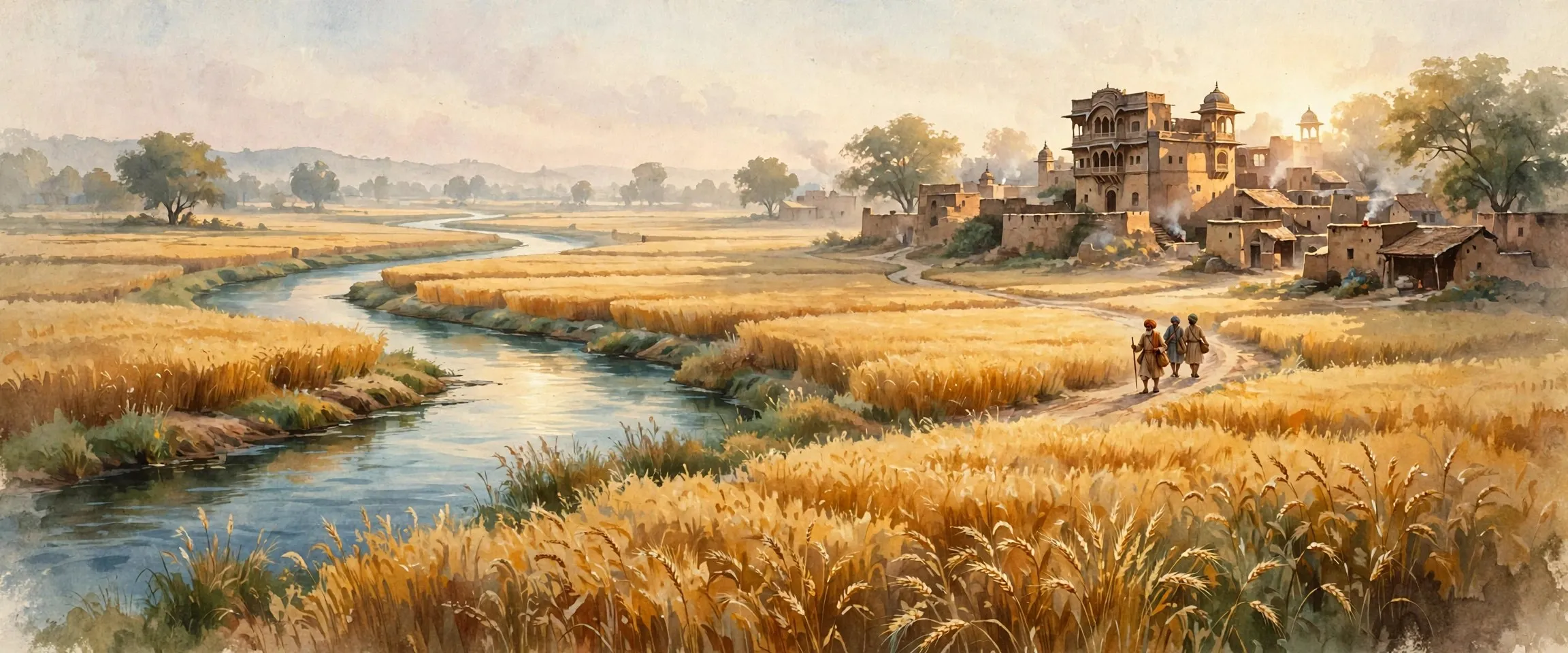
Nanak Naam Chadhdi Kala (1989) is Kartar Singh Duggal's Punjabi novel retelling the birth of the Sikh tradition through one family, opening with the Punjabi Suba movement and moving back to Guru Nanak and Babur's invasion. It is the first volume of his Sikh history trilogy, followed by Tere Bhane (1991) and Sarbat Da Bhala (1992), and it has never been translated into English.
Punjabi, Gurmukhi- Punjabi name
- ਨਾਨਕ ਨਾਮ ਚੜ੍ਹਦੀ ਕਲਾ
- Author
- Kartar Singh Duggal (1917 to 2012)
- Published
- 1989, Navyug Publishers, New Delhi
- Form
- Novel
- Structure
- Four sections of forty short chapters each
- Trilogy
- Followed by Tere Bhane (1991) and Sarbat Da Bhala (1992)
All 9 facts
- Title meaning
- Blessed are those who remember God
- English translation
- None
- Language
- Punjabi (Gurmukhi)
About the novel
Nanak Naam Chadhdi Kala (Blessed Are Those Who Remember God) is a Punjabi novel by Kartar Singh Duggal, published in 1989 by Navyug Publishers, New Delhi. It is the first volume of a trilogy, completed by Tere Bhane (1991, As Willed by You) and Sarbat Da Bhala (1992, The Welfare of All), which together, in the judgement of the scholar Anne Murphy, take as their scope a comprehensive view of Sikh history. Duggal was in his seventies, already the master of the Punjabi short story, when he turned to the largest canvas his tradition offers: the age of the Gurus, retold as the story of one family.
The book's scale shows in its construction. It is structured in four sections, each with forty small chapters, comprising in total a linear narrative about a family, though loosely structured and at times straying far from clear linear development. It arrived framed as scholarship as well as fiction: Principal Satibir Singh's foreword opened with references to Rattan Singh Bhangu's early nineteenth century Prachin Panth Prakash and to M. A. Macauliffe's six volume The Sikh Religion of 1909. The novel has not been translated into English, and Murphy's essay in Cracow Indological Studies remains its fullest scholarly reading.
What is Nanak Naam Chadhdi Kala about?
Nanak Naam Chadhdi Kala is about how the Sikh tradition was born and carried, told through ordinary people caught inside great events. It opens, unexpectedly, in the recent past: the Punjabi Suba movement of the 1950s and early 1960s, with jailed demonstrators singing Raj Karega Khalsa day and night, and prisoners reciting the Babur Bani, Guru Nanak's verses on Babur's invasion of India. Through that doorway the narrative steps back four centuries. Guru Nanak enters the story as a character, shown as one of many imprisoned by Babur's forces, his voice singing out in imprisonment and haunting Babur, and his life is then summarised in key scenes and incidents.
Around the Guru's story Duggal builds his family's. Teji, renamed Mumtaz after she is kidnapped, and Nasrin are both taken captive by soldiers of Babur's army, forcibly married and assaulted, and they become friends through their shared experience. Their sons, Shaili and Aman, carry the bulk of the volume: Aman stays close to the Guru and the community gathered around him, and his letters open windows into the lives and seva of the early Sikhs, while love and intrigue keep the human story at the centre. Aman falls in love with Shakti, and later meets Sundari, a woman captured by an official who intended to marry her; when Shaili recovers her but rejects her for having lived in another man's household, Aman decides to marry her himself, convinced of her innocence. Shaili eventually marries Naseem. The Janam Sakhis and the Mahima Prakash are woven through as the novel's own sources, so that the book shows the tradition being told even as it tells it.
A storyteller, not a historian
Duggal stated his method himself at the opening of the volume. Born in a Sikh family, he wrote, he did not claim to be a historian: this effort was the story of the distinguishing features of the Sikh faith, in the words of a short story writer. He was not telling the history of Sikhism, he said, but a story that reflects that history as he understood it, and every literary work, for him, was a writer's search within the self to understand self, community and culture. He had prepared for a generation. An earlier trilogy, Hal Muridan Da (1962), Man Pio Jae (1974) and Jal Ki Pias Na Jai, had searched, in his phrase, for the shape of Punjab. The Guru trilogy is that search carried to its source. The Sundari episode makes the lineage explicit: Murphy reads Duggal's Sundari against Bhai Vir Singh's Sundari of 1898, the first modern Punjabi novel, and finds the later writer deliberately answering the earlier one's vision of the Sikh past.
The author
Kartar Singh Duggal (1 March 1917 to 2012) was born in Dhamal, in Rawalpindi district, now in Pakistan, and took a master's degree in English from Forman Christian College, Lahore. He joined All India Radio in 1942 and rose to station director, left in 1966 to lead the National Book Trust of India, and later served as an information advisor in Delhi. Across his career he published twenty four collections of short stories, ten novels, seven plays, seven works of literary criticism, two collections of poems and an autobiography, writing in Punjabi, Urdu, Hindi and English. His honours include the Padma Bhushan and the Sahitya Akademi Award, which he won for the story collection Ik Chhit Chanan Di, also in this Kosh. The Guru trilogy, written in his seventies, was his last great undertaking.
Reception and legacy
Because the novel has never been translated, its reputation rests with Punjabi readers and with the scholars who have carried it into English discussion. Murphy's study treats it as a key case of how modern Punjabi literature constructs Sikh history: a narrative in which exclusionary and plural impulses coexist, where the story of the Gurus is told through women, captives and letter writers as much as through the famous. Within Duggal's own body of work it stands as the summit of his second career, the short story master's long, late act of remembrance. For readers coming from his Partition fiction, Nanak Naam Chadhdi Kala shows the same moral attention turned from the Punjab that was divided to the Punjab that was founded.
ਨਾਵਲ ਬਾਰੇ
ਨਾਨਕ ਨਾਮ ਚੜ੍ਹਦੀ ਕਲਾ ਕਰਤਾਰ ਸਿੰਘ ਦੁੱਗਲ ਦਾ ਪੰਜਾਬੀ ਨਾਵਲ ਹੈ, ਜੋ 1989 ਵਿੱਚ ਨਵਯੁਗ ਪਬਲਿਸ਼ਰਜ਼, ਨਵੀਂ ਦਿੱਲੀ ਤੋਂ ਛਪਿਆ। ਇਹ ਇੱਕ ਤ੍ਰਿਲੋਜੀ ਦਾ ਪਹਿਲਾ ਭਾਗ ਹੈ, ਜਿਸ ਨੂੰ ਤੇਰੇ ਭਾਣੇ (1991) ਅਤੇ ਸਰਬੱਤ ਦਾ ਭਲਾ (1992) ਨੇ ਪੂਰਾ ਕੀਤਾ, ਅਤੇ ਜੋ ਤਿੰਨੇ ਮਿਲ ਕੇ, ਵਿਦਵਾਨ ਐਨ ਮਰਫੀ ਦੇ ਫੈਸਲੇ ਅਨੁਸਾਰ, ਸਿੱਖ ਇਤਿਹਾਸ ਦਾ ਵਿਆਪਕ ਦ੍ਰਿਸ਼ ਆਪਣੇ ਘੇਰੇ ਵਿੱਚ ਲੈਂਦੇ ਹਨ। ਦੁੱਗਲ ਆਪਣੇ ਸੱਤਰਵਿਆਂ ਵਿੱਚ ਸੀ, ਪੰਜਾਬੀ ਕਹਾਣੀ ਦਾ ਪਹਿਲਾਂ ਹੀ ਮਾਹਿਰ, ਜਦ ਉਹ ਸਭ ਤੋਂ ਵੱਡੇ ਕੈਨਵਸ ਵੱਲ ਮੁੜਿਆ ਜੋ ਉਸ ਦੀ ਪਰੰਪਰਾ ਦਿੰਦੀ ਹੈ: ਗੁਰੂਆਂ ਦਾ ਯੁੱਗ, ਇੱਕ ਪਰਿਵਾਰ ਦੀ ਕਹਾਣੀ ਵਜੋਂ ਮੁੜ ਦੱਸਿਆ ਹੋਇਆ।
ਕਿਤਾਬ ਦਾ ਪੈਮਾਨਾ ਇਸ ਦੀ ਬਣਤਰ ਵਿੱਚ ਵਿਖਾਈ ਦਿੰਦਾ ਹੈ। ਇਹ ਚਾਰ ਭਾਗਾਂ ਵਿੱਚ ਬਣਿਆ ਹੈ, ਹਰ ਭਾਗ ਵਿੱਚ ਚਾਲੀ ਛੋਟੇ ਅਧਿਆਏ, ਕੁੱਲ ਮਿਲਾ ਕੇ ਇੱਕ ਪਰਿਵਾਰ ਬਾਰੇ ਸਿੱਧਾ ਬਿਰਤਾਂਤ, ਭਾਵੇਂ ਢਿੱਲੀ ਬਣਤਰ ਵਾਲਾ ਅਤੇ ਕਈ ਵਾਰ ਸਪੱਸ਼ਟ ਸਿੱਧੀ ਲਹਿਰ ਤੋਂ ਬਹੁਤ ਦੂਰ ਭਟਕਦਾ ਹੋਇਆ। ਇਹ ਵਿਦਵਤਾ ਅਤੇ ਕਲਪਨਾ ਦੋਹਾਂ ਦੇ ਢਾਂਚੇ ਨਾਲ ਆਇਆ: ਪ੍ਰਿੰਸੀਪਲ ਸਤਿਬੀਰ ਸਿੰਘ ਦੀ ਭੂਮਿਕਾ ਰਤਨ ਸਿੰਘ ਭੰਗੂ ਦੇ ਉਨੀਵੀਂ ਸਦੀ ਦੇ ਸ਼ੁਰੂਆਤੀ ਪ੍ਰਾਚੀਨ ਪੰਥ ਪ੍ਰਕਾਸ਼ ਅਤੇ ਐਮ. ਏ. ਮੈਕਾਲਿਫ ਦੀ 1909 ਦੀ ਛੇ ਜਿਲਦਾਂ ਵਾਲੀ ਦ ਸਿੱਖ ਰਿਲਿਜਨ ਦੇ ਹਵਾਲਿਆਂ ਨਾਲ ਖੁੱਲ੍ਹੀ। ਨਾਵਲ ਦਾ ਅੰਗਰੇਜ਼ੀ ਵਿੱਚ ਅਨੁਵਾਦ ਨਹੀਂ ਹੋਇਆ, ਅਤੇ ਕ੍ਰੈਕੋ ਇੰਡੋਲੋਜੀਕਲ ਸਟੱਡੀਜ਼ ਵਿੱਚ ਮਰਫੀ ਦਾ ਲੇਖ ਇਸ ਦੀ ਸਭ ਤੋਂ ਪੂਰੀ ਵਿਦਵਤਾਪੂਰਨ ਪੜ੍ਹਤ ਬਣਿਆ ਰਹਿੰਦਾ ਹੈ।
ਨਾਨਕ ਨਾਮ ਚੜ੍ਹਦੀ ਕਲਾ ਕਿਸ ਬਾਰੇ ਹੈ?
ਨਾਨਕ ਨਾਮ ਚੜ੍ਹਦੀ ਕਲਾ ਇਸ ਬਾਰੇ ਹੈ ਕਿ ਸਿੱਖ ਪਰੰਪਰਾ ਕਿਵੇਂ ਜਨਮੀ ਅਤੇ ਕਿਵੇਂ ਅੱਗੇ ਵਧੀ, ਮਹਾਨ ਘਟਨਾਵਾਂ ਦੇ ਅੰਦਰ ਫਸੇ ਆਮ ਲੋਕਾਂ ਰਾਹੀਂ ਦੱਸਿਆ ਹੋਇਆ। ਇਹ ਅਚਾਨਕ ਤੌਰ ਉੱਤੇ ਨੇੜਲੇ ਅਤੀਤ ਵਿੱਚ ਖੁੱਲ੍ਹਦਾ ਹੈ: 1950ਵਿਆਂ ਅਤੇ 1960ਵਿਆਂ ਦੇ ਸ਼ੁਰੂ ਦੇ ਪੰਜਾਬੀ ਸੂਬਾ ਅੰਦੋਲਨ ਵਿੱਚ, ਜੇਲ੍ਹ ਵਿੱਚ ਬੰਦ ਪ੍ਰਦਰਸ਼ਨਕਾਰੀ ਦਿਨ ਰਾਤ ਰਾਜ ਕਰੇਗਾ ਖਾਲਸਾ ਗਾਉਂਦੇ ਹੋਏ, ਅਤੇ ਕੈਦੀ ਬਾਬਰ ਬਾਣੀ ਪੜ੍ਹਦੇ ਹੋਏ, ਬਾਬਰ ਦੇ ਭਾਰਤ ਉੱਤੇ ਹਮਲੇ ਬਾਰੇ ਗੁਰੂ ਨਾਨਕ ਦੇ ਸ਼ਬਦ। ਉਸ ਦਰਵਾਜ਼ੇ ਰਾਹੀਂ ਬਿਰਤਾਂਤ ਚਾਰ ਸਦੀਆਂ ਪਿੱਛੇ ਜਾਂਦਾ ਹੈ। ਗੁਰੂ ਨਾਨਕ ਕਹਾਣੀ ਵਿੱਚ ਇੱਕ ਪਾਤਰ ਵਜੋਂ ਦਾਖਲ ਹੁੰਦਾ ਹੈ, ਬਾਬਰ ਦੀਆਂ ਫੌਜਾਂ ਵੱਲੋਂ ਕੈਦ ਕੀਤੇ ਗਏ ਬਹੁਤਿਆਂ ਵਿੱਚੋਂ ਇੱਕ ਵਜੋਂ ਵਿਖਾਇਆ ਗਿਆ, ਉਸ ਦੀ ਆਵਾਜ਼ ਕੈਦ ਵਿੱਚ ਗੂੰਜਦੀ ਹੋਈ ਅਤੇ ਬਾਬਰ ਨੂੰ ਸਤਾਉਂਦੀ ਹੋਈ, ਅਤੇ ਫਿਰ ਉਸ ਦਾ ਜੀਵਨ ਮੁੱਖ ਦ੍ਰਿਸ਼ਾਂ ਅਤੇ ਘਟਨਾਵਾਂ ਵਿੱਚ ਸੰਖੇਪ ਵਿੱਚ ਦੱਸਿਆ ਜਾਂਦਾ ਹੈ।
ਗੁਰੂ ਦੀ ਕਹਾਣੀ ਦੇ ਆਲੇ ਦੁਆਲੇ ਦੁੱਗਲ ਆਪਣੇ ਪਰਿਵਾਰ ਨੂੰ ਬਣਾਉਂਦਾ ਹੈ। ਤੇਜੀ, ਜਿਸ ਦਾ ਨਾਂ ਅਗਵਾ ਤੋਂ ਬਾਅਦ ਮੁਮਤਾਜ਼ ਰੱਖਿਆ ਗਿਆ, ਅਤੇ ਨਸਰੀਨ ਦੋਵੇਂ ਬਾਬਰ ਦੀ ਫੌਜ ਦੇ ਸਿਪਾਹੀਆਂ ਵੱਲੋਂ ਫੜੀਆਂ ਜਾਂਦੀਆਂ ਹਨ, ਜਬਰਦਸਤੀ ਵਿਆਹੀਆਂ ਅਤੇ ਸਤਾਈਆਂ ਜਾਂਦੀਆਂ ਹਨ, ਅਤੇ ਆਪਣੇ ਸਾਂਝੇ ਤਜ਼ਰਬੇ ਰਾਹੀਂ ਸਹੇਲੀਆਂ ਬਣ ਜਾਂਦੀਆਂ ਹਨ। ਉਨ੍ਹਾਂ ਦੇ ਪੁੱਤਰ, ਸ਼ੈਲੀ ਅਤੇ ਅਮਨ, ਜਿਲਦ ਦਾ ਵੱਡਾ ਹਿੱਸਾ ਚੁੱਕਦੇ ਹਨ: ਅਮਨ ਗੁਰੂ ਅਤੇ ਉਸ ਦੇ ਆਲੇ ਦੁਆਲੇ ਇਕੱਠੀ ਸੰਗਤ ਦੇ ਨੇੜੇ ਰਹਿੰਦਾ ਹੈ, ਅਤੇ ਉਸ ਦੀਆਂ ਚਿੱਠੀਆਂ ਮੁੱਢਲੇ ਸਿੱਖਾਂ ਦੇ ਜੀਵਨ ਅਤੇ ਸੇਵਾ ਵਿੱਚ ਝਾਤੀਆਂ ਖੋਲ੍ਹਦੀਆਂ ਹਨ, ਜਦ ਕਿ ਪਿਆਰ ਅਤੇ ਸਾਜ਼ਿਸ਼ ਮਨੁੱਖੀ ਕਹਾਣੀ ਨੂੰ ਕੇਂਦਰ ਵਿੱਚ ਰੱਖਦੇ ਹਨ। ਅਮਨ ਸ਼ਕਤੀ ਨਾਲ ਪਿਆਰ ਵਿੱਚ ਪੈਂਦਾ ਹੈ, ਅਤੇ ਬਾਅਦ ਵਿੱਚ ਸੁੰਦਰੀ ਨੂੰ ਮਿਲਦਾ ਹੈ, ਇੱਕ ਔਰਤ ਜਿਸ ਨੂੰ ਇੱਕ ਅਧਿਕਾਰੀ ਨੇ ਫੜਿਆ ਸੀ ਜੋ ਉਸ ਨਾਲ ਵਿਆਹ ਕਰਨਾ ਚਾਹੁੰਦਾ ਸੀ; ਜਦ ਸ਼ੈਲੀ ਉਸ ਨੂੰ ਛੁਡਾਉਂਦਾ ਹੈ ਪਰ ਦੂਜੇ ਆਦਮੀ ਦੇ ਘਰ ਰਹਿਣ ਕਰਕੇ ਉਸ ਨੂੰ ਠੁਕਰਾ ਦਿੰਦਾ ਹੈ, ਤਾਂ ਅਮਨ ਉਸ ਦੀ ਨਿਰਦੋਸ਼ਤਾ ਉੱਤੇ ਯਕੀਨ ਕਰਦਾ ਹੋਇਆ ਆਪ ਉਸ ਨਾਲ ਵਿਆਹ ਕਰਨ ਦਾ ਫੈਸਲਾ ਕਰਦਾ ਹੈ। ਸ਼ੈਲੀ ਅੰਤ ਵਿੱਚ ਨਸੀਮ ਨਾਲ ਵਿਆਹ ਕਰਦਾ ਹੈ। ਜਨਮ ਸਾਖੀਆਂ ਅਤੇ ਮਹਿਮਾ ਪ੍ਰਕਾਸ਼ ਨਾਵਲ ਦੇ ਆਪਣੇ ਸਰੋਤਾਂ ਵਜੋਂ ਬੁਣੇ ਗਏ ਹਨ, ਤਾਂ ਕਿ ਕਿਤਾਬ ਪਰੰਪਰਾ ਨੂੰ ਦੱਸਦੀ ਹੋਈ ਉਸ ਦੇ ਦੱਸੇ ਜਾਣ ਨੂੰ ਵੀ ਵਿਖਾਉਂਦੀ ਹੈ।
ਇਤਿਹਾਸਕਾਰ ਨਹੀਂ, ਕਹਾਣੀਕਾਰ
ਦੁੱਗਲ ਨੇ ਆਪਣਾ ਢੰਗ ਜਿਲਦ ਦੀ ਸ਼ੁਰੂਆਤ ਵਿੱਚ ਆਪ ਦੱਸਿਆ। ਇੱਕ ਸਿੱਖ ਪਰਿਵਾਰ ਵਿੱਚ ਜਨਮਿਆ, ਉਸ ਨੇ ਲਿਖਿਆ, ਉਹ ਇਤਿਹਾਸਕਾਰ ਹੋਣ ਦਾ ਦਾਅਵਾ ਨਹੀਂ ਕਰਦਾ: ਇਹ ਕੋਸ਼ਿਸ਼ ਸਿੱਖ ਧਰਮ ਦੀਆਂ ਵਿਸ਼ੇਸ਼ਤਾਵਾਂ ਦੀ ਕਹਾਣੀ ਸੀ, ਇੱਕ ਕਹਾਣੀਕਾਰ ਦੇ ਸ਼ਬਦਾਂ ਵਿੱਚ। ਉਹ ਸਿੱਖ ਧਰਮ ਦਾ ਇਤਿਹਾਸ ਨਹੀਂ ਦੱਸ ਰਿਹਾ ਸੀ, ਉਸ ਨੇ ਕਿਹਾ, ਸਗੋਂ ਇੱਕ ਕਹਾਣੀ ਦੱਸ ਰਿਹਾ ਸੀ ਜੋ ਉਸ ਇਤਿਹਾਸ ਨੂੰ ਉਸ ਤਰ੍ਹਾਂ ਪ੍ਰਤੀਬਿੰਬਤ ਕਰਦੀ ਹੈ ਜਿਵੇਂ ਉਹ ਉਸ ਨੂੰ ਸਮਝਦਾ ਸੀ, ਅਤੇ ਹਰ ਸਾਹਿਤਕ ਰਚਨਾ, ਉਸ ਲਈ, ਲੇਖਕ ਦੀ ਆਪਣੇ ਅੰਦਰ ਦੀ ਖੋਜ ਸੀ, ਆਪਣੇ ਆਪ, ਭਾਈਚਾਰੇ ਅਤੇ ਸਭਿਆਚਾਰ ਨੂੰ ਸਮਝਣ ਲਈ। ਉਸ ਨੇ ਇੱਕ ਪੀੜ੍ਹੀ ਤਿਆਰੀ ਕੀਤੀ ਸੀ। ਇੱਕ ਪਹਿਲੀ ਤ੍ਰਿਲੋਜੀ, ਹਾਲ ਮੁਰੀਦਾਂ ਦਾ (1962), ਮਾਂ ਪਿਓ ਜਾਏ (1974) ਅਤੇ ਜਲ ਕੀ ਪਿਆਸ ਨਾ ਜਾਈ, ਨੇ, ਉਸ ਦੇ ਆਪਣੇ ਵਾਕੰਸ਼ ਵਿੱਚ, ਪੰਜਾਬ ਦੀ ਨੁਹਾਰ ਦੀ ਤਲਾਸ਼ ਕੀਤੀ ਸੀ। ਗੁਰੂ ਤ੍ਰਿਲੋਜੀ ਉਹੋ ਖੋਜ ਹੈ ਜੋ ਆਪਣੇ ਸਰੋਤ ਤੱਕ ਲੈ ਜਾਈ ਗਈ। ਸੁੰਦਰੀ ਵਾਲਾ ਪ੍ਰਸੰਗ ਵੰਸ਼ ਨੂੰ ਸਪੱਸ਼ਟ ਕਰਦਾ ਹੈ: ਮਰਫੀ ਦੁੱਗਲ ਦੀ ਸੁੰਦਰੀ ਨੂੰ ਭਾਈ ਵੀਰ ਸਿੰਘ ਦੀ 1898 ਦੀ ਸੁੰਦਰੀ, ਪਹਿਲੇ ਆਧੁਨਿਕ ਪੰਜਾਬੀ ਨਾਵਲ, ਨਾਲ ਪੜ੍ਹਦੀ ਹੈ, ਅਤੇ ਬਾਅਦ ਵਾਲੇ ਲੇਖਕ ਨੂੰ ਪਹਿਲੇ ਦੇ ਸਿੱਖ ਅਤੀਤ ਦੇ ਦ੍ਰਿਸ਼ਟੀਕੋਣ ਨੂੰ ਜਾਣਬੁੱਝ ਕੇ ਜਵਾਬ ਦਿੰਦਾ ਪਾਉਂਦੀ ਹੈ।
ਲੇਖਕ
ਕਰਤਾਰ ਸਿੰਘ ਦੁੱਗਲ (1 ਮਾਰਚ 1917 ਤੋਂ 2012) ਦਾ ਜਨਮ ਧਮਾਲ, ਰਾਵਲਪਿੰਡੀ ਜ਼ਿਲ੍ਹੇ ਵਿੱਚ ਹੋਇਆ, ਜੋ ਹੁਣ ਪਾਕਿਸਤਾਨ ਵਿੱਚ ਹੈ, ਅਤੇ ਉਸ ਨੇ ਫੋਰਮੈਨ ਕ੍ਰਿਸਚੀਅਨ ਕਾਲਜ, ਲਾਹੌਰ ਤੋਂ ਅੰਗਰੇਜ਼ੀ ਵਿੱਚ ਮਾਸਟਰ ਡਿਗਰੀ ਕੀਤੀ। ਉਹ 1942 ਵਿੱਚ ਆਲ ਇੰਡੀਆ ਰੇਡੀਓ ਵਿੱਚ ਸ਼ਾਮਲ ਹੋਇਆ ਅਤੇ ਸਟੇਸ਼ਨ ਡਾਇਰੈਕਟਰ ਬਣਿਆ, 1966 ਵਿੱਚ ਨੈਸ਼ਨਲ ਬੁੱਕ ਟਰੱਸਟ ਆਫ ਇੰਡੀਆ ਦੀ ਅਗਵਾਈ ਲਈ ਛੱਡ ਗਿਆ, ਅਤੇ ਬਾਅਦ ਵਿੱਚ ਦਿੱਲੀ ਵਿੱਚ ਸੂਚਨਾ ਸਲਾਹਕਾਰ ਵਜੋਂ ਸੇਵਾ ਕੀਤੀ। ਆਪਣੇ ਜੀਵਨ ਭਰ ਵਿੱਚ ਉਸ ਨੇ ਕਹਾਣੀਆਂ ਦੇ ਚੌਵੀ ਸੰਗ੍ਰਹਿ, ਦਸ ਨਾਵਲ, ਸੱਤ ਨਾਟਕ, ਸਾਹਿਤਕ ਆਲੋਚਨਾ ਦੀਆਂ ਸੱਤ ਰਚਨਾਵਾਂ, ਕਵਿਤਾ ਦੇ ਦੋ ਸੰਗ੍ਰਹਿ ਅਤੇ ਇੱਕ ਆਤਮਕਥਾ ਛਾਪੇ, ਪੰਜਾਬੀ, ਉਰਦੂ, ਹਿੰਦੀ ਅਤੇ ਅੰਗਰੇਜ਼ੀ ਵਿੱਚ ਲਿਖਦਾ ਹੋਇਆ। ਉਸ ਦੇ ਸਨਮਾਨਾਂ ਵਿੱਚ ਪਦਮ ਭੂਸ਼ਣ ਅਤੇ ਸਾਹਿਤ ਅਕਾਦਮੀ ਇਨਾਮ ਸ਼ਾਮਲ ਹਨ, ਜੋ ਉਸ ਨੇ ਕਹਾਣੀ ਸੰਗ੍ਰਹਿ ਇਕ ਛਿੱਟ ਚਾਨਣ ਦੀ ਲਈ ਜਿੱਤਿਆ, ਜੋ ਇਸ ਕੋਸ਼ ਵਿੱਚ ਵੀ ਹੈ। ਗੁਰੂ ਤ੍ਰਿਲੋਜੀ, ਉਸ ਦੇ ਸੱਤਰਵਿਆਂ ਵਿੱਚ ਲਿਖੀ ਗਈ, ਉਸ ਦਾ ਆਖਰੀ ਮਹਾਨ ਕਾਰਜ ਸੀ।
ਪ੍ਰਤੀਕਿਰਿਆ ਅਤੇ ਵਿਰਾਸਤ
ਕਿਉਂਕਿ ਨਾਵਲ ਦਾ ਕਦੇ ਅਨੁਵਾਦ ਨਹੀਂ ਹੋਇਆ, ਇਸ ਦੀ ਸਾਖ ਪੰਜਾਬੀ ਪਾਠਕਾਂ ਅਤੇ ਉਨ੍ਹਾਂ ਵਿਦਵਾਨਾਂ ਉੱਤੇ ਟਿਕੀ ਹੈ ਜਿਨ੍ਹਾਂ ਨੇ ਇਸ ਨੂੰ ਅੰਗਰੇਜ਼ੀ ਚਰਚਾ ਵਿੱਚ ਲਿਆਂਦਾ। ਮਰਫੀ ਦਾ ਅਧਿਐਨ ਇਸ ਨੂੰ ਇਸ ਗੱਲ ਦਾ ਮੁੱਖ ਮਾਮਲਾ ਮੰਨਦਾ ਹੈ ਕਿ ਆਧੁਨਿਕ ਪੰਜਾਬੀ ਸਾਹਿਤ ਸਿੱਖ ਇਤਿਹਾਸ ਨੂੰ ਕਿਵੇਂ ਬਣਾਉਂਦਾ ਹੈ: ਇੱਕ ਅਜਿਹਾ ਬਿਰਤਾਂਤ ਜਿਸ ਵਿੱਚ ਵੱਖਵਾਦੀ ਅਤੇ ਬਹੁਲਵਾਦੀ ਰੁਝਾਨ ਨਾਲ ਨਾਲ ਰਹਿੰਦੇ ਹਨ, ਜਿੱਥੇ ਗੁਰੂਆਂ ਦੀ ਕਹਾਣੀ ਪ੍ਰਸਿੱਧਾਂ ਜਿੰਨੀ ਹੀ ਔਰਤਾਂ, ਕੈਦੀਆਂ ਅਤੇ ਚਿੱਠੀਆਂ ਲਿਖਣ ਵਾਲਿਆਂ ਰਾਹੀਂ ਦੱਸੀ ਜਾਂਦੀ ਹੈ। ਦੁੱਗਲ ਦੀਆਂ ਆਪਣੀਆਂ ਰਚਨਾਵਾਂ ਵਿੱਚ ਇਹ ਉਸ ਦੇ ਦੂਜੇ ਜੀਵਨ ਦਾ ਸਿਖਰ ਬਣਿਆ ਖੜਾ ਹੈ, ਕਹਾਣੀ ਦੇ ਮਾਹਿਰ ਦਾ ਲੰਮਾ, ਦੇਰ ਨਾਲ ਕੀਤਾ ਯਾਦ ਦਾ ਕਾਰਜ। ਉਸ ਦੀ ਵੰਡ ਵਾਲੀ ਗਲਪ ਤੋਂ ਆਉਣ ਵਾਲੇ ਪਾਠਕਾਂ ਲਈ ਨਾਨਕ ਨਾਮ ਚੜ੍ਹਦੀ ਕਲਾ ਉਹੋ ਨੈਤਿਕ ਧਿਆਨ ਵਿਖਾਉਂਦਾ ਹੈ ਜੋ ਵੰਡੇ ਗਏ ਪੰਜਾਬ ਤੋਂ ਉਸ ਪੰਜਾਬ ਵੱਲ ਮੁੜਿਆ ਜੋ ਸਥਾਪਿਤ ਹੋਇਆ ਸੀ।
Editions and translations
- Nanak Naam Chadhdi KalaPunjabi · Gurmukhi · Navyug Publishers, New Delhi · 1989Edition
The author

Connected
More to read
Sources (3)
Jugti is free and independent. Reader support keeps the Kosh growing.
Support