
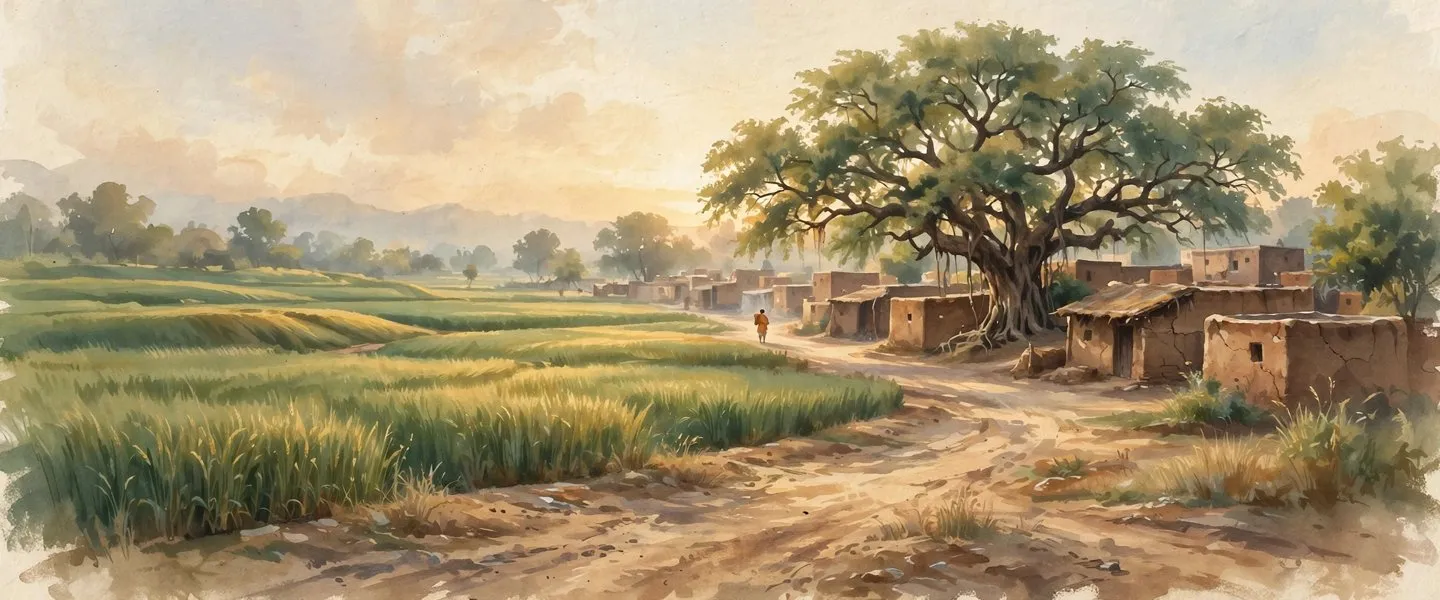
Partapi (1993) is a Punjabi novel by Ram Sarup Ankhi, one of the two books he is best known for, alongside his Sahitya Akademi-winning Kothe Kharak Singh. Set in the Malwa village world Ankhi knew as a farmer and teacher, it is part of the fiction that made him the great chronicler of rural Malwa in the second half of the twentieth century.
Punjabi, Gurmukhi- Punjabi name
- ਪ੍ਰਤਾਪੀ
- Author
- Ram Sarup Ankhi (1932–2010)
- Published
- 1993
- Language
- Punjabi (Gurmukhi)
- Form
- Novel
- Reprint
- Unistar Books, 2010
All 8 facts
- ISBN (reprint)
- 978-81-7538-113-1
- Standing
- One of the two books Ankhi is best known for
About the book
Partapi is a Punjabi novel by Ram Sarup Ankhi, published in 1993. It is the book that stands beside Kothe Kharak Singh (1985) as the work Ankhi is best known for: his Wikipedia entry names the two together in the line that sums up his reputation, and the novel was reprinted by Unistar Books in 2010, seventeen years after it first appeared.
The novel belongs to the middle of Ankhi's career as a novelist. Kothe Kharak Singh, his epic of three generations in a Malwa village, had won the Sahitya Akademi Award in 1987. Partapi followed six years later, and Dulle Di Dhab came a decade after that, in 2003. Across those books Ankhi stayed with the same ground: the villages of Malwa, their fields and debts, their kinship and custom, and their slow change under the pressures of the late twentieth century.
What does Partapi mean?
The title comes from the Punjabi word pratap, meaning glory, majesty or splendour. A partapi is one who carries that glory, a person of standing and honour. The title sets the novel's question before a page is read: what honour and standing are worth in a village where land, debt and reputation decide a person's place.
The Malwa world of the novel
Almost everything Ankhi wrote is set in the same place: a cluster of about fifty villages in Malwa, across the districts of Mansa, Bathinda, Barnala and Sangrur. He was born in Dhaula, farmed his ancestral land, taught English in a government school, and lived most of his life in Dhaula and Barnala. His obituary in ApnaOrg puts it plainly: he sought his themes, locales and characters from within this region, and his canvas never needed anything from outside it.
The subjects he returned to were the pressures on that world: village life and its slow unravelling, the debt that trapped small farmers, the arrival of drugs, the pull of migrant labour, and the disintegration of village communities under corporate farming and the aftermath of the Green Revolution. His later novels carry those subjects in their very titles: Salphas (2006), named for the pesticide debt-ridden farmers used to end their lives, and Kanak Da Qatleam (2007), the slaughter of the wheat. Partapi belongs to the same body of work: a patient record of Malwa as it changed.
The author
Ram Sarup Ankhi (28 August 1932 to 14 February 2010) began as a poet and ended as a novelist. He published five collections of poetry before committing himself to fiction, and went on to write fifteen novels, eight story collections and five poetry collections. He won the Sahitya Akademi Award in 1987 for Kothe Kharak Singh, the Kartar Singh Dhaliwal Award in 1992, and the Sarb Shresht Sahitkaar award in 2009, a year before his death.
He edited the Punjabi short-fiction quarterly Kahani Punjab from 1993, the same year Partapi appeared, assisted by his son Krantipal. Some of his books were translated into Gujarati, Hindi and English, and his novel Gelo was made into a Punjabi feature film in 2016, directed by Manbhawan Singh.
Reception and legacy
Partapi has stayed in print. The 2010 Unistar reprint, seventeen years after publication, is the mark of a novel readers kept asking for. It is the book readers name second when they name Ankhi at all, after Kothe Kharak Singh, and it anchors his reputation as the novelist of Malwa: the writer who took one small region, some fifty villages around Dhaula and Barnala, and made it hold the whole story of rural Punjab in the late twentieth century.
That reputation rests on patience. Ankhi's novels are not built on incident but on accumulation: seasons, debts, marriages, quarrels and harvests, until a village's whole way of life stands in front of the reader. Partapi works in that way, and it is one reason his name still comes up whenever Punjabi readers argue about who wrote the village best.
Where can I read Partapi?
Partapi is in print in Punjabi in the 2010 Unistar Books reprint (ISBN 978-81-7538-113-1). Look for it through Punjabi booksellers and online Indian bookshops. No English translation is listed, so the Punjabi original is the way to read it.
ਕਿਤਾਬ ਬਾਰੇ
ਪ੍ਰਤਾਪੀ ਰਾਮ ਸਰੂਪ ਅਣਖੀ ਦਾ ਪੰਜਾਬੀ ਨਾਵਲ ਹੈ, ਜੋ 1993 ਵਿੱਚ ਛਪਿਆ। ਇਹ ਉਹ ਕਿਤਾਬ ਹੈ ਜੋ ਕੋਠੇ ਖੜਕ ਸਿੰਘ (1985) ਦੇ ਨਾਲ ਅਣਖੀ ਦੀ ਪਛਾਣ ਬਣੀ ਹੋਈ ਹੈ: ਉਨ੍ਹਾਂ ਦੀ ਵਿਕੀਪੀਡੀਆ ਜੀਵਨੀ ਵਿੱਚ ਦੋਹਾਂ ਨਾਵਲਾਂ ਦਾ ਨਾਂ ਇਕੱਠਾ ਆਉਂਦਾ ਹੈ, ਅਤੇ ਇਹ ਨਾਵਲ ਪਹਿਲੀ ਵਾਰ ਛਪਣ ਤੋਂ ਸਤਾਰਾਂ ਸਾਲ ਬਾਅਦ, 2010 ਵਿੱਚ ਯੂਨੀਸਟਾਰ ਬੁੱਕਸ ਵੱਲੋਂ ਮੁੜ ਛਾਪਿਆ ਗਿਆ।
ਇਹ ਨਾਵਲ ਅਣਖੀ ਦੇ ਨਾਵਲਕਾਰੀ ਸਫ਼ਰ ਦੇ ਵਿਚਕਾਰਲੇ ਦੌਰ ਦਾ ਹੈ। ਕੋਠੇ ਖੜਕ ਸਿੰਘ, ਮਾਲਵੇ ਦੇ ਇੱਕ ਪਿੰਡ ਵਿੱਚ ਤਿੰਨ ਪੀੜ੍ਹੀਆਂ ਦਾ ਮਹਾਕਾਵਿ, ਨੇ 1987 ਵਿੱਚ ਸਾਹਿਤ ਅਕਾਦਮੀ ਪੁਰਸਕਾਰ ਜਿੱਤਿਆ ਸੀ। ਪ੍ਰਤਾਪੀ ਉਸ ਤੋਂ ਛੇ ਸਾਲ ਬਾਅਦ ਆਇਆ, ਅਤੇ ਦੁੱਲੇ ਦੀ ਧਾਬ ਇੱਕ ਦਹਾਕੇ ਬਾਅਦ, 2003 ਵਿੱਚ। ਇਨ੍ਹਾਂ ਕਿਤਾਬਾਂ ਵਿੱਚ ਅਣਖੀ ਇੱਕੋ ਧਰਤੀ ਨਾਲ ਜੁੜਿਆ ਰਿਹਾ: ਮਾਲਵੇ ਦੇ ਪਿੰਡ, ਉਨ੍ਹਾਂ ਦੇ ਖੇਤ ਅਤੇ ਕਰਜ਼ੇ, ਰਿਸ਼ਤੇ ਅਤੇ ਰਿਵਾਜ, ਅਤੇ ਵੀਹਵੀਂ ਸਦੀ ਦੇ ਅਖੀਰ ਵਿੱਚ ਆਉਂਦੀ ਤਬਦੀਲੀ।
ਪ੍ਰਤਾਪੀ ਦਾ ਕੀ ਮਤਲਬ ਹੈ?
ਸਿਰਲੇਖ ਪੰਜਾਬੀ ਸ਼ਬਦ ਪ੍ਰਤਾਪ ਤੋਂ ਆਇਆ ਹੈ, ਜਿਸ ਦਾ ਅਰਥ ਹੈ ਸ਼ਾਨ, ਮਹਿਮਾ ਜਾਂ ਤੇਜ। ਪ੍ਰਤਾਪੀ ਉਹ ਹੈ ਜਿਸ ਕੋਲ ਇਹ ਸ਼ਾਨ ਹੋਵੇ, ਇੱਜ਼ਤ ਅਤੇ ਮਰਿਆਦਾ ਵਾਲਾ ਮਨੁੱਖ। ਸਿਰਲੇਖ ਨਾਵਲ ਦਾ ਸਵਾਲ ਪਹਿਲੇ ਪੰਨੇ ਤੋਂ ਹੀ ਸਾਹਮਣੇ ਰੱਖ ਦਿੰਦਾ ਹੈ: ਉਸ ਪਿੰਡ ਵਿੱਚ ਇੱਜ਼ਤ ਅਤੇ ਮਰਿਆਦਾ ਦੀ ਕੀ ਕੀਮਤ ਹੈ, ਜਿੱਥੇ ਜ਼ਮੀਨ, ਕਰਜ਼ਾ ਅਤੇ ਸਾਖ਼ ਮਨੁੱਖ ਦੀ ਥਾਂ ਤੈਅ ਕਰਦੇ ਹਨ।
ਨਾਵਲ ਦੀ ਮਾਲਵਾ ਦੁਨੀਆ
ਅਣਖੀ ਦੀ ਲਗਭਗ ਹਰ ਰਚਨਾ ਇੱਕੋ ਥਾਂ ਤੇ ਵਾਪਰਦੀ ਹੈ: ਮਾਲਵੇ ਦੇ ਲਗਭਗ ਪੰਜਾਹ ਪਿੰਡਾਂ ਦਾ ਸਮੂਹ, ਜੋ ਮਾਨਸਾ, ਬਠਿੰਡਾ, ਬਰਨਾਲਾ ਅਤੇ ਸੰਗਰੂਰ ਜ਼ਿਲ੍ਹਿਆਂ ਵਿੱਚ ਫੈਲਿਆ ਹੈ। ਉਨ੍ਹਾਂ ਦਾ ਜਨਮ ਧੌਲਾ ਵਿੱਚ ਹੋਇਆ, ਉਨ੍ਹਾਂ ਨੇ ਆਪਣੀ ਜੱਦੀ ਜ਼ਮੀਨ ਤੇ ਖੇਤੀ ਕੀਤੀ, ਸਰਕਾਰੀ ਸਕੂਲ ਵਿੱਚ ਅੰਗਰੇਜ਼ੀ ਪੜ੍ਹਾਈ, ਅਤੇ ਆਪਣੀ ਜ਼ਿੰਦਗੀ ਦਾ ਵੱਡਾ ਹਿੱਸਾ ਧੌਲਾ ਅਤੇ ਬਰਨਾਲਾ ਵਿੱਚ ਗੁਜ਼ਾਰਿਆ। ਅਪਨਾਆਰਗ ਵਿੱਚ ਛਪੀ ਉਨ੍ਹਾਂ ਦੀ ਸ਼ਰਧਾਂਜਲੀ ਵਿੱਚ ਸਾਫ਼ ਲਿਖਿਆ ਹੈ: ਉਹ ਆਪਣੇ ਵਿਸ਼ੇ, ਥਾਵਾਂ ਅਤੇ ਪਾਤਰ ਇਸੇ ਇਲਾਕੇ ਵਿੱਚੋਂ ਲੱਭਦੇ ਸਨ, ਅਤੇ ਉਨ੍ਹਾਂ ਦੇ ਬਿਰਤਾਂਤ ਨੂੰ ਇਸ ਤੋਂ ਬਾਹਰ ਕਿਸੇ ਚੀਜ਼ ਦੀ ਲੋੜ ਨਹੀਂ ਸੀ।
ਉਹ ਜਿਨ੍ਹਾਂ ਦਬਾਵਾਂ ਵੱਲ ਮੁੜ ਮੁੜ ਪਰਤਦੇ ਸਨ, ਉਹ ਇਸ ਦੁਨੀਆ ਦੇ ਹੀ ਸਨ: ਪਿੰਡ ਦਾ ਜੀਵਨ ਅਤੇ ਉਸ ਦਾ ਹੌਲੀ ਹੌਲੀ ਟੁੱਟਣਾ, ਛੋਟੇ ਕਿਸਾਨਾਂ ਨੂੰ ਜਕੜਨ ਵਾਲਾ ਕਰਜ਼ਾ, ਨਸ਼ਿਆਂ ਦਾ ਆਉਣਾ, ਪਰਵਾਸੀ ਮਜ਼ਦੂਰਾਂ ਦਾ ਵਹਾਅ, ਅਤੇ ਕਾਰਪੋਰੇਟ ਖੇਤੀ ਹੇਠ ਪਿੰਡ ਭਾਈਚਾਰਿਆਂ ਦਾ ਖਿੰਡਣਾ। ਉਨ੍ਹਾਂ ਦੇ ਬਾਅਦ ਵਾਲੇ ਨਾਵਲਾਂ ਦੇ ਸਿਰਲੇਖ ਹੀ ਇਹ ਵਿਸ਼ੇ ਦੱਸਦੇ ਹਨ: ਸਲਫ਼ਾਸ (2006), ਉਸ ਜ਼ਹਿਰ ਦੇ ਨਾਂ ਤੇ ਜਿਸ ਨਾਲ ਕਰਜ਼ੇ ਵਿੱਚ ਡੁੱਬੇ ਮਾਲਵੇ ਦੇ ਜੱਟ ਆਪਣੀ ਜਾਨ ਦਿੰਦੇ ਸਨ, ਅਤੇ ਕਣਕ ਦਾ ਕਤਲੇਆਮ (2007)। ਪ੍ਰਤਾਪੀ ਉਸੇ ਕੰਮ ਦਾ ਹਿੱਸਾ ਹੈ: ਬਦਲਦੇ ਮਾਲਵੇ ਦਾ ਧੀਰਜ ਨਾਲ ਲਿਖਿਆ ਰਿਕਾਰਡ।
ਲੇਖਕ ਬਾਰੇ
ਰਾਮ ਸਰੂਪ ਅਣਖੀ (28 ਅਗਸਤ 1932 ਤੋਂ 14 ਫ਼ਰਵਰੀ 2010) ਕਵੀ ਵਜੋਂ ਸ਼ੁਰੂ ਹੋਏ ਅਤੇ ਨਾਵਲਕਾਰ ਬਣ ਕੇ ਰਹੇ। ਗਲਪ ਵੱਲ ਪੂਰੀ ਤਰ੍ਹਾਂ ਮੁੜਨ ਤੋਂ ਪਹਿਲਾਂ ਉਨ੍ਹਾਂ ਨੇ ਕਵਿਤਾ ਦੀਆਂ ਪੰਜ ਕਿਤਾਬਾਂ ਛਾਪੀਆਂ, ਅਤੇ ਫਿਰ ਪੰਦਰਾਂ ਨਾਵਲ, ਅੱਠ ਕਹਾਣੀ ਸੰਗ੍ਰਹਿ ਅਤੇ ਪੰਜ ਕਾਵਿ ਸੰਗ੍ਰਹਿ ਲਿਖੇ। ਉਨ੍ਹਾਂ ਨੂੰ ਕੋਠੇ ਖੜਕ ਸਿੰਘ ਲਈ 1987 ਵਿੱਚ ਸਾਹਿਤ ਅਕਾਦਮੀ ਪੁਰਸਕਾਰ, 1992 ਵਿੱਚ ਕਰਤਾਰ ਸਿੰਘ ਧਾਲੀਵਾਲ ਪੁਰਸਕਾਰ ਅਤੇ 2009 ਵਿੱਚ ਸਰਬ ਸ੍ਰੇਸ਼ਟ ਸਾਹਿਤਕਾਰ ਪੁਰਸਕਾਰ ਮਿਲਿਆ, ਉਨ੍ਹਾਂ ਦੀ ਮੌਤ ਤੋਂ ਇੱਕ ਸਾਲ ਪਹਿਲਾਂ।
ਉਨ੍ਹਾਂ ਨੇ 1993 ਤੋਂ, ਉਸੇ ਸਾਲ ਜਦੋਂ ਪ੍ਰਤਾਪੀ ਛਪਿਆ, ਪੰਜਾਬੀ ਲਘੂ ਗਲਪ ਦੀ ਤ੍ਰੈਮਾਸਿਕ ਪੱਤ੍ਰਿਕਾ ਕਹਾਣੀ ਪੰਜਾਬ ਦਾ ਸੰਪਾਦਨ ਕੀਤਾ, ਜਿਸ ਵਿੱਚ ਉਨ੍ਹਾਂ ਦੇ ਪੁੱਤਰ ਕ੍ਰਾਂਤੀਪਾਲ ਨੇ ਸਹਾਇਤਾ ਕੀਤੀ। ਉਨ੍ਹਾਂ ਦੀਆਂ ਕੁਝ ਕਿਤਾਬਾਂ ਗੁਜਰਾਤੀ, ਹਿੰਦੀ ਅਤੇ ਅੰਗਰੇਜ਼ੀ ਵਿੱਚ ਅਨੁਵਾਦ ਹੋਈਆਂ, ਅਤੇ ਉਨ੍ਹਾਂ ਦਾ ਨਾਵਲ ਗੇਲੋ 2016 ਵਿੱਚ ਮਨਭਾਵਨ ਸਿੰਘ ਦੇ ਨਿਰਦੇਸ਼ਨ ਹੇਠ ਪੰਜਾਬੀ ਫ਼ਿਲਮ ਬਣਿਆ।
ਪ੍ਰਾਪਤੀ ਅਤੇ ਵਿਰਾਸਤ
ਪ੍ਰਤਾਪੀ ਛਪਦਾ ਰਿਹਾ ਹੈ। 2010 ਦਾ ਯੂਨੀਸਟਾਰ ਮੁੜ-ਛਾਪਾ, ਪ੍ਰਕਾਸ਼ਨ ਤੋਂ ਸਤਾਰਾਂ ਸਾਲ ਬਾਅਦ, ਇਸ ਗੱਲ ਦੀ ਨਿਸ਼ਾਨੀ ਹੈ ਕਿ ਪਾਠਕ ਇਸ ਨਾਵਲ ਨੂੰ ਮੰਗਦੇ ਰਹੇ। ਜਦੋਂ ਪਾਠਕ ਅਣਖੀ ਦਾ ਨਾਂ ਲੈਂਦੇ ਹਨ ਤਾਂ ਕੋਠੇ ਖੜਕ ਸਿੰਘ ਤੋਂ ਬਾਅਦ ਪ੍ਰਤਾਪੀ ਦਾ ਨਾਂ ਹੀ ਆਉਂਦਾ ਹੈ, ਅਤੇ ਇਹ ਉਨ੍ਹਾਂ ਦੀ ਮਾਲਵੇ ਦੇ ਨਾਵਲਕਾਰ ਵਜੋਂ ਪਛਾਣ ਦੀ ਨੀਂਹ ਹੈ: ਉਹ ਲੇਖਕ ਜਿਸ ਨੇ ਇੱਕ ਛੋਟੇ ਜਿਹੇ ਇਲਾਕੇ, ਧੌਲਾ ਅਤੇ ਬਰਨਾਲਾ ਆਲੇ ਦੁਆਲੇ ਦੇ ਪੰਜਾਹ ਪਿੰਡਾਂ ਨੂੰ ਲੈ ਕੇ, ਵੀਹਵੀਂ ਸਦੀ ਦੇ ਅਖੀਰਲੇ ਪੇਂਡੂ ਪੰਜਾਬ ਦੀ ਪੂਰੀ ਕਹਾਣੀ ਉਸ ਵਿੱਚ ਸਮੋ ਦਿੱਤੀ।
ਇਹ ਪਛਾਣ ਧੀਰਜ ਤੇ ਟਿਕੀ ਹੈ। ਅਣਖੀ ਦੇ ਨਾਵਲ ਘਟਨਾਵਾਂ ਤੇ ਨਹੀਂ, ਇਕੱਠ ਤੇ ਬਣਦੇ ਹਨ: ਰੁੱਤਾਂ, ਕਰਜ਼ੇ, ਵਿਆਹ, ਝਗੜੇ ਅਤੇ ਫ਼ਸਲਾਂ, ਜਦੋਂ ਤੱਕ ਪਿੰਡ ਦਾ ਪੂਰਾ ਜੀਵਨ ਪਾਠਕ ਦੇ ਸਾਹਮਣੇ ਖੜ੍ਹਾ ਨਹੀਂ ਹੋ ਜਾਂਦਾ। ਪ੍ਰਤਾਪੀ ਇਸ ਤਰੀਕੇ ਦੀ ਇੱਕ ਮਿਸਾਲ ਹੈ, ਅਤੇ ਇਹੀ ਕਾਰਨ ਹੈ ਕਿ ਜਦੋਂ ਵੀ ਪੰਜਾਬੀ ਪਾਠਕ ਇਸ ਗੱਲ ਤੇ ਬਹਿਸ ਕਰਦੇ ਹਨ ਕਿ ਪਿੰਡ ਨੂੰ ਸਭ ਤੋਂ ਵਧੀਆ ਕਿਸ ਨੇ ਲਿਖਿਆ, ਅਣਖੀ ਦਾ ਨਾਂ ਅੱਗੇ ਆਉਂਦਾ ਹੈ।
ਪ੍ਰਤਾਪੀ ਕਿੱਥੋਂ ਪੜ੍ਹ ਸਕਦੇ ਹਾਂ?
ਪ੍ਰਤਾਪੀ ਪੰਜਾਬੀ ਵਿੱਚ 2010 ਦੇ ਯੂਨੀਸਟਾਰ ਬੁੱਕਸ ਮੁੜ-ਛਾਪੇ ਵਿੱਚ ਮਿਲਦਾ ਹੈ (ISBN 978-81-7538-113-1)। ਇਸ ਨੂੰ ਪੰਜਾਬੀ ਕਿਤਾਬਾਂ ਵੇਚਣ ਵਾਲਿਆਂ ਅਤੇ ਆਨਲਾਈਨ ਭਾਰਤੀ ਕਿਤਾਬ-ਦੁਕਾਨਾਂ ਰਾਹੀਂ ਲੱਭੋ। ਇਸ ਦਾ ਕੋਈ ਅੰਗਰੇਜ਼ੀ ਅਨੁਵਾਦ ਦਰਜ ਨਹੀਂ ਹੈ, ਇਸ ਲਈ ਪੰਜਾਬੀ ਮੂਲ ਹੀ ਇਸ ਨੂੰ ਪੜ੍ਹਨ ਦਾ ਤਰੀਕਾ ਹੈ।
Editions and translations
- PartapiPunjabi · Gurmukhi · original, 1993Original
- PartapiPunjabi · reprint, 2010 · Unistar Books Pvt. Ltd. · ISBN 978-81-7538-113-1Edition
The author

Connected
More to read
Sources (2)
Jugti is free and independent. Reader support keeps the Kosh growing.
Support