
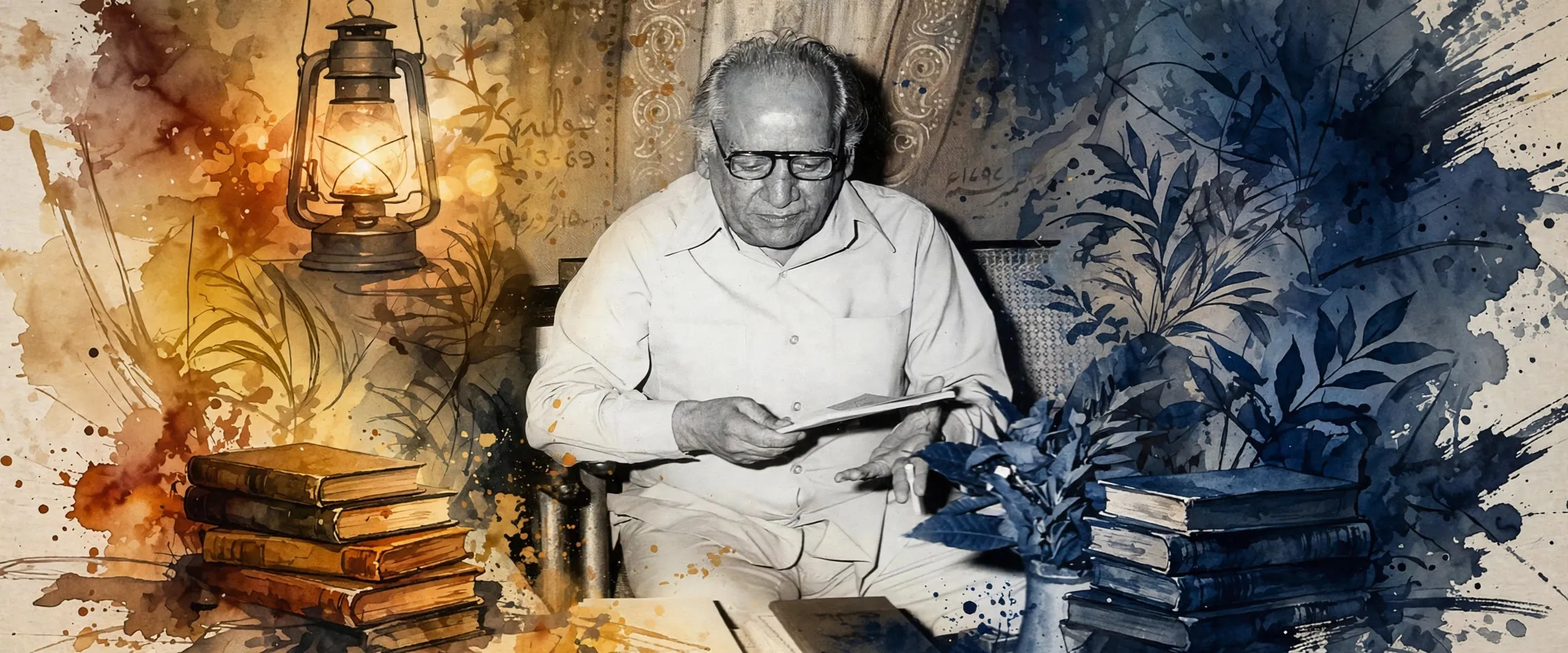
Naqsh-e-Faryadi (1941) is the first poetry collection of Faiz Ahmad Faiz, published in Delhi when he was thirty. Its title comes from the opening line of Ghalib's diwan. The book holds his early ghazals and the first of his nazms, including Mujhse Pehli Si Mohabbat Mere Mehboob Na Maang, the love poem that admits there are other sorrows in the world besides love. It is the beginning of everything Faiz later became.
- Punjabi name
- نقش فریادی
- Author
- Faiz Ahmad Faiz
- Published
- 1941, Delhi
- Language
- Urdu
- Form
- Poetry
- Publisher
- Urdu Ghar, Delhi
All 9 facts
- Title source
- Opening line of Ghalib's diwan
- Best known poem
- Mujhse Pehli Si Mohabbat Mere Mehboob Na Maang
- Note
- Some references give the year as 1943
About the book
Naqsh-e-Faryadi, published in Delhi in 1941, is the first poetry collection of Faiz Ahmad Faiz and his first literary book. Faiz was thirty when it appeared. He had already joined the Progressive Writers' Movement in 1936 and was editing the Urdu literary magazine Adab-e-Latif, but Naqsh-e-Faryadi was the book that made his name as a poet. The collection gathers his early ghazals and nazms, the poems of a young man finding his voice. Most references give 1941 as the year of publication, though a few lists give 1943. The Rekhta catalogue records the first edition as published by Urdu Ghar in Delhi in 1941, with the Anjuman Taraqqi Urdu (Hind) named as contributor.
What does Naqsh-e-Faryadi mean?
The title comes from the first line of the first ghazal in the diwan of Mirza Ghalib: Naqsh faryadi hai kis ki shokhi-e-tahrir ka, which asks whose playful writing this complaining image is. Faiz took the opening words of that line, naqsh-e-faryadi, as the name of his first book. A naqsh is an image, a design or an imprint, and faryadi is one who complains or pleads. The title has been rendered in English as The Image of One Who Laments. It was a bold choice for a first book. Ghalib is the most revered poet in Urdu, and to name a debut collection from his opening line was to announce both a debt and an ambition: the young poet was placing himself in the classical tradition while preparing to take it somewhere new. Readers who knew the Ghalib line would hear it behind every poem in the book.
What is inside Naqsh-e-Faryadi?
The collection holds Faiz's early work: ghazals in the classical form, and nazms, the freer poems that would become his signature. The movement of the book is from the ghazal towards the nazm, and from private love towards a love that has begun to notice the world outside. The poem every reader knows from this collection is Mujhse Pehli Si Mohabbat Mere Mehboob Na Maang, in which the lover asks not to be loved as before, because there are other sorrows in the world besides love. Its best known line says exactly that: aur bhi dukh hain zamane mein mohabbat ke siva, there are other griefs in this age besides the grief of love. The poem was later sung by Noor Jehan in the film Qaidi, which carried it to listeners who never opened a book of poetry. That one poem contains the whole direction of Faiz's life as a poet: the beloved is never abandoned, but the lover's eyes have opened to the suffering around him, and the two can no longer be separated.
The poet
Faiz Ahmad Faiz was born on 13 February 1911 in Kala Qader village, in what is now Narowal district of Punjab. His first language was Punjabi, though his fame came in Urdu. He studied at Government College and Oriental College in Lahore and took an MA in English in 1932. In 1936 he joined the Progressive Writers' Movement, and from 1938 to 1946 he edited Adab-e-Latif. He married Alys in 1941, the year Naqsh-e-Faryadi appeared, and joined the army in May 1942. After 1947 he edited the Pakistan Times. In 1951 he was arrested in the Rawalpindi case and spent four years in prison. Dast-e-Saba followed in 1952 and Zindan Nama in 1956. He received the Lenin Peace Prize in 1962, died in Lahore on 20 November 1984, and was awarded the Nishan-e-Imtiaz in 1990. His complete poetry was gathered in Nuskha Haye Wafa in 1984, which is also in the Kosh.
Love and the sorrows of the world
What makes Naqsh-e-Faryadi worth reading now is that it shows the exact moment when one kind of Urdu poetry turns into another. The early ghazals work inside the classical world of the beloved, the rival and the wine cup. But even there, the sorrows of life keep entering the poems. Faiz does not drop the love poem; he widens it. The beloved's street becomes the city's street, and separation from the beloved starts to carry the weight of every other separation his generation knew. This blending of love with the sorrows of the world became the mark of all his later work, from the prison poems to the great nazms of his maturity. In Naqsh-e-Faryadi it is still young and still forming, which is why the book reads like a beginning that already knows where it is going.
Reception and legacy
Naqsh-e-Faryadi made Faiz's name and has never been out of the conversation since. It is reprinted as part of his complete works, and its most famous poem is sung at gatherings across South Asia by people who may not know which book it came from. For readers of Faiz, the collection matters because everything later grows out of it: the prison poetry, the political nazms, and the love poems that made him the most loved Urdu poet of the twentieth century all begin here, in a slim first book published in Delhi in 1941 by a thirty year old Punjabi poet writing in Urdu. A first book rarely holds its author's whole future in miniature. This one does.
ਕਿਤਾਬ ਬਾਰੇ
ਨਕਸ਼-ਏ-ਫਰਿਆਦੀ 1941 ਵਿੱਚ ਦਿੱਲੀ ਤੋਂ ਛਪਿਆ ਫ਼ੈਜ਼ ਅਹਿਮਦ ਫ਼ੈਜ਼ ਦਾ ਪਹਿਲਾ ਸ਼ਾਇਰੀ ਸੰਗ੍ਰਹਿ ਹੈ ਅਤੇ ਉਸ ਦੀ ਪਹਿਲੀ ਸਾਹਿਤਕ ਕਿਤਾਬ ਹੈ। ਜਦੋਂ ਇਹ ਛਪਿਆ, ਫ਼ੈਜ਼ ਤੀਹ ਸਾਲ ਦਾ ਸੀ। ਉਹ 1936 ਵਿੱਚ ਹੀ ਪ੍ਰਗਤੀਸ਼ੀਲ ਲੇਖਕ ਸੰਘ ਨਾਲ ਜੁੜ ਚੁੱਕਾ ਸੀ ਅਤੇ ਉਰਦੂ ਸਾਹਿਤਕ ਪੱਤ੍ਰਿਕਾ 'ਅਦਬ-ਏ-ਲਤੀਫ਼' ਦਾ ਸੰਪਾਦਨ ਕਰ ਰਿਹਾ ਸੀ, ਪਰ ਨਕਸ਼-ਏ-ਫਰਿਆਦੀ ਉਹ ਕਿਤਾਬ ਸੀ ਜਿਸ ਨੇ ਸ਼ਾਇਰ ਵਜੋਂ ਉਸ ਦਾ ਨਾਂ ਬਣਾਇਆ। ਇਸ ਸੰਗ੍ਰਹਿ ਵਿੱਚ ਉਸ ਦੀਆਂ ਸ਼ੁਰੂਆਤੀ ਗ਼ਜ਼ਲਾਂ ਅਤੇ ਨਜ਼ਮਾਂ ਹਨ, ਇੱਕ ਨੌਜਵਾਨ ਦੀਆਂ ਕਵਿਤਾਵਾਂ ਜੋ ਆਪਣੀ ਆਵਾਜ਼ ਲੱਭ ਰਿਹਾ ਸੀ। ਜ਼ਿਆਦਾਤਰ ਹਵਾਲੇ ਛਪਣ ਦਾ ਸਾਲ 1941 ਦੱਸਦੇ ਹਨ, ਹਾਲਾਂਕਿ ਕੁਝ ਸੂਚੀਆਂ 1943 ਵੀ ਦੱਸਦੀਆਂ ਹਨ। ਰੇਖ਼ਤਾ ਦੀ ਸੂਚੀ ਵਿੱਚ ਪਹਿਲਾ ਐਡੀਸ਼ਨ 1941 ਵਿੱਚ ਦਿੱਲੀ ਦੇ ਉਰਦੂ ਘਰ ਵੱਲੋਂ ਛਪਿਆ ਦਰਜ ਹੈ, ਜਿਸ ਵਿੱਚ ਅੰਜੁਮਨ ਤਰੱਕੀ ਉਰਦੂ (ਹਿੰਦ) ਦਾ ਨਾਂ ਸਹਿਯੋਗੀ ਵਜੋਂ ਹੈ।
ਨਕਸ਼-ਏ-ਫਰਿਆਦੀ ਦਾ ਕੀ ਮਤਲਬ ਹੈ?
ਇਹ ਨਾਂ ਮਿਰਜ਼ਾ ਗ਼ਾਲਿਬ ਦੇ ਦੀਵਾਨ ਦੀ ਪਹਿਲੀ ਗ਼ਜ਼ਲ ਦੀ ਪਹਿਲੀ ਸਤਰ ਤੋਂ ਆਇਆ ਹੈ: 'ਨਕਸ਼ ਫਰਿਆਦੀ ਹੈ ਕਿਸ ਕੀ ਸ਼ੋਖ਼ੀ-ਏ-ਤਹਰੀਰ ਕਾ', ਜੋ ਪੁੱਛਦੀ ਹੈ ਕਿ ਇਹ ਸ਼ਿਕਾਇਤ ਕਰਦੀ ਤਸਵੀਰ ਕਿਸ ਦੀ ਚੁਲਬੁਲੀ ਲਿਖਤ ਦੀ ਹੈ। ਫ਼ੈਜ਼ ਨੇ ਇਸ ਸਤਰ ਦੇ ਮੁੱਢਲੇ ਸ਼ਬਦ, ਨਕਸ਼-ਏ-ਫਰਿਆਦੀ, ਆਪਣੀ ਪਹਿਲੀ ਕਿਤਾਬ ਦਾ ਨਾਂ ਰੱਖ ਲਏ। ਨਕਸ਼ ਦਾ ਮਤਲਬ ਹੈ ਤਸਵੀਰ, ਡਿਜ਼ਾਈਨ ਜਾਂ ਛਾਪ, ਅਤੇ ਫਰਿਆਦੀ ਉਹ ਹੈ ਜੋ ਸ਼ਿਕਾਇਤ ਜਾਂ ਫ਼ਰਿਆਦ ਕਰੇ। ਅੰਗਰੇਜ਼ੀ ਵਿੱਚ ਇਸ ਨਾਂ ਦਾ ਅਨੁਵਾਦ 'ਦ ਇਮੇਜ ਆਫ਼ ਵਨ ਹੂ ਲੈਮੈਂਟਸ' ਕੀਤਾ ਗਿਆ ਹੈ, ਭਾਵ ਫ਼ਰਿਆਦ ਕਰਨ ਵਾਲੇ ਦੀ ਤਸਵੀਰ। ਪਹਿਲੀ ਕਿਤਾਬ ਲਈ ਇਹ ਇੱਕ ਦਲੇਰਾਨਾ ਚੋਣ ਸੀ। ਗ਼ਾਲਿਬ ਉਰਦੂ ਦਾ ਸਭ ਤੋਂ ਸਤਿਕਾਰਤ ਸ਼ਾਇਰ ਹੈ, ਅਤੇ ਪਹਿਲੇ ਸੰਗ੍ਰਹਿ ਦਾ ਨਾਂ ਉਸ ਦੀ ਪਹਿਲੀ ਸਤਰ ਤੋਂ ਰੱਖਣਾ ਕਰਜ਼ੇ ਅਤੇ ਮਹੱਤਵਾਕਾਂਖਾ ਦੋਵਾਂ ਦਾ ਐਲਾਨ ਸੀ: ਨੌਜਵਾਨ ਸ਼ਾਇਰ ਆਪਣੇ ਆਪ ਨੂੰ ਕਲਾਸਿਕ ਪਰੰਪਰਾ ਵਿੱਚ ਰੱਖ ਰਿਹਾ ਸੀ ਅਤੇ ਨਾਲ ਹੀ ਇਸ ਨੂੰ ਕਿਤੇ ਨਵੀਂ ਥਾਂ ਲੈ ਜਾਣ ਦੀ ਤਿਆਰੀ ਕਰ ਰਿਹਾ ਸੀ। ਜਿਹੜੇ ਪਾਠਕ ਗ਼ਾਲਿਬ ਦੀ ਸਤਰ ਜਾਣਦੇ ਸਨ, ਉਨ੍ਹਾਂ ਨੂੰ ਕਿਤਾਬ ਦੀ ਹਰ ਕਵਿਤਾ ਪਿੱਛੇ ਉਹ ਸਤਰ ਸੁਣਾਈ ਦਿੰਦੀ ਸੀ।
ਨਕਸ਼-ਏ-ਫਰਿਆਦੀ ਵਿੱਚ ਕੀ ਹੈ?
ਇਸ ਸੰਗ੍ਰਹਿ ਵਿੱਚ ਫ਼ੈਜ਼ ਦਾ ਸ਼ੁਰੂਆਤੀ ਕੰਮ ਹੈ: ਕਲਾਸਿਕ ਰੂਪ ਵਾਲੀਆਂ ਗ਼ਜ਼ਲਾਂ, ਅਤੇ ਨਜ਼ਮਾਂ, ਉਹ ਖੁੱਲ੍ਹੀਆਂ ਕਵਿਤਾਵਾਂ ਜੋ ਬਾਅਦ ਵਿੱਚ ਉਸ ਦੀ ਪਛਾਣ ਬਣੀਆਂ। ਕਿਤਾਬ ਦੀ ਚਾਲ ਗ਼ਜ਼ਲ ਤੋਂ ਨਜ਼ਮ ਵੱਲ ਹੈ, ਅਤੇ ਨਿੱਜੀ ਮੁਹੱਬਤ ਤੋਂ ਉਸ ਮੁਹੱਬਤ ਵੱਲ ਜਿਸ ਨੇ ਬਾਹਰ ਦੀ ਦੁਨੀਆ ਵੱਲ ਵੇਖਣਾ ਸ਼ੁਰੂ ਕਰ ਦਿੱਤਾ ਹੈ। ਇਸ ਸੰਗ੍ਰਹਿ ਦੀ ਉਹ ਕਵਿਤਾ ਜਿਸ ਨੂੰ ਹਰ ਪਾਠਕ ਜਾਣਦਾ ਹੈ, 'ਮੁਝ ਸੇ ਪਹਿਲੀ ਸੀ ਮੁਹੱਬਤ ਮੇਰੇ ਮਹਿਬੂਬ ਨਾ ਮਾਂਗ' ਹੈ, ਜਿਸ ਵਿੱਚ ਆਸ਼ਿਕ ਕਹਿੰਦਾ ਹੈ ਕਿ ਉਸ ਨੂੰ ਪਹਿਲਾਂ ਵਾਂਗ ਮੁਹੱਬਤ ਨਾ ਮੰਗ, ਕਿਉਂਕਿ ਦੁਨੀਆ ਵਿੱਚ ਮੁਹੱਬਤ ਤੋਂ ਇਲਾਵਾ ਹੋਰ ਵੀ ਦੁੱਖ ਹਨ। ਇਸ ਦੀ ਸਭ ਤੋਂ ਮਸ਼ਹੂਰ ਸਤਰ ਇਹੀ ਕਹਿੰਦੀ ਹੈ: 'ਔਰ ਭੀ ਦੁਖ ਹੈਂ ਜ਼ਮਾਨੇ ਮੇਂ ਮੁਹੱਬਤ ਕੇ ਸਿਵਾ', ਭਾਵ ਇਸ ਜ਼ਮਾਨੇ ਵਿੱਚ ਮੁਹੱਬਤ ਦੇ ਦੁੱਖ ਤੋਂ ਇਲਾਵਾ ਹੋਰ ਵੀ ਦੁੱਖ ਹਨ। ਇਹ ਕਵਿਤਾ ਬਾਅਦ ਵਿੱਚ ਨੂਰ ਜਹਾਂ ਨੇ ਫ਼ਿਲਮ 'ਕੈਦੀ' ਵਿੱਚ ਗਾਈ, ਜਿਸ ਨਾਲ ਇਹ ਉਨ੍ਹਾਂ ਸੁਣਨ ਵਾਲਿਆਂ ਤੱਕ ਵੀ ਪਹੁੰਚੀ ਜਿਨ੍ਹਾਂ ਨੇ ਕਦੇ ਸ਼ਾਇਰੀ ਦੀ ਕਿਤਾਬ ਨਹੀਂ ਖੋਲ੍ਹੀ। ਇਸ ਇੱਕ ਕਵਿਤਾ ਵਿੱਚ ਫ਼ੈਜ਼ ਦੀ ਸ਼ਾਇਰ ਵਜੋਂ ਸਾਰੀ ਦਿਸ਼ਾ ਹੈ: ਮਹਿਬੂਬ ਕਦੇ ਛੱਡਿਆ ਨਹੀਂ ਜਾਂਦਾ, ਪਰ ਆਸ਼ਿਕ ਦੀਆਂ ਅੱਖਾਂ ਆਪਣੇ ਆਲੇ-ਦੁਆਲੇ ਦੇ ਦੁੱਖ ਵੱਲ ਖੁੱਲ੍ਹ ਗਈਆਂ ਹਨ, ਅਤੇ ਦੋਵਾਂ ਨੂੰ ਹੁਣ ਵੱਖ ਨਹੀਂ ਕੀਤਾ ਜਾ ਸਕਦਾ।
ਸ਼ਾਇਰ ਬਾਰੇ
ਫ਼ੈਜ਼ ਅਹਿਮਦ ਫ਼ੈਜ਼ ਦਾ ਜਨਮ 13 ਫਰਵਰੀ 1911 ਨੂੰ ਪਿੰਡ ਕਾਲਾ ਕਾਦਰ ਵਿੱਚ ਹੋਇਆ ਸੀ, ਜੋ ਹੁਣ ਪੰਜਾਬ ਦੇ ਨਾਰੋਵਾਲ ਜ਼ਿਲ੍ਹੇ ਵਿੱਚ ਹੈ। ਉਸ ਦੀ ਪਹਿਲੀ ਭਾਸ਼ਾ ਪੰਜਾਬੀ ਸੀ, ਹਾਲਾਂਕਿ ਉਸ ਦੀ ਪ੍ਰਸਿੱਧੀ ਉਰਦੂ ਵਿੱਚ ਹੋਈ। ਉਸ ਨੇ ਲਾਹੌਰ ਦੇ ਗੌਰਮਿੰਟ ਕਾਲਜ ਅਤੇ ਓਰੀਐਂਟਲ ਕਾਲਜ ਵਿੱਚ ਪੜ੍ਹਾਈ ਕੀਤੀ ਅਤੇ 1932 ਵਿੱਚ ਅੰਗਰੇਜ਼ੀ ਵਿੱਚ ਐਮ.ਏ. ਕੀਤੀ। 1936 ਵਿੱਚ ਉਹ ਪ੍ਰਗਤੀਸ਼ੀਲ ਲੇਖਕ ਸੰਘ ਨਾਲ ਜੁੜਿਆ, ਅਤੇ 1938 ਤੋਂ 1946 ਤੱਕ 'ਅਦਬ-ਏ-ਲਤੀਫ਼' ਦਾ ਸੰਪਾਦਕ ਰਿਹਾ। 1941 ਵਿੱਚ, ਜਿਸ ਸਾਲ ਨਕਸ਼-ਏ-ਫਰਿਆਦੀ ਛਪਿਆ, ਉਸ ਦਾ ਵਿਆਹ ਐਲਿਸ ਨਾਲ ਹੋਇਆ, ਅਤੇ ਮਈ 1942 ਵਿੱਚ ਉਹ ਫ਼ੌਜ ਵਿੱਚ ਭਰਤੀ ਹੋ ਗਿਆ। 1947 ਤੋਂ ਬਾਅਦ ਉਸ ਨੇ 'ਪਾਕਿਸਤਾਨ ਟਾਈਮਜ਼' ਦਾ ਸੰਪਾਦਨ ਕੀਤਾ। 1951 ਵਿੱਚ ਉਹ ਰਾਵਲਪਿੰਡੀ ਕੇਸ ਵਿੱਚ ਗ੍ਰਿਫ਼ਤਾਰ ਹੋਇਆ ਅਤੇ ਚਾਰ ਸਾਲ ਕੈਦ ਵਿੱਚ ਰਿਹਾ। 1952 ਵਿੱਚ 'ਦਸਤ-ਏ-ਸਬਾ' ਅਤੇ 1956 ਵਿੱਚ 'ਜ਼ਿੰਦਾਂ ਨਾਮਾ' ਆਇਆ। ਉਸ ਨੂੰ 1962 ਵਿੱਚ ਲੈਨਿਨ ਅਮਨ ਪੁਰਸਕਾਰ ਮਿਲਿਆ, 20 ਨਵੰਬਰ 1984 ਨੂੰ ਲਾਹੌਰ ਵਿੱਚ ਉਸ ਦਾ ਦੇਹਾਂਤ ਹੋਇਆ, ਅਤੇ 1990 ਵਿੱਚ ਉਸ ਨੂੰ ਨਿਸ਼ਾਨ-ਏ-ਇਮਤਿਆਜ਼ ਮਿਲਿਆ। ਉਸ ਦੀ ਸਮੁੱਚੀ ਸ਼ਾਇਰੀ 1984 ਵਿੱਚ 'ਨੁਸਖ਼ਾ ਹਾਏ ਵਫ਼ਾ' ਵਿੱਚ ਇਕੱਠੀ ਕੀਤੀ ਗਈ, ਜੋ ਕੋਸ਼ ਵਿੱਚ ਵੀ ਹੈ।
ਮੁਹੱਬਤ ਅਤੇ ਦੁਨੀਆ ਦੇ ਦੁੱਖ
ਨਕਸ਼-ਏ-ਫਰਿਆਦੀ ਨੂੰ ਅੱਜ ਪੜ੍ਹਨ ਦੀ ਵਜ੍ਹਾ ਇਹ ਹੈ ਕਿ ਇਹ ਉਹ ਪਲ ਦਿਖਾਉਂਦਾ ਹੈ ਜਦੋਂ ਇੱਕ ਤਰ੍ਹਾਂ ਦੀ ਉਰਦੂ ਸ਼ਾਇਰੀ ਦੂਜੀ ਤਰ੍ਹਾਂ ਦੀ ਬਣ ਜਾਂਦੀ ਹੈ। ਸ਼ੁਰੂਆਤੀ ਗ਼ਜ਼ਲਾਂ ਮਹਿਬੂਬ, ਰਕੀਬ ਅਤੇ ਸ਼ਰਾਬ ਦੇ ਪਿਆਲੇ ਦੀ ਕਲਾਸਿਕ ਦੁਨੀਆ ਵਿੱਚ ਕੰਮ ਕਰਦੀਆਂ ਹਨ। ਪਰ ਉੱਥੇ ਵੀ ਜ਼ਿੰਦਗੀ ਦੇ ਦੁੱਖ ਕਵਿਤਾਵਾਂ ਵਿੱਚ ਦਾਖ਼ਲ ਹੁੰਦੇ ਰਹਿੰਦੇ ਹਨ। ਫ਼ੈਜ਼ ਮੁਹੱਬਤ ਦੀ ਕਵਿਤਾ ਛੱਡਦਾ ਨਹੀਂ, ਉਸ ਨੂੰ ਵਿਸ਼ਾਲ ਕਰਦਾ ਹੈ। ਮਹਿਬੂਬ ਦੀ ਗਲੀ ਸ਼ਹਿਰ ਦੀ ਗਲੀ ਬਣ ਜਾਂਦੀ ਹੈ, ਅਤੇ ਮਹਿਬੂਬ ਤੋਂ ਵਿਛੋੜਾ ਹਰ ਉਸ ਵਿਛੋੜੇ ਦਾ ਭਾਰ ਚੁੱਕਣ ਲੱਗਦਾ ਹੈ ਜੋ ਉਸ ਦੀ ਪੀੜ੍ਹੀ ਨੇ ਜਾਣਿਆ ਸੀ। ਮੁਹੱਬਤ ਦਾ ਦੁਨੀਆ ਦੇ ਦੁੱਖਾਂ ਨਾਲ ਇਹ ਮੇਲ ਉਸ ਦੇ ਬਾਅਦ ਦੇ ਸਾਰੇ ਕੰਮ ਦੀ ਨਿਸ਼ਾਨੀ ਬਣਿਆ, ਕੈਦ ਦੀਆਂ ਕਵਿਤਾਵਾਂ ਤੋਂ ਲੈ ਕੇ ਪੱਕੀ ਉਮਰ ਦੀਆਂ ਵੱਡੀਆਂ ਨਜ਼ਮਾਂ ਤੱਕ। ਨਕਸ਼-ਏ-ਫਰਿਆਦੀ ਵਿੱਚ ਇਹ ਅਜੇ ਨੌਜਵਾਨ ਹੈ ਅਤੇ ਅਜੇ ਬਣ ਰਿਹਾ ਹੈ, ਇਸੇ ਲਈ ਇਹ ਕਿਤਾਬ ਇੱਕ ਅਜਿਹੀ ਸ਼ੁਰੂਆਤ ਵਾਂਗ ਪੜ੍ਹੀ ਜਾਂਦੀ ਹੈ ਜੋ ਪਹਿਲਾਂ ਹੀ ਜਾਣਦੀ ਹੈ ਕਿ ਉਹ ਕਿੱਥੇ ਜਾ ਰਹੀ ਹੈ।
ਮਕਬੂਲੀਅਤ ਅਤੇ ਵਿਰਾਸਤ
ਨਕਸ਼-ਏ-ਫਰਿਆਦੀ ਨੇ ਫ਼ੈਜ਼ ਦਾ ਨਾਂ ਬਣਾਇਆ ਅਤੇ ਉਦੋਂ ਤੋਂ ਇਹ ਚਰਚਾ ਤੋਂ ਕਦੇ ਬਾਹਰ ਨਹੀਂ ਹੋਇਆ। ਇਹ ਉਸ ਦੀਆਂ ਸਮੁੱਚੀਆਂ ਰਚਨਾਵਾਂ ਦੇ ਹਿੱਸੇ ਵਜੋਂ ਮੁੜ ਛਪਦਾ ਰਹਿੰਦਾ ਹੈ, ਅਤੇ ਇਸ ਦੀ ਸਭ ਤੋਂ ਮਸ਼ਹੂਰ ਕਵਿਤਾ ਦੱਖਣੀ ਏਸ਼ੀਆ ਭਰ ਦੀਆਂ ਮਹਿਫ਼ਲਾਂ ਵਿੱਚ ਉਹ ਲੋਕ ਵੀ ਗਾਉਂਦੇ ਹਨ ਜੋ ਸ਼ਾਇਦ ਨਹੀਂ ਜਾਣਦੇ ਕਿ ਇਹ ਕਿਸ ਕਿਤਾਬ ਤੋਂ ਆਈ ਹੈ। ਫ਼ੈਜ਼ ਦੇ ਪਾਠਕਾਂ ਲਈ ਇਹ ਸੰਗ੍ਰਹਿ ਇਸ ਲਈ ਮਹੱਤਵਪੂਰਨ ਹੈ ਕਿਉਂਕਿ ਬਾਅਦ ਦਾ ਸਭ ਕੁਝ ਇਸੇ ਤੋਂ ਉੱਗਦਾ ਹੈ: ਕੈਦ ਦੀ ਸ਼ਾਇਰੀ, ਸਿਆਸੀ ਨਜ਼ਮਾਂ, ਅਤੇ ਉਹ ਮੁਹੱਬਤ ਦੀਆਂ ਕਵਿਤਾਵਾਂ ਜਿਨ੍ਹਾਂ ਨੇ ਉਸ ਨੂੰ ਵੀਹਵੀਂ ਸਦੀ ਦਾ ਸਭ ਤੋਂ ਪਿਆਰਾ ਉਰਦੂ ਸ਼ਾਇਰ ਬਣਾਇਆ, ਸਭ ਇੱਥੋਂ ਸ਼ੁਰੂ ਹੁੰਦੀਆਂ ਹਨ, 1941 ਵਿੱਚ ਦਿੱਲੀ ਤੋਂ ਛਪੀ ਇੱਕ ਪਤਲੀ ਪਹਿਲੀ ਕਿਤਾਬ ਤੋਂ, ਇੱਕ ਤੀਹ ਸਾਲ ਦੇ ਪੰਜਾਬੀ ਸ਼ਾਇਰ ਦੀ ਜੋ ਉਰਦੂ ਵਿੱਚ ਲਿਖ ਰਿਹਾ ਸੀ। ਪਹਿਲੀ ਕਿਤਾਬ ਵਿੱਚ ਆਮ ਤੌਰ ਉੱਤੇ ਲੇਖਕ ਦਾ ਸਾਰਾ ਭਵਿੱਖ ਛੋਟੇ ਰੂਪ ਵਿੱਚ ਨਹੀਂ ਹੁੰਦਾ। ਇਸ ਕਿਤਾਬ ਵਿੱਚ ਹੈ।
Editions and translations
- Naqsh-e-FaryadiUrdu · first published Delhi, 1941 · Urdu Ghar · Urdu title: نقش فریادیEdition
- Naqsh-e-FaryadiIncluded in Nuskha Haye Wafa, Faiz's complete poetry, 1984Edition
The author
Connected
More to read
Sources (6)
Jugti is free and independent. Reader support keeps the Kosh growing.
Support