
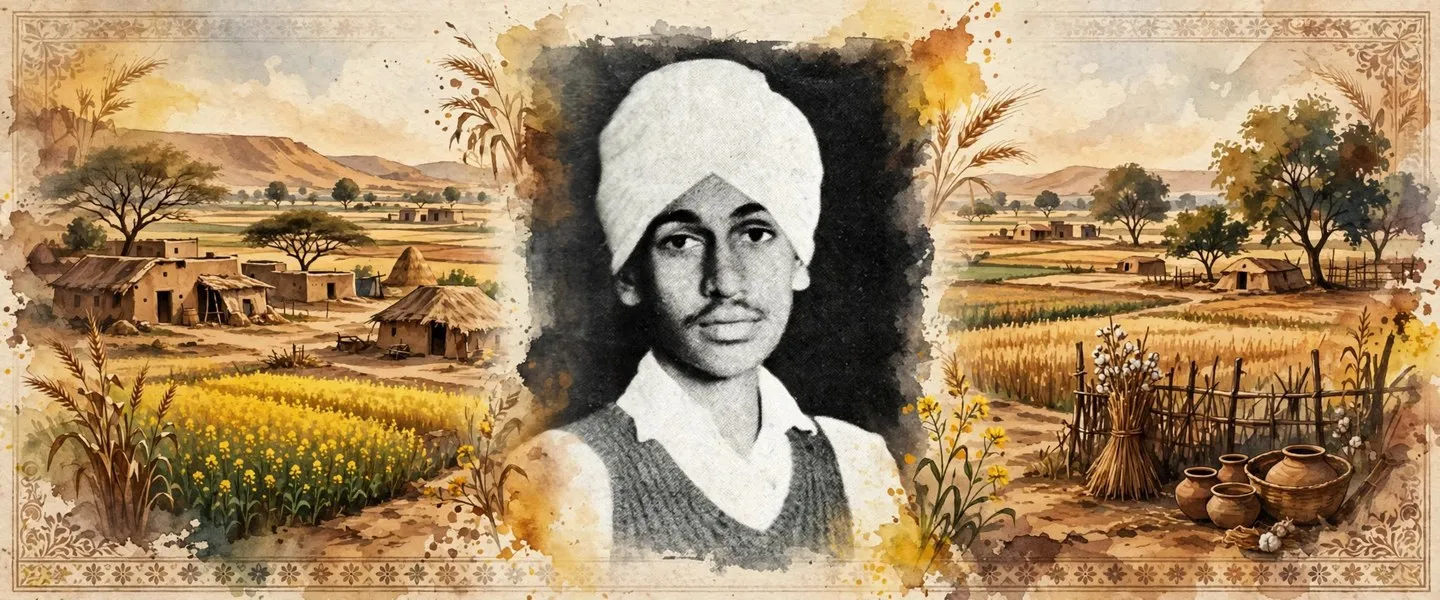
Saggi Phul (1962) is Gurdial Singh's first collection of short stories, the book in which the writer who became Punjab's great realist novelist first found his voice. Its stories are set among the small farmers, labourers and village households of Malwa, and the title story is still taught in schools: it is on the ICSE Class X Punjabi reading list.
Punjabi, Gurmukhi- Punjabi name
- ਸੱਗੀ ਫੁੱਲ
- Author
- Gurdial Singh (1933-2016)
- Published
- 1962
- Language
- Punjabi (Gurmukhi)
- Form
- Short story collection
- Title meaning
- Same Flowers
All 8 facts
- Also spelled
- Saggi Phull
- School text
- ICSE Class X Punjabi prescribed story
About the book
Saggi Phul, published in 1962, is the first collection of short stories by Gurdial Singh, the book in which the writer who became Punjab's great realist novelist first found his voice. Its stories are set among the small farmers, labourers and village households of Malwa, and they are told with the plain attention to work, debt and pride that would define all his later fiction.
The title is usually rendered in English as Same Flowers. It is also spelled Saggi Phull, and that spelling is the one used in most reference works. Singh was twenty-nine when the collection appeared, five years after his first story, Bhaganwale, was published in the magazine Panj Darya in 1957, and two years before Marhi Da Diva, his first novel, made him famous in 1964. The collection is the foundation stone of his work: the realism, the village world and the sympathy for the poor that readers know from his novels all begin here.
More collections followed in Singh's long career, but Saggi Phul keeps a special place. It is the book of a young writer who had lived the life he wrote about: a carpenter's son who had worked with his hands since childhood, and who knew the Malwa village from inside, not from a visit.
The stories and their world
The world of Saggi Phul is the Malwa village of the early 1960s: mud houses, small fields, moneylenders, weddings that cost more than a family can afford, and work that never ends. Singh's people are the rural poor: landless labourers, smallholders with a field or two, women who hold households together on very little. Caste sits quietly underneath everything, deciding who owns land, who gets respect and who does the hardest work.
Singh called himself a critical realist, and the stories show what he meant. He does not pity his characters and he does not excuse the world that grinds them down. He watches closely: how a debt is counted, how pride is kept, how a family measures itself against its neighbours. The sentences are plain and the scenes are short, but nothing in them is small. A piece of jewellery sold, a gift given, a field lost: these are the events on which a whole life turns.
That closeness comes from Singh's own life. Born in Bhaini Fateh, a village near Jaito, to a carpenter father, he began working as a carpenter at twelve, alongside his father, earning a few rupees a day. He became a schoolteacher in 1962, the year Saggi Phul appeared, and kept writing between lessons. The stories carry that double knowledge: the labourer's knowledge of work, and the teacher's knowledge of books.
What is the title story about?
The title story follows Muno, a woman who sells her own piece of jewellery to arrange marriage gifts for a niece. She goes beyond her means because pride demands it: among her relatives, a family is judged by what it can give at a wedding. The move is meant to save her standing, and it proves counterproductive, leaving her poorer and no more respected than before. It is a small tragedy of the kind Singh returned to all his life: a decent person undone not by a villain, but by the rules of the world she lives in.
The story's shape is easy to recognise in Punjabi village life, and that is why it has lasted. Weddings remain the great test of a family's standing, and the pressure to spend beyond one's means has not gone away. A 2001 television dramatisation carried the story's title, Saggi Phull, and its synopsis gives the plot in one line: Muno goes beyond her means and sells her piece of jewellery to arrange marriage gifts for a niece.
The author
Gurdial Singh (1933-2016) was born on 10 January 1933 in Bhaini Fateh, near Jaito, in what is now Faridkot district. His father, Jagat Singh, was a carpenter, and his mother, Nihal Kaur, kept the household. He worked as a carpenter from the age of twelve, took a schoolteacher's job in 1962, and went on to a BA and an MA in 1967. His first story, Bhaganwale, appeared in Panj Darya in 1957; his later stories were published in Preetlari, the magazine edited by Gurbaksh Singh.
Marhi Da Diva (1964), his first novel, established him as a novelist, and he rewrote it four times over four years before he was satisfied. The novels that followed included Anhoe (1966), Adh Chanani Raat (1972), Anhe Ghore Da Daan (1976) and Parsa (1991). He won the Sahitya Akademi Award for Adh Chanani Raat, the Padma Shri in 1998 and the Jnanpith Award in 1999, shared with the Hindi writer Nirmal Verma. He died on 16 August 2016 in Bathinda, aged eighty-three.
Why Saggi Phul still matters
The collection still matters for three reasons. First, it is where Gurdial Singh's realism begins. Every theme of his later novels, caste, land, debt, the dignity of the poor, is already here in short form. Second, it is a school book: the title story is prescribed for Class X Punjabi in the ICSE examinations, so new readers meet Singh every year through this story. Third, it is short and direct, the best place for a new reader to start with one of Punjab's two Jnanpith winners.
Readers who know Singh through Marhi Da Diva or Anhe Ghore Da Daan will find the same writer here, younger and more concentrated. Readers who have never read him will find a book that asks for little and gives a great deal: a shelf of small stories about people with almost nothing, told by a writer who never looked down on them.
Saggi Phul is also a reminder of how much of Punjabi literature lives outside the famous novels. The short story was Singh's first love, and he kept writing stories all his life. This first one is where the voice was found, and it is still the clearest statement of what he believed a story should do: stand beside the poor and tell the truth about their lives.
ਕਿਤਾਬ ਬਾਰੇ
ਸੱਗੀ ਫੁੱਲ, ਜੋ 1962 ਵਿੱਚ ਛਪਿਆ, ਗੁਰਦਿਆਲ ਸਿੰਘ ਦਾ ਪਹਿਲਾ ਕਹਾਣੀ ਸੰਗ੍ਰਹਿ ਹੈ, ਉਹ ਕਿਤਾਬ ਜਿਸ ਵਿੱਚ ਉਹ ਲੇਖਕ, ਜੋ ਪੰਜਾਬ ਦਾ ਮਹਾਨ ਯਥਾਰਥਵਾਦੀ ਨਾਵਲਕਾਰ ਬਣਿਆ, ਨੇ ਪਹਿਲੀ ਵਾਰ ਆਪਣੀ ਆਵਾਜ਼ ਲੱਭੀ। ਇਸ ਦੀਆਂ ਕਹਾਣੀਆਂ ਮਾਲਵੇ ਦੇ ਛੋਟੇ ਕਿਸਾਨਾਂ, ਮਜ਼ਦੂਰਾਂ ਅਤੇ ਪਿੰਡਾਂ ਦੇ ਘਰਾਂ ਬਾਰੇ ਹਨ, ਅਤੇ ਇਨ੍ਹਾਂ ਵਿੱਚ ਕੰਮ, ਕਰਜ਼ੇ ਅਤੇ ਮਾਣ ਵੱਲ ਉਹੀ ਸਾਦਾ ਧਿਆਨ ਹੈ ਜੋ ਉਸ ਦੇ ਬਾਅਦ ਦੇ ਸਾਰੇ ਲੇਖਣ ਦੀ ਪਛਾਣ ਬਣਿਆ।
ਇਸ ਨਾਂ ਦਾ ਅੰਗਰੇਜ਼ੀ ਅਨੁਵਾਦ ਆਮ ਤੌਰ ਉੱਤੇ Same Flowers ਕੀਤਾ ਜਾਂਦਾ ਹੈ। ਇਸ ਦੀ ਸਪੈਲਿੰਗ ਸੱਗੀ ਫੁੱਲ ਵੀ ਮਿਲਦੀ ਹੈ, ਅਤੇ ਹਵਾਲਾ ਕਿਤਾਬਾਂ ਵਿੱਚ ਇਹੀ ਸਪੈਲਿੰਗ ਵਰਤੀ ਜਾਂਦੀ ਹੈ। ਸੰਗ੍ਰਹਿ ਛਪਣ ਸਮੇਂ ਸਿੰਘ ਉਨੱਤੀ ਸਾਲ ਦਾ ਸੀ, ਉਸ ਦੀ ਪਹਿਲੀ ਕਹਾਣੀ ਭਗਾਂਵਾਲੇ ਦੇ ਪੰਜ ਦਰਿਆ ਪੱਤ੍ਰਿਕਾ ਵਿੱਚ 1957 ਵਿੱਚ ਛਪਣ ਤੋਂ ਪੰਜ ਸਾਲ ਬਾਅਦ, ਅਤੇ ਮੜ੍ਹੀ ਦਾ ਦੀਵਾ, ਉਸ ਦੇ ਪਹਿਲੇ ਨਾਵਲ, ਦੇ 1964 ਵਿੱਚ ਮਸ਼ਹੂਰ ਹੋਣ ਤੋਂ ਦੋ ਸਾਲ ਪਹਿਲਾਂ। ਇਹ ਸੰਗ੍ਰਹਿ ਉਸ ਦੇ ਕੰਮ ਦੀ ਨੀਂਹ ਹੈ: ਯਥਾਰਥਵਾਦ, ਪਿੰਡ ਦੀ ਦੁਨੀਆਂ ਅਤੇ ਗਰੀਬਾਂ ਲਈ ਹਮਦਰਦੀ, ਜੋ ਪਾਠਕ ਉਸ ਦੇ ਨਾਵਲਾਂ ਤੋਂ ਜਾਣਦੇ ਹਨ, ਸਭ ਇੱਥੋਂ ਸ਼ੁਰੂ ਹੁੰਦੇ ਹਨ।
ਸਿੰਘ ਦੇ ਲੰਬੇ ਕਰੀਅਰ ਵਿੱਚ ਹੋਰ ਕਹਾਣੀ ਸੰਗ੍ਰਹਿ ਵੀ ਆਏ, ਪਰ ਸੱਗੀ ਫੁੱਲ ਦੀ ਥਾਂ ਖਾਸ ਹੈ। ਇਹ ਇੱਕ ਨੌਜਵਾਨ ਲੇਖਕ ਦੀ ਕਿਤਾਬ ਹੈ ਜਿਸ ਨੇ ਉਹ ਜ਼ਿੰਦਗੀ ਜੀਵੀ ਸੀ ਜਿਸ ਬਾਰੇ ਉਸ ਨੇ ਲਿਖਿਆ: ਇੱਕ ਤਰਖਾਣ ਦਾ ਪੁੱਤਰ ਜੋ ਬਚਪਨ ਤੋਂ ਆਪਣੇ ਹੱਥੀਂ ਕੰਮ ਕਰਦਾ ਆਇਆ ਸੀ, ਅਤੇ ਜੋ ਮਾਲਵੇ ਦੇ ਪਿੰਡ ਨੂੰ ਅੰਦਰੋਂ ਜਾਣਦਾ ਸੀ, ਕਿਸੇ ਮੁਲਾਕਾਤ ਤੋਂ ਨਹੀਂ।
ਕਹਾਣੀਆਂ ਅਤੇ ਉਨ੍ਹਾਂ ਦੀ ਦੁਨੀਆਂ
ਸੱਗੀ ਫੁੱਲ ਦੀ ਦੁਨੀਆਂ 1960 ਦੇ ਦਹਾਕੇ ਦੇ ਸ਼ੁਰੂ ਦਾ ਮਾਲਵੇ ਦਾ ਪਿੰਡ ਹੈ: ਕੱਚੇ ਘਰ, ਛੋਟੇ ਖੇਤ, ਸ਼ਾਹੂਕਾਰ, ਵਿਆਹ ਜਿਨ੍ਹਾਂ ਉੱਤੇ ਪਰਿਵਾਰ ਦੀ ਹੈਸੀਅਤ ਤੋਂ ਵੱਧ ਖਰਚ ਹੁੰਦਾ ਹੈ, ਅਤੇ ਕਦੇ ਨਾ ਮੁੱਕਣ ਵਾਲਾ ਕੰਮ। ਸਿੰਘ ਦੇ ਲੋਕ ਪਿੰਡ ਦੇ ਗਰੀਬ ਹਨ: ਬੇਜ਼ਮੀਨੇ ਮਜ਼ਦੂਰ, ਇੱਕ-ਦੋ ਖੇਤਾਂ ਵਾਲੇ ਛੋਟੇ ਕਿਸਾਨ, ਔਰਤਾਂ ਜੋ ਬਹੁਤ ਘੱਟ ਸਾਧਨਾਂ ਨਾਲ ਘਰ ਸਾਂਭਦੀਆਂ ਹਨ। ਜਾਤ ਹਰ ਚੀਜ਼ ਦੇ ਹੇਠਾਂ ਚੁੱਪ-ਚਾਪ ਬੈਠੀ ਹੈ, ਜੋ ਤੈਅ ਕਰਦੀ ਹੈ ਕਿ ਕਿਸ ਕੋਲ ਜ਼ਮੀਨ ਹੈ, ਕਿਸ ਨੂੰ ਇੱਜ਼ਤ ਮਿਲਦੀ ਹੈ ਅਤੇ ਕੌਣ ਸਭ ਤੋਂ ਔਖਾ ਕੰਮ ਕਰਦਾ ਹੈ।
ਸਿੰਘ ਆਪਣੇ ਆਪ ਨੂੰ ਆਲੋਚਨਾਤਮਕ ਯਥਾਰਥਵਾਦੀ ਕਹਿੰਦਾ ਸੀ, ਅਤੇ ਕਹਾਣੀਆਂ ਦਿਖਾਉਂਦੀਆਂ ਹਨ ਕਿ ਉਸ ਦਾ ਮਤਲਬ ਕੀ ਸੀ। ਉਹ ਆਪਣੇ ਪਾਤਰਾਂ ਉੱਤੇ ਤਰਸ ਨਹੀਂ ਖਾਂਦਾ ਅਤੇ ਉਸ ਦੁਨੀਆਂ ਨੂੰ ਵੀ ਮਾਫ਼ ਨਹੀਂ ਕਰਦਾ ਜੋ ਉਨ੍ਹਾਂ ਨੂੰ ਪੀਸਦੀ ਹੈ। ਉਹ ਨੇੜਿਓਂ ਦੇਖਦਾ ਹੈ: ਕਰਜ਼ਾ ਕਿਵੇਂ ਗਿਣਿਆ ਜਾਂਦਾ ਹੈ, ਮਾਣ ਕਿਵੇਂ ਬਚਾਇਆ ਜਾਂਦਾ ਹੈ, ਪਰਿਵਾਰ ਆਪਣੇ ਆਪ ਨੂੰ ਗੁਆਂਢੀਆਂ ਨਾਲ ਕਿਵੇਂ ਤੋਲਦਾ ਹੈ। ਵਾਕ ਸਾਦੇ ਹਨ ਅਤੇ ਦ੍ਰਿਸ਼ ਛੋਟੇ ਹਨ, ਪਰ ਇਨ੍ਹਾਂ ਵਿੱਚ ਕੁਝ ਵੀ ਛੋਟਾ ਨਹੀਂ ਹੈ। ਇੱਕ ਗਹਿਣਾ ਵੇਚਣਾ, ਇੱਕ ਤੋਹਫ਼ਾ ਦੇਣਾ, ਇੱਕ ਖੇਤ ਗੁਆ ਦੇਣਾ: ਇਹੀ ਉਹ ਘਟਨਾਵਾਂ ਹਨ ਜਿਨ੍ਹਾਂ ਉੱਤੇ ਪੂਰੀ ਜ਼ਿੰਦਗੀ ਘੁੰਮ ਜਾਂਦੀ ਹੈ।
ਇਹ ਨੇੜਤਾ ਸਿੰਘ ਦੀ ਆਪਣੀ ਜ਼ਿੰਦਗੀ ਤੋਂ ਆਉਂਦੀ ਹੈ। ਉਸ ਦਾ ਜਨਮ ਜੈਤੋ ਨੇੜੇ ਭੈਣੀ ਫਤਿਹ ਵਿੱਚ ਹੋਇਆ ਸੀ, ਉਸ ਦਾ ਪਿਤਾ ਤਰਖਾਣ ਸੀ, ਅਤੇ ਉਸ ਨੇ ਬਾਰ੍ਹਾਂ ਸਾਲ ਦੀ ਉਮਰ ਤੋਂ ਤਰਖਾਣ ਦਾ ਕੰਮ ਸ਼ੁਰੂ ਕਰ ਦਿੱਤਾ ਸੀ, ਆਪਣੇ ਪਿਤਾ ਨਾਲ ਦਿਨ ਵਿੱਚ ਕੁਝ ਰੁਪਏ ਕਮਾਉਂਦਾ ਸੀ। ਉਹ 1962 ਵਿੱਚ ਸਕੂਲ ਅਧਿਆਪਕ ਬਣਿਆ, ਉਸੇ ਸਾਲ ਜਦੋਂ ਸੱਗੀ ਫੁੱਲ ਛਪਿਆ, ਅਤੇ ਪਾਠਾਂ ਵਿਚਕਾਰ ਲਿਖਦਾ ਰਿਹਾ। ਕਹਾਣੀਆਂ ਵਿੱਚ ਇਹ ਦੋਹਰਾ ਗਿਆਨ ਹੈ: ਕੰਮ ਦਾ ਮਜ਼ਦੂਰ ਵਾਲਾ ਗਿਆਨ, ਅਤੇ ਕਿਤਾਬਾਂ ਦਾ ਅਧਿਆਪਕ ਵਾਲਾ ਗਿਆਨ।
ਮੁੱਖ ਕਹਾਣੀ ਕਿਸ ਬਾਰੇ ਹੈ?
ਮੁੱਖ ਕਹਾਣੀ ਮੂਨੋ ਬਾਰੇ ਹੈ, ਇੱਕ ਔਰਤ ਜੋ ਆਪਣੀ ਭਾਣਜੀ ਦੇ ਵਿਆਹ ਦੇ ਤੋਹਫ਼ਿਆਂ ਦਾ ਪ੍ਰਬੰਧ ਕਰਨ ਲਈ ਆਪਣਾ ਗਹਿਣਾ ਵੇਚ ਦਿੰਦੀ ਹੈ। ਉਹ ਆਪਣੀ ਹੈਸੀਅਤ ਤੋਂ ਵੱਧ ਜਾਂਦੀ ਹੈ ਕਿਉਂਕਿ ਮਾਣ ਇਹੀ ਮੰਗਦਾ ਹੈ: ਰਿਸ਼ਤੇਦਾਰਾਂ ਵਿੱਚ ਪਰਿਵਾਰ ਨੂੰ ਉਸ ਤੋਂ ਪਰਖਿਆ ਜਾਂਦਾ ਹੈ ਜੋ ਉਹ ਵਿਆਹ ਉੱਤੇ ਦੇ ਸਕਦਾ ਹੈ। ਇਹ ਕਦਮ ਉਸ ਦੀ ਇੱਜ਼ਤ ਬਚਾਉਣ ਲਈ ਹੈ, ਅਤੇ ਇਹ ਉਲਟਾ ਪੈ ਜਾਂਦਾ ਹੈ, ਉਸ ਨੂੰ ਹੋਰ ਗਰੀਬ ਅਤੇ ਪਹਿਲਾਂ ਨਾਲੋਂ ਵੱਧ ਸਤਿਕਾਰਯੋਗ ਨਹੀਂ ਛੱਡਦਾ। ਇਹ ਇੱਕ ਛੋਟੀ ਤ੍ਰਾਸਦੀ ਹੈ ਜਿਸ ਵੱਲ ਸਿੰਘ ਸਾਰੀ ਉਮਰ ਵਾਪਸ ਆਉਂਦਾ ਰਿਹਾ: ਇੱਕ ਚੰਗਾ ਇਨਸਾਨ ਜੋ ਕਿਸੇ ਖਲਨਾਇਕ ਕਰਕੇ ਨਹੀਂ, ਸਗੋਂ ਉਸ ਦੁਨੀਆਂ ਦੇ ਨਿਯਮਾਂ ਕਰਕੇ ਹਾਰ ਜਾਂਦਾ ਹੈ ਜਿਸ ਵਿੱਚ ਉਹ ਰਹਿੰਦਾ ਹੈ।
ਕਹਾਣੀ ਦਾ ਇਹ ਰੂਪ ਪੰਜਾਬੀ ਪਿੰਡ ਦੀ ਜ਼ਿੰਦਗੀ ਵਿੱਚ ਪਛਾਣਨਾ ਆਸਾਨ ਹੈ, ਅਤੇ ਇਹੀ ਇਸ ਦੇ ਟਿਕੇ ਰਹਿਣ ਦਾ ਕਾਰਨ ਹੈ। ਵਿਆਹ ਅੱਜ ਵੀ ਪਰਿਵਾਰ ਦੀ ਹੈਸੀਅਤ ਦੀ ਵੱਡੀ ਪਰਖ ਹਨ, ਅਤੇ ਹੈਸੀਅਤ ਤੋਂ ਵੱਧ ਖਰਚ ਕਰਨ ਦਾ ਦਬਾਅ ਅੱਜ ਵੀ ਘੱਟ ਨਹੀਂ ਹੋਇਆ। 2001 ਵਿੱਚ ਇਸ ਕਹਾਣੀ ਉੱਤੇ ਇੱਕ ਟੈਲੀਵਿਜ਼ਨ ਨਾਟਕ ਬਣਿਆ, ਜਿਸ ਦਾ ਨਾਂ ਵੀ ਸੱਗੀ ਫੁੱਲ ਸੀ, ਅਤੇ ਉਸ ਦਾ ਸਾਰ ਇੱਕ ਲਾਈਨ ਵਿੱਚ ਇਹੀ ਹੈ: ਮੂਨੋ ਆਪਣੀ ਹੈਸੀਅਤ ਤੋਂ ਵੱਧ ਜਾਂਦੀ ਹੈ ਅਤੇ ਭਾਣਜੀ ਦੇ ਵਿਆਹ ਦੇ ਤੋਹਫ਼ਿਆਂ ਲਈ ਆਪਣਾ ਗਹਿਣਾ ਵੇਚ ਦਿੰਦੀ ਹੈ।
ਲੇਖਕ
ਗੁਰਦਿਆਲ ਸਿੰਘ (1933-2016) ਦਾ ਜਨਮ 10 ਜਨਵਰੀ 1933 ਨੂੰ ਜੈਤੋ ਨੇੜੇ ਭੈਣੀ ਫਤਿਹ ਵਿੱਚ ਹੋਇਆ ਸੀ, ਜੋ ਹੁਣ ਫ਼ਰੀਦਕੋਟ ਜ਼ਿਲ੍ਹੇ ਵਿੱਚ ਹੈ। ਉਸ ਦਾ ਪਿਤਾ ਜਗਤ ਸਿੰਘ ਤਰਖਾਣ ਸੀ, ਅਤੇ ਉਸ ਦੀ ਮਾਂ ਨਿਹਾਲ ਕੌਰ ਘਰ ਸਾਂਭਦੀ ਸੀ। ਉਸ ਨੇ ਬਾਰ੍ਹਾਂ ਸਾਲ ਦੀ ਉਮਰ ਤੋਂ ਤਰਖਾਣ ਦਾ ਕੰਮ ਕੀਤਾ, 1962 ਵਿੱਚ ਸਕੂਲ ਅਧਿਆਪਕ ਦੀ ਨੌਕਰੀ ਲਈ, ਅਤੇ 1967 ਵਿੱਚ ਬੀ.ਏ. ਅਤੇ ਐਮ.ਏ. ਕੀਤੀ। ਉਸ ਦੀ ਪਹਿਲੀ ਕਹਾਣੀ ਭਗਾਂਵਾਲੇ 1957 ਵਿੱਚ ਪੰਜ ਦਰਿਆ ਵਿੱਚ ਛਪੀ; ਉਸ ਦੀਆਂ ਬਾਅਦ ਦੀਆਂ ਕਹਾਣੀਆਂ ਪ੍ਰੀਤਲੜੀ ਵਿੱਚ ਛਪੀਆਂ, ਜਿਸ ਦਾ ਸੰਪਾਦਨ ਗੁਰਬਖਸ਼ ਸਿੰਘ ਕਰਦਾ ਸੀ।
ਮੜ੍ਹੀ ਦਾ ਦੀਵਾ (1964), ਉਸ ਦਾ ਪਹਿਲਾ ਨਾਵਲ, ਨੇ ਉਸ ਨੂੰ ਨਾਵਲਕਾਰ ਵਜੋਂ ਸਥਾਪਤ ਕੀਤਾ, ਅਤੇ ਉਸ ਨੇ ਸੰਤੁਸ਼ਟ ਹੋਣ ਤੋਂ ਪਹਿਲਾਂ ਇਸ ਨੂੰ ਚਾਰ ਸਾਲਾਂ ਵਿੱਚ ਚਾਰ ਵਾਰ ਮੁੜ ਲਿਖਿਆ। ਉਸ ਤੋਂ ਬਾਅਦ ਦੇ ਨਾਵਲਾਂ ਵਿੱਚ ਅਣਹੋਏ (1966), ਅੱਧ ਚਾਨਣੀ ਰਾਤ (1972), ਅਣਹੇ ਘੋੜੇ ਦਾ ਦਾਨ (1976) ਅਤੇ ਪਰਸਾ (1991) ਸ਼ਾਮਲ ਹਨ। ਉਸ ਨੇ ਅੱਧ ਚਾਨਣੀ ਰਾਤ ਲਈ ਸਾਹਿਤ ਅਕਾਦਮੀ ਪੁਰਸਕਾਰ, 1998 ਵਿੱਚ ਪਦਮ ਸ਼੍ਰੀ ਅਤੇ 1999 ਵਿੱਚ ਗਿਆਨਪੀਠ ਪੁਰਸਕਾਰ ਜਿੱਤਿਆ, ਜੋ ਹਿੰਦੀ ਲੇਖਕ ਨਿਰਮਲ ਵਰਮਾ ਨਾਲ ਸਾਂਝਾ ਕੀਤਾ। ਉਸ ਦੀ ਮੌਤ 16 ਅਗਸਤ 2016 ਨੂੰ ਬਠਿੰਡਾ ਵਿੱਚ ਹੋਈ, ਉਹ ਤਿਰਾਸੀ ਸਾਲ ਦਾ ਸੀ।
ਸੱਗੀ ਫੁੱਲ ਅੱਜ ਵੀ ਕਿਉਂ ਮਹੱਤਵਪੂਰਨ ਹੈ?
ਇਹ ਸੰਗ੍ਰਹਿ ਤਿੰਨ ਕਾਰਨਾਂ ਕਰਕੇ ਅੱਜ ਵੀ ਮਹੱਤਵਪੂਰਨ ਹੈ। ਪਹਿਲਾ, ਇਹ ਉਹ ਥਾਂ ਹੈ ਜਿੱਥੇ ਗੁਰਦਿਆਲ ਸਿੰਘ ਦਾ ਯਥਾਰਥਵਾਦ ਸ਼ੁਰੂ ਹੁੰਦਾ ਹੈ। ਉਸ ਦੇ ਬਾਅਦ ਦੇ ਨਾਵਲਾਂ ਦਾ ਹਰ ਵਿਸ਼ਾ, ਜਾਤ, ਜ਼ਮੀਨ, ਕਰਜ਼ਾ, ਗਰੀਬਾਂ ਦੀ ਇੱਜ਼ਤ, ਇੱਥੇ ਛੋਟੇ ਰੂਪ ਵਿੱਚ ਪਹਿਲਾਂ ਹੀ ਮੌਜੂਦ ਹੈ। ਦੂਜਾ, ਇਹ ਸਕੂਲ ਦੀ ਕਿਤਾਬ ਹੈ: ਇਸ ਦੀ ਮੁੱਖ ਕਹਾਣੀ ਆਈ.ਸੀ.ਐਸ.ਈ. ਦੀਆਂ ਦਸਵੀਂ ਜਮਾਤ ਦੀਆਂ ਪੰਜਾਬੀ ਪ੍ਰੀਖਿਆਵਾਂ ਲਈ ਨਿਰਧਾਰਤ ਹੈ, ਸੋ ਹਰ ਸਾਲ ਨਵੇਂ ਪਾਠਕ ਇਸ ਕਹਾਣੀ ਰਾਹੀਂ ਸਿੰਘ ਨੂੰ ਮਿਲਦੇ ਹਨ। ਤੀਜਾ, ਇਹ ਛੋਟੀ ਅਤੇ ਸਿੱਧੀ ਹੈ, ਪੰਜਾਬ ਦੇ ਦੋ ਗਿਆਨਪੀਠ ਜੇਤੂਆਂ ਵਿੱਚੋਂ ਇੱਕ ਨਾਲ ਸ਼ੁਰੂਆਤ ਕਰਨ ਲਈ ਸਭ ਤੋਂ ਵਧੀਆ ਥਾਂ।
ਜਿਹੜੇ ਪਾਠਕ ਸਿੰਘ ਨੂੰ ਮੜ੍ਹੀ ਦਾ ਦੀਵਾ ਜਾਂ ਅਣਹੇ ਘੋੜੇ ਦਾ ਦਾਨ ਰਾਹੀਂ ਜਾਣਦੇ ਹਨ, ਉਨ੍ਹਾਂ ਨੂੰ ਇੱਥੇ ਉਹੀ ਲੇਖਕ ਮਿਲੇਗਾ, ਛੋਟਾ ਅਤੇ ਵੱਧ ਕੇਂਦਰਿਤ। ਜਿਹੜੇ ਪਾਠਕ ਉਸ ਨੂੰ ਕਦੇ ਨਹੀਂ ਪੜ੍ਹਿਆ, ਉਨ੍ਹਾਂ ਨੂੰ ਇੱਕ ਅਜਿਹੀ ਕਿਤਾਬ ਮਿਲੇਗੀ ਜੋ ਘੱਟ ਮੰਗਦੀ ਹੈ ਅਤੇ ਬਹੁਤ ਕੁਝ ਦਿੰਦੀ ਹੈ: ਲਗਭਗ ਕੁਝ ਵੀ ਨਾ ਹੋਣ ਵਾਲੇ ਲੋਕਾਂ ਬਾਰੇ ਛੋਟੀਆਂ ਕਹਾਣੀਆਂ ਦਾ ਸੰਗ੍ਰਹਿ, ਇੱਕ ਅਜਿਹੇ ਲੇਖਕ ਵੱਲੋਂ ਜਿਸ ਨੇ ਉਨ੍ਹਾਂ ਨੂੰ ਕਦੇ ਨੀਵਾਂ ਨਹੀਂ ਸਮਝਿਆ।
ਸੱਗੀ ਫੁੱਲ ਇਹ ਵੀ ਯਾਦ ਦਿਵਾਉਂਦਾ ਹੈ ਕਿ ਪੰਜਾਬੀ ਸਾਹਿਤ ਦਾ ਕਿੰਨਾ ਹਿੱਸਾ ਮਸ਼ਹੂਰ ਨਾਵਲਾਂ ਤੋਂ ਬਾਹਰ ਰਹਿੰਦਾ ਹੈ। ਕਹਾਣੀ ਸਿੰਘ ਦਾ ਪਹਿਲਾ ਪਿਆਰ ਸੀ, ਅਤੇ ਉਹ ਸਾਰੀ ਉਮਰ ਕਹਾਣੀਆਂ ਲਿਖਦਾ ਰਿਹਾ। ਇਹ ਪਹਿਲਾ ਸੰਗ੍ਰਹਿ ਉਹ ਥਾਂ ਹੈ ਜਿੱਥੇ ਉਸ ਦੀ ਆਵਾਜ਼ ਮਿਲੀ, ਅਤੇ ਇਹ ਅੱਜ ਵੀ ਉਸ ਦੇ ਵਿਸ਼ਵਾਸ ਦਾ ਸਭ ਤੋਂ ਸਾਫ਼ ਬਿਆਨ ਹੈ ਕਿ ਕਹਾਣੀ ਨੂੰ ਕੀ ਕਰਨਾ ਚਾਹੀਦਾ ਹੈ: ਗਰੀਬਾਂ ਦੇ ਨਾਲ ਖੜ੍ਹਨਾ ਅਤੇ ਉਨ੍ਹਾਂ ਦੀ ਜ਼ਿੰਦਗੀ ਬਾਰੇ ਸੱਚ ਦੱਸਣਾ।
Editions and translations
- Saggi PhulPunjabi · Gurmukhi · original, 1962 · Gurmukhi title: ਸੱਗੀ ਫੁੱਲOriginal
The author

Connected
More to read
Sources (4)
Jugti is free and independent. Reader support keeps the Kosh growing.
Support