

The Other Side of Silence (1998) is Urvashi Butalia's oral history of the Partition of 1947, built from over seventy interviews with survivors, above all women, children and Dalits. It won the Oral History Book Association Award in 2001.
English- Punjabi name
- The Other Side of Silence: Voices from the Partition of India
- Author
- Urvashi Butalia
- Published
- 1998, Penguin India; American edition, Duke University Press, 2000
- Language
- English
- Form
- Oral history
- Based on
- More than seventy interviews with survivors of the Partition of 1947
- Honours
- Oral History Book Association Award, 2001; Nikkei Asia Prize for Culture, 2003
The Other Side of Silence: Voices from the Partition of India is a 1998 book by Urvashi Butalia, the Delhi publisher and historian of Punjabi heritage, built from more than seventy interviews with survivors of the 1947 Partition. Where most histories of Partition follow leaders, parties and boundary commissions, Butalia records the people history left out: the women who were abducted or killed by their own families, the children who were lost, the Dalits whose suffering fit no national story, and the millions who crossed Punjab in fear and then kept silent about it for fifty years. The Goethe Institute has called it one of the most influential books in South Asian studies published in recent decades.
About the book
The book was published by Penguin India in 1998, with the American edition following from Duke University Press in 2000. Its roots lie in November 1984, when anti-Sikh violence in Delhi sent Butalia into the refugee camps as a relief volunteer. Again and again she heard Sikh survivors ask how such a thing could happen twice in a single lifetime, and the question turned her towards 1947, and towards her own family, which had fled Lahore for India in the Partition and rarely spoken of it. She had grown up hearing fragments of those stories and hardly taking them in; the camps taught her they belonged to her own time.
Butalia's method is oral history. Over years she sought out survivors, by then mostly in their sixties and seventies, and recorded what they remembered, on both sides of the new border and from Hindu, Sikh and Muslim families alike. The book is not a narrative of the politics of Partition: as its reviewers note, the decisions of Gandhi, Nehru, Jinnah or Mountbatten are largely absent. What fills it instead is the human dimension of the tragedy, and an accounting of its scale: around ten million Punjabis driven from their homes, a million dead by the estimates she cites, and some 75,000 women abducted, with no count kept of the children lost or the women raped.
What is The Other Side of Silence about?
It is about what the official record did not say. Separate chapters take up the experiences of women, of children and of Dalits, the three groups whose suffering, as the book's reviewers observe, other writers had given least attention. Women speak, often for the first time, about abduction, about being hidden, rescued or rejected, and about the violence done in the name of family honour. Others describe the long aftermath: the silence inside families, the stories told only in fragments, and how memory itself bends under shame, grief and the need to go on living.
Running through the book is its title question: why the silence? Butalia argues that Partition, like the Holocaust, is a living history, still present in the survivors who can be interviewed, yet neither India nor Pakistan built the monuments, museums or public reckonings that might have let that memory speak. The interviews are her counter-archive, gathered while the generation that lived through 1947 was still alive to give it.
Themes
Three themes hold the book together. The first is silence itself: not an absence of memory but a way families and nations managed unbearable memory, passing trauma down in whispers, warnings and things unsaid. The second is gender: the book insists that violence against women was not a side effect of Partition but central to how communities marked victory and defeat on each other's bodies, and that recovering women's own accounts changes what the event is understood to be. The third is history from below: by leaving out the famous names, Butalia shows how large events are actually lived, in trains and refugee columns, in villages emptied overnight, and in the choices of ordinary people who saved neighbours or betrayed them.
The author
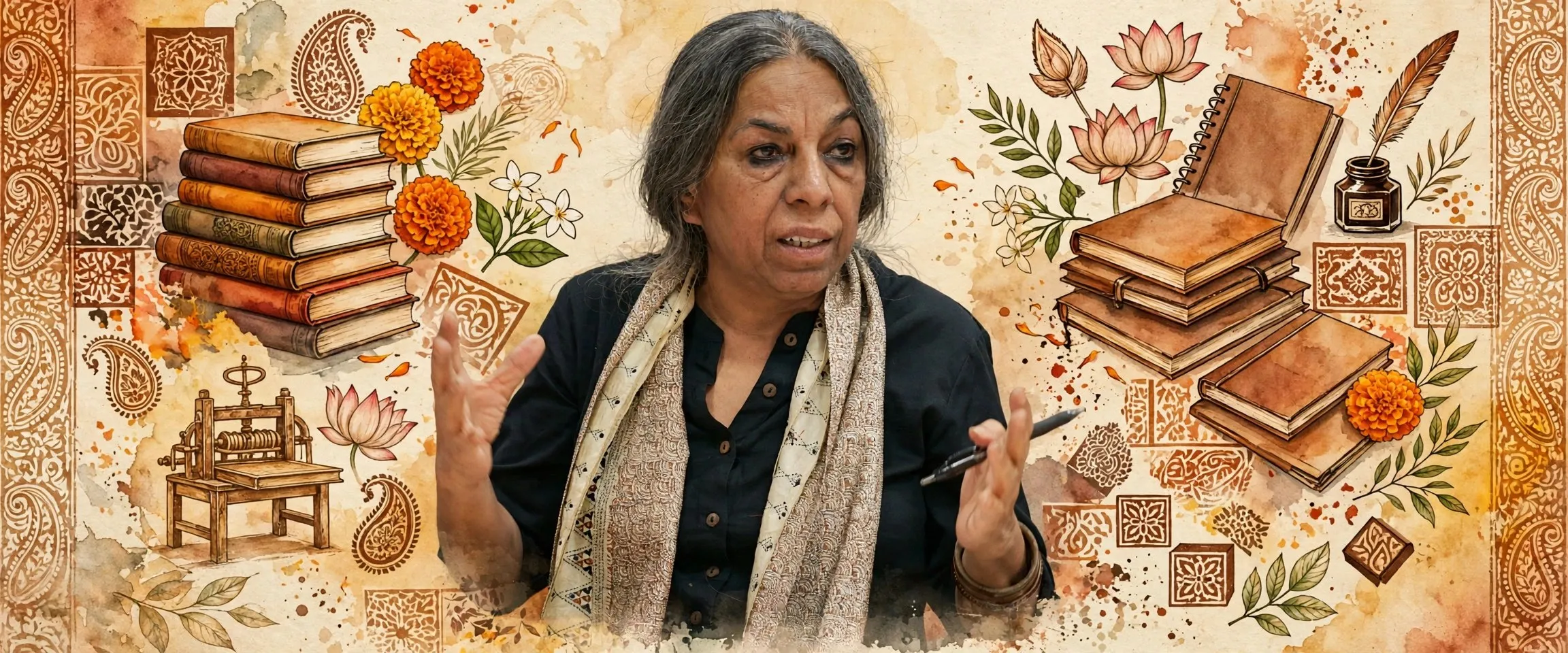
Urvashi Butalia (born 1952) was born in Ambala into a family of Punjabi heritage, studied literature at Delhi University and South Asian studies at the University of London, and speaks Punjabi among her several languages. With Ritu Menon she co-founded Kali for Women, India's first feminist publishing house, in 1984, and she founded Zubaan Books in 2003. Partition and oral history, read from a feminist perspective, are her central subjects. Her full life and work are told in her people entry in this Kosh, created together with this page.
Reception and legacy
The book was a bestseller in India, staying at the top of the bestseller list for over six months, and it has been used as a text in Indian universities. It won the Oral History Book Association Award in 2001 and the Nikkei Asia Prize for Culture in 2003. The Heinrich Boll Stiftung calls it the most important work in South Asian history of the past two decades, and the Goethe Institute describes it as one of the most influential books in South Asian studies of recent decades, emphasising the role of violence against women in the collective experience of the tragedy. Its legacy is the field it helped create: Partition studies now treats oral testimony, and women's testimony above all, as evidence no history can do without, and families across Punjab and the diaspora still read it to hear what their own grandparents could not say.
ਦਾ ਅਦਰ ਸਾਈਡ ਆਫ਼ ਸਾਈਲੈਂਸ: ਵੌਇਸਿਜ਼ ਫਰਾਮ ਦਾ ਪਾਰਟੀਸ਼ਨ ਆਫ਼ ਇੰਡੀਆ ਉਰਵਸ਼ੀ ਬੁਟਾਲੀਆ ਦੀ 1998 ਦੀ ਕਿਤਾਬ ਹੈ। ਬੁਟਾਲੀਆ ਦਿੱਲੀ ਦੀ ਪ੍ਰਕਾਸ਼ਕ ਅਤੇ ਪੰਜਾਬੀ ਵਿਰਾਸਤ ਵਾਲੀ ਇਤਿਹਾਸਕਾਰ ਹਨ, ਅਤੇ ਇਹ ਕਿਤਾਬ 1947 ਦੀ ਵੰਡ ਦੇ ਪੀੜਤਾਂ ਨਾਲ ਸੱਤਰ ਤੋਂ ਵੱਧ ਗੱਲਬਾਤਾਂ ਉੱਤੇ ਬਣੀ ਹੈ। ਜਿੱਥੇ ਵੰਡ ਦੇ ਜ਼ਿਆਦਾਤਰ ਇਤਿਹਾਸ ਆਗੂਆਂ, ਪਾਰਟੀਆਂ ਅਤੇ ਸੀਮਾ ਕਮਿਸ਼ਨਾਂ ਦੇ ਪਿੱਛੇ ਜਾਂਦੇ ਹਨ, ਉੱਥੇ ਬੁਟਾਲੀਆ ਉਨ੍ਹਾਂ ਲੋਕਾਂ ਨੂੰ ਦਰਜ ਕਰਦੀਆਂ ਹਨ ਜਿਨ੍ਹਾਂ ਨੂੰ ਇਤਿਹਾਸ ਨੇ ਛੱਡ ਦਿੱਤਾ: ਉਹ ਔਰਤਾਂ ਜਿਨ੍ਹਾਂ ਨੂੰ ਅਗਵਾ ਕੀਤਾ ਗਿਆ ਜਾਂ ਆਪਣੇ ਹੀ ਪਰਿਵਾਰਾਂ ਵੱਲੋਂ ਮਾਰਿਆ ਗਿਆ, ਉਹ ਬੱਚੇ ਜੋ ਗੁਆਚ ਗਏ, ਉਹ ਦਲਿਤ ਜਿਨ੍ਹਾਂ ਦਾ ਦੁੱਖ ਕਿਸੇ ਕੌਮੀ ਕਹਾਣੀ ਵਿੱਚ ਨਹੀਂ ਸੀ ਆਉਂਦਾ, ਅਤੇ ਉਹ ਲੱਖਾਂ ਲੋਕ ਜੋ ਡਰ ਵਿੱਚ ਪੰਜਾਬ ਪਾਰ ਕਰ ਗਏ ਅਤੇ ਫਿਰ ਪੰਜਾਹ ਸਾਲ ਉਸ ਬਾਰੇ ਚੁੱਪ ਰਹੇ। ਗੋਏਟੇ ਇੰਸਟੀਚਿਊਟ ਨੇ ਇਸ ਨੂੰ ਹਾਲੀਆ ਦਹਾਕਿਆਂ ਵਿੱਚ ਦੱਖਣੀ ਏਸ਼ੀਆਈ ਅਧਿਐਨ ਦੀਆਂ ਸਭ ਤੋਂ ਪ੍ਰਭਾਵਸ਼ਾਲੀ ਕਿਤਾਬਾਂ ਵਿੱਚੋਂ ਇੱਕ ਕਿਹਾ ਹੈ।
ਕਿਤਾਬ ਬਾਰੇ
ਇਹ ਕਿਤਾਬ 1998 ਵਿੱਚ ਪੈਂਗੁਇਨ ਇੰਡੀਆ ਵੱਲੋਂ ਛਪੀ, ਅਤੇ ਇਸ ਦਾ ਅਮਰੀਕੀ ਐਡੀਸ਼ਨ 2000 ਵਿੱਚ ਡਿਊਕ ਯੂਨੀਵਰਸਿਟੀ ਪ੍ਰੈੱਸ ਵੱਲੋਂ ਆਇਆ। ਇਸ ਦੀਆਂ ਜੜ੍ਹਾਂ ਨਵੰਬਰ 1984 ਵਿੱਚ ਹਨ, ਜਦੋਂ ਦਿੱਲੀ ਵਿੱਚ ਸਿੱਖ ਵਿਰੋਧੀ ਹਿੰਸਾ ਨੇ ਬੁਟਾਲੀਆ ਨੂੰ ਰਾਹਤ ਵਲੰਟੀਅਰ ਵਜੋਂ ਸ਼ਰਨਾਰਥੀ ਕੈਂਪਾਂ ਵਿੱਚ ਭੇਜਿਆ। ਉਨ੍ਹਾਂ ਨੇ ਵਾਰ ਵਾਰ ਸਿੱਖ ਪੀੜਤਾਂ ਨੂੰ ਇਹ ਪੁੱਛਦਿਆਂ ਸੁਣਿਆ ਕਿ ਅਜਿਹਾ ਇੱਕੋ ਜੀਵਨ ਵਿੱਚ ਦੋ ਵਾਰ ਕਿਵੇਂ ਹੋ ਸਕਦਾ ਹੈ, ਅਤੇ ਇਹ ਸਵਾਲ ਉਨ੍ਹਾਂ ਨੂੰ 1947 ਵੱਲ ਲੈ ਗਿਆ, ਅਤੇ ਆਪਣੇ ਪਰਿਵਾਰ ਵੱਲ, ਜੋ ਵੰਡ ਵਿੱਚ ਲਾਹੌਰ ਤੋਂ ਭਾਰਤ ਆਇਆ ਸੀ ਅਤੇ ਉਸ ਬਾਰੇ ਕਦੇ ਘੱਟ ਹੀ ਬੋਲਿਆ ਸੀ। ਉਹ ਉਨ੍ਹਾਂ ਕਹਾਣੀਆਂ ਦੇ ਟੁਕੜੇ ਸੁਣ ਕੇ ਵੱਡੀ ਹੋਈ ਸੀ, ਬਿਨਾਂ ਉਨ੍ਹਾਂ ਨੂੰ ਪੂਰੀ ਤਰ੍ਹਾਂ ਸਮਝਿਆਂ; ਕੈਂਪਾਂ ਨੇ ਉਸ ਨੂੰ ਸਿਖਾਇਆ ਕਿ ਉਹ ਉਸ ਦੇ ਆਪਣੇ ਸਮੇਂ ਨਾਲ ਸਬੰਧਤ ਸਨ।
ਬੁਟਾਲੀਆ ਦਾ ਤਰੀਕਾ ਮੌਖਿਕ ਇਤਿਹਾਸ ਹੈ। ਸਾਲਾਂ ਤੱਕ ਉਨ੍ਹਾਂ ਨੇ ਪੀੜਤਾਂ ਨੂੰ ਲੱਭਿਆ, ਜੋ ਉਸ ਸਮੇਂ ਜ਼ਿਆਦਾਤਰ ਸੱਠਾਂ ਅਤੇ ਸੱਤਰਾਂ ਵਿੱਚ ਸਨ, ਅਤੇ ਜੋ ਉਨ੍ਹਾਂ ਨੂੰ ਯਾਦ ਸੀ ਉਹ ਦਰਜ ਕੀਤਾ, ਨਵੀਂ ਸਰਹੱਦ ਦੇ ਦੋਵੇਂ ਪਾਸਿਆਂ ਤੋਂ ਅਤੇ ਹਿੰਦੂ, ਸਿੱਖ ਅਤੇ ਮੁਸਲਿਮ ਪਰਿਵਾਰਾਂ ਤੋਂ ਬਰਾਬਰ। ਇਹ ਕਿਤਾਬ ਵੰਡ ਦੀ ਰਾਜਨੀਤੀ ਦੀ ਕਹਾਣੀ ਨਹੀਂ ਹੈ: ਜਿਵੇਂ ਇਸ ਦੇ ਸਮੀਖਿਅਕ ਨੋਟ ਕਰਦੇ ਹਨ, ਗਾਂਧੀ, ਨਹਿਰੂ, ਜਿਨਾਹ ਜਾਂ ਮਾਊਂਟਬੈਟਨ ਦੇ ਫੈਸਲੇ ਇਸ ਵਿੱਚ ਬਹੁਤ ਹੱਦ ਤੱਕ ਗਾਇਬ ਹਨ। ਇਸ ਦੀ ਥਾਂ ਇਸ ਨੂੰ ਤ੍ਰਾਸਦੀ ਦਾ ਮਨੁੱਖੀ ਪੱਖ ਭਰਦਾ ਹੈ, ਅਤੇ ਇਸ ਦੇ ਪੈਮਾਨੇ ਦਾ ਹਿਸਾਬ: ਉਨ੍ਹਾਂ ਅੰਦਾਜ਼ਿਆਂ ਅਨੁਸਾਰ ਜੋ ਉਹ ਦਿੰਦੀਆਂ ਹਨ, ਲਗਭਗ ਇੱਕ ਕਰੋੜ ਪੰਜਾਬੀ ਆਪਣੇ ਘਰਾਂ ਤੋਂ ਉਜੜੇ, ਦਸ ਲੱਖ ਮਰੇ, ਅਤੇ ਕੁਝ 75,000 ਔਰਤਾਂ ਅਗਵਾ ਹੋਈਆਂ, ਜਦੋਂ ਕਿ ਗੁਆਚੇ ਬੱਚਿਆਂ ਜਾਂ ਬਲਾਤਕਾਰ ਹੋਈਆਂ ਔਰਤਾਂ ਦੀ ਕੋਈ ਗਿਣਤੀ ਨਹੀਂ ਰੱਖੀ ਗਈ।
ਦਾ ਅਦਰ ਸਾਈਡ ਆਫ਼ ਸਾਈਲੈਂਸ ਕਿਸ ਬਾਰੇ ਹੈ?
ਇਹ ਉਸ ਬਾਰੇ ਹੈ ਜੋ ਸਰਕਾਰੀ ਰਿਕਾਰਡ ਨੇ ਨਹੀਂ ਕਿਹਾ। ਵੱਖਰੇ ਅਧਿਆਏ ਔਰਤਾਂ, ਬੱਚਿਆਂ ਅਤੇ ਦਲਿਤਾਂ ਦੇ ਅਨੁਭਵਾਂ ਨੂੰ ਲੈਂਦੇ ਹਨ, ਉਹ ਤਿੰਨ ਸਮੂਹ ਜਿਨ੍ਹਾਂ ਦੇ ਦੁੱਖ ਨੂੰ, ਜਿਵੇਂ ਕਿਤਾਬ ਦੇ ਸਮੀਖਿਅਕ ਕਹਿੰਦੇ ਹਨ, ਹੋਰ ਲੇਖਕਾਂ ਨੇ ਸਭ ਤੋਂ ਘੱਟ ਧਿਆਨ ਦਿੱਤਾ ਸੀ। ਔਰਤਾਂ ਅਕਸਰ ਪਹਿਲੀ ਵਾਰ ਅਗਵਾ ਬਾਰੇ, ਲੁਕਾਏ ਜਾਣ, ਬਚਾਏ ਜਾਣ ਜਾਂ ਠੁਕਰਾਏ ਜਾਣ ਬਾਰੇ, ਅਤੇ ਪਰਿਵਾਰਕ ਇੱਜ਼ਤ ਦੇ ਨਾਂ ਉੱਤੇ ਹੋਈ ਹਿੰਸਾ ਬਾਰੇ ਬੋਲਦੀਆਂ ਹਨ। ਹੋਰ ਲੋਕ ਲੰਬੇ ਬਾਅਦ ਦੇ ਸਮੇਂ ਦਾ ਵਰਣਨ ਕਰਦੇ ਹਨ: ਪਰਿਵਾਰਾਂ ਦੇ ਅੰਦਰ ਦੀ ਚੁੱਪ, ਸਿਰਫ ਟੁਕੜਿਆਂ ਵਿੱਚ ਦੱਸੀਆਂ ਕਹਾਣੀਆਂ, ਅਤੇ ਕਿਵੇਂ ਯਾਦ ਖੁਦ ਸ਼ਰਮ, ਸੋਗ ਅਤੇ ਜੀਉਂਦੇ ਰਹਿਣ ਦੀ ਲੋੜ ਹੇਠ ਝੁਕ ਜਾਂਦੀ ਹੈ।
ਕਿਤਾਬ ਵਿੱਚ ਇਸ ਦੇ ਸਿਰਲੇਖ ਦਾ ਸਵਾਲ ਗੂੰਜਦਾ ਰਹਿੰਦਾ ਹੈ: ਚੁੱਪ ਕਿਉਂ? ਬੁਟਾਲੀਆ ਦਾ ਤਰਕ ਹੈ ਕਿ ਵੰਡ, ਹੋਲੋਕਾਸਟ ਵਾਂਗ, ਇੱਕ ਜੀਉਂਦਾ ਇਤਿਹਾਸ ਹੈ, ਜੋ ਉਨ੍ਹਾਂ ਪੀੜਤਾਂ ਵਿੱਚ ਅਜੇ ਵੀ ਮੌਜੂਦ ਹੈ ਜਿਨ੍ਹਾਂ ਨਾਲ ਗੱਲ ਕੀਤੀ ਜਾ ਸਕਦੀ ਹੈ, ਫਿਰ ਵੀ ਨਾ ਭਾਰਤ ਨੇ ਅਤੇ ਨਾ ਪਾਕਿਸਤਾਨ ਨੇ ਉਹ ਯਾਦਗਾਰਾਂ, ਅਜਾਇਬਘਰ ਜਾਂ ਜਨਤਕ ਹਿਸਾਬ ਬਣਾਏ ਜੋ ਉਸ ਯਾਦ ਨੂੰ ਬੋਲਣ ਦਿੰਦੇ। ਇਹ ਗੱਲਬਾਤਾਂ ਉਨ੍ਹਾਂ ਦਾ ਬਦਲਵਾਂ ਖਜ਼ਾਨਾ ਹਨ, ਜੋ ਉਸ ਸਮੇਂ ਇਕੱਠਾ ਕੀਤਾ ਗਿਆ ਜਦੋਂ 1947 ਜੀਣ ਵਾਲੀ ਪੀੜ੍ਹੀ ਇਸ ਨੂੰ ਦੇਣ ਲਈ ਅਜੇ ਜੀਉਂਦੀ ਸੀ।
ਵਿਸ਼ੇ
ਤਿੰਨ ਵਿਸ਼ੇ ਕਿਤਾਬ ਨੂੰ ਬੰਨ੍ਹਦੇ ਹਨ। ਪਹਿਲਾ ਖੁਦ ਚੁੱਪ ਹੈ: ਯਾਦ ਦੀ ਗੈਰਹਾਜ਼ਰੀ ਨਹੀਂ, ਸਗੋਂ ਇੱਕ ਤਰੀਕਾ ਜਿਸ ਨਾਲ ਪਰਿਵਾਰਾਂ ਅਤੇ ਕੌਮਾਂ ਨੇ ਅਸਹਿ ਯਾਦ ਨੂੰ ਸੰਭਾਲਿਆ, ਸਦਮੇ ਨੂੰ ਫੁਸਫੁਸਾਹਟਾਂ, ਚੇਤਾਵਨੀਆਂ ਅਤੇ ਅਣਕਹੀਆਂ ਗੱਲਾਂ ਵਿੱਚ ਅੱਗੇ ਪਹੁੰਚਾਇਆ। ਦੂਜਾ ਲਿੰਗ ਹੈ: ਕਿਤਾਬ ਜ਼ੋਰ ਦਿੰਦੀ ਹੈ ਕਿ ਔਰਤਾਂ ਵਿਰੁੱਧ ਹਿੰਸਾ ਵੰਡ ਦਾ ਪਾਸੇ ਦਾ ਅਸਰ ਨਹੀਂ ਸੀ, ਸਗੋਂ ਉਸ ਦਾ ਕੇਂਦਰ ਸੀ ਕਿ ਕਿਵੇਂ ਭਾਈਚਾਰਿਆਂ ਨੇ ਇੱਕ ਦੂਜੇ ਦੇ ਸਰੀਰਾਂ ਉੱਤੇ ਜਿੱਤ ਅਤੇ ਹਾਰ ਦੇ ਨਿਸ਼ਾਨ ਲਾਏ, ਅਤੇ ਔਰਤਾਂ ਦੇ ਆਪਣੇ ਬਿਰਤਾਂਤ ਮੁੜ ਪ੍ਰਾਪਤ ਕਰਨਾ ਉਸ ਘਟਨਾ ਦੀ ਸਮਝ ਬਦਲ ਦਿੰਦਾ ਹੈ। ਤੀਜਾ ਹੇਠੋਂ ਇਤਿਹਾਸ ਹੈ: ਮਸ਼ਹੂਰ ਨਾਵਾਂ ਨੂੰ ਛੱਡ ਕੇ ਬੁਟਾਲੀਆ ਦਿਖਾਉਂਦੀਆਂ ਹਨ ਕਿ ਵੱਡੀਆਂ ਘਟਨਾਵਾਂ ਅਸਲ ਵਿੱਚ ਕਿਵੇਂ ਜੀਵੀਆਂ ਜਾਂਦੀਆਂ ਹਨ, ਰੇਲ ਗੱਡੀਆਂ ਅਤੇ ਸ਼ਰਨਾਰਥੀ ਕਾਫਲਿਆਂ ਵਿੱਚ, ਰਾਤੋ ਰਾਤ ਖਾਲੀ ਹੋਏ ਪਿੰਡਾਂ ਵਿੱਚ, ਅਤੇ ਆਮ ਲੋਕਾਂ ਦੀਆਂ ਚੋਣਾਂ ਵਿੱਚ ਜਿਨ੍ਹਾਂ ਨੇ ਗੁਆਂਢੀਆਂ ਨੂੰ ਬਚਾਇਆ ਜਾਂ ਉਨ੍ਹਾਂ ਨਾਲ ਧੋਖਾ ਕੀਤਾ।
ਲੇਖਕ
ਉਰਵਸ਼ੀ ਬੁਟਾਲੀਆ (ਜਨਮ 1952) ਅੰਬਾਲਾ ਵਿੱਚ ਪੰਜਾਬੀ ਵਿਰਾਸਤ ਵਾਲੇ ਪਰਿਵਾਰ ਵਿੱਚ ਜੰਮੀਆਂ, ਦਿੱਲੀ ਯੂਨੀਵਰਸਿਟੀ ਤੋਂ ਸਾਹਿਤ ਅਤੇ ਲੰਡਨ ਯੂਨੀਵਰਸਿਟੀ ਤੋਂ ਦੱਖਣੀ ਏਸ਼ੀਆਈ ਅਧਿਐਨ ਪੜ੍ਹੀਆਂ, ਅਤੇ ਆਪਣੀਆਂ ਕਈ ਭਾਸ਼ਾਵਾਂ ਵਿੱਚ ਪੰਜਾਬੀ ਵੀ ਬੋਲਦੀਆਂ ਹਨ। ਰਿਤੂ ਮੈਨਨ ਨਾਲ ਉਨ੍ਹਾਂ ਨੇ 1984 ਵਿੱਚ ਕਾਲੀ ਫਾਰ ਵੂਮੈਨ, ਭਾਰਤ ਦੇ ਪਹਿਲੇ ਨਾਰੀਵਾਦੀ ਪ੍ਰਕਾਸ਼ਨ ਘਰ, ਦੀ ਸਹਿ-ਸਥਾਪਨਾ ਕੀਤੀ, ਅਤੇ 2003 ਵਿੱਚ ਉਨ੍ਹਾਂ ਨੇ ਜ਼ੁਬਾਨ ਬੁੱਕਸ ਦੀ ਸਥਾਪਨਾ ਕੀਤੀ। ਵੰਡ ਅਤੇ ਮੌਖਿਕ ਇਤਿਹਾਸ, ਨਾਰੀਵਾਦੀ ਨਜ਼ਰੀਏ ਤੋਂ ਪੜ੍ਹੇ ਗਏ, ਉਨ੍ਹਾਂ ਦੇ ਕੇਂਦਰੀ ਵਿਸ਼ੇ ਹਨ। ਉਨ੍ਹਾਂ ਦਾ ਪੂਰਾ ਜੀਵਨ ਅਤੇ ਕੰਮ ਇਸ ਕੋਸ਼ ਵਿੱਚ ਉਨ੍ਹਾਂ ਦੀ ਪੀਪਲ ਐਂਟਰੀ ਵਿੱਚ ਦਿੱਤਾ ਗਿਆ ਹੈ, ਜੋ ਇਸ ਪੰਨੇ ਦੇ ਨਾਲ ਹੀ ਬਣਾਈ ਗਈ ਹੈ।
ਹੁੰਗਾਰਾ ਅਤੇ ਵਿਰਾਸਤ
ਇਹ ਕਿਤਾਬ ਭਾਰਤ ਵਿੱਚ ਬੈਸਟਸੈਲਰ ਰਹੀ, ਛੇ ਮਹੀਨਿਆਂ ਤੋਂ ਵੱਧ ਸਮਾਂ ਬੈਸਟਸੈਲਰ ਸੂਚੀ ਦੇ ਸਿਖਰ ਉੱਤੇ ਰਹੀ, ਅਤੇ ਇਸ ਨੂੰ ਭਾਰਤੀ ਯੂਨੀਵਰਸਿਟੀਆਂ ਵਿੱਚ ਪਾਠ ਵਜੋਂ ਵਰਤਿਆ ਗਿਆ ਹੈ। ਇਸ ਨੇ 2001 ਵਿੱਚ ਓਰਲ ਹਿਸਟਰੀ ਬੁੱਕ ਐਸੋਸੀਏਸ਼ਨ ਇਨਾਮ ਅਤੇ 2003 ਵਿੱਚ ਨਿੱਕੇਈ ਏਸ਼ੀਆ ਪ੍ਰਾਈਜ਼ ਫਾਰ ਕਲਚਰ ਜਿੱਤਿਆ। ਹਾਈਨਰਿਖ ਬੋਲ ਸੰਸਥਾ ਇਸ ਨੂੰ ਪਿਛਲੇ ਦੋ ਦਹਾਕਿਆਂ ਵਿੱਚ ਦੱਖਣੀ ਏਸ਼ੀਆਈ ਇਤਿਹਾਸ ਦਾ ਸਭ ਤੋਂ ਮਹੱਤਵਪੂਰਨ ਕੰਮ ਕਹਿੰਦੀ ਹੈ, ਅਤੇ ਗੋਏਟੇ ਇੰਸਟੀਚਿਊਟ ਇਸ ਨੂੰ ਹਾਲੀਆ ਦਹਾਕਿਆਂ ਵਿੱਚ ਦੱਖਣੀ ਏਸ਼ੀਆਈ ਅਧਿਐਨ ਦੀਆਂ ਸਭ ਤੋਂ ਪ੍ਰਭਾਵਸ਼ਾਲੀ ਕਿਤਾਬਾਂ ਵਿੱਚੋਂ ਇੱਕ ਦੱਸਦਾ ਹੈ, ਜੋ ਤ੍ਰਾਸਦੀ ਦੇ ਸਮੂਹਿਕ ਅਨੁਭਵ ਵਿੱਚ ਔਰਤਾਂ ਵਿਰੁੱਧ ਹਿੰਸਾ ਦੀ ਭੂਮਿਕਾ ਉੱਤੇ ਜ਼ੋਰ ਦਿੰਦੀ ਹੈ। ਇਸ ਦੀ ਵਿਰਾਸਤ ਉਹ ਖੇਤਰ ਹੈ ਜੋ ਇਸ ਨੇ ਬਣਾਉਣ ਵਿੱਚ ਮਦਦ ਕੀਤੀ: ਵੰਡ ਅਧਿਐਨ ਹੁਣ ਮੌਖਿਕ ਗਵਾਹੀ ਨੂੰ, ਅਤੇ ਸਭ ਤੋਂ ਵੱਧ ਔਰਤਾਂ ਦੀ ਗਵਾਹੀ ਨੂੰ, ਅਜਿਹਾ ਸਬੂਤ ਮੰਨਦਾ ਹੈ ਜਿਸ ਤੋਂ ਬਿਨਾਂ ਕੋਈ ਇਤਿਹਾਸ ਨਹੀਂ ਚੱਲ ਸਕਦਾ, ਅਤੇ ਪੰਜਾਬ ਅਤੇ ਪ੍ਰਵਾਸ ਦੇ ਪਰਿਵਾਰ ਅੱਜ ਵੀ ਇਸ ਨੂੰ ਪੜ੍ਹਦੇ ਹਨ ਤਾਂ ਜੋ ਉਹ ਸੁਣ ਸਕਣ ਜੋ ਉਨ੍ਹਾਂ ਦੇ ਆਪਣੇ ਦਾਦਾ ਦਾਦੀ ਨਹੀਂ ਕਹਿ ਸਕੇ।
Editions and translations
- The Other Side of SilenceEnglish, original, Penguin India, 1998Original
- The Other Side of SilenceEnglish, American edition, Duke University Press, 2000Edition
The author
Connected
More to read
Sources (4)
Jugti is free and independent. Reader support keeps the Kosh growing.
Support