
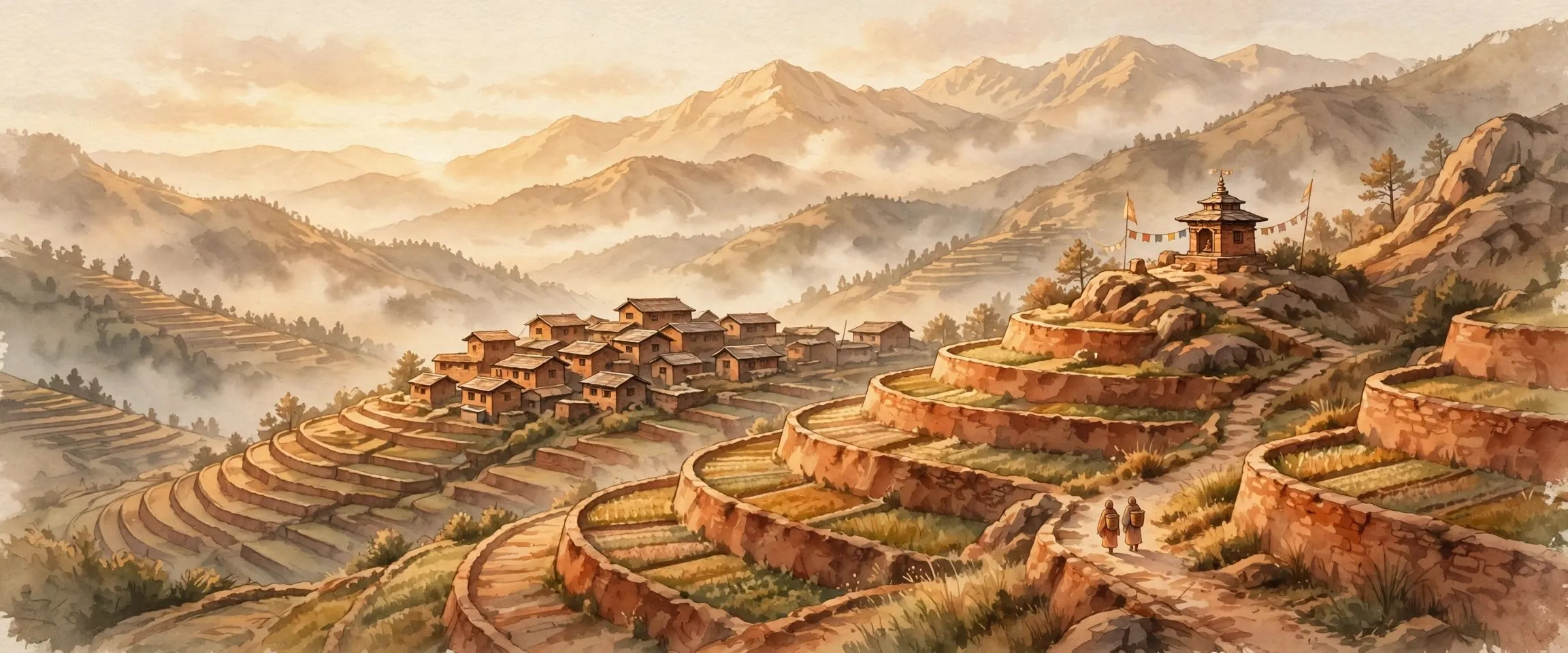
The Selector of Souls is a 2012 novel by the Canadian author Shauna Singh Baldwin, set in a Himalayan village in India between 1994 and 2005. It follows Damini, a widowed midwife who decides which baby girls live, and Anu, a battered wife who becomes a nun and nurse to protect women, as the two women take opposite paths to the same question: how do girls survive in a society that prizes sons?
English- Author
- Shauna Singh Baldwin
- Published
- September 2012, Knopf Canada (Random House Canada)
- Language
- English
- Form
- Novel
- Pages
- 560
- Setting
- Gurkot, Himalayan foothills, India, October 1994 to October 2005
- Preceded by
- The Tiger Claw (2004)
Characters
About the book
The Selector of Souls is a 2012 novel by Shauna Singh Baldwin about two women in a Himalayan village in India who take opposite paths to protect girls' lives. Damini, a widowed midwife, helps families decide whether a baby girl lives or dies, while Anu, a battered wife who becomes a nun and nurse, teaches women to keep their daughters. The novel runs from October 1994 to October 2005, a decade in which India grew richer and more modern while its girls kept disappearing.
It was Baldwin's third novel, published by Knopf Canada in September 2012, and it runs to 560 pages. It followed What the Body Remembers, which won the 2000 Commonwealth Writers' Prize, and The Tiger Claw, a finalist for Canada's Giller Prize in 2004. The book takes its subject from the author's own research: in her acknowledgements she notes demographers' estimates that 45 million baby girls were missing in India in the 1990s, and 42.4 million more between 2001 and 2008, as a result of prenatal selection.
What happens in the novel?
The novel opens in the mid ranges of the Himalayas, in the village of Gurkot. Damini, a Hindu widow who has spent her working life as a loyal maid in a Delhi household, returns to live with her married daughter Leela after her mistress dies. Leela is expecting her third child. When the baby is born a girl, the father, Chunilal, refuses to name her and the mother refuses to feed her. Damini, who believes she is acting out of love for her daughter, carries the baby to the cave shrine of Anamika Devi, a goddess with no name of her own, and ends the child's life. The act haunts the rest of the book.
Anu comes from a very different world. She is the daughter-in-law of a rich Hindu family, beaten by her husband Vikas, who blames her for failing to bear sons. She decides to change her life: she converts to Christianity, becomes a nun, trains as a nurse, files for divorce and sends her young daughter to her cousin Rano in Canada. She believes she has disappeared safely into the Church, until she learns her husband is using his money and influence to keep track of her.
The two women meet in Gurkot, where Anu comes to open a clinic and Damini has begun working in a government hospital. Each is certain she is doing what is best for women, yet they work in opposite ways. Damini has become the selector of souls, the woman other women turn to when they must decide whether a girl child is born at all. Anu wants to give women health, schooling and the confidence to keep their daughters. Around them move other women caught in the same bind: Mem-saab, an elderly Sikh woman whose son takes over her house and wealth; Sister Immaculata, an Irish nun working under a male church hierarchy; and Rano, Anu's cousin in Canada, facing unequal pay and stalled promotion. The story closes not with a clean victory but with a small, hard-won space in which women can speak and be heard.
ਕਿਤਾਬ ਬਾਰੇ
ਦ ਸਿਲੈਕਟਰ ਆਫ਼ ਸੋਲਜ਼ ਸ਼ੌਨਾ ਸਿੰਘ ਬਾਲਡਵਿਨ ਦਾ 2012 ਦਾ ਨਾਵਲ ਹੈ, ਜੋ ਭਾਰਤ ਦੇ ਹਿਮਾਲਿਆ ਵਿੱਚ ਇੱਕ ਪਿੰਡ ਵਿੱਚ ਦੋ ਔਰਤਾਂ ਬਾਰੇ ਹੈ ਜੋ ਕੁੜੀਆਂ ਦੀ ਜ਼ਿੰਦਗੀ ਬਚਾਉਣ ਲਈ ਉਲਟੇ ਰਾਹ ਤੁਰਦੀਆਂ ਹਨ। ਦਾਮਿਨੀ, ਇੱਕ ਵਿਧਵਾ ਦਾਈ, ਪਰਿਵਾਰਾਂ ਦੀ ਮਦਦ ਕਰਦੀ ਹੈ ਕਿ ਕੁੜੀ ਜੀਵੇ ਜਾਂ ਨਾ, ਜਦੋਂ ਕਿ ਅਨੂ, ਇੱਕ ਕੁੱਟੀ ਹੋਈ ਪਤਨੀ ਜੋ ਨਨ ਅਤੇ ਨਰਸ ਬਣ ਜਾਂਦੀ ਹੈ, ਔਰਤਾਂ ਨੂੰ ਆਪਣੀਆਂ ਧੀਆਂ ਰੱਖਣਾ ਸਿਖਾਉਂਦੀ ਹੈ। ਨਾਵਲ ਅਕਤੂਬਰ 1994 ਤੋਂ ਅਕਤੂਬਰ 2005 ਤੱਕ ਚੱਲਦਾ ਹੈ, ਇੱਕ ਦਹਾਕਾ ਜਿਸ ਵਿੱਚ ਭਾਰਤ ਅਮੀਰ ਅਤੇ ਆਧੁਨਿਕ ਹੋਇਆ, ਪਰ ਉਸ ਦੀਆਂ ਕੁੜੀਆਂ ਗਾਇਬ ਹੁੰਦੀਆਂ ਰਹੀਆਂ।
ਇਹ ਬਾਲਡਵਿਨ ਦਾ ਤੀਜਾ ਨਾਵਲ ਸੀ, ਜੋ ਸਤੰਬਰ 2012 ਵਿੱਚ ਨੌਫ਼ ਕੈਨੇਡਾ ਤੋਂ ਛਪਿਆ ਅਤੇ 560 ਸਫ਼ਿਆਂ ਦਾ ਹੈ। ਇਸ ਤੋਂ ਪਹਿਲਾਂ ਵਟ ਦ ਬਾਡੀ ਰਿਮੈਂਬਰਜ਼ ਆਇਆ ਸੀ, ਜਿਸ ਨੂੰ 2000 ਦਾ ਕਾਮਨਵੈਲਥ ਰਾਈਟਰਜ਼ ਇਨਾਮ ਮਿਲਿਆ, ਅਤੇ ਦ ਟਾਈਗਰ ਕਲਾ, ਜੋ 2004 ਵਿੱਚ ਕੈਨੇਡਾ ਦੇ ਗਿਲਰ ਇਨਾਮ ਲਈ ਚੁਣਿਆ ਗਿਆ ਸੀ। ਕਿਤਾਬ ਦਾ ਵਿਸ਼ਾ ਲੇਖਕਾ ਦੀ ਆਪਣੀ ਖੋਜ ਤੋਂ ਆਇਆ ਹੈ: ਉਸ ਨੇ ਆਪਣੀ ਕਿਤਾਬ ਦੇ ਧੰਨਵਾਦ ਵਿੱਚ ਲਿਖਿਆ ਹੈ ਕਿ ਜਨਸੰਖਿਆ ਵਿਗਿਆਨੀਆਂ ਦੇ ਅੰਦਾਜ਼ੇ ਮੁਤਾਬਕ 1990ਵਿਆਂ ਵਿੱਚ ਭਾਰਤ ਵਿੱਚ 4 ਕਰੋੜ 50 ਲੱਖ ਕੁੜੀਆਂ ਗਾਇਬ ਸਨ, ਅਤੇ 2001 ਤੋਂ 2008 ਵਿਚਕਾਰ ਹੋਰ 4 ਕਰੋੜ 24 ਲੱਖ, ਜਨਮ ਤੋਂ ਪਹਿਲਾਂ ਲਿੰਗ ਚੋਣ ਕਾਰਨ।
ਨਾਵਲ ਵਿੱਚ ਕੀ ਹੁੰਦਾ ਹੈ?
ਨਾਵਲ ਹਿਮਾਲਿਆ ਦੀ ਵਿਚਕਾਰਲੀ ਉਚਾਈ ਵਿੱਚ, ਗੁਰਕੋਟ ਪਿੰਡ ਤੋਂ ਸ਼ੁਰੂ ਹੁੰਦਾ ਹੈ। ਦਾਮਿਨੀ, ਇੱਕ ਹਿੰਦੂ ਵਿਧਵਾ ਜਿਸ ਨੇ ਆਪਣੀ ਸਾਰੀ ਜ਼ਿੰਦਗੀ ਦਿੱਲੀ ਦੇ ਇੱਕ ਘਰ ਵਿੱਚ ਵਫ਼ਾਦਾਰ ਨੌਕਰਾਣੀ ਵਜੋਂ ਕੰਮ ਕੀਤਾ, ਆਪਣੀ ਮਾਲਕਣ ਦੀ ਮੌਤ ਤੋਂ ਬਾਅਦ ਆਪਣੀ ਵਿਆਹੀ ਧੀ ਲੀਲਾ ਕੋਲ ਰਹਿਣ ਆ ਜਾਂਦੀ ਹੈ। ਲੀਲਾ ਤੀਜੇ ਬੱਚੇ ਦੀ ਉਮੀਦ ਵਿੱਚ ਹੈ। ਜਦੋਂ ਕੁੜੀ ਜੰਮਦੀ ਹੈ ਤਾਂ ਪਿਓ ਚੁਨੀਲਾਲ ਉਸ ਦਾ ਨਾਂ ਰੱਖਣ ਤੋਂ ਇਨਕਾਰ ਕਰ ਦਿੰਦਾ ਹੈ ਅਤੇ ਮਾਂ ਉਸ ਨੂੰ ਦੁੱਧ ਪਿਲਾਉਣ ਤੋਂ ਇਨਕਾਰ ਕਰ ਦਿੰਦੀ ਹੈ। ਦਾਮਿਨੀ, ਜੋ ਸਮਝਦੀ ਹੈ ਕਿ ਉਹ ਆਪਣੀ ਧੀ ਦੇ ਪਿਆਰ ਵਿੱਚ ਇਹ ਕਰ ਰਹੀ ਹੈ, ਬੱਚੀ ਨੂੰ ਅਨਾਮਿਕਾ ਦੇਵੀ ਦੀ ਗੁਫ਼ਾ ਵਾਲੀ ਥਾਂ ਤੇ ਲੈ ਜਾਂਦੀ ਹੈ, ਉਹ ਦੇਵੀ ਜਿਸ ਦਾ ਆਪਣਾ ਕੋਈ ਨਾਂ ਨਹੀਂ, ਅਤੇ ਉਸ ਦੀ ਜਾਨ ਲੈ ਲੈਂਦੀ ਹੈ। ਇਹ ਕੰਮ ਬਾਕੀ ਸਾਰੀ ਕਿਤਾਬ ਤੇ ਸਾਇਆ ਪਾਉਂਦਾ ਹੈ।
ਅਨੂ ਇੱਕ ਬਿਲਕੁਲ ਵੱਖਰੀ ਦੁਨੀਆਂ ਤੋਂ ਆਉਂਦੀ ਹੈ। ਉਹ ਇੱਕ ਅਮੀਰ ਹਿੰਦੂ ਪਰਿਵਾਰ ਦੀ ਨੂੰਹ ਹੈ, ਜਿਸ ਨੂੰ ਉਸ ਦਾ ਪਤੀ ਵਿਕਾਸ ਕੁੱਟਦਾ ਹੈ ਅਤੇ ਪੁੱਤਰ ਨਾ ਜੰਮਣ ਦਾ ਦੋਸ਼ ਉਸ ਤੇ ਲਾਉਂਦਾ ਹੈ। ਉਹ ਆਪਣੀ ਜ਼ਿੰਦਗੀ ਬਦਲਣ ਦਾ ਫ਼ੈਸਲਾ ਕਰਦੀ ਹੈ: ਉਹ ਇਸਾਈ ਬਣ ਜਾਂਦੀ ਹੈ, ਨਨ ਬਣਦੀ ਹੈ, ਨਰਸ ਦੀ ਸਿਖਲਾਈ ਲੈਂਦੀ ਹੈ, ਤਲਾਕ ਲਈ ਅਰਜ਼ੀ ਦਿੰਦੀ ਹੈ ਅਤੇ ਆਪਣੀ ਛੋਟੀ ਧੀ ਨੂੰ ਕੈਨੇਡਾ ਵਿੱਚ ਆਪਣੀ ਚਚੇਰੀ ਭੈਣ ਰਾਣੋ ਕੋਲ ਭੇਜ ਦਿੰਦੀ ਹੈ। ਉਹ ਸਮਝਦੀ ਹੈ ਕਿ ਉਹ ਚਰਚ ਵਿੱਚ ਸੁਰੱਖਿਅਤ ਲੁਕ ਗਈ ਹੈ, ਜਦੋਂ ਤੱਕ ਉਸ ਨੂੰ ਪਤਾ ਨਹੀਂ ਲੱਗਦਾ ਕਿ ਉਸ ਦਾ ਪਤੀ ਆਪਣੇ ਪੈਸੇ ਅਤੇ ਅਸਰ ਨਾਲ ਉਸ ਦੀ ਖ਼ਬਰ ਰੱਖ ਰਿਹਾ ਹੈ।
ਦੋਵੇਂ ਔਰਤਾਂ ਗੁਰਕੋਟ ਵਿੱਚ ਮਿਲਦੀਆਂ ਹਨ, ਜਿੱਥੇ ਅਨੂ ਕਲੀਨਿਕ ਖੋਲ੍ਹਣ ਆਉਂਦੀ ਹੈ ਅਤੇ ਦਾਮਿਨੀ ਸਰਕਾਰੀ ਹਸਪਤਾਲ ਵਿੱਚ ਕੰਮ ਕਰਨ ਲੱਗ ਪਈ ਹੈ। ਦੋਵੇਂ ਪੱਕਾ ਯਕੀਨ ਰੱਖਦੀਆਂ ਹਨ ਕਿ ਉਹ ਔਰਤਾਂ ਲਈ ਸਭ ਤੋਂ ਚੰਗਾ ਕਰ ਰਹੀਆਂ ਹਨ, ਪਰ ਉਨ੍ਹਾਂ ਦੇ ਤਰੀਕੇ ਉਲਟ ਹਨ। ਦਾਮਿਨੀ ਰੂਹਾਂ ਦੀ ਚੋਣ ਕਰਨ ਵਾਲੀ ਬਣ ਗਈ ਹੈ, ਉਹ ਔਰਤ ਜਿਸ ਕੋਲ ਹੋਰ ਔਰਤਾਂ ਆਉਂਦੀਆਂ ਹਨ ਜਦੋਂ ਉਨ੍ਹਾਂ ਨੂੰ ਫ਼ੈਸਲਾ ਕਰਨਾ ਹੁੰਦਾ ਹੈ ਕਿ ਕੁੜੀ ਜੰਮੇ ਜਾਂ ਨਾ। ਅਨੂ ਔਰਤਾਂ ਨੂੰ ਸਿਹਤ, ਪੜ੍ਹਾਈ ਅਤੇ ਆਪਣੀਆਂ ਧੀਆਂ ਰੱਖਣ ਦਾ ਹੌਸਲਾ ਦੇਣਾ ਚਾਹੁੰਦੀ ਹੈ। ਉਨ੍ਹਾਂ ਦੇ ਆਲੇ ਦੁਆਲੇ ਹੋਰ ਔਰਤਾਂ ਵੀ ਉਸੇ ਜਕੜ ਵਿੱਚ ਹਨ: ਮੈਮ ਸਾਬ, ਇੱਕ ਬਜ਼ੁਰਗ ਅਮੀਰ ਸਿੱਖ ਔਰਤ ਜਿਸ ਦਾ ਪੁੱਤਰ ਉਸ ਦਾ ਘਰ ਅਤੇ ਦੌਲਤ ਆਪਣੇ ਕਬਜ਼ੇ ਵਿੱਚ ਲੈ ਲੈਂਦਾ ਹੈ; ਸਿਸਟਰ ਇਮਾਕੁਲਾਟਾ, ਇੱਕ ਆਇਰਿਸ਼ ਨਨ ਜੋ ਮਰਦਾਂ ਵਾਲੇ ਚਰਚ ਤੰਤਰ ਹੇਠ ਭਾਰਤ ਵਿੱਚ ਕੰਮ ਕਰਦੀ ਹੈ; ਅਤੇ ਰਾਣੋ, ਅਨੂ ਦੀ ਚਚੇਰੀ ਭੈਣ ਕੈਨੇਡਾ ਵਿੱਚ, ਜੋ ਘੱਟ ਤਨਖ਼ਾਹ ਅਤੇ ਰੁਕੀ ਤਰੱਕੀ ਦਾ ਸਾਹਮਣਾ ਕਰਦੀ ਹੈ। ਕਹਾਣੀ ਸਾਫ਼ ਜਿੱਤ ਤੇ ਨਹੀਂ, ਸਗੋਂ ਇੱਕ ਛੋਟੀ ਜਿਹੀ, ਔਖੀ ਜਿੱਤੀ ਥਾਂ ਤੇ ਮੁੱਕਦੀ ਹੈ ਜਿੱਥੇ ਔਰਤਾਂ ਬੋਲ ਸਕਦੀਆਂ ਹਨ ਅਤੇ ਸੁਣੀਆਂ ਜਾਂਦੀਆਂ ਹਨ।
Why the title matters: naming and choosing
The title comes from Damini's role: she selects which souls are allowed to live. Baldwin also plays with naming through the whole novel. Chunilal will not name his third daughter, as if an unnamed child can be disowned more easily. The goddess Anamika Devi, whose name means the nameless one, is the one figure who names everything herself. The question the book keeps asking is who gets to name a life, and what happens to the ones left unnamed.
Themes: the price of a daughter
At its centre the novel is about the worth placed on a girl's life. A daughter is treated as a cost: a dowry to pay, a mouth to feed, a body that will leave the family at marriage. Ultrasound and abortion have made that calculation quieter and earlier, and Damini's work moves from the old practice of infanticide to escorting women for scans and abortions. Baldwin shows how poverty, custom and religion combine to make that choice feel, to the women making it, like the only practical one.
The book also looks at violence inside the home, the authority of priests and churchmen, and the way women move between Hindu and Sikh worlds. Damini herself weaves between the two faiths, and several characters live with the confusion of belonging to both. Baldwin's point is not that tradition is simply cruel: her women are resourceful, funny and stubborn, and they find ways to bend custom without breaking openly with it. What the novel asks, again and again, is what courage looks like when the choices on offer are all bad.
The author
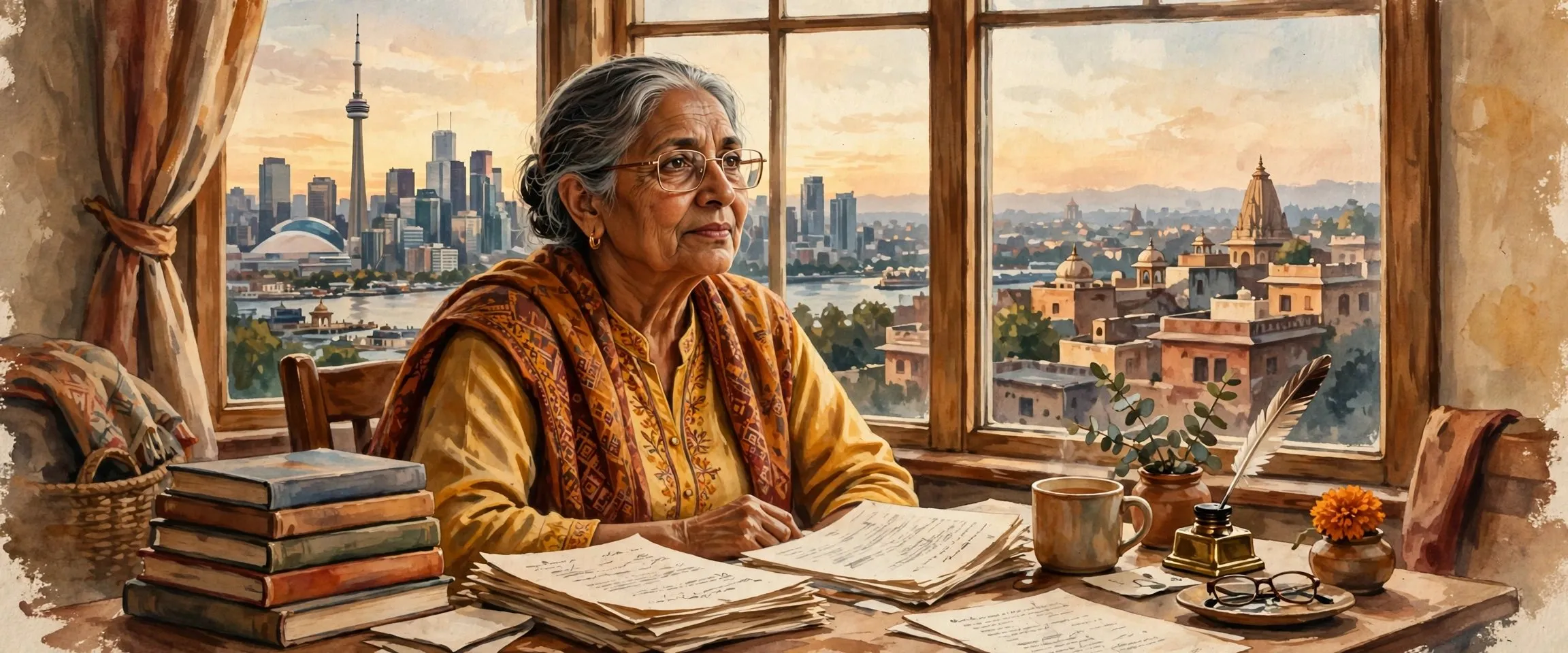
Shauna Singh Baldwin was born in Montreal in 1962 and raised in India, and now lives in Milwaukee, Wisconsin. Her first novel, What the Body Remembers (1999), won the Commonwealth Writers' Prize for Best Book in the Canada and Caribbean region, and her second, The Tiger Claw (2004), was a finalist for the Giller Prize. The Selector of Souls was her third novel. She has said the book began coming to her in flashes in 2005, and she describes it as a meditation on creation and destruction: we all carry the power to create and to destroy, and the question is which part of ourselves we feed.
Reception and legacy
Reviewers praised the novel's sweep and its refusal to look away. Catherine Bush called it a bold and vivid dramatization of the charged choices shaping women's lives in 1990s India, while Susan Swan praised how Baldwin shows gender-loathing transformed by sympathy and love. Some readers found the book dense with historical and religious reference, and its many coincidences stretched belief, but even critical readers agreed it opens the eyes to an issue that reaches far beyond India. The novel is still read in courses on gender, South Asian literature and the ethics of sex selection, and it remains the fullest fictional treatment of the missing girls of India.
What to read next
Readers who want more of Baldwin's work should start with What the Body Remembers, her Partition novel, and The Tiger Claw, her story of the Second World War spy Noor Inayat Khan. Both are in the Jugti Kosh, as is Amrita Pritam's Pinjar, which looks at a woman's life in Punjab from another angle. For the facts behind the fiction, the demographers' figures Baldwin cites in her acknowledgements are a stark place to begin.
ਸਿਰਲੇਖ ਦਾ ਕੀ ਮਤਲਬ ਹੈ: ਨਾਂ ਦੇਣਾ ਅਤੇ ਚੁਣਨਾ
ਸਿਰਲੇਖ ਦਾਮਿਨੀ ਦੇ ਕੰਮ ਤੋਂ ਆਇਆ ਹੈ: ਉਹ ਚੁਣਦੀ ਹੈ ਕਿ ਕਿਹੜੀ ਰੂਹ ਜੀਵੇ। ਬਾਲਡਵਿਨ ਸਾਰੇ ਨਾਵਲ ਵਿੱਚ ਨਾਂ ਦੇਣ ਨਾਲ ਵੀ ਖੇਡਦੀ ਹੈ। ਚੁਨੀਲਾਲ ਆਪਣੀ ਤੀਜੀ ਧੀ ਦਾ ਨਾਂ ਨਹੀਂ ਰੱਖਦਾ, ਜਿਵੇਂ ਬਿਨਾਂ ਨਾਂ ਵਾਲੇ ਬੱਚੇ ਨੂੰ ਛੱਡਣਾ ਸੌਖਾ ਹੋਵੇ। ਅਨਾਮਿਕਾ ਦੇਵੀ, ਜਿਸ ਦੇ ਨਾਂ ਦਾ ਮਤਲਬ ਹੈ ਬੇਨਾਂ ਵਾਲੀ, ਉਹ ਇੱਕੋ ਹਸਤੀ ਹੈ ਜੋ ਸਭ ਕੁਝ ਨੂੰ ਆਪੇ ਨਾਂ ਦਿੰਦੀ ਹੈ। ਕਿਤਾਬ ਵਾਰ ਵਾਰ ਇਹ ਸਵਾਲ ਪੁੱਛਦੀ ਹੈ ਕਿ ਕਿਸੇ ਦੀ ਜ਼ਿੰਦਗੀ ਦਾ ਨਾਂ ਕੌਣ ਰੱਖਦਾ ਹੈ, ਅਤੇ ਬਿਨਾਂ ਨਾਂ ਰਹਿਣ ਵਾਲਿਆਂ ਦਾ ਕੀ ਬਣਦਾ ਹੈ।
ਵਿਸ਼ੇ: ਇੱਕ ਧੀ ਦੀ ਕੀਮਤ
ਨਾਵਲ ਦੇ ਕੇਂਦਰ ਵਿੱਚ ਇੱਕ ਕੁੜੀ ਦੀ ਜ਼ਿੰਦਗੀ ਦੀ ਕੀਮਤ ਦਾ ਸਵਾਲ ਹੈ। ਧੀ ਨੂੰ ਖ਼ਰਚ ਸਮਝਿਆ ਜਾਂਦਾ ਹੈ: ਦਾਜ ਦੇਣਾ, ਮੂੰਹ ਭਰਨਾ, ਇੱਕ ਸਰੀਰ ਜੋ ਵਿਆਹ ਤੇ ਪਰਿਵਾਰ ਛੱਡ ਜਾਵੇਗਾ। ਅਲਟਰਾਸਾਊਂਡ ਅਤੇ ਗਰਭਪਾਤ ਨੇ ਇਸ ਹਿਸਾਬ ਨੂੰ ਹੋਰ ਚੁੱਪ ਅਤੇ ਪਹਿਲਾਂ ਕਰ ਦਿੱਤਾ ਹੈ, ਅਤੇ ਦਾਮਿਨੀ ਦਾ ਕੰਮ ਬੱਚੀ ਮਾਰਨ ਦੀ ਪੁਰਾਣੀ ਰੀਤ ਤੋਂ ਬਦਲ ਕੇ ਔਰਤਾਂ ਨੂੰ ਜਾਂਚ ਅਤੇ ਗਰਭਪਾਤ ਲਈ ਲਿਜਾਣ ਤੱਕ ਪਹੁੰਚ ਗਿਆ ਹੈ। ਬਾਲਡਵਿਨ ਦਿਖਾਉਂਦੀ ਹੈ ਕਿ ਗ਼ਰੀਬੀ, ਰਿਵਾਜ ਅਤੇ ਧਰਮ ਮਿਲ ਕੇ ਇਹ ਫ਼ੈਸਲਾ ਉਨ੍ਹਾਂ ਔਰਤਾਂ ਨੂੰ ਇਕੱਲਾ ਅਮਲੀ ਫ਼ੈਸਲਾ ਕਿਵੇਂ ਲਗਾਉਂਦੇ ਹਨ ਜੋ ਇਹ ਕਰਦੀਆਂ ਹਨ।
ਕਿਤਾਬ ਘਰ ਵਿੱਚ ਹਿੰਸਾ, ਪੁਜਾਰੀਆਂ ਅਤੇ ਪਾਦਰੀਆਂ ਦੇ ਅਧਿਕਾਰ, ਅਤੇ ਹਿੰਦੂ ਅਤੇ ਸਿੱਖ ਦੁਨੀਆਂ ਵਿਚਕਾਰ ਔਰਤਾਂ ਦੇ ਆਉਣ ਜਾਣ ਵੱਲ ਵੀ ਦੇਖਦੀ ਹੈ। ਦਾਮਿਨੀ ਖ਼ੁਦ ਦੋਵਾਂ ਧਰਮਾਂ ਵਿਚਕਾਰ ਆਉਂਦੀ ਜਾਂਦੀ ਹੈ, ਅਤੇ ਕਈ ਪਾਤਰ ਦੋਵਾਂ ਨਾਲ ਜੁੜੇ ਹੋਣ ਦੀ ਉਲਝਣ ਵਿੱਚ ਜਿਉਂਦੇ ਹਨ। ਬਾਲਡਵਿਨ ਦਾ ਮਤਲਬ ਇਹ ਨਹੀਂ ਕਿ ਰਿਵਾਜ ਸਿਰਫ਼ ਬੇਰਹਿਮ ਹੈ: ਉਸ ਦੀਆਂ ਔਰਤਾਂ ਸਾਧਨ ਸੰਪੰਨ, ਹੱਸਮੁੱਖ ਅਤੇ ਅੜੀਲ ਹਨ, ਅਤੇ ਉਹ ਰਿਵਾਜ ਨੂੰ ਖੁੱਲ੍ਹੇਆਮ ਤੋੜੇ ਬਿਨਾਂ ਮੋੜਨ ਦੇ ਤਰੀਕੇ ਲੱਭ ਲੈਂਦੀਆਂ ਹਨ। ਨਾਵਲ ਵਾਰ ਵਾਰ ਇਹ ਪੁੱਛਦਾ ਹੈ ਕਿ ਹਿੰਮਤ ਕਿਸ ਨੂੰ ਕਹਿੰਦੇ ਹਨ ਜਦੋਂ ਸਾਹਮਣੇ ਸਾਰੇ ਫ਼ੈਸਲੇ ਮਾੜੇ ਹੋਣ।
ਲੇਖਕਾ
ਸ਼ੌਨਾ ਸਿੰਘ ਬਾਲਡਵਿਨ ਦਾ ਜਨਮ 1962 ਵਿੱਚ ਮਾਂਟਰੀਆਲ ਵਿੱਚ ਹੋਇਆ ਅਤੇ ਉਹ ਭਾਰਤ ਵਿੱਚ ਵੱਡੀ ਹੋਈ, ਅਤੇ ਹੁਣ ਮਿਲਵਾਕੀ, ਵਿਸਕਾਨਸਿਨ ਵਿੱਚ ਰਹਿੰਦੀ ਹੈ। ਉਸ ਦਾ ਪਹਿਲਾ ਨਾਵਲ, ਵਟ ਦ ਬਾਡੀ ਰਿਮੈਂਬਰਜ਼ (1999), ਨੂੰ ਕੈਨੇਡਾ ਅਤੇ ਕੈਰੇਬੀਅਨ ਇਲਾਕੇ ਵਿੱਚ ਸਭ ਤੋਂ ਵਧੀਆ ਕਿਤਾਬ ਲਈ ਕਾਮਨਵੈਲਥ ਰਾਈਟਰਜ਼ ਇਨਾਮ ਮਿਲਿਆ, ਅਤੇ ਉਸ ਦਾ ਦੂਜਾ ਨਾਵਲ, ਦ ਟਾਈਗਰ ਕਲਾ (2004), 2004 ਵਿੱਚ ਗਿਲਰ ਇਨਾਮ ਲਈ ਚੁਣਿਆ ਗਿਆ। ਦ ਸਿਲੈਕਟਰ ਆਫ਼ ਸੋਲਜ਼ ਉਸ ਦਾ ਤੀਜਾ ਨਾਵਲ ਸੀ। ਉਸ ਨੇ ਕਿਹਾ ਹੈ ਕਿ ਇਹ ਕਿਤਾਬ 2005 ਵਿੱਚ ਉਸ ਨੂੰ ਟੁਕੜਿਆਂ ਵਿੱਚ ਆਉਣ ਲੱਗੀ ਸੀ, ਅਤੇ ਉਹ ਇਸ ਨੂੰ ਸਿਰਜਣਾ ਅਤੇ ਨਾਸ਼ ਤੇ ਇੱਕ ਧਿਆਨ ਕਹਿੰਦੀ ਹੈ: ਸਾਡੇ ਸਭ ਵਿੱਚ ਸਿਰਜਣ ਅਤੇ ਨਾਸ਼ ਕਰਨ ਦੀ ਸ਼ਕਤੀ ਹੈ, ਅਤੇ ਸਵਾਲ ਇਹ ਹੈ ਕਿ ਅਸੀਂ ਆਪਣੇ ਅੰਦਰਲੇ ਕਿਸ ਹਿੱਸੇ ਨੂੰ ਖੁਆਉਂਦੇ ਹਾਂ।
ਸਵਾਗਤ ਅਤੇ ਵਿਰਾਸਤ
ਆਲੋਚਕਾਂ ਨੇ ਨਾਵਲ ਦੇ ਵਿਸਥਾਰ ਅਤੇ ਸਖ਼ਤ ਸੱਚ ਤੋਂ ਨਾ ਮੂੰਹ ਮੋੜਨ ਦੀ ਤਾਰੀਫ਼ ਕੀਤੀ। ਕੈਥਰੀਨ ਬੁਸ਼ ਨੇ ਇਸ ਨੂੰ 1990ਵਿਆਂ ਦੇ ਭਾਰਤ ਵਿੱਚ ਔਰਤਾਂ ਦੀ ਜ਼ਿੰਦਗੀ ਨੂੰ ਰੂਪ ਦੇਣ ਵਾਲੇ ਤਿੱਖੇ ਫ਼ੈਸਲਿਆਂ ਦਾ ਦਲੇਰ ਅਤੇ ਸਜੀਵ ਚਿਤਰ ਕਿਹਾ, ਜਦੋਂ ਕਿ ਸੂਜ਼ਨ ਸਵਾਨ ਨੇ ਤਾਰੀਫ਼ ਕੀਤੀ ਕਿ ਬਾਲਡਵਿਨ ਲਿੰਗ ਪ੍ਰਤੀ ਨਫ਼ਰਤ ਨੂੰ ਹਮਦਰਦੀ ਅਤੇ ਪਿਆਰ ਨਾਲ ਬਦਲਦੀ ਦਿਖਾਉਂਦੀ ਹੈ। ਕੁਝ ਪਾਠਕਾਂ ਨੂੰ ਕਿਤਾਬ ਇਤਿਹਾਸਕ ਅਤੇ ਧਾਰਮਿਕ ਹਵਾਲਿਆਂ ਨਾਲ ਭਰੀ ਲੱਗੀ, ਅਤੇ ਉਸ ਦੀਆਂ ਕਈ ਇਤਫ਼ਾਕੀਆ ਮਿਲਣੀਆਂ ਭਰੋਸੇ ਤੋਂ ਪਰੇ ਲੱਗੀਆਂ, ਪਰ ਆਲੋਚਕ ਪਾਠਕ ਵੀ ਮੰਨਦੇ ਹਨ ਕਿ ਇਹ ਇੱਕ ਅਜਿਹੇ ਮੁੱਦੇ ਤੇ ਅੱਖਾਂ ਖੋਲ੍ਹਦੀ ਹੈ ਜੋ ਭਾਰਤ ਤੋਂ ਕਿਤੇ ਪਰੇ ਜਾਂਦਾ ਹੈ। ਨਾਵਲ ਅੱਜ ਵੀ ਲਿੰਗ, ਦੱਖਣੀ ਏਸ਼ੀਆਈ ਸਾਹਿਤ ਅਤੇ ਲਿੰਗ ਚੋਣ ਦੀ ਨੈਤਿਕਤਾ ਤੇ ਕੋਰਸਾਂ ਵਿੱਚ ਪੜ੍ਹਿਆ ਜਾਂਦਾ ਹੈ, ਅਤੇ ਇਹ ਭਾਰਤ ਦੀਆਂ ਗੁੰਮ ਹੋਈਆਂ ਕੁੜੀਆਂ ਤੇ ਸਭ ਤੋਂ ਪੂਰਾ ਕਲਪਨਾਤਮਕ ਲੇਖਾ ਹੈ।
ਅੱਗੇ ਕੀ ਪੜ੍ਹੋ
ਜਿਹੜੇ ਪਾਠਕ ਬਾਲਡਵਿਨ ਦਾ ਹੋਰ ਕੰਮ ਪੜ੍ਹਨਾ ਚਾਹੁੰਦੇ ਹਨ, ਉਨ੍ਹਾਂ ਨੂੰ ਵਟ ਦ ਬਾਡੀ ਰਿਮੈਂਬਰਜ਼, ਉਸ ਦਾ ਵੰਡ ਵਾਲਾ ਨਾਵਲ, ਅਤੇ ਦ ਟਾਈਗਰ ਕਲਾ, ਦੂਜੇ ਵਿਸ਼ਵ ਯੁੱਧ ਦੀ ਜਾਸੂਸ ਨੂਰ ਇਨਾਇਤ ਖ਼ਾਨ ਦੀ ਕਹਾਣੀ, ਤੋਂ ਸ਼ੁਰੂ ਕਰਨਾ ਚਾਹੀਦਾ ਹੈ। ਦੋਵੇਂ ਜੁਗਤੀ ਕੋਸ਼ ਵਿੱਚ ਹਨ, ਜਿਵੇਂ ਅੰਮ੍ਰਿਤਾ ਪ੍ਰੀਤਮ ਦਾ ਪਿੰਜਰ ਹੈ, ਜੋ ਪੰਜਾਬ ਵਿੱਚ ਇੱਕ ਔਰਤ ਦੀ ਜ਼ਿੰਦਗੀ ਨੂੰ ਇੱਕ ਹੋਰ ਨਜ਼ਰ ਤੋਂ ਦੇਖਦਾ ਹੈ। ਕਲਪਨਾ ਪਿੱਛੇ ਦੇ ਤੱਥਾਂ ਲਈ, ਉਹ ਜਨਸੰਖਿਆ ਦੇ ਅੰਕੜੇ ਜੋ ਬਾਲਡਵਿਨ ਆਪਣੇ ਧੰਨਵਾਦ ਵਿੱਚ ਦਿੰਦੀ ਹੈ, ਇੱਕ ਸਖ਼ਤ ਸ਼ੁਰੂਆਤ ਹਨ।
Editions and translations
- The Selector of SoulsEnglish, original, Knopf Canada, 2012Original
The author
Connected
More to read
Sources (4)
Jugti is free and independent. Reader support keeps the Kosh growing.
Support