
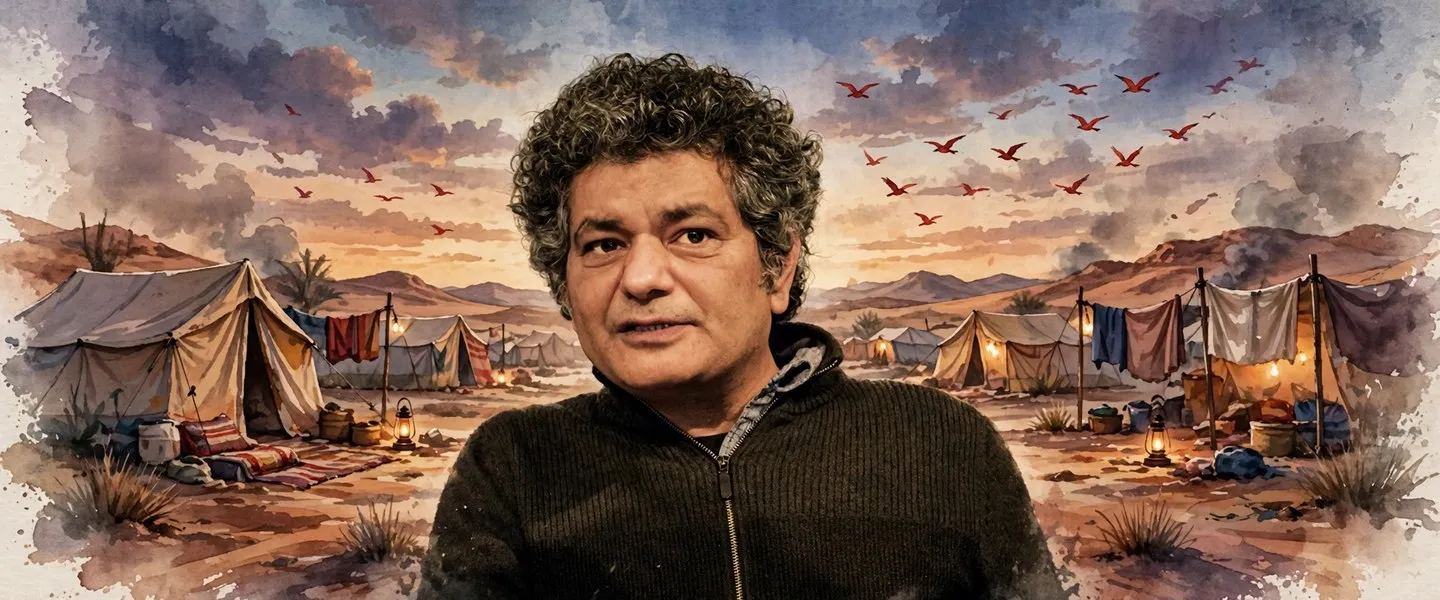
Red Birds (2018) is Mohammed Hanif's novel about a refugee camp in an unnamed desert, told by three narrators: Momo, a fifteen-year-old boy, Major Ellie, the American pilot who was sent to bomb the camp and crash-landed in it instead, and Mutt, the family's dog. It is a dark comedy about war, ghosts and the people war leaves behind, and it was named a Guardian Book of the Year.
English- Author
- Mohammed Hanif
- Published
- 2018
- Publisher
- Bloomsbury
- Pages
- 304
- Language
- English
- Form
- Novel
All 9 facts
- Narrators
- Momo, Major Ellie and Mutt
- Setting
- A refugee camp in an unnamed desert
- Recognition
- A Guardian Book of the Year
Characters
About the book
Red Birds is a novel by Mohammed Hanif, published by Bloomsbury in 2018. It is 304 pages long and was named a Guardian Book of the Year. Hanif's third novel, it followed A Case of Exploding Mangoes (2008) and Our Lady of Alice Bhatti (2011), and it is his most stylised book: a short, spare novel that treats the aftermath of war as black comedy, with ghosts, a talking dog and a refugee camp that no map can place.
The book is set entirely in and around the camp and the hangar, with a small cast and almost no backstory. That narrowness is the point: Hanif strips the war story down to a few people, a few buildings and one obsessive question, and lets the absurdity of the situation do the work.
What happens in Red Birds?
The novel is set in and around a refugee camp in a desert, in a country that is never named. The Camp, as everyone calls it, has been bombed so often that its people live among craters and the ruins of aid projects that were never finished: a dam that was never built, electricity poles that were never connected, a school that is now a buffalo shed. Nearby stands the Hangar, an abandoned American airbase where the soldiers have gone home and something else seems to live now.
Into this place crash-lands Major Ellie, an American fighter pilot whose mission was to bomb the very camp he now needs for shelter. Ellie is hallucinating, dehydrated and homesick, and his marriage back home is falling apart. In the Camp he meets Momo, a fifteen-year-old who runs small money-making schemes, owns a vintage Jeep Cherokee, and is determined to get his older brother back. Bro Ali left for his first day of work at the Hangar and never came home, and Momo is convinced he is still there, among the ghosts.
Momo's parents are barely holding together: his mother grieves for her missing son, his father keeps records nobody reads. An aid worker the camp calls Lady Flowerbody has arrived to research a book on the Teenage Muslim Mind, and the camp doctor works with almost nothing. As the three narrators circle each other, Momo plans an assault on the Hangar, with his mother, his dog and the crashed pilot in tow, and the novel closes with three alternate endings offered in its last pages.
ਕਿਤਾਬ ਬਾਰੇ
ਰੈੱਡ ਬਰਡਜ਼ ਮੁਹੰਮਦ ਹਨੀਫ਼ ਦਾ ਨਾਵਲ ਹੈ, ਜੋ ਬਲੂਮਸਬਰੀ ਨੇ 2018 ਵਿੱਚ ਛਾਪਿਆ। ਇਹ 304 ਸਫ਼ਿਆਂ ਦਾ ਹੈ ਅਤੇ ਇਸ ਨੂੰ ਗਾਰਡੀਅਨ ਬੁੱਕ ਆਫ਼ ਦ ਯੀਅਰ ਚੁਣਿਆ ਗਿਆ। ਹਨੀਫ਼ ਦਾ ਇਹ ਤੀਜਾ ਨਾਵਲ ਹੈ, ਜੋ ਅ ਕੇਸ ਆਫ਼ ਐਕਸਪਲੋਡਿੰਗ ਮੈਂਗੋਜ਼ (2008) ਅਤੇ ਅਵਰ ਲੇਡੀ ਆਫ਼ ਐਲਿਸ ਭੱਟੀ (2011) ਤੋਂ ਬਾਅਦ ਆਇਆ, ਅਤੇ ਇਹ ਉਸ ਦੀ ਸਭ ਤੋਂ ਵੱਖਰੀ ਸ਼ੈਲੀ ਵਾਲੀ ਕਿਤਾਬ ਹੈ: ਇੱਕ ਛੋਟਾ, ਸੰਜਮੀ ਨਾਵਲ ਜੋ ਜੰਗ ਦੇ ਬਾਅਦ ਨੂੰ ਕਾਲੇ ਹਾਸੇ ਨਾਲ ਪੇਸ਼ ਕਰਦਾ ਹੈ, ਜਿਸ ਵਿੱਚ ਭੂਤ, ਇੱਕ ਬੋਲਦਾ ਕੁੱਤਾ ਅਤੇ ਇੱਕ ਸ਼ਰਨਾਰਥੀ ਕੈਂਪ ਹੈ ਜਿਸ ਨੂੰ ਕੋਈ ਨਕਸ਼ਾ ਨਹੀਂ ਦਿਖਾ ਸਕਦਾ।
ਕਿਤਾਬ ਪੂਰੀ ਤਰ੍ਹਾਂ ਕੈਂਪ ਅਤੇ ਹੈਂਗਰ ਵਿੱਚ ਅਤੇ ਉਨ੍ਹਾਂ ਦੇ ਆਲੇ-ਦੁਆਲੇ ਵਾਪਰਦੀ ਹੈ, ਥੋੜ੍ਹੇ ਕਿਰਦਾਰਾਂ ਅਤੇ ਲਗਭਗ ਕੋਈ ਪਿਛੋਕੜ ਕਹਾਣੀ ਤੋਂ ਬਿਨਾਂ। ਇਹ ਤੰਗੀ ਹੀ ਇਸ ਦਾ ਮਕਸਦ ਹੈ: ਹਨੀਫ਼ ਜੰਗ ਦੀ ਕਹਾਣੀ ਨੂੰ ਕੁਝ ਲੋਕਾਂ, ਕੁਝ ਇਮਾਰਤਾਂ ਅਤੇ ਇੱਕੋ ਜਨੂੰਨੀ ਸਵਾਲ ਤੱਕ ਸੀਮਤ ਕਰ ਦਿੰਦਾ ਹੈ, ਅਤੇ ਸਥਿਤੀ ਦੇ ਬੇਤੁਕੇਪਣ ਨੂੰ ਕੰਮ ਕਰਨ ਦਿੰਦਾ ਹੈ।
ਰੈੱਡ ਬਰਡਜ਼ ਵਿੱਚ ਕੀ ਹੁੰਦਾ ਹੈ?
ਨਾਵਲ ਇੱਕ ਮਾਰੂਥਲ ਵਿੱਚ ਇੱਕ ਸ਼ਰਨਾਰਥੀ ਕੈਂਪ ਵਿੱਚ ਅਤੇ ਉਸ ਦੇ ਆਲੇ-ਦੁਆਲੇ ਵਾਪਰਦਾ ਹੈ, ਇੱਕ ਅਜਿਹੇ ਦੇਸ਼ ਵਿੱਚ ਜਿਸ ਦਾ ਨਾਂ ਕਦੇ ਨਹੀਂ ਲਿਆ ਜਾਂਦਾ। ਕੈਂਪ, ਜਿਸ ਨੂੰ ਸਾਰੇ ਇਸੇ ਨਾਂ ਨਾਲ ਬੁਲਾਉਂਦੇ ਹਨ, ਇੰਨੀ ਵਾਰ ਬੰਬਾਰੀ ਦਾ ਸ਼ਿਕਾਰ ਹੋਇਆ ਹੈ ਕਿ ਉਸ ਦੇ ਲੋਕ ਟੋਇਆਂ ਅਤੇ ਉਨ੍ਹਾਂ ਸਹਾਇਤਾ ਪ੍ਰੋਜੈਕਟਾਂ ਦੇ ਖੰਡਰਾਂ ਵਿੱਚ ਰਹਿੰਦੇ ਹਨ ਜੋ ਕਦੇ ਪੂਰੇ ਨਹੀਂ ਹੋਏ: ਇੱਕ ਬੰਨ੍ਹ ਜੋ ਕਦੇ ਨਹੀਂ ਬਣਿਆ, ਬਿਜਲੀ ਦੇ ਖੰਭੇ ਜੋ ਕਦੇ ਨਹੀਂ ਜੁੜੇ, ਇੱਕ ਸਕੂਲ ਜੋ ਹੁਣ ਮੱਝਾਂ ਦਾ ਵਾੜਾ ਹੈ। ਨੇੜੇ ਹੀ ਹੈਂਗਰ ਖੜ੍ਹਾ ਹੈ, ਇੱਕ ਛੱਡਿਆ ਹੋਇਆ ਅਮਰੀਕੀ ਹਵਾਈ ਅੱਡਾ ਜਿੱਥੋਂ ਫ਼ੌਜੀ ਘਰ ਪਰਤ ਗਏ ਹਨ ਅਤੇ ਜਿੱਥੇ ਹੁਣ ਕੁਝ ਹੋਰ ਰਹਿੰਦਾ ਜਾਪਦਾ ਹੈ।
ਇਸ ਥਾਂ ਤੇ ਮੇਜਰ ਐਲੀ ਦਾ ਜਹਾਜ਼ ਡਿੱਗਦਾ ਹੈ, ਇੱਕ ਅਮਰੀਕੀ ਲੜਾਕੂ ਪਾਇਲਟ ਜਿਸ ਦਾ ਮਿਸ਼ਨ ਉਸੇ ਕੈਂਪ ਤੇ ਬੰਬ ਸੁੱਟਣਾ ਸੀ ਜਿਸ ਵਿੱਚ ਹੁਣ ਉਸ ਨੂੰ ਪਨਾਹ ਚਾਹੀਦੀ ਹੈ। ਐਲੀ ਭਰਮਾਂ ਵਿੱਚ ਹੈ, ਪਿਆਸਾ ਹੈ ਅਤੇ ਘਰ ਦੀ ਯਾਦ ਵਿੱਚ ਡੁੱਬਾ ਹੈ, ਅਤੇ ਘਰ ਵਿੱਚ ਉਸ ਦਾ ਵਿਆਹ ਟੁੱਟ ਰਿਹਾ ਹੈ। ਕੈਂਪ ਵਿੱਚ ਉਸ ਦੀ ਮੁਲਾਕਾਤ ਮੋਮੋ ਨਾਲ ਹੁੰਦੀ ਹੈ, ਇੱਕ ਪੰਦਰਾਂ ਸਾਲਾਂ ਦਾ ਮੁੰਡਾ ਜੋ ਛੋਟੇ-ਮੋਟੇ ਧੰਦੇ ਕਰਦਾ ਹੈ, ਇੱਕ ਪੁਰਾਣੀ ਜੀਪ ਚੈਰੋਕੀ ਦਾ ਮਾਲਕ ਹੈ, ਅਤੇ ਆਪਣੇ ਵੱਡੇ ਭਰਾ ਨੂੰ ਵਾਪਸ ਲਿਆਉਣ ਤੇ ਅੜਿਆ ਹੋਇਆ ਹੈ। ਬਰੋ ਅਲੀ ਹੈਂਗਰ ਵਿੱਚ ਕੰਮ ਦੇ ਪਹਿਲੇ ਦਿਨ ਗਿਆ ਸੀ ਅਤੇ ਕਦੇ ਘਰ ਨਹੀਂ ਪਰਤਿਆ, ਅਤੇ ਮੋਮੋ ਨੂੰ ਯਕੀਨ ਹੈ ਕਿ ਉਹ ਅਜੇ ਵੀ ਉੱਥੇ ਹੈ, ਭੂਤਾਂ ਵਿੱਚ।
ਮੋਮੋ ਦੇ ਮਾਪੇ ਮੁਸ਼ਕਲ ਨਾਲ ਸੰਭਲੇ ਹੋਏ ਹਨ: ਉਸ ਦੀ ਮਾਂ ਆਪਣੇ ਗੁੰਮੇ ਪੁੱਤਰ ਲਈ ਸੋਗ ਮਨਾਉਂਦੀ ਹੈ, ਉਸ ਦਾ ਪਿਤਾ ਰਿਕਾਰਡ ਰੱਖਦਾ ਹੈ ਜਿਨ੍ਹਾਂ ਨੂੰ ਕੋਈ ਨਹੀਂ ਪੜ੍ਹਦਾ। ਲੇਡੀ ਫ਼ਲਾਵਰਬਾਡੀ ਨਾਂ ਦੀ ਇੱਕ ਸਹਾਇਤਾ ਕਰਮਚਾਰੀ ਕੈਂਪ ਵਿੱਚ ਆਈ ਹੈ, ਜੋ ਟੀਨਏਜ ਮੁਸਲਿਮ ਮਾਈਂਡ ਬਾਰੇ ਕਿਤਾਬ ਲਈ ਖੋਜ ਕਰ ਰਹੀ ਹੈ, ਅਤੇ ਕੈਂਪ ਦਾ ਡਾਕਟਰ ਲਗਭਗ ਕੁਝ ਵੀ ਨਾ ਹੋਣ ਨਾਲ ਕੰਮ ਕਰਦਾ ਹੈ। ਜਿਵੇਂ ਤਿੰਨੇ ਬਿਆਨਕਰਤਾ ਇੱਕ ਦੂਜੇ ਦੇ ਆਲੇ-ਦੁਆਲੇ ਘੁੰਮਦੇ ਹਨ, ਮੋਮੋ ਹੈਂਗਰ ਤੇ ਹਮਲੇ ਦੀ ਯੋਜਨਾ ਬਣਾਉਂਦਾ ਹੈ, ਆਪਣੀ ਮਾਂ, ਆਪਣੇ ਕੁੱਤੇ ਅਤੇ ਡਿੱਗੇ ਹੋਏ ਪਾਇਲਟ ਨੂੰ ਨਾਲ ਲੈ ਕੇ, ਅਤੇ ਨਾਵਲ ਆਖ਼ਰੀ ਸਫ਼ਿਆਂ ਵਿੱਚ ਤਿੰਨ ਵੱਖਰੇ ਅੰਤ ਪੇਸ਼ ਕਰਦਾ ਹੈ।
The three narrators
The story is told in turn by Momo, Ellie and Mutt, the family dog, with other voices joining near the end. Momo is the novel's engine: funny, angry and enterprising, a boy who has learned to bargain with soldiers, aid workers and ghosts alike. Ellie is the outsider who slowly understands that he is part of the camp's story, not above it: the man sent to destroy the place is now fed by it. Mutt, whose brain has been, in the novel's phrase, fried, sees the red birds that appear when a person dies and smells what humans cannot. The device lets Hanif switch between a child's bluntness, a soldier's self-deception and an animal's plain sense of what is happening.
Themes: war, ghosts and absurdity
Hanif's subject is what war leaves behind when the armies have gone home. The Camp is full of the debris of good intentions: aid money, research projects, half-built infrastructure, and soldiers' ghosts who are as poor and stranded as the living. The red birds of the title are never explained: Mutt sees them when a person dies, then humans see them too, and they seem tied to the ghosts in the Hangar. Reviewers have read the book as theatre of the absurd in novel form, closer to Beckett and Pinter than to the realism of Hanif's earlier novels, with a small cast, a bare stage and a single obsessive question: how to get into the Hangar.
The comedy is deliberate. Momo sells, bargains and schemes; Ellie pretends to help while plotting his escape; Lady Flowerbody collects interviews for a book nobody in the camp will read. Underneath it is an argument Hanif has made throughout his fiction: that the language of war, aid and counter-terrorism is itself absurd, and that the people caught in it know it better than the people who deploy it.
The author
Mohammed Hanif was born in Okara, in Punjab, Pakistan, and trained as a pilot officer in the Pakistan Air Force before leaving flying for journalism. He headed the BBC Urdu service in London and writes for the New York Times and the BBC. His first novel, A Case of Exploding Mangoes, a black comedy built around the death of President Zia-ul-Haq, was longlisted for the Booker Prize and won the Commonwealth Writers' Prize for Best First Book in 2009. Our Lady of Alice Bhatti followed in 2011. Hanif has also written the libretto for an opera, Bhutto.
What did critics make of it?
Red Birds was chosen as a Guardian Book of the Year, and Pankaj Mishra praised it in the Guardian as a marvel about the fates of antagonists in a forgotten war. Other critics were less sure: one long critical review found the desert, the camp and the hangar too broad and unreal, and the book more earnest than Hanif's earlier satires, while admiring the final pages, where Hanif offers three alternate endings in an operatic register. The Tint Journal review reads the novel as a deliberate piece of absurdism, a stage play in novel form. Whatever the verdict, the book marked a turn in Hanif's fiction: away from the historical satire of his first two novels and towards a sparer, stranger mode that takes the war on terror and the refugee camp as its stage.
ਤਿੰਨ ਬਿਆਨਕਰਤਾ
ਕਹਾਣੀ ਵਾਰੀ-ਵਾਰੀ ਮੋਮੋ, ਐਲੀ ਅਤੇ ਮੱਟ, ਪਰਿਵਾਰ ਦੇ ਕੁੱਤੇ, ਦੁਆਰਾ ਦੱਸੀ ਜਾਂਦੀ ਹੈ, ਅਤੇ ਅੰਤ ਦੇ ਨੇੜੇ ਹੋਰ ਆਵਾਜ਼ਾਂ ਵੀ ਸ਼ਾਮਲ ਹੁੰਦੀਆਂ ਹਨ। ਮੋਮੋ ਨਾਵਲ ਦੀ ਧੁਰੀ ਹੈ: ਮਜ਼ਾਕੀਆ, ਗੁੱਸੇ ਵਾਲਾ ਅਤੇ ਚਲਾਕ, ਇੱਕ ਮੁੰਡਾ ਜਿਸ ਨੇ ਫ਼ੌਜੀਆਂ, ਸਹਾਇਤਾ ਕਰਮਚਾਰੀਆਂ ਅਤੇ ਭੂਤਾਂ ਨਾਲ ਸੌਦੇਬਾਜ਼ੀ ਕਰਨੀ ਸਿੱਖ ਲਈ ਹੈ। ਐਲੀ ਉਹ ਬਾਹਰੀ ਵਿਅਕਤੀ ਹੈ ਜੋ ਹੌਲੀ-ਹੌਲੀ ਸਮਝਦਾ ਹੈ ਕਿ ਉਹ ਕੈਂਪ ਦੀ ਕਹਾਣੀ ਦਾ ਹਿੱਸਾ ਹੈ, ਉਸ ਤੋਂ ਉੱਪਰ ਨਹੀਂ: ਜਿਸ ਵਿਅਕਤੀ ਨੂੰ ਉਸ ਥਾਂ ਨੂੰ ਤਬਾਹ ਕਰਨ ਲਈ ਭੇਜਿਆ ਗਿਆ ਸੀ, ਉਸ ਨੂੰ ਹੁਣ ਉੱਥੋਂ ਹੀ ਖਾਣਾ ਮਿਲਦਾ ਹੈ। ਮੱਟ, ਜਿਸ ਦਾ ਦਿਮਾਗ਼, ਨਾਵਲ ਦੇ ਸ਼ਬਦਾਂ ਵਿੱਚ, ਤਲਿਆ ਹੋਇਆ ਹੈ, ਉਹ ਲਾਲ ਪੰਛੀ ਦੇਖਦਾ ਹੈ ਜੋ ਕਿਸੇ ਦੀ ਮੌਤ ਤੇ ਦਿਖਾਈ ਦਿੰਦੇ ਹਨ ਅਤੇ ਉਹ ਸੁੰਘਦਾ ਹੈ ਜੋ ਮਨੁੱਖ ਨਹੀਂ ਸੁੰਘ ਸਕਦੇ। ਇਹ ਤਰੀਕਾ ਹਨੀਫ਼ ਨੂੰ ਬੱਚੇ ਦੀ ਸਾਫ਼ਗੋਈ, ਫ਼ੌਜੀ ਦੇ ਆਪਣੇ ਆਪ ਨੂੰ ਧੋਖਾ ਦੇਣ ਅਤੇ ਜਾਨਵਰ ਦੀ ਸਿੱਧੀ ਸਮਝ ਵਿਚਕਾਰ ਬਦਲਣ ਦਿੰਦਾ ਹੈ।
ਵਿਸ਼ੇ: ਜੰਗ, ਭੂਤ ਅਤੇ ਬੇਤੁਕਾਪਨ
ਹਨੀਫ਼ ਦਾ ਵਿਸ਼ਾ ਉਹ ਹੈ ਜੋ ਫ਼ੌਜਾਂ ਦੇ ਘਰ ਪਰਤਣ ਤੋਂ ਬਾਅਦ ਜੰਗ ਪਿੱਛੇ ਛੱਡ ਜਾਂਦੀ ਹੈ। ਕੈਂਪ ਚੰਗੀਆਂ ਨੀਅਤਾਂ ਦੇ ਮਲਬੇ ਨਾਲ ਭਰਿਆ ਹੈ: ਸਹਾਇਤਾ ਦਾ ਪੈਸਾ, ਖੋਜ ਪ੍ਰੋਜੈਕਟ, ਅੱਧੇ ਬਣੇ ਢਾਂਚੇ, ਅਤੇ ਫ਼ੌਜੀਆਂ ਦੇ ਭੂਤ ਜੋ ਜਿਉਂਦਿਆਂ ਜਿੰਨੇ ਹੀ ਗਰੀਬ ਅਤੇ ਫਸੇ ਹੋਏ ਹਨ। ਸਿਰਲੇਖ ਵਾਲੇ ਲਾਲ ਪੰਛੀਆਂ ਬਾਰੇ ਕਦੇ ਸਪੱਸ਼ਟ ਨਹੀਂ ਕੀਤਾ ਜਾਂਦਾ: ਮੱਟ ਉਨ੍ਹਾਂ ਨੂੰ ਉਦੋਂ ਦੇਖਦਾ ਹੈ ਜਦੋਂ ਕੋਈ ਮਰਦਾ ਹੈ, ਫਿਰ ਮਨੁੱਖ ਵੀ ਉਨ੍ਹਾਂ ਨੂੰ ਦੇਖਣ ਲੱਗਦੇ ਹਨ, ਅਤੇ ਉਹ ਹੈਂਗਰ ਦੇ ਭੂਤਾਂ ਨਾਲ ਜੁੜੇ ਜਾਪਦੇ ਹਨ। ਆਲੋਚਕਾਂ ਨੇ ਕਿਤਾਬ ਨੂੰ ਨਾਵਲ ਦੇ ਰੂਪ ਵਿੱਚ ਬੇਤੁਕੇ ਨਾਟਕ ਵਾਂਗ ਪੜ੍ਹਿਆ ਹੈ, ਜੋ ਬੈਕਟ ਅਤੇ ਪਿੰਟਰ ਦੇ ਨੇੜੇ ਹੈ, ਹਨੀਫ਼ ਦੇ ਪਹਿਲੇ ਨਾਵਲਾਂ ਦੇ ਯਥਾਰਥਵਾਦ ਨਾਲੋਂ: ਇੱਕ ਛੋਟਾ ਕਲਾਕਾਰ ਦਲ, ਇੱਕ ਖ਼ਾਲੀ ਮੰਚ ਅਤੇ ਇੱਕੋ ਜਨੂੰਨੀ ਸਵਾਲ, ਹੈਂਗਰ ਵਿੱਚ ਕਿਵੇਂ ਦਾਖ਼ਲ ਹੋਣਾ ਹੈ।
ਹਾਸਾ ਜਾਣਬੁੱਝ ਕੇ ਰੱਖਿਆ ਗਿਆ ਹੈ। ਮੋਮੋ ਵੇਚਦਾ ਹੈ, ਸੌਦੇਬਾਜ਼ੀ ਕਰਦਾ ਹੈ ਅਤੇ ਚਾਲਾਂ ਚੱਲਦਾ ਹੈ; ਐਲੀ ਮਦਦ ਕਰਨ ਦਾ ਦਿਖਾਵਾ ਕਰਦਾ ਹੈ ਜਦੋਂ ਕਿ ਭੱਜਣ ਦੀ ਯੋਜਨਾ ਬਣਾਉਂਦਾ ਹੈ; ਲੇਡੀ ਫ਼ਲਾਵਰਬਾਡੀ ਇੱਕ ਕਿਤਾਬ ਲਈ ਇੰਟਰਵਿਊ ਇਕੱਠੀਆਂ ਕਰਦੀ ਹੈ ਜਿਸ ਨੂੰ ਕੈਂਪ ਵਿੱਚ ਕੋਈ ਨਹੀਂ ਪੜ੍ਹੇਗਾ। ਇਸ ਦੇ ਹੇਠਾਂ ਉਹ ਦਲੀਲ ਹੈ ਜੋ ਹਨੀਫ਼ ਨੇ ਆਪਣੇ ਸਾਰੇ ਗਲਪ ਵਿੱਚ ਦਿੱਤੀ ਹੈ: ਜੰਗ, ਸਹਾਇਤਾ ਅਤੇ ਅੱਤਵਾਦ ਵਿਰੁੱਧ ਕਾਰਵਾਈ ਦੀ ਭਾਸ਼ਾ ਖ਼ੁਦ ਹੀ ਬੇਤੁਕੀ ਹੈ, ਅਤੇ ਜੋ ਲੋਕ ਇਸ ਵਿੱਚ ਫਸੇ ਹਨ, ਉਹ ਇਸ ਨੂੰ ਉਨ੍ਹਾਂ ਨਾਲੋਂ ਬਿਹਤਰ ਜਾਣਦੇ ਹਨ ਜੋ ਇਸ ਨੂੰ ਵਰਤਦੇ ਹਨ।
ਲੇਖਕ ਬਾਰੇ
ਮੁਹੰਮਦ ਹਨੀਫ਼ ਦਾ ਜਨਮ ਪੰਜਾਬ, ਪਾਕਿਸਤਾਨ ਦੇ ਓਕਾੜਾ ਵਿੱਚ ਹੋਇਆ, ਅਤੇ ਉਸ ਨੇ ਪਾਕਿਸਤਾਨ ਹਵਾਈ ਫ਼ੌਜ ਵਿੱਚ ਪਾਇਲਟ ਅਫ਼ਸਰ ਵਜੋਂ ਸਿਖਲਾਈ ਲਈ, ਫਿਰ ਉਡਾਣ ਛੱਡ ਕੇ ਪੱਤਰਕਾਰੀ ਵਿੱਚ ਆ ਗਿਆ। ਉਸ ਨੇ ਲੰਡਨ ਵਿੱਚ ਬੀਬੀਸੀ ਉਰਦੂ ਸੇਵਾ ਦੀ ਅਗਵਾਈ ਕੀਤੀ ਅਤੇ ਨਿਊਯਾਰਕ ਟਾਈਮਜ਼ ਅਤੇ ਬੀਬੀਸੀ ਲਈ ਲਿਖਦਾ ਹੈ। ਉਸ ਦਾ ਪਹਿਲਾ ਨਾਵਲ, ਅ ਕੇਸ ਆਫ਼ ਐਕਸਪਲੋਡਿੰਗ ਮੈਂਗੋਜ਼, ਜੋ ਰਾਸ਼ਟਰਪਤੀ ਜ਼ਿਆ-ਉਲ-ਹੱਕ ਦੀ ਮੌਤ ਦੇ ਆਲੇ-ਦੁਆਲੇ ਬੁਣਿਆ ਕਾਲਾ ਹਾਸਾ ਹੈ, ਬੁਕਰ ਇਨਾਮ ਲਈ ਲੰਬੀ ਸੂਚੀ ਵਿੱਚ ਸੀ ਅਤੇ 2009 ਵਿੱਚ ਕਾਮਨਵੈਲਥ ਰਾਈਟਰਜ਼ ਪ੍ਰਾਈਜ਼ ਫਾਰ ਬੈਸਟ ਫਰਸਟ ਬੁੱਕ ਜਿੱਤਿਆ। ਅਵਰ ਲੇਡੀ ਆਫ਼ ਐਲਿਸ ਭੱਟੀ 2011 ਵਿੱਚ ਆਇਆ। ਹਨੀਫ਼ ਨੇ ਭੁੱਟੋ ਨਾਂ ਦੇ ਓਪੇਰਾ ਲਈ ਲਿਬਰੇਟੋ ਵੀ ਲਿਖਿਆ ਹੈ।
ਆਲੋਚਕਾਂ ਨੇ ਕੀ ਕਿਹਾ?
ਰੈੱਡ ਬਰਡਜ਼ ਨੂੰ ਗਾਰਡੀਅਨ ਬੁੱਕ ਆਫ਼ ਦ ਯੀਅਰ ਚੁਣਿਆ ਗਿਆ, ਅਤੇ ਪੰਕਜ ਮਿਸ਼ਰਾ ਨੇ ਗਾਰਡੀਅਨ ਵਿੱਚ ਇਸ ਨੂੰ ਭੁੱਲੀ ਹੋਈ ਜੰਗ ਦੇ ਵਿਰੋਧੀਆਂ ਦੀਆਂ ਜੁੜੀਆਂ ਕਿਸਮਤਾਂ ਬਾਰੇ ਇੱਕ ਅਚੰਭਾ ਕਿਹਾ। ਹੋਰ ਆਲੋਚਕ ਘੱਟ ਯਕੀਨੀ ਸਨ: ਇੱਕ ਲੰਬੀ ਆਲੋਚਨਾਤਮਕ ਸਮੀਖਿਆ ਨੇ ਮਾਰੂਥਲ, ਕੈਂਪ ਅਤੇ ਹੈਂਗਰ ਨੂੰ ਬਹੁਤ ਵਿਸ਼ਾਲ ਅਤੇ ਅਵਾਸਤਵਿਕ ਪਾਇਆ, ਅਤੇ ਕਿਤਾਬ ਨੂੰ ਹਨੀਫ਼ ਦੇ ਪਹਿਲੇ ਵਿਅੰਗਾਂ ਨਾਲੋਂ ਵਧੇਰੇ ਗੰਭੀਰ ਕਿਹਾ, ਜਦੋਂ ਕਿ ਆਖ਼ਰੀ ਸਫ਼ਿਆਂ ਦੀ ਪ੍ਰਸ਼ੰਸਾ ਕੀਤੀ, ਜਿੱਥੇ ਹਨੀਫ਼ ਤਿੰਨ ਵੱਖਰੇ ਅੰਤ ਇੱਕ ਓਪੇਰਾ ਵਰਗੇ ਅੰਦਾਜ਼ ਵਿੱਚ ਪੇਸ਼ ਕਰਦਾ ਹੈ। ਟਿੰਟ ਜਰਨਲ ਦੀ ਸਮੀਖਿਆ ਨਾਵਲ ਨੂੰ ਬੇਤੁਕੇਪਣ ਦਾ ਜਾਣਬੁੱਝ ਕੇ ਕੀਤਾ ਗਿਆ ਪ੍ਰਯੋਗ ਪੜ੍ਹਦੀ ਹੈ, ਨਾਵਲ ਦੇ ਰੂਪ ਵਿੱਚ ਇੱਕ ਮੰਚ ਨਾਟਕ। ਫ਼ੈਸਲਾ ਜੋ ਵੀ ਹੋਵੇ, ਕਿਤਾਬ ਨੇ ਹਨੀਫ਼ ਦੇ ਗਲਪ ਵਿੱਚ ਇੱਕ ਮੋੜ ਦਰਸਾਇਆ: ਉਸ ਦੇ ਪਹਿਲੇ ਦੋ ਨਾਵਲਾਂ ਦੇ ਇਤਿਹਾਸਕ ਵਿਅੰਗ ਤੋਂ ਦੂਰ, ਇੱਕ ਸੰਜਮੀ, ਅਜੀਬ ਢੰਗ ਵੱਲ, ਜੋ ਦਹਿਸ਼ਤ ਵਿਰੁੱਧ ਜੰਗ ਅਤੇ ਸ਼ਰਨਾਰਥੀ ਕੈਂਪ ਨੂੰ ਆਪਣਾ ਮੰਚ ਬਣਾਉਂਦਾ ਹੈ।
Editions and translations
- Red BirdsEnglish · Bloomsbury · 2018 · 304 pages · ISBN 9781408897195Edition
The author

Connected
More to read
Sources (3)
Jugti is free and independent. Reader support keeps the Kosh growing.
Support