
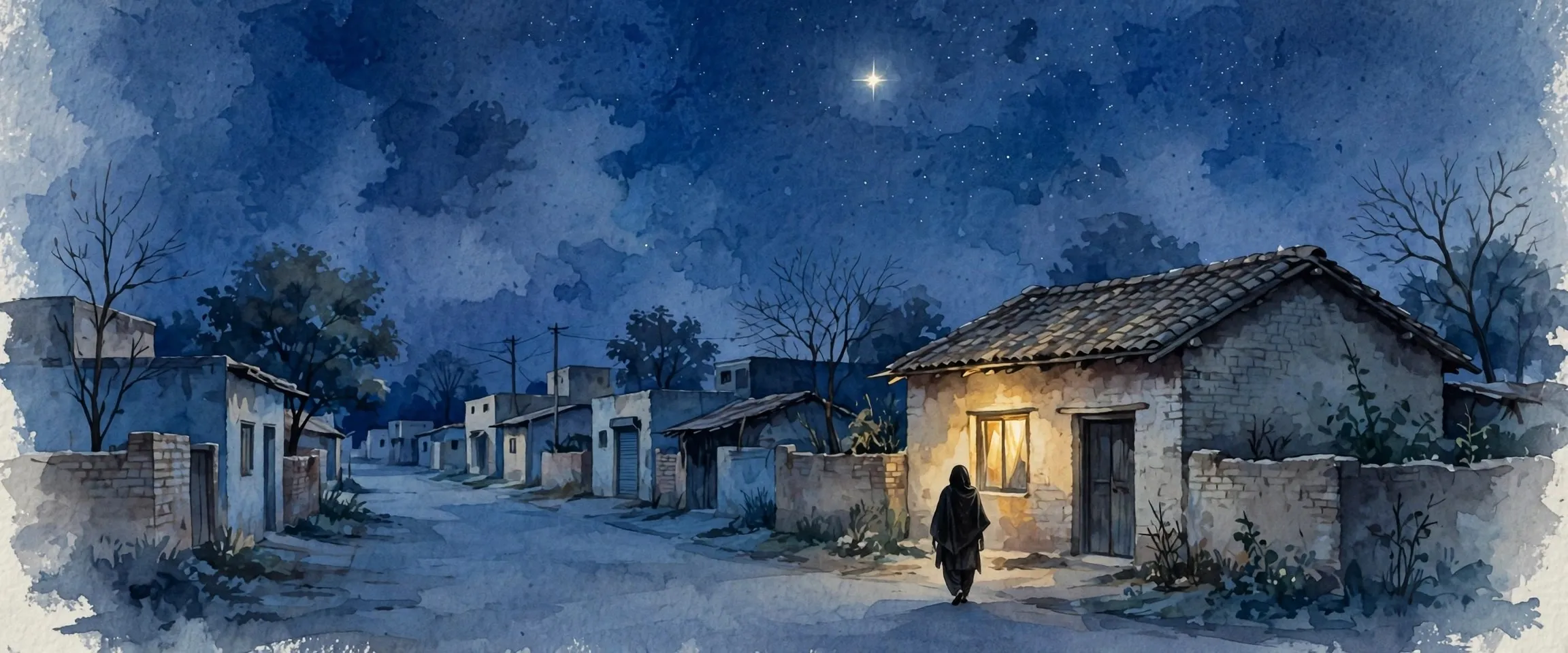
Witness the Night is a 2010 crime novel by Kishwar Desai, set in Jalandhar, Punjab. When fourteen-year-old Durga is found alive in a house where thirteen members of her family lie dead, the police make her their chief suspect, and social worker Simran Singh is called in to find out what really happened. The novel won the 2010 Costa First Novel Award for a story that turns a murder investigation into an indictment of the killing of unwanted girls.
English- Author
- Kishwar Desai (born 1956)
- Published
- 2010
- Publisher
- Beautiful Books, UK
- Language
- English
- Form
- Novel
- Pages
- 352 (first edition)
All 10 facts
- Award
- Costa First Novel Award 2010
- Series
- Simran Singh, book 1
- Setting
- Jalandhar, Punjab
- Translated into
- More than 25 languages
Characters
About the book
Witness the Night is the debut novel of Kishwar Desai, first published in the United Kingdom by Beautiful Books in 2010. It won the Costa First Novel Award for 2010, announced in January 2011, and was longlisted for the Man Asian Literary Prize and the DSC Prize for South Asian Literature. It is the first book in Desai's Simran Singh series, followed by Origins of Love (2012) and The Sea of Innocence (2013).
The novel is a crime story with a social purpose. Desai has said the characters are fictional but the events are true, and she wrote of a complicity of corruption between the police, the courts, politicians, the media and the society around them, in which gender issues are treated with contempt. The book has since been translated into more than twenty-five languages.
The story
The novel opens in Jalandhar, a town in Punjab, where a fourteen-year-old girl named Durga is found beaten and tied to a bed in a house where thirteen people lie dead. The dead were poisoned, and some were stabbed or burned, and the house itself was partly set on fire. With no sign of an intruder, the police make Durga their chief suspect in the murder of her own family.
Simran Singh is called in to help. She is a social worker in her forties, unmarried, outspoken, a Sikh woman who left Jalandhar in disgrace twenty years earlier and now works as a kind of amateur psychiatrist. Her old college friend Amarjit, now Inspector General of Police in Punjab, asks her to assess Durga's mental health. Simran is convinced the girl is innocent, and she begins to investigate, against a police force that wants a quick conclusion.
The story is told in three alternating voices: Simran's first-person account of the investigation, Durga's diary entries, written at Simran's suggestion, and emails from Binny, Durga's English-born sister-in-law, who escaped the massacre only because she had returned to England a few weeks earlier to give birth. As Simran digs, she uncovers a web of deceit, corruption and family secrets, helped by Binny and by a reporter, Gurmit Singh. What she finds is that Durga and her older sister were unwanted daughters in a wealthy traditional family, and that the investigation reaches into a culture in which unwanted girls are treated as disposable, often before they are even born.
ਕਿਤਾਬ ਬਾਰੇ
ਵਿਟਨੈੱਸ ਦ ਨਾਈਟ ਕਿਸ਼ਵਰ ਦੇਸਾਈ ਦਾ ਪਹਿਲਾ ਨਾਵਲ ਹੈ, ਜੋ 2010 ਵਿੱਚ ਯੂ.ਕੇ. ਵਿੱਚ ਬਿਊਟੀਫ਼ੁੱਲ ਬੁਕਸ ਨੇ ਛਪਿਆ। ਇਸ ਨੇ 2010 ਦਾ ਕੋਸਟਾ ਫ਼ਰਸਟ ਨਾਵਲ ਪੁਰਸਕਾਰ ਜਿੱਤਿਆ, ਜਿਸ ਦਾ ਐਲਾਨ ਜਨਵਰੀ 2011 ਵਿੱਚ ਹੋਇਆ, ਅਤੇ ਇਹ ਮੈਨ ਏਸ਼ੀਅਨ ਅਤੇ ਡੀਐੱਸਸੀ ਦੱਖਣੀ ਏਸ਼ੀਆਈ ਸਾਹਿਤ ਪੁਰਸਕਾਰਾਂ ਲਈ ਲੰਬੀ ਸੂਚੀ ਵਿੱਚ ਵੀ ਸੀ। ਇਹ ਸਿਮਰਨ ਸਿੰਘ ਲੜੀ ਦੀ ਪਹਿਲੀ ਕਿਤਾਬ ਹੈ, ਇਸ ਤੋਂ ਬਾਅਦ ਓਰਿਜਿਨਜ਼ ਆਫ਼ ਲਵ (2012) ਅਤੇ ਦ ਸੀ ਆਫ਼ ਇਨੋਸੈਂਸ (2013) ਆਈਆਂ।
ਇਹ ਸਮਾਜਕ ਮਕਸਦ ਵਾਲੀ ਅਪਰਾਧ ਕਹਾਣੀ ਹੈ। ਦੇਸਾਈ ਨੇ ਕਿਹਾ ਹੈ ਕਿ ਪਾਤਰ ਕਾਲਪਨਿਕ ਹਨ ਪਰ ਘਟਨਾਵਾਂ ਸੱਚੀਆਂ ਹਨ, ਅਤੇ ਉਸ ਨੇ ਪੁਲਿਸ, ਅਦਾਲਤਾਂ, ਸਿਆਸਤਦਾਨਾਂ, ਮੀਡੀਆ ਅਤੇ ਸਮਾਜ ਵਿਚਕਾਰ ਭ੍ਰਿਸ਼ਟਾਚਾਰ ਦੀ ਮਿਲੀਭੁਗਤ ਬਾਰੇ ਲਿਖਿਆ ਹੈ, ਜਿੱਥੇ ਔਰਤਾਂ ਦੇ ਮੁੱਦਿਆਂ ਨੂੰ ਤੁੱਛ ਸਮਝਿਆ ਜਾਂਦਾ ਹੈ। ਇਸ ਦਾ 25 ਤੋਂ ਵੱਧ ਭਾਸ਼ਾਵਾਂ ਵਿੱਚ ਅਨੁਵਾਦ ਹੋ ਚੁੱਕਾ ਹੈ।
ਕਹਾਣੀ
ਨਾਵਲ ਪੰਜਾਬ ਦੇ ਸ਼ਹਿਰ ਜਲੰਧਰ ਵਿੱਚ ਸ਼ੁਰੂ ਹੁੰਦਾ ਹੈ, ਜਿੱਥੇ ਚੌਦਾਂ ਸਾਲਾਂ ਦੀ ਕੁੜੀ ਦੁਰਗਾ ਇੱਕ ਘਰ ਵਿੱਚ ਕੁੱਟੀ ਹੋਈ ਅਤੇ ਮੰਜੇ ਨਾਲ ਬੰਨ੍ਹੀ ਹੋਈ ਮਿਲਦੀ ਹੈ, ਜਿਸ ਘਰ ਵਿੱਚ ਤੇਰਾਂ ਜਣੇ ਮਰੇ ਪਏ ਹਨ। ਮਰਨ ਵਾਲਿਆਂ ਨੂੰ ਜ਼ਹਿਰ ਦਿੱਤਾ ਗਿਆ ਸੀ, ਕੁਝ ਨੂੰ ਚਾਕੂ ਮਾਰਿਆ ਗਿਆ ਸੀ ਜਾਂ ਸਾੜਿਆ ਗਿਆ ਸੀ, ਅਤੇ ਘਰ ਨੂੰ ਅੰਸ਼ਕ ਤੌਰ ਉੱਤੇ ਅੱਗ ਲਾ ਦਿੱਤੀ ਗਈ ਸੀ। ਅੰਦਰ ਵੜਨ ਦਾ ਕੋਈ ਨਿਸ਼ਾਨ ਨਾ ਮਿਲਣ ਉੱਤੇ ਪੁਲਿਸ ਦੁਰਗਾ ਨੂੰ ਹੀ ਆਪਣੇ ਪਰਿਵਾਰ ਦੇ ਕਤਲ ਦੀ ਮੁੱਖ ਸ਼ੱਕੀ ਬਣਾ ਲੈਂਦੀ ਹੈ।
ਮਦਦ ਲਈ ਸਿਮਰਨ ਸਿੰਘ ਨੂੰ ਬੁਲਾਇਆ ਜਾਂਦਾ ਹੈ। ਉਹ ਚਾਲੀ ਸਾਲਾਂ ਦੀ ਕੁਆਰੀ, ਸਾਫ਼-ਗੋਈ ਵਾਲੀ ਸਿੱਖ ਸਮਾਜ ਸੇਵਕਾ ਹੈ, ਜੋ ਵੀਹ ਸਾਲ ਪਹਿਲਾਂ ਜਲੰਧਰ ਤੋਂ ਬਦਨਾਮ ਹੋ ਕੇ ਚਲੀ ਗਈ ਸੀ ਅਤੇ ਹੁਣ ਸ਼ੁਕੀਨ ਮਨੋ-ਚਿਕਿਤਸਕ ਵਜੋਂ ਕੰਮ ਕਰਦੀ ਹੈ। ਉਸ ਦੀ ਪੁਰਾਣੀ ਕਾਲਜ ਸਹੇਲੀ ਅਮਰਜੀਤ, ਜੋ ਹੁਣ ਪੰਜਾਬ ਪੁਲਿਸ ਦੀ ਇੰਸਪੈਕਟਰ ਜਨਰਲ ਹੈ, ਉਸ ਨੂੰ ਦੁਰਗਾ ਦੀ ਮਾਨਸਿਕ ਸਿਹਤ ਦੀ ਜਾਂਚ ਕਰਨ ਲਈ ਕਹਿੰਦੀ ਹੈ। ਸਿਮਰਨ ਨੂੰ ਯਕੀਨ ਹੈ ਕਿ ਕੁੜੀ ਬੇਕਸੂਰ ਹੈ, ਅਤੇ ਉਹ ਜਾਂਚ ਸ਼ੁਰੂ ਕਰ ਦਿੰਦੀ ਹੈ, ਉਸ ਪੁਲਿਸ ਦੇ ਵਿਰੋਧ ਵਿੱਚ ਜੋ ਛੇਤੀ ਨਤੀਜਾ ਚਾਹੁੰਦੀ ਹੈ।
ਕਹਾਣੀ ਤਿੰਨ ਆਵਾਜ਼ਾਂ ਵਿੱਚ ਸੁਣਾਈ ਜਾਂਦੀ ਹੈ: ਸਿਮਰਨ ਦੀ ਪਹਿਲੇ ਪੁਰਖ ਵਿੱਚ ਜਾਂਚ, ਦੁਰਗਾ ਦੀ ਡਾਇਰੀ, ਜੋ ਉਹ ਸਿਮਰਨ ਦੇ ਸੁਝਾਅ ਉੱਤੇ ਲਿਖਦੀ ਹੈ, ਅਤੇ ਬਿੰਨੀ ਦੇ ਈਮੇਲ, ਜੋ ਦੁਰਗਾ ਦੀ ਇੰਗਲੈਂਡ ਵਿੱਚ ਜਨਮੀ ਭਰਜਾਈ ਹੈ ਅਤੇ ਜੋ ਇਸ ਕਤਲੇਆਮ ਤੋਂ ਸਿਰਫ਼ ਇਸ ਲਈ ਬਚ ਗਈ ਕਿਉਂਕਿ ਉਹ ਬੱਚੇ ਦੇ ਜਨਮ ਲਈ ਕੁਝ ਹਫ਼ਤੇ ਪਹਿਲਾਂ ਇੰਗਲੈਂਡ ਵਾਪਸ ਚਲੀ ਗਈ ਸੀ। ਜਿਵੇਂ-ਜਿਵੇਂ ਸਿਮਰਨ ਖੋਦਦੀ ਹੈ, ਉਸ ਨੂੰ ਧੋਖੇ, ਭ੍ਰਿਸ਼ਟਾਚਾਰ ਅਤੇ ਪਰਿਵਾਰਕ ਭੇਦਾਂ ਦਾ ਜਾਲ ਮਿਲਦਾ ਹੈ, ਅਤੇ ਬਿੰਨੀ ਤੇ ਪੱਤਰਕਾਰ ਗੁਰਮੀਤ ਸਿੰਘ ਉਸ ਦੀ ਮਦਦ ਕਰਦੇ ਹਨ। ਉਸ ਨੂੰ ਪਤਾ ਲੱਗਦਾ ਹੈ ਕਿ ਦੁਰਗਾ ਅਤੇ ਉਸ ਦੀ ਵੱਡੀ ਭੈਣ ਇੱਕ ਅਮੀਰ ਰਵਾਇਤੀ ਪਰਿਵਾਰ ਵਿੱਚ ਨਾ ਚਾਹੀਆਂ ਗਈਆਂ ਧੀਆਂ ਸਨ, ਅਤੇ ਜਾਂਚ ਉਸ ਸੱਭਿਆਚਾਰ ਤੱਕ ਪਹੁੰਚਦੀ ਹੈ ਜਿੱਥੇ ਨਾ ਚਾਹੀਆਂ ਗਈਆਂ ਕੁੜੀਆਂ ਨੂੰ ਫ਼ਜ਼ੂਲ ਸਮਝਿਆ ਜਾਂਦਾ ਹੈ, ਅਕਸਰ ਉਨ੍ਹਾਂ ਦੇ ਜਨਮ ਤੋਂ ਪਹਿਲਾਂ ਹੀ।
The novel follows Simran's investigation to its end, and the question that drives it is not only who killed the family, but whether a girl nobody wanted to hear will be believed at all, and whether the truth about her family will ever be told.
What the novel is really about
At its centre is the killing of unwanted girls, what the Costa judges called gendercide. The novel is built on the declining sex ratio in India and the quiet, routine ways in which daughters are treated as a burden in families that prize sons and status. Durga's family is wealthy and respectable, and the book's charge is that respectability is exactly what the crimes were committed to protect: a family sacrificing its female members to preserve its standing.
It is also a book about power. The police, the courts, the politicians and the press are shown working together, or at least looking the other way, while a child takes the blame. Simran's view in the novel is that when she thinks there has been a miscarriage of justice, she gets into the system and tries to find the truth. She is herself a woman who refuses the life expected of her: unmarried in her forties, smoking, drinking, with relationships of her own choosing, and under constant pressure from her mother to marry and have children. Her independence is part of the argument: the book sets a woman who lives on her own terms against a world that punishes women for doing so.
The setting matters too. This is not a Delhi or Mumbai crime novel. It is a small Punjab town, and the clash is between a traditional, honour-bound Punjab and a modern India that has not yet arrived there.
The author
Kishwar Desai was born Kishwar Rosha on 1 December 1956 in Ambala, and grew up in Chandigarh, where her father headed the Punjab Police. She graduated from Lady Shri Ram College, Delhi, in 1977, and worked as a print journalist and political reporter with the Indian Express before spending more than two decades in television, as an anchor, producer and channel head, including a spell as vice president at Zee Telefilms and as chief executive of the Tara Punjabi channel.
Before fiction she wrote Darlingji (2007), a biography of Nargis and Sunil Dutt based on interviews with the family, and her play Manto! won the TAG Omega Award for Best Play in 1999. She chairs the Arts and Cultural Heritage Trust, which set up the Partition Museum at the Town Hall in Amritsar, the world's first museum of the Partition. She married the economist Lord Meghnad Desai in 2004.
Reception and legacy
The Costa judges praised Desai for transplanting a country-house murder to modern India in a book unafraid of serious themes. The Guardian called it a sad and thought-provoking tale well worth the read, and the novel was shortlisted for the Author's Club Best First Novel Award in 2011. The Independent later listed it among the twelve best Indian novels.
Not every review was praise. Publishers Weekly admired the attempt to take on police corruption, female infanticide and misogyny, but found the ending implausible. The Reading Matters blog praised Simran as a character and the fresh take on the psychological crime novel, while finding Durga's diary too polished for a traumatised teenager and Binny's emails forced. Those criticisms have not dimmed the book's standing: it remains the novel that introduced Desai as a novelist and the book for which she is best known, and its subject, the killing of unwanted girls, has only grown more urgent since it was published.
Why is Witness the Night still read?
It is still read because it does two things at once. As a crime novel it works: a locked-room mystery with a detective the reader wants to follow. As a piece of social writing it refuses to look away from the numbers behind the story, the girls who are never born and the daughters who are never wanted. Simran Singh, the chain-smoking, unmarried social worker who will not take the easy answer, is the reason readers come back: she is the rare detective who is fighting the system as much as the crime. For readers of Punjab, it is also one of the few crime novels set in a small Punjab town rather than a big city, and it treats that town, its families and its honours, as the heart of the story rather than its background.
ਨਾਵਲ ਸਿਮਰਨ ਦੀ ਜਾਂਚ ਨੂੰ ਉਸ ਦੇ ਅੰਤ ਤੱਕ ਲੈ ਜਾਂਦਾ ਹੈ, ਅਤੇ ਸਵਾਲ ਸਿਰਫ਼ ਇਹ ਨਹੀਂ ਕਿ ਪਰਿਵਾਰ ਨੂੰ ਕਿਸ ਨੇ ਮਾਰਿਆ, ਸਗੋਂ ਇਹ ਹੈ ਕਿ ਕੀ ਉਸ ਕੁੜੀ ਦੀ ਗੱਲ ਕੋਈ ਸੁਣੇਗਾ, ਅਤੇ ਕੀ ਪਰਿਵਾਰ ਬਾਰੇ ਸੱਚ ਕਦੇ ਦੱਸਿਆ ਜਾਵੇਗਾ।
ਨਾਵਲ ਅਸਲ ਵਿੱਚ ਕਿਸ ਬਾਰੇ ਹੈ
ਇਸ ਦੇ ਕੇਂਦਰ ਵਿੱਚ ਨਾ ਚਾਹੀਆਂ ਗਈਆਂ ਕੁੜੀਆਂ ਦਾ ਕਤਲ ਹੈ, ਜਿਸ ਨੂੰ ਕੋਸਟਾ ਜੱਜਾਂ ਨੇ ਲਿੰਗ-ਅਧਾਰਿਤ ਕਤਲ ਕਿਹਾ। ਨਾਵਲ ਭਾਰਤ ਵਿੱਚ ਘਟਦੇ ਲਿੰਗ ਅਨੁਪਾਤ ਅਤੇ ਉਨ੍ਹਾਂ ਚੁੱਪ ਤਰੀਕਿਆਂ ਉੱਤੇ ਖੜ੍ਹਾ ਹੈ ਜਿਨ੍ਹਾਂ ਨਾਲ ਧੀਆਂ ਨੂੰ ਉਨ੍ਹਾਂ ਪਰਿਵਾਰਾਂ ਵਿੱਚ ਬੋਝ ਸਮਝਿਆ ਜਾਂਦਾ ਹੈ ਜੋ ਪੁੱਤਰਾਂ ਅਤੇ ਇੱਜ਼ਤ ਨੂੰ ਮਹੱਤਵ ਦਿੰਦੇ ਹਨ। ਦੁਰਗਾ ਦਾ ਪਰਿਵਾਰ ਅਮੀਰ ਅਤੇ ਇੱਜ਼ਤਦਾਰ ਹੈ, ਅਤੇ ਕਿਤਾਬ ਦਾ ਦੋਸ਼ ਇਹ ਹੈ ਕਿ ਇੱਜ਼ਤ ਦੀ ਰੱਖਿਆ ਲਈ ਹੀ ਇਹ ਅਪਰਾਧ ਕੀਤੇ ਗਏ: ਇੱਕ ਪਰਿਵਾਰ ਜੋ ਆਪਣੀ ਇੱਜ਼ਤ ਬਚਾਉਣ ਲਈ ਆਪਣੀਆਂ ਔਰਤਾਂ ਦੀ ਕੁਰਬਾਨੀ ਕਰ ਦਿੰਦਾ ਹੈ।
ਇਹ ਤਾਕਤ ਬਾਰੇ ਵੀ ਕਿਤਾਬ ਹੈ। ਪੁਲਿਸ, ਅਦਾਲਤਾਂ, ਸਿਆਸਤਦਾਨ ਅਤੇ ਮੀਡੀਆ ਇਕੱਠੇ ਕੰਮ ਕਰਦੇ ਜਾਂ ਦੂਜੇ ਪਾਸੇ ਵੇਖਦੇ ਦਿਖਾਏ ਗਏ ਹਨ, ਜਦੋਂ ਕਿ ਇੱਕ ਬੱਚੀ ਨੂੰ ਦੋਸ਼ੀ ਠਹਿਰਾਇਆ ਜਾਂਦਾ ਹੈ। ਨਾਵਲ ਵਿੱਚ ਸਿਮਰਨ ਦੀ ਗੱਲ ਇਹ ਹੈ ਕਿ ਜਦੋਂ ਉਸ ਨੂੰ ਲੱਗਦਾ ਹੈ ਕਿ ਇਨਸਾਫ਼ ਦਾ ਕਤਲ ਹੋਇਆ ਹੈ, ਤਾਂ ਉਹ ਪ੍ਰਣਾਲੀ ਵਿੱਚ ਵੜ੍ਹ ਕੇ ਸੱਚ ਲੱਭਦੀ ਹੈ। ਉਹ ਖੁਦ ਉਸ ਜ਼ਿੰਦਗੀ ਤੋਂ ਇਨਕਾਰ ਕਰਦੀ ਹੈ ਜੋ ਉਸ ਤੋਂ ਆਸ ਕੀਤੀ ਜਾਂਦੀ ਹੈ: ਚਾਲੀ ਸਾਲਾਂ ਦੀ ਉਮਰ ਵਿੱਚ ਕੁਆਰੀ, ਸਿਗਰਟ ਅਤੇ ਸ਼ਰਾਬ ਪੀਣ ਵਾਲੀ, ਆਪਣੀ ਮਰਜ਼ੀ ਦੇ ਰਿਸ਼ਤਿਆਂ ਵਾਲੀ, ਅਤੇ ਮਾਂ ਦੇ ਦਬਾਅ ਹੇਠ ਕਿ ਉਹ ਵਿਆਹ ਕਰੇ ਅਤੇ ਬੱਚੇ ਪੈਦਾ ਕਰੇ। ਉਸ ਦੀ ਆਜ਼ਾਦੀ ਦਲੀਲ ਦਾ ਹਿੱਸਾ ਹੈ: ਕਿਤਾਬ ਇੱਕ ਅਜਿਹੀ ਔਰਤ ਨੂੰ ਉਸ ਸੰਸਾਰ ਸਾਹਮਣੇ ਖੜ੍ਹਾ ਕਰਦੀ ਹੈ ਜੋ ਔਰਤਾਂ ਨੂੰ ਆਪਣੀ ਮਰਜ਼ੀ ਨਾਲ ਜਿਉਣ ਦੀ ਸਜ਼ਾ ਦਿੰਦਾ ਹੈ।
ਸਥਾਨ ਵੀ ਮਹੱਤਵਪੂਰਨ ਹੈ। ਇਹ ਦਿੱਲੀ ਜਾਂ ਮੁੰਬਈ ਦਾ ਨਾਵਲ ਨਹੀਂ ਹੈ, ਪੰਜਾਬ ਦੇ ਇੱਕ ਛੋਟੇ ਸ਼ਹਿਰ ਦਾ ਹੈ, ਜਿੱਥੇ ਰਵਾਇਤੀ, ਇੱਜ਼ਤ-ਬੱਧ ਪੰਜਾਬ ਅਤੇ ਆਧੁਨਿਕ ਭਾਰਤ ਆਹਮੋ-ਸਾਹਮਣੇ ਹਨ।
ਲੇਖਕ
ਕਿਸ਼ਵਰ ਦੇਸਾਈ ਦਾ ਜਨਮ 1 ਦਸੰਬਰ 1956 ਨੂੰ ਅੰਬਾਲੇ ਵਿੱਚ ਕਿਸ਼ਵਰ ਰੋਸ਼ਾ ਵਜੋਂ ਹੋਇਆ, ਅਤੇ ਉਹ ਚੰਡੀਗੜ੍ਹ ਵਿੱਚ ਵੱਡੀ ਹੋਈ, ਜਿੱਥੇ ਉਸ ਦੇ ਪਿਤਾ ਪੰਜਾਬ ਪੁਲਿਸ ਦੇ ਮੁਖੀ ਸਨ। ਉਸ ਨੇ 1977 ਵਿੱਚ ਦਿੱਲੀ ਦੇ ਲੇਡੀ ਸ਼੍ਰੀ ਰਾਮ ਕਾਲਜ ਤੋਂ ਗਰੈਜੂਏਸ਼ਨ ਕੀਤੀ, ਅਤੇ ਇੰਡੀਅਨ ਐਕਸਪ੍ਰੈੱਸ ਨਾਲ ਪੱਤਰਕਾਰ ਅਤੇ ਸਿਆਸੀ ਰਿਪੋਰਟਰ ਵਜੋਂ ਕੰਮ ਕੀਤਾ। ਇਸ ਤੋਂ ਬਾਅਦ ਉਸ ਨੇ ਟੈਲੀਵਿਜ਼ਨ ਵਿੱਚ ਵੀਹ ਸਾਲਾਂ ਤੋਂ ਵੱਧ ਸਮਾਂ ਗੁਜ਼ਾਰਿਆ, ਐਂਕਰ, ਨਿਰਮਾਤਾ ਅਤੇ ਚੈਨਲ ਮੁਖੀ ਵਜੋਂ, ਜ਼ੀ ਟੈਲੀਫ਼ਿਲਮਜ਼ ਦੀ ਉਪ ਪ੍ਰਧਾਨ ਅਤੇ ਤਾਰਾ ਪੰਜਾਬੀ ਚੈਨਲ ਦੀ ਮੁੱਖ ਕਾਰਜਕਾਰੀ ਵੀ ਰਹੀ।
ਕਹਾਣੀ ਲਿਖਣ ਤੋਂ ਪਹਿਲਾਂ ਉਸ ਨੇ ਡਾਰਲਿੰਗਜੀ (2007) ਲਿਖੀ, ਨਰਗਿਸ ਅਤੇ ਸੁਨੀਲ ਦੱਤ ਦੀ ਜੀਵਨੀ, ਅਤੇ ਉਸ ਦਾ ਨਾਟਕ ਮੰਟੋ! ਨੇ 1999 ਵਿੱਚ ਟੈਗ ਓਮੇਗਾ ਪੁਰਸਕਾਰ ਜਿੱਤਿਆ। ਉਹ ਆਰਟਸ ਐਂਡ ਕਲਚਰਲ ਹੈਰੀਟੇਜ ਟਰੱਸਟ ਦੀ ਚੇਅਰਪਰਸਨ ਹੈ, ਜਿਸ ਨੇ ਅੰਮ੍ਰਿਤਸਰ ਦੇ ਟਾਊਨ ਹਾਲ ਵਿੱਚ ਵੰਡ ਅਜਾਇਬ ਘਰ ਸਥਾਪਤ ਕੀਤਾ, ਵੰਡ ਦਾ ਦੁਨੀਆ ਦਾ ਪਹਿਲਾ ਅਜਾਇਬ ਘਰ। ਉਸ ਦਾ ਵਿਆਹ ਅਰਥ-ਸ਼ਾਸਤਰੀ ਲਾਰਡ ਮੇਘਨਾਦ ਦੇਸਾਈ ਨਾਲ 2004 ਵਿੱਚ ਹੋਇਆ।
ਸਵਾਗਤ ਅਤੇ ਵਿਰਸਾ
ਕੋਸਟਾ ਜੱਜਾਂ ਨੇ ਦੇਸਾਈ ਦੀ ਤਾਰੀਫ਼ ਕੀਤੀ ਕਿ ਉਸ ਨੇ ਦੇਸੀ ਮਹਿਲ ਦੇ ਕਤਲ ਨੂੰ ਆਧੁਨਿਕ ਭਾਰਤ ਵਿੱਚ ਲਿਆਂਦਾ, ਇੱਕ ਅਜਿਹੀ ਕਿਤਾਬ ਵਿੱਚ ਜੋ ਗੰਭੀਰ ਮੁੱਦਿਆਂ ਤੋਂ ਨਹੀਂ ਡਰਦੀ। ਗਾਰਡੀਅਨ ਨੇ ਇਸ ਨੂੰ ਦੁਖਦਾਈ ਅਤੇ ਸੋਚਣ ਉੱਤੇ ਮਜਬੂਰ ਕਰਨ ਵਾਲੀ ਕਹਾਣੀ ਕਿਹਾ ਜੋ ਪੜ੍ਹਨ ਯੋਗ ਹੈ, ਅਤੇ ਇਹ ਨਾਵਲ 2011 ਵਿੱਚ ਆਥਰਜ਼ ਕਲੱਬ ਸਰਬੋਤਮ ਪਹਿਲਾ ਨਾਵਲ ਪੁਰਸਕਾਰ ਲਈ ਛੋਟੀ ਸੂਚੀ ਵਿੱਚ ਸੀ। ਦ ਇੰਡੀਪੈਂਡੈਂਟ ਨੇ ਬਾਅਦ ਵਿੱਚ ਇਸ ਨੂੰ ਵਧੀਆ ਭਾਰਤੀ ਨਾਵਲਾਂ ਵਿੱਚੋਂ ਇੱਕ ਦੱਸਿਆ।
ਹਰ ਸਮੀਖਿਆ ਤਾਰੀਫ਼ ਨਹੀਂ ਸੀ। ਪਬਲਿਸ਼ਰਜ਼ ਵੀਕਲੀ ਨੇ ਪੁਲਿਸ ਭ੍ਰਿਸ਼ਟਾਚਾਰ, ਕੁੜੀਆਂ ਦੇ ਕਤਲ ਅਤੇ ਔਰਤ-ਵਿਰੋਧੀ ਸੋਚ ਨੂੰ ਚੁੱਕਣ ਦੀ ਕੋਸ਼ਿਸ਼ ਦੀ ਤਾਰੀਫ਼ ਕੀਤੀ, ਪਰ ਅੰਤ ਨੂੰ ਨਾਮੁਮਕਿਨ ਦੱਸਿਆ। ਰੀਡਿੰਗ ਮੈਟਰਜ਼ ਬਲੌਗ ਨੇ ਸਿਮਰਨ ਦੀ ਅਤੇ ਮਨੋਵਿਗਿਆਨਕ ਅਪਰਾਧ ਨਾਵਲ ਉੱਤੇ ਨਵੀਂ ਨਜ਼ਰ ਦੀ ਤਾਰੀਫ਼ ਕੀਤੀ, ਪਰ ਦੁਰਗਾ ਦੀ ਡਾਇਰੀ ਨੂੰ ਬਹੁਤ ਸਾਫ਼ ਅਤੇ ਬਿੰਨੀ ਦੇ ਈਮੇਲਾਂ ਨੂੰ ਜ਼ਬਰਦਸਤੀ ਲਿਖਿਆ ਦੱਸਿਆ। ਇਨ੍ਹਾਂ ਆਲੋਚਨਾਵਾਂ ਨੇ ਕਿਤਾਬ ਦੀ ਥਾਂ ਨਹੀਂ ਘਟਾਈ: ਇਹ ਉਹ ਨਾਵਲ ਹੈ ਜਿਸ ਨੇ ਦੇਸਾਈ ਨੂੰ ਨਾਵਲਕਾਰ ਵਜੋਂ ਪੇਸ਼ ਕੀਤਾ ਅਤੇ ਜਿਸ ਲਈ ਉਹ ਸਭ ਤੋਂ ਵੱਧ ਜਾਣੀ ਜਾਂਦੀ ਹੈ, ਅਤੇ ਇਸ ਦਾ ਵਿਸ਼ਾ, ਨਾ ਚਾਹੀਆਂ ਗਈਆਂ ਕੁੜੀਆਂ ਦਾ ਕਤਲ, ਅੱਜ ਹੋਰ ਵੀ ਜ਼ਰੂਰੀ ਹੋ ਗਿਆ ਹੈ।
ਵਿਟਨੈੱਸ ਦ ਨਾਈਟ ਅੱਜ ਵੀ ਕਿਉਂ ਪੜ੍ਹਿਆ ਜਾਂਦਾ ਹੈ?
ਇਹ ਅੱਜ ਵੀ ਪੜ੍ਹਿਆ ਜਾਂਦਾ ਹੈ ਕਿਉਂਕਿ ਇਹ ਦੋ ਕੰਮ ਇੱਕੋ ਸਮੇਂ ਕਰਦਾ ਹੈ। ਅਪਰਾਧ ਨਾਵਲ ਵਜੋਂ ਇਹ ਕੰਮ ਕਰਦਾ ਹੈ: ਇੱਕ ਬੰਦ ਕਮਰੇ ਦਾ ਰਹੱਸ, ਇੱਕ ਜਾਸੂਸ ਜਿਸ ਦਾ ਪਿੱਛਾ ਪਾਠਕ ਕਰਨਾ ਚਾਹੁੰਦਾ ਹੈ। ਸਮਾਜਕ ਲਿਖਤ ਵਜੋਂ ਇਹ ਕਹਾਣੀ ਪਿੱਛੇ ਲੁਕੇ ਅੰਕੜਿਆਂ ਤੋਂ ਮੂੰਹ ਨਹੀਂ ਮੋੜਦਾ, ਉਨ੍ਹਾਂ ਕੁੜੀਆਂ ਤੋਂ ਜੋ ਕਦੇ ਜਨਮੀਆਂ ਹੀ ਨਹੀਂ ਅਤੇ ਉਨ੍ਹਾਂ ਧੀਆਂ ਤੋਂ ਜੋ ਕਦੇ ਚਾਹੀਆਂ ਹੀ ਨਹੀਂ ਗਈਆਂ। ਸਿਮਰਨ ਸਿੰਘ, ਸਿਗਰਟ ਪੀਣ ਵਾਲੀ ਕੁਆਰੀ ਸਮਾਜ ਸੇਵਕਾ ਜੋ ਸੌਖਾ ਜਵਾਬ ਨਹੀਂ ਮੰਨਦੀ, ਹੀ ਉਹ ਕਾਰਨ ਹੈ ਜਿਸ ਕਰਕੇ ਪਾਠਕ ਵਾਪਸ ਆਉਂਦੇ ਹਨ: ਉਹ ਅਪਰਾਧ ਨਾਲੋਂ ਵੱਧ ਪ੍ਰਣਾਲੀ ਨਾਲ ਲੜਦੀ ਹੈ। ਪੰਜਾਬ ਦੇ ਪਾਠਕਾਂ ਲਈ ਇਹ ਉਨ੍ਹਾਂ ਘੱਟ ਅਪਰਾਧ ਨਾਵਲਾਂ ਵਿੱਚੋਂ ਇੱਕ ਹੈ ਜੋ ਕਿਸੇ ਵੱਡੇ ਸ਼ਹਿਰ ਦੀ ਬਜਾਏ ਪੰਜਾਬ ਦੇ ਇੱਕ ਛੋਟੇ ਸ਼ਹਿਰ ਵਿੱਚ ਵਾਪਰਦਾ ਹੈ, ਅਤੇ ਇਹ ਉਸ ਸ਼ਹਿਰ, ਉਸ ਦੇ ਪਰਿਵਾਰਾਂ ਅਤੇ ਉਨ੍ਹਾਂ ਦੀ ਇੱਜ਼ਤ ਨੂੰ ਕਹਾਣੀ ਦਾ ਦਿਲ ਮੰਨਦਾ ਹੈ, ਨਾ ਕਿ ਪਿਛੋਕੜ।
Editions and translations
- Witness the NightBeautiful Books, 2010, ISBN 9781905636853Edition
- Witness the NightSimon and Schuster UK ebook, 2012, ISBN 9781471101533Edition
- Witness the NightPenguin, US paperback, ISBN 978-0-14-312097-1Edition
The author
Connected
More to read
Sources (7)
- Blake Friedmann, Witness the Night wins Costa First Novel Award 2010
- LoveReading, Witness the Night by Kishwar Desai
- Crime Fiction Lover, Witness the Night review
- Reading Matters, Witness the Night by Kishwar Desai
- Publishers Weekly, Witness the Night review
- Wikipedia, Kishwar Desai
- Everand, Witness the Night
Jugti is free and independent. Reader support keeps the Kosh growing.
Support