
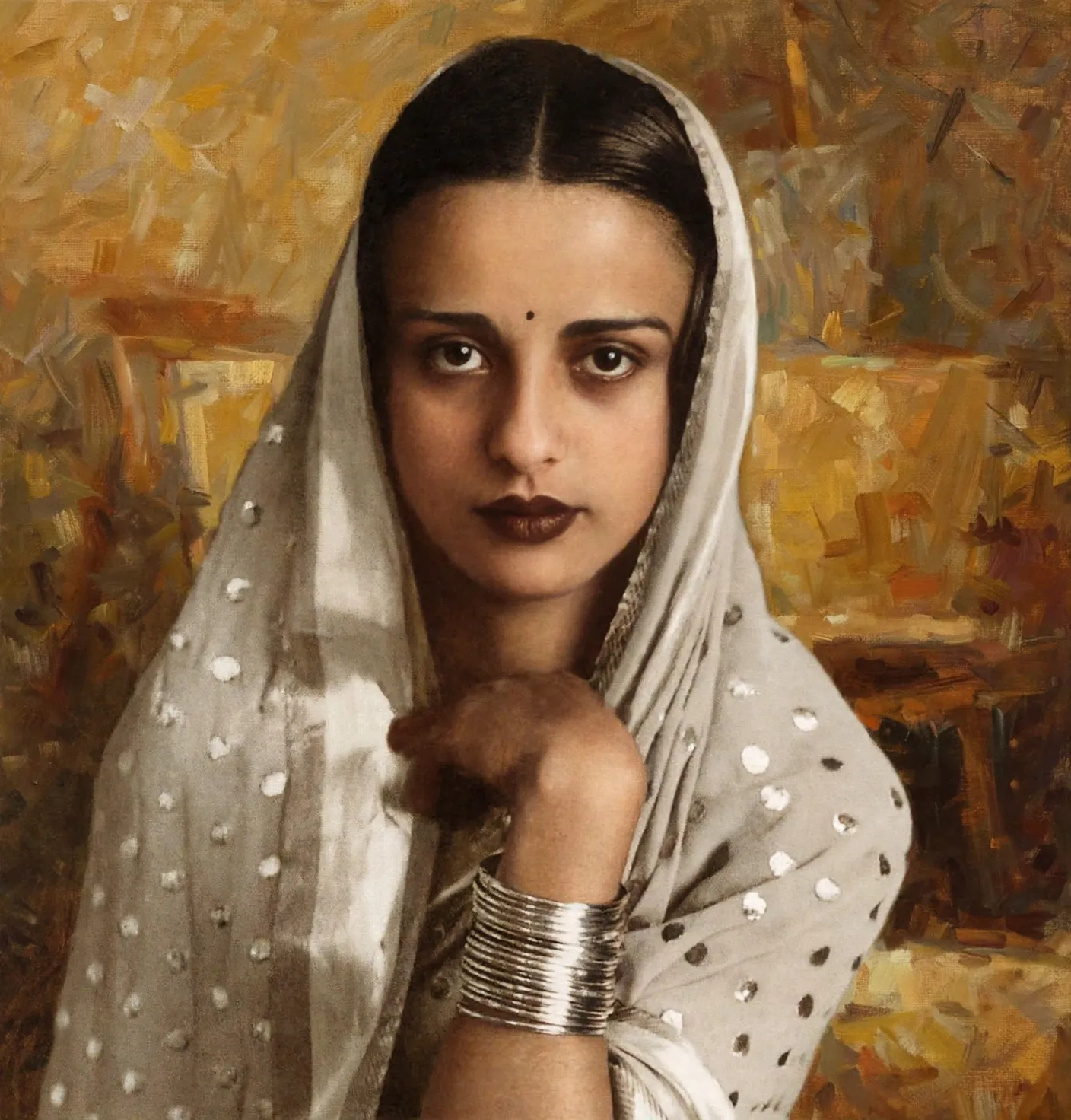
Amrita Sher-Gil was a painter born in Budapest to a Punjabi Sikh father from Majitha and a Hungarian mother, and is counted a pioneer of modern Indian art.
Life at a glance
- 1913Born Budapest, Hungary
- 1932Known for Young Girls
- 1935Known for Group of Three Girls
- 1941Died Lahore
- Punjabi name
- ਅੰਮ੍ਰਿਤਾ ਸ਼ੇਰ-ਗਿੱਲ
- Born
- 30 January 1913, Budapest, Hungary
- Died
- 5 December 1941, Lahore
- Father
- Umrao Singh Sher-Gil, of Majitha, Amritsar district
- Ancestral home
- Majitha
- District
- Amritsar (ancestral)
All 11 facts
- Tehsil
- Majitha
- Region
- Diaspora
- Occupation
- Painter
- Known for
- Young Girls (1932); Group of Three Girls (1935); the South Indian trilogy
- Honour
- Her works are National Art Treasures of India
Amrita Sher-Gil was born on 30 January 1913 in Budapest, then in the Austro-Hungarian Empire. Her father, Umrao Singh Sher-Gil, was a Punjabi Sikh aristocrat of the Majithia family of Majitha in Amritsar district, and a scholar of Sanskrit and Persian; her mother, Marie Antoinette Gottesmann, was a Hungarian opera singer from a prosperous family. The two had met in Lahore, where Marie Antoinette had travelled as a companion to Princess Bamba, a granddaughter of Maharaja Ranjit Singh. Amrita was the elder of two daughters, and the family, held in Hungary by the First World War, moved in 1921 to Summer Hill in Shimla. She had been drawing since she was five, and in Shimla she began formal lessons, as well as the piano and violin.
Paris training and the breakthrough of Young Girls
In 1929 the family returned to Europe so the sisters could train in Paris. Amrita studied first at the Académie de la Grande Chaumière and then at the École des Beaux-Arts, from 1930 to 1934, under Lucien Simon, absorbing the influence of Cézanne, Gauguin and Modigliani. Her breakthrough came at nineteen: the oil painting Young Girls, completed in 1932, won a gold medal and her election in 1933 as an Associate of the Grand Salon, the youngest member ever admitted and the only Asian to receive the honour. The self-portraits of these years, sombre, pensive and bold by turns, already show a painter fully in command of her gift.
Return to India and finding her subject
Yet Paris left her restless. One of her teachers had remarked that her rich colouring belonged to the East, and by 1933 she was, in her own words, haunted by a longing to return to India, where she felt her destiny as a painter lay. She came back at the end of 1934 and set out to rediscover Indian art from within: the Mughal and Pahari miniature traditions, and above all the great cave paintings of Ajanta. The result was a new manner, simplified forms, deep glowing colour, and Indian people painted with a gravity European art had rarely allowed them. Group of Three Girls, painted in 1935, announced the transformation.
The South Indian trilogy and the Saraya years
In 1937 Sher-Gil toured the south of India and produced the three paintings known as her South Indian trilogy: Brahmacharis, Bride's Toilet and South Indian Villagers Going to Market. In 1938 she married her Hungarian cousin Viktor Egan, and the couple settled at Saraya in Gorakhpur district, at her family's estate, where she painted Village Scene, In the Ladies' Enclosure and Siesta, drawing on miniature painting for their quiet rhythms. She was a Congress sympathiser, drawn to Gandhi's philosophy, and her declared mission was to express the life of Indian people through her canvas. 'I can only paint in India,' she wrote. 'Europe belongs to Picasso, Matisse, Braque. India belongs only to me.' Critics such as Karl Khandalavala praised her as the finest painter of the century, even though buyers were few in her lifetime.
Why did Amrita Sher-Gil die so young?
In September 1941 Sher-Gil and Egan moved to Lahore, then one of the great cultural cities of undivided India, where she worked in a studio at Ganga Ram Mansions on the Mall. Days before the opening of her first major solo exhibition there, she fell seriously ill and slipped into a coma. She died on 5 December 1941, aged twenty eight. The cause of her death was never established with certainty, and the uncertainty has fed speculation ever since; what is certain is the scale of what was lost. She was cremated in Lahore on 7 December 1941, leaving her last painting unfinished.
Legacy: a national treasure
The Government of India has declared Sher-Gil's paintings National Art Treasures, which means they cannot be taken out of the country; most are held by the National Gallery of Modern Art in New Delhi, and some hang in the Lahore Museum. India Post issued a stamp in her honour in 1978, and a major Delhi road bears her name. Her paintings, which found few buyers while she lived, now set records for Indian art at auction. For Punjab, she is a daughter of two worlds: born in Budapest, formed in Paris, and rooted, by her own fierce choice, in the soil of her father's Majitha. Painter, pianist and letter writer of brilliance, she did in twenty eight years what most artists are not given twice the time to do.
ਅੰਮ੍ਰਿਤਾ ਸ਼ੇਰ-ਗਿੱਲ ਦਾ ਜਨਮ 30 ਜਨਵਰੀ 1913 ਨੂੰ ਬੁਦਾਪੇਸਤ ਵਿੱਚ ਹੋਇਆ, ਜੋ ਉਸ ਸਮੇਂ ਆਸਟਰੀਆ-ਹੰਗਰੀ ਸਾਮਰਾਜ ਵਿੱਚ ਸੀ। ਉਸ ਦੇ ਪਿਤਾ ਉਮਰਾਓ ਸਿੰਘ ਸ਼ੇਰ-ਗਿੱਲ ਅੰਮ੍ਰਿਤਸਰ ਜ਼ਿਲ੍ਹੇ ਦੇ ਮਜੀਠਾ ਦੇ ਮਜੀਠੀਆ ਪਰਿਵਾਰ ਦੇ ਪੰਜਾਬੀ ਸਿੱਖ ਸਰਦਾਰ ਅਤੇ ਸੰਸਕ੍ਰਿਤ ਅਤੇ ਫਾਰਸੀ ਦੇ ਵਿਦਵਾਨ ਸਨ, ਅਤੇ ਉਸ ਦੀ ਮਾਂ ਮੈਰੀ ਐਂਟੋਇਨੈੱਟ ਗੋਟਸਮਾਨ ਇੱਕ ਅਮੀਰ ਪਰਿਵਾਰ ਤੋਂ ਹੰਗਰੀ ਦੀ ਓਪੇਰਾ ਗਾਇਕਾ ਸੀ। ਦੋਹਾਂ ਦੀ ਮੁਲਾਕਾਤ ਲਾਹੌਰ ਵਿੱਚ ਹੋਈ ਸੀ, ਜਿੱਥੇ ਮੈਰੀ ਐਂਟੋਇਨੈੱਟ ਮਹਾਰਾਜਾ ਰਣਜੀਤ ਸਿੰਘ ਦੀ ਪੋਤੀ ਰਾਜਕੁਮਾਰੀ ਬੰਬਾ ਦੀ ਸਾਥਣ ਵਜੋਂ ਆਈ ਸੀ। ਅੰਮ੍ਰਿਤਾ ਦੋ ਧੀਆਂ ਵਿੱਚ ਵੱਡੀ ਸੀ, ਅਤੇ ਪਹਿਲੀ ਵਿਸ਼ਵ ਜੰਗ ਕਾਰਨ ਹੰਗਰੀ ਵਿੱਚ ਰੁਕਿਆ ਪਰਿਵਾਰ 1921 ਵਿੱਚ ਸ਼ਿਮਲਾ ਦੇ ਸਮਰ ਹਿੱਲ ਵਿੱਚ ਆ ਵਸਿਆ। ਉਹ ਪੰਜ ਸਾਲ ਦੀ ਉਮਰ ਤੋਂ ਚਿੱਤਰ ਬਣਾ ਰਹੀ ਸੀ, ਅਤੇ ਸ਼ਿਮਲਾ ਵਿੱਚ ਉਸ ਨੇ ਰਸਮੀ ਸਿਖਲਾਈ ਸ਼ੁਰੂ ਕੀਤੀ, ਨਾਲ ਹੀ ਪਿਆਨੋ ਅਤੇ ਵਾਇਲਿਨ ਵੀ ਸਿੱਖੇ।
ਪੈਰਿਸ ਦੀ ਸਿਖਲਾਈ ਅਤੇ ਯੰਗ ਗਰਲਜ਼ ਦੀ ਸਫਲਤਾ
1929 ਵਿੱਚ ਪਰਿਵਾਰ ਯੂਰਪ ਪਰਤਿਆ ਤਾਂ ਜੋ ਭੈਣਾਂ ਪੈਰਿਸ ਵਿੱਚ ਸਿਖਲਾਈ ਲੈ ਸਕਣ। ਅੰਮ੍ਰਿਤਾ ਨੇ ਪਹਿਲਾਂ ਅਕਾਦਮੀ ਦੇ ਲਾ ਗ੍ਰਾਂਦ ਸ਼ੋਮੀਏਰ ਅਤੇ ਫਿਰ 1930 ਤੋਂ 1934 ਤੱਕ ਏਕੋਲ ਦੇ ਬੋ-ਆਰਟਸ ਵਿੱਚ ਲੂਸੀਅਨ ਸਾਈਮਨ ਕੋਲ ਪੜ੍ਹਾਈ ਕੀਤੀ ਅਤੇ ਸੇਜ਼ਾਨ, ਗੋਗੈਂ ਅਤੇ ਮੋਦੀਗਲਿਆਨੀ ਦਾ ਪ੍ਰਭਾਵ ਗ੍ਰਹਿਣ ਕੀਤਾ। ਉਸ ਦੀ ਸਫਲਤਾ ਉਨੀਂ ਸਾਲ ਦੀ ਉਮਰ ਵਿੱਚ ਆਈ। 1932 ਵਿੱਚ ਪੂਰੀ ਹੋਈ ਤੇਲ-ਤਸਵੀਰ ਯੰਗ ਗਰਲਜ਼ ਨੇ ਸੋਨੇ ਦਾ ਤਮਗਾ ਜਿੱਤਿਆ ਅਤੇ 1933 ਵਿੱਚ ਉਸ ਨੂੰ ਗ੍ਰਾਂਦ ਸੈਲੋਂ ਦਾ ਐਸੋਸੀਏਟ ਚੁਣਿਆ ਗਿਆ, ਸਭ ਤੋਂ ਛੋਟੀ ਉਮਰ ਦੀ ਮੈਂਬਰ ਅਤੇ ਇਹ ਸਨਮਾਨ ਪਾਉਣ ਵਾਲੀ ਇਕਲੌਤੀ ਏਸ਼ੀਆਈ। ਇਨ੍ਹਾਂ ਸਾਲਾਂ ਦੇ ਸਵੈ-ਚਿੱਤਰ, ਕਦੇ ਗੰਭੀਰ, ਕਦੇ ਸੋਚਾਂ ਵਿੱਚ ਡੁੱਬੇ ਅਤੇ ਕਦੇ ਬੇਬਾਕ, ਪਹਿਲਾਂ ਹੀ ਇੱਕ ਅਜਿਹੀ ਚਿੱਤਰਕਾਰ ਵਿਖਾਉਂਦੇ ਹਨ ਜੋ ਆਪਣੀ ਪ੍ਰਤਿਭਾ ’ਤੇ ਪੂਰੀ ਪਕੜ ਰੱਖਦੀ ਹੈ।
ਭਾਰਤ ਵਾਪਸੀ ਅਤੇ ਆਪਣੇ ਵਿਸ਼ੇ ਦੀ ਖੋਜ
ਪਰ ਪੈਰਿਸ ਨੇ ਉਸ ਨੂੰ ਬੇਚੈਨ ਕਰ ਦਿੱਤਾ ਸੀ। ਉਸ ਦੇ ਇੱਕ ਅਧਿਆਪਕ ਨੇ ਕਿਹਾ ਸੀ ਕਿ ਉਸ ਦੇ ਗਹਿਰੇ ਰੰਗ ਪੂਰਬ ਦੇ ਹਨ, ਅਤੇ 1933 ਤੱਕ ਉਹ ਆਪਣੇ ਸ਼ਬਦਾਂ ਵਿੱਚ ਭਾਰਤ ਪਰਤਣ ਦੀ ਤਾਂਘ ਵਿੱਚ ਘਿਰੀ ਸੀ, ਜਿੱਥੇ ਉਸ ਨੂੰ ਲੱਗਦਾ ਸੀ ਕਿ ਇੱਕ ਚਿੱਤਰਕਾਰ ਵਜੋਂ ਉਸ ਦੀ ਕਿਸਮਤ ਹੈ। ਉਹ 1934 ਦੇ ਅੰਤ ਵਿੱਚ ਪਰਤੀ ਅਤੇ ਭਾਰਤੀ ਕਲਾ ਨੂੰ ਅੰਦਰੋਂ ਮੁੜ ਖੋਜਣ ਲੱਗੀ, ਮੁਗਲ ਅਤੇ ਪਹਾੜੀ ਸੂਖਮ-ਚਿੱਤਰ ਪਰੰਪਰਾਵਾਂ ਅਤੇ ਸਭ ਤੋਂ ਵੱਧ ਅਜੰਤਾ ਦੀਆਂ ਮਹਾਨ ਗੁਫਾ-ਤਸਵੀਰਾਂ। ਇਸ ਦਾ ਨਤੀਜਾ ਇੱਕ ਨਵੀਂ ਸ਼ੈਲੀ ਸੀ, ਸਰਲ ਰੂਪ, ਗਹਿਰੇ ਚਮਕਦੇ ਰੰਗ ਅਤੇ ਭਾਰਤੀ ਲੋਕ, ਜਿਨ੍ਹਾਂ ਨੂੰ ਉਸ ਗੰਭੀਰਤਾ ਨਾਲ ਚਿਤਰਿਆ ਗਿਆ ਜੋ ਯੂਰਪੀ ਕਲਾ ਨੇ ਉਨ੍ਹਾਂ ਨੂੰ ਘੱਟ ਹੀ ਦਿੱਤੀ ਸੀ। 1935 ਵਿੱਚ ਬਣੀ ਤਿੰਨ ਕੁੜੀਆਂ ਦਾ ਸਮੂਹ ਨੇ ਇਸ ਤਬਦੀਲੀ ਦਾ ਐਲਾਨ ਕੀਤਾ।
ਦੱਖਣ ਭਾਰਤੀ ਤਿੱਕੜੀ ਅਤੇ ਸਰਾਇਆ ਦੇ ਸਾਲ
1937 ਵਿੱਚ ਸ਼ੇਰ-ਗਿੱਲ ਨੇ ਭਾਰਤ ਦੇ ਦੱਖਣ ਦਾ ਦੌਰਾ ਕੀਤਾ ਅਤੇ ਤਿੰਨ ਤਸਵੀਰਾਂ ਬਣਾਈਆਂ ਜੋ ਉਸ ਦੀ ਦੱਖਣ ਭਾਰਤੀ ਤਿੱਕੜੀ ਵਜੋਂ ਜਾਣੀਆਂ ਜਾਂਦੀਆਂ ਹਨ, ਬ੍ਰਹਮਾਚਾਰੀ, ਦੁਲਹਨ ਦਾ ਸ਼ਿੰਗਾਰ ਅਤੇ ਦੱਖਣ ਭਾਰਤੀ ਪਿੰਡ ਵਾਸੀ ਬਾਜ਼ਾਰ ਜਾਂਦੇ ਹੋਏ। 1938 ਵਿੱਚ ਉਸ ਨੇ ਆਪਣੇ ਹੰਗਰੀ ਦੇ ਚਚੇਰੇ ਭਰਾ ਵਿਕਟਰ ਏਗਨ ਨਾਲ ਵਿਆਹ ਕੀਤਾ, ਅਤੇ ਜੋੜਾ ਗੋਰਖਪੁਰ ਜ਼ਿਲ੍ਹੇ ਦੇ ਸਰਾਇਆ ਵਿੱਚ, ਉਸ ਦੇ ਪਰਿਵਾਰ ਦੀ ਜਾਗੀਰ ’ਤੇ ਵਸ ਗਿਆ, ਜਿੱਥੇ ਉਸ ਨੇ ਪਿੰਡ ਦਾ ਦ੍ਰਿਸ਼, ਔਰਤਾਂ ਦੇ ਘੇਰੇ ਵਿੱਚ ਅਤੇ ਸਿਏਸਤਾ ਬਣਾਈਆਂ, ਜਿਨ੍ਹਾਂ ਦੀਆਂ ਸ਼ਾਂਤ ਲੈਆਂ ਲਈ ਸੂਖਮ-ਚਿੱਤਰ ਕਲਾ ਤੋਂ ਪ੍ਰੇਰਣਾ ਲਈ। ਉਹ ਕਾਂਗਰਸ ਦੀ ਹਮਦਰਦ ਸੀ, ਗਾਂਧੀ ਦੇ ਦਰਸ਼ਨ ਵੱਲ ਖਿੱਚੀ ਹੋਈ, ਅਤੇ ਉਸ ਦਾ ਐਲਾਨਿਆ ਮਿਸ਼ਨ ਭਾਰਤੀ ਲੋਕਾਂ ਦੇ ਜੀਵਨ ਨੂੰ ਆਪਣੇ ਕੈਨਵਸ ਰਾਹੀਂ ਪੇਸ਼ ਕਰਨਾ ਸੀ। ਉਸ ਨੇ ਲਿਖਿਆ, 'ਮੈਂ ਸਿਰਫ਼ ਭਾਰਤ ਵਿੱਚ ਹੀ ਚਿੱਤਰ ਬਣਾ ਸਕਦੀ ਹਾਂ। ਯੂਰਪ ਪਿਕਾਸੋ, ਮੈਟਿਸ, ਬ੍ਰਾਕ ਦਾ ਹੈ। ਭਾਰਤ ਸਿਰਫ਼ ਮੇਰਾ ਹੈ।' ਕਾਰਲ ਖੰਡਾਲਾਵਾਲਾ ਵਰਗੇ ਆਲੋਚਕਾਂ ਨੇ ਉਸ ਨੂੰ ਸਦੀ ਦੀ ਸਭ ਤੋਂ ਵਧੀਆ ਚਿੱਤਰਕਾਰ ਕਿਹਾ, ਹਾਲਾਂਕਿ ਉਸ ਦੇ ਜੀਵਨ ਵਿੱਚ ਖਰੀਦਦਾਰ ਘੱਟ ਹੀ ਮਿਲੇ।
ਅੰਮ੍ਰਿਤਾ ਸ਼ੇਰ-ਗਿੱਲ ਦੀ ਮੌਤ ਇੰਨੀ ਛੋਟੀ ਉਮਰ ਵਿੱਚ ਕਿਉਂ ਹੋਈ?
ਸਤੰਬਰ 1941 ਵਿੱਚ ਸ਼ੇਰ-ਗਿੱਲ ਅਤੇ ਏਗਨ ਲਾਹੌਰ ਚਲੇ ਗਏ, ਜੋ ਉਸ ਸਮੇਂ ਅਣਵੰਡੇ ਭਾਰਤ ਦੇ ਮਹਾਨ ਸੱਭਿਆਚਾਰਕ ਸ਼ਹਿਰਾਂ ਵਿੱਚੋਂ ਇੱਕ ਸੀ, ਜਿੱਥੇ ਉਸ ਨੇ ਦ ਮਾਲ ’ਤੇ ਗੰਗਾ ਰਾਮ ਮੈਨਸ਼ਨਜ਼ ਵਿੱਚ ਆਪਣੇ ਸਟੂਡੀਓ ਵਿੱਚ ਕੰਮ ਕੀਤਾ। ਉੱਥੇ ਆਪਣੀ ਪਹਿਲੀ ਵੱਡੀ ਇਕੱਲੀ ਪ੍ਰਦਰਸ਼ਨੀ ਦੇ ਉਦਘਾਟਨ ਤੋਂ ਕੁਝ ਦਿਨ ਪਹਿਲਾਂ ਉਹ ਗੰਭੀਰ ਬਿਮਾਰ ਹੋ ਗਈ ਅਤੇ ਕੋਮਾ ਵਿੱਚ ਚਲੀ ਗਈ। 5 ਦਸੰਬਰ 1941 ਨੂੰ 28 ਸਾਲ ਦੀ ਉਮਰ ਵਿੱਚ ਉਸ ਦਾ ਦੇਹਾਂਤ ਹੋ ਗਿਆ। ਉਸ ਦੀ ਮੌਤ ਦਾ ਕਾਰਨ ਕਦੇ ਨਿਸ਼ਚਿਤ ਤੌਰ ’ਤੇ ਪਤਾ ਨਹੀਂ ਲੱਗਿਆ, ਅਤੇ ਇਸ ਅਨਿਸ਼ਚਿਤਤਾ ਨੇ ਉਦੋਂ ਤੋਂ ਅਟਕਲਾਂ ਨੂੰ ਹਵਾ ਦਿੱਤੀ ਹੈ। ਜੋ ਨਿਸ਼ਚਿਤ ਹੈ, ਉਹ ਇਹ ਹੈ ਕਿ ਕਿੰਨਾ ਵੱਡਾ ਨੁਕਸਾਨ ਹੋਇਆ। 7 ਦਸੰਬਰ 1941 ਨੂੰ ਲਾਹੌਰ ਵਿੱਚ ਉਸ ਦਾ ਸਸਕਾਰ ਕੀਤਾ ਗਿਆ, ਅਤੇ ਆਖ਼ਰੀ ਤਸਵੀਰ ਉਸ ਦੀ ਅਧੂਰੀ ਰਹਿ ਗਈ।
ਵਿਰਾਸਤ: ਇੱਕ ਰਾਸ਼ਟਰੀ ਖਜ਼ਾਨਾ
ਭਾਰਤ ਸਰਕਾਰ ਨੇ ਸ਼ੇਰ-ਗਿੱਲ ਦੀਆਂ ਤਸਵੀਰਾਂ ਨੂੰ ਰਾਸ਼ਟਰੀ ਕਲਾ ਖਜ਼ਾਨੇ ਐਲਾਨਿਆ ਹੈ, ਜਿਸ ਦਾ ਮਤਲਬ ਹੈ ਕਿ ਉਨ੍ਹਾਂ ਨੂੰ ਦੇਸ਼ ਤੋਂ ਬਾਹਰ ਨਹੀਂ ਲਿਜਾਇਆ ਜਾ ਸਕਦਾ। ਜ਼ਿਆਦਾਤਰ ਨਵੀਂ ਦਿੱਲੀ ਦੀ ਨੈਸ਼ਨਲ ਗੈਲਰੀ ਆਫ਼ ਮਾਡਰਨ ਆਰਟ ਕੋਲ ਹਨ ਅਤੇ ਕੁਝ ਲਾਹੌਰ ਅਜਾਇਬ ਘਰ ਵਿੱਚ ਹਨ। 1978 ਵਿੱਚ ਭਾਰਤੀ ਡਾਕ ਨੇ ਉਸ ਦੇ ਸਨਮਾਨ ਵਿੱਚ ਡਾਕ ਟਿਕਟ ਜਾਰੀ ਕੀਤਾ ਅਤੇ ਦਿੱਲੀ ਦੀ ਇੱਕ ਵੱਡੀ ਸੜਕ ਉਸ ਦੇ ਨਾਂ ’ਤੇ ਹੈ। ਉਸ ਦੀਆਂ ਤਸਵੀਰਾਂ, ਜਿਨ੍ਹਾਂ ਨੂੰ ਉਸ ਦੇ ਜੀਵਨ ਵਿੱਚ ਘੱਟ ਖਰੀਦਦਾਰ ਮਿਲੇ, ਹੁਣ ਨੀਲਾਮੀ ਵਿੱਚ ਭਾਰਤੀ ਕਲਾ ਦੇ ਰਿਕਾਰਡ ਤੋੜਦੀਆਂ ਹਨ। ਪੰਜਾਬ ਲਈ ਉਹ ਦੋ ਦੁਨੀਆਂਵਾਂ ਦੀ ਧੀ ਹੈ, ਬੁਦਾਪੇਸਤ ਵਿੱਚ ਜੰਮੀ, ਪੈਰਿਸ ਵਿੱਚ ਘੜੀ ਹੋਈ, ਅਤੇ ਆਪਣੀ ਜ਼ਿੱਦੀ ਚੋਣ ਨਾਲ ਆਪਣੇ ਪਿਤਾ ਦੇ ਮਜੀਠਾ ਦੀ ਮਿੱਟੀ ਵਿੱਚ ਜੜ੍ਹਾਂ ਰੱਖਣ ਵਾਲੀ। ਚਿੱਤਰਕਾਰ, ਪਿਆਨੋ-ਵਾਦਕ ਅਤੇ ਸ਼ਾਨਦਾਰ ਪੱਤਰ-ਲੇਖਕ, ਉਸ ਨੇ 28 ਸਾਲਾਂ ਵਿੱਚ ਉਹ ਕਰ ਵਿਖਾਇਆ ਜੋ ਜ਼ਿਆਦਾਤਰ ਕਲਾਕਾਰਾਂ ਨੂੰ ਦੁੱਗਣੇ ਸਮੇਂ ਵਿੱਚ ਵੀ ਨਸੀਬ ਨਹੀਂ ਹੁੰਦਾ।
People

Places

More people



Jugti is free and independent. Reader support keeps the Kosh growing.
Support