
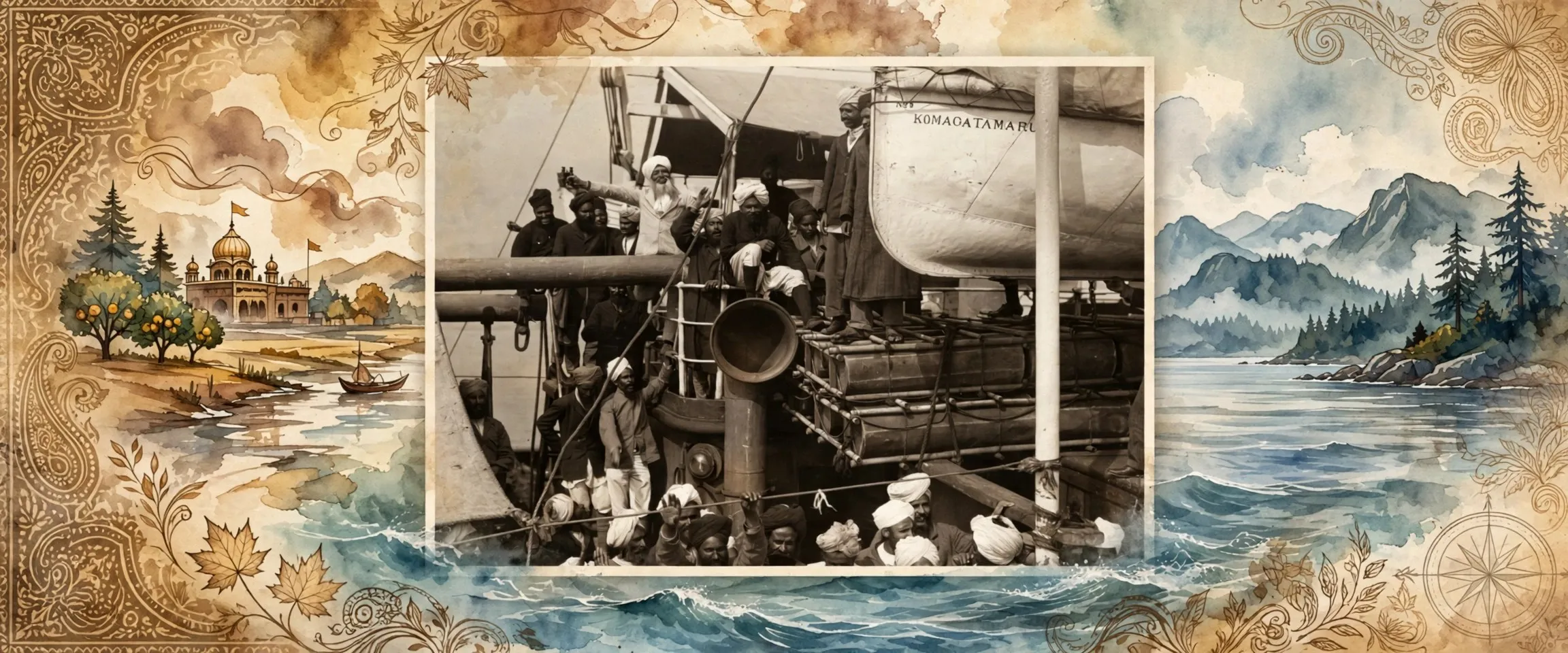
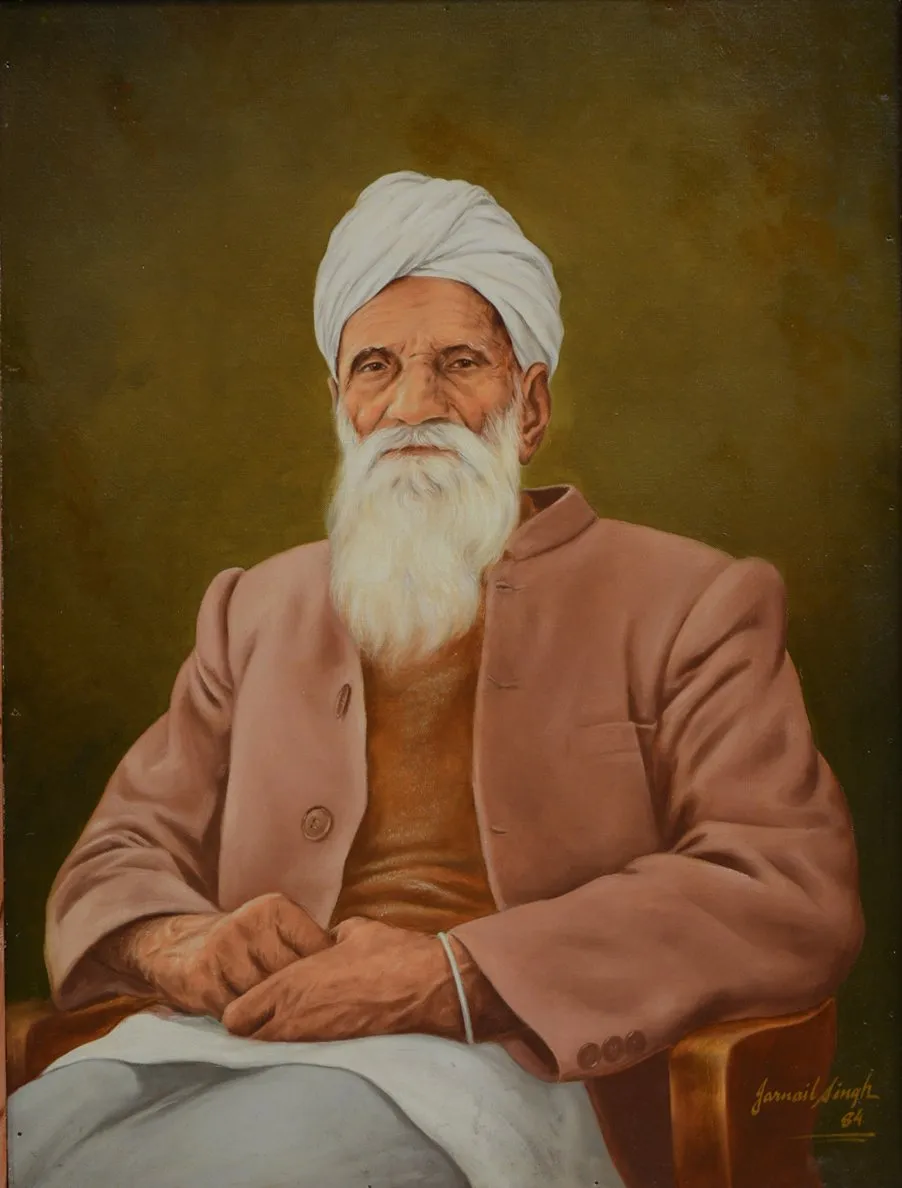
Baba Gurdit Singh (1860 to 1954) was a Sikh entrepreneur and nationalist from Sarhali Kalan in Punjab who organised the Komagata Maru voyage of 1914. He chartered a Japanese steamship to carry 376 Punjabi passengers to Vancouver, challenging Canada's rules for keeping Indian immigrants out, and spent five years in a British jail after surrendering in 1920.
- Punjabi name
- ਬਾਬਾ ਗੁਰਦਿੱਤ ਸਿੰਘ
- Born
- 1860, Sarhali Kalan, Punjab (year as given in Sikh reference works and the Vancouver archive record)
- Home village
- Sarhali Kalan
- District
- Tarn Taran (Amritsar district in his lifetime)
- Tehsil
- Tarn Taran
- Region
- Majha
All 12 facts
- Father
- Hukam Singh, contractor in Malaya
- Work
- Contractor in Singapore and Malaya, returned to Punjab in 1909
- Known for
- Chartering the Komagata Maru, 1914
- Passengers
- 376 Punjabis carried to Vancouver
- Prison
- Five years after surrendering at Nankana Sahib in 1920
- Died
- 24 July 1954, Amritsar
Baba Gurdit Singh (1860 to 1954) was a Sikh entrepreneur and nationalist from Sarhali Kalan in Punjab who organised the Komagata Maru voyage of 1914. He chartered a Japanese steamship to carry 376 Punjabi passengers to Vancouver, in a direct challenge to Canada's rules for keeping Indian immigrants out. The ship was turned back, and the voyage became one of the best known episodes in the history of Punjabi migration and of India's freedom struggle.
Early life in Sarhali
Gurdit Singh was born at Sarhali Kalan, a village then in Amritsar district and today in Tarn Taran district of Punjab. Sikh reference works and the Vancouver Public Library archive record give his life as 1860 to 1954, although some modern summaries give different years. His father, Hukam Singh, went to Malaya and settled there as a contractor. His grandfather, Rattan Singh, had been a high ranking officer in the Sikh Khalsa Army, had fought the British in the Anglo-Sikh Wars, and had refused a jagir, a grant of land, after the British annexed Punjab in 1849.
The boy received little schooling. Harsh treatment by a teacher drove him from school, and at about thirteen he taught himself enough, privately, to write letters to his father in Malaya. That pattern, little formal education and a practical education gained through work and travel, shaped the rest of his life: he would become a wealthy contractor abroad while keeping his home and his loyalties in his village.
Business in Malaya and the fight against begar
Gurdit Singh visited Malaya in about 1885 and, like his father, built a business in Singapore and Malaya as a contractor, becoming very successful. He returned to Punjab in 1909 a rich man. In 1911 he took up a village grievance that showed where his sympathies lay: begar, the practice by which officials forced poor villagers to work for them without pay. He wrote to the government complaining about it, received no answer, and then urged the people of his village to refuse the forced labour altogether.
Why did Gurdit Singh charter the Komagata Maru?
Gurdit Singh chartered the Komagata Maru to test Canada's continuous journey rule in practice. From 1908, Canada required immigrants to arrive by an unbroken journey from their own country, on tickets bought there, and required Asian arrivals to carry 200 dollars, a very large sum at the time. Because no shipping line sold a direct India to Canada passage, the rules worked as a quiet ban on Indian immigration while never naming Indians. In Hong Kong in late 1913 and early 1914, Gurdit Singh met Punjabi men who had waited months, some for years, for a ship that would take them across the Pacific, and regular lines refused them because they expected the passengers to be turned back. In November 1913 a Canadian judge had allowed the passengers of the Panama Maru to land and had found fault with the regulations, and that victory encouraged the attempt, even though Ottawa had rewritten the rules by January 1914.
He hired the Japanese steamship Komagata Maru through a German shipping agent in Hong Kong, after British agents would not help, and the passengers, mostly Sikhs, renamed her Guru Nanak Jahaz. The ship sailed from Hong Kong in April 1914 carrying 376 passengers, all of them Punjabis: at least 337 Sikhs, about 27 Muslims and about 12 Hindus, in the Canadian Encyclopedia's careful count, among them two wives and four children. Many had served in the British Indian army or in the police of Hong Kong, Shanghai and Singapore, and all were British subjects travelling inside their own empire.
Two months in Vancouver harbour
The ship reached Vancouver on 23 May 1914 and was not allowed to dock. For two months the passengers stayed on board in the harbour, short of food and water at times, while Vancouver's Indian community formed a Shore Committee to feed them and fight their case in court. Gurdit Singh, then in his mid fifties and the passengers' chief spokesman, argued that British subjects had the right to land in another part of the Empire. The courts upheld the exclusion rules, and only 24 passengers, men who could prove they had lived in Canada before, were allowed to land. In July 1914 the ship was escorted out of Canadian waters by a naval vessel and began the long journey back.
Budge Budge, prison and later life
The return ended in violence. The ship reached the Calcutta area on 29 September 1914 and was taken to Budge Budge, where the passengers were ordered onto a special train to Punjab. They refused to board, and in the clash that followed the police opened fire: around twenty passengers were killed, and many more were arrested. Gurdit Singh, one of the men the British most wanted, escaped and lived underground for years. In 1920, on the advice of Mahatma Gandhi, he surrendered voluntarily at Nankana Sahib and was imprisoned for five years. In later life he settled in Calcutta for a time, and in 1937 he stood for the Punjab Legislative Assembly, losing to Pratap Singh Kairon, a future chief minister of Punjab. He died on 24 July 1954 in Amritsar and was cremated at his home village of Sarhali Kalan, leaving one son, Balwant Singh.
Legacy
The Komagata Maru voyage failed in its immediate aim, and it changed minds on three continents. In Canada it exposed immigration law designed to keep a country white, and in 2016 the Canadian prime minister delivered a formal apology for the incident in the House of Commons. In India the passengers' treatment, British subjects turned away from one part of the Empire and shot at in another, pushed many towards the Ghadar movement and the wider freedom struggle: Gurdit Singh had publicly supported the Ghadar cause in Hong Kong in January 1914, before the ship even sailed. His own account was later published as Voyage of Komagata Maru, or, India's Slavery Abroad. In 2025 the Punjabi film Guru Nanak Jahaz retold the story on screen, with Gurpreet Ghuggi playing Baba Gurdit Singh, bringing the Sarhali contractor who challenged an empire's colour bar to a new generation of Punjabi viewers.
ਬਾਬਾ ਗੁਰਦਿੱਤ ਸਿੰਘ (1860 ਤੋਂ 1954) ਪੰਜਾਬ ਦੇ ਸਰਹਾਲੀ ਕਲਾਂ ਤੋਂ ਸਿੱਖ ਕਾਰੋਬਾਰੀ ਅਤੇ ਰਾਸ਼ਟਰਵਾਦੀ ਸਨ, ਜਿਨ੍ਹਾਂ ਨੇ 1914 ਦੀ ਕਾਮਾਗਾਟਾ ਮਾਰੂ ਯਾਤਰਾ ਦਾ ਪ੍ਰਬੰਧ ਕੀਤਾ। ਉਨ੍ਹਾਂ ਨੇ 376 ਪੰਜਾਬੀ ਯਾਤਰੀਆਂ ਨੂੰ ਵੈਨਕੂਵਰ ਲੈ ਜਾਣ ਲਈ ਜਾਪਾਨੀ ਭਾਫ਼ ਵਾਲਾ ਜਹਾਜ਼ ਕਿਰਾਏ ਉੱਤੇ ਲਿਆ, ਜੋ ਭਾਰਤੀ ਪਰਵਾਸੀਆਂ ਨੂੰ ਬਾਹਰ ਰੱਖਣ ਵਾਲੇ ਕੈਨੇਡਾ ਦੇ ਨਿਯਮਾਂ ਲਈ ਸਿੱਧੀ ਚੁਣੌਤੀ ਸੀ। ਜਹਾਜ਼ ਨੂੰ ਵਾਪਸ ਮੋੜ ਦਿੱਤਾ ਗਿਆ, ਅਤੇ ਇਹ ਯਾਤਰਾ ਪੰਜਾਬੀ ਪਰਵਾਸ ਅਤੇ ਭਾਰਤ ਦੀ ਆਜ਼ਾਦੀ ਦੀ ਲੜਾਈ ਦੇ ਇਤਿਹਾਸ ਦੇ ਸਭ ਤੋਂ ਜਾਣੇ ਪਛਾਣੇ ਘਟਨਾਕ੍ਰਮਾਂ ਵਿੱਚੋਂ ਇੱਕ ਬਣ ਗਈ।
ਸਰਹਾਲੀ ਵਿੱਚ ਸ਼ੁਰੂਆਤੀ ਜੀਵਨ
ਗੁਰਦਿੱਤ ਸਿੰਘ ਦਾ ਜਨਮ ਸਰਹਾਲੀ ਕਲਾਂ ਵਿੱਚ ਹੋਇਆ, ਜੋ ਉਸ ਸਮੇਂ ਅੰਮ੍ਰਿਤਸਰ ਜ਼ਿਲ੍ਹੇ ਦਾ ਅਤੇ ਅੱਜ ਤਰਨ ਤਾਰਨ ਜ਼ਿਲ੍ਹੇ ਦਾ ਪਿੰਡ ਹੈ। ਸਿੱਖ ਹਵਾਲਾ ਗ੍ਰੰਥ ਅਤੇ ਵੈਨਕੂਵਰ ਪਬਲਿਕ ਲਾਇਬ੍ਰੇਰੀ ਦਾ ਰਿਕਾਰਡ ਉਨ੍ਹਾਂ ਦਾ ਜੀਵਨ 1860 ਤੋਂ 1954 ਦੱਸਦੇ ਹਨ, ਹਾਲਾਂਕਿ ਕੁਝ ਆਧੁਨਿਕ ਸਾਰ ਵੱਖ ਸਾਲ ਦਿੰਦੇ ਹਨ। ਉਨ੍ਹਾਂ ਦੇ ਪਿਤਾ ਹੁਕਮ ਸਿੰਘ ਮਲਾਇਆ ਗਏ ਅਤੇ ਉੱਥੇ ਠੇਕੇਦਾਰ ਵਜੋਂ ਵੱਸ ਗਏ। ਉਨ੍ਹਾਂ ਦੇ ਦਾਦਾ ਰਤਨ ਸਿੰਘ ਸਿੱਖ ਖਾਲਸਾ ਫੌਜ ਦੇ ਉੱਚ ਅਧਿਕਾਰੀ ਰਹੇ ਸਨ, ਅੰਗਰੇਜ਼ਾਂ ਵਿਰੁੱਧ ਐਂਗਲੋ ਸਿੱਖ ਜੰਗਾਂ ਵਿੱਚ ਲੜੇ ਸਨ, ਅਤੇ 1849 ਵਿੱਚ ਪੰਜਾਬ ਦੇ ਬਰਤਾਨਵੀ ਰਾਜ ਵਿੱਚ ਮਿਲਾਏ ਜਾਣ ਤੋਂ ਬਾਅਦ ਜਾਗੀਰ ਲੈਣ ਤੋਂ ਇਨਕਾਰ ਕਰ ਦਿੱਤਾ ਸੀ।
ਮੁੰਡੇ ਨੂੰ ਸਕੂਲੀ ਪੜ੍ਹਾਈ ਬਹੁਤ ਘੱਟ ਮਿਲੀ। ਅਧਿਆਪਕ ਦੇ ਸਖ਼ਤ ਵਤੀਰੇ ਨੇ ਉਨ੍ਹਾਂ ਨੂੰ ਸਕੂਲ ਛੱਡਣ ਉੱਤੇ ਮਜਬੂਰ ਕੀਤਾ, ਅਤੇ ਲਗਭਗ ਤੇਰ੍ਹਾਂ ਸਾਲ ਦੀ ਉਮਰ ਵਿੱਚ ਉਨ੍ਹਾਂ ਨੇ ਆਪਣੇ ਯਤਨਾਂ ਨਾਲ ਐਨੀ ਪੜ੍ਹਾਈ ਕਰ ਲਈ ਕਿ ਮਲਾਇਆ ਵਿੱਚ ਆਪਣੇ ਪਿਤਾ ਨੂੰ ਚਿੱਠੀਆਂ ਲਿਖ ਸਕਣ। ਇਹੀ ਢੰਗ, ਘੱਟ ਰਸਮੀ ਪੜ੍ਹਾਈ ਅਤੇ ਕੰਮ ਤੇ ਸਫ਼ਰ ਤੋਂ ਮਿਲੀ ਅਮਲੀ ਸਿੱਖਿਆ, ਉਨ੍ਹਾਂ ਦੇ ਬਾਕੀ ਜੀਵਨ ਦੀ ਬੁਨਿਆਦ ਬਣਿਆ: ਉਹ ਵਿਦੇਸ਼ ਵਿੱਚ ਅਮੀਰ ਠੇਕੇਦਾਰ ਬਣੇ, ਪਰ ਘਰ ਅਤੇ ਵਫ਼ਾਦਾਰੀ ਆਪਣੇ ਪਿੰਡ ਵਿੱਚ ਹੀ ਰੱਖੀ।
ਮਲਾਇਆ ਵਿੱਚ ਕਾਰੋਬਾਰ ਅਤੇ ਬੇਗਾਰ ਵਿਰੁੱਧ ਲੜਾਈ
ਗੁਰਦਿੱਤ ਸਿੰਘ ਲਗਭਗ 1885 ਵਿੱਚ ਮਲਾਇਆ ਗਏ ਅਤੇ ਪਿਤਾ ਵਾਂਗ ਸਿੰਗਾਪੁਰ ਅਤੇ ਮਲਾਇਆ ਵਿੱਚ ਠੇਕੇਦਾਰ ਵਜੋਂ ਕਾਰੋਬਾਰ ਖੜਾ ਕੀਤਾ ਅਤੇ ਬਹੁਤ ਕਾਮਯਾਬ ਹੋਏ। 1909 ਵਿੱਚ ਉਹ ਅਮੀਰ ਬਣ ਕੇ ਪੰਜਾਬ ਪਰਤੇ। 1911 ਵਿੱਚ ਉਨ੍ਹਾਂ ਨੇ ਪਿੰਡ ਦੀ ਉਹ ਸ਼ਿਕਾਇਤ ਚੁੱਕੀ ਜਿਸ ਤੋਂ ਉਨ੍ਹਾਂ ਦੀ ਹਮਦਰਦੀ ਸਪੱਸ਼ਟ ਹੁੰਦੀ ਹੈ: ਬੇਗਾਰ, ਉਹ ਪ੍ਰਥਾ ਜਿਸ ਨਾਲ ਅਧਿਕਾਰੀ ਗਰੀਬ ਪਿੰਡ ਵਾਸੀਆਂ ਤੋਂ ਬਿਨਾਂ ਮਜ਼ਦੂਰੀ ਕੰਮ ਕਰਵਾਉਂਦੇ ਸਨ। ਉਨ੍ਹਾਂ ਨੇ ਸਰਕਾਰ ਨੂੰ ਇਸ ਬਾਰੇ ਲਿਖਿਆ, ਕੋਈ ਜਵਾਬ ਨਾ ਮਿਲਿਆ, ਅਤੇ ਫਿਰ ਆਪਣੇ ਪਿੰਡ ਦੇ ਲੋਕਾਂ ਨੂੰ ਇਸ ਜ਼ਬਰੀ ਮਜ਼ਦੂਰੀ ਤੋਂ ਇਨਕਾਰ ਕਰਨ ਲਈ ਕਿਹਾ।
ਗੁਰਦਿੱਤ ਸਿੰਘ ਨੇ ਕਾਮਾਗਾਟਾ ਮਾਰੂ ਕਿਉਂ ਕਿਰਾਏ ਉੱਤੇ ਲਿਆ?
ਗੁਰਦਿੱਤ ਸਿੰਘ ਨੇ ਕਾਮਾਗਾਟਾ ਮਾਰੂ ਇਸ ਲਈ ਕਿਰਾਏ ਉੱਤੇ ਲਿਆ ਕਿ ਕੈਨੇਡਾ ਦੇ ਲਗਾਤਾਰ ਸਫ਼ਰ ਵਾਲੇ ਨਿਯਮ ਨੂੰ ਅਮਲ ਵਿੱਚ ਪਰਖਿਆ ਜਾ ਸਕੇ। 1908 ਤੋਂ ਕੈਨੇਡਾ ਇਹ ਸ਼ਰਤ ਰੱਖਦਾ ਸੀ ਕਿ ਪਰਵਾਸੀ ਆਪਣੇ ਦੇਸ਼ ਤੋਂ ਬਿਨਾਂ ਰੁਕੇ ਸਫ਼ਰ ਵਿੱਚ ਆਉਣ, ਟਿਕਟਾਂ ਵੀ ਉੱਥੋਂ ਹੀ ਖਰੀਦੀਆਂ ਹੋਣ, ਅਤੇ ਏਸ਼ੀਆ ਤੋਂ ਆਉਣ ਵਾਲਿਆਂ ਕੋਲ 200 ਡਾਲਰ ਹੋਣ, ਜੋ ਉਸ ਸਮੇਂ ਬਹੁਤ ਵੱਡੀ ਰਕਮ ਸੀ। ਕਿਉਂਕਿ ਕੋਈ ਜਹਾਜ਼ ਕੰਪਨੀ ਭਾਰਤ ਤੋਂ ਕੈਨੇਡਾ ਦਾ ਸਿੱਧਾ ਟਿਕਟ ਨਹੀਂ ਵੇਚਦੀ ਸੀ, ਇਹ ਨਿਯਮ ਭਾਰਤੀਆਂ ਦਾ ਨਾਂ ਲਏ ਬਿਨਾਂ ਭਾਰਤੀ ਪਰਵਾਸ ਉੱਤੇ ਚੁੱਪ ਪਾਬੰਦੀ ਵਾਂਗ ਕੰਮ ਕਰਦੇ ਸਨ। 1913 ਦੇ ਅਖੀਰ ਅਤੇ 1914 ਦੇ ਸ਼ੁਰੂ ਵਿੱਚ ਹਾਂਗਕਾਂਗ ਵਿੱਚ ਗੁਰਦਿੱਤ ਸਿੰਘ ਨੂੰ ਉਹ ਪੰਜਾਬੀ ਮਿਲੇ ਜੋ ਮਹੀਨਿਆਂ ਤੋਂ, ਕੁਝ ਸਾਲਾਂ ਤੋਂ, ਪ੍ਰਸ਼ਾਂਤ ਮਹਾਂਸਾਗਰ ਪਾਰ ਕਰਨ ਵਾਲੇ ਜਹਾਜ਼ ਦੀ ਉਡੀਕ ਵਿੱਚ ਸਨ, ਅਤੇ ਆਮ ਕੰਪਨੀਆਂ ਉਨ੍ਹਾਂ ਨੂੰ ਇਸ ਲਈ ਇਨਕਾਰ ਕਰਦੀਆਂ ਸਨ ਕਿ ਯਾਤਰੀਆਂ ਨੂੰ ਵਾਪਸ ਮੋੜੇ ਜਾਣ ਦਾ ਡਰ ਸੀ। ਨਵੰਬਰ 1913 ਵਿੱਚ ਕੈਨੇਡਾ ਦੇ ਇੱਕ ਜੱਜ ਨੇ ਪਨਾਮਾ ਮਾਰੂ ਦੇ ਯਾਤਰੀਆਂ ਨੂੰ ਉਤਰਨ ਦਿੱਤਾ ਸੀ ਅਤੇ ਨਿਯਮਾਂ ਵਿੱਚ ਕਮੀਆਂ ਕੱਢੀਆਂ ਸਨ, ਅਤੇ ਉਸ ਜਿੱਤ ਨੇ ਇਸ ਕੋਸ਼ਿਸ਼ ਨੂੰ ਹੌਸਲਾ ਦਿੱਤਾ, ਹਾਲਾਂਕਿ ਜਨਵਰੀ 1914 ਤੱਕ ਓਟਾਵਾ ਨਿਯਮ ਮੁੜ ਲਿਖ ਚੁੱਕਾ ਸੀ।
ਉਨ੍ਹਾਂ ਨੇ ਹਾਂਗਕਾਂਗ ਵਿੱਚ ਜਰਮਨ ਜਹਾਜ਼ ਏਜੰਟ ਰਾਹੀਂ ਜਾਪਾਨੀ ਜਹਾਜ਼ ਕਾਮਾਗਾਟਾ ਮਾਰੂ ਕਿਰਾਏ ਉੱਤੇ ਲਿਆ, ਕਿਉਂਕਿ ਬਰਤਾਨਵੀ ਏਜੰਟਾਂ ਨੇ ਮਦਦ ਤੋਂ ਇਨਕਾਰ ਕਰ ਦਿੱਤਾ ਸੀ, ਅਤੇ ਯਾਤਰੀਆਂ ਨੇ, ਜਿਨ੍ਹਾਂ ਵਿੱਚ ਬਹੁਤੇ ਸਿੱਖ ਸਨ, ਜਹਾਜ਼ ਦਾ ਨਾਂ ਗੁਰੂ ਨਾਨਕ ਜਹਾਜ਼ ਰੱਖਿਆ। ਜਹਾਜ਼ ਅਪ੍ਰੈਲ 1914 ਵਿੱਚ ਹਾਂਗਕਾਂਗ ਤੋਂ 376 ਯਾਤਰੀਆਂ ਨਾਲ ਚੱਲਿਆ, ਸਾਰੇ ਪੰਜਾਬੀ: ਕੈਨੇਡੀਅਨ ਐਨਸਾਈਕਲੋਪੀਡੀਆ ਦੀ ਸਾਵਧਾਨ ਗਿਣਤੀ ਅਨੁਸਾਰ ਘੱਟੋ ਘੱਟ 337 ਸਿੱਖ, ਲਗਭਗ 27 ਮੁਸਲਮਾਨ ਅਤੇ ਲਗਭਗ 12 ਹਿੰਦੂ, ਜਿਨ੍ਹਾਂ ਵਿੱਚ ਦੋ ਪਤਨੀਆਂ ਅਤੇ ਚਾਰ ਬੱਚੇ ਵੀ ਸਨ। ਬਹੁਤੇ ਬਰਤਾਨਵੀ ਭਾਰਤੀ ਫੌਜ ਵਿੱਚ ਜਾਂ ਹਾਂਗਕਾਂਗ, ਸ਼ੰਘਾਈ ਅਤੇ ਸਿੰਗਾਪੁਰ ਦੀ ਪੁਲਿਸ ਵਿੱਚ ਸੇਵਾ ਕਰ ਚੁੱਕੇ ਸਨ, ਅਤੇ ਸਾਰੇ ਆਪਣੇ ਹੀ ਸਾਮਰਾਜ ਵਿੱਚ ਸਫ਼ਰ ਕਰਨ ਵਾਲੇ ਬਰਤਾਨਵੀ ਨਾਗਰਿਕ ਸਨ।
ਵੈਨਕੂਵਰ ਬੰਦਰਗਾਹ ਵਿੱਚ ਦੋ ਮਹੀਨੇ
ਜਹਾਜ਼ 23 ਮਈ 1914 ਨੂੰ ਵੈਨਕੂਵਰ ਪਹੁੰਚਿਆ ਅਤੇ ਉਸ ਨੂੰ ਕਿਨਾਰੇ ਲੱਗਣ ਨਹੀਂ ਦਿੱਤਾ ਗਿਆ। ਦੋ ਮਹੀਨੇ ਯਾਤਰੀ ਬੰਦਰਗਾਹ ਵਿੱਚ ਜਹਾਜ਼ ਉੱਤੇ ਹੀ ਰਹੇ, ਕਈ ਵਾਰ ਖਾਣ ਪੀਣ ਦੀ ਘਾਟ ਵਿੱਚ, ਜਦੋਂ ਵੈਨਕੂਵਰ ਦੇ ਭਾਰਤੀ ਭਾਈਚਾਰੇ ਨੇ ਕੰਢਾ ਕਮੇਟੀ ਬਣਾ ਕੇ ਉਨ੍ਹਾਂ ਨੂੰ ਭੋਜਨ ਪਹੁੰਚਾਇਆ ਅਤੇ ਅਦਾਲਤ ਵਿੱਚ ਉਨ੍ਹਾਂ ਦਾ ਕੇਸ ਲੜਿਆ। ਉਸ ਸਮੇਂ ਪੰਜਾਹਾਂ ਦੇ ਅੱਧ ਵਿੱਚ ਚੱਲ ਰਹੇ ਗੁਰਦਿੱਤ ਸਿੰਘ ਯਾਤਰੀਆਂ ਦੇ ਮੁੱਖ ਬੁਲਾਰੇ ਸਨ ਅਤੇ ਉਨ੍ਹਾਂ ਦਾ ਤਰਕ ਸੀ ਕਿ ਬਰਤਾਨਵੀ ਨਾਗਰਿਕਾਂ ਨੂੰ ਸਾਮਰਾਜ ਦੇ ਕਿਸੇ ਹੋਰ ਹਿੱਸੇ ਵਿੱਚ ਉਤਰਨ ਦਾ ਹੱਕ ਹੈ। ਅਦਾਲਤਾਂ ਨੇ ਬਾਹਰ ਰੱਖਣ ਵਾਲੇ ਨਿਯਮ ਕਾਇਮ ਰੱਖੇ, ਅਤੇ ਸਿਰਫ਼ 24 ਯਾਤਰੀ, ਜੋ ਪਹਿਲਾਂ ਕੈਨੇਡਾ ਵਿੱਚ ਰਹਿ ਚੁੱਕੇ ਹੋਣਾ ਸਾਬਤ ਕਰ ਸਕੇ, ਉਤਰਨ ਦਿੱਤੇ ਗਏ। ਜੁਲਾਈ 1914 ਵਿੱਚ ਜਲ ਸੈਨਾ ਦੇ ਜਹਾਜ਼ ਦੀ ਨਿਗਰਾਨੀ ਹੇਠ ਜਹਾਜ਼ ਨੂੰ ਕੈਨੇਡਾ ਦੇ ਪਾਣੀਆਂ ਤੋਂ ਬਾਹਰ ਕੱਢਿਆ ਗਿਆ ਅਤੇ ਲੰਬਾ ਵਾਪਸੀ ਸਫ਼ਰ ਸ਼ੁਰੂ ਹੋਇਆ।
ਬਜਬਜ, ਕੈਦ ਅਤੇ ਬਾਅਦ ਦਾ ਜੀਵਨ
ਵਾਪਸੀ ਦਾ ਅੰਤ ਹਿੰਸਾ ਵਿੱਚ ਹੋਇਆ। ਜਹਾਜ਼ 29 ਸਤੰਬਰ 1914 ਨੂੰ ਕਲਕੱਤਾ ਇਲਾਕੇ ਵਿੱਚ ਪਹੁੰਚਿਆ ਅਤੇ ਬਜਬਜ ਲਿਜਾਇਆ ਗਿਆ, ਜਿੱਥੇ ਯਾਤਰੀਆਂ ਨੂੰ ਪੰਜਾਬ ਜਾਣ ਵਾਲੀ ਖਾਸ ਰੇਲ ਵਿੱਚ ਚੜ੍ਹਨ ਦਾ ਹੁਕਮ ਦਿੱਤਾ ਗਿਆ। ਉਨ੍ਹਾਂ ਨੇ ਚੜ੍ਹਨ ਤੋਂ ਇਨਕਾਰ ਕੀਤਾ, ਅਤੇ ਹੋਈ ਝੜਪ ਵਿੱਚ ਪੁਲਿਸ ਨੇ ਗੋਲੀ ਚਲਾਈ: ਲਗਭਗ ਵੀਹ ਯਾਤਰੀ ਮਾਰੇ ਗਏ ਅਤੇ ਬਹੁਤ ਸਾਰੇ ਗ੍ਰਿਫ਼ਤਾਰ ਕੀਤੇ ਗਏ। ਗੁਰਦਿੱਤ ਸਿੰਘ, ਜਿਨ੍ਹਾਂ ਨੂੰ ਅੰਗਰੇਜ਼ ਸਭ ਤੋਂ ਵੱਧ ਫੜਨਾ ਚਾਹੁੰਦੇ ਸਨ, ਬਚ ਨਿਕਲੇ ਅਤੇ ਸਾਲਾਂ ਤੱਕ ਲੁਕ ਕੇ ਰਹੇ। 1920 ਵਿੱਚ ਮਹਾਤਮਾ ਗਾਂਧੀ ਦੀ ਸਲਾਹ ਉੱਤੇ ਉਨ੍ਹਾਂ ਨੇ ਨਨਕਾਣਾ ਸਾਹਿਬ ਵਿਖੇ ਆਪਣੇ ਆਪ ਨੂੰ ਪੇਸ਼ ਕੀਤਾ ਅਤੇ ਉਨ੍ਹਾਂ ਨੂੰ ਪੰਜ ਸਾਲ ਦੀ ਕੈਦ ਹੋਈ। ਬਾਅਦ ਦੇ ਜੀਵਨ ਵਿੱਚ ਉਹ ਕੁਝ ਸਮਾਂ ਕਲਕੱਤਾ ਰਹੇ, ਅਤੇ 1937 ਵਿੱਚ ਉਹ ਪੰਜਾਬ ਵਿਧਾਨ ਸਭਾ ਲਈ ਖੜ੍ਹੇ ਹੋਏ, ਪਰ ਪੰਜਾਬ ਦੇ ਭਵਿੱਖ ਦੇ ਮੁੱਖ ਮੰਤਰੀ ਪ੍ਰਤਾਪ ਸਿੰਘ ਕੈਰੋਂ ਤੋਂ ਹਾਰ ਗਏ। ਉਨ੍ਹਾਂ ਦੀ ਮੌਤ 24 ਜੁਲਾਈ 1954 ਨੂੰ ਅੰਮ੍ਰਿਤਸਰ ਵਿੱਚ ਹੋਈ ਅਤੇ ਸੰਸਕਾਰ ਉਨ੍ਹਾਂ ਦੇ ਘਰ ਦੇ ਪਿੰਡ ਸਰਹਾਲੀ ਕਲਾਂ ਵਿੱਚ ਹੋਇਆ। ਉਨ੍ਹਾਂ ਦੇ ਪਿੱਛੇ ਇੱਕ ਪੁੱਤਰ ਬਲਵੰਤ ਸਿੰਘ ਰਹਿ ਗਿਆ।
ਵਿਰਾਸਤ
ਕਾਮਾਗਾਟਾ ਮਾਰੂ ਯਾਤਰਾ ਆਪਣੇ ਤੁਰੰਤ ਮਕਸਦ ਵਿੱਚ ਅਸਫਲ ਰਹੀ, ਅਤੇ ਉਸ ਨੇ ਤਿੰਨ ਮਹਾਂਦੀਪਾਂ ਵਿੱਚ ਮਨ ਬਦਲ ਦਿੱਤੇ। ਕੈਨੇਡਾ ਵਿੱਚ ਉਸ ਨੇ ਉਹ ਪਰਵਾਸ ਕਾਨੂੰਨ ਨੰਗਾ ਕੀਤਾ ਜੋ ਦੇਸ਼ ਨੂੰ ਗੋਰਿਆਂ ਦਾ ਦੇਸ਼ ਰੱਖਣ ਲਈ ਬਣਿਆ ਸੀ, ਅਤੇ 2016 ਵਿੱਚ ਕੈਨੇਡਾ ਦੇ ਪ੍ਰਧਾਨ ਮੰਤਰੀ ਨੇ ਹਾਊਸ ਆਫ ਕਾਮਨਜ਼ ਵਿੱਚ ਇਸ ਘਟਨਾ ਲਈ ਰਸਮੀ ਮੁਆਫ਼ੀ ਮੰਗੀ। ਭਾਰਤ ਵਿੱਚ ਯਾਤਰੀਆਂ ਨਾਲ ਹੋਇਆ ਵਤੀਰਾ, ਸਾਮਰਾਜ ਦੇ ਇੱਕ ਹਿੱਸੇ ਤੋਂ ਮੋੜੇ ਗਏ ਅਤੇ ਦੂਜੇ ਵਿੱਚ ਗੋਲੀਆਂ ਖਾਣ ਵਾਲੇ ਬਰਤਾਨਵੀ ਨਾਗਰਿਕ, ਬਹੁਤਿਆਂ ਨੂੰ ਗ਼ਦਰ ਲਹਿਰ ਅਤੇ ਵਿਸ਼ਾਲ ਆਜ਼ਾਦੀ ਸੰਘਰਸ਼ ਵੱਲ ਲੈ ਗਿਆ: ਗੁਰਦਿੱਤ ਸਿੰਘ ਜਹਾਜ਼ ਚੱਲਣ ਤੋਂ ਪਹਿਲਾਂ ਹੀ ਜਨਵਰੀ 1914 ਵਿੱਚ ਹਾਂਗਕਾਂਗ ਵਿੱਚ ਗ਼ਦਰ ਦੇ ਪੱਖ ਦਾ ਖੁੱਲ੍ਹ ਕੇ ਐਲਾਨ ਕਰ ਚੁੱਕੇ ਸਨ। ਉਨ੍ਹਾਂ ਦਾ ਆਪਣਾ ਬਿਓਰਾ ਬਾਅਦ ਵਿੱਚ ਵੋਏਜ ਆਫ ਕਾਮਾਗਾਟਾ ਮਾਰੂ, ਔਰ, ਇੰਡੀਆਜ਼ ਸਲੇਵਰੀ ਅਬਰੌਡ ਨਾਂ ਹੇਠ ਛਪਿਆ। 2025 ਵਿੱਚ ਪੰਜਾਬੀ ਫ਼ਿਲਮ ਗੁਰੂ ਨਾਨਕ ਜਹਾਜ਼ ਨੇ ਇਹ ਕਹਾਣੀ ਪਰਦੇ ਉੱਤੇ ਮੁੜ ਦੱਸੀ, ਜਿਸ ਵਿੱਚ ਗੁਰਪ੍ਰੀਤ ਘੁੱਗੀ ਨੇ ਬਾਬਾ ਗੁਰਦਿੱਤ ਸਿੰਘ ਦਾ ਕਿਰਦਾਰ ਨਿਭਾਇਆ, ਅਤੇ ਸਾਮਰਾਜ ਦੇ ਰੰਗ ਭੇਦ ਨੂੰ ਚੁਣੌਤੀ ਦੇਣ ਵਾਲਾ ਸਰਹਾਲੀ ਦਾ ਠੇਕੇਦਾਰ ਪੰਜਾਬੀ ਦਰਸ਼ਕਾਂ ਦੀ ਨਵੀਂ ਪੀੜ੍ਹੀ ਤੱਕ ਪਹੁੰਚਿਆ।
People

Places


More freedom struggle
See all


Sources (5)
Jugti is free and independent. Reader support keeps the Kosh growing.
Support