
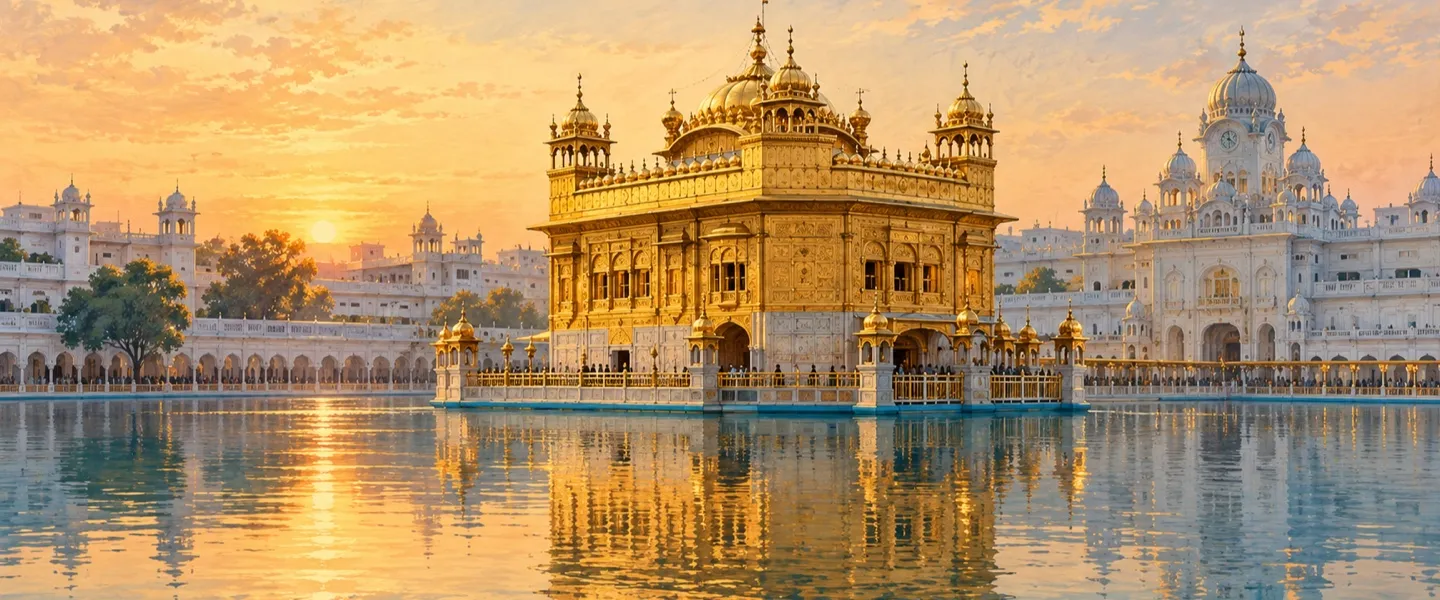
Amritsar is the holy city of the Sikhs in the Majha region of Punjab, India, founded in 1577 by Guru Ram Das around the Amrit Sarovar, the pool of nectar. It is home to Sri Harmandir Sahib, the Golden Temple, had a population of 1,132,383 in the 2011 census, and stands about 28 kilometres from the Attari and Wagah border with Pakistan.
History at a glance
- 1577Guru Ram Das founds the city around a natural pool.
- 1604The Adi Granth is installed in Harmandir Sahib.
- 1606Guru Hargobind establishes the Akal Takht.
- 1919The Jallianwala Bagh massacre, 13 April.
- 1947Partition puts the border about 28 km west of the city.
- 1969Guru Nanak Dev University is founded.
- Punjabi name
- ਅੰਮ੍ਰਿਤਸਰ
- Type
- City
- District
- Amritsar
- Region
- Majha, Punjab, India
- Founded
- 1577, by Guru Ram Das
- Population
- 1,132,383 (2011 census)
All 13 facts
- Also called
- Ambarsar, Ramdaspur, Guru Nagari
- Language
- Punjabi
- Nearest large city
- Lahore, Pakistan, about 47 km southwest
- Border
- Attari and Wagah, about 28 km west
- Known for
- Sri Harmandir Sahib (Golden Temple); Jallianwala Bagh; Partition Museum; Amritsari kulcha
- Airport
- Sri Guru Ram Dass Jee International Airport (ATQ), about 11 km northwest
- Coordinates
- 31.634 N, 74.872 E
Amritsar is the holy city of the Sikhs and the second largest city in Indian Punjab, home to Sri Harmandir Sahib, the Golden Temple. Founded by Guru Ram Das in 1577 around a sacred pool, it is a city of pilgrimage, trade and memory, standing about 28 kilometres from the border with Pakistan.
Where is Amritsar?
Amritsar is in the Majha region of Punjab in northern India, and it is the headquarters of Amritsar district. It lies about 217 kilometres northwest of Chandigarh, the state capital, and about 455 kilometres northwest of New Delhi. Lahore, in Pakistani Punjab, is about 47 kilometres to the southwest, and the India and Pakistan border at Attari and Wagah is about 28 kilometres west of the city.
The city stands on the flat plains between the Ravi and Beas rivers, at about 31.63 degrees north and 74.87 degrees east. Its old walled core, with its narrow lanes, katras and bazaars, grew up around the Golden Temple, while the modern city spreads outward along the Grand Trunk Road and the roads to Jalandhar, Pathankot and the airport at Raja Sansi.
Why is Amritsar famous?
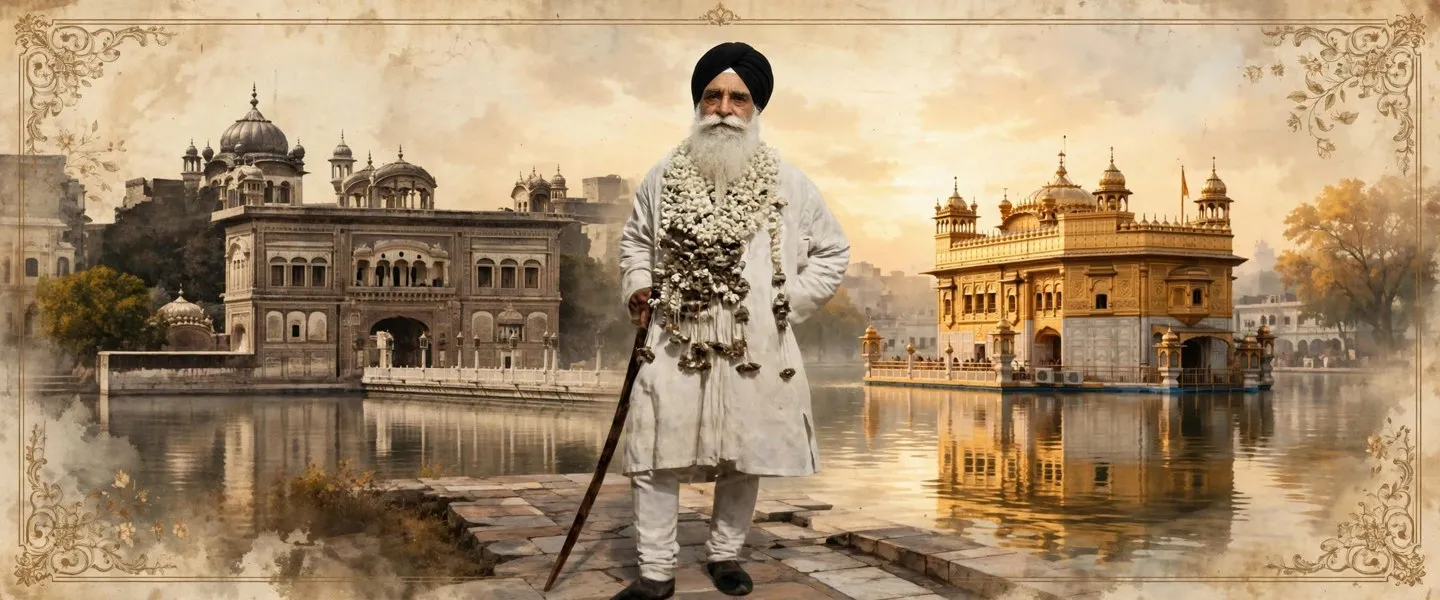
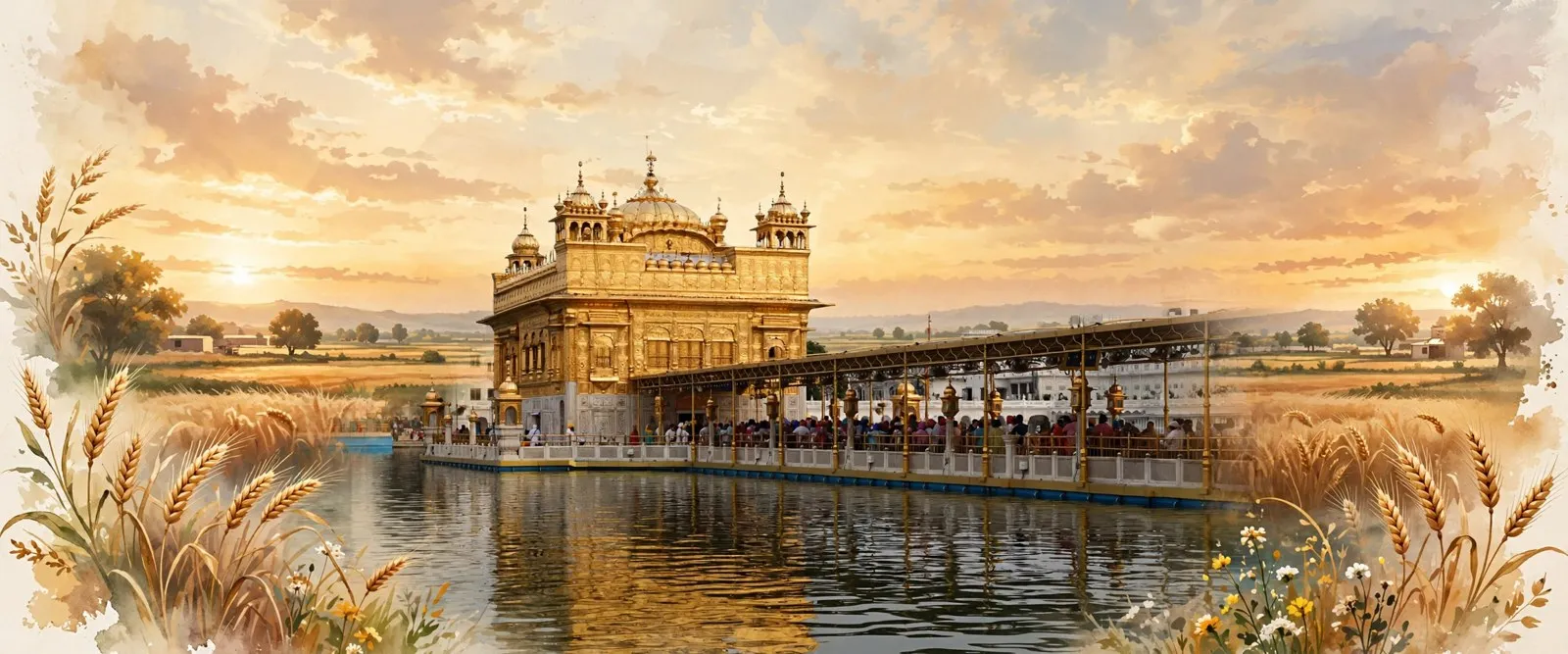
Amritsar is famous above all for Sri Harmandir Sahib, known in English as the Golden Temple, the most revered shrine in Sikhism. The gurdwara stands in the middle of the Amrit Sarovar, the pool of nectar that gives the city its name, and it is open on all four sides, a sign that people of every background are welcome. Well over one hundred thousand visitors come on a typical day, and the Guru ka Langar, the community kitchen, serves a free vegetarian meal to tens of thousands of them, without distinction of faith, caste or wealth.
The city is also known for Jallianwala Bagh, where British troops fired on a peaceful crowd in 1919, for the Partition Museum, for its border ceremony at Attari and Wagah, and for a food culture built around the Amritsari kulcha, lassi and the old dhabas of the walled city. For Punjabis on both sides of the 1947 border, and for the diaspora worldwide, Amritsar is simply Guru Nagari, the city of the Guru.
ਅੰਮ੍ਰਿਤਸਰ ਸਿੱਖਾਂ ਦਾ ਪਵਿੱਤਰ ਸ਼ਹਿਰ ਹੈ ਅਤੇ ਭਾਰਤੀ ਪੰਜਾਬ ਦਾ ਦੂਜਾ ਸਭ ਤੋਂ ਵੱਡਾ ਸ਼ਹਿਰ ਹੈ। ਇੱਥੇ ਸ੍ਰੀ ਹਰਿਮੰਦਰ ਸਾਹਿਬ ਹੈ, ਜਿਸਨੂੰ ਸੁਨਹਿਰੀ ਮੰਦਰ ਕਿਹਾ ਜਾਂਦਾ ਹੈ। ਗੁਰੂ ਰਾਮ ਦਾਸ ਜੀ ਨੇ 1577 ਵਿੱਚ ਇੱਕ ਪਵਿੱਤਰ ਸਰੋਵਰ ਦੇ ਆਲੇ ਦੁਆਲੇ ਇਸ ਸ਼ਹਿਰ ਦੀ ਨੀਂਹ ਰੱਖੀ ਸੀ। ਇਹ ਤੀਰਥ, ਵਪਾਰ ਅਤੇ ਯਾਦਾਂ ਦਾ ਸ਼ਹਿਰ ਹੈ, ਜੋ ਪਾਕਿਸਤਾਨ ਨਾਲ ਲੱਗਦੀ ਸਰਹੱਦ ਤੋਂ ਲਗਭਗ 28 ਕਿਲੋਮੀਟਰ ਦੂਰ ਹੈ।
ਅੰਮ੍ਰਿਤਸਰ ਕਿੱਥੇ ਹੈ?
ਅੰਮ੍ਰਿਤਸਰ ਉੱਤਰੀ ਭਾਰਤ ਵਿੱਚ ਪੰਜਾਬ ਦੇ ਮਾਝਾ ਖੇਤਰ ਵਿੱਚ ਹੈ, ਅਤੇ ਇਹ ਅੰਮ੍ਰਿਤਸਰ ਜ਼ਿਲ੍ਹੇ ਦਾ ਹੈੱਡਕੁਆਰਟਰ ਹੈ। ਇਹ ਸੂਬੇ ਦੀ ਰਾਜਧਾਨੀ ਚੰਡੀਗੜ੍ਹ ਤੋਂ ਲਗਭਗ 217 ਕਿਲੋਮੀਟਰ ਉੱਤਰ ਪੱਛਮ ਵੱਲ ਅਤੇ ਨਵੀਂ ਦਿੱਲੀ ਤੋਂ ਲਗਭਗ 455 ਕਿਲੋਮੀਟਰ ਉੱਤਰ ਪੱਛਮ ਵੱਲ ਹੈ। ਪਾਕਿਸਤਾਨੀ ਪੰਜਾਬ ਦਾ ਸ਼ਹਿਰ ਲਾਹੌਰ ਇੱਥੋਂ ਲਗਭਗ 47 ਕਿਲੋਮੀਟਰ ਦੱਖਣ ਪੱਛਮ ਵੱਲ ਹੈ, ਅਤੇ ਅਟਾਰੀ ਅਤੇ ਵਾਘਾ ਵਿਖੇ ਭਾਰਤ ਅਤੇ ਪਾਕਿਸਤਾਨ ਦੀ ਸਰਹੱਦ ਸ਼ਹਿਰ ਤੋਂ ਲਗਭਗ 28 ਕਿਲੋਮੀਟਰ ਪੱਛਮ ਵੱਲ ਹੈ।
ਸ਼ਹਿਰ ਰਾਵੀ ਅਤੇ ਬਿਆਸ ਦਰਿਆਵਾਂ ਵਿਚਕਾਰਲੇ ਮੈਦਾਨਾਂ ਵਿੱਚ ਵੱਸਿਆ ਹੈ, ਲਗਭਗ 31.63 ਡਿਗਰੀ ਉੱਤਰ ਅਤੇ 74.87 ਡਿਗਰੀ ਪੂਰਬ ਉੱਤੇ। ਇਸਦਾ ਪੁਰਾਣਾ ਕੰਧਾਂ ਵਾਲਾ ਅੰਦਰਲਾ ਹਿੱਸਾ, ਆਪਣੀਆਂ ਤੰਗ ਗਲੀਆਂ, ਕਟੜਿਆਂ ਅਤੇ ਬਾਜ਼ਾਰਾਂ ਸਮੇਤ, ਸੁਨਹਿਰੀ ਮੰਦਰ ਦੇ ਆਲੇ ਦੁਆਲੇ ਵਧਿਆ, ਜਦੋਂ ਕਿ ਆਧੁਨਿਕ ਸ਼ਹਿਰ ਗ੍ਰੈਂਡ ਟਰੰਕ ਰੋਡ ਦੇ ਨਾਲ ਨਾਲ ਅਤੇ ਜਲੰਧਰ, ਪਠਾਨਕੋਟ ਅਤੇ ਰਾਜਾ ਸਾਂਸੀ ਵਿਖੇ ਹਵਾਈ ਅੱਡੇ ਵੱਲ ਜਾਂਦੀਆਂ ਸੜਕਾਂ ਉੱਤੇ ਬਾਹਰ ਵੱਲ ਫੈਲਿਆ ਹੈ।
ਅੰਮ੍ਰਿਤਸਰ ਮਸ਼ਹੂਰ ਕਿਉਂ ਹੈ?
ਅੰਮ੍ਰਿਤਸਰ ਸਭ ਤੋਂ ਵੱਧ ਸ੍ਰੀ ਹਰਿਮੰਦਰ ਸਾਹਿਬ ਕਰਕੇ ਮਸ਼ਹੂਰ ਹੈ, ਜਿਸਨੂੰ ਅੰਗਰੇਜ਼ੀ ਵਿੱਚ ਗੋਲਡਨ ਟੈਂਪਲ ਕਿਹਾ ਜਾਂਦਾ ਹੈ ਅਤੇ ਜੋ ਸਿੱਖ ਧਰਮ ਦਾ ਸਭ ਤੋਂ ਪੂਜਨੀਕ ਅਸਥਾਨ ਹੈ। ਇਹ ਗੁਰਦੁਆਰਾ ਅੰਮ੍ਰਿਤ ਸਰੋਵਰ ਦੇ ਵਿਚਕਾਰ ਖੜ੍ਹਾ ਹੈ, ਉਸੇ ਸਰੋਵਰ ਦੇ ਵਿਚਕਾਰ ਜਿਸ ਤੋਂ ਸ਼ਹਿਰ ਨੂੰ ਨਾਂ ਮਿਲਿਆ, ਅਤੇ ਇਹ ਚਾਰੇ ਪਾਸਿਆਂ ਤੋਂ ਖੁੱਲ੍ਹਾ ਹੈ, ਜੋ ਇਸ ਗੱਲ ਦਾ ਸੰਕੇਤ ਹੈ ਕਿ ਹਰ ਪਿਛੋਕੜ ਦਾ ਮਨੁੱਖ ਇੱਥੇ ਸਵਾਗਤਯੋਗ ਹੈ। ਆਮ ਦਿਨ ਵਿੱਚ ਇੱਥੇ ਇੱਕ ਲੱਖ ਤੋਂ ਵੱਧ ਸ਼ਰਧਾਲੂ ਆਉਂਦੇ ਹਨ, ਅਤੇ ਗੁਰੂ ਕਾ ਲੰਗਰ, ਭਾਈਚਾਰਕ ਰਸੋਈ, ਉਨ੍ਹਾਂ ਵਿੱਚੋਂ ਹਜ਼ਾਰਾਂ ਨੂੰ ਧਰਮ, ਜਾਤ ਜਾਂ ਦੌਲਤ ਦੇ ਕਿਸੇ ਭੇਦ ਤੋਂ ਬਿਨਾਂ ਮੁਫ਼ਤ ਸ਼ਾਕਾਹਾਰੀ ਭੋਜਨ ਛਕਾਉਂਦਾ ਹੈ।
ਸ਼ਹਿਰ ਜੱਲ੍ਹਿਆਂਵਾਲਾ ਬਾਗ ਕਰਕੇ ਵੀ ਜਾਣਿਆ ਜਾਂਦਾ ਹੈ, ਜਿੱਥੇ 1919 ਵਿੱਚ ਅੰਗਰੇਜ਼ ਫ਼ੌਜ ਨੇ ਸ਼ਾਂਤਮਈ ਭੀੜ ਉੱਤੇ ਗੋਲੀਆਂ ਚਲਾਈਆਂ ਸਨ, ਵੰਡ ਅਜਾਇਬ ਘਰ ਕਰਕੇ, ਅਟਾਰੀ ਅਤੇ ਵਾਘਾ ਵਿਖੇ ਸਰਹੱਦੀ ਸਮਾਗਮ ਕਰਕੇ, ਅਤੇ ਅੰਮ੍ਰਿਤਸਰੀ ਕੁਲਚੇ, ਲੱਸੀ ਅਤੇ ਕੰਧਾਂ ਵਾਲੇ ਸ਼ਹਿਰ ਦੇ ਪੁਰਾਣੇ ਢਾਬਿਆਂ ਦੁਆਲੇ ਬਣੇ ਖਾਣ ਪੀਣ ਦੇ ਸੱਭਿਆਚਾਰ ਕਰਕੇ ਵੀ। 1947 ਦੀ ਸਰਹੱਦ ਦੇ ਦੋਵੇਂ ਪਾਸਿਆਂ ਦੇ ਪੰਜਾਬੀਆਂ ਲਈ, ਅਤੇ ਦੁਨੀਆ ਭਰ ਵਿੱਚ ਵੱਸਦੇ ਪਰਵਾਸੀਆਂ ਲਈ, ਅੰਮ੍ਰਿਤਸਰ ਸਿਰਫ਼ ਗੁਰੂ ਨਗਰੀ ਹੈ, ਗੁਰੂ ਦਾ ਸ਼ਹਿਰ।
How Amritsar began: Guru Ram Das and Guru Arjan
Amritsar began in 1577, when Guru Ram Das, the fourth Sikh Guru, founded a new town around a natural pool in the forest. The district history records that he invited 52 traders from nearby towns such as Patti and Kasur to settle, and that their first 32 shops stood in the street still called Battisi Hatta. The settlement was first called Ramdaspur, or Guru ka Chak, and Guru Ram Das began the digging of the Amrit Sarovar, the pool of nectar, from which the city later took its present name.
His son and successor, Guru Arjan, the fifth Guru, completed the sarovar and built Sri Harmandir Sahib in its centre. Construction began in 1581 and the first temple, built of brick at a level lower than the surrounding city to teach humility, was complete in 1589. On 16 August 1604 Guru Arjan installed the Adi Granth, the Sikh scripture he had compiled, inside the Harmandir Sahib, and appointed Baba Buddha as its first Granthi. In 1606 his successor, Guru Hargobind, raised the Akal Takht facing the Harmandir Sahib, the seat of temporal authority that still stands opposite the shrine. The temple was destroyed and rebuilt several times in the troubled eighteenth century, and the present complex carries that long memory in its marble, its ber trees and its old bungas.
Misls, Maharaja Ranjit Singh and the walled city
After the age of the Gurus, Amritsar was held in turn by the Sikh misls, the armed confederacies that divided Punjab between them. The district history names four misls in the city: the Ahluwalia, Ramgarhia, Kanhaiya and Bhangi misls, each of which built, fortified and endowed parts of it. Jassa Singh Ramgarhia fortified his quarter and gave his name to Ramgarh, while the Bhangi misl raised the mud fort that later became Gobindgarh. It was an age of Afghan invasions as well: Ahmad Shah Durrani attacked the city and the temple more than once, and each time the Sikhs returned and rebuilt.
Maharaja Ranjit Singh united the misls and took full control of Amritsar by 1802. He rebuilt Gobindgarh Fort on modern lines, laid out the Ram Bagh palace and garden, raised a great wall with twelve gates around the city, of which the Ram Bagh Gate still stands, and covered the upper floors of the Harmandir Sahib in gold leaf, the gift that gave the Golden Temple its English name. Under the Sikh Empire the city grew rich on trade, shawls and craftsmanship. The British, who took Punjab in 1849, demolished much of the city wall, built the Town Hall, the railway station and the post office, and raised Khalsa College, the great Indo British building on the road out of the city.
Jallianwala Bagh, Partition and 1984
On 13 April 1919, on Vaisakhi day, British troops under Colonel Reginald Dyer fired on a large unarmed crowd gathered in Jallianwala Bagh, a walled garden a short walk from the Golden Temple. Hundreds of people were killed; the official British inquiry put the toll at 379, while the Indian National Congress estimated about one thousand. The massacre became a turning point in the freedom movement, and the Bagh is preserved today as a national memorial. Jugti has a separate, fuller entry on Jallianwala Bagh.
Partition in 1947 cut Punjab in two and left Amritsar a border city. Muslims left for Pakistan while Hindus and Sikhs arrived from Lahore and West Punjab, and the violence of that summer is remembered in the city to this day; the Partition Museum in the old Town Hall, opened in 2017, records it through letters, objects and the recorded voices of survivors. In June 1984 the Indian Army carried out Operation Blue Star to remove armed militants who had occupied the Golden Temple complex. The fighting caused heavy loss of life among soldiers, militants and pilgrims, and badly damaged the Akal Takht, which the Sikh community later rebuilt through kar seva, voluntary service. The complex was restored and worship resumed, and the events of 1984 remain a painful and carefully remembered chapter in the life of the city.
Places to see beyond the Golden Temple
Most visitors start and end at the Golden Temple, but the city rewards a slower day. Jallianwala Bagh and the Partition Museum stand within the same heritage quarter, linked to the temple by the pedestrian Heritage Street. The Durgiana Temple, dedicated to Goddess Durga with shrines to Lakshmi and Vishnu, stands in its own sarovar near Hathi Gate; first built centuries ago and rebuilt in 1921 in a style echoing the Harmandir Sahib, it is often called the Silver Temple for its carved silver doors. Gobindgarh Fort, on the southwest edge of the old city, began as a Bhangi misl fort in the 1760s, was strengthened by Maharaja Ranjit Singh from 1805 and held his treasury, the Toshakhana, which is said to have kept the Koh i Noor for a time. Long held by the army, the fort opened to the public in 2017 as a museum and cultural venue.
Ram Bagh, the summer garden of Maharaja Ranjit Singh, holds his museum in the old palace. In the late afternoon many visitors drive west to Attari for the daily lowering of the flags ceremony at the border, where the Border Security Force of India and the Pakistan Rangers have performed the retreat drill together since 1959. It is a loud, proud and strangely hopeful end to an Amritsar day, on a road that once simply ran on to Lahore.
Food, getting there and Amritsar today
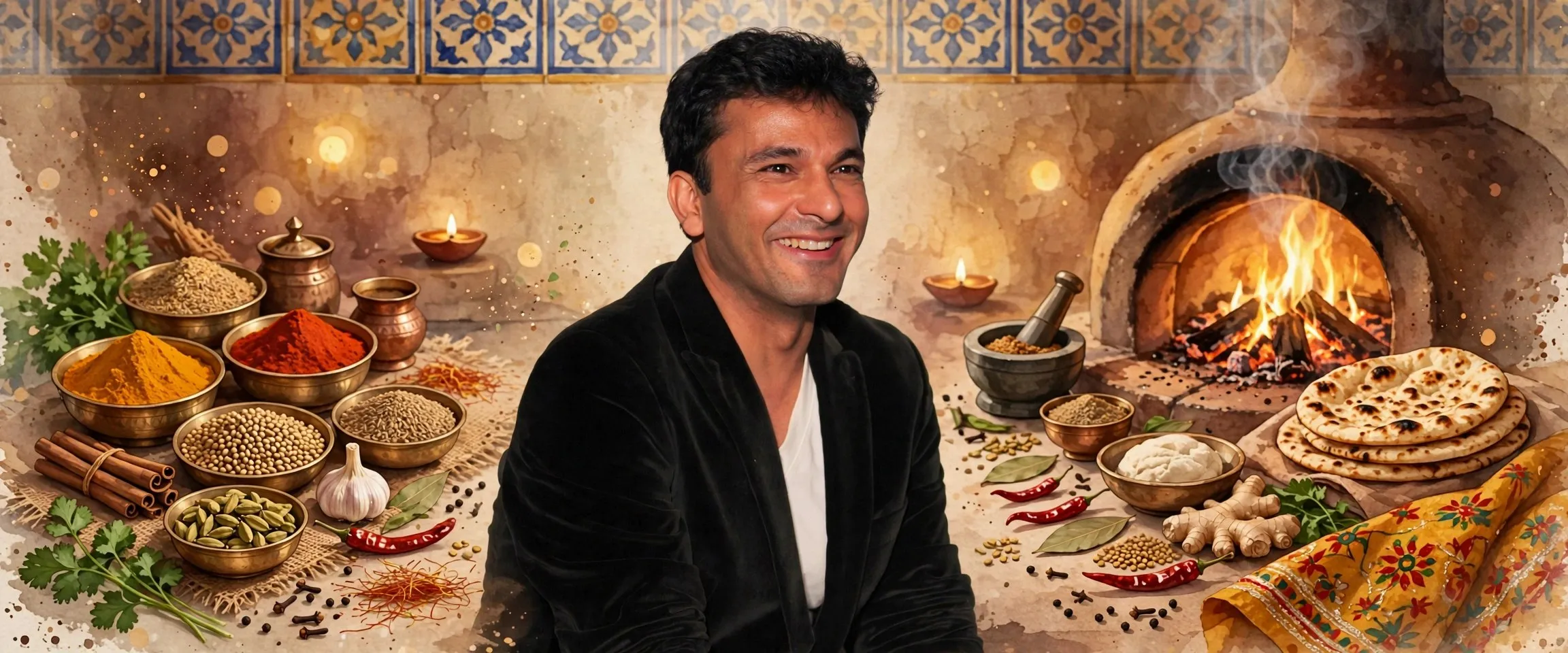
Amritsar eats famously well. The Amritsari kulcha, a crisp, flaky tandoori bread stuffed most often with spiced potato and served with chole, tamarind chutney, pickled onions and a knob of butter, is the city breakfast, and Punjab has sought a Geographical Indication tag to protect the name and method. Old dhabas in the walled city serve kulchas, lassi and slow cooked dals to pilgrims and traders alike, and food is part of how the city welcomes strangers, an extension of the langar spirit into its bazaars.
Getting there is straightforward. Sri Guru Ram Dass Jee International Airport, named for the founder of the city, stands about 11 kilometres northwest of the centre at Raja Sansi, with an annual capacity of 4.5 million passengers, and serves Punjab, Himachal Pradesh and Jammu and Kashmir. Amritsar Junction is a major railhead on the line to Delhi, and the Grand Trunk Road carries buses and cars east to Jalandhar and Ludhiana. Today Amritsar is a city of 1,132,383 people by the 2011 census, the second largest in Punjab, a centre of tourism, trade, textiles and education, and still, before anything else, the city that grew around a pool of nectar.
ਅੰਮ੍ਰਿਤਸਰ ਕਿਵੇਂ ਵੱਸਿਆ: ਗੁਰੂ ਰਾਮ ਦਾਸ ਅਤੇ ਗੁਰੂ ਅਰਜਨ
ਅੰਮ੍ਰਿਤਸਰ ਦੀ ਸ਼ੁਰੂਆਤ 1577 ਵਿੱਚ ਹੋਈ, ਜਦੋਂ ਚੌਥੇ ਸਿੱਖ ਗੁਰੂ, ਗੁਰੂ ਰਾਮ ਦਾਸ ਜੀ ਨੇ ਜੰਗਲ ਵਿੱਚ ਇੱਕ ਕੁਦਰਤੀ ਸਰੋਵਰ ਦੇ ਆਲੇ ਦੁਆਲੇ ਨਵਾਂ ਸ਼ਹਿਰ ਵਸਾਇਆ। ਜ਼ਿਲ੍ਹਾ ਇਤਿਹਾਸ ਵਿੱਚ ਦਰਜ ਹੈ ਕਿ ਉਨ੍ਹਾਂ ਨੇ ਪੱਟੀ ਅਤੇ ਕਸੂਰ ਵਰਗੇ ਨੇੜਲੇ ਕਸਬਿਆਂ ਤੋਂ 52 ਵਪਾਰੀਆਂ ਨੂੰ ਇੱਥੇ ਵੱਸਣ ਲਈ ਸੱਦਿਆ, ਅਤੇ ਉਨ੍ਹਾਂ ਦੀਆਂ ਪਹਿਲੀਆਂ 32 ਦੁਕਾਨਾਂ ਉਸ ਗਲੀ ਵਿੱਚ ਸਨ ਜਿਸਨੂੰ ਅੱਜ ਵੀ ਬੱਤੀਸੀ ਹੱਟਾ ਕਿਹਾ ਜਾਂਦਾ ਹੈ। ਬਸਤੀ ਨੂੰ ਪਹਿਲਾਂ ਰਾਮਦਾਸਪੁਰ ਜਾਂ ਗੁਰੂ ਕਾ ਚੱਕ ਕਿਹਾ ਜਾਂਦਾ ਸੀ, ਅਤੇ ਗੁਰੂ ਰਾਮ ਦਾਸ ਜੀ ਨੇ ਅੰਮ੍ਰਿਤ ਸਰੋਵਰ ਦੀ ਖੁਦਾਈ ਸ਼ੁਰੂ ਕਰਵਾਈ, ਜਿਸ ਤੋਂ ਬਾਅਦ ਵਿੱਚ ਸ਼ਹਿਰ ਨੂੰ ਇਸਦਾ ਮੌਜੂਦਾ ਨਾਂ ਮਿਲਿਆ।
ਉਨ੍ਹਾਂ ਦੇ ਪੁੱਤਰ ਅਤੇ ਉੱਤਰਾਧਿਕਾਰੀ, ਪੰਜਵੇਂ ਗੁਰੂ, ਗੁਰੂ ਅਰਜਨ ਜੀ ਨੇ ਸਰੋਵਰ ਨੂੰ ਪੂਰਾ ਕੀਤਾ ਅਤੇ ਇਸਦੇ ਵਿਚਕਾਰ ਸ੍ਰੀ ਹਰਿਮੰਦਰ ਸਾਹਿਬ ਬਣਾਇਆ। ਉਸਾਰੀ 1581 ਵਿੱਚ ਸ਼ੁਰੂ ਹੋਈ, ਅਤੇ ਪਹਿਲਾ ਮੰਦਰ, ਜੋ ਨਿਮਰਤਾ ਸਿਖਾਉਣ ਲਈ ਆਲੇ ਦੁਆਲੇ ਦੇ ਸ਼ਹਿਰ ਨਾਲੋਂ ਨੀਵੇਂ ਪੱਧਰ ਉੱਤੇ ਇੱਟਾਂ ਨਾਲ ਬਣਾਇਆ ਗਿਆ ਸੀ, 1589 ਵਿੱਚ ਪੂਰਾ ਹੋਇਆ। 16 ਅਗਸਤ 1604 ਨੂੰ ਗੁਰੂ ਅਰਜਨ ਜੀ ਨੇ ਆਪਣੇ ਵੱਲੋਂ ਸੰਪਾਦਿਤ ਆਦਿ ਗ੍ਰੰਥ ਦਾ ਪ੍ਰਕਾਸ਼ ਹਰਿਮੰਦਰ ਸਾਹਿਬ ਵਿੱਚ ਕੀਤਾ, ਅਤੇ ਬਾਬਾ ਬੁੱਢਾ ਜੀ ਨੂੰ ਇਸਦਾ ਪਹਿਲਾ ਗ੍ਰੰਥੀ ਨਿਯੁਕਤ ਕੀਤਾ। 1606 ਵਿੱਚ ਉਨ੍ਹਾਂ ਦੇ ਉੱਤਰਾਧਿਕਾਰੀ ਗੁਰੂ ਹਰਗੋਬਿੰਦ ਜੀ ਨੇ ਹਰਿਮੰਦਰ ਸਾਹਿਬ ਦੇ ਸਾਹਮਣੇ ਸ੍ਰੀ ਅਕਾਲ ਤਖ਼ਤ ਦੀ ਸਥਾਪਨਾ ਕੀਤੀ, ਜੋ ਮੀਰੀ ਦਾ ਉਹ ਤਖ਼ਤ ਹੈ ਜੋ ਅੱਜ ਵੀ ਮੰਦਰ ਦੇ ਸਾਹਮਣੇ ਖੜ੍ਹਾ ਹੈ। ਮੰਦਰ ਅਠਾਰਵੀਂ ਸਦੀ ਦੇ ਔਖੇ ਸਮਿਆਂ ਵਿੱਚ ਕਈ ਵਾਰ ਢਹਿਆ ਅਤੇ ਮੁੜ ਬਣਿਆ, ਅਤੇ ਮੌਜੂਦਾ ਪਰਿਸਰ ਆਪਣੇ ਸੰਗਮਰਮਰ, ਬੇਰ ਦੇ ਰੁੱਖਾਂ ਅਤੇ ਪੁਰਾਣੇ ਬੁੰਗਿਆਂ ਵਿੱਚ ਉਹ ਲੰਮੀ ਯਾਦ ਸਾਂਭੀ ਬੈਠਾ ਹੈ।
ਮਿਸਲਾਂ, ਮਹਾਰਾਜਾ ਰਣਜੀਤ ਸਿੰਘ ਅਤੇ ਕੰਧਾਂ ਵਾਲਾ ਸ਼ਹਿਰ
ਗੁਰੂਆਂ ਦੇ ਸਮੇਂ ਤੋਂ ਬਾਅਦ ਅੰਮ੍ਰਿਤਸਰ ਵਾਰੀ ਵਾਰੀ ਸਿੱਖ ਮਿਸਲਾਂ ਕੋਲ ਰਿਹਾ, ਉਨ੍ਹਾਂ ਹਥਿਆਰਬੰਦ ਸੰਘਾਂ ਕੋਲ ਜਿਨ੍ਹਾਂ ਨੇ ਪੰਜਾਬ ਆਪਸ ਵਿੱਚ ਵੰਡਿਆ ਹੋਇਆ ਸੀ। ਜ਼ਿਲ੍ਹਾ ਇਤਿਹਾਸ ਸ਼ਹਿਰ ਵਿੱਚ ਚਾਰ ਮਿਸਲਾਂ ਦੇ ਨਾਂ ਲੈਂਦਾ ਹੈ: ਆਹਲੂਵਾਲੀਆ, ਰਾਮਗੜ੍ਹੀਆ, ਕਨ੍ਹਈਆ ਅਤੇ ਭੰਗੀ ਮਿਸਲ, ਜਿਨ੍ਹਾਂ ਵਿੱਚੋਂ ਹਰ ਇੱਕ ਨੇ ਸ਼ਹਿਰ ਦੇ ਹਿੱਸੇ ਬਣਾਏ, ਕਿਲ੍ਹਾਬੰਦੀ ਕੀਤੀ ਅਤੇ ਦਾਨ ਦਿੱਤਾ। ਜੱਸਾ ਸਿੰਘ ਰਾਮਗੜ੍ਹੀਆ ਨੇ ਆਪਣੇ ਇਲਾਕੇ ਦੀ ਕਿਲ੍ਹਾਬੰਦੀ ਕੀਤੀ ਅਤੇ ਰਾਮਗੜ੍ਹ ਨੂੰ ਆਪਣਾ ਨਾਂ ਦਿੱਤਾ, ਜਦੋਂ ਕਿ ਭੰਗੀ ਮਿਸਲ ਨੇ ਮਿੱਟੀ ਦਾ ਉਹ ਕਿਲ੍ਹਾ ਬਣਾਇਆ ਜੋ ਬਾਅਦ ਵਿੱਚ ਗੋਬਿੰਦਗੜ੍ਹ ਬਣਿਆ। ਇਹ ਅਫ਼ਗਾਨ ਹਮਲਿਆਂ ਦਾ ਸਮਾਂ ਵੀ ਸੀ: ਅਹਿਮਦ ਸ਼ਾਹ ਦੁਰਾਨੀ ਨੇ ਸ਼ਹਿਰ ਅਤੇ ਮੰਦਰ ਉੱਤੇ ਇੱਕ ਤੋਂ ਵੱਧ ਵਾਰ ਹਮਲਾ ਕੀਤਾ, ਅਤੇ ਹਰ ਵਾਰ ਸਿੱਖ ਵਾਪਸ ਆਏ ਅਤੇ ਮੁੜ ਉਸਾਰੀ ਕੀਤੀ।
ਮਹਾਰਾਜਾ ਰਣਜੀਤ ਸਿੰਘ ਨੇ ਮਿਸਲਾਂ ਨੂੰ ਇੱਕ ਕੀਤਾ ਅਤੇ 1802 ਤੱਕ ਅੰਮ੍ਰਿਤਸਰ ਉੱਤੇ ਪੂਰਾ ਕਬਜ਼ਾ ਕਰ ਲਿਆ। ਉਨ੍ਹਾਂ ਨੇ ਗੋਬਿੰਦਗੜ੍ਹ ਕਿਲ੍ਹੇ ਨੂੰ ਆਧੁਨਿਕ ਤਰੀਕੇ ਨਾਲ ਮੁੜ ਬਣਾਇਆ, ਰਾਮ ਬਾਗ ਮਹਿਲ ਅਤੇ ਬਾਗ ਲਗਾਇਆ, ਸ਼ਹਿਰ ਦੇ ਆਲੇ ਦੁਆਲੇ ਬਾਰਾਂ ਦਰਵਾਜ਼ਿਆਂ ਵਾਲੀ ਵੱਡੀ ਕੰਧ ਬਣਾਈ, ਜਿਸਦਾ ਰਾਮ ਬਾਗ ਦਰਵਾਜ਼ਾ ਅੱਜ ਵੀ ਖੜ੍ਹਾ ਹੈ, ਅਤੇ ਹਰਿਮੰਦਰ ਸਾਹਿਬ ਦੀਆਂ ਉੱਪਰਲੀਆਂ ਮੰਜ਼ਿਲਾਂ ਉੱਤੇ ਸੋਨੇ ਦੀ ਪਰਤ ਚੜ੍ਹਾਈ, ਉਹ ਦਾਨ ਜਿਸ ਕਰਕੇ ਸੁਨਹਿਰੀ ਮੰਦਰ ਨੂੰ ਇਸਦਾ ਅੰਗਰੇਜ਼ੀ ਨਾਂ ਮਿਲਿਆ। ਸਿੱਖ ਸਾਮਰਾਜ ਅਧੀਨ ਸ਼ਹਿਰ ਵਪਾਰ, ਸ਼ਾਲਾਂ ਅਤੇ ਕਾਰੀਗਰੀ ਨਾਲ ਅਮੀਰ ਹੋਇਆ। ਅੰਗਰੇਜ਼ਾਂ ਨੇ, ਜਿਨ੍ਹਾਂ ਨੇ 1849 ਵਿੱਚ ਪੰਜਾਬ ਉੱਤੇ ਕਬਜ਼ਾ ਕੀਤਾ, ਸ਼ਹਿਰ ਦੀ ਕੰਧ ਦਾ ਵੱਡਾ ਹਿੱਸਾ ਢਾਹ ਦਿੱਤਾ, ਟਾਊਨ ਹਾਲ, ਰੇਲਵੇ ਸਟੇਸ਼ਨ ਅਤੇ ਡਾਕਘਰ ਬਣਾਏ, ਅਤੇ ਖ਼ਾਲਸਾ ਕਾਲਜ ਬਣਾਇਆ, ਸ਼ਹਿਰ ਤੋਂ ਬਾਹਰ ਜਾਂਦੀ ਸੜਕ ਉੱਤੇ ਖੜ੍ਹੀ ਉਹ ਵੱਡੀ ਭਾਰਤੀ ਅੰਗਰੇਜ਼ੀ ਸ਼ੈਲੀ ਦੀ ਇਮਾਰਤ।
ਜੱਲ੍ਹਿਆਂਵਾਲਾ ਬਾਗ, ਵੰਡ ਅਤੇ 1984
13 ਅਪ੍ਰੈਲ 1919 ਨੂੰ, ਵਿਸਾਖੀ ਵਾਲੇ ਦਿਨ, ਕਰਨਲ ਰੈਜੀਨਾਲਡ ਡਾਇਰ ਦੀ ਕਮਾਨ ਹੇਠ ਅੰਗਰੇਜ਼ ਫ਼ੌਜ ਨੇ ਜੱਲ੍ਹਿਆਂਵਾਲਾ ਬਾਗ ਵਿੱਚ ਇਕੱਠੀ ਹੋਈ ਵੱਡੀ ਨਿਹੱਥੀ ਭੀੜ ਉੱਤੇ ਗੋਲੀਆਂ ਚਲਾਈਆਂ। ਇਹ ਕੰਧਾਂ ਵਾਲਾ ਬਾਗ ਸੁਨਹਿਰੀ ਮੰਦਰ ਤੋਂ ਥੋੜ੍ਹੀ ਦੂਰੀ ਉੱਤੇ ਹੈ। ਸੈਂਕੜੇ ਲੋਕ ਮਾਰੇ ਗਏ; ਅੰਗਰੇਜ਼ਾਂ ਦੀ ਸਰਕਾਰੀ ਜਾਂਚ ਨੇ ਮੌਤਾਂ ਦੀ ਗਿਣਤੀ 379 ਦੱਸੀ, ਜਦੋਂ ਕਿ ਭਾਰਤੀ ਰਾਸ਼ਟਰੀ ਕਾਂਗਰਸ ਦਾ ਅੰਦਾਜ਼ਾ ਲਗਭਗ ਇੱਕ ਹਜ਼ਾਰ ਸੀ। ਇਹ ਕਤਲੇਆਮ ਆਜ਼ਾਦੀ ਦੀ ਲਹਿਰ ਵਿੱਚ ਮੋੜ ਸਾਬਤ ਹੋਇਆ, ਅਤੇ ਬਾਗ ਅੱਜ ਰਾਸ਼ਟਰੀ ਯਾਦਗਾਰ ਵਜੋਂ ਸੰਭਾਲਿਆ ਹੋਇਆ ਹੈ। ਜੁਗਤੀ ਉੱਤੇ ਜੱਲ੍ਹਿਆਂਵਾਲਾ ਬਾਗ ਬਾਰੇ ਵੱਖਰੀ ਅਤੇ ਵਿਸਤ੍ਰਿਤ ਐਂਟਰੀ ਹੈ।
1947 ਵਿੱਚ ਵੰਡ ਨੇ ਪੰਜਾਬ ਨੂੰ ਦੋ ਹਿੱਸਿਆਂ ਵਿੱਚ ਕੱਟ ਦਿੱਤਾ ਅਤੇ ਅੰਮ੍ਰਿਤਸਰ ਨੂੰ ਸਰਹੱਦੀ ਸ਼ਹਿਰ ਬਣਾ ਦਿੱਤਾ। ਮੁਸਲਮਾਨ ਪਾਕਿਸਤਾਨ ਵੱਲ ਚਲੇ ਗਏ, ਜਦੋਂ ਕਿ ਹਿੰਦੂ ਅਤੇ ਸਿੱਖ ਲਾਹੌਰ ਅਤੇ ਪੱਛਮੀ ਪੰਜਾਬ ਤੋਂ ਇੱਥੇ ਆਏ, ਅਤੇ ਉਸ ਗਰਮੀ ਦੀ ਹਿੰਸਾ ਸ਼ਹਿਰ ਵਿੱਚ ਅੱਜ ਵੀ ਯਾਦ ਕੀਤੀ ਜਾਂਦੀ ਹੈ; ਪੁਰਾਣੇ ਟਾਊਨ ਹਾਲ ਵਿੱਚ ਵੰਡ ਅਜਾਇਬ ਘਰ, ਜੋ 2017 ਵਿੱਚ ਖੁੱਲ੍ਹਿਆ, ਇਸਨੂੰ ਚਿੱਠੀਆਂ, ਵਸਤਾਂ ਅਤੇ ਬਚੇ ਹੋਏ ਲੋਕਾਂ ਦੀਆਂ ਰਿਕਾਰਡ ਕੀਤੀਆਂ ਆਵਾਜ਼ਾਂ ਰਾਹੀਂ ਦਰਜ ਕਰਦਾ ਹੈ। ਜੂਨ 1984 ਵਿੱਚ ਭਾਰਤੀ ਫ਼ੌਜ ਨੇ ਅਪਰੇਸ਼ਨ ਬਲੂ ਸਟਾਰ ਚਲਾਇਆ, ਤਾਂ ਜੋ ਸੁਨਹਿਰੀ ਮੰਦਰ ਪਰਿਸਰ ਉੱਤੇ ਕਬਜ਼ਾ ਕੀਤੇ ਹਥਿਆਰਬੰਦ ਅਤਿਵਾਦੀਆਂ ਨੂੰ ਹਟਾਇਆ ਜਾ ਸਕੇ। ਲੜਾਈ ਵਿੱਚ ਫ਼ੌਜੀਆਂ, ਅਤਿਵਾਦੀਆਂ ਅਤੇ ਸ਼ਰਧਾਲੂਆਂ ਸਮੇਤ ਭਾਰੀ ਜਾਨੀ ਨੁਕਸਾਨ ਹੋਇਆ, ਅਤੇ ਸ੍ਰੀ ਅਕਾਲ ਤਖ਼ਤ ਨੂੰ ਬਹੁਤ ਨੁਕਸਾਨ ਪਹੁੰਚਿਆ, ਜਿਸਨੂੰ ਬਾਅਦ ਵਿੱਚ ਸਿੱਖ ਭਾਈਚਾਰੇ ਨੇ ਕਾਰ ਸੇਵਾ, ਭਾਵ ਸਵੈ ਇੱਛਾ ਨਾਲ ਕੀਤੀ ਸੇਵਾ, ਰਾਹੀਂ ਮੁੜ ਬਣਾਇਆ। ਪਰਿਸਰ ਦੀ ਮੁਰੰਮਤ ਹੋਈ ਅਤੇ ਪੂਜਾ ਮੁੜ ਸ਼ੁਰੂ ਹੋਈ, ਅਤੇ 1984 ਦੀਆਂ ਘਟਨਾਵਾਂ ਸ਼ਹਿਰ ਦੇ ਜੀਵਨ ਵਿੱਚ ਦਰਦਨਾਕ ਅਤੇ ਸਾਵਧਾਨੀ ਨਾਲ ਯਾਦ ਕੀਤਾ ਜਾਣ ਵਾਲਾ ਅਧਿਆਇ ਬਣੀਆਂ ਹੋਈਆਂ ਹਨ।
ਸੁਨਹਿਰੀ ਮੰਦਰ ਤੋਂ ਅੱਗੇ: ਦੇਖਣ ਵਾਲੀਆਂ ਥਾਵਾਂ
ਜ਼ਿਆਦਾਤਰ ਸੈਲਾਨੀ ਸੁਨਹਿਰੀ ਮੰਦਰ ਤੋਂ ਸ਼ੁਰੂ ਕਰਕੇ ਉੱਥੇ ਹੀ ਸਮਾਪਤ ਕਰਦੇ ਹਨ, ਪਰ ਸ਼ਹਿਰ ਹੌਲੀ ਹੌਲੀ ਬਿਤਾਇਆ ਦਿਨ ਸੋਹਣਾ ਫਲ ਦਿੰਦਾ ਹੈ। ਜੱਲ੍ਹਿਆਂਵਾਲਾ ਬਾਗ ਅਤੇ ਵੰਡ ਅਜਾਇਬ ਘਰ ਇੱਕੋ ਵਿਰਾਸਤੀ ਇਲਾਕੇ ਵਿੱਚ ਖੜ੍ਹੇ ਹਨ, ਜੋ ਪੈਦਲ ਚੱਲਣ ਵਾਲੀ ਹੈਰੀਟੇਜ ਸਟ੍ਰੀਟ ਰਾਹੀਂ ਮੰਦਰ ਨਾਲ ਜੁੜੇ ਹਨ। ਦੁਰਗਿਆਨਾ ਮੰਦਰ, ਜੋ ਦੇਵੀ ਦੁਰਗਾ ਨੂੰ ਸਮਰਪਿਤ ਹੈ ਅਤੇ ਜਿੱਥੇ ਲਕਸ਼ਮੀ ਅਤੇ ਵਿਸ਼ਨੂੰ ਦੇ ਮੰਦਰ ਵੀ ਹਨ, ਹਾਥੀ ਦਰਵਾਜ਼ੇ ਨੇੜੇ ਆਪਣੇ ਸਰੋਵਰ ਵਿੱਚ ਖੜ੍ਹਾ ਹੈ; ਇਹ ਸਦੀਆਂ ਪਹਿਲਾਂ ਪਹਿਲੀ ਵਾਰ ਬਣਿਆ ਸੀ ਅਤੇ 1921 ਵਿੱਚ ਹਰਿਮੰਦਰ ਸਾਹਿਬ ਵਰਗੀ ਸ਼ੈਲੀ ਵਿੱਚ ਮੁੜ ਬਣਾਇਆ ਗਿਆ, ਅਤੇ ਇਸਦੇ ਨੱਕਾਸ਼ੀ ਵਾਲੇ ਚਾਂਦੀ ਦੇ ਦਰਵਾਜ਼ਿਆਂ ਕਰਕੇ ਇਸਨੂੰ ਅਕਸਰ ਚਾਂਦੀ ਦਾ ਮੰਦਰ ਕਿਹਾ ਜਾਂਦਾ ਹੈ। ਗੋਬਿੰਦਗੜ੍ਹ ਕਿਲ੍ਹਾ, ਪੁਰਾਣੇ ਸ਼ਹਿਰ ਦੇ ਦੱਖਣ ਪੱਛਮੀ ਕਿਨਾਰੇ ਉੱਤੇ, 1760ਵਿਆਂ ਵਿੱਚ ਭੰਗੀ ਮਿਸਲ ਦੇ ਕਿਲ੍ਹੇ ਵਜੋਂ ਸ਼ੁਰੂ ਹੋਇਆ, ਮਹਾਰਾਜਾ ਰਣਜੀਤ ਸਿੰਘ ਨੇ 1805 ਤੋਂ ਇਸਨੂੰ ਮਜ਼ਬੂਤ ਕੀਤਾ, ਅਤੇ ਇੱਥੇ ਉਨ੍ਹਾਂ ਦਾ ਖ਼ਜ਼ਾਨਾ, ਤੋਸ਼ਾਖਾਨਾ, ਰਿਹਾ, ਜਿਸ ਬਾਰੇ ਕਿਹਾ ਜਾਂਦਾ ਹੈ ਕਿ ਕੁਝ ਸਮੇਂ ਲਈ ਕੋਹਿਨੂਰ ਵੀ ਇੱਥੇ ਰੱਖਿਆ ਗਿਆ ਸੀ। ਲੰਮਾ ਸਮਾਂ ਫ਼ੌਜ ਕੋਲ ਰਹਿਣ ਤੋਂ ਬਾਅਦ ਕਿਲ੍ਹਾ 2017 ਵਿੱਚ ਅਜਾਇਬ ਘਰ ਅਤੇ ਸੱਭਿਆਚਾਰਕ ਕੇਂਦਰ ਵਜੋਂ ਜਨਤਾ ਲਈ ਖੁੱਲ੍ਹਿਆ।
ਰਾਮ ਬਾਗ, ਮਹਾਰਾਜਾ ਰਣਜੀਤ ਸਿੰਘ ਦਾ ਗਰਮੀਆਂ ਦਾ ਬਾਗ, ਪੁਰਾਣੇ ਮਹਿਲ ਵਿੱਚ ਉਨ੍ਹਾਂ ਦਾ ਅਜਾਇਬ ਘਰ ਰੱਖਦਾ ਹੈ। ਸ਼ਾਮ ਨੂੰ ਬਹੁਤ ਸਾਰੇ ਸੈਲਾਨੀ ਪੱਛਮ ਵੱਲ ਅਟਾਰੀ ਜਾਂਦੇ ਹਨ, ਸਰਹੱਦ ਉੱਤੇ ਰੋਜ਼ਾਨਾ ਹੋਣ ਵਾਲੇ ਝੰਡੇ ਉਤਾਰਨ ਦੇ ਸਮਾਗਮ ਲਈ, ਜਿੱਥੇ ਭਾਰਤ ਦੀ ਸਰਹੱਦੀ ਸੁਰੱਖਿਆ ਫ਼ੌਜ ਅਤੇ ਪਾਕਿਸਤਾਨ ਰੇਂਜਰਜ਼ 1959 ਤੋਂ ਇਹ ਰੀਟਰੀਟ ਡਰਿੱਲ ਇਕੱਠੇ ਕਰਦੇ ਆ ਰਹੇ ਹਨ। ਇਹ ਅੰਮ੍ਰਿਤਸਰ ਦੇ ਦਿਨ ਦਾ ਰੌਣਕ ਭਰਿਆ, ਮਾਣ ਭਰਿਆ ਅਤੇ ਅਜੀਬ ਤੌਰ ਉੱਤੇ ਆਸ ਭਰਿਆ ਅੰਤ ਹੈ, ਉਸ ਸੜਕ ਉੱਤੇ ਜੋ ਕਦੇ ਸਿੱਧੀ ਲਾਹੌਰ ਨੂੰ ਜਾਂਦੀ ਸੀ।
ਖਾਣ ਪੀਣ, ਪਹੁੰਚ ਅਤੇ ਅੱਜ ਦਾ ਅੰਮ੍ਰਿਤਸਰ
ਅੰਮ੍ਰਿਤਸਰ ਖਾਣ ਪੀਣ ਲਈ ਮਸ਼ਹੂਰ ਹੈ। ਅੰਮ੍ਰਿਤਸਰੀ ਕੁਲਚਾ, ਇੱਕ ਕਰਾਰਾ, ਪਰਤਾਂ ਵਾਲਾ ਤੰਦੂਰੀ ਪਰੌਂਠਾ ਨੁਮਾ ਰੋਟੀ ਦਾ ਪੇੜਾ ਜਿਸ ਵਿੱਚ ਆਮ ਤੌਰ ਉੱਤੇ ਮਸਾਲੇਦਾਰ ਆਲੂ ਭਰੇ ਹੁੰਦੇ ਹਨ ਅਤੇ ਜੋ ਛੋਲਿਆਂ, ਇਮਲੀ ਦੀ ਚਟਣੀ, ਅਚਾਰ ਵਾਲੇ ਪਿਆਜ਼ ਅਤੇ ਮੱਖਣ ਦੀ ਟਿੱਕੀ ਨਾਲ ਪਰੋਸਿਆ ਜਾਂਦਾ ਹੈ, ਸ਼ਹਿਰ ਦਾ ਨਾਸ਼ਤਾ ਹੈ, ਅਤੇ ਪੰਜਾਬ ਨੇ ਨਾਂ ਅਤੇ ਤਰੀਕੇ ਦੀ ਸੁਰੱਖਿਆ ਲਈ ਇਸ ਲਈ ਭੂਗੋਲਿਕ ਸੰਕੇਤ, ਜੀਆਈ ਟੈਗ, ਦੀ ਮੰਗ ਕੀਤੀ ਹੈ। ਕੰਧਾਂ ਵਾਲੇ ਸ਼ਹਿਰ ਦੇ ਪੁਰਾਣੇ ਢਾਬੇ ਸ਼ਰਧਾਲੂਆਂ ਅਤੇ ਵਪਾਰੀਆਂ ਨੂੰ ਕੁਲਚੇ, ਲੱਸੀ ਅਤੇ ਹੌਲੀ ਹੌਲੀ ਪੱਕੀਆਂ ਦਾਲਾਂ ਛਕਾਉਂਦੇ ਹਨ, ਅਤੇ ਖਾਣਾ ਇਸ ਗੱਲ ਦਾ ਹਿੱਸਾ ਹੈ ਕਿ ਸ਼ਹਿਰ ਅਜਨਬੀਆਂ ਦਾ ਸਵਾਗਤ ਕਿਵੇਂ ਕਰਦਾ ਹੈ, ਲੰਗਰ ਦੀ ਭਾਵਨਾ ਦਾ ਬਾਜ਼ਾਰਾਂ ਤੱਕ ਫੈਲਾਅ।
ਇੱਥੇ ਪਹੁੰਚਣਾ ਸਿੱਧਾ ਹੈ। ਸ੍ਰੀ ਗੁਰੂ ਰਾਮ ਦਾਸ ਜੀ ਅੰਤਰਰਾਸ਼ਟਰੀ ਹਵਾਈ ਅੱਡਾ, ਜਿਸਦਾ ਨਾਂ ਸ਼ਹਿਰ ਦੇ ਸੰਸਥਾਪਕ ਦੇ ਨਾਂ ਉੱਤੇ ਹੈ, ਕੇਂਦਰ ਤੋਂ ਲਗਭਗ 11 ਕਿਲੋਮੀਟਰ ਉੱਤਰ ਪੱਛਮ ਵੱਲ ਰਾਜਾ ਸਾਂਸੀ ਵਿਖੇ ਹੈ, ਜਿਸਦੀ ਸਾਲਾਨਾ ਸਮਰੱਥਾ 4.5 ਮਿਲੀਅਨ ਯਾਤਰੀਆਂ ਦੀ ਹੈ, ਅਤੇ ਇਹ ਪੰਜਾਬ, ਹਿਮਾਚਲ ਪ੍ਰਦੇਸ਼ ਅਤੇ ਜੰਮੂ ਅਤੇ ਕਸ਼ਮੀਰ ਦੀ ਸੇਵਾ ਕਰਦਾ ਹੈ। ਅੰਮ੍ਰਿਤਸਰ ਜੰਕਸ਼ਨ ਦਿੱਲੀ ਵੱਲ ਜਾਂਦੀ ਲਾਈਨ ਉੱਤੇ ਵੱਡਾ ਰੇਲਵੇ ਸਟੇਸ਼ਨ ਹੈ, ਅਤੇ ਗ੍ਰੈਂਡ ਟਰੰਕ ਰੋਡ ਬੱਸਾਂ ਅਤੇ ਕਾਰਾਂ ਨੂੰ ਪੂਰਬ ਵੱਲ ਜਲੰਧਰ ਅਤੇ ਲੁਧਿਆਣਾ ਲੈ ਜਾਂਦੀ ਹੈ। ਅੱਜ ਅੰਮ੍ਰਿਤਸਰ 2011 ਦੀ ਜਨਗਣਨਾ ਅਨੁਸਾਰ 1,132,383 ਆਬਾਦੀ ਵਾਲਾ ਸ਼ਹਿਰ ਹੈ, ਪੰਜਾਬ ਦਾ ਦੂਜਾ ਸਭ ਤੋਂ ਵੱਡਾ, ਸੈਰ ਸਪਾਟੇ, ਵਪਾਰ, ਕੱਪੜਾ ਉਦਯੋਗ ਅਤੇ ਸਿੱਖਿਆ ਦਾ ਕੇਂਦਰ, ਅਤੇ ਸਭ ਤੋਂ ਪਹਿਲਾਂ ਅੱਜ ਵੀ ਉਹ ਸ਼ਹਿਰ ਹੈ ਜੋ ਅੰਮ੍ਰਿਤ ਦੇ ਸਰੋਵਰ ਦੇ ਆਲੇ ਦੁਆਲੇ ਵਧਿਆ।
Landmarks


People from Amritsar




See all 50



















Nearby



Amritsar in the news
All stories Counter Intelligence Seizes 36 kg Heroin in Amritsar, Four Held Including Juvenileਅੰਮ੍ਰਿਤਸਰ ਵਿੱਚ 36 ਕਿਲੋ ਹੈਰੋਇਨ ਬਰਾਮਦ, ਨਾਬਾਲਗ ਸਮੇਤ ਚਾਰ ਗ੍ਰਿਫ਼ਤਾਰ
 Pargat Singh, Sachin Pilot Launch Punjab Congress 2027 Campaign From Amritsarਪਰਗਟ ਸਿੰਘ ਤੇ ਸਚਿਨ ਪਾਇਲਟ ਨੇ ਅੰਮ੍ਰਿਤਸਰ ਤੋਂ ਕਾਂਗਰਸ ਦੀ 2027 ਮੁਹਿੰਮ ਸ਼ੁਰੂ ਕੀਤੀ
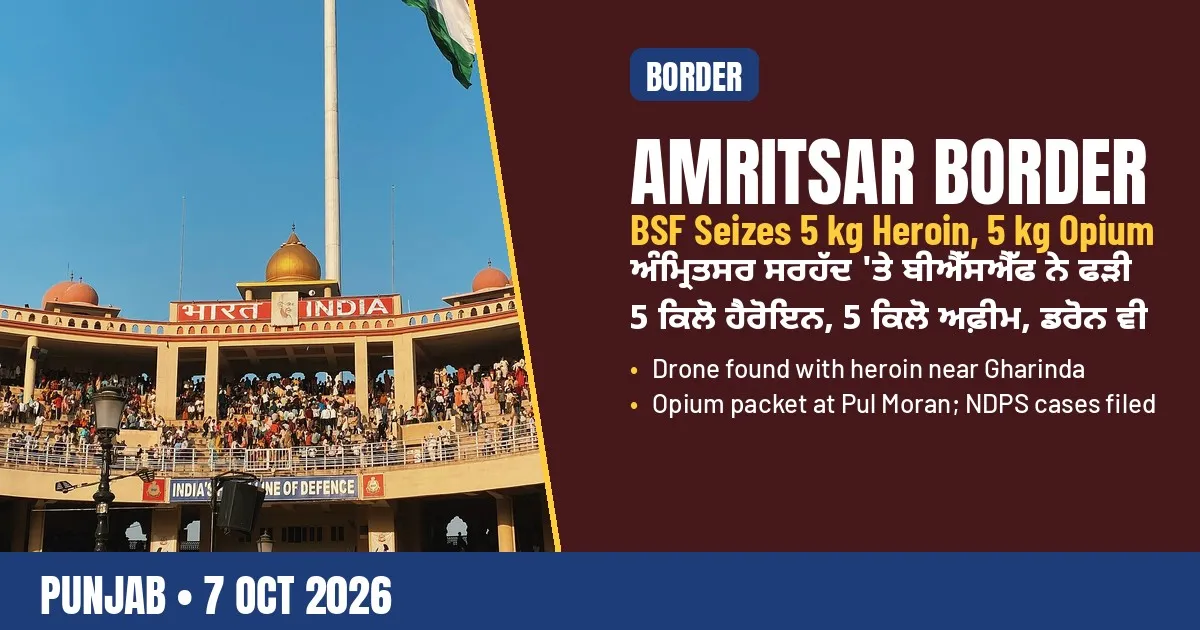 BSF Seizes 5 kg Heroin, 5 kg Opium and a Drone Along Amritsar Borderਬੀਐੱਸਐੱਫ ਨੇ ਅੰਮ੍ਰਿਤਸਰ ਸਰਹੱਦ 'ਤੇ ਫੜੀ 5 ਕਿਲੋ ਹੈਰੋਇਨ, 5 ਕਿਲੋ ਅਫ਼ੀਮ ਤੇ ਡਰੋਨ
Sources (10)
- History | District Amritsar, Government of Punjab
- Amritsar City Population, Census 2011 | Census of India
- Amritsar | Wikipedia
- Golden Temple (Sri Harmandir Sahib) | Wikipedia
- Around Harmandir Sahib | SGPC
- The Partition Museum, Amritsar | partitionmuseum.org
- Gobindgarh Fort | Wikipedia
- Durgiana Temple | Wikipedia
- Amritsar Airport | Airports Authority of India
- Amritsari Kulcha and the GI tag | Slurrp
Jugti is free and independent. Reader support keeps the Kosh growing.
Support