

Gurbaksh Singh Preetlari (1895 to 1977) was a Punjabi novelist, short story writer and essayist who is widely called the father of modern Punjabi prose. He founded the monthly journal Preet Lari in 1933 and the writers township of Preet Nagar in 1938, and wrote more than fifty books in a clear, modern Punjabi that changed the literature.
Life at a glance
- 1895Born Sialkot, Punjab, British India
- 1933Founded Preet Lari journal
- 1938Founded Preet Nagar township
- 1971Honour Sahitya Akademi Fellowship
- 1977Died
- Punjabi name
- ਗੁਰਬਖ਼ਸ਼ ਸਿੰਘ ਪ੍ਰੀਤਲੜੀ
- Born
- 1895, Sialkot, Punjab, British India (now Pakistan)
- Died
- 1977
- Education
- Engineering, Thomson Engineering College (now IIT Roorkee); civil engineering studies, University of Michigan, Ann Arbor
- Wrote in
- Punjabi
- Known for
- Modern Punjabi prose; Bhabhi Maina; Unviahi Man
All 8 facts
- Founded
- Preet Lari journal (1933); Preet Nagar township (1938)
- Honours
- Sahitya Akademi Fellowship (1971)
Gurbaksh Singh Preetlari (1895 to 1977) was a Punjabi novelist, short story writer and essayist who is widely called the father of modern Punjabi prose. An engineer trained in India and the United States, he founded the monthly journal Preet Lari in 1933 and the writers township of Preet Nagar in 1938, and wrote more than fifty books that changed how Punjabi prose sounded and what it was willing to say.
Early life: Sialkot, engineering and America
Gurbaksh Singh was born in 1895 in Sialkot, then in British India and now in Pakistan, into a Sikh family. He had his early education in his home town, and he was writing young: his first short story, Pritama, was published in 1913, while he was still in his teens.
He trained as an engineer, taking a degree at the Thomson Engineering College, now IIT Roorkee, and also studying civil engineering at the University of Michigan in Ann Arbor. The Sikh Encyclopedia describes a working life that moved between roles few writers combine: he worked as a clerk, as an engineer and as a modern farmer. Dawn's history of Preet Nagar adds that after returning from America he worked for British Railways, then resigned to follow the plan that made his name.
America mattered to his thinking. Studying in Michigan in the 1920s, he watched a society changing at speed around him, and he came home convinced that Punjabi life and Punjabi writing both needed a deliberate, modern remake. The journal and the township that followed were his two attempts to build it.
A new sound for Punjabi prose
Before he was an institution builder, Gurbaksh Singh was a stylist. The Sikh Encyclopedia calls him a pioneer of refined Punjabi prose writing, and judges that he marks the beginning of the modern age in Punjabi writing in both style and thought. Where earlier prose could be stiff and formal, his sentences were lucid, direct and poetic, written to be read with pleasure by the new middle class reader he had in mind.
His themes were as new as his sentences. He was the first prose writer in Punjabi to put a secular vision of love at the centre of his work: love between people, treated as a human good in itself rather than a lesson or a sin. To orthodox readers the ideas looked outrageous and revolutionary. To younger readers, the Encyclopedia records, he felt like a breath of fresh air, a confidant and a guide.
The books came in every form. His novels include Unviahi Man (1942) and Rukhan di Jirrand (1973). His story collections include Pritan di Pahredar (1946), Bhabhi Maina (1946) and Shabnam (1955), and his play Rajkumari Latika appeared in 1935. He wrote for children, including Parian da Mochi (1966), published his autobiography Meri Jivan Kahani in three parts between 1959 and 1966, and translated widely: Edwin Arnold's Light of Asia in 1937, Gorky's Mother in 1960 and Whitman's Leaves of Grass as Gha dian Pattian in 1968. Counts of his books vary between reference works, from more than fifty to about sixty, which is itself a sign of how much of his writing first appeared inside his own journal.
Why is Gurbaksh Singh called the father of modern Punjabi prose?
He is called the father of modern Punjabi prose because he changed the language, the subjects and the reading culture of Punjabi at the same time. The language became clear, modern and musical. The subjects became modern life itself: love, individual choice, social reform and the inner lives of ordinary people. And the reading culture changed because he built the two machines that carried the new writing to its readers, a monthly journal and a whole township of writers.
That combination is why the title stuck. Many writers modernise a style. Gurbaksh Singh also modernised the world around the style, editing, publishing, translating and gathering other writers around him for more than four decades. The Tribune, quoted in reference works, uses the same description: father of modern Punjabi prose.
Preet Lari: the journal that gave him his name
In 1933 he founded Preet Lari, a monthly Punjabi journal whose name means linked through love. It carried his own stories and essays, translations and readings of Western thought, and attempts to remake Punjabi institutions in a modern light. It was printed at times in four languages and reached Punjabi readers far beyond Punjab, and it made publishing in its pages a mark of arrival for younger writers.
The journal became so identified with its founder that Punjabis renamed him after it: Gurbaksh Singh Preetlari, although, Wikipedia notes, he himself never used the suffix as an author. The family kept the journal alive across generations. From the 1950s his son Navtej Singh co-edited it with him, his son Hirday Paul Singh edited the children's magazine Bal Sandesh that Gurbaksh Singh had also started, and the journal is still published today, edited by Poonam Singh, his granddaughter in law.
Preet Nagar: a town built on love
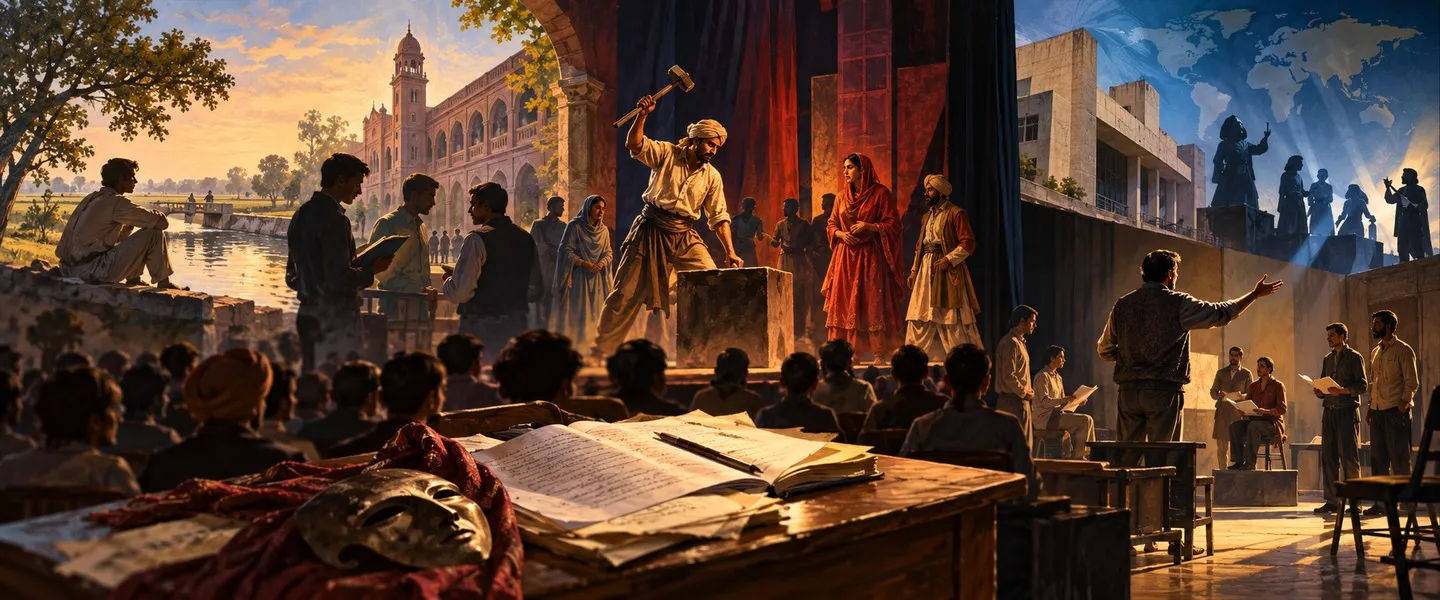
In 1938, five years after the journal, came the township. Preet Nagar, the Town of Love, was founded on land between Amritsar and Lahore, only a few kilometres from what would become the India Pakistan border. Gurbaksh Singh had set out the idea in the journal's early issues: a planned village where writers, artists and thinkers could live and work together, sharing a common kitchen, an activity based school for children, theatre, music and debate, with no discrimination of religion, caste, class or gender. Dawn calls it a utopian community, and its school opened in 1940.
The roll of people drawn to it shows its pull. Wikipedia lists Balraj Sahni, Nanak Singh, the painter Sobha Singh, Faiz Ahmad Faiz, Sahir Ludhianvi, Upendra Nath Ashq, Kartar Singh Duggal, the playwright Balwant Gargi and the poets Mohan Singh and Amrita Pritam among those associated with Preet Nagar. Prime Minister Nehru visited, and Gandhi and Tagore knew of the experiment. Mulk Raj Anand is reported to have counted Gurbaksh Singh among the few Indians carrying Tagore's legacy forward.
Partition struck the town hard, sitting as it did beside the new border. Most residents left for Delhi and other cities, but Gurbaksh Singh and his family returned to live at Preet Nagar with a few other families, and kept the journal going. In the mid 1990s the Gurbaksh Singh Nanak Singh Foundation revived cultural life there with a library, a hall and an amphitheatre where Punjabi plays from both sides of the border are still staged.
Honours, later life and legacy
In 1971 the Sahitya Akademi gave him its Fellowship, the Akademi's highest honour, and the Punjab Government had already honoured him as its best litterateur, in the Sikh Encyclopedia's account. A Gurbaksh Singh Preetlari Award for Punjabi writers now carries his name. He died in 1977, having spent more than sixty years in print, from the teenage story of 1913 to the books of his old age.
His legacy is easiest to see in three places. It is in the prose itself: the clear, modern Punjabi sentence that later writers inherited as normal. It is in Preet Lari, still publishing almost a century after its first issue. And it is in Preet Nagar, where the idea that Punjabi culture needed a home built on love, equality and shared work is still being acted out by his descendants and the artists who gather there.
ਗੁਰਬਖ਼ਸ਼ ਸਿੰਘ ਪ੍ਰੀਤਲੜੀ (1895 ਤੋਂ 1977) ਪੰਜਾਬੀ ਨਾਵਲਕਾਰ, ਕਹਾਣੀਕਾਰ ਅਤੇ ਨਿਬੰਧਕਾਰ ਸਨ, ਜਿਨ੍ਹਾਂ ਨੂੰ ਵਿਆਪਕ ਤੌਰ ਤੇ ਆਧੁਨਿਕ ਪੰਜਾਬੀ ਵਾਰਤਕ ਦਾ ਪਿਤਾਮਾ ਕਿਹਾ ਜਾਂਦਾ ਹੈ। ਭਾਰਤ ਅਤੇ ਅਮਰੀਕਾ ਵਿੱਚ ਸਿਖਲਾਈ ਪ੍ਰਾਪਤ ਇੰਜੀਨੀਅਰ ਵਜੋਂ ਉਨ੍ਹਾਂ ਨੇ 1933 ਵਿੱਚ ਮਾਸਿਕ ਰਸਾਲਾ 'ਪ੍ਰੀਤ ਲੜੀ' ਅਤੇ 1938 ਵਿੱਚ ਲੇਖਕਾਂ ਦੀ ਬਸਤੀ ਪ੍ਰੀਤ ਨਗਰ ਸਥਾਪਿਤ ਕੀਤੀ, ਅਤੇ ਪੰਜਾਹ ਤੋਂ ਵੱਧ ਕਿਤਾਬਾਂ ਲਿਖੀਆਂ ਜਿਨ੍ਹਾਂ ਨੇ ਪੰਜਾਬੀ ਵਾਰਤਕ ਦੀ ਆਵਾਜ਼ ਅਤੇ ਇਸ ਦੇ ਕਹਿਣ ਦੀ ਹਿੰਮਤ ਦੋਵੇਂ ਬਦਲ ਦਿੱਤੀਆਂ।
ਮੁੱਢਲਾ ਜੀਵਨ: ਸਿਆਲਕੋਟ, ਇੰਜੀਨੀਅਰਿੰਗ ਅਤੇ ਅਮਰੀਕਾ
ਗੁਰਬਖ਼ਸ਼ ਸਿੰਘ ਦਾ ਜਨਮ 1895 ਵਿੱਚ ਸਿਆਲਕੋਟ ਵਿੱਚ ਹੋਇਆ, ਜੋ ਉਸ ਸਮੇਂ ਬਰਤਾਨਵੀ ਭਾਰਤ ਵਿੱਚ ਸੀ ਅਤੇ ਹੁਣ ਪਾਕਿਸਤਾਨ ਵਿੱਚ ਹੈ, ਇੱਕ ਸਿੱਖ ਪਰਿਵਾਰ ਵਿੱਚ। ਉਨ੍ਹਾਂ ਨੇ ਆਪਣੇ ਜੱਦੀ ਸ਼ਹਿਰ ਵਿੱਚ ਮੁੱਢਲੀ ਪੜ੍ਹਾਈ ਕੀਤੀ, ਅਤੇ ਉਹ ਛੋਟੀ ਉਮਰ ਤੋਂ ਲਿਖਦੇ ਸਨ: ਉਨ੍ਹਾਂ ਦੀ ਪਹਿਲੀ ਕਹਾਣੀ 'ਪ੍ਰੀਤਮਾ' 1913 ਵਿੱਚ ਛਪੀ, ਜਦੋਂ ਉਹ ਅਜੇ ਕਿਸ਼ੋਰ ਅਵਸਥਾ ਵਿੱਚ ਸਨ।
ਉਨ੍ਹਾਂ ਨੇ ਇੰਜੀਨੀਅਰ ਵਜੋਂ ਸਿਖਲਾਈ ਲਈ, ਥਾਮਸਨ ਇੰਜੀਨੀਅਰਿੰਗ ਕਾਲਜ, ਜੋ ਹੁਣ ਆਈ.ਆਈ.ਟੀ. ਰੁੜਕੀ ਹੈ, ਤੋਂ ਡਿਗਰੀ ਕੀਤੀ, ਅਤੇ ਐਨ ਆਰਬਰ ਦੀ ਮਿਸ਼ੀਗਨ ਯੂਨੀਵਰਸਿਟੀ ਵਿੱਚ ਸਿਵਲ ਇੰਜੀਨੀਅਰਿੰਗ ਵੀ ਪੜ੍ਹੀ। ਸਿੱਖ ਵਿਸ਼ਵਕੋਸ਼ ਉਨ੍ਹਾਂ ਦੇ ਕੰਮਕਾਜੀ ਜੀਵਨ ਨੂੰ ਅਜਿਹੀਆਂ ਭੂਮਿਕਾਵਾਂ ਵਿਚਕਾਰ ਘੁੰਮਦਾ ਦੱਸਦਾ ਹੈ ਜੋ ਘੱਟ ਲੇਖਕ ਮਿਲਾਉਂਦੇ ਹਨ: ਉਨ੍ਹਾਂ ਨੇ ਕਲਰਕ ਵਜੋਂ, ਇੰਜੀਨੀਅਰ ਵਜੋਂ ਅਤੇ ਆਧੁਨਿਕ ਕਿਸਾਨ ਵਜੋਂ ਕੰਮ ਕੀਤਾ। ਪ੍ਰੀਤ ਨਗਰ ਬਾਰੇ ਡਾਨ ਦਾ ਇਤਿਹਾਸ ਇਹ ਵੀ ਦੱਸਦਾ ਹੈ ਕਿ ਅਮਰੀਕਾ ਤੋਂ ਮੁੜ ਕੇ ਉਨ੍ਹਾਂ ਨੇ ਬ੍ਰਿਟਿਸ਼ ਰੇਲਵੇ ਵਿੱਚ ਕੰਮ ਕੀਤਾ, ਫਿਰ ਅਸਤੀਫ਼ਾ ਦੇ ਕੇ ਉਸ ਯੋਜਨਾ ਵੱਲ ਤੁਰ ਪਏ ਜਿਸ ਨੇ ਉਨ੍ਹਾਂ ਦਾ ਨਾਂ ਬਣਾਇਆ।
ਅਮਰੀਕਾ ਉਨ੍ਹਾਂ ਦੀ ਸੋਚ ਲਈ ਮਹੱਤਵਪੂਰਨ ਸੀ। 1920ਵਿਆਂ ਵਿੱਚ ਮਿਸ਼ੀਗਨ ਵਿੱਚ ਪੜ੍ਹਦਿਆਂ ਉਨ੍ਹਾਂ ਨੇ ਆਪਣੇ ਆਲੇ ਦੁਆਲੇ ਤੇਜ਼ੀ ਨਾਲ ਬਦਲਦਾ ਸਮਾਜ ਵੇਖਿਆ, ਅਤੇ ਉਹ ਇਹ ਯਕੀਨ ਲੈ ਕੇ ਘਰ ਮੁੜੇ ਕਿ ਪੰਜਾਬੀ ਜੀਵਨ ਅਤੇ ਪੰਜਾਬੀ ਲੇਖਣੀ ਦੋਵਾਂ ਨੂੰ ਜਾਣ ਬੁੱਝ ਕੇ ਬਣਾਏ ਆਧੁਨਿਕ ਰੂਪ ਦੀ ਲੋੜ ਹੈ। ਇਸ ਤੋਂ ਬਾਅਦ ਆਇਆ ਰਸਾਲਾ ਅਤੇ ਬਸਤੀ ਉਸੇ ਨੂੰ ਬਣਾਉਣ ਦੀਆਂ ਉਨ੍ਹਾਂ ਦੀਆਂ ਦੋ ਕੋਸ਼ਿਸ਼ਾਂ ਸਨ।
ਪੰਜਾਬੀ ਵਾਰਤਕ ਲਈ ਨਵੀਂ ਆਵਾਜ਼
ਸੰਸਥਾਵਾਂ ਬਣਾਉਣ ਵਾਲੇ ਬਣਨ ਤੋਂ ਪਹਿਲਾਂ ਗੁਰਬਖ਼ਸ਼ ਸਿੰਘ ਸ਼ੈਲੀਕਾਰ ਸਨ। ਸਿੱਖ ਵਿਸ਼ਵਕੋਸ਼ ਉਨ੍ਹਾਂ ਨੂੰ ਸੋਧੀ ਹੋਈ ਪੰਜਾਬੀ ਵਾਰਤਕ ਲੇਖਣੀ ਦਾ ਮੋਢੀ ਕਹਿੰਦਾ ਹੈ, ਅਤੇ ਫ਼ੈਸਲਾ ਦਿੰਦਾ ਹੈ ਕਿ ਉਹ ਸ਼ੈਲੀ ਅਤੇ ਵਿਚਾਰ ਦੋਵਾਂ ਵਿੱਚ ਪੰਜਾਬੀ ਲੇਖਣੀ ਵਿੱਚ ਆਧੁਨਿਕ ਯੁਗ ਦੀ ਸ਼ੁਰੂਆਤ ਹਨ। ਜਿੱਥੇ ਪਹਿਲਾਂ ਦੀ ਵਾਰਤਕ ਅਕੜਵੀਂ ਅਤੇ ਰਸਮੀ ਹੋ ਸਕਦੀ ਸੀ, ਉਨ੍ਹਾਂ ਦੇ ਵਾਕ ਸਾਫ਼, ਸਿੱਧੇ ਅਤੇ ਕਾਵਿਕ ਸਨ, ਉਸ ਨਵੇਂ ਮੱਧਵਰਗੀ ਪਾਠਕ ਨੂੰ ਖੁਸ਼ੀ ਨਾਲ ਪੜ੍ਹਨ ਲਈ ਲਿਖੇ ਗਏ ਜੋ ਉਨ੍ਹਾਂ ਦੇ ਮਨ ਵਿੱਚ ਸੀ।
ਉਨ੍ਹਾਂ ਦੇ ਵਿਸ਼ੇ ਉਨ੍ਹਾਂ ਦੇ ਵਾਕਾਂ ਜਿੰਨੇ ਹੀ ਨਵੇਂ ਸਨ। ਉਹ ਪੰਜਾਬੀ ਦੇ ਪਹਿਲੇ ਵਾਰਤਕ ਲੇਖਕ ਸਨ ਜਿਨ੍ਹਾਂ ਨੇ ਪਿਆਰ ਦੇ ਧਰਮ ਨਿਰਪੱਖ ਦ੍ਰਿਸ਼ਟੀਕੋਣ ਨੂੰ ਆਪਣੇ ਕੰਮ ਦੇ ਕੇਂਦਰ ਵਿੱਚ ਰੱਖਿਆ: ਲੋਕਾਂ ਵਿਚਕਾਰ ਪਿਆਰ, ਜਿਸ ਨੂੰ ਸਬਕ ਜਾਂ ਪਾਪ ਦੀ ਬਜਾਏ ਆਪਣੇ ਆਪ ਵਿੱਚ ਮਨੁੱਖੀ ਭਲਾਈ ਵਜੋਂ ਵੇਖਿਆ ਗਿਆ। ਪੁਰਾਤਨਪੰਥੀ ਪਾਠਕਾਂ ਨੂੰ ਇਹ ਵਿਚਾਰ ਹੈਰਾਨ ਕਰਨ ਵਾਲੇ ਅਤੇ ਇਨਕਲਾਬੀ ਲੱਗੇ। ਨੌਜਵਾਨ ਪਾਠਕਾਂ ਲਈ, ਵਿਸ਼ਵਕੋਸ਼ ਦਰਜ ਕਰਦਾ ਹੈ, ਉਹ ਤਾਜ਼ੀ ਹਵਾ ਦੇ ਝੋਂਕੇ, ਭਰੋਸੇਮੰਦ ਅਤੇ ਮਾਰਗਦਰਸ਼ਕ ਵਰਗੇ ਸਨ।
ਕਿਤਾਬਾਂ ਹਰ ਰੂਪ ਵਿੱਚ ਆਈਆਂ। ਉਨ੍ਹਾਂ ਦੇ ਨਾਵਲਾਂ ਵਿੱਚ 'ਅਣਵਿਆਹੀ ਮਾਂ' (1942) ਅਤੇ 'ਰੁੱਖਾਂ ਦੀ ਜੀਰਾਂਦ' (1973) ਸ਼ਾਮਲ ਹਨ। ਉਨ੍ਹਾਂ ਦੇ ਕਹਾਣੀ ਸੰਗ੍ਰਹਿਆਂ ਵਿੱਚ 'ਪ੍ਰੀਤਾਂ ਦੀ ਪਹਰੇਦਾਰ' (1946), 'ਭਾਬੀ ਮੈਣਾ' (1946) ਅਤੇ 'ਸ਼ਬਨਮ' (1955) ਸ਼ਾਮਲ ਹਨ, ਅਤੇ ਉਨ੍ਹਾਂ ਦਾ ਨਾਟਕ 'ਰਾਜਕੁਮਾਰੀ ਲਤਿਕਾ' 1935 ਵਿੱਚ ਆਇਆ। ਉਨ੍ਹਾਂ ਨੇ ਬੱਚਿਆਂ ਲਈ ਵੀ ਲਿਖਿਆ, ਜਿਸ ਵਿੱਚ 'ਪਰੀਆਂ ਦਾ ਮੋਚੀ' (1966) ਸ਼ਾਮਲ ਹੈ, ਆਪਣੀ ਸਵੈ ਜੀਵਨੀ 'ਮੇਰੀ ਜੀਵਨ ਕਹਾਣੀ' 1959 ਅਤੇ 1966 ਵਿਚਕਾਰ ਤਿੰਨ ਹਿੱਸਿਆਂ ਵਿੱਚ ਛਪਵਾਈ, ਅਤੇ ਵਿਆਪਕ ਅਨੁਵਾਦ ਕੀਤਾ: 1937 ਵਿੱਚ ਐਡਵਿਨ ਆਰਨਲਡ ਦੀ 'ਲਾਈਟ ਆਫ਼ ਏਸ਼ੀਆ', 1960 ਵਿੱਚ ਗੋਰਕੀ ਦੀ 'ਮਦਰ' ਅਤੇ 1968 ਵਿੱਚ ਵ੍ਹਿਟਮੈਨ ਦੀ 'ਲੀਵਜ਼ ਆਫ਼ ਗ੍ਰਾਸ' ਨੂੰ 'ਘਾਹ ਦੀਆਂ ਪੱਤੀਆਂ' ਵਜੋਂ। ਉਨ੍ਹਾਂ ਦੀਆਂ ਕਿਤਾਬਾਂ ਦੀ ਗਿਣਤੀ ਹਵਾਲਾ ਕਿਤਾਬਾਂ ਵਿੱਚ ਵੱਖਰੀ ਮਿਲਦੀ ਹੈ, ਪੰਜਾਹ ਤੋਂ ਵੱਧ ਤੋਂ ਲੈ ਕੇ ਲਗਭਗ ਸੱਠ ਤਕ, ਜੋ ਆਪਣੇ ਆਪ ਵਿੱਚ ਇਸ ਗੱਲ ਦਾ ਸੰਕੇਤ ਹੈ ਕਿ ਉਨ੍ਹਾਂ ਦੀ ਕਿੰਨੀ ਲਿਖਤ ਪਹਿਲਾਂ ਉਨ੍ਹਾਂ ਦੇ ਆਪਣੇ ਰਸਾਲੇ ਵਿੱਚ ਛਪੀ ਸੀ।
ਗੁਰਬਖ਼ਸ਼ ਸਿੰਘ ਨੂੰ ਆਧੁਨਿਕ ਪੰਜਾਬੀ ਵਾਰਤਕ ਦਾ ਪਿਤਾਮਾ ਕਿਉਂ ਕਿਹਾ ਜਾਂਦਾ ਹੈ?
ਉਨ੍ਹਾਂ ਨੂੰ ਆਧੁਨਿਕ ਪੰਜਾਬੀ ਵਾਰਤਕ ਦਾ ਪਿਤਾਮਾ ਇਸ ਲਈ ਕਿਹਾ ਜਾਂਦਾ ਹੈ ਕਿਉਂਕਿ ਉਨ੍ਹਾਂ ਨੇ ਇੱਕੋ ਸਮੇਂ ਪੰਜਾਬੀ ਦੀ ਭਾਸ਼ਾ, ਵਿਸ਼ੇ ਅਤੇ ਪੜ੍ਹਨ ਸੰਸਕ੍ਰਿਤੀ ਤਿੰਨੇ ਬਦਲ ਦਿੱਤੇ। ਭਾਸ਼ਾ ਸਾਫ਼, ਆਧੁਨਿਕ ਅਤੇ ਸੰਗੀਤਕ ਬਣ ਗਈ। ਵਿਸ਼ੇ ਖ਼ੁਦ ਆਧੁਨਿਕ ਜੀਵਨ ਬਣ ਗਏ: ਪਿਆਰ, ਨਿੱਜੀ ਚੋਣ, ਸਮਾਜ ਸੁਧਾਰ ਅਤੇ ਆਮ ਲੋਕਾਂ ਦੀ ਅੰਦਰਲੀ ਜ਼ਿੰਦਗੀ। ਅਤੇ ਪੜ੍ਹਨ ਸੰਸਕ੍ਰਿਤੀ ਇਸ ਲਈ ਬਦਲੀ ਕਿਉਂਕਿ ਉਨ੍ਹਾਂ ਨੇ ਦੋ ਮਸ਼ੀਨਾਂ ਬਣਾਈਆਂ ਜਿਨ੍ਹਾਂ ਨੇ ਨਵੀਂ ਲਿਖਤ ਨੂੰ ਇਸ ਦੇ ਪਾਠਕਾਂ ਤਕ ਪਹੁੰਚਾਇਆ, ਇੱਕ ਮਾਸਿਕ ਰਸਾਲਾ ਅਤੇ ਲੇਖਕਾਂ ਦੀ ਪੂਰੀ ਬਸਤੀ।
ਇਹੀ ਮੇਲ ਹੈ ਜਿਸ ਕਰਕੇ ਇਹ ਖ਼ਿਤਾਬ ਟਿਕ ਗਿਆ। ਬਹੁਤ ਸਾਰੇ ਲੇਖਕ ਸ਼ੈਲੀ ਨੂੰ ਆਧੁਨਿਕ ਬਣਾਉਂਦੇ ਹਨ। ਗੁਰਬਖ਼ਸ਼ ਸਿੰਘ ਨੇ ਸ਼ੈਲੀ ਦੇ ਆਲੇ ਦੁਆਲੇ ਦੀ ਦੁਨੀਆ ਨੂੰ ਵੀ ਆਧੁਨਿਕ ਬਣਾਇਆ, ਚਾਰ ਦਹਾਕਿਆਂ ਤੋਂ ਵੱਧ ਸਮੇਂ ਤਕ ਸੰਪਾਦਨ, ਪ੍ਰਕਾਸ਼ਨ, ਅਨੁਵਾਦ ਕਰਦਿਆਂ ਅਤੇ ਹੋਰ ਲੇਖਕਾਂ ਨੂੰ ਆਪਣੇ ਆਲੇ ਦੁਆਲੇ ਇਕੱਠਾ ਕਰਦਿਆਂ। ਹਵਾਲਾ ਕਿਤਾਬਾਂ ਵਿੱਚ ਦਰਜ ਟ੍ਰਿਬਿਊਨ ਵੀ ਇਹੀ ਵਰਣਨ ਵਰਤਦਾ ਹੈ: ਆਧੁਨਿਕ ਪੰਜਾਬੀ ਵਾਰਤਕ ਦਾ ਪਿਤਾਮਾ।
ਪ੍ਰੀਤ ਲੜੀ: ਉਹ ਰਸਾਲਾ ਜਿਸ ਨੇ ਉਨ੍ਹਾਂ ਨੂੰ ਉਨ੍ਹਾਂ ਦਾ ਨਾਂ ਦਿੱਤਾ
1933 ਵਿੱਚ ਉਨ੍ਹਾਂ ਨੇ 'ਪ੍ਰੀਤ ਲੜੀ' ਸਥਾਪਿਤ ਕੀਤੀ, ਜੋ ਮਾਸਿਕ ਪੰਜਾਬੀ ਰਸਾਲਾ ਸੀ ਅਤੇ ਜਿਸ ਦੇ ਨਾਂ ਦਾ ਅਰਥ ਹੈ ਪਿਆਰ ਰਾਹੀਂ ਜੁੜਿਆ ਹੋਇਆ। ਇਸ ਵਿੱਚ ਉਨ੍ਹਾਂ ਦੀਆਂ ਆਪਣੀਆਂ ਕਹਾਣੀਆਂ ਅਤੇ ਨਿਬੰਧ, ਪੱਛਮੀ ਵਿਚਾਰਾਂ ਦੇ ਅਨੁਵਾਦ ਅਤੇ ਵਿਆਖਿਆਵਾਂ, ਅਤੇ ਪੰਜਾਬੀ ਸੰਸਥਾਵਾਂ ਨੂੰ ਆਧੁਨਿਕ ਰੌਸ਼ਨੀ ਵਿੱਚ ਮੁੜ ਬਣਾਉਣ ਦੀਆਂ ਕੋਸ਼ਿਸ਼ਾਂ ਛਪਦੀਆਂ ਸਨ। ਇਹ ਕਈ ਵਾਰ ਚਾਰ ਭਾਸ਼ਾਵਾਂ ਵਿੱਚ ਛਪਿਆ ਅਤੇ ਪੰਜਾਬ ਤੋਂ ਕਿਤੇ ਬਾਹਰ ਪੰਜਾਬੀ ਪਾਠਕਾਂ ਤਕ ਪਹੁੰਚਿਆ, ਅਤੇ ਇਸ ਦੇ ਪੰਨਿਆਂ ਵਿੱਚ ਛਪਣਾ ਨੌਜਵਾਨ ਲੇਖਕਾਂ ਲਈ ਪਹੁੰਚ ਦਾ ਨਿਸ਼ਾਨ ਬਣ ਗਿਆ।
ਰਸਾਲਾ ਆਪਣੇ ਸੰਸਥਾਪਕ ਨਾਲ ਇੰਨਾ ਜੁੜ ਗਿਆ ਕਿ ਪੰਜਾਬੀਆਂ ਨੇ ਉਨ੍ਹਾਂ ਦਾ ਨਾਂ ਹੀ ਇਸ ਦੇ ਨਾਂ ਤੇ ਰੱਖ ਦਿੱਤਾ: ਗੁਰਬਖ਼ਸ਼ ਸਿੰਘ ਪ੍ਰੀਤਲੜੀ, ਹਾਲਾਂਕਿ, ਵਿਕੀਪੀਡੀਆ ਦੱਸਦਾ ਹੈ, ਉਨ੍ਹਾਂ ਨੇ ਖ਼ੁਦ ਕਦੇ ਇਹ ਪਿਛੇਤਰ ਲੇਖਕ ਵਜੋਂ ਨਹੀਂ ਵਰਤਿਆ। ਪਰਿਵਾਰ ਨੇ ਰਸਾਲੇ ਨੂੰ ਪੀੜ੍ਹੀਆਂ ਤਕ ਜਿਉਂਦਾ ਰੱਖਿਆ। 1950ਵਿਆਂ ਤੋਂ ਉਨ੍ਹਾਂ ਦੇ ਪੁੱਤਰ ਨਵਤੇਜ ਸਿੰਘ ਨੇ ਉਨ੍ਹਾਂ ਨਾਲ ਇਸ ਦਾ ਸਹਿ ਸੰਪਾਦਨ ਕੀਤਾ, ਉਨ੍ਹਾਂ ਦੇ ਪੁੱਤਰ ਹਿਰਦੇ ਪਾਲ ਸਿੰਘ ਨੇ ਬੱਚਿਆਂ ਦਾ ਰਸਾਲਾ 'ਬਾਲ ਸੰਦੇਸ਼' ਸੰਪਾਦਿਤ ਕੀਤਾ ਜੋ ਗੁਰਬਖ਼ਸ਼ ਸਿੰਘ ਨੇ ਵੀ ਸ਼ੁਰੂ ਕੀਤਾ ਸੀ, ਅਤੇ ਰਸਾਲਾ ਅੱਜ ਵੀ ਛਪਦਾ ਹੈ, ਜਿਸ ਦੀ ਸੰਪਾਦਕ ਉਨ੍ਹਾਂ ਦੀ ਪੋਤ ਨੂੰਹ ਪੂਨਮ ਸਿੰਘ ਹੈ।
ਪ੍ਰੀਤ ਨਗਰ: ਪਿਆਰ ਤੇ ਬਣਿਆ ਸ਼ਹਿਰ
1938 ਵਿੱਚ, ਰਸਾਲੇ ਤੋਂ ਪੰਜ ਸਾਲ ਬਾਅਦ, ਬਸਤੀ ਆਈ। ਪ੍ਰੀਤ ਨਗਰ, ਪਿਆਰ ਦਾ ਸ਼ਹਿਰ, ਅੰਮ੍ਰਿਤਸਰ ਅਤੇ ਲਾਹੌਰ ਵਿਚਕਾਰ ਜ਼ਮੀਨ ਤੇ ਸਥਾਪਿਤ ਹੋਇਆ, ਉਸ ਥਾਂ ਤੋਂ ਸਿਰਫ਼ ਕੁਝ ਕਿਲੋਮੀਟਰ ਦੂਰ ਜੋ ਬਾਅਦ ਵਿੱਚ ਭਾਰਤ ਪਾਕਿਸਤਾਨ ਸਰਹੱਦ ਬਣੀ। ਗੁਰਬਖ਼ਸ਼ ਸਿੰਘ ਨੇ ਇਹ ਵਿਚਾਰ ਰਸਾਲੇ ਦੇ ਮੁੱਢਲੇ ਅੰਕਾਂ ਵਿੱਚ ਰੱਖਿਆ ਸੀ: ਇੱਕ ਯੋਜਨਾਬੱਧ ਪਿੰਡ ਜਿੱਥੇ ਲੇਖਕ, ਕਲਾਕਾਰ ਅਤੇ ਵਿਚਾਰਕ ਇਕੱਠੇ ਰਹਿ ਅਤੇ ਕੰਮ ਕਰ ਸਕਣ, ਸਾਂਝੀ ਰਸੋਈ, ਬੱਚਿਆਂ ਲਈ ਸਰਗਰਮੀ ਆਧਾਰਿਤ ਸਕੂਲ, ਥੀਏਟਰ, ਸੰਗੀਤ ਅਤੇ ਬਹਿਸ ਸਾਂਝੇ ਕਰਦਿਆਂ, ਧਰਮ, ਜਾਤ, ਜਮਾਤ ਜਾਂ ਲਿੰਗ ਦੇ ਭੇਦ ਤੋਂ ਬਿਨਾਂ। ਡਾਨ ਇਸ ਨੂੰ ਆਦਰਸ਼ਵਾਦੀ ਭਾਈਚਾਰਾ ਕਹਿੰਦਾ ਹੈ, ਅਤੇ ਇਸ ਦਾ ਸਕੂਲ 1940 ਵਿੱਚ ਖੁੱਲ੍ਹਿਆ।
ਇਸ ਵੱਲ ਖਿੱਚੇ ਗਏ ਲੋਕਾਂ ਦੀ ਸੂਚੀ ਇਸ ਦੀ ਖਿੱਚ ਦਿਖਾਉਂਦੀ ਹੈ। ਵਿਕੀਪੀਡੀਆ ਪ੍ਰੀਤ ਨਗਰ ਨਾਲ ਜੁੜੇ ਲੋਕਾਂ ਵਿੱਚ ਬਲਰਾਜ ਸਾਹਨੀ, ਨਾਨਕ ਸਿੰਘ, ਚਿੱਤਰਕਾਰ ਸੋਭਾ ਸਿੰਘ, ਫ਼ੈਜ਼ ਅਹਿਮਦ ਫ਼ੈਜ਼, ਸਾਹਿਰ ਲੁਧਿਆਣਵੀ, ਉਪੇਂਦਰ ਨਾਥ ਅਸ਼ਕ, ਕਰਤਾਰ ਸਿੰਘ ਦੁੱਗਲ, ਨਾਟਕਕਾਰ ਬਲਵੰਤ ਗਾਰਗੀ ਅਤੇ ਕਵੀ ਮੋਹਨ ਸਿੰਘ ਤੇ ਅੰਮ੍ਰਿਤਾ ਪ੍ਰੀਤਮ ਗਿਣਦਾ ਹੈ। ਪ੍ਰਧਾਨ ਮੰਤਰੀ ਨਹਿਰੂ ਉੱਥੇ ਆਏ, ਅਤੇ ਗਾਂਧੀ ਅਤੇ ਟੈਗੋਰ ਨੂੰ ਇਸ ਤਜਰਬੇ ਦੀ ਜਾਣਕਾਰੀ ਸੀ। ਮੁਲਕ ਰਾਜ ਆਨੰਦ ਬਾਰੇ ਕਿਹਾ ਜਾਂਦਾ ਹੈ ਕਿ ਉਨ੍ਹਾਂ ਨੇ ਗੁਰਬਖ਼ਸ਼ ਸਿੰਘ ਨੂੰ ਟੈਗੋਰ ਦੀ ਵਿਰਾਸਤ ਅੱਗੇ ਲਿਜਾਣ ਵਾਲੇ ਥੋੜ੍ਹੇ ਭਾਰਤੀਆਂ ਵਿੱਚ ਗਿਣਿਆ ਸੀ।
ਵੰਡ ਨੇ ਸ਼ਹਿਰ ਨੂੰ ਸਖ਼ਤ ਸੱਟ ਮਾਰੀ, ਕਿਉਂਕਿ ਇਹ ਨਵੀਂ ਸਰਹੱਦ ਦੇ ਨਾਲ ਹੀ ਸੀ। ਬਹੁਤੇ ਵਾਸੀ ਦਿੱਲੀ ਅਤੇ ਹੋਰ ਸ਼ਹਿਰਾਂ ਵੱਲ ਚਲੇ ਗਏ, ਪਰ ਗੁਰਬਖ਼ਸ਼ ਸਿੰਘ ਅਤੇ ਉਨ੍ਹਾਂ ਦਾ ਪਰਿਵਾਰ ਕੁਝ ਹੋਰ ਪਰਿਵਾਰਾਂ ਨਾਲ ਪ੍ਰੀਤ ਨਗਰ ਰਹਿਣ ਲਈ ਮੁੜ ਆਏ, ਅਤੇ ਰਸਾਲਾ ਜਾਰੀ ਰੱਖਿਆ। 1990ਵਿਆਂ ਦੇ ਮੱਧ ਵਿੱਚ ਗੁਰਬਖ਼ਸ਼ ਸਿੰਘ ਨਾਨਕ ਸਿੰਘ ਫਾਊਂਡੇਸ਼ਨ ਨੇ ਉੱਥੇ ਲਾਇਬ੍ਰੇਰੀ, ਹਾਲ ਅਤੇ ਖੁੱਲ੍ਹੇ ਮੰਚ ਨਾਲ ਸੱਭਿਆਚਾਰਕ ਜੀਵਨ ਮੁੜ ਸ਼ੁਰੂ ਕੀਤਾ, ਜਿੱਥੇ ਸਰਹੱਦ ਦੇ ਦੋਹੀਂ ਪਾਸਿਆਂ ਤੋਂ ਪੰਜਾਬੀ ਨਾਟਕ ਅੱਜ ਵੀ ਖੇਡੇ ਜਾਂਦੇ ਹਨ।
ਸਨਮਾਨ, ਪਿਛਲਾ ਜੀਵਨ ਅਤੇ ਵਿਰਾਸਤ
1971 ਵਿੱਚ ਸਾਹਿਤ ਅਕਾਦਮੀ ਨੇ ਉਨ੍ਹਾਂ ਨੂੰ ਆਪਣੀ ਫੈਲੋਸ਼ਿਪ ਦਿੱਤੀ, ਜੋ ਅਕਾਦਮੀ ਦਾ ਸਭ ਤੋਂ ਵੱਡਾ ਸਨਮਾਨ ਹੈ, ਅਤੇ ਪੰਜਾਬ ਸਰਕਾਰ ਨੇ ਪਹਿਲਾਂ ਹੀ ਉਨ੍ਹਾਂ ਨੂੰ ਆਪਣਾ ਸਰਵੋਤਮ ਸਾਹਿਤਕਾਰ ਸਨਮਾਨਿਤ ਕੀਤਾ ਸੀ, ਜਿਵੇਂ ਸਿੱਖ ਵਿਸ਼ਵਕੋਸ਼ ਦੱਸਦਾ ਹੈ। ਪੰਜਾਬੀ ਲੇਖਕਾਂ ਲਈ ਗੁਰਬਖ਼ਸ਼ ਸਿੰਘ ਪ੍ਰੀਤਲੜੀ ਇਨਾਮ ਹੁਣ ਉਨ੍ਹਾਂ ਦਾ ਨਾਂ ਅੱਗੇ ਲਿਜਾਂਦਾ ਹੈ। ਉਨ੍ਹਾਂ ਦੀ ਮੌਤ 1977 ਵਿੱਚ ਹੋਈ, ਛਪਾਈ ਵਿੱਚ ਸੱਠ ਸਾਲਾਂ ਤੋਂ ਵੱਧ ਬਿਤਾਉਣ ਤੋਂ ਬਾਅਦ, 1913 ਦੀ ਕਿਸ਼ੋਰ ਉਮਰ ਦੀ ਕਹਾਣੀ ਤੋਂ ਲੈ ਕੇ ਬੁਢਾਪੇ ਦੀਆਂ ਕਿਤਾਬਾਂ ਤਕ।
ਉਨ੍ਹਾਂ ਦੀ ਵਿਰਾਸਤ ਤਿੰਨ ਥਾਵਾਂ ਤੇ ਸਭ ਤੋਂ ਸੌਖੀ ਵੇਖੀ ਜਾ ਸਕਦੀ ਹੈ। ਇਹ ਵਾਰਤਕ ਵਿੱਚ ਹੈ: ਉਹ ਸਾਫ਼, ਆਧੁਨਿਕ ਪੰਜਾਬੀ ਵਾਕ ਜੋ ਬਾਅਦ ਦੇ ਲੇਖਕਾਂ ਨੂੰ ਆਮ ਗੱਲ ਵਜੋਂ ਵਿਰਾਸਤ ਵਿੱਚ ਮਿਲਿਆ। ਇਹ 'ਪ੍ਰੀਤ ਲੜੀ' ਵਿੱਚ ਹੈ, ਜੋ ਆਪਣੇ ਪਹਿਲੇ ਅੰਕ ਤੋਂ ਲਗਭਗ ਇੱਕ ਸਦੀ ਬਾਅਦ ਵੀ ਛਪ ਰਿਹਾ ਹੈ। ਅਤੇ ਇਹ ਪ੍ਰੀਤ ਨਗਰ ਵਿੱਚ ਹੈ, ਜਿੱਥੇ ਇਹ ਵਿਚਾਰ ਕਿ ਪੰਜਾਬੀ ਸੱਭਿਆਚਾਰ ਨੂੰ ਪਿਆਰ, ਬਰਾਬਰੀ ਅਤੇ ਸਾਂਝੇ ਕੰਮ ਤੇ ਬਣੇ ਘਰ ਦੀ ਲੋੜ ਹੈ, ਉਨ੍ਹਾਂ ਦੇ ਵੰਸ਼ਜਾਂ ਅਤੇ ਉੱਥੇ ਇਕੱਠੇ ਹੋਣ ਵਾਲੇ ਕਲਾਕਾਰਾਂ ਵੱਲੋਂ ਅੱਜ ਵੀ ਅਮਲ ਵਿੱਚ ਹੈ।
People



Places

More writers & poets
See all


Sources (3)
Jugti is free and independent. Reader support keeps the Kosh growing.
Support