

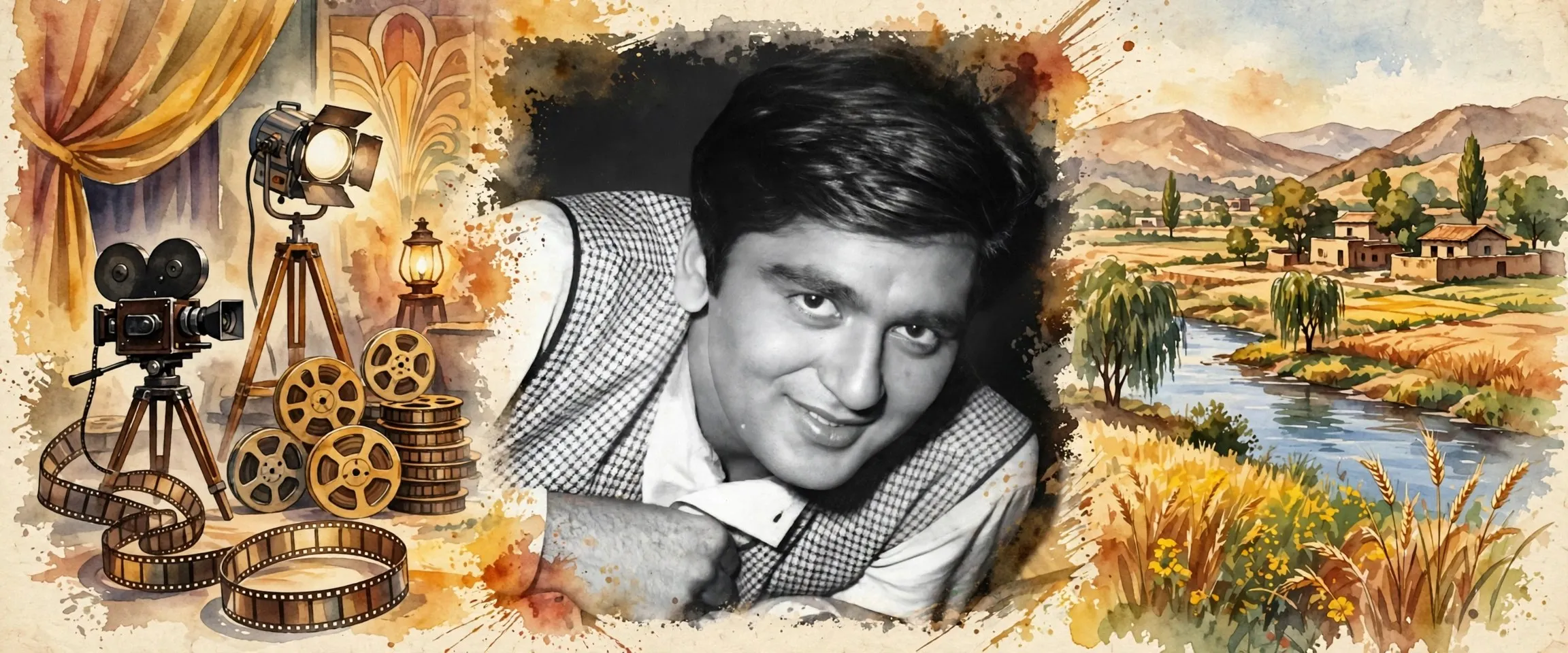
Mahendra Kapoor (1934 to 2008) was a playback singer from Amritsar who became one of Hindi cinema's defining golden era voices. A disciple in spirit of Mohammed Rafi, he sang for B. R. Chopra and Manoj Kumar across five decades, won the National Film Award and the Padma Shri, and his Mere Desh Ki Dharti remains India's best loved song of the soil.
Life at a glance
- 1934Born Amritsar, Punjab
- 1958Debut Navrang
- 1968Honour National Film Award for Mere Desh Ki Dharti
- 1972Honour Padma Shri
- 2008Died Mumbai
- Punjabi name
- ਮਹਿੰਦਰ ਕਪੂਰ
- Born
- 9 January 1934, Amritsar, Punjab
- Home city
- Amritsar
- District
- Amritsar
- Region
- Majha
- Guru
- Mohammed Rafi, whom he considered his mentor
All 13 facts
- Training
- Pt. Hussanlal; Pt. Jagannath Bua; Ustad Niaz Ahmed Khan; Ustad Abdul Rehman Khan; Pt. Tulsidaas Sharma
- Debut
- Aadha Hai Chandrama Raat Aadhi, Navrang (1958), after winning the Metro Murphy All India singing competition
- Known songs
- Mere Desh Ki Dharti (Upkaar); Neele Gagan Ke Tale (Hamraaz); Chalo Ek Baar Phir Se (Gumrah); Bharat Ka Rahnewala Hoon (Purab Aur Paschim)
- Voice for
- Manoj Kumar and Sunil Dutt in most of their films
- Languages
- Hindi, Punjabi, Gujarati, Marathi, Bhojpuri and others; about 2,500 songs
- Honours
- Padma Shri (1972); National Film Award for Mere Desh Ki Dharti (1968); three Filmfare Awards
- Died
- 27 September 2008, Mumbai
Mahendra Kapoor (9 January 1934 to 27 September 2008) was an Indian playback singer from Amritsar whose ringing, patriotic delivery made him one of the defining voices of Hindi cinema's golden era. He is remembered above all for Mere Desh Ki Dharti in the film Upkaar, a song that became an anthem of the Indian countryside, and for a five decade career in which he sang some two thousand five hundred songs across many Indian languages.
Amritsar to Bombay, in Rafi's shadow and light
Kapoor was born in Amritsar, Punjab, and the family moved to Bombay while he was still young. As a boy he fell under the spell of Mohammed Rafi, the great singer from Punjab whom he regarded all his life as his guru. He trained seriously in classical music under Pandit Hussanlal, Pandit Jagannath Bua, Ustad Niaz Ahmed Khan, Ustad Abdul Rehman Khan and Pandit Tulsidaas Sharma, shaping a style that was modelled largely on Rafi yet unmistakably his own: brighter, higher and built to soar.
His break came through a competition rather than a recommendation. Kapoor won the Metro Murphy All India singing competition, and the victory carried him to his playback debut in V. Shantaram's Navrang (1958), singing Aadha Hai Chandrama Raat Aadhi under composer C. Ramchandra. In an industry full of established voices it was a remarkable door to walk through, and he never really stopped working after it opened.
The voice of B. R. Chopra and Manoj Kumar
Two associations defined Kapoor's career. The first was with director producer B. R. Chopra, for whose films he sang many of his finest songs: Dhool Ka Phool, Gumrah, Waqt, Hamraaz, Dhund and Nikaah, and later the title theme of the television epic Mahabharat (1988), heard in millions of homes every week. The second was with actor director Manoj Kumar, whose patriotic films made Kapoor a household name. He lent his voice to Manoj Kumar and to Sunil Dutt in most of their films.
The songs from those years are now part of India's shared memory. Chalo Ek Baar Phir Se from Gumrah (1963) won him his first Filmfare Award. Hamraaz (1967) gave him Neele Gagan Ke Tale, Kisi Pathar Ki Moorat Se and Tum Agar Saath Dene Ka Wada Karo. And Upkaar (1967) gave Indian cinema Mere Desh Ki Dharti, the celebration of the farmer and the soil that won Kapoor the National Film Award for Best Male Playback Singer and still opens agricultural programmes and school functions across the country. Purab Aur Paschim (1970) added Bharat Ka Rahnewala Hoon, and Roti Kapada Aur Makaan (1974) another Filmfare Award for Aur Nahin Bas Aur Nahin.
Why did Mahendra Kapoor become the voice of patriotic songs?
The fit was in the voice itself. His singing had an open, clarion quality, closer to a public address than a whisper, and composers reached for it when a song had to carry pride rather than romance. Manoj Kumar's films, Upkaar, Purab Aur Paschim and Kranti among them, built a whole cinema of national feeling, and Kapoor's voice, trained in classical music but projected like a folk singer's, became its natural instrument. Yet the patriotic shelf is only part of the record: the same voice carried some of the era's most tender love songs and some of its darkest laments.
Five languages and a very large repertoire
Kapoor's range ran well beyond Hindi film music. He sang in a large number of Indian languages, and he is credited as the playback singer who performed in the largest number of Gujarati, Punjabi, Bhojpuri and Marathi films. In Marathi cinema he was beloved as the voice of the comedian Dada Kondke, though his Marathi work ranged far wider than comedy. He was also the first Indian playback singer to record music in English, and later recorded a Hindi pop album, M-3, built on Boney M songs. For Punjabi audiences there is a particular pride in the connection: an Amritsar boy who carried a Punjabi singing tradition into the heart of Bombay's film industry, and duetted once with his own guru when the song Kaisi Haseen Aaj Baharon Ki Raat in Aadmi (1967) was re-recorded with Kapoor alongside Mohammed Rafi.
The Government of India awarded him the Padma Shri in 1972. He won three Filmfare Awards in all, state honours from Maharashtra, Madhya Pradesh, Punjab and Gujarat, and the Lata Mangeshkar Award in 2002. Kapoor was married, with three daughters and a son, Rohan Kapoor, who became an actor and singer and performed on stage with his father. Mahendra Kapoor died of cardiac failure at his home in Mumbai on 27 September 2008, aged seventy four. The songs have not aged at all: every harvest season, somewhere in India, Mere Desh Ki Dharti is still the first song the loudspeakers play.
ਮਹਿੰਦਰ ਕਪੂਰ (9 ਜਨਵਰੀ 1934 ਤੋਂ 27 ਸਤੰਬਰ 2008) ਅੰਮ੍ਰਿਤਸਰ ਤੋਂ ਭਾਰਤੀ ਪਿਠਭੂਮੀ ਗਾਇਕ ਸਨ, ਜਿਨ੍ਹਾਂ ਦੀ ਗੂੰਜਦੀ, ਦੇਸ਼ ਭਗਤੀ ਨਾਲ ਭਰੀ ਗਾਇਕੀ ਨੇ ਉਨ੍ਹਾਂ ਨੂੰ ਹਿੰਦੀ ਸਿਨੇਮਾ ਦੇ ਸੁਨਹਿਰੀ ਯੁੱਗ ਦੀਆਂ ਪਛਾਣ ਵਾਲੀਆਂ ਆਵਾਜ਼ਾਂ ਵਿੱਚੋਂ ਇੱਕ ਬਣਾਇਆ। ਉਨ੍ਹਾਂ ਨੂੰ ਸਭ ਤੋਂ ਵੱਧ ਫ਼ਿਲਮ ਉਪਕਾਰ ਦੇ ਗੀਤ ਮੇਰੇ ਦੇਸ਼ ਕੀ ਧਰਤੀ ਲਈ ਯਾਦ ਕੀਤਾ ਜਾਂਦਾ ਹੈ, ਜੋ ਭਾਰਤੀ ਪਿੰਡਾਂ ਦਾ ਤਰਾਨਾ ਬਣ ਗਿਆ, ਅਤੇ ਪੰਜ ਦਹਾਕਿਆਂ ਦੇ ਉਸ ਸਫ਼ਰ ਲਈ ਜਿਸ ਵਿੱਚ ਉਨ੍ਹਾਂ ਨੇ ਕਈ ਭਾਰਤੀ ਭਾਸ਼ਾਵਾਂ ਵਿੱਚ ਲਗਭਗ ਢਾਈ ਹਜ਼ਾਰ ਗੀਤ ਗਾਏ।
ਅੰਮ੍ਰਿਤਸਰ ਤੋਂ ਬੰਬਈ, ਰਫ਼ੀ ਦੇ ਪਰਛਾਵੇਂ ਅਤੇ ਰੌਸ਼ਨੀ ਵਿੱਚ
ਕਪੂਰ ਦਾ ਜਨਮ ਪੰਜਾਬ ਦੇ ਅੰਮ੍ਰਿਤਸਰ ਵਿੱਚ ਹੋਇਆ ਅਤੇ ਪਰਿਵਾਰ ਉਨ੍ਹਾਂ ਦੇ ਬਚਪਨ ਵਿੱਚ ਹੀ ਬੰਬਈ ਚਲਾ ਗਿਆ। ਮੁੰਡੇ ਹੁੰਦਿਆਂ ਉਹ ਪੰਜਾਬ ਦੇ ਮਹਾਨ ਗਾਇਕ ਮੁਹੰਮਦ ਰਫ਼ੀ ਦੇ ਜਾਦੂ ਵਿੱਚ ਆ ਗਏ, ਜਿਨ੍ਹਾਂ ਨੂੰ ਉਨ੍ਹਾਂ ਨੇ ਸਾਰੀ ਉਮਰ ਆਪਣਾ ਗੁਰੂ ਮੰਨਿਆ। ਉਨ੍ਹਾਂ ਨੇ ਪੰਡਿਤ ਹੁਸਨਲਾਲ, ਪੰਡਿਤ ਜਗਨਨਾਥ ਬੂਆ, ਉਸਤਾਦ ਨਿਆਜ਼ ਅਹਿਮਦ ਖਾਨ, ਉਸਤਾਦ ਅਬਦੁਲ ਰਹਿਮਾਨ ਖਾਨ ਅਤੇ ਪੰਡਿਤ ਤੁਲਸੀਦਾਸ ਸ਼ਰਮਾ ਤੋਂ ਸ਼ਾਸਤਰੀ ਸੰਗੀਤ ਦੀ ਗੰਭੀਰ ਸਿੱਖਿਆ ਲਈ, ਅਤੇ ਇੱਕ ਅਜਿਹੀ ਸ਼ੈਲੀ ਘੜੀ ਜੋ ਬਹੁਤ ਹੱਦ ਤੱਕ ਰਫ਼ੀ ਉੱਤੇ ਆਧਾਰਿਤ ਸੀ, ਪਰ ਸਪੱਸ਼ਟ ਤੌਰ ਉੱਤੇ ਉਨ੍ਹਾਂ ਦੀ ਆਪਣੀ ਸੀ: ਹੋਰ ਚਮਕਦੀ, ਹੋਰ ਉੱਚੀ ਅਤੇ ਉੱਡਣ ਲਈ ਬਣੀ ਹੋਈ।
ਉਨ੍ਹਾਂ ਨੂੰ ਮੌਕਾ ਕਿਸੇ ਸਿਫ਼ਾਰਸ਼ ਨਾਲ ਨਹੀਂ, ਇੱਕ ਮੁਕਾਬਲੇ ਨਾਲ ਮਿਲਿਆ। ਕਪੂਰ ਨੇ ਮੈਟਰੋ ਮਰਫ਼ੀ ਆਲ ਇੰਡੀਆ ਗਾਇਕੀ ਮੁਕਾਬਲਾ ਜਿੱਤਿਆ, ਅਤੇ ਇਸ ਜਿੱਤ ਨਾਲ ਉਹ ਵੀ. ਸ਼ਾਂਤਾਰਾਮ ਦੀ ਨਵਰੰਗ (1958) ਵਿੱਚ ਆਪਣੇ ਪਹਿਲੇ ਪਿਠਭੂਮੀ ਗੀਤ ਤੱਕ ਪਹੁੰਚੇ, ਸੰਗੀਤਕਾਰ ਸੀ. ਰਾਮਚੰਦਰ ਦੀ ਧੁਨ ਉੱਤੇ ਆਧਾ ਹੈ ਚੰਦਰਮਾ ਰਾਤ ਆਧੀ ਗਾਉਂਦਿਆਂ। ਸਥਾਪਿਤ ਆਵਾਜ਼ਾਂ ਨਾਲ ਭਰੇ ਜਗਤ ਵਿੱਚ ਇਹ ਹੈਰਾਨੀਜਨਕ ਦਰਵਾਜ਼ਾ ਸੀ, ਅਤੇ ਖੁੱਲ੍ਹਣ ਤੋਂ ਬਾਅਦ ਉਹ ਅਸਲ ਵਿੱਚ ਕਦੇ ਰੁਕੇ ਹੀ ਨਹੀਂ।
ਬੀ. ਆਰ. ਚੋਪੜਾ ਅਤੇ ਮਨੋਜ ਕੁਮਾਰ ਦੀ ਆਵਾਜ਼
ਕਪੂਰ ਦੇ ਸਫ਼ਰ ਨੂੰ ਦੋ ਸਾਂਝਾਂ ਨੇ ਤੈਅ ਕੀਤਾ। ਪਹਿਲੀ ਨਿਰਦੇਸ਼ਕ ਨਿਰਮਾਤਾ ਬੀ. ਆਰ. ਚੋਪੜਾ ਨਾਲ ਸੀ, ਜਿਨ੍ਹਾਂ ਦੀਆਂ ਫ਼ਿਲਮਾਂ ਲਈ ਉਨ੍ਹਾਂ ਨੇ ਆਪਣੇ ਕਈ ਸਭ ਤੋਂ ਵਧੀਆ ਗੀਤ ਗਾਏ: ਧੂਲ ਕਾ ਫੂਲ, ਗੁਮਰਾਹ, ਵਕਤ, ਹਮਰਾਜ਼, ਧੁੰਦ ਅਤੇ ਨਿਕਾਹ, ਅਤੇ ਬਾਅਦ ਵਿੱਚ ਟੈਲੀਵਿਜ਼ਨ ਮਹਾਕਾਵਿ ਮਹਾਭਾਰਤ (1988) ਦਾ ਸਿਰਲੇਖ ਗੀਤ, ਜੋ ਹਰ ਹਫ਼ਤੇ ਲੱਖਾਂ ਘਰਾਂ ਵਿੱਚ ਸੁਣਿਆ ਜਾਂਦਾ ਸੀ। ਦੂਜੀ ਸਾਂਝ ਅਦਾਕਾਰ ਨਿਰਦੇਸ਼ਕ ਮਨੋਜ ਕੁਮਾਰ ਨਾਲ ਸੀ, ਜਿਨ੍ਹਾਂ ਦੀਆਂ ਦੇਸ਼ ਭਗਤੀ ਫ਼ਿਲਮਾਂ ਨੇ ਕਪੂਰ ਨੂੰ ਘਰ ਘਰ ਦਾ ਨਾਂ ਬਣਾਇਆ। ਉਨ੍ਹਾਂ ਨੇ ਮਨੋਜ ਕੁਮਾਰ ਅਤੇ ਸੁਨੀਲ ਦੱਤ ਨੂੰ ਉਨ੍ਹਾਂ ਦੀਆਂ ਜ਼ਿਆਦਾਤਰ ਫ਼ਿਲਮਾਂ ਵਿੱਚ ਆਪਣੀ ਆਵਾਜ਼ ਦਿੱਤੀ।
ਉਨ੍ਹਾਂ ਸਾਲਾਂ ਦੇ ਗੀਤ ਹੁਣ ਭਾਰਤ ਦੀ ਸਾਂਝੀ ਯਾਦ ਦਾ ਹਿੱਸਾ ਹਨ। ਗੁਮਰਾਹ (1963) ਦੇ ਚਲੋ ਏਕ ਬਾਰ ਫਿਰ ਸੇ ਨੇ ਉਨ੍ਹਾਂ ਨੂੰ ਪਹਿਲਾ ਫ਼ਿਲਮਫੇਅਰ ਪੁਰਸਕਾਰ ਦਿਵਾਇਆ। ਹਮਰਾਜ਼ (1967) ਨੇ ਨੀਲੇ ਗਗਨ ਕੇ ਤਲੇ, ਕਿਸੀ ਪੱਥਰ ਕੀ ਮੂਰਤ ਸੇ ਅਤੇ ਤੁਮ ਅਗਰ ਸਾਥ ਦੇਨੇ ਕਾ ਵਾਦਾ ਕਰੋ ਦਿੱਤੇ। ਅਤੇ ਉਪਕਾਰ (1967) ਨੇ ਭਾਰਤੀ ਸਿਨੇਮਾ ਨੂੰ ਮੇਰੇ ਦੇਸ਼ ਕੀ ਧਰਤੀ ਦਿੱਤਾ, ਕਿਸਾਨ ਅਤੇ ਮਿੱਟੀ ਦਾ ਉਹ ਜਸ਼ਨ ਜਿਸ ਲਈ ਕਪੂਰ ਨੂੰ ਸਭ ਤੋਂ ਵਧੀਆ ਪਿਠਭੂਮੀ ਗਾਇਕ ਦਾ ਕੌਮੀ ਫ਼ਿਲਮ ਪੁਰਸਕਾਰ ਮਿਲਿਆ ਅਤੇ ਜੋ ਅੱਜ ਵੀ ਦੇਸ਼ ਭਰ ਵਿੱਚ ਖੇਤੀ ਪ੍ਰੋਗਰਾਮਾਂ ਅਤੇ ਸਕੂਲੀ ਸਮਾਗਮਾਂ ਵਿੱਚ ਵੱਜਦਾ ਹੈ। ਪੂਰਬ ਔਰ ਪੱਛਮ (1970) ਨੇ ਭਾਰਤ ਕਾ ਰਹਨੇਵਾਲਾ ਹੂੰ ਜੋੜਿਆ, ਅਤੇ ਰੋਟੀ ਕਪੜਾ ਔਰ ਮਕਾਨ (1974) ਨੇ ਔਰ ਨਹੀਂ ਬਸ ਔਰ ਨਹੀਂ ਲਈ ਇੱਕ ਹੋਰ ਫ਼ਿਲਮਫੇਅਰ ਪੁਰਸਕਾਰ।
ਮਹਿੰਦਰ ਕਪੂਰ ਦੇਸ਼ ਭਗਤੀ ਗੀਤਾਂ ਦੀ ਆਵਾਜ਼ ਕਿਉਂ ਬਣੇ?
ਇਹ ਮੇਲ ਆਵਾਜ਼ ਵਿੱਚ ਹੀ ਸੀ। ਉਨ੍ਹਾਂ ਦੀ ਗਾਇਕੀ ਵਿੱਚ ਖੁੱਲ੍ਹੀ, ਨਗਾਰੇ ਵਰਗੀ ਸਪੱਸ਼ਟਤਾ ਸੀ, ਜੋ ਫੁਸਫੁਸਾਹਟ ਨਾਲੋਂ ਜਨਤਕ ਸੰਬੋਧਨ ਦੇ ਨੇੜੇ ਸੀ, ਅਤੇ ਜਦੋਂ ਕਿਸੇ ਗੀਤ ਨੂੰ ਰੋਮਾਂਸ ਦੀ ਥਾਂ ਮਾਣ ਚੁੱਕਣਾ ਹੁੰਦਾ ਸੀ ਤਾਂ ਸੰਗੀਤਕਾਰ ਉਨ੍ਹਾਂ ਵੱਲ ਹੀ ਵੇਖਦੇ ਸਨ। ਮਨੋਜ ਕੁਮਾਰ ਦੀਆਂ ਫ਼ਿਲਮਾਂ, ਉਪਕਾਰ, ਪੂਰਬ ਔਰ ਪੱਛਮ ਅਤੇ ਕ੍ਰਾਂਤੀ ਸਮੇਤ, ਨੇ ਕੌਮੀ ਭਾਵਨਾ ਦਾ ਪੂਰਾ ਸਿਨੇਮਾ ਬਣਾਇਆ, ਅਤੇ ਸ਼ਾਸਤਰੀ ਸੰਗੀਤ ਵਿੱਚ ਸਿੱਖੀ ਪਰ ਲੋਕ ਗਾਇਕ ਵਾਂਗ ਪ੍ਰਸਾਰਿਤ ਹੁੰਦੀ ਕਪੂਰ ਦੀ ਆਵਾਜ਼ ਇਸ ਦਾ ਕੁਦਰਤੀ ਸਾਜ਼ ਬਣ ਗਈ। ਪਰ ਦੇਸ਼ ਭਗਤੀ ਵਾਲੀ ਤਖ਼ਤੀ ਰਿਕਾਰਡ ਦਾ ਸਿਰਫ਼ ਇੱਕ ਹਿੱਸਾ ਹੈ: ਉਸੇ ਆਵਾਜ਼ ਨੇ ਉਸ ਯੁੱਗ ਦੇ ਕੁਝ ਸਭ ਤੋਂ ਕੋਮਲ ਪ੍ਰੇਮ ਗੀਤ ਅਤੇ ਕੁਝ ਸਭ ਤੋਂ ਡੂੰਘੇ ਵਿਰਲਾਪ ਵੀ ਗਾਏ।
ਪੰਜ ਭਾਸ਼ਾਵਾਂ ਅਤੇ ਬਹੁਤ ਵੱਡਾ ਸੰਗ੍ਰਹਿ
ਕਪੂਰ ਦੀ ਪਹੁੰਚ ਹਿੰਦੀ ਫ਼ਿਲਮ ਸੰਗੀਤ ਤੋਂ ਕਿਤੇ ਅੱਗੇ ਸੀ। ਉਨ੍ਹਾਂ ਨੇ ਕਈ ਭਾਰਤੀ ਭਾਸ਼ਾਵਾਂ ਵਿੱਚ ਗਾਇਆ, ਅਤੇ ਉਨ੍ਹਾਂ ਨੂੰ ਉਹ ਪਿਠਭੂਮੀ ਗਾਇਕ ਮੰਨਿਆ ਜਾਂਦਾ ਹੈ ਜਿਨ੍ਹਾਂ ਨੇ ਸਭ ਤੋਂ ਵੱਧ ਗਿਣਤੀ ਵਿੱਚ ਗੁਜਰਾਤੀ, ਪੰਜਾਬੀ, ਭੋਜਪੁਰੀ ਅਤੇ ਮਰਾਠੀ ਫ਼ਿਲਮਾਂ ਵਿੱਚ ਗਾਇਆ। ਮਰਾਠੀ ਸਿਨੇਮਾ ਵਿੱਚ ਉਹ ਹਾਸਰਸ ਕਲਾਕਾਰ ਦਾਦਾ ਕੋਂਡਕੇ ਦੀ ਆਵਾਜ਼ ਵਜੋਂ ਪਿਆਰੇ ਸਨ, ਹਾਲਾਂਕਿ ਉਨ੍ਹਾਂ ਦਾ ਮਰਾਠੀ ਕੰਮ ਹਾਸੇ ਤੋਂ ਕਿਤੇ ਵੱਧ ਫੈਲਿਆ ਸੀ। ਉਹ ਅੰਗਰੇਜ਼ੀ ਵਿੱਚ ਸੰਗੀਤ ਰਿਕਾਰਡ ਕਰਨ ਵਾਲੇ ਪਹਿਲੇ ਭਾਰਤੀ ਪਿਠਭੂਮੀ ਗਾਇਕ ਵੀ ਸਨ, ਅਤੇ ਬਾਅਦ ਵਿੱਚ ਉਨ੍ਹਾਂ ਨੇ ਬੋਨੀ ਐਮ ਦੇ ਗੀਤਾਂ ਉੱਤੇ ਆਧਾਰਿਤ ਹਿੰਦੀ ਪੌਪ ਐਲਬਮ ਐਮ-3 ਰਿਕਾਰਡ ਕੀਤੀ। ਪੰਜਾਬੀ ਸਰੋਤਿਆਂ ਲਈ ਇਸ ਸਾਂਝ ਵਿੱਚ ਇੱਕ ਖ਼ਾਸ ਮਾਣ ਹੈ: ਅੰਮ੍ਰਿਤਸਰ ਦਾ ਇੱਕ ਮੁੰਡਾ, ਜੋ ਪੰਜਾਬੀ ਗਾਇਕੀ ਪਰੰਪਰਾ ਨੂੰ ਬੰਬਈ ਦੇ ਫ਼ਿਲਮ ਜਗਤ ਦੇ ਦਿਲ ਤੱਕ ਲੈ ਗਿਆ, ਅਤੇ ਜਿਸ ਨੇ ਇੱਕ ਵਾਰ ਆਪਣੇ ਗੁਰੂ ਨਾਲ ਵੀ ਜੁਗਲਬੰਦੀ ਕੀਤੀ, ਜਦੋਂ ਆਦਮੀ (1967) ਦਾ ਗੀਤ ਕੈਸੀ ਹਸੀਨ ਆਜ ਬਹਾਰੋਂ ਕੀ ਰਾਤ ਕਪੂਰ ਨੂੰ ਮੁਹੰਮਦ ਰਫ਼ੀ ਨਾਲ ਜੋੜ ਕੇ ਮੁੜ ਰਿਕਾਰਡ ਕੀਤਾ ਗਿਆ।
ਭਾਰਤ ਸਰਕਾਰ ਨੇ 1972 ਵਿੱਚ ਉਨ੍ਹਾਂ ਨੂੰ ਪਦਮ ਸ਼੍ਰੀ ਦਿੱਤਾ। ਉਨ੍ਹਾਂ ਨੇ ਕੁੱਲ ਤਿੰਨ ਫ਼ਿਲਮਫੇਅਰ ਪੁਰਸਕਾਰ, ਮਹਾਰਾਸ਼ਟਰ, ਮੱਧ ਪ੍ਰਦੇਸ਼, ਪੰਜਾਬ ਅਤੇ ਗੁਜਰਾਤ ਦੇ ਰਾਜ ਸਨਮਾਨ, ਅਤੇ 2002 ਵਿੱਚ ਲਤਾ ਮੰਗੇਸ਼ਕਰ ਪੁਰਸਕਾਰ ਜਿੱਤਿਆ। ਕਪੂਰ ਵਿਆਹੇ ਹੋਏ ਸਨ, ਉਨ੍ਹਾਂ ਦੀਆਂ ਤਿੰਨ ਧੀਆਂ ਅਤੇ ਇੱਕ ਪੁੱਤਰ ਰੋਹਨ ਕਪੂਰ ਸੀ, ਜੋ ਅਦਾਕਾਰ ਅਤੇ ਗਾਇਕ ਬਣਿਆ ਅਤੇ ਆਪਣੇ ਪਿਤਾ ਨਾਲ ਮੰਚ ਉੱਤੇ ਪ੍ਰਦਰਸ਼ਨ ਕਰਦਾ ਸੀ। ਮਹਿੰਦਰ ਕਪੂਰ ਦਾ ਦੇਹਾਂਤ 27 ਸਤੰਬਰ 2008 ਨੂੰ ਮੁੰਬਈ ਵਿੱਚ ਆਪਣੇ ਘਰ ਦਿਲ ਦੇ ਦੌਰੇ ਨਾਲ ਹੋਇਆ, ਉਨ੍ਹਾਂ ਦੀ ਉਮਰ ਚੁਹੱਤਰ ਸਾਲ ਸੀ। ਗੀਤ ਬਿਲਕੁਲ ਨਹੀਂ ਥੱਕੇ: ਹਰ ਵਾਢੀ ਦੇ ਮੌਸਮ ਵਿੱਚ, ਭਾਰਤ ਵਿੱਚ ਕਿਤੇ ਨਾ ਕਿਤੇ, ਲਾਊਡਸਪੀਕਰਾਂ ਉੱਤੇ ਪਹਿਲਾ ਗੀਤ ਅੱਜ ਵੀ ਮੇਰੇ ਦੇਸ਼ ਕੀ ਧਰਤੀ ਹੀ ਹੁੰਦਾ ਹੈ।
People

Places
More music
See all


Jugti is free and independent. Reader support keeps the Kosh growing.
Support