
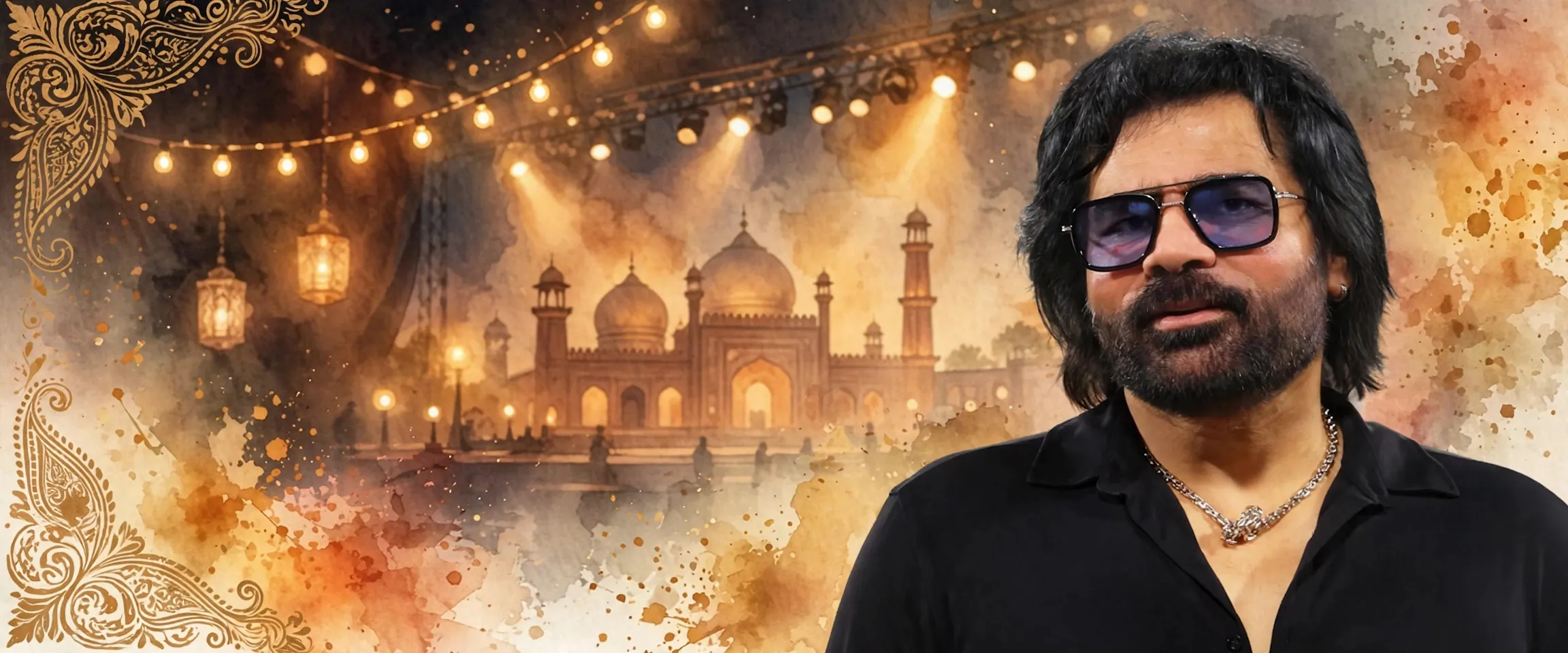
Shafqat Amanat Ali Khan (born 26 February 1965) is a Pakistani classical and pop singer from Lahore, the seventh generation of the Patiala gharana and youngest son of Ustad Amanat Ali Khan. He rose with the band Fuzön and the album Saagar, then crossed into Bollywood with Mitwa, and received the Pride of Performance in 2008.
Life at a glance
- 1965Born Lahore, Punjab, Pakistan
- 1988Education Lahore
- 2006Breakthrough Mitwa
- 2008Solo album Tabeer
- 2008Honour Pride of Performance
- 2010Solo album Kyun Dooriyan
Show 2 more
- 2015Solo album Muh Dikhai
- 2023Honour GCU Lifetime Achievement Honour
- Punjabi name
- ਸ਼ਫ਼ਕਤ ਅਮਾਨਤ ਅਲੀ
- Born
- 26 February 1965, Lahore, Punjab, Pakistan
- Home city
- Lahore
- District
- Lahore
- Region
- Majha
- Family
- Youngest son of Ustad Amanat Ali Khan; brother of Asad Amanat Ali Khan
All 13 facts
- Gharana
- Patiala, seventh generation
- Teacher
- Ustad Bade Fateh Ali Khan, his uncle
- Education
- Bachelor's degree, Government College University, Lahore (1988)
- Band
- Lead vocalist of Fuzön, 2001 to 2006
- Breakthrough
- Aankhon Ke Saagar and Khamaj (Saagar, 2002); Mitwa (2006)
- Solo albums
- Tabeer (2008); Kyun Dooriyan (2010); Muh Dikhai (2015)
- Honours
- Pride of Performance (2008); GCU Lifetime Achievement Honour (2023); Arts Council Karachi Lifetime Achievement Award (2024)
Shafqat Amanat Ali Khan (born 26 February 1965) is a Pakistani classical and pop singer from Lahore, the seventh generation of the Patiala gharana and the voice of Mitwa, Aankhon Ke Saagar and Khamaj. Youngest son of Ustad Amanat Ali Khan, he first won fame fronting the band Fuzön, then crossed into Bollywood and became one of the most streamed Pakistani singers in the world.
Seventh generation of the Patiala gharana
He was born in Lahore into a Punjabi Muslim family at the centre of Hindustani music. His father was the classical vocalist Ustad Amanat Ali Khan, his uncles Ustad Bade Fateh Ali Khan and Ustad Hamid Ali Khan were the gharana's leading exponents, and his elder brother Asad Amanat Ali Khan was a celebrated singer in his own right. The gharana itself was founded in the nineteenth century by his great-grandfather Ali Baksh Jarnail Khan. Training began at the age of four, under his uncle Bade Fateh Ali Khan, with his grandmother as his first teacher and his grandfather Ustad Akhtar Hussain as his guru. Riyaz ran for hours every day of his childhood, and he was nine when his father died, leaving the family's standards as his inheritance.
The first graduate in the family
Shafqat was the first person in his family to go to college. He took his bachelor's degree in 1988 from Government College University, Lahore, leaving with the Roll of Honour from its Music Society and a reputation built in college festivals. Music then had to be earned the slow way: a spell teaching music at a Lahore high school, a move to Karachi, nights spent sleeping in recording studios and vocal booths, and a living made from jingles and voiceovers while his first album failed to find a release. The struggle years ended only when the band came together.
Fuzön and the Saagar breakthrough
In 2001 he formed the pop rock band Fuzön, named for its fusion of pop rock with Hindustani classical, folk and Sufi music. Their debut album Saagar (2002) carried Aankhon Ke Saagar and Khamaj, also known as Mora Saiyaan, and became the first studio album by a band released simultaneously in India and Pakistan. Khamaj and Teray Bina travelled into Nagesh Kukunoor's film Hyderabad Blues 2 in 2004. Shafqat left the band in 2006, the year everything changed.
Mitwa and the Bollywood years
Composer Shankar Mahadevan heard Aankhon Ke Saagar on the radio while driving, tracked down the singer's number, and gave him Mitwa, the Sufi rock ballad from Kabhi Alvida Naa Kehna (2006). The same year came Yeh Honsla from Dor. Bollywood work then ran for years: Bin Tere, Tere Naina, Kyun Main Jaagoon, Dildaara, Tu Hi Mera, Phir Le Aya Dil and Darmiyaan, sung for composers from Pritam and Shankar-Ehsaan-Loy to Vishal-Shekhar and Salim-Sulaiman. His solo albums Tabeer (2008), Kyun Dooriyan (2010) and Muh Dikhai (2015) ran alongside, and his Coke Studio performances in Pakistan kept the classical and Sufi side of his singing in front of home audiences.
What does the Pride of Performance mean in his family?
On 23 March 2008 Shafqat received the Presidential Pride of Performance, Pakistan's highest national honour for the arts, and became the sixth person in his family to hold it. The honours kept the same family shape: a Lifetime Achievement Honour from Government College University in 2023 and a Lifetime Achievement Award from the Arts Council of Pakistan Karachi in 2024. Spotify's figures for 2022 and 2023 placed him among the most streamed Pakistani artists in the world, a classical gharana's seventh generation carried by streaming into homes his grandfather could not have imagined.
The singer today
He has served as a judge and coach on television, including Zee TV's Asia's Singing Superstar in 2015 and 2016, and continues to record and perform in both countries' industries. What sets his career apart is the double inheritance he never had to choose between: the full classical discipline of the Patiala gharana, learned sitting cross-legged on the floor as a child, and a pop career built on some of the biggest film songs of the 2000s. From Lahore's music rooms to Bollywood's playback lists, the voice stayed recognisably one. With Fuzön, whose name joined fusion and horizon, he helped invent the sound of Pakistani pop rock at the start of the 2000s: a classically trained voice set against electric guitars, with Aankhon Ke Saagar and Khamaj from the album Saagar (2002) becoming the band's signature songs. After leaving the band in 2006 he built a solo catalogue across Tabeer (2008), Kyun Dooriyan (2010) and Muh Dikhai (2015), moving between ghazal, Sufi verse and film playback without ever dropping the riyaz that Lahore's music rooms had drilled into him.
ਸ਼ਫ਼ਕਤ ਅਮਾਨਤ ਅਲੀ ਖਾਨ (ਜਨਮ 26 ਫ਼ਰਵਰੀ 1965) ਲਾਹੌਰ ਤੋਂ ਪਾਕਿਸਤਾਨੀ ਕਲਾਸੀਕਲ ਅਤੇ ਪੌਪ ਗਾਇਕ ਹਨ, ਪਟਿਆਲਾ ਘਰਾਣੇ ਦੀ ਸੱਤਵੀਂ ਪੀੜ੍ਹੀ ਅਤੇ ਮਿਤਵਾ, ਅੱਖੋਂ ਕੇ ਸਾਗਰ ਅਤੇ ਖਮਾਜ ਦੀ ਆਵਾਜ਼। ਉਸਤਾਦ ਅਮਾਨਤ ਅਲੀ ਖਾਨ ਦੇ ਸਭ ਤੋਂ ਛੋਟੇ ਪੁੱਤਰ, ਉਨ੍ਹਾਂ ਨੇ ਪਹਿਲਾਂ ਬੈਂਡ ਫ਼ਿਊਜ਼ੋਨ ਦੇ ਮੁੱਖ ਗਾਇਕ ਵਜੋਂ ਸ਼ੋਹਰਤ ਪਾਈ, ਫਿਰ ਬਾਲੀਵੁੱਡ ਵਿੱਚ ਪਹੁੰਚੇ ਅਤੇ ਦੁਨੀਆ ਦੇ ਸਭ ਤੋਂ ਵੱਧ ਸੁਣੇ ਜਾਣ ਵਾਲੇ ਪਾਕਿਸਤਾਨੀ ਗਾਇਕਾਂ ਵਿੱਚੋਂ ਇੱਕ ਬਣ ਗਏ।
ਪਟਿਆਲਾ ਘਰਾਣੇ ਦੀ ਸੱਤਵੀਂ ਪੀੜ੍ਹੀ
ਉਨ੍ਹਾਂ ਦਾ ਜਨਮ ਲਾਹੌਰ ਵਿੱਚ ਇੱਕ ਪੰਜਾਬੀ ਮੁਸਲਿਮ ਪਰਿਵਾਰ ਵਿੱਚ ਹੋਇਆ ਜੋ ਹਿੰਦੁਸਤਾਨੀ ਸੰਗੀਤ ਦੇ ਕੇਂਦਰ ਵਿੱਚ ਸੀ। ਉਨ੍ਹਾਂ ਦੇ ਪਿਤਾ ਕਲਾਸੀਕਲ ਗਾਇਕ ਉਸਤਾਦ ਅਮਾਨਤ ਅਲੀ ਖਾਨ ਸਨ, ਚਾਚੇ ਉਸਤਾਦ ਬਡੇ ਫ਼ਤਿਹ ਅਲੀ ਖਾਨ ਅਤੇ ਉਸਤਾਦ ਹਾਮਿਦ ਅਲੀ ਖਾਨ ਘਰਾਣੇ ਦੇ ਮੋਹਰੀ ਮਾਹਿਰ ਸਨ, ਅਤੇ ਵੱਡੇ ਭਰਾ ਅਸਦ ਅਮਾਨਤ ਅਲੀ ਖਾਨ ਆਪਣੇ ਆਪ ਵਿੱਚ ਮਸ਼ਹੂਰ ਗਾਇਕ ਸਨ। ਘਰਾਣੇ ਦੀ ਸਥਾਪਨਾ ਉਨ੍ਹੀਵੀਂ ਸਦੀ ਵਿੱਚ ਉਨ੍ਹਾਂ ਦੇ ਪੜਦਾਦਾ ਅਲੀ ਬਖਸ਼ ਜਰਨੈਲ ਖਾਨ ਨੇ ਕੀਤੀ ਸੀ। ਸਿਖਲਾਈ ਚਾਰ ਸਾਲ ਦੀ ਉਮਰ ਵਿੱਚ ਸ਼ੁਰੂ ਹੋਈ, ਚਾਚਾ ਬਡੇ ਫ਼ਤਿਹ ਅਲੀ ਖਾਨ ਦੀ ਸਿਖਲਾਈ ਹੇਠ, ਦਾਦੀ ਪਹਿਲੀ ਅਧਿਆਪਕਾ ਅਤੇ ਦਾਦਾ ਉਸਤਾਦ ਅਖ਼ਤਰ ਹੁਸੈਨ ਗੁਰੂ ਸਨ। ਬਚਪਨ ਵਿੱਚ ਹਰ ਰੋਜ਼ ਘੰਟਿਆਂ ਰਿਆਜ਼ ਹੁੰਦੀ ਸੀ, ਅਤੇ ਉਹ ਨੌਂ ਸਾਲ ਦੇ ਸਨ ਜਦ ਉਨ੍ਹਾਂ ਦੇ ਪਿਤਾ ਦਾ ਦੇਹਾਂਤ ਹੋ ਗਿਆ, ਪਰਿਵਾਰ ਦੇ ਮਿਆਰ ਉਨ੍ਹਾਂ ਦੀ ਵਿਰਾਸਤ ਬਣ ਕੇ ਰਹਿ ਗਏ।
ਪਰਿਵਾਰ ਵਿੱਚ ਪਹਿਲੇ ਗ੍ਰੈਜੂਏਟ
ਸ਼ਫ਼ਕਤ ਆਪਣੇ ਪਰਿਵਾਰ ਵਿੱਚ ਕਾਲਜ ਜਾਣ ਵਾਲੇ ਪਹਿਲੇ ਵਿਅਕਤੀ ਸਨ। ਉਨ੍ਹਾਂ ਨੇ 1988 ਵਿੱਚ ਗਵਰਨਮੈਂਟ ਕਾਲਜ ਯੂਨੀਵਰਸਿਟੀ, ਲਾਹੌਰ ਤੋਂ ਬੈਚਲਰ ਦੀ ਡਿਗਰੀ ਲਈ, ਇਸ ਦੀ ਮਿਊਜ਼ਿਕ ਸੋਸਾਇਟੀ ਤੋਂ ਰੋਲ ਆਫ਼ ਆਨਰ ਨਾਲ ਅਤੇ ਕਾਲਜ ਤਿਉਹਾਰਾਂ ਵਿੱਚ ਬਣੀ ਪਛਾਣ ਨਾਲ। ਫਿਰ ਸੰਗੀਤ ਹੌਲੀ ਰਾਹੀਂ ਕਮਾਉਣਾ ਪਿਆ: ਲਾਹੌਰ ਦੇ ਇੱਕ ਹਾਈ ਸਕੂਲ ਵਿੱਚ ਸੰਗੀਤ ਪੜ੍ਹਾਉਣ ਦਾ ਸਮਾਂ, ਕਰਾਚੀ ਵੱਲ ਜਾਣਾ, ਰਿਕਾਰਡਿੰਗ ਸਟੂਡੀਓਜ਼ ਅਤੇ ਵੋਕਲ ਬੂਥਾਂ ਵਿੱਚ ਸੌਂ ਕੇ ਕੱਟੀਆਂ ਰਾਤਾਂ, ਅਤੇ ਜਿੰਗਲਾਂ ਤੇ ਵਾਇਸਓਵਰਾਂ ਨਾਲ ਗੁਜ਼ਾਰਾ, ਜਦ ਕਿ ਉਨ੍ਹਾਂ ਦੀ ਪਹਿਲੀ ਐਲਬਮ ਰਿਲੀਜ਼ ਹੀ ਨਾ ਹੋ ਸਕੀ। ਸੰਘਰਸ਼ ਦੇ ਸਾਲ ਤਾਂ ਹੀ ਮੁੱਕੇ ਜਦ ਬੈਂਡ ਬਣਿਆ।
ਫ਼ਿਊਜ਼ੋਨ ਅਤੇ ਸਾਗਰ ਦੀ ਸਫ਼ਲਤਾ
2001 ਵਿੱਚ ਉਨ੍ਹਾਂ ਨੇ ਪੌਪ ਰੌਕ ਬੈਂਡ ਫ਼ਿਊਜ਼ੋਨ ਬਣਾਇਆ, ਜਿਸ ਦਾ ਨਾਂ ਪੌਪ ਰੌਕ ਨੂੰ ਹਿੰਦੁਸਤਾਨੀ ਕਲਾਸੀਕਲ, ਲੋਕ ਅਤੇ ਸੂਫ਼ੀ ਸੰਗੀਤ ਨਾਲ ਜੋੜਨ ਉੱਤੇ ਰੱਖਿਆ ਗਿਆ ਸੀ। ਉਨ੍ਹਾਂ ਦੀ ਪਹਿਲੀ ਐਲਬਮ ਸਾਗਰ (2002) ਵਿੱਚ ਅੱਖੋਂ ਕੇ ਸਾਗਰ ਅਤੇ ਖਮਾਜ, ਜਿਸ ਨੂੰ ਮੋਰਾ ਸਾਈਆਂ ਵੀ ਕਿਹਾ ਜਾਂਦਾ ਹੈ, ਸਨ, ਅਤੇ ਇਹ ਕਿਸੇ ਬੈਂਡ ਦੀ ਪਹਿਲੀ ਸਟੂਡੀਓ ਐਲਬਮ ਬਣੀ ਜੋ ਭਾਰਤ ਅਤੇ ਪਾਕਿਸਤਾਨ ਵਿੱਚ ਇੱਕੋ ਸਮੇਂ ਰਿਲੀਜ਼ ਹੋਈ। ਖਮਾਜ ਅਤੇ ਤੇਰੇ ਬਿਨਾ 2004 ਵਿੱਚ ਨਾਗੇਸ਼ ਕੁਕਨੂਰ ਦੀ ਫ਼ਿਲਮ ਹੈਦਰਾਬਾਦ ਬਲੂਜ਼ 2 ਵਿੱਚ ਪਹੁੰਚੇ। ਸ਼ਫ਼ਕਤ ਨੇ 2006 ਵਿੱਚ ਬੈਂਡ ਛੱਡਿਆ, ਉਹੀ ਸਾਲ ਜਦ ਸਭ ਕੁਝ ਬਦਲ ਗਿਆ।
ਮਿਤਵਾ ਅਤੇ ਬਾਲੀਵੁੱਡ ਦੇ ਸਾਲ
ਸੰਗੀਤਕਾਰ ਸ਼ੰਕਰ ਮਹਾਦੇਵਨ ਨੇ ਗੱਡੀ ਚਲਾਉਂਦੇ ਹੋਏ ਰੇਡੀਓ ਉੱਤੇ ਅੱਖੋਂ ਕੇ ਸਾਗਰ ਸੁਣਿਆ, ਗਾਇਕ ਦਾ ਨੰਬਰ ਲੱਭਿਆ, ਅਤੇ ਉਨ੍ਹਾਂ ਨੂੰ ਮਿਤਵਾ ਦਿੱਤਾ, ਕਭੀ ਅਲਵਿਦਾ ਨਾ ਕਹਿਣਾ (2006) ਦਾ ਸੂਫ਼ੀ ਰੌਕ ਗੀਤ। ਉਸੇ ਸਾਲ ਡੋਰ ਦਾ ਯੇ ਹੋਸਲਾ ਆਇਆ। ਫਿਰ ਬਾਲੀਵੁੱਡ ਦਾ ਕੰਮ ਸਾਲਾਂ ਚੱਲਿਆ: ਬਿਨ ਤੇਰੇ, ਤੇਰੇ ਨੈਨਾ, ਕਿਉਂ ਮੈਂ ਜਾਗੂੰ, ਦਿਲਦਾਰਾ, ਤੂ ਹੀ ਮੇਰਾ, ਫਿਰ ਲੇ ਆਇਆ ਦਿਲ ਅਤੇ ਦਰਮਿਆਂ, ਪ੍ਰੀਤਮ ਅਤੇ ਸ਼ੰਕਰ-ਅਹਿਸਾਨ-ਲੋਏ ਤੋਂ ਲੈ ਕੇ ਵਿਸ਼ਾਲ-ਸ਼ੇਖਰ ਅਤੇ ਸਲੀਮ-ਸੁਲੇਮਾਨ ਤੱਕ ਦੇ ਸੰਗੀਤਕਾਰਾਂ ਲਈ ਗਾਏ। ਉਨ੍ਹਾਂ ਦੀਆਂ ਸੋਲੋ ਐਲਬਮਾਂ ਤਾਬੀਰ (2008), ਕਿਉਂ ਦੂਰੀਆਂ (2010) ਅਤੇ ਮੂੰਹ ਦਿਖਾਈ (2015) ਨਾਲ ਨਾਲ ਚੱਲੀਆਂ, ਅਤੇ ਪਾਕਿਸਤਾਨ ਵਿੱਚ ਉਨ੍ਹਾਂ ਦੀਆਂ ਕੋਕ ਸਟੂਡੀਓ ਪੇਸ਼ਕਾਰੀਆਂ ਨੇ ਉਨ੍ਹਾਂ ਦੀ ਗਾਇਕੀ ਦਾ ਕਲਾਸੀਕਲ ਅਤੇ ਸੂਫ਼ੀ ਪਾਸਾ ਘਰੇਲੂ ਦਰਸ਼ਕਾਂ ਅੱਗੇ ਰੱਖਿਆ।
ਉਨ੍ਹਾਂ ਦੇ ਪਰਿਵਾਰ ਵਿੱਚ ਪ੍ਰਾਈਡ ਆਫ਼ ਪਰਫ਼ਾਰਮੈਂਸ ਦਾ ਕੀ ਮਤਲਬ ਹੈ?
23 ਮਾਰਚ 2008 ਨੂੰ ਸ਼ਫ਼ਕਤ ਨੂੰ ਰਾਸ਼ਟਰਪਤੀ ਪ੍ਰਾਈਡ ਆਫ਼ ਪਰਫ਼ਾਰਮੈਂਸ ਮਿਲਿਆ, ਜੋ ਕਲਾ ਲਈ ਪਾਕਿਸਤਾਨ ਦਾ ਸਭ ਤੋਂ ਵੱਡਾ ਰਾਸ਼ਟਰੀ ਸਨਮਾਨ ਹੈ, ਅਤੇ ਉਹ ਇਹ ਪਾਉਣ ਵਾਲੇ ਆਪਣੇ ਪਰਿਵਾਰ ਦੇ ਛੇਵੇਂ ਵਿਅਕਤੀ ਬਣੇ। ਸਨਮਾਨਾਂ ਨੇ ਉਹੀ ਪਰਿਵਾਰਕ ਰੂਪ ਰੱਖਿਆ: 2023 ਵਿੱਚ ਗਵਰਨਮੈਂਟ ਕਾਲਜ ਯੂਨੀਵਰਸਿਟੀ ਤੋਂ ਲਾਈਫ਼ਟਾਈਮ ਅਚੀਵਮੈਂਟ ਆਨਰ ਅਤੇ 2024 ਵਿੱਚ ਆਰਟਸ ਕੌਂਸਲ ਆਫ਼ ਪਾਕਿਸਤਾਨ ਕਰਾਚੀ ਤੋਂ ਲਾਈਫ਼ਟਾਈਮ ਅਚੀਵਮੈਂਟ ਪੁਰਸਕਾਰ। ਸਪੋਟੀਫ਼ਾਈ ਦੇ 2022 ਅਤੇ 2023 ਦੇ ਅੰਕੜਿਆਂ ਨੇ ਉਨ੍ਹਾਂ ਨੂੰ ਦੁਨੀਆ ਦੇ ਸਭ ਤੋਂ ਵੱਧ ਸਟ੍ਰੀਮ ਹੋਣ ਵਾਲੇ ਪਾਕਿਸਤਾਨੀ ਕਲਾਕਾਰਾਂ ਵਿੱਚ ਰੱਖਿਆ, ਇੱਕ ਕਲਾਸੀਕਲ ਘਰਾਣੇ ਦੀ ਸੱਤਵੀਂ ਪੀੜ੍ਹੀ ਜੋ ਸਟ੍ਰੀਮਿੰਗ ਰਾਹੀਂ ਉਨ੍ਹਾਂ ਘਰਾਂ ਵਿੱਚ ਪਹੁੰਚੀ ਜਿਨ੍ਹਾਂ ਦੀ ਉਨ੍ਹਾਂ ਦੇ ਦਾਦਾ ਜੀ ਨੇ ਕਲਪਨਾ ਵੀ ਨਹੀਂ ਕੀਤੀ ਹੋਵੇਗੀ।
ਅੱਜ ਦੇ ਗਾਇਕ
ਉਹ ਟੈਲੀਵਿਜ਼ਨ ਉੱਤੇ ਜੱਜ ਅਤੇ ਕੋਚ ਵਜੋਂ ਕੰਮ ਕਰ ਚੁੱਕੇ ਹਨ, ਜਿਨ੍ਹਾਂ ਵਿੱਚ 2015 ਅਤੇ 2016 ਵਿੱਚ ਜ਼ੀ ਟੀ. ਵੀ. ਦਾ ਏਸ਼ੀਆਜ਼ ਸਿੰਗਿੰਗ ਸੁਪਰਸਟਾਰ ਸ਼ਾਮਲ ਹੈ, ਅਤੇ ਦੋਵਾਂ ਦੇਸ਼ਾਂ ਦੇ ਉਦਯੋਗਾਂ ਵਿੱਚ ਰਿਕਾਰਡ ਅਤੇ ਪੇਸ਼ਕਾਰੀਆਂ ਜਾਰੀ ਰੱਖਦੇ ਹਨ। ਉਨ੍ਹਾਂ ਦੇ ਕੈਰੀਅਰ ਨੂੰ ਵੱਖਰਾ ਬਣਾਉਣ ਵਾਲੀ ਗੱਲ ਦੋਹਰੀ ਵਿਰਾਸਤ ਹੈ ਜਿਸ ਵਿੱਚੋਂ ਉਨ੍ਹਾਂ ਨੂੰ ਕਦੇ ਚੋਣ ਨਹੀਂ ਕਰਨੀ ਪਈ: ਪਟਿਆਲਾ ਘਰਾਣੇ ਦੀ ਪੂਰੀ ਕਲਾਸੀਕਲ ਸਖ਼ਤੀ, ਜੋ ਬਚਪਨ ਵਿੱਚ ਫ਼ਰਸ਼ ਉੱਤੇ ਚੌਂਕੜੀ ਮਾਰ ਕੇ ਸਿੱਖੀ, ਅਤੇ ਪੌਪ ਕੈਰੀਅਰ ਜੋ 2000 ਦੇ ਦਹਾਕੇ ਦੇ ਸਭ ਤੋਂ ਵੱਡੇ ਫ਼ਿਲਮੀ ਗੀਤਾਂ ਉੱਤੇ ਬਣਿਆ। ਲਾਹੌਰ ਦੇ ਸੰਗੀਤ ਕਮਰਿਆਂ ਤੋਂ ਬਾਲੀਵੁੱਡ ਦੀਆਂ ਪਲੇਬੈਕ ਸੂਚੀਆਂ ਤੱਕ, ਆਵਾਜ਼ ਪਛਾਣਨਯੋਗ ਇੱਕੋ ਰਹੀ। ਫ਼ਿਊਜ਼ੋਨ ਨਾਲ, ਜਿਸ ਦੇ ਨਾਂ ਵਿੱਚ ਫ਼ਿਊਜ਼ਨ ਅਤੇ ਹੋਰਾਈਜ਼ਨ ਜੁੜੇ ਸਨ, ਉਨ੍ਹਾਂ ਨੇ 2000 ਦੇ ਦਹਾਕੇ ਦੀ ਸ਼ੁਰੂਆਤ ਵਿੱਚ ਪਾਕਿਸਤਾਨੀ ਪੌਪ ਰੌਕ ਦੀ ਆਵਾਜ਼ ਘੜਨ ਵਿੱਚ ਮਦਦ ਕੀਤੀ: ਇਲੈਕਟ੍ਰਿਕ ਗਿਟਾਰਾਂ ਦੇ ਸਾਹਮਣੇ ਇੱਕ ਕਲਾਸੀਕਲ ਸਿਖਲਾਈ ਵਾਲੀ ਆਵਾਜ਼, ਅਤੇ ਐਲਬਮ ਸਾਗਰ (2002) ਤੋਂ ਅੱਖੋਂ ਕੇ ਸਾਗਰ ਅਤੇ ਖਮਾਜ ਬੈਂਡ ਦੇ ਪਛਾਣ ਵਾਲੇ ਗੀਤ ਬਣ ਗਏ। 2006 ਵਿੱਚ ਬੈਂਡ ਛੱਡਣ ਮਗਰੋਂ ਉਨ੍ਹਾਂ ਨੇ ਤਾਬੀਰ (2008), ਕਿਉਂ ਦੂਰੀਆਂ (2010) ਅਤੇ ਮੂੰਹ ਦਿਖਾਈ (2015) ਵਿੱਚ ਆਪਣਾ ਸੋਲੋ ਭੰਡਾਰ ਬਣਾਇਆ, ਗ਼ਜ਼ਲ, ਸੂਫ਼ੀ ਕਲਾਮ ਅਤੇ ਫ਼ਿਲਮ ਪਲੇਬੈਕ ਵਿਚਕਾਰ ਘੁੰਮਦਿਆਂ, ਪਰ ਲਾਹੌਰ ਦੇ ਸੰਗੀਤ ਕਮਰਿਆਂ ਨੇ ਜੋ ਰਿਆਜ਼ ਉਨ੍ਹਾਂ ਵਿੱਚ ਪੱਕਾ ਕੀਤਾ ਸੀ ਉਹ ਕਦੇ ਨਾ ਛੱਡਿਆ।
People
Places

More music
See all


Jugti is free and independent. Reader support keeps the Kosh growing.
Support