
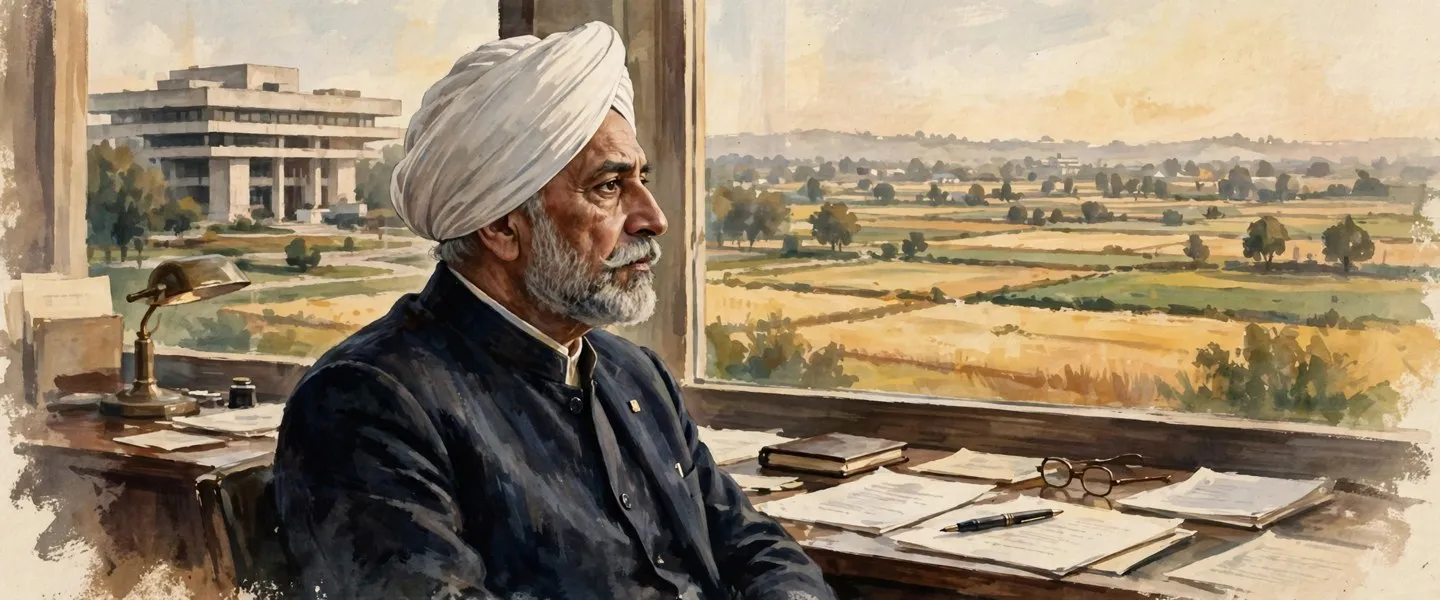
Beant Singh (19 February 1922 to 31 August 1995) was a Congress politician who served as the 12th chief minister of Punjab from 25 February 1992 until his assassination in office. His government is widely credited with presiding over the end of the Punjab militancy period, working with police chief K. P. S. Gill. He was killed in a bomb blast at the Civil Secretariat in Chandigarh.
- Punjabi name
- ਬੇਅੰਤ ਸਿੰਘ
- Born
- 19 February 1922, Bilaspur village, Ludhiana district
- Died
- 31 August 1995, Chandigarh
- Home village
- Bilaspur, later Kotli (Kotla Afghana) near Payal
- District
- Ludhiana
- Tehsil
- Payal
All 11 facts
- Region
- Malwa
- Education
- Government College, Lahore
- Party
- Indian National Congress
- Chief minister
- 25 February 1992 to 31 August 1995
- Succeeded by
- Harcharan Singh Brar
Beant Singh (19 February 1922 to 31 August 1995) was a Congress politician who served as the 12th chief minister of Punjab from 25 February 1992 until his assassination in office. His government is widely credited with presiding over the end of the Punjab militancy period, working with police chief K. P. S. Gill. He was killed in a bomb blast at the Civil Secretariat in Chandigarh.
A note on the name: this Beant Singh was the Punjab chief minister, a Congress leader from the Payal and Doraha area of Ludhiana district. He was a different man from the Beant Singh who was a bodyguard of Prime Minister Indira Gandhi and one of her assassins in 1984, with whom he is sometimes confused in searches.
Early life in Bilaspur and Lahore
Beant Singh was born on 19 February 1922 in Bilaspur village, near Doraha. The Department of Posts account published with his commemorative stamp names his parents as Captain Hazura Singh and Sahib Kaur, and places Bilaspur in the Patiala district of that time; the village now falls in Payal tehsil of Ludhiana district. In his childhood the family moved to the canal colonies of western Punjab, in the Montgomery district area, as many farming families from the east did in those years.
He graduated from Government College, Lahore, where the same Department of Posts account notes that he was known as an outstanding football player. At the age of 23 he joined the army, following a family tradition of military service, but he left after about two years and turned towards politics and social work.
Partition in 1947 uprooted the family, as it did millions of others. They settled first at Bilaspur and then at Kotli, also called Kotla Afghana, near Payal in Ludhiana district. The Department of Posts account says the young Beant Singh worked to help Partition migrants settle, guiding many of them through the process of getting land and property allotted in India in place of what they had left behind.
From village politics to the Punjab assembly
His formal political career began at the village level. He became sarpanch of Bilaspur, was elected chairman of the Block Samiti at Doraha in 1960, and became a director of the Central Cooperative Bank in Ludhiana in 1963. In 1969 he entered the Punjab Vidhan Sabha for the first time, elected from Payal as an independent candidate.
He soon joined the Congress and held the Payal seat for the party, returning to the assembly as a Congress candidate in 1972, 1977, 1980 and again in 1992. During the Congress government of the early 1980s he served as a minister under Chief Minister Darbara Singh. By the time Punjab went to the polls in 1992, after years of President's rule and armed militancy, he was one of the most senior Congress figures in the state, rooted in the same Ludhiana district villages where he had started.
When was Beant Singh chief minister of Punjab?
Beant Singh was chief minister of Punjab from 25 February 1992 to 31 August 1995, the day he was killed. Punjab had been under President's rule since 1987, governed directly from Delhi, and the February 1992 assembly election was held while militancy was still active. The main Akali factions boycotted the poll, and academic accounts put turnout at only about 24 percent. Congress won 87 of the 117 seats, and Beant Singh took office as the first elected chief minister after nearly five years of central rule.
The end of militancy, and the debate over its costs
Security dominated his term. His government gave the Punjab Police, led by Director General K. P. S. Gill, firm political backing for intelligence based operations against armed militant groups, and did not negotiate pacts with those groups. In his own published account of the campaign, Gill describes that policy as a deliberate choice: democratic institutions were to be revived step by step, and police operations were not to be undermined by bargaining. Violence, which had claimed thousands of lives over the preceding years, fell sharply through 1992 and 1993.
The return of everyday democratic life was the measure his government pointed to. Municipal elections were held in September 1992, and in January 1993 panchayat elections were held in 12,342 villages of the state, with a reported turnout of 82 percent. Markets staying open into the evening and public events drawing crowds again were widely read at the time as signs that normal life was returning to Punjab.
The record of those years is still debated. Academic reassessments of the period note that security forces arrested thousands of suspected militants, and that human rights organisations reported serious allegations of violations by the police during the counter insurgency. Supporters of Beant Singh credit him with ending the militancy; the Department of Posts, issuing his stamp in 2013, said he combined firmness with reconciliation and succeeded in establishing peace and normalcy in the state. Both the credit and the criticism remain part of how his term is discussed.
How did Beant Singh die?
Beant Singh was killed on 31 August 1995, at about 5:10 in the evening, in a bomb blast at the Punjab and Haryana Civil Secretariat in Chandigarh, as he came out to his car. The Punjab and Haryana High Court judgment in the case records that 17 people were killed in the blast, including the chief minister, and that the human bomb, Dilawar Singh, also died at the scene. The court record notes that Babbar Khalsa International claimed responsibility for the blast in messages sent the same day.
In the trial that followed, Jagtar Singh Hawara and Balwant Singh Rajoana were sentenced to death by the trial court, and others received life sentences; the case and its clemency proceedings continued in the courts for many years afterwards. Beant Singh was succeeded as chief minister by Harcharan Singh Brar, a senior Congress colleague.
Family and legacy
Beant Singh was married to Jaswant Kaur. His son Tej Parkash Singh became a minister in the Punjab government of Harcharan Singh Brar, the man who succeeded him. His daughter Gurkanwal Kaur later served as a minister of state in a Congress government in Punjab. His grandson Ravneet Singh Bittu was elected to Parliament from Anandpur Sahib and later from Ludhiana, keeping the family's Ludhiana district base in national politics.
In December 2013 the Department of Posts issued a commemorative postage stamp in his honour, describing him as the 12th chief minister of Punjab. He is remembered above all for one short and consequential term: a village politician from the Payal area who took office in the hardest years of the militancy, governed while it ended, and was assassinated while still in office.
ਬੇਅੰਤ ਸਿੰਘ (19 ਫਰਵਰੀ 1922 ਤੋਂ 31 ਅਗਸਤ 1995) ਕਾਂਗਰਸ ਦੇ ਸਿਆਸਤਦਾਨ ਸਨ, ਜੋ 25 ਫਰਵਰੀ 1992 ਤੋਂ ਅਹੁਦੇ ਉੱਤੇ ਹੁੰਦਿਆਂ ਕਤਲ ਹੋਣ ਤੱਕ ਪੰਜਾਬ ਦੇ 12ਵੇਂ ਮੁੱਖ ਮੰਤਰੀ ਰਹੇ। ਉਨ੍ਹਾਂ ਦੀ ਸਰਕਾਰ ਨੂੰ ਆਮ ਤੌਰ ਉੱਤੇ ਪੁਲਿਸ ਮੁਖੀ ਕੇ. ਪੀ. ਐਸ. ਗਿੱਲ ਨਾਲ ਮਿਲ ਕੇ ਪੰਜਾਬ ਵਿੱਚ ਹਥਿਆਰਬੰਦ ਖਾੜਕੂਵਾਦ ਦੇ ਦੌਰ ਦੇ ਅੰਤ ਦਾ ਸਿਹਰਾ ਦਿੱਤਾ ਜਾਂਦਾ ਹੈ। ਉਹ ਚੰਡੀਗੜ੍ਹ ਵਿੱਚ ਸਿਵਲ ਸਕੱਤਰੇਤ ਵਿਖੇ ਇੱਕ ਬੰਬ ਧਮਾਕੇ ਵਿੱਚ ਮਾਰੇ ਗਏ।
ਨਾਂ ਬਾਰੇ ਇੱਕ ਗੱਲ: ਇਹ ਬੇਅੰਤ ਸਿੰਘ ਪੰਜਾਬ ਦੇ ਮੁੱਖ ਮੰਤਰੀ ਸਨ, ਲੁਧਿਆਣਾ ਜ਼ਿਲ੍ਹੇ ਦੇ ਪਾਇਲ ਅਤੇ ਦੋਰਾਹਾ ਇਲਾਕੇ ਤੋਂ ਕਾਂਗਰਸ ਦੇ ਆਗੂ। ਉਹ ਉਸ ਬੇਅੰਤ ਸਿੰਘ ਤੋਂ ਵੱਖਰੇ ਵਿਅਕਤੀ ਸਨ, ਜੋ ਪ੍ਰਧਾਨ ਮੰਤਰੀ ਇੰਦਰਾ ਗਾਂਧੀ ਦੇ ਅੰਗ ਰੱਖਿਅਕਾਂ ਵਿੱਚੋਂ ਇੱਕ ਸਨ ਅਤੇ 1984 ਵਿੱਚ ਉਨ੍ਹਾਂ ਦੇ ਕਾਤਲਾਂ ਵਿੱਚ ਸ਼ਾਮਲ ਸਨ, ਜਿਨ੍ਹਾਂ ਨਾਲ ਖੋਜਾਂ ਵਿੱਚ ਕਈ ਵਾਰ ਇਨ੍ਹਾਂ ਨੂੰ ਰਲਾ ਦਿੱਤਾ ਜਾਂਦਾ ਹੈ।
ਬਿਲਾਸਪੁਰ ਅਤੇ ਲਾਹੌਰ ਵਿੱਚ ਮੁੱਢਲਾ ਜੀਵਨ
ਬੇਅੰਤ ਸਿੰਘ ਦਾ ਜਨਮ 19 ਫਰਵਰੀ 1922 ਨੂੰ ਦੋਰਾਹੇ ਨੇੜੇ ਬਿਲਾਸਪੁਰ ਪਿੰਡ ਵਿੱਚ ਹੋਇਆ। ਉਨ੍ਹਾਂ ਦੀ ਯਾਦਗਾਰੀ ਡਾਕ ਟਿਕਟ ਨਾਲ ਛਪੇ ਡਾਕ ਵਿਭਾਗ ਦੇ ਵੇਰਵੇ ਵਿੱਚ ਉਨ੍ਹਾਂ ਦੇ ਮਾਤਾ ਪਿਤਾ ਦੇ ਨਾਂ ਕਪਤਾਨ ਹਜ਼ੂਰਾ ਸਿੰਘ ਅਤੇ ਸਾਹਿਬ ਕੌਰ ਦਿੱਤੇ ਗਏ ਹਨ, ਅਤੇ ਬਿਲਾਸਪੁਰ ਨੂੰ ਉਸ ਸਮੇਂ ਦੇ ਪਟਿਆਲਾ ਜ਼ਿਲ੍ਹੇ ਵਿੱਚ ਦੱਸਿਆ ਗਿਆ ਹੈ; ਇਹ ਪਿੰਡ ਹੁਣ ਲੁਧਿਆਣਾ ਜ਼ਿਲ੍ਹੇ ਦੀ ਪਾਇਲ ਤਹਿਸੀਲ ਵਿੱਚ ਪੈਂਦਾ ਹੈ। ਬਚਪਨ ਵਿੱਚ ਪਰਿਵਾਰ ਪੱਛਮੀ ਪੰਜਾਬ ਦੀਆਂ ਨਹਿਰੀ ਕਲੋਨੀਆਂ ਵੱਲ, ਮਿੰਟਗੁਮਰੀ ਜ਼ਿਲ੍ਹੇ ਦੇ ਇਲਾਕੇ ਵਿੱਚ, ਜਾ ਵੱਸਿਆ, ਜਿਵੇਂ ਉਨ੍ਹਾਂ ਸਾਲਾਂ ਵਿੱਚ ਪੂਰਬ ਤੋਂ ਕਈ ਕਿਸਾਨ ਪਰਿਵਾਰ ਗਏ ਸਨ।
ਉਨ੍ਹਾਂ ਨੇ ਗੌਰਮਿੰਟ ਕਾਲਜ, ਲਾਹੌਰ ਤੋਂ ਗ੍ਰੈਜੂਏਸ਼ਨ ਕੀਤੀ, ਜਿੱਥੇ ਡਾਕ ਵਿਭਾਗ ਦੇ ਉਸੇ ਵੇਰਵੇ ਅਨੁਸਾਰ ਉਹ ਇੱਕ ਵਧੀਆ ਫੁੱਟਬਾਲ ਖਿਡਾਰੀ ਵਜੋਂ ਜਾਣੇ ਜਾਂਦੇ ਸਨ। 23 ਸਾਲ ਦੀ ਉਮਰ ਵਿੱਚ ਉਹ ਫੌਜ ਵਿੱਚ ਭਰਤੀ ਹੋਏ, ਪਰਿਵਾਰ ਦੀ ਫੌਜੀ ਸੇਵਾ ਦੀ ਪਰੰਪਰਾ ਅਨੁਸਾਰ, ਪਰ ਲਗਭਗ ਦੋ ਸਾਲਾਂ ਬਾਅਦ ਉਹ ਸੇਵਾ ਛੱਡ ਕੇ ਸਿਆਸਤ ਅਤੇ ਸਮਾਜ ਸੇਵਾ ਵੱਲ ਆ ਗਏ।
1947 ਦੀ ਵੰਡ ਨੇ ਪਰਿਵਾਰ ਨੂੰ ਉਜਾੜ ਦਿੱਤਾ, ਜਿਵੇਂ ਲੱਖਾਂ ਹੋਰਾਂ ਨੂੰ ਉਜਾੜਿਆ ਸੀ। ਪਰਿਵਾਰ ਪਹਿਲਾਂ ਬਿਲਾਸਪੁਰ ਅਤੇ ਫਿਰ ਲੁਧਿਆਣਾ ਜ਼ਿਲ੍ਹੇ ਵਿੱਚ ਪਾਇਲ ਨੇੜੇ ਕੋਟਲੀ, ਜਿਸ ਨੂੰ ਕੋਟਲਾ ਅਫ਼ਗਾਨਾ ਵੀ ਕਿਹਾ ਜਾਂਦਾ ਹੈ, ਜਾ ਵੱਸਿਆ। ਡਾਕ ਵਿਭਾਗ ਦੇ ਵੇਰਵੇ ਅਨੁਸਾਰ ਨੌਜਵਾਨ ਬੇਅੰਤ ਸਿੰਘ ਨੇ ਵੰਡ ਦੇ ਉਜੜੇ ਲੋਕਾਂ ਨੂੰ ਵਸਾਉਣ ਵਿੱਚ ਮਦਦ ਕੀਤੀ ਅਤੇ ਕਈਆਂ ਨੂੰ ਭਾਰਤ ਵਿੱਚ ਜ਼ਮੀਨ ਅਤੇ ਜਾਇਦਾਦ ਅਲਾਟ ਕਰਵਾਉਣ ਦੀ ਪ੍ਰਕਿਰਿਆ ਵਿੱਚ ਰਾਹ ਦਿਖਾਇਆ।
ਪਿੰਡ ਦੀ ਸਿਆਸਤ ਤੋਂ ਪੰਜਾਬ ਵਿਧਾਨ ਸਭਾ ਤੱਕ
ਉਨ੍ਹਾਂ ਦਾ ਰਸਮੀ ਸਿਆਸੀ ਜੀਵਨ ਪਿੰਡ ਦੇ ਪੱਧਰ ਤੋਂ ਸ਼ੁਰੂ ਹੋਇਆ। ਉਹ ਬਿਲਾਸਪੁਰ ਦੇ ਸਰਪੰਚ ਬਣੇ, 1960 ਵਿੱਚ ਦੋਰਾਹੇ ਦੀ ਬਲਾਕ ਸੰਮਤੀ ਦੇ ਚੇਅਰਮੈਨ ਚੁਣੇ ਗਏ, ਅਤੇ 1963 ਵਿੱਚ ਲੁਧਿਆਣਾ ਦੇ ਕੇਂਦਰੀ ਸਹਿਕਾਰੀ ਬੈਂਕ ਦੇ ਡਾਇਰੈਕਟਰ ਬਣੇ। 1969 ਵਿੱਚ ਉਹ ਪਹਿਲੀ ਵਾਰ ਪੰਜਾਬ ਵਿਧਾਨ ਸਭਾ ਵਿੱਚ ਪਹੁੰਚੇ, ਪਾਇਲ ਤੋਂ ਆਜ਼ਾਦ ਉਮੀਦਵਾਰ ਵਜੋਂ ਚੁਣੇ ਗਏ।
ਉਹ ਜਲਦੀ ਹੀ ਕਾਂਗਰਸ ਵਿੱਚ ਸ਼ਾਮਲ ਹੋ ਗਏ ਅਤੇ ਪਾਰਟੀ ਲਈ ਪਾਇਲ ਸੀਟ ਸੰਭਾਲੀ, 1972, 1977, 1980 ਅਤੇ ਫਿਰ 1992 ਵਿੱਚ ਕਾਂਗਰਸ ਉਮੀਦਵਾਰ ਵਜੋਂ ਵਿਧਾਨ ਸਭਾ ਵਿੱਚ ਮੁੜ ਚੁਣੇ ਗਏ। 1980 ਦੇ ਦਹਾਕੇ ਦੀ ਸ਼ੁਰੂਆਤੀ ਕਾਂਗਰਸ ਸਰਕਾਰ ਵਿੱਚ ਉਹ ਮੁੱਖ ਮੰਤਰੀ ਦਰਬਾਰਾ ਸਿੰਘ ਦੇ ਅਧੀਨ ਮੰਤਰੀ ਰਹੇ। ਜਦੋਂ 1992 ਵਿੱਚ, ਸਾਲਾਂ ਦੇ ਰਾਸ਼ਟਰਪਤੀ ਰਾਜ ਅਤੇ ਹਥਿਆਰਬੰਦ ਖਾੜਕੂਵਾਦ ਤੋਂ ਬਾਅਦ, ਪੰਜਾਬ ਵਿੱਚ ਚੋਣਾਂ ਹੋਈਆਂ, ਤਾਂ ਉਹ ਸੂਬੇ ਦੇ ਸਭ ਤੋਂ ਸੀਨੀਅਰ ਕਾਂਗਰਸ ਆਗੂਆਂ ਵਿੱਚੋਂ ਇੱਕ ਸਨ, ਜਿਨ੍ਹਾਂ ਦੀਆਂ ਜੜ੍ਹਾਂ ਉਨ੍ਹਾਂ ਹੀ ਲੁਧਿਆਣਾ ਜ਼ਿਲ੍ਹੇ ਦੇ ਪਿੰਡਾਂ ਵਿੱਚ ਸਨ, ਜਿੱਥੋਂ ਉਨ੍ਹਾਂ ਨੇ ਸ਼ੁਰੂਆਤ ਕੀਤੀ ਸੀ।
ਬੇਅੰਤ ਸਿੰਘ ਪੰਜਾਬ ਦੇ ਮੁੱਖ ਮੰਤਰੀ ਕਦੋਂ ਸਨ?
ਬੇਅੰਤ ਸਿੰਘ 25 ਫਰਵਰੀ 1992 ਤੋਂ 31 ਅਗਸਤ 1995 ਤੱਕ, ਜਿਸ ਦਿਨ ਉਨ੍ਹਾਂ ਦਾ ਕਤਲ ਹੋਇਆ, ਪੰਜਾਬ ਦੇ ਮੁੱਖ ਮੰਤਰੀ ਸਨ। ਪੰਜਾਬ 1987 ਤੋਂ ਰਾਸ਼ਟਰਪਤੀ ਰਾਜ ਅਧੀਨ ਸੀ, ਸਿੱਧਾ ਦਿੱਲੀ ਤੋਂ ਚਲਾਇਆ ਜਾਂਦਾ ਸੀ, ਅਤੇ ਫਰਵਰੀ 1992 ਦੀਆਂ ਵਿਧਾਨ ਸਭਾ ਚੋਣਾਂ ਉਸ ਸਮੇਂ ਹੋਈਆਂ, ਜਦੋਂ ਖਾੜਕੂਵਾਦ ਅਜੇ ਸਰਗਰਮ ਸੀ। ਮੁੱਖ ਅਕਾਲੀ ਧੜਿਆਂ ਨੇ ਚੋਣਾਂ ਦਾ ਬਾਈਕਾਟ ਕੀਤਾ, ਅਤੇ ਅਕਾਦਮਿਕ ਵੇਰਵਿਆਂ ਅਨੁਸਾਰ ਵੋਟਾਂ ਸਿਰਫ਼ ਲਗਭਗ 24 ਫ਼ੀਸਦੀ ਹੀ ਪਈਆਂ। ਕਾਂਗਰਸ ਨੇ 117 ਵਿੱਚੋਂ 87 ਸੀਟਾਂ ਜਿੱਤੀਆਂ, ਅਤੇ ਬੇਅੰਤ ਸਿੰਘ ਲਗਭਗ ਪੰਜ ਸਾਲਾਂ ਦੇ ਕੇਂਦਰੀ ਰਾਜ ਤੋਂ ਬਾਅਦ ਪਹਿਲੇ ਚੁਣੇ ਹੋਏ ਮੁੱਖ ਮੰਤਰੀ ਵਜੋਂ ਅਹੁਦੇ ਉੱਤੇ ਬੈਠੇ।
ਖਾੜਕੂਵਾਦ ਦਾ ਅੰਤ, ਅਤੇ ਇਸ ਦੀ ਕੀਮਤ ਬਾਰੇ ਬਹਿਸ
ਉਨ੍ਹਾਂ ਦੇ ਕਾਰਜਕਾਲ ਵਿੱਚ ਸੁਰੱਖਿਆ ਸਭ ਤੋਂ ਵੱਡਾ ਮੁੱਦਾ ਰਿਹਾ। ਉਨ੍ਹਾਂ ਦੀ ਸਰਕਾਰ ਨੇ ਪੰਜਾਬ ਪੁਲਿਸ ਨੂੰ, ਜਿਸ ਦੀ ਅਗਵਾਈ ਡਾਇਰੈਕਟਰ ਜਨਰਲ ਕੇ. ਪੀ. ਐਸ. ਗਿੱਲ ਕਰ ਰਹੇ ਸਨ, ਹਥਿਆਰਬੰਦ ਖਾੜਕੂ ਗਰੁੱਪਾਂ ਵਿਰੁੱਧ ਖੁਫ਼ੀਆ ਜਾਣਕਾਰੀ ਆਧਾਰਿਤ ਕਾਰਵਾਈਆਂ ਲਈ ਪੱਕਾ ਸਿਆਸੀ ਸਮਰਥਨ ਦਿੱਤਾ, ਅਤੇ ਉਨ੍ਹਾਂ ਗਰੁੱਪਾਂ ਨਾਲ ਕੋਈ ਸਮਝੌਤਾ ਨਹੀਂ ਕੀਤਾ। ਇਸ ਮੁਹਿੰਮ ਬਾਰੇ ਆਪਣੇ ਛਪੇ ਵੇਰਵੇ ਵਿੱਚ ਗਿੱਲ ਇਸ ਨੀਤੀ ਨੂੰ ਸੋਚੀ ਸਮਝੀ ਚੋਣ ਦੱਸਦੇ ਹਨ: ਲੋਕਤੰਤਰੀ ਸੰਸਥਾਵਾਂ ਨੂੰ ਕਦਮ ਕਦਮ ਮੁੜ ਜੀਵਤ ਕਰਨਾ ਸੀ, ਅਤੇ ਪੁਲਿਸ ਕਾਰਵਾਈਆਂ ਨੂੰ ਸੌਦੇਬਾਜ਼ੀ ਨਾਲ ਕਮਜ਼ੋਰ ਨਹੀਂ ਸੀ ਹੋਣ ਦੇਣਾ। ਹਿੰਸਾ, ਜਿਸ ਵਿੱਚ ਪਿਛਲੇ ਸਾਲਾਂ ਵਿੱਚ ਹਜ਼ਾਰਾਂ ਜਾਨਾਂ ਗਈਆਂ ਸਨ, 1992 ਅਤੇ 1993 ਦੌਰਾਨ ਤੇਜ਼ੀ ਨਾਲ ਘਟ ਗਈ।
ਰੋਜ਼ਾਨਾ ਲੋਕਤੰਤਰੀ ਜੀਵਨ ਦੀ ਵਾਪਸੀ ਨੂੰ ਹੀ ਉਨ੍ਹਾਂ ਦੀ ਸਰਕਾਰ ਆਪਣੀ ਪ੍ਰਾਪਤੀ ਵਜੋਂ ਪੇਸ਼ ਕਰਦੀ ਸੀ। ਸਤੰਬਰ 1992 ਵਿੱਚ ਨਗਰਪਾਲਿਕਾ ਚੋਣਾਂ ਹੋਈਆਂ, ਅਤੇ ਜਨਵਰੀ 1993 ਵਿੱਚ ਸੂਬੇ ਦੇ 12,342 ਪਿੰਡਾਂ ਵਿੱਚ ਪੰਚਾਇਤ ਚੋਣਾਂ ਹੋਈਆਂ, ਜਿਨ੍ਹਾਂ ਵਿੱਚ 82 ਫ਼ੀਸਦੀ ਵੋਟਾਂ ਪੈਣ ਦੀ ਰਿਪੋਰਟ ਮਿਲੀ। ਬਾਜ਼ਾਰਾਂ ਦਾ ਸ਼ਾਮ ਤੱਕ ਖੁੱਲ੍ਹੇ ਰਹਿਣਾ ਅਤੇ ਜਨਤਕ ਸਮਾਗਮਾਂ ਵਿੱਚ ਭੀੜਾਂ ਜੁੜਨਾ ਉਸ ਸਮੇਂ ਪੰਜਾਬ ਵਿੱਚ ਆਮ ਜੀਵਨ ਦੀ ਵਾਪਸੀ ਦੇ ਸੰਕੇਤ ਵਜੋਂ ਵੇਖਿਆ ਜਾਂਦਾ ਸੀ।
ਉਨ੍ਹਾਂ ਸਾਲਾਂ ਦੇ ਰਿਕਾਰਡ ਬਾਰੇ ਅੱਜ ਵੀ ਬਹਿਸ ਚਲਦੀ ਹੈ। ਉਸ ਦੌਰ ਦੇ ਅਕਾਦਮਿਕ ਮੁਲਾਂਕਣ ਇਹ ਨੋਟ ਕਰਦੇ ਹਨ ਕਿ ਸੁਰੱਖਿਆ ਬਲਾਂ ਨੇ ਹਜ਼ਾਰਾਂ ਸ਼ੱਕੀ ਖਾੜਕੂਆਂ ਨੂੰ ਗ੍ਰਿਫ਼ਤਾਰ ਕੀਤਾ, ਅਤੇ ਮਨੁੱਖੀ ਅਧਿਕਾਰ ਸੰਸਥਾਵਾਂ ਨੇ ਮੁਕਾਬਲਾ ਮੁਹਿੰਮ ਦੌਰਾਨ ਪੁਲਿਸ ਵੱਲੋਂ ਉਲੰਘਣਾਵਾਂ ਦੇ ਗੰਭੀਰ ਦੋਸ਼ਾਂ ਦੀਆਂ ਰਿਪੋਰਟਾਂ ਦਿੱਤੀਆਂ। ਬੇਅੰਤ ਸਿੰਘ ਦੇ ਸਮਰਥਕ ਉਨ੍ਹਾਂ ਨੂੰ ਖਾੜਕੂਵਾਦ ਖਤਮ ਕਰਨ ਦਾ ਸਿਹਰਾ ਦਿੰਦੇ ਹਨ; ਡਾਕ ਵਿਭਾਗ ਨੇ 2013 ਵਿੱਚ ਉਨ੍ਹਾਂ ਦੀ ਟਿਕਟ ਜਾਰੀ ਕਰਦਿਆਂ ਕਿਹਾ ਕਿ ਉਨ੍ਹਾਂ ਨੇ ਦ੍ਰਿੜਤਾ ਨੂੰ ਸੁਲ੍ਹਾ ਸਫ਼ਾਈ ਨਾਲ ਜੋੜਿਆ ਅਤੇ ਸੂਬੇ ਵਿੱਚ ਸ਼ਾਂਤੀ ਅਤੇ ਸਧਾਰਨ ਹਾਲਾਤ ਕਾਇਮ ਕਰਨ ਵਿੱਚ ਸਫ਼ਲਤਾ ਪਾਈ। ਸਿਹਰਾ ਅਤੇ ਆਲੋਚਨਾ, ਦੋਵੇਂ ਹੀ ਉਨ੍ਹਾਂ ਦੇ ਕਾਰਜਕਾਲ ਦੀ ਚਰਚਾ ਦਾ ਹਿੱਸਾ ਹਨ।
ਬੇਅੰਤ ਸਿੰਘ ਦੀ ਮੌਤ ਕਿਵੇਂ ਹੋਈ?
ਬੇਅੰਤ ਸਿੰਘ 31 ਅਗਸਤ 1995 ਨੂੰ ਸ਼ਾਮ ਲਗਭਗ 5:10 ਵਜੇ ਚੰਡੀਗੜ੍ਹ ਵਿੱਚ ਪੰਜਾਬ ਅਤੇ ਹਰਿਆਣਾ ਸਿਵਲ ਸਕੱਤਰੇਤ ਵਿਖੇ ਇੱਕ ਬੰਬ ਧਮਾਕੇ ਵਿੱਚ ਮਾਰੇ ਗਏ, ਜਦੋਂ ਉਹ ਆਪਣੀ ਕਾਰ ਵੱਲ ਆ ਰਹੇ ਸਨ। ਇਸ ਕੇਸ ਵਿੱਚ ਪੰਜਾਬ ਅਤੇ ਹਰਿਆਣਾ ਹਾਈ ਕੋਰਟ ਦੇ ਫ਼ੈਸਲੇ ਵਿੱਚ ਦਰਜ ਹੈ ਕਿ ਧਮਾਕੇ ਵਿੱਚ ਮੁੱਖ ਮੰਤਰੀ ਸਮੇਤ 17 ਵਿਅਕਤੀ ਮਾਰੇ ਗਏ, ਅਤੇ ਮਨੁੱਖੀ ਬੰਬ, ਦਿਲਾਵਰ ਸਿੰਘ, ਵੀ ਮੌਕੇ ਉੱਤੇ ਹੀ ਮਰ ਗਿਆ। ਅਦਾਲਤੀ ਰਿਕਾਰਡ ਅਨੁਸਾਰ ਬੱਬਰ ਖਾਲਸਾ ਇੰਟਰਨੈਸ਼ਨਲ ਨੇ ਉਸੇ ਦਿਨ ਭੇਜੇ ਸੁਨੇਹਿਆਂ ਵਿੱਚ ਧਮਾਕੇ ਦੀ ਜ਼ਿੰਮੇਵਾਰੀ ਲਈ ਸੀ।
ਇਸ ਤੋਂ ਬਾਅਦ ਚੱਲੇ ਮੁਕੱਦਮੇ ਵਿੱਚ ਜਗਤਾਰ ਸਿੰਘ ਹਵਾਰਾ ਅਤੇ ਬਲਵੰਤ ਸਿੰਘ ਰਾਜੋਆਣਾ ਨੂੰ ਟਰਾਇਲ ਅਦਾਲਤ ਨੇ ਮੌਤ ਦੀ ਸਜ਼ਾ ਸੁਣਾਈ, ਅਤੇ ਹੋਰਾਂ ਨੂੰ ਉਮਰ ਕੈਦ ਹੋਈ; ਇਹ ਕੇਸ ਅਤੇ ਇਸ ਦੀਆਂ ਰਹਿਮ ਅਪੀਲਾਂ ਕਈ ਸਾਲਾਂ ਤੱਕ ਅਦਾਲਤਾਂ ਵਿੱਚ ਚਲਦੀਆਂ ਰਹੀਆਂ। ਬੇਅੰਤ ਸਿੰਘ ਤੋਂ ਬਾਅਦ ਮੁੱਖ ਮੰਤਰੀ ਸੀਨੀਅਰ ਕਾਂਗਰਸ ਆਗੂ ਹਰਚਰਨ ਸਿੰਘ ਬਰਾੜ ਬਣੇ।
ਪਰਿਵਾਰ ਅਤੇ ਵਿਰਾਸਤ
ਬੇਅੰਤ ਸਿੰਘ ਦਾ ਵਿਆਹ ਜਸਵੰਤ ਕੌਰ ਨਾਲ ਹੋਇਆ ਸੀ। ਉਨ੍ਹਾਂ ਦਾ ਪੁੱਤਰ ਤੇਜ ਪ੍ਰਕਾਸ਼ ਸਿੰਘ, ਉਨ੍ਹਾਂ ਤੋਂ ਬਾਅਦ ਬਣੇ ਮੁੱਖ ਮੰਤਰੀ ਹਰਚਰਨ ਸਿੰਘ ਬਰਾੜ ਦੀ ਪੰਜਾਬ ਸਰਕਾਰ ਵਿੱਚ ਮੰਤਰੀ ਬਣਿਆ। ਉਨ੍ਹਾਂ ਦੀ ਧੀ ਗੁਰਕੰਵਲ ਕੌਰ ਬਾਅਦ ਵਿੱਚ ਪੰਜਾਬ ਦੀ ਇੱਕ ਕਾਂਗਰਸ ਸਰਕਾਰ ਵਿੱਚ ਰਾਜ ਮੰਤਰੀ ਰਹੀ। ਉਨ੍ਹਾਂ ਦਾ ਪੋਤਾ ਰਵਨੀਤ ਸਿੰਘ ਬਿੱਟੂ ਆਨੰਦਪੁਰ ਸਾਹਿਬ ਤੋਂ ਅਤੇ ਬਾਅਦ ਵਿੱਚ ਲੁਧਿਆਣਾ ਤੋਂ ਸੰਸਦ ਮੈਂਬਰ ਚੁਣਿਆ ਗਿਆ, ਜਿਸ ਨਾਲ ਪਰਿਵਾਰ ਦਾ ਲੁਧਿਆਣਾ ਜ਼ਿਲ੍ਹੇ ਵਾਲਾ ਅਧਾਰ ਕੌਮੀ ਸਿਆਸਤ ਵਿੱਚ ਬਣਿਆ ਰਿਹਾ।
ਦਸੰਬਰ 2013 ਵਿੱਚ ਡਾਕ ਵਿਭਾਗ ਨੇ ਉਨ੍ਹਾਂ ਦੇ ਸਨਮਾਨ ਵਿੱਚ ਇੱਕ ਯਾਦਗਾਰੀ ਡਾਕ ਟਿਕਟ ਜਾਰੀ ਕੀਤੀ, ਜਿਸ ਵਿੱਚ ਉਨ੍ਹਾਂ ਨੂੰ ਪੰਜਾਬ ਦਾ 12ਵਾਂ ਮੁੱਖ ਮੰਤਰੀ ਦੱਸਿਆ ਗਿਆ। ਉਨ੍ਹਾਂ ਨੂੰ ਸਭ ਤੋਂ ਵੱਧ ਇੱਕ ਛੋਟੇ ਪਰ ਨਤੀਜਿਆਂ ਭਰੇ ਕਾਰਜਕਾਲ ਲਈ ਯਾਦ ਕੀਤਾ ਜਾਂਦਾ ਹੈ: ਪਾਇਲ ਇਲਾਕੇ ਦੇ ਇੱਕ ਪੇਂਡੂ ਸਿਆਸਤਦਾਨ, ਜੋ ਖਾੜਕੂਵਾਦ ਦੇ ਸਭ ਤੋਂ ਔਖੇ ਸਾਲਾਂ ਵਿੱਚ ਅਹੁਦੇ ਉੱਤੇ ਆਏ, ਉਸ ਦੇ ਅੰਤ ਦੇ ਸਮੇਂ ਸਰਕਾਰ ਚਲਾਈ, ਅਤੇ ਅਹੁਦੇ ਉੱਤੇ ਹੁੰਦਿਆਂ ਹੀ ਉਨ੍ਹਾਂ ਦਾ ਕਤਲ ਹੋ ਗਿਆ।
People

Places

Beant Singh in the news
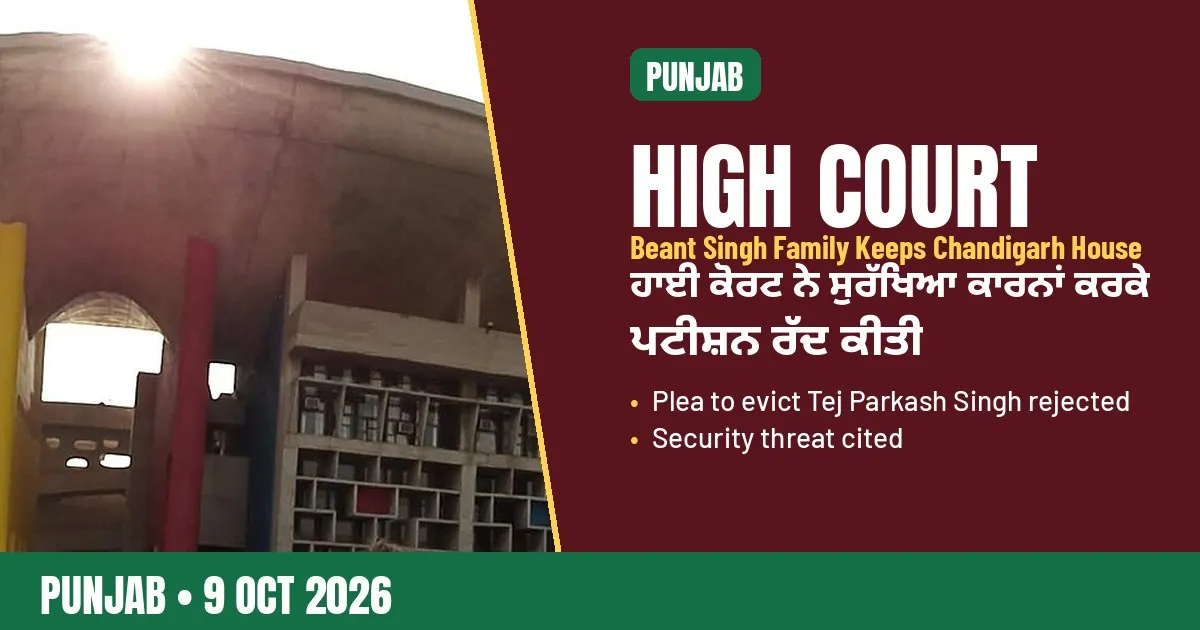 High Court Lets Beant Singh's Son Keep Chandigarh House, Cites Security Threatਹਾਈ ਕੋਰਟ ਨੇ ਬੇਅੰਤ ਸਿੰਘ ਦੇ ਪੁੱਤਰ ਨੂੰ ਸੁਰੱਖਿਆ ਕਾਰਨਾਂ ਕਰਕੇ ਚੰਡੀਗੜ੍ਹ ਦਾ ਘਰ ਰੱਖਣ ਦਿੱਤਾ
More people
Sources (5)
- Wikipedia: Beant Singh (politician)
- Department of Posts commemorative stamp on Beant Singh (2013), via iStampGallery
- Punjab and Haryana High Court judgment, CBI v Jagtar Singh Hawara and Balwant Singh (2010)
- K. P. S. Gill, Endgame in Punjab 1988-93, South Asia Terrorism Portal
- Sekhon and Singh, Rise, Dynamics and Decline of Violence in Punjab, Journal of Punjab Studies
Jugti is free and independent. Reader support keeps the Kosh growing.
Support