
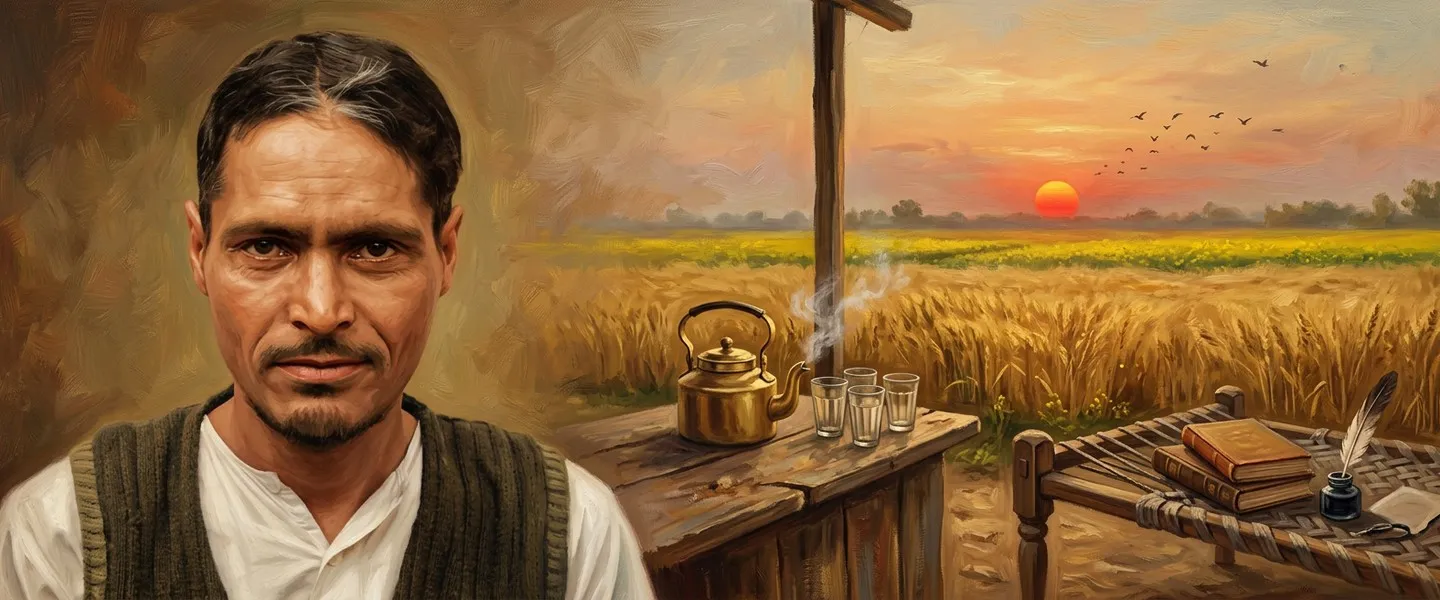
Lal Singh Dil (1943–2007) was a Punjabi poet born in Ghungrali Sikhan near Samrala, Ludhiana district, into a landless Dalit family. A voice of the Naxalite movement who later ran a tea stall in Samrala, he wrote Satluj di Hava (1971), Bahut Saare Suraj (1982) and the autobiography Dastaan (1998), and is counted among the major Punjabi poets of the 20th century.
- Punjabi name
- ਲਾਲ ਸਿੰਘ ਦਿਲ
- Born
- 11 April 1943, Ghungrali Sikhan, near Samrala, Ludhiana district
- Died
- 14 August 2007, Ludhiana
- Poetry collections
- Satluj di Hava (1971), Bahut Saare Suraj (1982), Satthar (1997), Naglok (1998, collected)
- Autobiography
- Dastaan (1998)
- Posthumous
- Billa Aj Phir Aaya (2009); English translation Poet of the Revolution (Penguin Viking, 2012)
- Movement
- Naxalite poets of Punjab, with Pash and Sant Ram Udasi
Lal Singh Dil (1943–2007) was a Punjabi poet from Ghungrali Sikhan, near Samrala in Ludhiana district. A Dalit, a Naxalite and later a tea-stall owner, he wrote Satluj di Hava, Bahut Saare Suraj and the memoir Dastaan, and is counted among the most important Punjabi poets of the 20th century.
Early life
Dil was born on 11 April 1943 in Ghungrali Sikhan, near Samrala, into a landless Ramdasia Chamar family. His father, Raunqi Ram, worked as a daily-wage labourer for the village landowners, and his mother, Chint Kaur, kept him in school at Samrala. He passed Class 10 around 1960–61, the first in his clan to do so, and later tried a year at A.S. College in Khanna and a teachers' training course at Bahilolpur, but could not complete either.
Caste humiliation shaped him early. In his memoir he recalled being whipped as a small boy for bathing at a landowner's well. Another incident stayed with him for life: while he was tutoring a higher-caste girl, her mother picked up his tea tumbler with tongs and threw it into the fire to purify it. Open magazine and Forward Press both retell the episode.
Career
Dil was writing poetry while still at school, and his verse appeared in Punjabi magazines such as Lakeer, Preetlari and Nagmani. In 1968 a local comrade, Jagjit Singh Baghi, introduced him to Marxism, and he joined the Naxalite movement. According to Wikipedia, he took part in the raid on the Chamkaur police station on 30 April 1969, was arrested and was tortured in custody. Accounts of the length of his imprisonment differ.
His first collection, Satluj di Hava, appeared in 1971. After his release he left Punjab for Uttar Pradesh around the end of 1971, working as an orchard caretaker and in other humble jobs. Around 1972 he converted to Islam, which Penguin describes as an attempt to reconcile equality with his communist ideals, and for a time he took the name Mohammad Bushra. In Uttar Pradesh he mixed with Urdu poets and wrote the poems of Bahut Saare Suraj, published in 1982.
Back in Samrala, friends helped him open a tea stall near the motor market on the Machhiwara road. Writers, drivers and teachers gathered there, and according to Open magazine he got truck drivers to write lines of poetry on the back of their vehicles. Sources differ on when he returned: Wikipedia says 1983, Open magazine says 1990.
In 1997 he published Satthar, and his collected poems appeared as Naglok in 1998, the year of his autobiography Dastaan. A 100-page long poem, Billa Aj Phir Aaya, came out in 2009, two years after his death.
Where many Naxalite poets wrote of an imminent revolution, Dil is remembered for understatement. Wikipedia notes that his poetry focused, for the first time in Punjabi, on landless labourers, Dalits and wandering communities at the very bottom of society. Surjit Patar said he would be counted among the top Punjabi poets of the 20th century.
Legacy
Dil died on 14 August 2007 at Dayanand Medical College and Hospital in Ludhiana. Nirupama Dutt, his friend and translator, wrote that even the small pension of Punjab's Languages Department never reached him. Her English translation of Dastaan and selected poems, Poet of the Revolution, was published by Penguin Viking in 2012, and filmmaker Ajay Bhardwaj featured him in Kitte Mil Ve Mahi.
Where was Lal Singh Dil born?
He was born on 11 April 1943 in Ghungrali Sikhan, a village near Samrala in Ludhiana district, Punjab.
What did Lal Singh Dil write?
He wrote three poetry collections, Satluj di Hava (1971), Bahut Saare Suraj (1982) and Satthar (1997), the collected Naglok (1998), the autobiography Dastaan (1998) and the long poem Billa Aj Phir Aaya (2009).
Why is Lal Singh Dil called a Dalit poet?
He was born into a landless Chamar family and wrote openly about caste humiliation at school, in the Naxalite movement and in police custody, giving voice to Punjab's marginalised.
ਲਾਲ ਸਿੰਘ ਦਿਲ (1943–2007) ਲੁਧਿਆਣਾ ਜ਼ਿਲ੍ਹੇ ਵਿੱਚ ਸਮਰਾਲਾ ਨੇੜਲੇ ਪਿੰਡ ਘੁੰਗਰਾਲੀ ਸਿੱਖਾਂ ਦੇ ਪੰਜਾਬੀ ਕਵੀ ਸਨ ਦਲਿਤ ਪਰਿਵਾਰ ਵਿੱਚ ਜਨਮੇ, ਨਕਸਲੀ ਲਹਿਰ ਦੇ ਸਾਥੀ ਅਤੇ ਬਾਅਦ ਵਿੱਚ ਚਾਹ ਦੀ ਦੁਕਾਨ ਚਲਾਉਣ ਵਾਲੇ ਦਿਲ ਨੇ 'ਸਤਲੁਜ ਦੀ ਹਵਾ', 'ਬਹੁਤ ਸਾਰੇ ਸੂਰਜ' ਅਤੇ ਸਵੈ-ਜੀਵਨੀ 'ਦਾਸਤਾਨ' ਲਿਖੀਆਂ, ਅਤੇ ਉਨ੍ਹਾਂ ਦੀ ਗਿਣਤੀ 20ਵੀਂ ਸਦੀ ਦੇ ਸਭ ਤੋਂ ਅਹਿਮ ਪੰਜਾਬੀ ਕਵੀਆਂ ਵਿੱਚ ਹੁੰਦੀ ਹੈ
ਮੁੱਢਲਾ ਜੀਵਨ
ਦਿਲ ਦਾ ਜਨਮ 11 ਅਪ੍ਰੈਲ 1943 ਨੂੰ ਸਮਰਾਲਾ ਨੇੜਲੇ ਘੁੰਗਰਾਲੀ ਸਿੱਖਾਂ ਵਿੱਚ ਇੱਕ ਬੇਜ਼ਮੀਨੇ ਰਾਮਦਾਸੀਆ ਚਮਾਰ ਪਰਿਵਾਰ ਵਿੱਚ ਹੋਇਆ ਉਨ੍ਹਾਂ ਦੇ ਪਿਤਾ ਰਾਉਂਕੀ ਰਾਮ ਪਿੰਡ ਦੇ ਜ਼ਿਮੀਂਦਾਰਾਂ ਕੋਲ ਦਿਹਾੜੀ 'ਤੇ ਮਜ਼ਦੂਰੀ ਕਰਦੇ ਸਨ ਅਤੇ ਮਾਂ ਚਿੰਤ ਕੌਰ ਨੇ ਉਨ੍ਹਾਂ ਨੂੰ ਸਮਰਾਲਾ ਦੇ ਸਕੂਲ ਵਿੱਚ ਪੜ੍ਹਦਾ ਰੱਖਿਆ ਉਨ੍ਹਾਂ ਨੇ ਲਗਭਗ 1960–61 ਵਿੱਚ ਦਸਵੀਂ ਪਾਸ ਕੀਤੀ, ਜੋ ਆਪਣੇ ਟੱਬਰ ਵਿੱਚੋਂ ਅਜਿਹਾ ਕਰਨ ਵਾਲੇ ਪਹਿਲੇ ਸਨ, ਅਤੇ ਬਾਅਦ ਵਿੱਚ ਖੰਨਾ ਦੇ ਏ.ਐੱਸ. ਕਾਲਜ ਵਿੱਚ ਇੱਕ ਸਾਲ ਅਤੇ ਬਹਿਲੋਲਪੁਰ ਵਿੱਚ ਅਧਿਆਪਕ ਸਿਖਲਾਈ ਕੋਰਸ ਕੀਤਾ, ਪਰ ਦੋਵੇਂ ਪੂਰੇ ਨਾ ਕਰ ਸਕੇ
ਜਾਤੀ ਦੇ ਅਪਮਾਨ ਨੇ ਉਨ੍ਹਾਂ ਨੂੰ ਛੋਟੀ ਉਮਰੇ ਹੀ ਘੜ ਦਿੱਤਾ ਆਪਣੀ ਸਵੈ-ਜੀਵਨੀ ਵਿੱਚ ਉਨ੍ਹਾਂ ਨੇ ਯਾਦ ਕੀਤਾ ਕਿ ਨਿੱਕੇ ਹੁੰਦਿਆਂ ਜ਼ਿਮੀਂਦਾਰ ਦੇ ਖੂਹ 'ਤੇ ਨਹਾਉਣ ਕਰਕੇ ਉਨ੍ਹਾਂ ਨੂੰ ਕੋਰੜੇ ਮਾਰੇ ਗਏ ਸਨ ਇੱਕ ਹੋਰ ਘਟਨਾ ਉਮਰ ਭਰ ਉਨ੍ਹਾਂ ਦੇ ਨਾਲ ਰਹੀ: ਉੱਚੀ ਜਾਤ ਦੀ ਇੱਕ ਕੁੜੀ ਨੂੰ ਪੜ੍ਹਾਉਂਦਿਆਂ ਕੁੜੀ ਦੀ ਮਾਂ ਨੇ ਉਨ੍ਹਾਂ ਦਾ ਚਾਹ ਵਾਲਾ ਗਿਲਾਸ ਚਿਮਟੇ ਨਾਲ ਚੁੱਕ ਕੇ ਸ਼ੁੱਧ ਕਰਨ ਲਈ ਅੱਗ ਵਿੱਚ ਸੁੱਟ ਦਿੱਤਾ ਓਪਨ ਮੈਗਜ਼ੀਨ ਅਤੇ ਫ਼ਾਰਵਰਡ ਪ੍ਰੈੱਸ, ਦੋਵੇਂ ਇਸ ਘਟਨਾ ਦਾ ਜ਼ਿਕਰ ਕਰਦੇ ਹਨ
ਕਰੀਅਰ
ਦਿਲ ਸਕੂਲ ਦੇ ਦਿਨਾਂ ਤੋਂ ਹੀ ਕਵਿਤਾ ਲਿਖਦੇ ਸਨ ਅਤੇ ਉਨ੍ਹਾਂ ਦੀਆਂ ਰਚਨਾਵਾਂ 'ਲਕੀਰ', 'ਪ੍ਰੀਤਲੜੀ' ਅਤੇ 'ਨਾਗਮਣੀ' ਵਰਗੇ ਪੰਜਾਬੀ ਰਸਾਲਿਆਂ ਵਿੱਚ ਛਪੀਆਂ 1968 ਵਿੱਚ ਸਥਾਨਕ ਕਾਮਰੇਡ ਜਗਜੀਤ ਸਿੰਘ ਬਾਗੀ ਨੇ ਉਨ੍ਹਾਂ ਨੂੰ ਮਾਰਕਸਵਾਦ ਨਾਲ ਜਾਣੂ ਕਰਵਾਇਆ ਅਤੇ ਉਹ ਨਕਸਲੀ ਲਹਿਰ ਨਾਲ ਜੁੜ ਗਏ ਵਿਕੀਪੀਡੀਆ ਮੁਤਾਬਕ ਉਹ 30 ਅਪ੍ਰੈਲ 1969 ਨੂੰ ਚਮਕੌਰ ਸਾਹਿਬ ਥਾਣੇ 'ਤੇ ਹੋਏ ਹਮਲੇ ਵਿੱਚ ਸ਼ਾਮਲ ਸਨ, ਗ੍ਰਿਫ਼ਤਾਰ ਹੋਏ ਅਤੇ ਹਿਰਾਸਤ ਵਿੱਚ ਉਨ੍ਹਾਂ 'ਤੇ ਤਸ਼ੱਦਦ ਹੋਇਆ ਉਨ੍ਹਾਂ ਦੀ ਕੈਦ ਕਿੰਨੀ ਲੰਮੀ ਰਹੀ, ਇਸ ਬਾਰੇ ਬਿਰਤਾਂਤਾਂ ਵਿੱਚ ਫ਼ਰਕ ਹੈ
ਉਨ੍ਹਾਂ ਦਾ ਪਹਿਲਾ ਕਾਵਿ-ਸੰਗ੍ਰਹਿ 'ਸਤਲੁਜ ਦੀ ਹਵਾ' 1971 ਵਿੱਚ ਛਪਿਆ ਰਿਹਾਈ ਤੋਂ ਬਾਅਦ ਉਹ 1971 ਦੇ ਅੰਤ ਦੇ ਆਸ-ਪਾਸ ਪੰਜਾਬ ਛੱਡ ਕੇ ਉੱਤਰ ਪ੍ਰਦੇਸ਼ ਚਲੇ ਗਏ, ਜਿੱਥੇ ਉਨ੍ਹਾਂ ਨੇ ਬਾਗ਼ਾਂ ਦੀ ਰਖਵਾਲੀ ਅਤੇ ਹੋਰ ਨਿੱਕੇ-ਮੋਟੇ ਕੰਮ ਕੀਤੇ ਲਗਭਗ 1972 ਵਿੱਚ ਉਨ੍ਹਾਂ ਨੇ ਇਸਲਾਮ ਕਬੂਲ ਕਰ ਲਿਆ, ਜਿਸ ਨੂੰ ਪੈਂਗੁਇਨ ਬਰਾਬਰੀ ਅਤੇ ਉਨ੍ਹਾਂ ਦੇ ਕਮਿਊਨਿਸਟ ਆਦਰਸ਼ਾਂ ਨੂੰ ਇੱਕ ਕਰਨ ਦੀ ਕੋਸ਼ਿਸ਼ ਦੱਸਦਾ ਹੈ, ਅਤੇ ਕੁਝ ਸਮਾਂ ਉਨ੍ਹਾਂ ਨੇ ਮੁਹੰਮਦ ਬੁਸ਼ਰਾ ਨਾਂ ਵੀ ਰੱਖਿਆ ਉੱਤਰ ਪ੍ਰਦੇਸ਼ ਵਿੱਚ ਉਹ ਉਰਦੂ ਸ਼ਾਇਰਾਂ ਨਾਲ ਮਿਲਦੇ-ਜੁਲਦੇ ਰਹੇ ਅਤੇ 'ਬਹੁਤ ਸਾਰੇ ਸੂਰਜ' ਦੀਆਂ ਕਵਿਤਾਵਾਂ ਲਿਖੀਆਂ, ਜੋ 1982 ਵਿੱਚ ਛਪੀਆਂ
ਸਮਰਾਲਾ ਪਰਤਣ 'ਤੇ ਦੋਸਤਾਂ ਨੇ ਮੋਟਰ ਮਾਰਕੀਟ ਨੇੜੇ ਮਾਛੀਵਾੜਾ ਸੜਕ 'ਤੇ ਉਨ੍ਹਾਂ ਲਈ ਚਾਹ ਦੀ ਦੁਕਾਨ ਖੁਲ੍ਹਵਾਈ ਉੱਥੇ ਲੇਖਕ, ਡਰਾਈਵਰ ਅਤੇ ਅਧਿਆਪਕ ਜੁੜਦੇ ਸਨ, ਅਤੇ ਓਪਨ ਮੈਗਜ਼ੀਨ ਮੁਤਾਬਕ ਉਹ ਟਰੱਕ ਡਰਾਈਵਰਾਂ ਤੋਂ ਗੱਡੀਆਂ ਦੇ ਪਿੱਛੇ ਕਵਿਤਾ ਦੀਆਂ ਸਤਰਾਂ ਲਿਖਵਾਇਆ ਕਰਦੇ ਸਨ ਉਨ੍ਹਾਂ ਦੀ ਵਾਪਸੀ ਦੇ ਸਮੇਂ ਬਾਰੇ ਸਰੋਤ ਇੱਕ ਮਤ ਨਹੀਂ: ਵਿਕੀਪੀਡੀਆ 1983 ਦੱਸਦਾ ਹੈ, ਓਪਨ ਮੈਗਜ਼ੀਨ 1990
1997 ਵਿੱਚ ਉਨ੍ਹਾਂ ਦਾ 'ਸੱਥਰ' ਛਪਿਆ, ਅਤੇ ਉਨ੍ਹਾਂ ਦੀਆਂ ਸਾਰੀਆਂ ਕਵਿਤਾਵਾਂ 1998 ਵਿੱਚ 'ਨਾਗਲੋਕ' ਵਜੋਂ ਛਪੀਆਂ, ਉਸੇ ਸਾਲ ਜਦੋਂ ਸਵੈ-ਜੀਵਨੀ 'ਦਾਸਤਾਨ' ਆਈ ਉਨ੍ਹਾਂ ਦੀ ਮੌਤ ਤੋਂ ਦੋ ਸਾਲ ਬਾਅਦ, 2009 ਵਿੱਚ, 100 ਸਫ਼ਿਆਂ ਦੀ ਲੰਮੀ ਕਵਿਤਾ 'ਬਿੱਲਾ ਅੱਜ ਫਿਰ ਆਇਆ' ਛਪੀ
ਜਿੱਥੇ ਬਹੁਤੇ ਨਕਸਲੀ ਕਵੀ ਆਉਣ ਵਾਲੇ ਇਨਕਲਾਬ ਦੇ ਗੀਤ ਗਾਉਂਦੇ ਸਨ, ਉੱਥੇ ਦਿਲ ਨੂੰ ਘੱਟ ਬੋਲ ਕੇ ਵੱਧ ਕਹਿਣ ਲਈ ਯਾਦ ਕੀਤਾ ਜਾਂਦਾ ਹੈ ਵਿਕੀਪੀਡੀਆ ਮੁਤਾਬਕ ਉਨ੍ਹਾਂ ਦੀ ਕਵਿਤਾ ਨੇ ਪੰਜਾਬੀ ਵਿੱਚ ਪਹਿਲੀ ਵਾਰ ਬੇਜ਼ਮੀਨੇ ਮਜ਼ਦੂਰਾਂ, ਦਲਿਤਾਂ ਅਤੇ ਭਟਕਦੇ ਭਾਈਚਾਰਿਆਂ, ਯਾਨੀ ਸਮਾਜ ਦੇ ਸਭ ਤੋਂ ਹੇਠਲੇ ਪਾਏਦਾਨ 'ਤੇ ਖੜ੍ਹੇ ਲੋਕਾਂ, ਨੂੰ ਕੇਂਦਰ ਵਿੱਚ ਰੱਖਿਆ ਸੁਰਜੀਤ ਪਾਤਰ ਨੇ ਕਿਹਾ ਕਿ ਉਨ੍ਹਾਂ ਦੀ ਗਿਣਤੀ 20ਵੀਂ ਸਦੀ ਦੇ ਸਿਖਰਲੇ ਪੰਜਾਬੀ ਕਵੀਆਂ ਵਿੱਚ ਹੋਵੇਗੀ
ਵਿਰਾਸਤ
ਦਿਲ ਦਾ 14 ਅਗਸਤ 2007 ਨੂੰ ਲੁਧਿਆਣਾ ਦੇ ਦਇਆਨੰਦ ਮੈਡੀਕਲ ਕਾਲਜ ਅਤੇ ਹਸਪਤਾਲ ਵਿੱਚ ਦੇਹਾਂਤ ਹੋ ਗਿਆ ਉਨ੍ਹਾਂ ਦੀ ਦੋਸਤ ਅਤੇ ਅਨੁਵਾਦਕ ਨਿਰੂਪਮਾ ਦੱਤ ਨੇ ਲਿਖਿਆ ਕਿ ਪੰਜਾਬ ਦੇ ਭਾਸ਼ਾ ਵਿਭਾਗ ਦੀ ਮਾਮੂਲੀ ਪੈਨਸ਼ਨ ਵੀ ਉਨ੍ਹਾਂ ਤੱਕ ਨਾ ਪਹੁੰਚੀ 'ਦਾਸਤਾਨ' ਅਤੇ ਚੋਣਵੀਆਂ ਕਵਿਤਾਵਾਂ ਦਾ ਉਨ੍ਹਾਂ ਦਾ ਅੰਗਰੇਜ਼ੀ ਅਨੁਵਾਦ 'ਪੋਇਟ ਆਫ਼ ਦ ਰੈਵੋਲਿਊਸ਼ਨ' 2012 ਵਿੱਚ ਪੈਂਗੁਇਨ ਵਾਈਕਿੰਗ ਨੇ ਛਾਪਿਆ, ਅਤੇ ਫ਼ਿਲਮਸਾਜ਼ ਅਜੈ ਭਾਰਦਵਾਜ ਨੇ 'ਕਿੱਤੇ ਮਿਲ ਵੇ ਮਾਹੀ' ਵਿੱਚ ਉਨ੍ਹਾਂ ਨੂੰ ਸ਼ਾਮਲ ਕੀਤਾ
ਲਾਲ ਸਿੰਘ ਦਿਲ ਦਾ ਜਨਮ ਕਿੱਥੇ ਹੋਇਆ ਸੀ?
ਉਨ੍ਹਾਂ ਦਾ ਜਨਮ 11 ਅਪ੍ਰੈਲ 1943 ਨੂੰ ਪੰਜਾਬ ਦੇ ਲੁਧਿਆਣਾ ਜ਼ਿਲ੍ਹੇ ਵਿੱਚ ਸਮਰਾਲਾ ਨੇੜਲੇ ਪਿੰਡ ਘੁੰਗਰਾਲੀ ਸਿੱਖਾਂ ਵਿੱਚ ਹੋਇਆ
ਲਾਲ ਸਿੰਘ ਦਿਲ ਨੇ ਕੀ ਲਿਖਿਆ?
ਉਨ੍ਹਾਂ ਨੇ ਤਿੰਨ ਕਾਵਿ-ਸੰਗ੍ਰਹਿ 'ਸਤਲੁਜ ਦੀ ਹਵਾ' (1971), 'ਬਹੁਤ ਸਾਰੇ ਸੂਰਜ' (1982) ਅਤੇ 'ਸੱਥਰ' (1997), ਸਮੁੱਚੀ ਕਵਿਤਾ 'ਨਾਗਲੋਕ' (1998), ਸਵੈ-ਜੀਵਨੀ 'ਦਾਸਤਾਨ' (1998) ਅਤੇ ਲੰਮੀ ਕਵਿਤਾ 'ਬਿੱਲਾ ਅੱਜ ਫਿਰ ਆਇਆ' (2009) ਲਿਖੀਆਂ
ਲਾਲ ਸਿੰਘ ਦਿਲ ਨੂੰ ਦਲਿਤ ਕਵੀ ਕਿਉਂ ਕਿਹਾ ਜਾਂਦਾ ਹੈ?
ਉਹ ਬੇਜ਼ਮੀਨੇ ਚਮਾਰ ਪਰਿਵਾਰ ਵਿੱਚ ਜਨਮੇ ਅਤੇ ਸਕੂਲ, ਨਕਸਲੀ ਲਹਿਰ ਅਤੇ ਪੁਲਿਸ ਹਿਰਾਸਤ ਵਿੱਚ ਹੋਏ ਜਾਤੀ ਅਪਮਾਨ ਬਾਰੇ ਖੁੱਲ੍ਹ ਕੇ ਲਿਖਿਆ, ਅਤੇ ਪੰਜਾਬ ਦੇ ਹਾਸ਼ੀਏ 'ਤੇ ਧੱਕੇ ਲੋਕਾਂ ਨੂੰ ਆਵਾਜ਼ ਦਿੱਤੀ
Connected
More people to explore
Sources
- Wikipedia: Lal Singh Dil
- Scroll.in: Nirupama Dutt on translating Punjabi poet Lal Singh Dil (23 June 2019)
- Hindustan Times: Roundabout, memories and poetry brewed with tea (1 August 2020)
- Open magazine: His Many Suns (22 November 2012)
- Penguin India: Poet of the Revolution, the memoirs of Lal Singh Dil
- Forward Press: Lal Singh Dil's poetry is the voice of the voiceless (10 April 2021)
- Nirupama Dutt: Lal Singh Dil (1943-2007), In Remembrance (APNA Org)
- Wikimedia Commons: Lal Singh Dil & his mother Chinti at Samrala in 1979, by Amarjit Chandan (CC BY 4.0)