
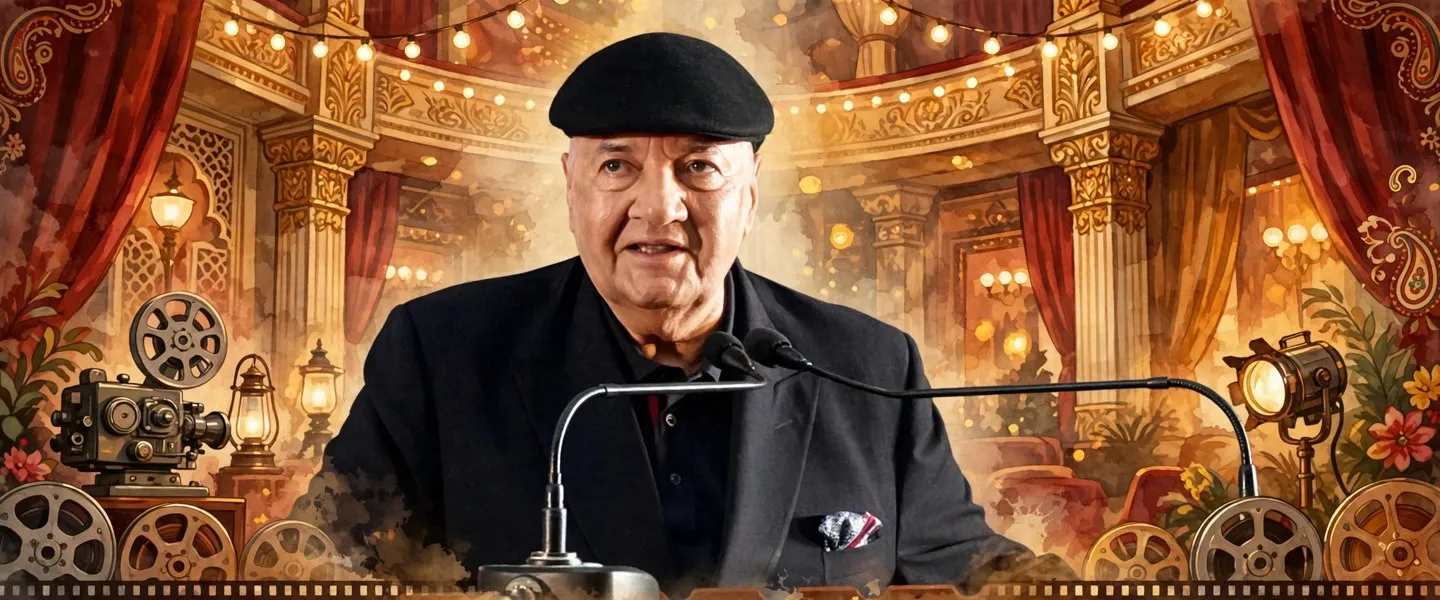
Prem Chopra (born 23 September 1935) is a Lahore-born Indian actor who became the soft-spoken villain of Hindi cinema, feared and quoted for five decades. In more than 380 films, from his Punjabi debut in Chaudhary Karnail Singh to Bobby, Upkar, Do Raaste and Kati Patang, he made menace sound polite, and his line from Bobby, Prem naam hai mera, Prem Chopra, became one of the most remembered lines in Hindi film history.
- Punjabi name
- ਪ੍ਰੇਮ ਚੋਪੜਾ
- Born
- 23 September 1935, Lahore
- District
- Lahore
- Region
- Majha
- Known films
- Bobby, Upkar, Do Raaste, Kati Patang
- Honours
- Filmfare Lifetime Achievement Award; Filmfare Best Supporting Actor (Do Anjaane)
Prem Chopra (born 23 September 1935) is a Lahore-born Indian actor who became the soft-spoken villain of Hindi cinema, feared and quoted for five decades. In more than 380 films, from his Punjabi debut in Chaudhary Karnail Singh to Bobby, Upkar, Do Raaste and Kati Patang, he made menace sound polite, and his line from Bobby, Prem naam hai mera, Prem Chopra, became one of the most remembered lines in Hindi film history.
A Lahore childhood, a Shimla upbringing
Prem Chopra was born in Lahore on 23 September 1935, the third of six children in a Punjabi Hindu family. His father was a government servant who wanted his son to become a doctor or an officer in the Indian Administrative Service. Partition changed the family's world in 1947: like thousands of Lahore families, the Chopras left the city and rebuilt their life in Shimla, where Prem was brought up and schooled at S.D. Senior Secondary School.
Shimla gave him the stage before Bombay gave him the screen. He threw himself into college dramatics, graduated from Panjab University, and only then, with his degree completed at his father's insistence, set out for Bombay to try his luck in films. His parents were not in favour of the plan, and the city did not open its doors quickly.
How did a would-be hero become Hindi cinema's favourite villain?
To survive in Bombay, Chopra took a job in the circulation department of The Times of India, touring Bengal, Orissa and Bihar for the paper. He learned to finish a twenty-day tour in twelve days and spent the days he saved going from studio to studio with his portfolio. The break came by chance on a local train, when a stranger took him to Ranjit Studios, where producer Jagjit Sethi was looking for a hero for the Punjabi film Chaudhary Karnail Singh. Chopra was paid 2,500 rupees for the film, a Hindu-Muslim love story set against Partition, which became a hit on its release in 1960 and won the National Film Award for Best Feature Film in Punjabi.
Hindi films followed slowly at first, among them Woh Kaun Thi? in 1964 and a rare positive leading role as Sukhdev in Shaheed in 1965. On the sets of Woh Kaun Thi? he was advised to try villainy, and the advice changed his life. After Teesri Manzil in 1966 and Upkar in 1967, offers to play the villain flooded in, and in 1967 he finally left The Times of India to act full time. He had come to Bombay to be a hero; he later said that the failure of his films as a leading man was good in a way, because a whole new world of roles opened in front of him.
The peak years and a line nobody forgot
From 1967 to 1995 Chopra was a leading villain of Hindi cinema, at his peak through the 1970s and 1980s alongside Sujit Kumar and Ranjeet, and sometimes as the second villain to Pran, Ajit or Amrish Puri. His evil was quiet: no shouting, no wild names, just a soft voice, a slow smile and lines delivered as if he were being reasonable. Audiences loved it. He was a regular opposite Rajesh Khanna from Doli in 1969 to Ghar Parivaar in 1991; the two acted in 19 films together, 15 of them box office hits, and Chopra recalled that distributors would tell Khanna they did not care who the heroine was, as long as Prem Chopra was in the film.
His own list of his best work runs long: Shaheed, Upkar, Purab Aur Paschim, Do Raaste, Kati Patang, Do Anjaane, Dostana, Kranti, Jaanwar and Phool Bane Angaarey among them. But one small role outran them all. In Bobby in 1973, directed by Raj Kapoor, who was related to him by marriage, his whole part rested on a single introduction, Prem naam hai mera, Prem Chopra. The film was a hit, the line entered everyday speech, and decades later people at public functions still ask him to say it. For Do Anjaane in 1976 he won the Filmfare Award for Best Supporting Actor.
From villain to character actor
When Hindi cinema changed in the 1990s, Chopra changed with it. After 1996 he played the villain only rarely, and from the 2000s he took more and more positive and comic character roles, in films such as Chori Chori Chupke Chupke and Rocket Singh: Salesman of the Year, working on into his eighties and appearing well into the 21st century. Few screen villains of his generation made that crossing so smoothly, from the man audiences loved to hate to the familiar elder they were glad to see.
Off screen, his life stayed rooted in family. He married Uma in 1969; she is the younger sister of Krishna Kapoor, the wife of Raj Kapoor, which made Chopra and Raj Kapoor brothers-in-law as well as collaborators. The couple have three daughters, Rakita, Punita and Prerna. In April 2014 his biography, Prem Naam Hai Mera, Prem Chopra, written by his daughter Rakita Nanda, was released, taking its title from the line that made him immortal.
Honours and legacy
The honours bookend the career: the Filmfare Best Supporting Actor award for Do Anjaane in 1977, and in 2023 the Filmfare Lifetime Achievement Award, honouring more than six decades in Indian cinema. His legacy is a style of villainy that Hindi cinema had not seen before him: handsome, soft-spoken and smiling, a villain who never needed to raise his voice to fill a hall with dread. For Punjabi audiences there is a second pride in the story: the boy from Lahore who began as the hero of a Punjabi film, and who carried a Partition childhood in Shimla into one of the longest acting careers in Bombay.
ਪ੍ਰੇਮ ਚੋਪੜਾ (ਜਨਮ 23 ਸਤੰਬਰ 1935) ਲਾਹੌਰ ਵਿੱਚ ਜਨਮੇ ਭਾਰਤੀ ਅਦਾਕਾਰ ਹਨ, ਜੋ ਹਿੰਦੀ ਸਿਨੇਮਾ ਦੇ ਨਰਮ ਬੋਲਣ ਵਾਲੇ ਖਲਨਾਇਕ ਬਣੇ, ਜਿਨ੍ਹਾਂ ਤੋਂ ਪੰਜ ਦਹਾਕਿਆਂ ਤੱਕ ਦਰਸ਼ਕ ਡਰਦੇ ਵੀ ਰਹੇ ਅਤੇ ਜਿਨ੍ਹਾਂ ਦੇ ਬੋਲ ਦੁਹਰਾਉਂਦੇ ਵੀ ਰਹੇ। ਚੌਧਰੀ ਕਰਨੈਲ ਸਿੰਘ ਵਿੱਚ ਆਪਣੀ ਪੰਜਾਬੀ ਸ਼ੁਰੂਆਤ ਤੋਂ ਲੈ ਕੇ ਬੌਬੀ, ਉਪਕਾਰ, ਦੋ ਰਾਸਤੇ ਅਤੇ ਕਟੀ ਪਤੰਗ ਤੱਕ 380 ਤੋਂ ਵੱਧ ਫ਼ਿਲਮਾਂ ਵਿੱਚ, ਉਨ੍ਹਾਂ ਨੇ ਖਲਨਾਇਕੀ ਨੂੰ ਸਲੀਕੇ ਵਾਲੀ ਆਵਾਜ਼ ਦਿੱਤੀ, ਅਤੇ ਬੌਬੀ ਵਾਲਾ ਉਨ੍ਹਾਂ ਦਾ ਬੋਲ, ਪ੍ਰੇਮ ਨਾਂ ਹੈ ਮੇਰਾ, ਪ੍ਰੇਮ ਚੋਪੜਾ, ਹਿੰਦੀ ਫ਼ਿਲਮ ਇਤਿਹਾਸ ਦੇ ਸਭ ਤੋਂ ਯਾਦਗਾਰ ਬੋਲਾਂ ਵਿੱਚੋਂ ਇੱਕ ਬਣ ਗਿਆ।
ਲਾਹੌਰ ਦਾ ਬਚਪਨ, ਸ਼ਿਮਲਾ ਦੀ ਪਰਵਰਿਸ਼
ਪ੍ਰੇਮ ਚੋਪੜਾ ਦਾ ਜਨਮ 23 ਸਤੰਬਰ 1935 ਨੂੰ ਲਾਹੌਰ ਵਿੱਚ ਇੱਕ ਪੰਜਾਬੀ ਹਿੰਦੂ ਪਰਿਵਾਰ ਵਿੱਚ ਹੋਇਆ, ਉਹ ਛੇ ਬੱਚਿਆਂ ਵਿੱਚੋਂ ਤੀਜੇ ਸਨ। ਉਨ੍ਹਾਂ ਦੇ ਪਿਤਾ ਸਰਕਾਰੀ ਮੁਲਾਜ਼ਮ ਸਨ ਅਤੇ ਚਾਹੁੰਦੇ ਸਨ ਕਿ ਪੁੱਤਰ ਡਾਕਟਰ ਬਣੇ ਜਾਂ ਭਾਰਤੀ ਪ੍ਰਸ਼ਾਸਨਿਕ ਸੇਵਾ ਵਿੱਚ ਅਫ਼ਸਰ। 1947 ਵਿੱਚ ਵੰਡ ਨੇ ਪਰਿਵਾਰ ਦੀ ਦੁਨੀਆ ਬਦਲ ਦਿੱਤੀ: ਲਾਹੌਰ ਦੇ ਹਜ਼ਾਰਾਂ ਪਰਿਵਾਰਾਂ ਵਾਂਗ ਚੋਪੜਾ ਪਰਿਵਾਰ ਵੀ ਸ਼ਹਿਰ ਛੱਡ ਕੇ ਸ਼ਿਮਲਾ ਆ ਵਸਿਆ, ਜਿੱਥੇ ਪ੍ਰੇਮ ਵੱਡੇ ਹੋਏ ਅਤੇ ਐਸ. ਡੀ. ਸੀਨੀਅਰ ਸੈਕੰਡਰੀ ਸਕੂਲ ਵਿੱਚ ਪੜ੍ਹੇ।
ਬੰਬਈ ਨੇ ਪਰਦਾ ਦੇਣ ਤੋਂ ਪਹਿਲਾਂ ਸ਼ਿਮਲਾ ਨੇ ਉਨ੍ਹਾਂ ਨੂੰ ਸਟੇਜ ਦਿੱਤੀ। ਉਹ ਕਾਲਜ ਦੇ ਨਾਟਕਾਂ ਵਿੱਚ ਖੂਬ ਹਿੱਸਾ ਲੈਂਦੇ, ਪੰਜਾਬ ਯੂਨੀਵਰਸਿਟੀ ਤੋਂ ਗ੍ਰੈਜੂਏਸ਼ਨ ਕੀਤੀ, ਅਤੇ ਫਿਰ ਹੀ, ਪਿਤਾ ਦੇ ਕਹਿਣ ਉੱਤੇ ਡਿਗਰੀ ਪੂਰੀ ਕਰ ਕੇ, ਫ਼ਿਲਮਾਂ ਵਿੱਚ ਕਿਸਮਤ ਅਜ਼ਮਾਉਣ ਬੰਬਈ ਚਲੇ ਗਏ। ਮਾਪੇ ਇਸ ਫ਼ੈਸਲੇ ਦੇ ਹੱਕ ਵਿੱਚ ਨਹੀਂ ਸਨ, ਅਤੇ ਸ਼ਹਿਰ ਨੇ ਵੀ ਦਰਵਾਜ਼ੇ ਛੇਤੀ ਨਹੀਂ ਖੋਲ੍ਹੇ।
ਨਾਇਕ ਬਣਨ ਆਇਆ ਮੁੰਡਾ ਹਿੰਦੀ ਸਿਨੇਮਾ ਦਾ ਪਸੰਦੀਦਾ ਖਲਨਾਇਕ ਕਿਵੇਂ ਬਣਿਆ?
ਬੰਬਈ ਵਿੱਚ ਗੁਜ਼ਾਰੇ ਲਈ ਚੋਪੜਾ ਨੇ ਦ ਟਾਈਮਜ਼ ਆਫ਼ ਇੰਡੀਆ ਦੇ ਸਰਕੂਲੇਸ਼ਨ ਵਿਭਾਗ ਵਿੱਚ ਨੌਕਰੀ ਕਰ ਲਈ, ਅਤੇ ਅਖ਼ਬਾਰ ਲਈ ਬੰਗਾਲ, ਉੜੀਸਾ ਅਤੇ ਬਿਹਾਰ ਦੇ ਦੌਰੇ ਕਰਦੇ। ਉਨ੍ਹਾਂ ਨੇ ਵੀਹ ਦਿਨਾਂ ਦਾ ਦੌਰਾ ਬਾਰਾਂ ਦਿਨਾਂ ਵਿੱਚ ਮੁਕਾਉਣਾ ਸਿੱਖ ਲਿਆ, ਅਤੇ ਬਚੇ ਦਿਨ ਆਪਣਾ ਪੋਰਟਫੋਲੀਓ ਲੈ ਕੇ ਸਟੂਡੀਓ ਸਟੂਡੀਓ ਘੁੰਮਦੇ। ਮੌਕਾ ਇਤਫ਼ਾਕ ਨਾਲ ਲੋਕਲ ਟਰੇਨ ਵਿੱਚ ਮਿਲਿਆ, ਜਦੋਂ ਇੱਕ ਅਜਨਬੀ ਉਨ੍ਹਾਂ ਨੂੰ ਰਣਜੀਤ ਸਟੂਡੀਓ ਲੈ ਗਿਆ, ਜਿੱਥੇ ਨਿਰਮਾਤਾ ਜਗਜੀਤ ਸੇਠੀ ਪੰਜਾਬੀ ਫ਼ਿਲਮ ਚੌਧਰੀ ਕਰਨੈਲ ਸਿੰਘ ਲਈ ਨਾਇਕ ਲੱਭ ਰਹੇ ਸਨ। ਚੋਪੜਾ ਨੂੰ ਉਸ ਫ਼ਿਲਮ ਲਈ 2,500 ਰੁਪਏ ਮਿਲੇ, ਵੰਡ ਦੀ ਪਿੱਠਭੂਮੀ ਵਾਲੀ ਹਿੰਦੂ ਮੁਸਲਿਮ ਪ੍ਰੇਮ ਕਹਾਣੀ, ਜੋ 1960 ਵਿੱਚ ਰਿਲੀਜ਼ ਹੋ ਕੇ ਹਿੱਟ ਹੋਈ ਅਤੇ ਜਿਸ ਨੇ ਪੰਜਾਬੀ ਵਿੱਚ ਸਰਵੋਤਮ ਫ਼ੀਚਰ ਫ਼ਿਲਮ ਦਾ ਰਾਸ਼ਟਰੀ ਫ਼ਿਲਮ ਪੁਰਸਕਾਰ ਜਿੱਤਿਆ।
ਹਿੰਦੀ ਫ਼ਿਲਮਾਂ ਪਹਿਲਾਂ ਹੌਲੀ ਹੌਲੀ ਆਈਆਂ, ਉਨ੍ਹਾਂ ਵਿੱਚ 1964 ਦੀ ਵੋਹ ਕੌਨ ਥੀ? ਅਤੇ 1965 ਦੀ ਸ਼ਹੀਦ ਵਿੱਚ ਸੁਖਦੇਵ ਵਜੋਂ ਦੁਰਲੱਭ ਸਕਾਰਾਤਮਕ ਮੁੱਖ ਭੂਮਿਕਾ ਸ਼ਾਮਲ ਹਨ। ਵੋਹ ਕੌਨ ਥੀ? ਦੇ ਸੈੱਟ ਉੱਤੇ ਹੀ ਉਨ੍ਹਾਂ ਨੂੰ ਖਲਨਾਇਕੀ ਅਜ਼ਮਾਉਣ ਦੀ ਸਲਾਹ ਮਿਲੀ, ਅਤੇ ਉਸ ਸਲਾਹ ਨੇ ਉਨ੍ਹਾਂ ਦੀ ਜ਼ਿੰਦਗੀ ਬਦਲ ਦਿੱਤੀ। 1966 ਦੀ ਤੀਸਰੀ ਮੰਜ਼ਿਲ ਅਤੇ 1967 ਦੀ ਉਪਕਾਰ ਤੋਂ ਬਾਅਦ ਖਲਨਾਇਕ ਦੀਆਂ ਪੇਸ਼ਕਸ਼ਾਂ ਦੀ ਝੜੀ ਲੱਗ ਗਈ, ਅਤੇ 1967 ਵਿੱਚ ਉਨ੍ਹਾਂ ਨੇ ਅਖ਼ੀਰ ਦ ਟਾਈਮਜ਼ ਆਫ਼ ਇੰਡੀਆ ਛੱਡ ਕੇ ਪੂਰਾ ਸਮਾਂ ਅਦਾਕਾਰੀ ਨੂੰ ਦੇ ਦਿੱਤਾ। ਉਹ ਬੰਬਈ ਨਾਇਕ ਬਣਨ ਆਏ ਸਨ; ਬਾਅਦ ਵਿੱਚ ਉਨ੍ਹਾਂ ਨੇ ਕਿਹਾ ਕਿ ਮੁੱਖ ਅਦਾਕਾਰ ਵਜੋਂ ਉਨ੍ਹਾਂ ਦੀਆਂ ਫ਼ਿਲਮਾਂ ਦਾ ਅਸਫ਼ਲ ਹੋਣਾ ਇੱਕ ਤਰ੍ਹਾਂ ਚੰਗਾ ਹੀ ਹੋਇਆ, ਕਿਉਂਕਿ ਉਨ੍ਹਾਂ ਦੇ ਸਾਹਮਣੇ ਭੂਮਿਕਾਵਾਂ ਦੀ ਇੱਕ ਪੂਰੀ ਨਵੀਂ ਦੁਨੀਆ ਖੁੱਲ੍ਹ ਗਈ ਸੀ।
ਸਿਖਰ ਦੇ ਸਾਲ ਅਤੇ ਉਹ ਬੋਲ ਜੋ ਕੋਈ ਨਾ ਭੁੱਲਿਆ
1967 ਤੋਂ 1995 ਤੱਕ ਚੋਪੜਾ ਹਿੰਦੀ ਸਿਨੇਮਾ ਦੇ ਮੋਹਰੀ ਖਲਨਾਇਕ ਰਹੇ, 1970 ਅਤੇ 1980 ਦੇ ਦਹਾਕਿਆਂ ਵਿੱਚ ਸੁਜੀਤ ਕੁਮਾਰ ਅਤੇ ਰਣਜੀਤ ਦੇ ਨਾਲ ਸਿਖਰ ਉੱਤੇ, ਅਤੇ ਕਦੇ ਕਦੇ ਪ੍ਰਾਣ, ਅਜੀਤ ਜਾਂ ਅਮਰੀਸ਼ ਪੁਰੀ ਤੋਂ ਦੂਜੇ ਦਰਜੇ ਦੇ ਖਲਨਾਇਕ ਵਜੋਂ। ਉਨ੍ਹਾਂ ਦੀ ਬੁਰਾਈ ਸ਼ਾਂਤ ਸੀ: ਨਾ ਚੀਕਾਂ, ਨਾ ਅਜੀਬ ਨਾਂ, ਬਸ ਨਰਮ ਆਵਾਜ਼, ਹੌਲੀ ਮੁਸਕਰਾਹਟ ਅਤੇ ਇਸ ਤਰ੍ਹਾਂ ਬੋਲੇ ਬੋਲ ਜਿਵੇਂ ਉਹ ਬਿਲਕੁਲ ਠੀਕ ਕਹਿ ਰਹੇ ਹੋਣ। ਦਰਸ਼ਕਾਂ ਨੂੰ ਇਹ ਅੰਦਾਜ਼ ਬਹੁਤ ਪਸੰਦ ਆਇਆ। ਉਹ 1969 ਦੀ ਡੋਲੀ ਤੋਂ 1991 ਦੀ ਘਰ ਪਰਿਵਾਰ ਤੱਕ ਰਾਜੇਸ਼ ਖੰਨਾ ਦੇ ਸਾਹਮਣੇ ਨਿਯਮਤ ਰਹੇ; ਦੋਵਾਂ ਨੇ ਇਕੱਠੇ 19 ਫ਼ਿਲਮਾਂ ਕੀਤੀਆਂ, ਜਿਨ੍ਹਾਂ ਵਿੱਚੋਂ 15 ਬਾਕਸ ਆਫ਼ਿਸ ਹਿੱਟ ਰਹੀਆਂ, ਅਤੇ ਚੋਪੜਾ ਯਾਦ ਕਰਦੇ ਸਨ ਕਿ ਵੰਡਕ ਖੰਨਾ ਨੂੰ ਕਹਿੰਦੇ ਸਨ ਕਿ ਉਨ੍ਹਾਂ ਨੂੰ ਹੀਰੋਇਨ ਦੀ ਪਰਵਾਹ ਨਹੀਂ, ਬਸ ਇਹ ਦੱਸੋ ਕਿ ਫ਼ਿਲਮ ਵਿੱਚ ਪ੍ਰੇਮ ਚੋਪੜਾ ਹੈ ਜਾਂ ਨਹੀਂ।
ਉਨ੍ਹਾਂ ਦੇ ਆਪਣੇ ਸਭ ਤੋਂ ਵਧੀਆ ਕੰਮ ਦੀ ਸੂਚੀ ਲੰਬੀ ਹੈ: ਸ਼ਹੀਦ, ਉਪਕਾਰ, ਪੂਰਬ ਔਰ ਪੱਛਮ, ਦੋ ਰਾਸਤੇ, ਕਟੀ ਪਤੰਗ, ਦੋ ਅਨਜਾਨੇ, ਦੋਸਤਾਨਾ, ਕ੍ਰਾਂਤੀ, ਜਾਨਵਰ ਅਤੇ ਫੂਲ ਬਨੇ ਅੰਗਾਰੇ ਉਨ੍ਹਾਂ ਵਿੱਚ ਸ਼ਾਮਲ ਹਨ। ਪਰ ਇੱਕ ਛੋਟੀ ਭੂਮਿਕਾ ਸਭ ਤੋਂ ਅੱਗੇ ਨਿਕਲ ਗਈ। 1973 ਦੀ ਬੌਬੀ ਵਿੱਚ, ਜਿਸ ਦੇ ਨਿਰਦੇਸ਼ਕ ਰਾਜ ਕਪੂਰ ਸਨ ਅਤੇ ਜੋ ਰਿਸ਼ਤੇ ਵਿੱਚ ਉਨ੍ਹਾਂ ਦੇ ਸਾਕ ਸਨ, ਉਨ੍ਹਾਂ ਦੀ ਸਾਰੀ ਭੂਮਿਕਾ ਇੱਕੋ ਜਾਣ ਪਛਾਣ ਉੱਤੇ ਟਿਕੀ ਸੀ, ਪ੍ਰੇਮ ਨਾਂ ਹੈ ਮੇਰਾ, ਪ੍ਰੇਮ ਚੋਪੜਾ। ਫ਼ਿਲਮ ਹਿੱਟ ਹੋਈ, ਬੋਲ ਰੋਜ਼ ਦੀ ਬੋਲਚਾਲ ਵਿੱਚ ਵੜ ਗਿਆ, ਅਤੇ ਦਹਾਕਿਆਂ ਬਾਅਦ ਵੀ ਲੋਕ ਸਮਾਗਮਾਂ ਵਿੱਚ ਉਨ੍ਹਾਂ ਨੂੰ ਉਹੀ ਬੋਲ ਸੁਣਾਉਣ ਲਈ ਕਹਿੰਦੇ ਹਨ। 1976 ਦੀ ਦੋ ਅਨਜਾਨੇ ਲਈ ਉਨ੍ਹਾਂ ਨੇ ਸਰਵੋਤਮ ਸਹਾਇਕ ਅਦਾਕਾਰ ਦਾ ਫ਼ਿਲਮਫੇਅਰ ਪੁਰਸਕਾਰ ਜਿੱਤਿਆ।
ਖਲਨਾਇਕ ਤੋਂ ਚਰਿੱਤਰ ਅਦਾਕਾਰ ਤੱਕ
ਜਦੋਂ 1990 ਦੇ ਦਹਾਕੇ ਵਿੱਚ ਹਿੰਦੀ ਸਿਨੇਮਾ ਬਦਲਿਆ, ਤਾਂ ਚੋਪੜਾ ਵੀ ਉਸ ਦੇ ਨਾਲ ਬਦਲ ਗਏ। 1996 ਤੋਂ ਬਾਅਦ ਉਨ੍ਹਾਂ ਨੇ ਖਲਨਾਇਕ ਬਹੁਤ ਘੱਟ ਹੀ ਨਿਭਾਇਆ, ਅਤੇ 2000 ਦੇ ਦਹਾਕੇ ਤੋਂ ਉਨ੍ਹਾਂ ਨੇ ਵੱਧ ਤੋਂ ਵੱਧ ਸਕਾਰਾਤਮਕ ਅਤੇ ਹਾਸਰਸ ਚਰਿੱਤਰ ਭੂਮਿਕਾਵਾਂ ਲਈਆਂ, ਚੋਰੀ ਚੋਰੀ ਚੁਪਕੇ ਚੁਪਕੇ ਅਤੇ ਰਾਕੇਟ ਸਿੰਘ: ਸੇਲਜ਼ਮੈਨ ਆਫ਼ ਦ ਈਅਰ ਵਰਗੀਆਂ ਫ਼ਿਲਮਾਂ ਵਿੱਚ, ਅੱਸੀਆਂ ਤੋਂ ਪਾਰ ਵੀ ਕੰਮ ਕਰਦੇ ਰਹੇ ਅਤੇ 21ਵੀਂ ਸਦੀ ਵਿੱਚ ਵੀ ਪਰਦੇ ਉੱਤੇ ਆਉਂਦੇ ਰਹੇ। ਉਨ੍ਹਾਂ ਦੀ ਪੀੜ੍ਹੀ ਦੇ ਬਹੁਤ ਘੱਟ ਪਰਦੇ ਦੇ ਖਲਨਾਇਕ ਇਹ ਪਾਰ ਇੰਨੀ ਸਹਿਜਤਾ ਨਾਲ ਕਰ ਸਕੇ, ਉਹ ਆਦਮੀ ਜਿਸ ਨੂੰ ਦਰਸ਼ਕ ਨਫ਼ਰਤ ਕਰਨਾ ਪਸੰਦ ਕਰਦੇ ਸਨ, ਤੋਂ ਉਸ ਜਾਣੇ ਪਛਾਣੇ ਬਜ਼ੁਰਗ ਤੱਕ ਜਿਸ ਨੂੰ ਵੇਖ ਕੇ ਖੁਸ਼ੀ ਹੁੰਦੀ ਸੀ।
ਪਰਦੇ ਤੋਂ ਬਾਹਰ ਉਨ੍ਹਾਂ ਦੀ ਜ਼ਿੰਦਗੀ ਪਰਿਵਾਰ ਵਿੱਚ ਹੀ ਜੜ੍ਹੀ ਰਹੀ। ਉਨ੍ਹਾਂ ਦਾ ਵਿਆਹ 1969 ਵਿੱਚ ਉਮਾ ਨਾਲ ਹੋਇਆ; ਉਮਾ ਰਾਜ ਕਪੂਰ ਦੀ ਪਤਨੀ ਕ੍ਰਿਸ਼ਨਾ ਕਪੂਰ ਦੀ ਛੋਟੀ ਭੈਣ ਹਨ, ਜਿਸ ਨਾਲ ਚੋਪੜਾ ਅਤੇ ਰਾਜ ਕਪੂਰ ਸਾਥੀ ਕਲਾਕਾਰ ਹੋਣ ਦੇ ਨਾਲ ਨਾਲ ਸਾਢੂ ਵੀ ਬਣ ਗਏ। ਜੋੜੇ ਦੀਆਂ ਤਿੰਨ ਧੀਆਂ ਹਨ, ਰਕੀਤਾ, ਪੁਨੀਤਾ ਅਤੇ ਪ੍ਰੇਰਨਾ। ਅਪ੍ਰੈਲ 2014 ਵਿੱਚ ਉਨ੍ਹਾਂ ਦੀ ਜੀਵਨੀ, ਪ੍ਰੇਮ ਨਾਂ ਹੈ ਮੇਰਾ, ਪ੍ਰੇਮ ਚੋਪੜਾ, ਛਪੀ, ਜੋ ਉਨ੍ਹਾਂ ਦੀ ਧੀ ਰਕੀਤਾ ਨੰਦਾ ਨੇ ਲਿਖੀ ਸੀ, ਅਤੇ ਜਿਸ ਦਾ ਸਿਰਲੇਖ ਉਸੇ ਬੋਲ ਤੋਂ ਲਿਆ ਗਿਆ ਜਿਸ ਨੇ ਉਨ੍ਹਾਂ ਨੂੰ ਅਮਰ ਕਰ ਦਿੱਤਾ।
ਸਨਮਾਨ ਅਤੇ ਵਿਰਾਸਤ
ਸਨਮਾਨ ਉਨ੍ਹਾਂ ਦੇ ਕਰੀਅਰ ਦੇ ਦੋਵੇਂ ਸਿਰੇ ਬੰਨ੍ਹਦੇ ਹਨ: 1977 ਵਿੱਚ ਦੋ ਅਨਜਾਨੇ ਲਈ ਸਰਵੋਤਮ ਸਹਾਇਕ ਅਦਾਕਾਰ ਦਾ ਫ਼ਿਲਮਫੇਅਰ ਪੁਰਸਕਾਰ, ਅਤੇ 2023 ਵਿੱਚ ਫ਼ਿਲਮਫੇਅਰ ਲਾਈਫਟਾਈਮ ਅਚੀਵਮੈਂਟ ਪੁਰਸਕਾਰ, ਜੋ ਭਾਰਤੀ ਸਿਨੇਮਾ ਵਿੱਚ ਛੇ ਦਹਾਕਿਆਂ ਤੋਂ ਵੱਧ ਦੇ ਯੋਗਦਾਨ ਦਾ ਸਨਮਾਨ ਸੀ। ਉਨ੍ਹਾਂ ਦੀ ਵਿਰਾਸਤ ਖਲਨਾਇਕੀ ਦਾ ਉਹ ਅੰਦਾਜ਼ ਹੈ ਜੋ ਹਿੰਦੀ ਸਿਨੇਮਾ ਨੇ ਉਨ੍ਹਾਂ ਤੋਂ ਪਹਿਲਾਂ ਨਹੀਂ ਵੇਖਿਆ ਸੀ: ਸੋਹਣਾ, ਨਰਮ ਬੋਲਣ ਵਾਲਾ ਅਤੇ ਮੁਸਕਰਾਉਂਦਾ ਖਲਨਾਇਕ, ਜਿਸ ਨੂੰ ਹਾਲ ਨੂੰ ਡਰ ਨਾਲ ਭਰਨ ਲਈ ਆਵਾਜ਼ ਉੱਚੀ ਕਰਨ ਦੀ ਕਦੇ ਲੋੜ ਨਾ ਪਈ। ਪੰਜਾਬੀ ਦਰਸ਼ਕਾਂ ਲਈ ਇਸ ਕਹਾਣੀ ਵਿੱਚ ਦੂਜਾ ਮਾਣ ਵੀ ਹੈ: ਲਾਹੌਰ ਦਾ ਉਹ ਮੁੰਡਾ ਜਿਸ ਨੇ ਪੰਜਾਬੀ ਫ਼ਿਲਮ ਦੇ ਨਾਇਕ ਵਜੋਂ ਸ਼ੁਰੂਆਤ ਕੀਤੀ, ਅਤੇ ਜੋ ਸ਼ਿਮਲਾ ਵਿੱਚ ਬਿਤਾਇਆ ਵੰਡ ਵਾਲਾ ਬਚਪਨ ਲੈ ਕੇ ਬੰਬਈ ਦੇ ਸਭ ਤੋਂ ਲੰਬੇ ਅਦਾਕਾਰੀ ਕਰੀਅਰਾਂ ਵਿੱਚੋਂ ਇੱਕ ਤੱਕ ਪਹੁੰਚਿਆ।
More actors & entertainers
See all


Jugti is free and independent. Reader support keeps the Kosh growing.
Support