

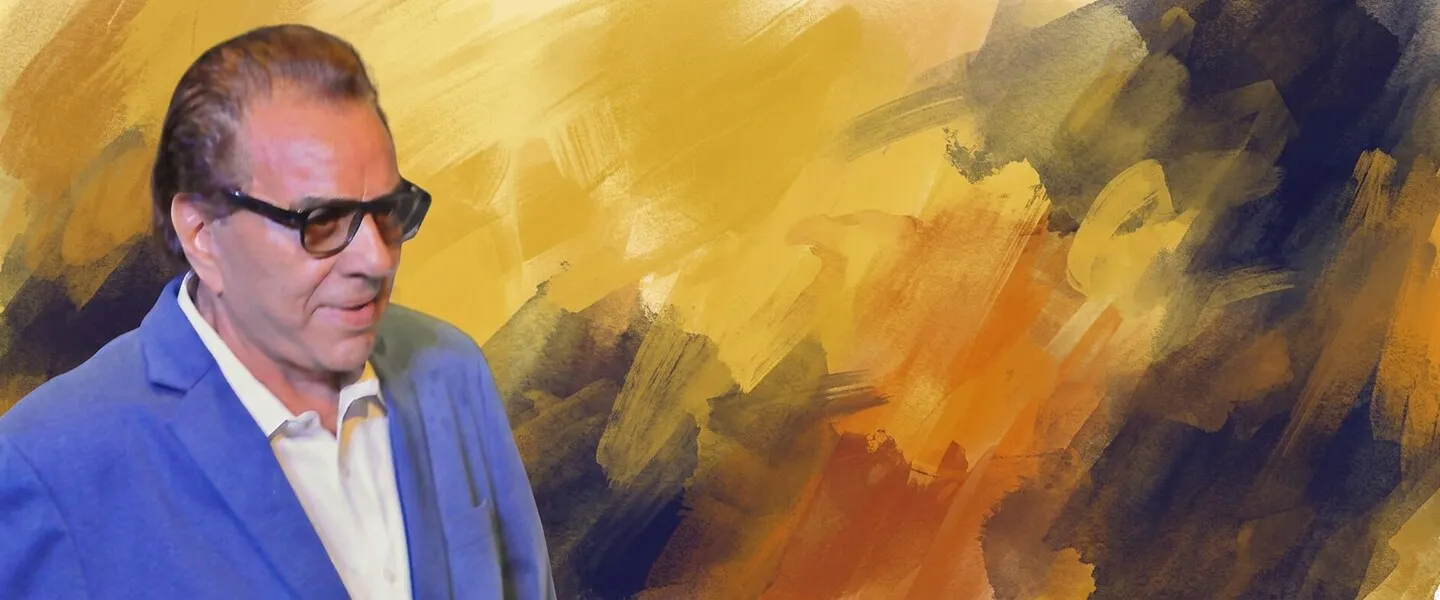
Vinod Khanna (1946 to 2017), born in Peshawar in a Punjabi family, was one of Hindi cinema's biggest stars of the 1970s in films such as Amar Akbar Anthony, Muqaddar Ka Sikandar and Qurbani. He later represented Gurdaspur in Punjab in Parliament for four terms and served as a Union minister, and was honoured posthumously with the Dadasaheb Phalke Award.
Life at a glance
- 1946Born Peshawar, British India
- 1968Film debut Man Ka Meet
- 1975Honour Haath Ki Safai
- 1999Honour Filmfare Lifetime Achievement Award
- 2017Died Mumbai
- Punjabi name
- ਵਿਨੋਦ ਖੰਨਾ
- Born
- 6 October 1946, Peshawar, British India (now in Pakistan)
- Died
- 27 April 2017, Mumbai
- Birthplace
- Peshawar
- Constituency
- Gurdaspur, Punjab
- District
- Gurdaspur
All 10 facts
- Tehsil
- Gurdaspur
- Education
- Sydenham College, Mumbai (commerce degree)
- Film debut
- Man Ka Meet (1968)
- Honours
- Filmfare Award for Best Supporting Actor, Haath Ki Safai (1975); Filmfare Lifetime Achievement Award (1999); Dadasaheb Phalke Award (posthumous, for 2017)
Vinod Khanna (6 October 1946 to 27 April 2017) was an Indian actor and politician born in Peshawar who became one of Hindi cinema's biggest stars of the 1970s, then represented Gurdaspur in Punjab in Parliament for four terms. He received the Filmfare Lifetime Achievement Award in 1999 and was honoured posthumously with the Dadasaheb Phalke Award, India's highest award in cinema.
Early life: from Peshawar to Bombay
Vinod Khanna was born in Peshawar, then in British India and now in Pakistan, into a Punjabi Hindu family. His father, Krishanchand Khanna, was a businessman in textiles, dyes and chemicals, and his mother was Kamla. He had three sisters and a brother. Within a year of his birth, Partition divided India and the family left Peshawar for Bombay. He was schooled at St. Mary's in Bombay, then at Delhi Public School on Mathura Road in Delhi, and then at Barnes School in Deolali, near Nashik. At boarding school he watched the epics Solva Saal and Mughal-e-Azam and fell in love with films. He went on to take a commerce degree from Sydenham College in Bombay, and for a time cricket, not cinema, was his first sporting love.
From villain to leading man
Khanna made his film debut in 1968 in Man Ka Meet, produced by Sunil Dutt, in a supporting role. Through 1970 he was noticed in big hits such as Purab Aur Paschim, Sachaa Jhutha and Aan Milo Sajna, usually as a villain or in support. His breakthrough as a lead came with Gulzar's Mere Apne (1971), where he played an angry young man, and with Mera Gaon Mera Desh (1971), where his menacing bandit opposite Dharmendra drew wide praise. In Achanak (1973), again with Gulzar, he played a military officer turned fugitive in a story based on the Nanavati case. Haath Ki Safai (1974) made him a star and won him the Filmfare Award for Best Supporting Actor.
The late 1970s were his peak. In Hera Pheri (1976), Amar Akbar Anthony (1977), Muqaddar Ka Sikandar (1978) and Qurbani (1980) he stood at the centre of some of the decade's biggest blockbusters, was among the highest paid actors of the era, and was often described as the one leading man who could rival Amitabh Bachchan at the box office. His screen image mixed physical presence with an easy, stylish confidence that made him a fashion reference for a generation of filmgoers.
Why did Vinod Khanna leave films at his peak?
Vinod Khanna left films at his peak in 1982 to follow his spiritual teacher, Osho, whose disciple he had become in 1975. He moved to Rajneeshpuram, the movement's commune in Oregon in the United States, where he meditated, worked as a gardener and took the name Swami Vinod Bharti. The break lasted about five years, an extraordinary decision for a star at the height of his earning power, and it is still the most talked about turn in his life. He returned to India and to films in 1987 with Insaaf, which succeeded at the box office and restarted his career.
Comeback and later roles
His comeback gathered pace with Suryaa and Yash Chopra's Chandni in 1989. The 1990s brought fewer hits, among them the critically praised Lekin... (1991) with Gulzar, and in 1997 he launched his son Akshaye Khanna in Himalay Putra, which did not succeed commercially. He received the Filmfare Lifetime Achievement Award in 1999. In his final acting phase he became a valued elder presence in popular films, playing father figures in Wanted (2009), Dabangg (2010) and Dabangg 2 (2012), and appearing in Dilwale (2015). A delayed final film, Guns of Banaras, was released in 2020, almost three years after his death.
A Punjab constituency: Gurdaspur in Parliament
Khanna's second public career tied him directly to Punjab. He joined the Bharatiya Janata Party in 1997 and was elected to the Lok Sabha from Gurdaspur in 1998. Voters there returned him in 1999 and again in 2004. In the government of Prime Minister Atal Bihari Vajpayee he served as Union Minister of State for Culture and Tourism from July 2002, and then as Minister of State for External Affairs from January 2003 to May 2004. He lost the Gurdaspur seat in 2009, won it back in the 2014 general election, and was still its sitting member, in his fourth term, when he died.
Honours, death and legacy
His film honours began with the Filmfare Award for Best Supporting Actor for Haath Ki Safai in 1975 and included the Filmfare Lifetime Achievement Award in 1999. After his death, the Government of India honoured him posthumously with the Dadasaheb Phalke Award for the year 2017, presented at the 65th National Film Awards in 2018 and received by his wife Kavita and his son Akshaye. Khanna died in Mumbai on 27 April 2017, aged 70. The hospital where he had been admitted said the cause was advanced bladder carcinoma. He was cremated the same day at Worli in Mumbai, and tributes came from the President, the Prime Minister and colleagues across cinema and politics. His sons Rahul and Akshaye, from his first marriage, both became actors. He is remembered as a star who walked away from fame at its height, came back, and then built a second life in public service for the Punjab constituency that kept electing him.
ਵਿਨੋਦ ਖੰਨਾ (6 ਅਕਤੂਬਰ 1946 ਤੋਂ 27 ਅਪ੍ਰੈਲ 2017) ਪੇਸ਼ਾਵਰ ਵਿੱਚ ਜਨਮੇ ਇੱਕ ਭਾਰਤੀ ਅਦਾਕਾਰ ਅਤੇ ਸਿਆਸਤਦਾਨ ਸਨ, ਜੋ 1970ਵਿਆਂ ਵਿੱਚ ਹਿੰਦੀ ਸਿਨੇਮਾ ਦੇ ਸਭ ਤੋਂ ਵੱਡੇ ਸਿਤਾਰਿਆਂ ਵਿੱਚੋਂ ਇੱਕ ਬਣੇ, ਅਤੇ ਫਿਰ ਚਾਰ ਵਾਰ ਸੰਸਦ ਵਿੱਚ ਪੰਜਾਬ ਦੇ ਗੁਰਦਾਸਪੁਰ ਦੀ ਨੁਮਾਇੰਦਗੀ ਕੀਤੀ। ਉਨ੍ਹਾਂ ਨੂੰ 1999 ਵਿੱਚ ਫ਼ਿਲਮਫੇਅਰ ਲਾਈਫਟਾਈਮ ਅਚੀਵਮੈਂਟ ਪੁਰਸਕਾਰ ਮਿਲਿਆ ਅਤੇ ਮਰਨ ਤੋਂ ਬਾਅਦ ਉਨ੍ਹਾਂ ਨੂੰ ਦਾਦਾ ਸਾਹਿਬ ਫਾਲਕੇ ਪੁਰਸਕਾਰ ਨਾਲ ਸਨਮਾਨਿਤ ਕੀਤਾ ਗਿਆ, ਜੋ ਸਿਨੇਮਾ ਵਿੱਚ ਭਾਰਤ ਦਾ ਸਭ ਤੋਂ ਵੱਡਾ ਸਨਮਾਨ ਹੈ।
ਮੁੱਢਲਾ ਜੀਵਨ: ਪੇਸ਼ਾਵਰ ਤੋਂ ਬੰਬਈ ਤੱਕ
ਵਿਨੋਦ ਖੰਨਾ ਦਾ ਜਨਮ ਪੇਸ਼ਾਵਰ ਵਿੱਚ ਇੱਕ ਪੰਜਾਬੀ ਹਿੰਦੂ ਪਰਿਵਾਰ ਵਿੱਚ ਹੋਇਆ, ਜੋ ਉਸ ਸਮੇਂ ਬ੍ਰਿਟਿਸ਼ ਭਾਰਤ ਵਿੱਚ ਸੀ ਅਤੇ ਹੁਣ ਪਾਕਿਸਤਾਨ ਵਿੱਚ ਹੈ। ਉਨ੍ਹਾਂ ਦੇ ਪਿਤਾ ਕ੍ਰਿਸ਼ਨਚੰਦ ਖੰਨਾ ਕੱਪੜੇ, ਰੰਗਾਂ ਅਤੇ ਰਸਾਇਣਾਂ ਦੇ ਵਪਾਰੀ ਸਨ, ਅਤੇ ਉਨ੍ਹਾਂ ਦੀ ਮਾਂ ਕਮਲਾ ਸਨ। ਉਨ੍ਹਾਂ ਦੀਆਂ ਤਿੰਨ ਭੈਣਾਂ ਅਤੇ ਇੱਕ ਭਰਾ ਸੀ। ਉਨ੍ਹਾਂ ਦੇ ਜਨਮ ਦੇ ਇੱਕ ਸਾਲ ਦੇ ਅੰਦਰ ਹੀ ਵੰਡ ਨੇ ਭਾਰਤ ਨੂੰ ਵੰਡ ਦਿੱਤਾ ਅਤੇ ਪਰਿਵਾਰ ਪੇਸ਼ਾਵਰ ਛੱਡ ਕੇ ਬੰਬਈ ਆ ਗਿਆ। ਉਨ੍ਹਾਂ ਨੇ ਬੰਬਈ ਦੇ ਸੇਂਟ ਮੈਰੀਜ਼, ਫਿਰ ਦਿੱਲੀ ਦੇ ਮਥੁਰਾ ਰੋਡ ਸਥਿਤ ਦਿੱਲੀ ਪਬਲਿਕ ਸਕੂਲ, ਅਤੇ ਫਿਰ ਨਾਸਿਕ ਨੇੜੇ ਦੇਓਲਾਲੀ ਦੇ ਬਾਰਨਜ਼ ਸਕੂਲ ਵਿੱਚ ਪੜ੍ਹਾਈ ਕੀਤੀ। ਬੋਰਡਿੰਗ ਸਕੂਲ ਵਿੱਚ ਉਨ੍ਹਾਂ ਨੇ ਮਹਾਂਕਾਵਿ ਫ਼ਿਲਮਾਂ ਸੋਲਵਾਂ ਸਾਲ ਅਤੇ ਮੁਗ਼ਲ-ਏ-ਆਜ਼ਮ ਦੇਖੀਆਂ ਅਤੇ ਫ਼ਿਲਮਾਂ ਨਾਲ ਪਿਆਰ ਹੋ ਗਿਆ। ਅੱਗੇ ਚੱਲ ਕੇ ਉਨ੍ਹਾਂ ਨੇ ਬੰਬਈ ਦੇ ਸਿਡਨਹੈਮ ਕਾਲਜ ਤੋਂ ਵਣਜ ਦੀ ਡਿਗਰੀ ਲਈ, ਅਤੇ ਕੁਝ ਸਮੇਂ ਲਈ ਕ੍ਰਿਕਟ, ਸਿਨੇਮਾ ਨਹੀਂ, ਉਨ੍ਹਾਂ ਦਾ ਪਹਿਲਾ ਖੇਡ ਪਿਆਰ ਸੀ।
ਖਲਨਾਇਕ ਤੋਂ ਮੁੱਖ ਨਾਇਕ ਤੱਕ
ਖੰਨਾ ਨੇ 1968 ਵਿੱਚ ਸੁਨੀਲ ਦੱਤ ਦੇ ਨਿਰਮਾਣ ਹੇਠ ਬਣੀ ਮਨ ਕਾ ਮੀਤ ਵਿੱਚ ਸਹਾਇਕ ਭੂਮਿਕਾ ਨਾਲ ਫ਼ਿਲਮੀ ਸ਼ੁਰੂਆਤ ਕੀਤੀ। 1970 ਤੱਕ ਉਹ ਪੂਰਬ ਔਰ ਪੱਛਮ, ਸੱਚਾ ਝੂਠਾ ਅਤੇ ਆਨ ਮਿਲੋ ਸਜਨਾ ਵਰਗੀਆਂ ਵੱਡੀਆਂ ਹਿੱਟ ਫ਼ਿਲਮਾਂ ਵਿੱਚ ਧਿਆਨ ਖਿੱਚ ਚੁੱਕੇ ਸਨ, ਆਮ ਤੌਰ ਉੱਤੇ ਖਲਨਾਇਕ ਜਾਂ ਸਹਾਇਕ ਕਿਰਦਾਰਾਂ ਵਿੱਚ। ਮੁੱਖ ਨਾਇਕ ਵਜੋਂ ਉਨ੍ਹਾਂ ਦੀ ਪਛਾਣ ਗੁਲਜ਼ਾਰ ਦੀ ਮੇਰੇ ਅਪਨੇ (1971) ਨਾਲ ਬਣੀ, ਜਿਸ ਵਿੱਚ ਉਨ੍ਹਾਂ ਨੇ ਇੱਕ ਗੁੱਸੇ ਵਾਲੇ ਨੌਜਵਾਨ ਦੀ ਭੂਮਿਕਾ ਨਿਭਾਈ, ਅਤੇ ਮੇਰਾ ਗਾਂਵ ਮੇਰਾ ਦੇਸ਼ (1971) ਨਾਲ, ਜਿਸ ਵਿੱਚ ਧਰਮਿੰਦਰ ਦੇ ਸਾਹਮਣੇ ਉਨ੍ਹਾਂ ਦੇ ਖ਼ਤਰਨਾਕ ਡਾਕੂ ਨੂੰ ਖੂਬ ਸਲਾਹਿਆ ਗਿਆ। ਅਚਾਨਕ (1973) ਵਿੱਚ, ਮੁੜ ਗੁਲਜ਼ਾਰ ਨਾਲ, ਉਨ੍ਹਾਂ ਨੇ ਨਾਨਾਵਤੀ ਕੇਸ ਉੱਤੇ ਆਧਾਰਿਤ ਕਹਾਣੀ ਵਿੱਚ ਇੱਕ ਫ਼ੌਜੀ ਅਫ਼ਸਰ ਦੀ ਭੂਮਿਕਾ ਨਿਭਾਈ ਜੋ ਭਗੌੜਾ ਬਣ ਜਾਂਦਾ ਹੈ। ਹਾਥ ਕੀ ਸਫਾਈ (1974) ਨੇ ਉਨ੍ਹਾਂ ਨੂੰ ਸਿਤਾਰਾ ਬਣਾ ਦਿੱਤਾ ਅਤੇ ਸਰਵੋਤਮ ਸਹਾਇਕ ਅਦਾਕਾਰ ਲਈ ਫ਼ਿਲਮਫੇਅਰ ਪੁਰਸਕਾਰ ਦਿਵਾਇਆ।
1970ਵਿਆਂ ਦਾ ਅੰਤ ਉਨ੍ਹਾਂ ਦਾ ਸਿਖਰ ਸੀ। ਹੇਰਾ ਫੇਰੀ (1976), ਅਮਰ ਅਕਬਰ ਐਂਥਨੀ (1977), ਮੁਕੱਦਰ ਕਾ ਸਿਕੰਦਰ (1978) ਅਤੇ ਕੁਰਬਾਨੀ (1980) ਵਿੱਚ ਉਹ ਉਸ ਦਹਾਕੇ ਦੀਆਂ ਸਭ ਤੋਂ ਵੱਡੀਆਂ ਬਲਾਕਬਸਟਰ ਫ਼ਿਲਮਾਂ ਦੇ ਕੇਂਦਰ ਵਿੱਚ ਰਹੇ, ਉਸ ਦੌਰ ਦੇ ਸਭ ਤੋਂ ਵੱਧ ਫੀਸ ਲੈਣ ਵਾਲੇ ਅਦਾਕਾਰਾਂ ਵਿੱਚੋਂ ਇੱਕ ਸਨ, ਅਤੇ ਅਕਸਰ ਉਨ੍ਹਾਂ ਨੂੰ ਉਹ ਇੱਕੋ ਇੱਕ ਮੁੱਖ ਨਾਇਕ ਕਿਹਾ ਜਾਂਦਾ ਸੀ ਜੋ ਬਾਕਸ ਆਫ਼ਿਸ ਉੱਤੇ ਅਮਿਤਾਭ ਬੱਚਨ ਦਾ ਮੁਕਾਬਲਾ ਕਰ ਸਕਦਾ ਸੀ। ਉਨ੍ਹਾਂ ਦੀ ਪਰਦੇ ਉੱਤਲੀ ਛਵੀ ਵਿੱਚ ਸਰੀਰਕ ਹਾਜ਼ਰੀ ਅਤੇ ਸਹਿਜ, ਸਟਾਈਲਿਸ਼ ਆਤਮਵਿਸ਼ਵਾਸ ਦਾ ਸੁਮੇਲ ਸੀ, ਜਿਸ ਨੇ ਉਨ੍ਹਾਂ ਨੂੰ ਫ਼ਿਲਮ ਦੇਖਣ ਵਾਲਿਆਂ ਦੀ ਇੱਕ ਪੀੜ੍ਹੀ ਲਈ ਫੈਸ਼ਨ ਦਾ ਹਵਾਲਾ ਬਣਾ ਦਿੱਤਾ।
ਵਿਨੋਦ ਖੰਨਾ ਨੇ ਸਿਖਰ ਉੱਤੇ ਫ਼ਿਲਮਾਂ ਕਿਉਂ ਛੱਡੀਆਂ?
ਵਿਨੋਦ ਖੰਨਾ ਨੇ 1982 ਵਿੱਚ ਆਪਣੇ ਸਿਖਰ ਉੱਤੇ ਫ਼ਿਲਮਾਂ ਛੱਡ ਦਿੱਤੀਆਂ ਤਾਂ ਜੋ ਉਹ ਆਪਣੇ ਅਧਿਆਤਮਿਕ ਗੁਰੂ ਓਸ਼ੋ ਦਾ ਪਿੱਛਾ ਕਰ ਸਕਣ, ਜਿਨ੍ਹਾਂ ਦੇ ਉਹ 1975 ਵਿੱਚ ਚੇਲੇ ਬਣੇ ਸਨ। ਉਹ ਅਮਰੀਕਾ ਦੇ ਓਰੇਗਨ ਵਿੱਚ ਉਸ ਲਹਿਰ ਦੇ ਕਮਿਊਨ ਰਜਨੀਸ਼ਪੁਰਮ ਚਲੇ ਗਏ, ਜਿੱਥੇ ਉਨ੍ਹਾਂ ਨੇ ਧਿਆਨ ਲਗਾਇਆ, ਮਾਲੀ ਵਜੋਂ ਕੰਮ ਕੀਤਾ ਅਤੇ ਸਵਾਮੀ ਵਿਨੋਦ ਭਾਰਤੀ ਨਾਮ ਰੱਖਿਆ। ਇਹ ਵਕਫ਼ਾ ਲਗਭਗ ਪੰਜ ਸਾਲ ਰਿਹਾ, ਜੋ ਆਪਣੀ ਕਮਾਈ ਦੇ ਸਿਖਰ ਉੱਤੇ ਇੱਕ ਸਿਤਾਰੇ ਲਈ ਅਸਾਧਾਰਨ ਫੈਸਲਾ ਸੀ, ਅਤੇ ਇਹ ਅੱਜ ਵੀ ਉਨ੍ਹਾਂ ਦੇ ਜੀਵਨ ਦਾ ਸਭ ਤੋਂ ਵੱਧ ਚਰਚਿਤ ਮੋੜ ਹੈ। ਉਹ 1987 ਵਿੱਚ ਇਨਸਾਫ਼ ਨਾਲ ਭਾਰਤ ਅਤੇ ਫ਼ਿਲਮਾਂ ਵਿੱਚ ਪਰਤੇ, ਜੋ ਬਾਕਸ ਆਫ਼ਿਸ ਉੱਤੇ ਸਫਲ ਰਹੀ ਅਤੇ ਉਨ੍ਹਾਂ ਦਾ ਕਰੀਅਰ ਮੁੜ ਸ਼ੁਰੂ ਹੋ ਗਿਆ।
ਵਾਪਸੀ ਅਤੇ ਬਾਅਦ ਦੀਆਂ ਭੂਮਿਕਾਵਾਂ
ਉਨ੍ਹਾਂ ਦੀ ਵਾਪਸੀ 1989 ਵਿੱਚ ਸੂਰਿਆ ਅਤੇ ਯਸ਼ ਚੋਪੜਾ ਦੀ ਚਾਂਦਨੀ ਨਾਲ ਤੇਜ਼ ਹੋਈ। 1990ਵਿਆਂ ਵਿੱਚ ਹਿੱਟ ਫ਼ਿਲਮਾਂ ਘੱਟ ਆਈਆਂ, ਜਿਨ੍ਹਾਂ ਵਿੱਚ ਗੁਲਜ਼ਾਰ ਨਾਲ ਆਲੋਚਕਾਂ ਵੱਲੋਂ ਸਲਾਹੀ ਗਈ ਲੇਕਿਨ... (1991) ਸ਼ਾਮਲ ਸੀ, ਅਤੇ 1997 ਵਿੱਚ ਉਨ੍ਹਾਂ ਨੇ ਆਪਣੇ ਬੇਟੇ ਅਕਸ਼ੈ ਖੰਨਾ ਨੂੰ ਹਿਮਾਲੈ ਪੁੱਤਰਾ ਵਿੱਚ ਲਾਂਚ ਕੀਤਾ, ਜੋ ਵਪਾਰਕ ਤੌਰ ਉੱਤੇ ਸਫਲ ਨਹੀਂ ਹੋਈ। ਉਨ੍ਹਾਂ ਨੂੰ 1999 ਵਿੱਚ ਫ਼ਿਲਮਫੇਅਰ ਲਾਈਫਟਾਈਮ ਅਚੀਵਮੈਂਟ ਪੁਰਸਕਾਰ ਮਿਲਿਆ। ਆਪਣੇ ਆਖਰੀ ਅਦਾਕਾਰੀ ਦੌਰ ਵਿੱਚ ਉਹ ਲੋਕਪ੍ਰਿਯ ਫ਼ਿਲਮਾਂ ਵਿੱਚ ਕੀਮਤੀ ਬਜ਼ੁਰਗ ਹਾਜ਼ਰੀ ਬਣੇ, ਵਾਂਟਿਡ (2009), ਦਬੰਗ (2010) ਅਤੇ ਦਬੰਗ 2 (2012) ਵਿੱਚ ਪਿਤਾ ਦੀਆਂ ਭੂਮਿਕਾਵਾਂ ਨਿਭਾਈਆਂ, ਅਤੇ ਦਿਲਵਾਲੇ (2015) ਵਿੱਚ ਨਜ਼ਰ ਆਏ। ਇੱਕ ਦੇਰੀ ਨਾਲ ਬਣੀ ਆਖਰੀ ਫ਼ਿਲਮ, ਗਨਜ਼ ਆਫ਼ ਬਨਾਰਸ, ਉਨ੍ਹਾਂ ਦੇ ਦੇਹਾਂਤ ਤੋਂ ਲਗਭਗ ਤਿੰਨ ਸਾਲ ਬਾਅਦ 2020 ਵਿੱਚ ਰਿਲੀਜ਼ ਹੋਈ।
ਪੰਜਾਬ ਦਾ ਹਲਕਾ: ਸੰਸਦ ਵਿੱਚ ਗੁਰਦਾਸਪੁਰ
ਖੰਨਾ ਦੇ ਦੂਜੇ ਜਨਤਕ ਕਰੀਅਰ ਨੇ ਉਨ੍ਹਾਂ ਨੂੰ ਸਿੱਧਾ ਪੰਜਾਬ ਨਾਲ ਜੋੜਿਆ। ਉਹ 1997 ਵਿੱਚ ਭਾਰਤੀ ਜਨਤਾ ਪਾਰਟੀ ਵਿੱਚ ਸ਼ਾਮਲ ਹੋਏ ਅਤੇ 1998 ਵਿੱਚ ਗੁਰਦਾਸਪੁਰ ਤੋਂ ਲੋਕ ਸਭਾ ਲਈ ਚੁਣੇ ਗਏ। ਉੱਥੋਂ ਦੇ ਵੋਟਰਾਂ ਨੇ 1999 ਵਿੱਚ ਅਤੇ ਮੁੜ 2004 ਵਿੱਚ ਉਨ੍ਹਾਂ ਨੂੰ ਜਿਤਾਇਆ। ਪ੍ਰਧਾਨ ਮੰਤਰੀ ਅਟਲ ਬਿਹਾਰੀ ਵਾਜਪਾਈ ਦੀ ਸਰਕਾਰ ਵਿੱਚ ਉਨ੍ਹਾਂ ਨੇ ਜੁਲਾਈ 2002 ਤੋਂ ਕੇਂਦਰੀ ਸੱਭਿਆਚਾਰ ਅਤੇ ਸੈਰ-ਸਪਾਟਾ ਰਾਜ ਮੰਤਰੀ ਵਜੋਂ, ਅਤੇ ਫਿਰ ਜਨਵਰੀ 2003 ਤੋਂ ਮਈ 2004 ਤੱਕ ਵਿਦੇਸ਼ ਮਾਮਲਿਆਂ ਦੇ ਰਾਜ ਮੰਤਰੀ ਵਜੋਂ ਸੇਵਾ ਕੀਤੀ। ਉਹ 2009 ਵਿੱਚ ਗੁਰਦਾਸਪੁਰ ਸੀਟ ਹਾਰ ਗਏ, 2014 ਦੀਆਂ ਆਮ ਚੋਣਾਂ ਵਿੱਚ ਇਸ ਨੂੰ ਮੁੜ ਜਿੱਤਿਆ, ਅਤੇ ਆਪਣੇ ਦੇਹਾਂਤ ਸਮੇਂ ਉਹ ਆਪਣੇ ਚੌਥੇ ਕਾਰਜਕਾਲ ਵਿੱਚ ਉੱਥੋਂ ਦੇ ਸਿਟਿੰਗ ਮੈਂਬਰ ਸਨ।
ਸਨਮਾਨ, ਦੇਹਾਂਤ ਅਤੇ ਵਿਰਾਸਤ
ਉਨ੍ਹਾਂ ਦੇ ਫ਼ਿਲਮੀ ਸਨਮਾਨਾਂ ਦੀ ਸ਼ੁਰੂਆਤ 1975 ਵਿੱਚ ਹਾਥ ਕੀ ਸਫਾਈ ਲਈ ਸਰਵੋਤਮ ਸਹਾਇਕ ਅਦਾਕਾਰ ਦੇ ਫ਼ਿਲਮਫੇਅਰ ਪੁਰਸਕਾਰ ਨਾਲ ਹੋਈ ਅਤੇ 1999 ਵਿੱਚ ਫ਼ਿਲਮਫੇਅਰ ਲਾਈਫਟਾਈਮ ਅਚੀਵਮੈਂਟ ਪੁਰਸਕਾਰ ਸ਼ਾਮਲ ਸੀ। ਉਨ੍ਹਾਂ ਦੇ ਦੇਹਾਂਤ ਤੋਂ ਬਾਅਦ, ਭਾਰਤ ਸਰਕਾਰ ਨੇ ਉਨ੍ਹਾਂ ਨੂੰ ਸਾਲ 2017 ਲਈ ਮਰਨ ਉਪਰੰਤ ਦਾਦਾ ਸਾਹਿਬ ਫਾਲਕੇ ਪੁਰਸਕਾਰ ਨਾਲ ਸਨਮਾਨਿਤ ਕੀਤਾ, ਜੋ 2018 ਵਿੱਚ 65ਵੇਂ ਰਾਸ਼ਟਰੀ ਫ਼ਿਲਮ ਪੁਰਸਕਾਰਾਂ ਵਿੱਚ ਪੇਸ਼ ਕੀਤਾ ਗਿਆ ਅਤੇ ਉਨ੍ਹਾਂ ਦੀ ਪਤਨੀ ਕਵਿਤਾ ਅਤੇ ਬੇਟੇ ਅਕਸ਼ੈ ਨੇ ਪ੍ਰਾਪਤ ਕੀਤਾ। ਖੰਨਾ ਦਾ ਦੇਹਾਂਤ 27 ਅਪ੍ਰੈਲ 2017 ਨੂੰ ਮੁੰਬਈ ਵਿੱਚ ਹੋਇਆ, ਉਮਰ 70 ਸਾਲ ਸੀ। ਜਿਸ ਹਸਪਤਾਲ ਵਿੱਚ ਉਹ ਦਾਖ਼ਲ ਸਨ, ਉਸ ਨੇ ਕਿਹਾ ਕਿ ਕਾਰਨ ਐਡਵਾਂਸਡ ਬਲੈਡਰ ਕਾਰਸੀਨੋਮਾ ਸੀ। ਉਸੇ ਦਿਨ ਮੁੰਬਈ ਦੇ ਵਰਲੀ ਵਿੱਚ ਉਨ੍ਹਾਂ ਦਾ ਸਸਕਾਰ ਕੀਤਾ ਗਿਆ, ਅਤੇ ਰਾਸ਼ਟਰਪਤੀ, ਪ੍ਰਧਾਨ ਮੰਤਰੀ ਅਤੇ ਸਿਨੇਮਾ ਤੇ ਸਿਆਸਤ ਦੇ ਸਾਥੀਆਂ ਵੱਲੋਂ ਸ਼ਰਧਾਂਜਲੀਆਂ ਆਈਆਂ। ਉਨ੍ਹਾਂ ਦੇ ਪਹਿਲੇ ਵਿਆਹ ਤੋਂ ਬੇਟੇ ਰਾਹੁਲ ਅਤੇ ਅਕਸ਼ੈ ਦੋਵੇਂ ਅਦਾਕਾਰ ਬਣੇ। ਉਨ੍ਹਾਂ ਨੂੰ ਇੱਕ ਅਜਿਹੇ ਸਿਤਾਰੇ ਵਜੋਂ ਯਾਦ ਕੀਤਾ ਜਾਂਦਾ ਹੈ ਜੋ ਸ਼ੋਹਰਤ ਦੇ ਸਿਖਰ ਉੱਤੇ ਉਸ ਨੂੰ ਛੱਡ ਕੇ ਚਲਾ ਗਿਆ, ਵਾਪਸ ਆਇਆ, ਅਤੇ ਫਿਰ ਪੰਜਾਬ ਦੇ ਉਸ ਹਲਕੇ ਲਈ ਜਨਤਕ ਸੇਵਾ ਵਿੱਚ ਦੂਜਾ ਜੀਵਨ ਬਣਾਇਆ ਜੋ ਉਨ੍ਹਾਂ ਨੂੰ ਚੁਣਦਾ ਰਿਹਾ।
People

Places
More actors & entertainers
See all



Sources (3)
Jugti is free and independent. Reader support keeps the Kosh growing.
Support