
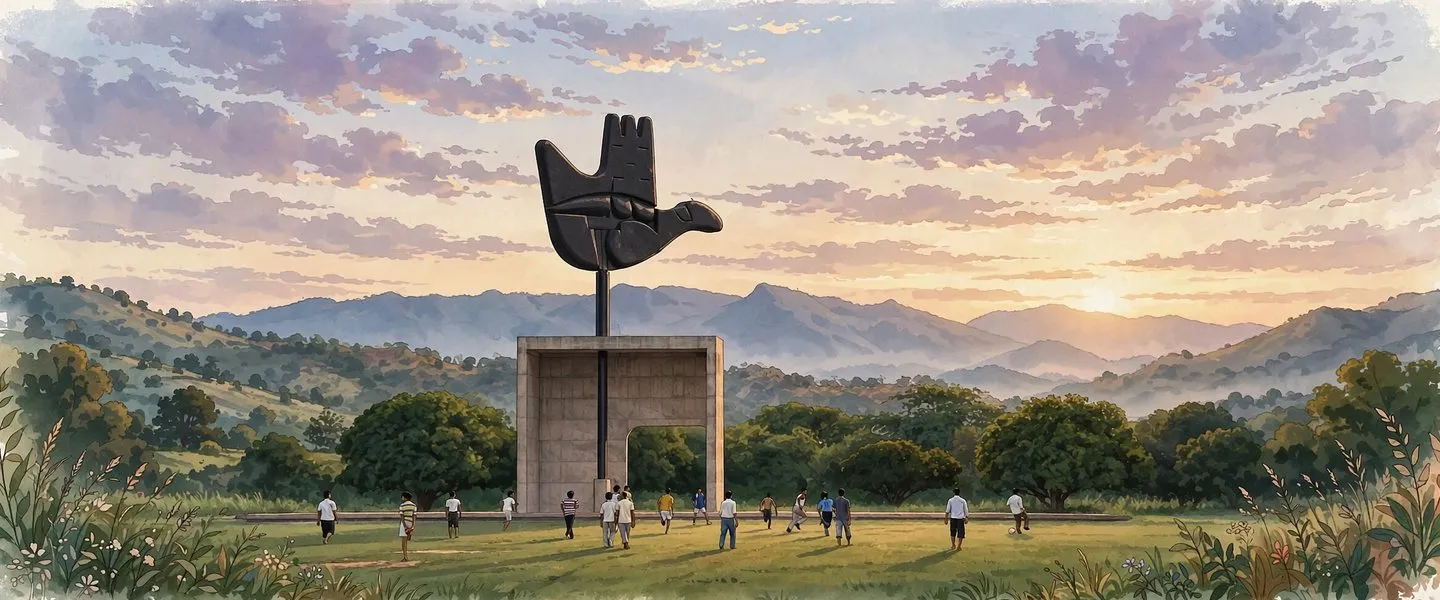
Chandigarh is a planned city and union territory in northern India that serves as the joint capital of Punjab and Haryana. Designed under Le Corbusier after Partition left Punjab without a capital, it is known for its grid of sectors, its modernist Capitol Complex and its green spaces, and had a population of 1,055,450 at the 2011 census.
- Punjabi name
- ਚੰਡੀਗੜ੍ਹ
- Type
- City
- Status
- Union Territory; joint capital of Punjab and Haryana
- Region
- Puadh, Punjab (India)
- Area
- 114 sq km
- Population
- 1,055,450 (2011 census)
All 11 facts
- Inaugurated
- 7 October 1953
- Planned by
- Le Corbusier, with Pierre Jeanneret, Maxwell Fry and Jane Drew
- Also called
- The City Beautiful
- Languages
- Hindi, Punjabi and English
- Administrator
- Gulab Chand Kataria, Governor of Punjab (since 2024)
Chandigarh is a city and union territory in northern India, and the shared capital of two states, Punjab and Haryana. Raised in the 1950s on farmland at the foot of the Shivalik hills, it is the first planned city of independent India: a grid of self-contained sectors designed under the Swiss-French architect Le Corbusier, known for its modernist government buildings, green avenues and the artificial Sukhna Lake. For the Punjabi reader it has a special meaning: this is the capital Punjab built for itself after Lahore was lost at Partition, and the city that anchors the modern growth of the Puadh region.
Why was Chandigarh built?
Chandigarh was built because Partition in 1947 left Indian Punjab without a capital. Lahore, the old provincial capital, went to Pakistan, and for a few years the Punjab government worked scattered between Shimla and other towns. Building a brand new capital was judged no costlier than expanding an existing city, and it offered something more: a symbol of a new country looking forward. The site finally chosen lay in the Kharar tehsil of Ambala district, on farmland below the Shivalik hills, with two seasonal streams running either side of it. The land belonged to 58 villages with about 21,000 people, many of whom had to be resettled.
The name came from one of those villages. A temple of the goddess Chandi stood nearby, and joining Chandi with garh, a fort, gave the new city its name. Prime Minister Jawaharlal Nehru backed the project personally and wanted a town unfettered by the traditions of the past, an expression of the nation's faith in the future. The foundation stone was laid in 1952, government departments moved down from Shimla the following year, and on 7 October 1953 President Rajendra Prasad formally inaugurated the capital. Sector 22 was the first neighbourhood to rise.
A city of sectors: the Le Corbusier plan
The first master plan was drawn in 1949 by the American planner Albert Mayer, working with the Polish architect Matthew Nowicki. When Nowicki died in a plane crash in 1950, the project needed a new team, and in 1951 Le Corbusier took charge, bringing his cousin Pierre Jeanneret and the British architects Maxwell Fry and Jane Drew. Corbusier kept the broad layout but redrew the fan-shaped plan as a strict rectangular grid, and organised the city by an image of the human body: the government complex at the head, the city centre at the heart, and the university and industry along the limbs.
His basic unit is the sector, a rectangle of about 800 by 1,200 metres designed to work like a small town of its own, with shops, a school, a health centre, green space and places of worship inside it, and only four entrances for vehicles. Depending on plot sizes, a sector holds between 3,000 and 20,000 people. The first phase, sectors 1 to 30, was laid out at low density for about 150,000 people; the second phase, sectors 31 to 47, packed in more homes for around 350,000. Roads follow a seven-level hierarchy, from the fast highways down to footpaths, so through traffic and quiet residential streets rarely mix. A chain of parks called the Leisure Valley runs the length of the city, and building rules have guarded its planned character ever since.
The Capitol Complex and the Open Hand
At the northern end of the grid, in Sector 1, the Capitol Complex stands against the bare hills like a crown. Its three great buildings are all in rough-cast concrete, shaded by deep sun-breakers designed for the Punjab summer. The Secretariat, a long slab about 254 metres in length, was finished first and still houses the offices of both state governments. The Punjab and Haryana High Court, working since 1955, serves both states from the same courtrooms. The Palace of Assembly, completed in 1962, sets its main chamber under a sweeping curved shell, one of the most recognised rooflines in modern architecture. A fourth building, meant for the Governor's residence and later recast as a museum, was never built.
In front of the Assembly turns the Open Hand, a metal sculpture 26 metres high that swings slowly with the wind. Le Corbusier meant it as a hand open to give and open to receive, a sign of peace and reconciliation, and Chandigarh has adopted it as its official emblem. In July 2016 UNESCO placed the Capitol Complex on the World Heritage List, as one of seventeen works in the series honouring Le Corbusier's contribution to the modern movement.
One city, three governments
Chandigarh's unusual status dates from 1966, when Punjab was reorganised on linguistic lines into a smaller Punjab, the new state of Haryana, and hill areas transferred to Himachal Pradesh. Rather than award the capital to either successor state, the central government made Chandigarh a union territory and the joint capital of both. Both states have claimed the city ever since, and agreements that would have transferred it, in 1970 and again in 1985, were never carried out, so the shared arrangement still stands.
As a union territory, Chandigarh is administered by an Administrator appointed by the President of India; since 1984 the Governor of Punjab has held the post alongside his own, and Gulab Chand Kataria has served as Administrator since July 2024. The city has no state assembly of its own and elects a single member to the Lok Sabha, while a municipal corporation looks after local services. Three governments function side by side here: the union territory administration, Punjab, and Haryana.
What to see in Chandigarh
Most visitors start at Sukhna Lake, a rain-fed reservoir of about 3 square kilometres in Sector 1, created in 1958 by damming the Sukhna Choe, a seasonal stream off the Shivaliks. Its promenade fills at dawn with walkers, the water carries boats and rowing teams, and in winter migratory birds arrive from as far as Siberia and Japan. Beside it, the Garden of Silence offers quiet green space at the foot of the hills.
A short walk away is the city's best-loved surprise, the Rock Garden. Nek Chand, a roads inspector with the public works department, began building it in secret in 1957 on government forest land, shaping figures, waterfalls and whole courtyards out of the city's waste: broken crockery, tiles, glass bangles, electrical fittings and industrial slag. Discovered by the authorities in the 1970s, it was opened to the public in 1976 instead of being demolished, and it is now among the most visited folk art environments in the world. The Zakir Hussain Rose Garden, one of the largest rose gardens in Asia, holds hundreds of varieties of roses. Sector 17, the city centre plaza, remains the classic place for an evening stroll, and the Government Museum and Art Gallery in Sector 10 and the Gandhi Bhawan at Panjab University reward anyone curious about how this city was imagined.
People, languages and work
At the 2011 census Chandigarh had 1,055,450 people on its 114 square kilometres, a density of about 9,252 people per square kilometre, and 97.25 percent of its population was urban. Its literacy rate of about 86.8 percent stood well above the national average. Hindi is the mother tongue of about 67.8 percent of residents and Punjabi of about 22 percent, while English shares official work in the administration. In religious terms the 2011 census counted about 80.7 percent Hindus and 13.1 percent Sikhs.
Work in Chandigarh still leans on government. Three administrations employ a large share of its people, and so many retired officials have settled here that the city carries the fond nickname of a pensioner's paradise. It also ranks among the Indian cities with the highest per capita income, and the Rajiv Gandhi Chandigarh Technology Park has drawn a growing cluster of technology firms to its eastern side.
The Tricity and getting there
Chandigarh no longer stands alone. With Mohali, officially SAS Nagar, growing on its Punjab side and Panchkula on its Haryana side, it forms a single tricity of more than 1.6 million people, treated together as the Chandigarh Capital Region. Mohali in particular has grown into a city of technology parks, universities, a cricket stadium and wide new sectors, much of it driven by Chandigarh's spillover, while Kharar and Zirakpur have swollen along the highways that feed the capital.
Getting there is straightforward. Chandigarh lies about 250 kilometres north of Delhi and 229 kilometres south-east of Amritsar. Its railway station connects it with Delhi and Amritsar, it is about four to five hours by road from Delhi, and the international airport serving the tricity sits across the boundary on the Mohali side.
ਚੰਡੀਗੜ੍ਹ ਉੱਤਰੀ ਭਾਰਤ ਦਾ ਇੱਕ ਸ਼ਹਿਰ ਅਤੇ ਕੇਂਦਰ ਸ਼ਾਸਿਤ ਪ੍ਰਦੇਸ਼ ਹੈ, ਅਤੇ ਦੋ ਸੂਬਿਆਂ, ਪੰਜਾਬ ਅਤੇ ਹਰਿਆਣਾ, ਦੀ ਸਾਂਝੀ ਰਾਜਧਾਨੀ ਹੈ ਸ਼ਿਵਾਲਿਕ ਪਹਾੜੀਆਂ ਦੇ ਪੈਰਾਂ ਵਿੱਚ ਖੇਤੀ ਵਾਲੀ ਜ਼ਮੀਨ ਉੱਤੇ 1950ਵਿਆਂ ਵਿੱਚ ਵਸਿਆ ਇਹ ਆਜ਼ਾਦ ਭਾਰਤ ਦਾ ਪਹਿਲਾ ਯੋਜਨਾਬੱਧ ਸ਼ਹਿਰ ਹੈ: ਸਵਿਸ-ਫਰਾਂਸੀਸੀ ਆਰਕੀਟੈਕਟ ਲ ਕਾਰਬੂਜ਼ੀਏ ਦੀ ਨਿਗਰਾਨੀ ਹੇਠ ਬਣਿਆ ਆਪਣੇ ਆਪ ਵਿੱਚ ਸੰਪੂਰਨ ਸੈਕਟਰਾਂ ਦਾ ਸਾਫ਼ ਜਾਲ, ਜੋ ਆਪਣੀਆਂ ਆਧੁਨਿਕ ਸਰਕਾਰੀ ਇਮਾਰਤਾਂ, ਹਰੀਆਂ ਸੜਕਾਂ ਅਤੇ ਮਨੁੱਖ ਵੱਲੋਂ ਬਣਾਈ ਸੁਖਨਾ ਝੀਲ ਲਈ ਮਸ਼ਹੂਰ ਹੈ ਪੰਜਾਬੀ ਪਾਠਕ ਲਈ ਇਸ ਦੀ ਖਾਸ ਥਾਂ ਹੈ, ਕਿਉਂਕਿ ਇਹ ਉਹ ਰਾਜਧਾਨੀ ਹੈ ਜੋ ਪੰਜਾਬ ਨੇ ਵੰਡ ਵੇਲੇ ਲਾਹੌਰ ਗੁਆਉਣ ਤੋਂ ਬਾਅਦ ਆਪਣੇ ਲਈ ਬਣਾਈ, ਅਤੇ ਇਹ ਸ਼ਹਿਰ ਪੁਆਧ ਖੇਤਰ ਦੇ ਆਧੁਨਿਕ ਵਾਧੇ ਦਾ ਕੇਂਦਰ ਹੈ
ਚੰਡੀਗੜ੍ਹ ਕਿਉਂ ਬਣਾਇਆ ਗਿਆ?
ਚੰਡੀਗੜ੍ਹ ਇਸ ਲਈ ਬਣਿਆ ਕਿਉਂਕਿ 1947 ਦੀ ਵੰਡ ਨੇ ਭਾਰਤੀ ਪੰਜਾਬ ਨੂੰ ਰਾਜਧਾਨੀ ਤੋਂ ਸੱਖਣਾ ਕਰ ਦਿੱਤਾ ਸੀ ਪੁਰਾਣੀ ਸੂਬਾਈ ਰਾਜਧਾਨੀ ਲਾਹੌਰ ਪਾਕਿਸਤਾਨ ਨੂੰ ਚਲੀ ਗਈ, ਅਤੇ ਕੁਝ ਸਾਲ ਪੰਜਾਬ ਸਰਕਾਰ ਸ਼ਿਮਲਾ ਅਤੇ ਹੋਰ ਕਸਬਿਆਂ ਵਿੱਚ ਖਿੱਲਰੀ ਰਹੀ, ਜੋ ਕਿਸੇ ਨੂੰ ਨਹੀਂ ਸੀ ਭਾਉਂਦੀ ਨਵੀਂ ਰਾਜਧਾਨੀ ਬਣਾਉਣਾ ਕਿਸੇ ਮੌਜੂਦਾ ਸ਼ਹਿਰ ਨੂੰ ਵਧਾਉਣ ਨਾਲੋਂ ਮਹਿੰਗਾ ਨਹੀਂ ਸੀ ਗਿਣਿਆ ਗਿਆ, ਅਤੇ ਇਸ ਵਿੱਚ ਕੁਝ ਹੋਰ ਵੀ ਸੀ: ਨਵੇਂ ਦੇਸ਼ ਦੇ ਅੱਗੇ ਵੱਲ ਵੇਖਣ ਦੀ ਨਿਸ਼ਾਨੀ ਆਖਰ ਚੁਣੀ ਗਈ ਥਾਂ ਅੰਬਾਲਾ ਜ਼ਿਲ੍ਹੇ ਦੀ ਖਰੜ ਤਹਿਸੀਲ ਵਿੱਚ ਸੀ, ਸ਼ਿਵਾਲਿਕ ਪਹਾੜੀਆਂ ਦੀ ਛਾਂ ਹੇਠ ਹਲਕੀ ਢਲਾਣ ਵਾਲੀ ਖੇਤੀ ਜ਼ਮੀਨ, ਜਿਸ ਦੇ ਦੋਵੇਂ ਪਾਸੇ ਮੌਸਮੀ ਨਾਲੇ ਵਗਦੇ ਸਨ ਇਹ ਜ਼ਮੀਨ 58 ਪਿੰਡਾਂ ਦੀ ਸੀ, ਜਿਨ੍ਹਾਂ ਵਿੱਚ ਕਰੀਬ 21,000 ਲੋਕ ਰਹਿੰਦੇ ਸਨ, ਅਤੇ ਉਨ੍ਹਾਂ ਵਿੱਚੋਂ ਕਈਆਂ ਨੂੰ ਮੁੜ ਵਸਾਉਣਾ ਪਿਆ
ਨਾਂ ਉਨ੍ਹਾਂ ਪਿੰਡਾਂ ਵਿੱਚੋਂ ਇੱਕ ਤੋਂ ਆਇਆ ਨੇੜੇ ਦੇਵੀ ਚੰਡੀ ਦਾ ਮੰਦਰ ਸੀ, ਅਤੇ ਚੰਡੀ ਨੂੰ ਗੜ੍ਹ, ਯਾਨੀ ਕਿਲ੍ਹੇ, ਨਾਲ ਜੋੜ ਕੇ ਨਵੇਂ ਸ਼ਹਿਰ ਦਾ ਨਾਂ ਚੰਡੀਗੜ੍ਹ ਪਿਆ ਪ੍ਰਧਾਨ ਮੰਤਰੀ ਜਵਾਹਰ ਲਾਲ ਨਹਿਰੂ ਨੇ ਇਸ ਯੋਜਨਾ ਦੀ ਖੁਦ ਹਮਾਇਤ ਕੀਤੀ ਅਤੇ ਉਹ ਅਜਿਹਾ ਨਵਾਂ ਸ਼ਹਿਰ ਚਾਹੁੰਦੇ ਸਨ ਜੋ ਪੁਰਾਣੀਆਂ ਰਵਾਇਤਾਂ ਦੀਆਂ ਜ਼ੰਜੀਰਾਂ ਤੋਂ ਮੁਕਤ ਹੋਵੇ, ਦੇਸ਼ ਦੇ ਭਵਿੱਖ ਵਿੱਚ ਯਕੀਨ ਦਾ ਪ੍ਰਗਟਾਵਾ ਹੋਵੇ ਨੀਂਹ ਪੱਥਰ 1952 ਵਿੱਚ ਰੱਖਿਆ ਗਿਆ, ਅਗਲੇ ਸਾਲ ਸਰਕਾਰੀ ਦਫ਼ਤਰ ਸ਼ਿਮਲਾ ਤੋਂ ਥੱਲੇ ਆ ਗਏ, ਅਤੇ 7 ਅਕਤੂਬਰ 1953 ਨੂੰ ਰਾਸ਼ਟਰਪਤੀ ਰਾਜੇਂਦਰ ਪ੍ਰਸਾਦ ਨੇ ਰਾਜਧਾਨੀ ਦਾ ਰਸਮੀ ਉਦਘਾਟਨ ਕੀਤਾ ਸੈਕਟਰ 22 ਸਭ ਤੋਂ ਪਹਿਲਾਂ ਉੱਠਿਆ ਇਲਾਕਾ ਸੀ
ਸੈਕਟਰਾਂ ਦਾ ਸ਼ਹਿਰ: ਲ ਕਾਰਬੂਜ਼ੀਏ ਦੀ ਯੋਜਨਾ
ਪਹਿਲਾ ਮਾਸਟਰ ਪਲਾਨ 1949 ਵਿੱਚ ਅਮਰੀਕੀ ਯੋਜਨਾਕਾਰ ਐਲਬਰਟ ਮੇਅਰ ਨੇ ਪੋਲਿਸ਼ ਆਰਕੀਟੈਕਟ ਮੈਥਿਊ ਨੋਵਿਕੀ ਨਾਲ ਮਿਲ ਕੇ ਬਣਾਇਆ ਸੀ, ਜਿਸ ਨੇ ਇਸ ਦੀਆਂ ਮੁਹੱਲਾ ਇਕਾਈਆਂ ਘੜੀਆਂ ਜਦੋਂ 1950 ਵਿੱਚ ਨੋਵਿਕੀ ਦੀ ਜਹਾਜ਼ ਹਾਦਸੇ ਵਿੱਚ ਮੌਤ ਹੋ ਗਈ, ਤਾਂ ਯੋਜਨਾ ਨੂੰ ਨਵੀਂ ਟੋਲੀ ਦੀ ਲੋੜ ਪਈ, ਅਤੇ 1951 ਵਿੱਚ ਲ ਕਾਰਬੂਜ਼ੀਏ ਨੇ ਜ਼ਿੰਮਾ ਸੰਭਾਲ ਲਿਆ, ਆਪਣੇ ਚਚੇਰੇ ਭਰਾ ਪੀਅਰ ਜੈਨਰੇ ਅਤੇ ਬਰਤਾਨਵੀ ਆਰਕੀਟੈਕਟ ਮੈਕਸਵੈਲ ਫਰਾਈ ਅਤੇ ਜੇਨ ਡਰਿਊ ਨੂੰ ਨਾਲ ਲੈ ਕੇ ਕਾਰਬੂਜ਼ੀਏ ਨੇ ਵੱਡੀ ਬਣਤਰ ਉਹੀ ਰੱਖੀ, ਪਰ ਪੱਖੇ ਵਰਗੀ ਯੋਜਨਾ ਨੂੰ ਸਖ਼ਤ ਆਇਤਾਕਾਰ ਜਾਲ ਵਿੱਚ ਬਦਲ ਦਿੱਤਾ, ਅਤੇ ਸ਼ਹਿਰ ਨੂੰ ਮਨੁੱਖੀ ਸਰੀਰ ਦੇ ਰੂਪਕ ਨਾਲ ਸੰਗਠਿਤ ਕੀਤਾ: ਸਰਕਾਰੀ ਕੰਪਲੈਕਸ ਸਿਰ ਵੱਲ, ਸ਼ਹਿਰ ਦਾ ਕੇਂਦਰ ਦਿਲ ਵੱਲ, ਅਤੇ ਯੂਨੀਵਰਸਿਟੀ ਅਤੇ ਉਦਯੋਗ ਬਾਹਾਂ ਅਤੇ ਲੱਤਾਂ ਵੱਲ
ਉਸ ਦੀ ਮੂਲ ਇਕਾਈ ਸੈਕਟਰ ਹੈ, ਕਰੀਬ 800 ਗੁਣਾ 1,200 ਮੀਟਰ ਦਾ ਆਇਤਾਕਾਰ ਟੁਕੜਾ, ਜੋ ਆਪਣੇ ਆਪ ਵਿੱਚ ਛੋਟੇ ਕਸਬੇ ਵਾਂਗ ਚੱਲੇ: ਅੰਦਰ ਦੁਕਾਨਾਂ, ਸਕੂਲ, ਸਿਹਤ ਕੇਂਦਰ, ਹਰੀ ਥਾਂ ਅਤੇ ਪੂਜਾ ਘਰ, ਅਤੇ ਗੱਡੀਆਂ ਲਈ ਸਿਰਫ਼ ਚਾਰ ਪ੍ਰਵੇਸ਼ ਪਲਾਟਾਂ ਦੇ ਆਕਾਰ ਮੁਤਾਬਕ ਇੱਕ ਸੈਕਟਰ ਵਿੱਚ 3,000 ਤੋਂ 20,000 ਤੱਕ ਲੋਕ ਰਹਿੰਦੇ ਹਨ ਪਹਿਲਾ ਪੜਾਅ, ਸੈਕਟਰ 1 ਤੋਂ 30, ਘੱਟ ਘਣਤਾ ਨਾਲ ਕਰੀਬ 150,000 ਲੋਕਾਂ ਲਈ ਬਣਿਆ; ਦੂਜਾ ਪੜਾਅ, ਸੈਕਟਰ 31 ਤੋਂ 47, ਕਰੀਬ 350,000 ਲੋਕਾਂ ਲਈ ਵੱਧ ਘਰ ਸਮਾਉਂਦਾ ਹੈ ਸੜਕਾਂ ਸੱਤ ਪੱਧਰਾਂ ਦੀ ਵਿਵਸਥਾ ਮੰਨਦੀਆਂ ਹਨ, ਤੇਜ਼ ਰਾਜਮਾਰਗਾਂ ਤੋਂ ਪੈਦਲ ਰਾਹਾਂ ਤੱਕ, ਤਾਂ ਜੋ ਲੰਘਦੀ ਆਵਾਜਾਈ ਅਤੇ ਸ਼ਾਂਤ ਰਿਹਾਇਸ਼ੀ ਗਲੀਆਂ ਘੱਟ ਹੀ ਮਿਲਣ ਲੀਜ਼ਰ ਵੈਲੀ ਨਾਂ ਦੀ ਪਾਰਕਾਂ ਦੀ ਲੜੀ ਮੌਸਮੀ ਨਾਲੇ ਦੇ ਨਾਲ ਨਾਲ ਸਾਰੇ ਸ਼ਹਿਰ ਵਿੱਚ ਵਗਦੀ ਹੈ, ਅਤੇ ਉਸਾਰੀ ਦੇ ਨਿਯਮਾਂ ਨੇ ਉਸ ਦਿਨ ਤੋਂ ਸ਼ਹਿਰ ਦੇ ਯੋਜਨਾਬੱਧ ਰੂਪ ਦੀ ਰਾਖੀ ਕੀਤੀ ਹੈ
ਕੈਪੀਟਲ ਕੰਪਲੈਕਸ ਅਤੇ ਓਪਨ ਹੈਂਡ
ਜਾਲ ਦੇ ਉੱਤਰੀ ਸਿਰੇ, ਸੈਕਟਰ 1 ਵਿੱਚ, ਕੈਪੀਟਲ ਕੰਪਲੈਕਸ ਨੰਗੀਆਂ ਪਹਾੜੀਆਂ ਦੇ ਸਾਹਮਣੇ ਤਾਜ ਵਾਂਗ ਖੜ੍ਹਾ ਹੈ ਇਸ ਦੀਆਂ ਤਿੰਨੋਂ ਵੱਡੀਆਂ ਇਮਾਰਤਾਂ ਖੁਰਦਰੇ ਕੰਕਰੀਟ ਦੀਆਂ ਹਨ, ਪੰਜਾਬ ਦੀ ਕਰੜੀ ਗਰਮੀ ਲਈ ਬਣੇ ਡੂੰਘੇ ਧੁੱਪ-ਰੋਕਾਂ ਨਾਲ ਛਾਂਦੀਆਂ ਸਕੱਤਰੇਤ, ਕਰੀਬ 254 ਮੀਟਰ ਲੰਮਾ ਪੱਟਾ, ਸਭ ਤੋਂ ਪਹਿਲਾਂ ਮੁਕੰਮਲ ਹੋਇਆ ਅਤੇ ਅੱਜ ਵੀ ਦੋਵਾਂ ਸੂਬਾ ਸਰਕਾਰਾਂ ਦੇ ਦਫ਼ਤਰ ਸਾਂਭਦਾ ਹੈ ਪੰਜਾਬ ਅਤੇ ਹਰਿਆਣਾ ਹਾਈ ਕੋਰਟ, ਜੋ 1955 ਤੋਂ ਚੱਲ ਰਿਹਾ ਹੈ, ਇੱਕੋ ਅਦਾਲਤੀ ਕਮਰਿਆਂ ਤੋਂ ਦੋਵਾਂ ਸੂਬਿਆਂ ਦੀ ਸੇਵਾ ਕਰਦਾ ਹੈ ਵਿਧਾਨ ਸਭਾ ਭਵਨ, ਜੋ 1962 ਵਿੱਚ ਮੁਕੰਮਲ ਹੋਇਆ, ਆਪਣੇ ਮੁੱਖ ਹਾਲ ਉੱਤੇ ਵਕਰ ਛੱਤ ਰੱਖਦਾ ਹੈ, ਜੋ ਆਧੁਨਿਕ ਆਰਕੀਟੈਕਚਰ ਦੀਆਂ ਸਭ ਤੋਂ ਪਛਾਣੀਆਂ ਛੱਤ-ਰੇਖਾਵਾਂ ਵਿੱਚੋਂ ਇੱਕ ਬਣ ਗਈ ਹੈ ਚੌਥੀ ਇਮਾਰਤ, ਜੋ ਪਹਿਲਾਂ ਰਾਜਪਾਲ ਦੀ ਰਿਹਾਇਸ਼ ਅਤੇ ਬਾਅਦ ਵਿੱਚ ਅਜਾਇਬਘਰ ਲਈ ਸੋਚੀ ਗਈ ਸੀ, ਕਦੇ ਨਹੀਂ ਬਣੀ
ਵਿਧਾਨ ਸਭਾ ਦੇ ਸਾਹਮਣੇ ਓਪਨ ਹੈਂਡ ਘੁੰਮਦਾ ਹੈ, 26 ਮੀਟਰ ਉੱਚੀ ਧਾਤ ਦੀ ਮੂਰਤੀ, ਜੋ ਹਵਾ ਨਾਲ ਹੌਲੀ ਹੌਲੀ ਮੁੜਦੀ ਹੈ ਕਾਰਬੂਜ਼ੀਏ ਦਾ ਭਾਵ ਸੀ ਇੱਕ ਹੱਥ ਜੋ ਦੇਣ ਲਈ ਵੀ ਖੁੱਲ੍ਹਾ ਹੈ ਅਤੇ ਲੈਣ ਲਈ ਵੀ, ਸ਼ਾਂਤੀ ਅਤੇ ਸੁਲ੍ਹਾ ਦੀ ਨਿਸ਼ਾਨੀ, ਅਤੇ ਚੰਡੀਗੜ੍ਹ ਨੇ ਇਸ ਨੂੰ ਆਪਣਾ ਸਰਕਾਰੀ ਚਿੰਨ੍ਹ ਬਣਾ ਲਿਆ ਹੈ ਜੁਲਾਈ 2016 ਵਿੱਚ ਯੂਨੈਸਕੋ ਨੇ ਕੈਪੀਟਲ ਕੰਪਲੈਕਸ ਨੂੰ ਵਿਸ਼ਵ ਵਿਰਾਸਤ ਸੂਚੀ ਵਿੱਚ ਸ਼ਾਮਲ ਕੀਤਾ, ਲ ਕਾਰਬੂਜ਼ੀਏ ਦੇ ਆਧੁਨਿਕ ਲਹਿਰ ਵਿੱਚ ਯੋਗਦਾਨ ਨੂੰ ਸਨਮਾਨਿਤ ਕਰਨ ਵਾਲੀ ਸਤਾਰਾਂ ਰਚਨਾਵਾਂ ਦੀ ਲੜੀ ਵਿੱਚੋਂ ਇੱਕ ਵਜੋਂ
ਇੱਕ ਸ਼ਹਿਰ, ਤਿੰਨ ਸਰਕਾਰਾਂ
ਚੰਡੀਗੜ੍ਹ ਦੀ ਅਜੀਬ ਸਥਿਤੀ 1966 ਤੋਂ ਚੱਲਦੀ ਹੈ, ਜਦੋਂ ਪੰਜਾਬ ਨੂੰ ਭਾਸ਼ਾ ਦੇ ਅਧਾਰ ਉੱਤੇ ਛੋਟੇ ਪੰਜਾਬ, ਨਵੇਂ ਸੂਬੇ ਹਰਿਆਣਾ, ਅਤੇ ਹਿਮਾਚਲ ਪ੍ਰਦੇਸ਼ ਨੂੰ ਦਿੱਤੇ ਪਹਾੜੀ ਇਲਾਕਿਆਂ ਵਿੱਚ ਵੰਡਿਆ ਗਿਆ ਰਾਜਧਾਨੀ ਕਿਸੇ ਇੱਕ ਵਾਰਸ ਸੂਬੇ ਨੂੰ ਦੇਣ ਦੀ ਬਜਾਏ ਕੇਂਦਰ ਸਰਕਾਰ ਨੇ ਚੰਡੀਗੜ੍ਹ ਨੂੰ ਕੇਂਦਰ ਸ਼ਾਸਿਤ ਪ੍ਰਦੇਸ਼ ਅਤੇ ਪੰਜਾਬ ਅਤੇ ਹਰਿਆਣਾ ਦੋਵਾਂ ਦੀ ਸਾਂਝੀ ਰਾਜਧਾਨੀ ਬਣਾ ਦਿੱਤਾ ਦੋਵੇਂ ਸੂਬੇ ਉਸ ਦਿਨ ਤੋਂ ਸ਼ਹਿਰ ਉੱਤੇ ਦਾਅਵਾ ਕਰਦੇ ਆ ਰਹੇ ਹਨ, ਅਤੇ 1970 ਵਿੱਚ ਅਤੇ ਫਿਰ 1985 ਵਿੱਚ ਇਸ ਨੂੰ ਸੌਂਪਣ ਦੇ ਸਮਝੌਤੇ ਕਦੇ ਲਾਗੂ ਨਹੀਂ ਹੋਏ, ਇਸ ਲਈ ਸਾਂਝੀ ਵਿਵਸਥਾ ਅੱਧੀ ਸਦੀ ਤੋਂ ਵੱਧ ਸਮੇਂ ਬਾਅਦ ਵੀ ਕਾਇਮ ਹੈ
ਕੇਂਦਰ ਸ਼ਾਸਿਤ ਪ੍ਰਦੇਸ਼ ਵਜੋਂ ਚੰਡੀਗੜ੍ਹ ਦਾ ਪ੍ਰਬੰਧ ਭਾਰਤ ਦੇ ਰਾਸ਼ਟਰਪਤੀ ਵੱਲੋਂ ਨਿਯੁਕਤ ਪ੍ਰਸ਼ਾਸਕ ਚਲਾਉਂਦਾ ਹੈ; 1984 ਤੋਂ ਪੰਜਾਬ ਦਾ ਰਾਜਪਾਲ ਇਹ ਪਦ ਨਾਲੋ-ਨਾਲ ਸੰਭਾਲਦਾ ਆ ਰਿਹਾ ਹੈ, ਅਤੇ ਗੁਲਾਬ ਚੰਦ ਕਟਾਰੀਆ ਜੁਲਾਈ 2024 ਤੋਂ ਪ੍ਰਸ਼ਾਸਕ ਹਨ ਸ਼ਹਿਰ ਦੀ ਆਪਣੀ ਕੋਈ ਵਿਧਾਨ ਸਭਾ ਨਹੀਂ ਹੈ ਅਤੇ ਇਹ ਲੋਕ ਸਭਾ ਲਈ ਇੱਕ ਮੈਂਬਰ ਚੁਣਦਾ ਹੈ, ਜਦਕਿ ਨਗਰ ਨਿਗਮ ਸਥਾਨਕ ਸੇਵਾਵਾਂ ਸਾਂਭਦਾ ਹੈ ਹਰ ਕੰਮ ਵਾਲੇ ਦਿਨ ਇੱਥੇ ਤਿੰਨ ਸਰਕਾਰਾਂ ਨਾਲੋ-ਨਾਲ ਚੱਲਦੀਆਂ ਹਨ: ਕੇਂਦਰ ਸ਼ਾਸਿਤ ਪ੍ਰਦੇਸ਼ ਦਾ ਪ੍ਰਸ਼ਾਸਨ, ਪੰਜਾਬ ਅਤੇ ਹਰਿਆਣਾ
ਚੰਡੀਗੜ੍ਹ ਵਿੱਚ ਕੀ ਵੇਖਣਾ ਹੈ
ਜ਼ਿਆਦਾਤਰ ਸੈਲਾਨੀ ਸੁਖਨਾ ਝੀਲ ਤੋਂ ਸ਼ੁਰੂ ਕਰਦੇ ਹਨ, ਸੈਕਟਰ 1 ਵਿੱਚ ਕਰੀਬ 3 ਵਰਗ ਕਿਲੋਮੀਟਰ ਦਾ ਮੀਂਹ ਦੇ ਪਾਣੀ ਨਾਲ ਭਰਨ ਵਾਲਾ ਜਲਾਸ਼ਯ, ਜੋ 1958 ਵਿੱਚ ਸ਼ਿਵਾਲਿਕ ਤੋਂ ਆਉਂਦੇ ਮੌਸਮੀ ਨਾਲੇ ਸੁਖਨਾ ਚੋਅ ਉੱਤੇ ਬੰਨ੍ਹ ਕੇ ਬਣਾਇਆ ਗਿਆ ਸੀ ਇਸ ਦਾ ਕਿਨਾਰਾ ਸਵੇਰੇ ਸੈਰ ਕਰਨ ਵਾਲਿਆਂ ਨਾਲ ਭਰ ਜਾਂਦਾ ਹੈ, ਪਾਣੀ ਵਿੱਚ ਕਿਸ਼ਤੀਆਂ ਅਤੇ ਕਸ਼ਤੀ-ਦੌੜ ਦੀਆਂ ਟੀਮਾਂ ਚੱਲਦੀਆਂ ਹਨ, ਅਤੇ ਸਰਦੀਆਂ ਵਿੱਚ ਸਾਇਬੇਰੀਆ ਅਤੇ ਜਾਪਾਨ ਤੱਕ ਤੋਂ ਪ੍ਰਵਾਸੀ ਪੰਛੀ ਆਉਂਦੇ ਹਨ ਇਸ ਦੇ ਕੋਲ ਗਾਰਡਨ ਆਫ਼ ਸਾਇਲੈਂਸ ਪਹਾੜੀਆਂ ਦੇ ਪੈਰਾਂ ਵਿੱਚ ਸ਼ਾਂਤ ਹਰੀ ਥਾਂ ਦਿੰਦਾ ਹੈ
ਥੋੜ੍ਹੀ ਦੂਰੀ ਉੱਤੇ ਸ਼ਹਿਰ ਦਾ ਸਭ ਤੋਂ ਪਿਆਰਾ ਅਚੰਭਾ ਹੈ, ਰੌਕ ਗਾਰਡਨ ਨੇਕ ਚੰਦ, ਲੋਕ ਨਿਰਮਾਣ ਵਿਭਾਗ ਦਾ ਸੜਕ ਨਿਰੀਖਕ, ਨੇ 1957 ਵਿੱਚ ਸਰਕਾਰੀ ਜੰਗਲੀ ਜ਼ਮੀਨ ਉੱਤੇ ਇਸ ਨੂੰ ਚੁੱਪ-ਚੁੱਪ ਬਣਾਉਣਾ ਸ਼ੁਰੂ ਕੀਤਾ, ਸ਼ਹਿਰ ਦੇ ਕੂੜੇ ਵਿੱਚੋਂ ਮੂਰਤੀਆਂ, ਝਰਨੇ ਅਤੇ ਪੂਰੇ ਵਿਹੜੇ ਘੜਦਾ: ਟੁੱਟੇ ਬਰਤਨ, ਟਾਇਲਾਂ, ਕੱਚ ਦੀਆਂ ਚੂੜੀਆਂ, ਬਿਜਲੀ ਦਾ ਸਮਾਨ ਅਤੇ ਉਦਯੋਗਿਕ ਰਾਖ 1970ਵਿਆਂ ਵਿੱਚ ਅਧਿਕਾਰੀਆਂ ਨੂੰ ਇਸ ਦਾ ਪਤਾ ਲੱਗਾ ਤਾਂ ਇਸ ਨੂੰ ਢਾਹੁਣ ਦੀ ਬਜਾਏ 1976 ਵਿੱਚ ਲੋਕਾਂ ਲਈ ਖੋਲ੍ਹ ਦਿੱਤਾ ਗਿਆ, ਅਤੇ ਹੁਣ ਇਹ ਦੁਨੀਆ ਦੇ ਸਭ ਤੋਂ ਵੱਧ ਵੇਖੇ ਜਾਣ ਵਾਲੇ ਲੋਕ-ਕਲਾ ਸਥਾਨਾਂ ਵਿੱਚੋਂ ਇੱਕ ਹੈ ਜ਼ਾਕਿਰ ਹੁਸੈਨ ਰੋਜ਼ ਗਾਰਡਨ, ਏਸ਼ੀਆ ਦੇ ਸਭ ਤੋਂ ਵੱਡੇ ਗੁਲਾਬ ਬਾਗਾਂ ਵਿੱਚੋਂ ਇੱਕ, ਗੁਲਾਬਾਂ ਦੀਆਂ ਸੈਂਕੜੇ ਕਿਸਮਾਂ ਰੱਖਦਾ ਹੈ ਸੈਕਟਰ 17, ਸ਼ਹਿਰ ਦੇ ਕੇਂਦਰ ਦਾ ਚੌਕ, ਸ਼ਾਮ ਦੀ ਸੈਰ ਅਤੇ ਖਰੀਦਦਾਰੀ ਲਈ ਅੱਜ ਵੀ ਸਭ ਤੋਂ ਪਸੰਦੀਦਾ ਥਾਂ ਹੈ, ਅਤੇ ਸੈਕਟਰ 10 ਦਾ ਸਰਕਾਰੀ ਅਜਾਇਬਘਰ ਅਤੇ ਕਲਾ ਗੈਲਰੀ ਅਤੇ ਪੰਜਾਬ ਯੂਨੀਵਰਸਿਟੀ ਦਾ ਗਾਂਧੀ ਭਵਨ ਉਨ੍ਹਾਂ ਸਭ ਨੂੰ ਸੱਦਾ ਦਿੰਦੇ ਹਨ ਜੋ ਜਾਣਨਾ ਚਾਹੁੰਦੇ ਹਨ ਕਿ ਇਹ ਸ਼ਹਿਰ ਕਿਵੇਂ ਸੋਚਿਆ ਗਿਆ ਸੀ
ਲੋਕ, ਭਾਸ਼ਾਵਾਂ ਅਤੇ ਰੁਜ਼ਗਾਰ
2011 ਦੀ ਮਰਦਮਸ਼ੁਮਾਰੀ ਵਿੱਚ ਚੰਡੀਗੜ੍ਹ ਦੇ 114 ਵਰਗ ਕਿਲੋਮੀਟਰ ਉੱਤੇ 1,055,450 ਲੋਕ ਸਨ, ਹਰ ਵਰਗ ਕਿਲੋਮੀਟਰ ਪਿੱਛੇ ਕਰੀਬ 9,252 ਲੋਕਾਂ ਦੀ ਘਣਤਾ, ਅਤੇ ਇਸ ਦੀ 97.25 ਫ਼ੀਸਦੀ ਆਬਾਦੀ ਸ਼ਹਿਰੀ ਸੀ ਇਸ ਦੀ ਕਰੀਬ 86.8 ਫ਼ੀਸਦੀ ਸਾਖਰਤਾ ਦਰ ਕੌਮੀ ਔਸਤ ਤੋਂ ਕਾਫ਼ੀ ਉੱਤੇ ਸੀ ਹਿੰਦੀ ਕਰੀਬ 67.8 ਫ਼ੀਸਦੀ ਵਾਸੀਆਂ ਦੀ ਮਾਤ ਭਾਸ਼ਾ ਹੈ ਅਤੇ ਪੰਜਾਬੀ ਕਰੀਬ 22 ਫ਼ੀਸਦੀ ਦੀ, ਜਦਕਿ ਅੰਗਰੇਜ਼ੀ ਪ੍ਰਸ਼ਾਸਨ ਵਿੱਚ ਹਿੰਦੀ ਨਾਲ ਸਰਕਾਰੀ ਕੰਮ ਸਾਂਝਾ ਕਰਦੀ ਹੈ ਅਤੇ ਸ਼ਹਿਰ ਦੇ ਸਕੂਲ ਅੰਗਰੇਜ਼ੀ, ਹਿੰਦੀ ਅਤੇ ਪੰਜਾਬੀ ਵਿੱਚ ਪੜ੍ਹਾਉਂਦੇ ਹਨ ਧਰਮ ਪੱਖੋਂ 2011 ਦੀ ਮਰਦਮਸ਼ੁਮਾਰੀ ਨੇ ਕਰੀਬ 80.7 ਫ਼ੀਸਦੀ ਹਿੰਦੂ ਅਤੇ 13.1 ਫ਼ੀਸਦੀ ਸਿੱਖ ਗਿਣੇ
ਚੰਡੀਗੜ੍ਹ ਵਿੱਚ ਰੁਜ਼ਗਾਰ ਅੱਜ ਵੀ ਸਰਕਾਰ ਉੱਤੇ ਝੁਕਿਆ ਹੋਇਆ ਹੈ ਤਿੰਨ ਪ੍ਰਸ਼ਾਸਨ ਇਸ ਦੇ ਲੋਕਾਂ ਦੇ ਵੱਡੇ ਹਿੱਸੇ ਨੂੰ ਰੁਜ਼ਗਾਰ ਦਿੰਦੇ ਹਨ, ਅਤੇ ਇੰਨੇ ਸੇਵਾਮੁਕਤ ਅਧਿਕਾਰੀ ਇੱਥੇ ਵੱਸੇ ਹਨ ਕਿ ਸ਼ਹਿਰ ਨੂੰ ਪੈਨਸ਼ਨਰਾਂ ਦਾ ਸਵਰਗ ਕਹਿਣ ਦਾ ਪਿਆਰਾ ਨਾਂ ਪੈ ਗਿਆ ਹੈ ਇਹ ਪ੍ਰਤੀ ਵਿਅਕਤੀ ਆਮਦਨ ਪੱਖੋਂ ਭਾਰਤ ਦੇ ਸਭ ਤੋਂ ਅੱਗੇ ਵਾਲੇ ਸ਼ਹਿਰਾਂ ਵਿੱਚ ਵੀ ਗਿਣਿਆ ਜਾਂਦਾ ਹੈ, ਅਤੇ ਇਸ ਦੇ ਪੂਰਬੀ ਪਾਸੇ ਰਾਜੀਵ ਗਾਂਧੀ ਚੰਡੀਗੜ੍ਹ ਟੈਕਨਾਲੋਜੀ ਪਾਰਕ ਨੇ ਸੂਚਨਾ ਤਕਨਾਲੋਜੀ ਕੰਪਨੀਆਂ ਦਾ ਵਧਦਾ ਸਮੂਹ ਖਿੱਚਿਆ ਹੈ, ਜਿਸ ਨੇ ਸਰਕਾਰੀ ਸ਼ਹਿਰ ਵਿੱਚ ਨੌਜਵਾਨ ਨਿੱਜੀ ਖੇਤਰ ਦੀ ਨਵੀਂ ਪਰਤ ਜੋੜੀ ਹੈ
ਟ੍ਰਾਈਸਿਟੀ ਅਤੇ ਉੱਥੇ ਪਹੁੰਚਣਾ
ਚੰਡੀਗੜ੍ਹ ਹੁਣ ਇਕੱਲਾ ਨਹੀਂ ਖੜ੍ਹਾ ਪੰਜਾਬ ਵਾਲੇ ਪਾਸੇ ਵਧਦੇ ਮੋਹਾਲੀ, ਜਿਸ ਦਾ ਸਰਕਾਰੀ ਨਾਂ ਐਸ.ਏ.ਐਸ. ਨਗਰ ਹੈ, ਅਤੇ ਹਰਿਆਣਾ ਵਾਲੇ ਪਾਸੇ ਪੰਚਕੂਲਾ ਨਾਲ ਮਿਲ ਕੇ ਇਹ 1.6 ਕਰੋੜ ਤੋਂ ਵੱਧ, ਯਾਨੀ ਸੋਲਾਂ ਲੱਖ ਤੋਂ ਵੱਧ ਲੋਕਾਂ ਦੀ ਇੱਕ ਟ੍ਰਾਈਸਿਟੀ ਬਣਾਉਂਦਾ ਹੈ, ਅਤੇ ਯੋਜਨਾਕਾਰ ਤਿੰਨਾਂ ਨੂੰ ਮਿਲ ਕੇ ਚੰਡੀਗੜ੍ਹ ਰਾਜਧਾਨੀ ਖੇਤਰ ਵਜੋਂ ਵੇਖਦੇ ਹਨ ਖਾਸ ਕਰਕੇ ਮੋਹਾਲੀ ਤਕਨਾਲੋਜੀ ਪਾਰਕਾਂ, ਯੂਨੀਵਰਸਿਟੀਆਂ, ਕ੍ਰਿਕਟ ਸਟੇਡੀਅਮ ਅਤੇ ਚੌੜੇ ਨਵੇਂ ਸੈਕਟਰਾਂ ਦਾ ਸ਼ਹਿਰ ਬਣ ਗਿਆ ਹੈ, ਜਿਸ ਦਾ ਵੱਡਾ ਹਿੱਸਾ ਚੰਡੀਗੜ੍ਹ ਦੇ ਫੈਲਾਅ ਨਾਲ ਵਧਿਆ ਹੈ, ਜਦਕਿ ਖਰੜ ਅਤੇ ਜ਼ੀਰਕਪੁਰ ਰਾਜਧਾਨੀ ਨੂੰ ਜੋੜਦੇ ਰਾਜਮਾਰਗਾਂ ਉੱਤੇ ਫੁੱਲ ਗਏ ਹਨ
ਉੱਥੇ ਪਹੁੰਚਣਾ ਸੌਖਾ ਹੈ ਚੰਡੀਗੜ੍ਹ ਦਿੱਲੀ ਤੋਂ ਕਰੀਬ 250 ਕਿਲੋਮੀਟਰ ਉੱਤਰ ਵੱਲ ਅਤੇ ਅੰਮ੍ਰਿਤਸਰ ਤੋਂ 229 ਕਿਲੋਮੀਟਰ ਦੱਖਣ-ਪੂਰਬ ਵੱਲ ਹੈ, ਅਤੇ ਅੰਬਾਲਾ ਕਰੀਬ 44 ਕਿਲੋਮੀਟਰ ਦੂਰ ਹੈ ਇਸ ਦਾ ਰੇਲਵੇ ਸਟੇਸ਼ਨ ਇਸ ਨੂੰ ਦਿੱਲੀ, ਅੰਮ੍ਰਿਤਸਰ ਅਤੇ ਪਹਾੜੀ ਕਸਬਿਆਂ ਨਾਲ ਜੋੜਦਾ ਹੈ, ਦਿੱਲੀ ਤੋਂ ਸੜਕ ਰਾਹੀਂ ਕਰੀਬ ਚਾਰ ਤੋਂ ਪੰਜ ਘੰਟੇ ਲੱਗਦੇ ਹਨ, ਅਤੇ ਟ੍ਰਾਈਸਿਟੀ ਦੀ ਸੇਵਾ ਕਰਨ ਵਾਲਾ ਅੰਤਰਰਾਸ਼ਟਰੀ ਹਵਾਈ ਅੱਡਾ ਸਰਹੱਦ ਪਾਰ ਮੋਹਾਲੀ ਵਾਲੇ ਪਾਸੇ ਹੈ
Connected
Chandigarh in the news
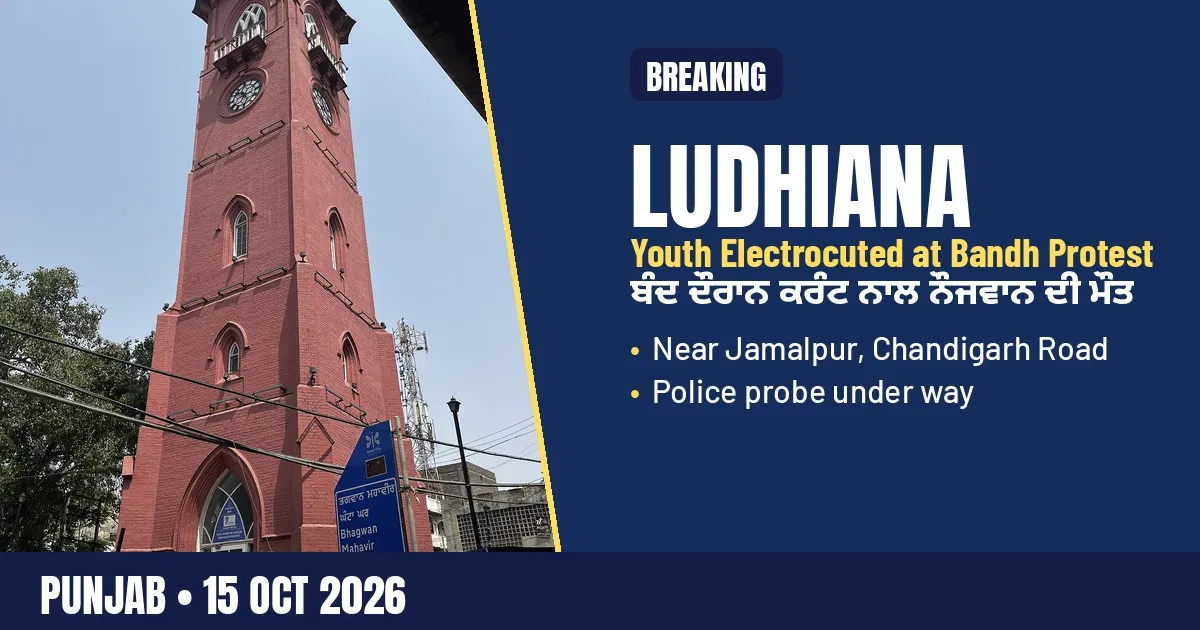 Youth Electrocuted During Punjab Bandh Protest in Ludhianaਪੰਜਾਬ ਬੰਦ ਦੌਰਾਨ ਲੁਧਿਆਣਾ ਵਿੱਚ ਕਰੰਟ ਲੱਗਣ ਨਾਲ ਨੌਜਵਾਨ ਦੀ ਮੌਤ
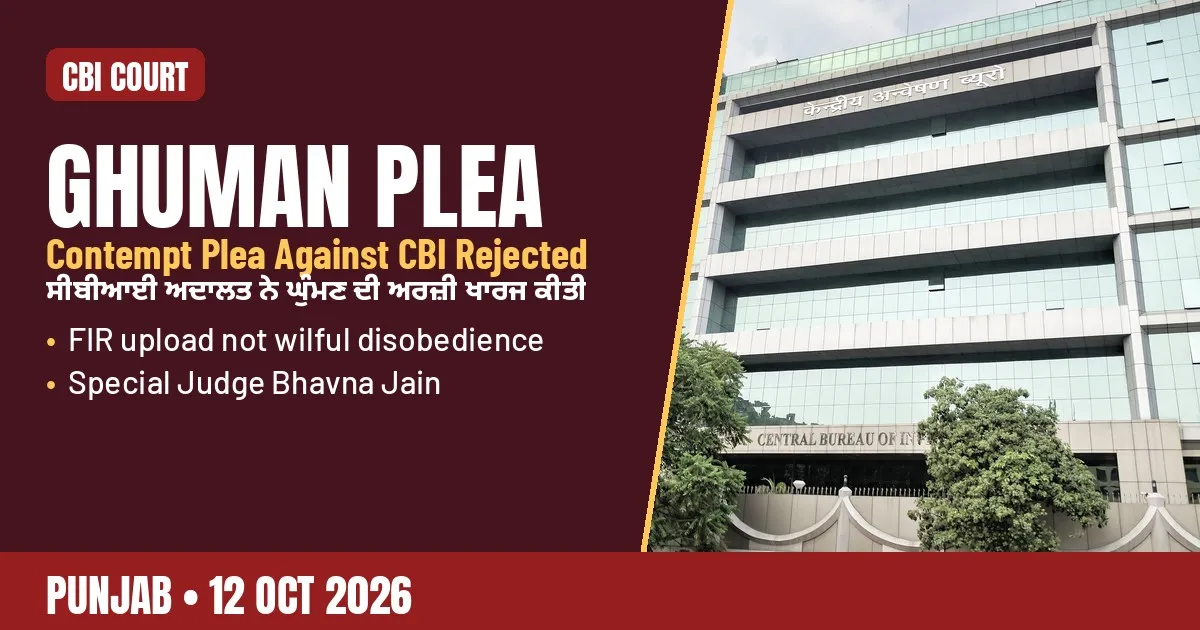 CBI Court Rejects Mann OSD Ghuman's Contempt Plea Over FIR Uploadਸੀਬੀਆਈ ਅਦਾਲਤ ਨੇ ਮਾਨ ਦੇ ਓਐੱਸਡੀ ਘੁੰਮਣ ਦੀ ਤੌਹੀਨ ਵਾਲੀ ਅਰਜ਼ੀ ਖਾਰਜ ਕੀਤੀ
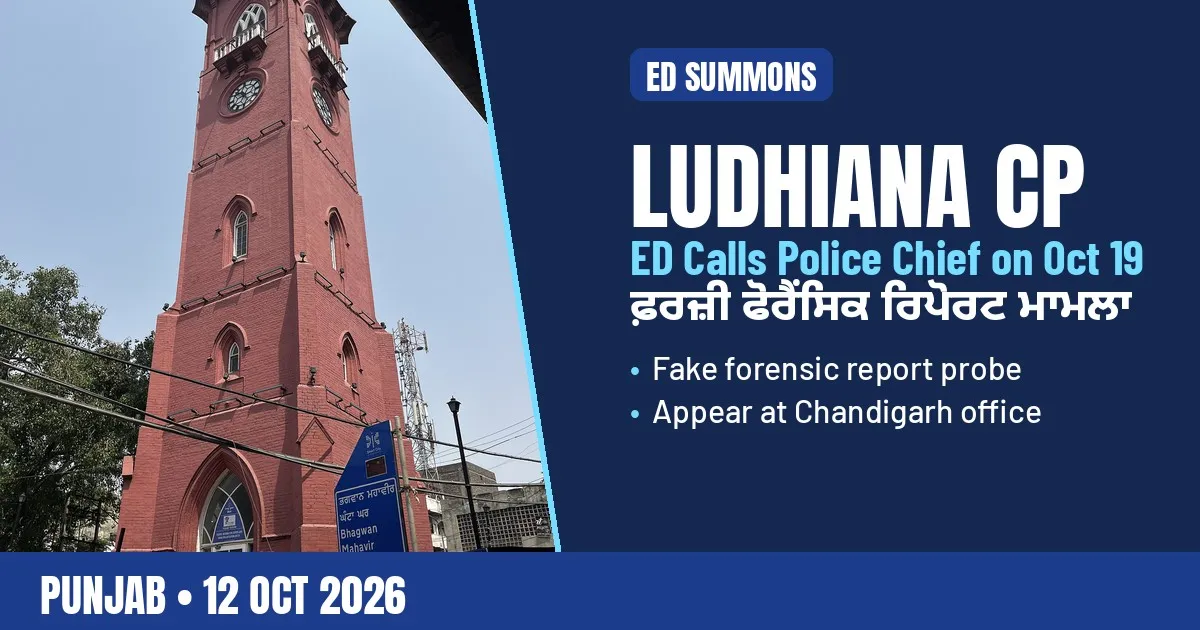 ED Summons Ludhiana Police Commissioner Over Alleged Fake Forensic Report on Mann Videoਮਾਨ ਵੀਡੀਓ ਦੀ ਕਥਿਤ ਫ਼ਰਜ਼ੀ ਫੋਰੈਂਸਿਕ ਰਿਪੋਰਟ: ਈਡੀ ਨੇ ਲੁਧਿਆਣਾ ਦੇ ਪੁਲਿਸ ਕਮਿਸ਼ਨਰ ਨੂੰ ਤਲਬ ਕੀਤਾ
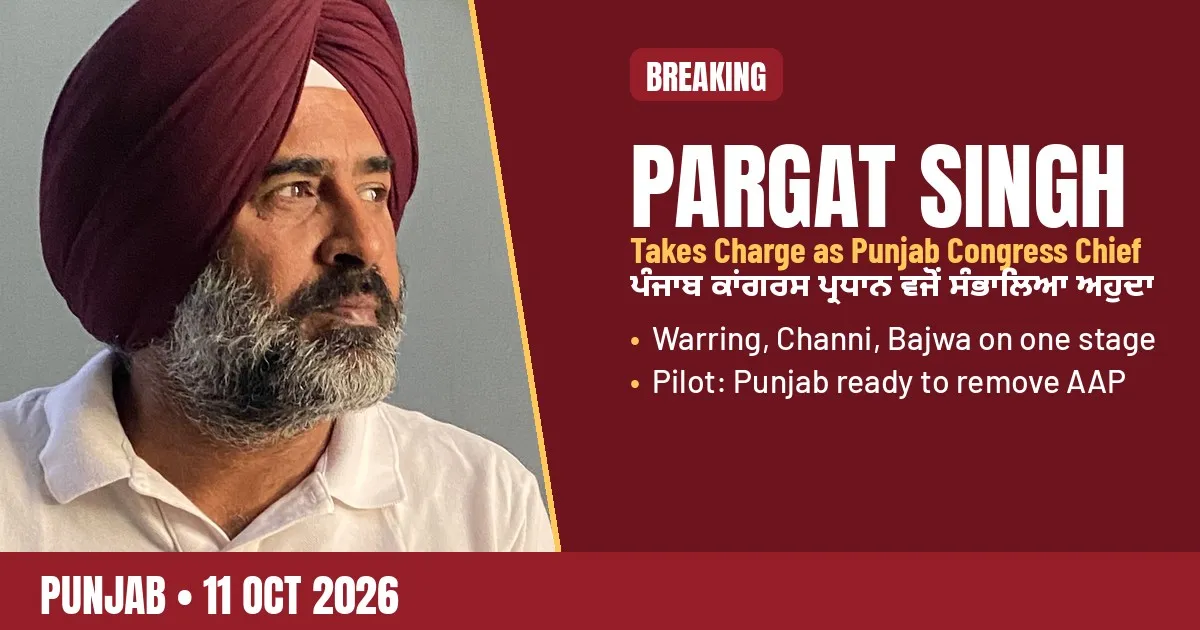 Pargat Singh Takes Charge as Punjab Congress Chief as Warring, Channi Share Stageਪਰਗਟ ਸਿੰਘ ਨੇ ਸੰਭਾਲਿਆ ਪੰਜਾਬ ਕਾਂਗਰਸ ਪ੍ਰਧਾਨ ਦਾ ਅਹੁਦਾ; ਵੜਿੰਗ, ਚੰਨੀ ਇੱਕ ਸਟੇਜ 'ਤੇ
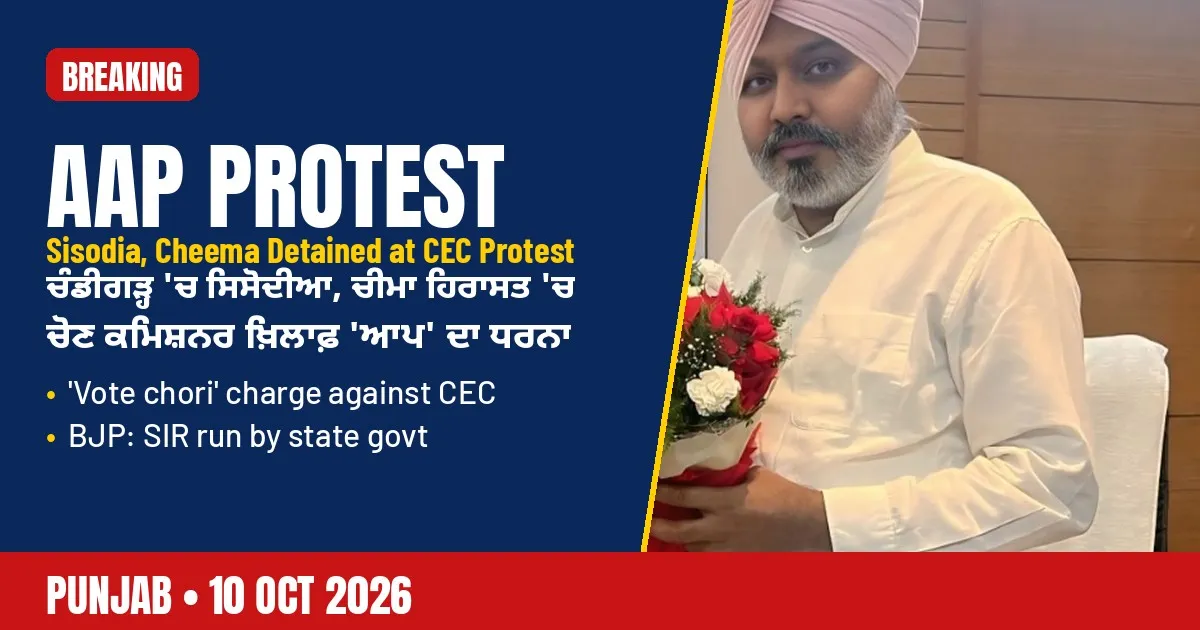 Sisodia, Cheema Detained at AAP Protest Against CEC in Chandigarh; BJP Hits Backਚੋਣ ਕਮਿਸ਼ਨਰ ਖ਼ਿਲਾਫ਼ 'ਆਪ' ਦੇ ਧਰਨੇ 'ਚ ਸਿਸੋਦੀਆ, ਚੀਮਾ ਹਿਰਾਸਤ 'ਚ; ਭਾਜਪਾ ਦਾ ਪਲਟਵਾਰ
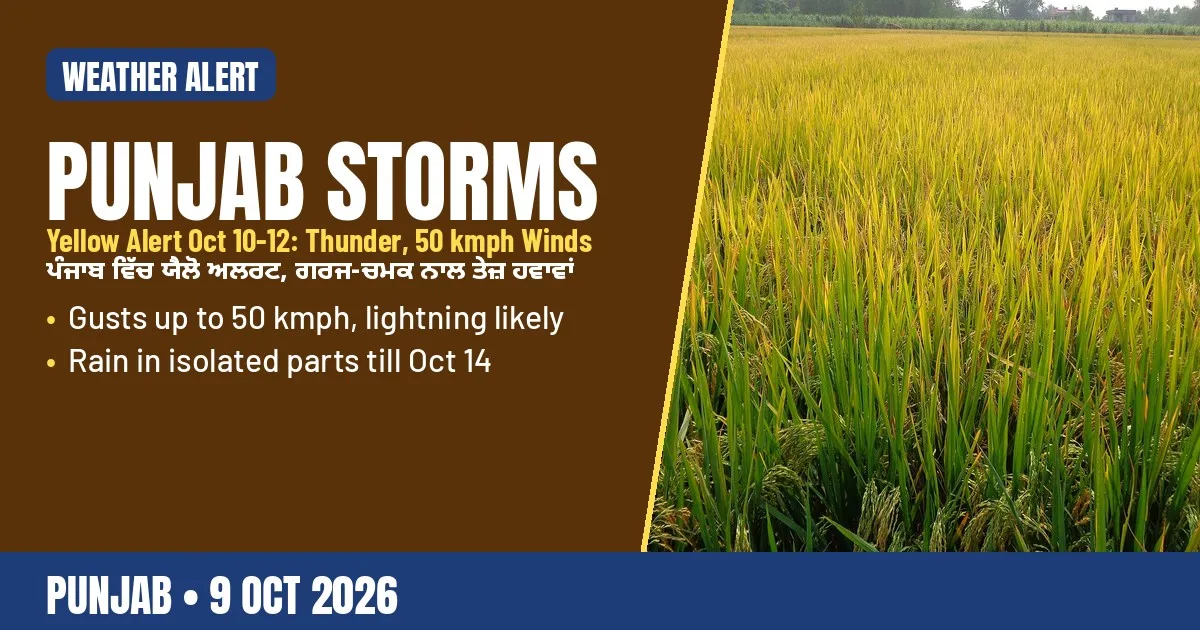 Yellow Alert for Punjab, Chandigarh: Thunderstorms, 50 kmph Winds From Oct 10ਪੰਜਾਬ, ਚੰਡੀਗੜ੍ਹ ਲਈ ਯੈਲੋ ਅਲਰਟ: 10 ਅਕਤੂਬਰ ਤੋਂ ਗਰਜ-ਚਮਕ, 50 ਕਿਲੋਮੀਟਰ ਦੀਆਂ ਹਵਾਵਾਂ