
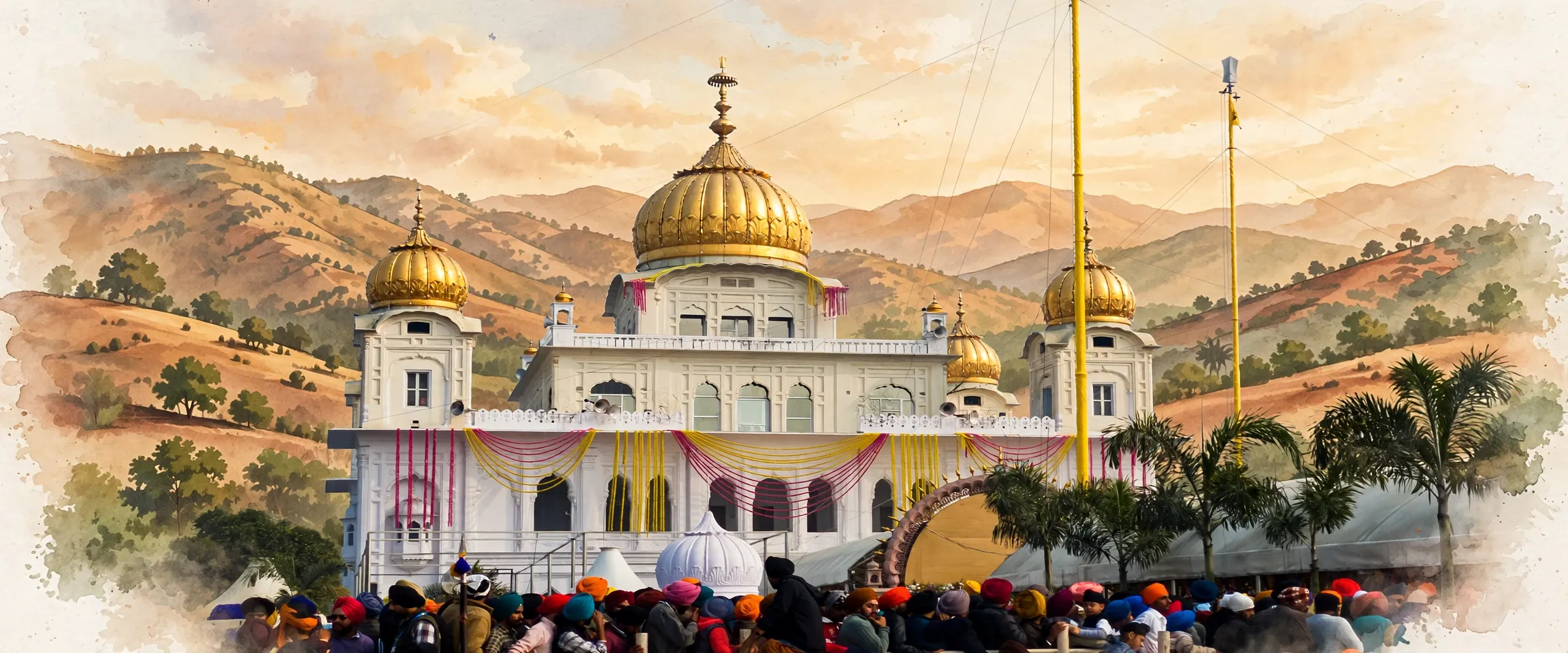
Puadh is the eastern region of Punjab lying between the Sutlej and the Ghaggar, running from Rupnagar toward Ambala and taking in Mohali, Fatehgarh Sahib and parts of Patiala and Ludhiana districts. Its people speak the Puadhi dialect, and Chandigarh, a capital city carved out of Puadhi-speaking villages, stands at its heart.
- Punjabi name
- ਪੁਆਧ
- Type
- Region
- Where
- Eastern Punjab, between the Sutlej and the Ghaggar
- Districts
- Rupnagar, SAS Nagar (Mohali), Fatehgarh Sahib, with parts of Patiala and Ludhiana; extends into Haryana
- Major towns
- Mohali, Rupnagar, Rajpura, Kharar, Sirhind-Fatehgarh Sahib
- Dialect
- Puadhi
All 9 facts
- Bounding rivers
- Sutlej to the north, Ghaggar to the south and east
- Known for
- Anandpur Sahib and Fatehgarh Sahib, Kavishri and Dhadd Sarangi traditions, the Chandigarh capital region
- Region
- Puadh
Where is Puadh?
Puadh is the eastern region of Punjab, the land that runs from the Sutlej river down and across to the Ghaggar, with the Shivalik foothills along its eastern shoulder. It begins around Rupnagar on the Sutlej and spreads through Mohali and Fatehgarh Sahib districts, takes in Rajpura and parts of Patiala district, reaches into the Doraha, Samrala and Payal side of Ludhiana district, and brushes the south eastern corners of Sangrur and Mansa. No river separates it cleanly from Malwa, which is one reason the two are so often confused.
Puadh does not stop at the Punjab border. The same Puadhi-speaking country continues into Haryana through Ambala, Panchkula and parts of Kurukshetra, Kaithal, Yamunanagar and Jind districts, and touches Himachal Pradesh around Nalagarh and Kala Amb. At its centre stands Chandigarh, the shared capital of Punjab and Haryana, which was built on the land of 22 Puadhi-speaking villages.
Water shapes the region as much as speech does. At Rupnagar the Sutlej is held at the Ropar headworks, where the Sirhind Canal draws off water for the Malwa plains, and the river's old floodplain near the town is protected as the Ropar Wetland, a Ramsar listed home for migratory birds. Between the canal network and the seasonal choes running off the Shivaliks, Puadh is a patchwork of orchards, wet lowlands and drier upland fields.
What does Puadh mean?
The name is generally explained as a joining of purava, meaning eastern, and addha, meaning half: Puadh is the eastern half of Punjab. The explanation fits its position on the map, the last Punjabi country before the land slopes toward the Yamuna plain, and it also fits its history, since before the reorganisation of Punjab in 1966 this tract was administered from Ambala rather than from the Punjab heartland.
The region the official maps forget
Ask the Punjab government and the state has three regions: Majha, Doaba and Malwa. Puadh has no official place on that list, and because the rule of thumb says everything south of the Sutlej is Malwa, Puadh is routinely folded into its bigger neighbour. Its people and scholars have long pushed back: the dialect is different, the customs are different, and the region's memory is its own. The complaint of political neglect is an old one in Puadh, which is why the appointment of Charanjit Singh Channi, the first chief minister from the region, was celebrated here as a landmark.
Puadhi speech and culture
Puadhi is spoken from Kharar, Kurali, Zirakpur and Morinda across to Ambala, Pehowa and Shahabad. Westward, in the Puadh tract of Ludhiana, it melts gradually into Malwai; northward it blends with Doabi. The region guards folk forms it claims as its own inventions: the Dhadd Sarangi and the Kavishri style of singing are both said to have originated here, along with a tradition of akharas, the village performance grounds, associated with singers such as Rabbi Bhaironpuri. Puadh had poets at Akbar's court, among them Mai Banno of Banur, and in more recent times the folk poet Bhagat Asa Ram Baidwan of Sohana. Small details mark the region out: where rural Malwa wraps a chadara, Puadh wears the kurta pyjama, and even the turla style of tying a turban is done differently.
The countryside has its own look too: mango orchards, green cover fed by seasonal nullahs and choes running off the Shivaliks, and wheat and sugarcane in the fields.
Sacred geography
For Sikhs, Puadh holds ground of the first importance. Anandpur Sahib, the city founded by Guru Tegh Bahadur and the birthplace of the Khalsa, stands in its north in Rupnagar district, and nearby Chamkaur Sahib remembers the battle of Guru Gobind Singh's last stand with a handful of Sikhs. Fatehgarh Sahib marks the martyrdom of the Guru's younger sons at Sirhind, a town whose older layers run from the Delhi Sultanate to the Mughals. Rupnagar itself sits beside one of the earliest excavated Indus Valley sites in Punjab, so the region's sacred and ancient geographies overlap.
Puadh today
The Chandigarh effect has remade Puadh faster than any other part of Punjab. Mohali has grown from a planned suburb into a city of technology parks, a cricket stadium and new universities; Kharar, Zirakpur and Rajpura have swollen along the highways; and land that was once dismissed as backward now commands city prices. Yet a short drive from the expressways the Puadh of orchards, akharas and Puadhi speech continues, the eastern half of Punjab finally getting noticed on its own terms.
ਪੁਆਧ ਕਿੱਥੇ ਹੈ?
ਪੁਆਧ ਪੰਜਾਬ ਦਾ ਪੂਰਬੀ ਇਲਾਕਾ ਹੈ, ਉਹ ਧਰਤੀ ਜੋ ਸਤਲੁਜ ਦਰਿਆ ਤੋਂ ਹੇਠਾਂ ਅਤੇ ਅੱਗੇ ਘੱਗਰ ਤੱਕ ਫੈਲਦੀ ਹੈ, ਜਿਸ ਦੇ ਪੂਰਬੀ ਕੰਢੇ ਨਾਲ ਸ਼ਿਵਾਲਿਕ ਦੀਆਂ ਪਹਾੜੀਆਂ ਲੱਗਦੀਆਂ ਹਨ ਇਹ ਸਤਲੁਜ ਉੱਤੇ ਰੂਪਨਗਰ ਤੋਂ ਸ਼ੁਰੂ ਹੋ ਕੇ ਮੋਹਾਲੀ ਅਤੇ ਫਤਹਿਗੜ੍ਹ ਸਾਹਿਬ ਜ਼ਿਲ੍ਹਿਆਂ ਵਿੱਚ ਫੈਲਦਾ ਹੈ, ਰਾਜਪੁਰਾ ਅਤੇ ਪਟਿਆਲਾ ਜ਼ਿਲ੍ਹੇ ਦੇ ਕੁਝ ਹਿੱਸੇ ਆਪਣੇ ਵਿੱਚ ਲੈਂਦਾ ਹੈ, ਲੁਧਿਆਣਾ ਜ਼ਿਲ੍ਹੇ ਦੇ ਦੋਰਾਹਾ, ਸਮਰਾਲਾ ਅਤੇ ਪਾਇਲ ਪਾਸੇ ਤੱਕ ਪੁੱਜਦਾ ਹੈ, ਅਤੇ ਸੰਗਰੂਰ ਅਤੇ ਮਾਨਸਾ ਦੇ ਦੱਖਣ ਪੂਰਬੀ ਕੋਨਿਆਂ ਨੂੰ ਛੂਹਦਾ ਹੈ ਕੋਈ ਦਰਿਆ ਇਸ ਨੂੰ ਮਾਲਵੇ ਤੋਂ ਸਾਫ਼ ਤੌਰ ਉੱਤੇ ਵੱਖ ਨਹੀਂ ਕਰਦਾ, ਅਤੇ ਇਹੀ ਇੱਕ ਕਾਰਨ ਹੈ ਕਿ ਦੋਵੇਂ ਇਲਾਕੇ ਅਕਸਰ ਇੱਕ ਦੂਜੇ ਨਾਲ ਰਲਾ ਦਿੱਤੇ ਜਾਂਦੇ ਹਨ
ਪੁਆਧ ਪੰਜਾਬ ਦੀ ਸਰਹੱਦ ਉੱਤੇ ਨਹੀਂ ਰੁਕਦਾ ਉਹੀ ਪੁਆਧੀ ਬੋਲਣ ਵਾਲਾ ਇਲਾਕਾ ਹਰਿਆਣੇ ਵਿੱਚ ਅੰਬਾਲਾ, ਪੰਚਕੂਲਾ ਅਤੇ ਕੁਰੂਕਸ਼ੇਤਰ, ਕੈਥਲ, ਯਮੁਨਾਨਗਰ ਅਤੇ ਜੀਂਦ ਜ਼ਿਲ੍ਹਿਆਂ ਦੇ ਹਿੱਸਿਆਂ ਤੱਕ ਜਾਂਦਾ ਹੈ, ਅਤੇ ਹਿਮਾਚਲ ਪ੍ਰਦੇਸ਼ ਵਿੱਚ ਨਾਲਾਗੜ੍ਹ ਅਤੇ ਕਾਲਾ ਅੰਬ ਦੇ ਆਸ ਪਾਸ ਤੱਕ ਛੂਹਦਾ ਹੈ ਇਸ ਦੇ ਕੇਂਦਰ ਵਿੱਚ ਚੰਡੀਗੜ੍ਹ ਖੜ੍ਹਾ ਹੈ, ਪੰਜਾਬ ਅਤੇ ਹਰਿਆਣੇ ਦੀ ਸਾਂਝੀ ਰਾਜਧਾਨੀ, ਜੋ 22 ਪੁਆਧੀ ਬੋਲਣ ਵਾਲੇ ਪਿੰਡਾਂ ਦੀ ਜ਼ਮੀਨ ਉੱਤੇ ਉਸਾਰਿਆ ਗਿਆ ਸੀ
ਪਾਣੀ ਇਸ ਇਲਾਕੇ ਨੂੰ ਬੋਲੀ ਜਿੰਨਾ ਹੀ ਘੜਦਾ ਹੈ ਰੂਪਨਗਰ ਵਿਖੇ ਸਤਲੁਜ ਨੂੰ ਰੋਪੜ ਹੈਡਵਰਕਸ ਉੱਤੇ ਰੋਕਿਆ ਜਾਂਦਾ ਹੈ, ਜਿੱਥੋਂ ਸਰਹੰਦ ਨਹਿਰ ਮਾਲਵੇ ਦੇ ਮੈਦਾਨਾਂ ਲਈ ਪਾਣੀ ਲੈ ਜਾਂਦੀ ਹੈ, ਅਤੇ ਕਸਬੇ ਨੇੜੇ ਦਰਿਆ ਦੀ ਪੁਰਾਣੀ ਹੜ੍ਹ ਵਾਲੀ ਧਰਤੀ ਰੋਪੜ ਵੈਟਲੈਂਡ ਵਜੋਂ ਸੁਰੱਖਿਅਤ ਹੈ, ਜੋ ਪਰਵਾਸੀ ਪੰਛੀਆਂ ਦਾ ਰਾਮਸਰ ਸੂਚੀ ਵਿੱਚ ਦਰਜ ਘਰ ਹੈ ਨਹਿਰੀ ਜਾਲ ਅਤੇ ਸ਼ਿਵਾਲਿਕ ਤੋਂ ਉਤਰਦੇ ਮੌਸਮੀ ਚੋਆਂ ਦੇ ਵਿਚਕਾਰ, ਪੁਆਧ ਬਾਗਾਂ, ਗਿੱਲੀ ਨੀਵੀਂ ਧਰਤੀ ਅਤੇ ਸੁੱਕੇ ਉੱਚੇ ਖੇਤਾਂ ਦਾ ਮੇਲ ਹੈ
ਪੁਆਧ ਦਾ ਅਰਥ ਕੀ ਹੈ?
ਇਸ ਨਾਮ ਨੂੰ ਆਮ ਤੌਰ ਉੱਤੇ ਪੂਰਵ ਅਤੇ ਅੱਧਾ ਸ਼ਬਦਾਂ ਦੇ ਮੇਲ ਨਾਲ ਸਮਝਾਇਆ ਜਾਂਦਾ ਹੈ ਪੁਆਧ ਭਾਵ ਪੰਜਾਬ ਦਾ ਪੂਰਬੀ ਅੱਧ ਇਹ ਵਿਆਖਿਆ ਨਕਸ਼ੇ ਉੱਤੇ ਇਸ ਦੀ ਥਾਂ ਨਾਲ ਢੁਕਦੀ ਹੈ, ਯਮੁਨਾ ਦੇ ਮੈਦਾਨ ਵੱਲ ਢਲਣ ਤੋਂ ਪਹਿਲਾਂ ਦੀ ਆਖਰੀ ਪੰਜਾਬੀ ਧਰਤੀ, ਅਤੇ ਇਸ ਦੇ ਇਤਿਹਾਸ ਨਾਲ ਵੀ, ਕਿਉਂਕਿ 1966 ਵਿੱਚ ਪੰਜਾਬ ਦੀ ਮੁੜ ਵੰਡ ਤੋਂ ਪਹਿਲਾਂ ਇਹ ਇਲਾਕਾ ਪੰਜਾਬ ਦੇ ਦਿਲ ਦੀ ਥਾਂ ਅੰਬਾਲੇ ਤੋਂ ਚਲਾਇਆ ਜਾਂਦਾ ਸੀ
ਸਰਕਾਰੀ ਨਕਸ਼ਿਆਂ ਤੋਂ ਭੁੱਲਿਆ ਇਲਾਕਾ
ਪੰਜਾਬ ਸਰਕਾਰ ਤੋਂ ਪੁੱਛੋ ਤਾਂ ਸੂਬੇ ਦੇ ਤਿੰਨ ਇਲਾਕੇ ਹਨ: ਮਾਝਾ, ਦੁਆਬਾ ਅਤੇ ਮਾਲਵਾ ਉਸ ਸੂਚੀ ਵਿੱਚ ਪੁਆਧ ਦੀ ਕੋਈ ਸਰਕਾਰੀ ਥਾਂ ਨਹੀਂ, ਅਤੇ ਕਿਉਂਕਿ ਅਸੂਲ ਇਹ ਬਣ ਗਿਆ ਹੈ ਕਿ ਸਤਲੁਜ ਦੇ ਦੱਖਣ ਵਾਲਾ ਸਭ ਕੁਝ ਮਾਲਵਾ ਹੈ, ਪੁਆਧ ਨੂੰ ਆਮ ਤੌਰ ਉੱਤੇ ਆਪਣੇ ਵੱਡੇ ਗੁਆਂਢੀ ਵਿੱਚ ਰਲਾ ਦਿੱਤਾ ਜਾਂਦਾ ਹੈ ਇੱਥੋਂ ਦੇ ਲੋਕ ਅਤੇ ਵਿਦਵਾਨ ਲੰਮੇ ਸਮੇਂ ਤੋਂ ਇਸ ਦਾ ਵਿਰੋਧ ਕਰਦੇ ਆਏ ਹਨ ਬੋਲੀ ਵੱਖਰੀ ਹੈ, ਰੀਤੀ ਰਿਵਾਜ ਵੱਖਰੇ ਹਨ, ਅਤੇ ਇਲਾਕੇ ਦੀ ਯਾਦ ਆਪਣੀ ਹੈ ਸਿਆਸੀ ਅਣਗਹਿਲੀ ਦੀ ਸ਼ਿਕਾਇਤ ਪੁਆਧ ਵਿੱਚ ਪੁਰਾਣੀ ਹੈ, ਇਸੇ ਲਈ ਇਲਾਕੇ ਦੇ ਪਹਿਲੇ ਮੁੱਖ ਮੰਤਰੀ ਚਰਨਜੀਤ ਸਿੰਘ ਚੰਨੀ ਦੀ ਨਿਯੁਕਤੀ ਨੂੰ ਇੱਥੇ ਇੱਕ ਮੀਲ ਪੱਥਰ ਵਜੋਂ ਮਨਾਇਆ ਗਿਆ
ਪੁਆਧੀ ਬੋਲੀ ਅਤੇ ਸੱਭਿਆਚਾਰ
ਪੁਆਧੀ ਖਰੜ, ਕੁਰਾਲੀ, ਜ਼ੀਰਕਪੁਰ ਅਤੇ ਮੋਰਿੰਡਾ ਤੋਂ ਲੈ ਕੇ ਅੰਬਾਲਾ, ਪਿਹੋਵਾ ਅਤੇ ਸ਼ਾਹਾਬਾਦ ਤੱਕ ਬੋਲੀ ਜਾਂਦੀ ਹੈ ਪੱਛਮ ਵੱਲ, ਲੁਧਿਆਣੇ ਦੇ ਪੁਆਧ ਇਲਾਕੇ ਵਿੱਚ, ਇਹ ਹੌਲੀ ਹੌਲੀ ਮਲਵਈ ਵਿੱਚ ਘੁਲਦੀ ਹੈ, ਅਤੇ ਉੱਤਰ ਵੱਲ ਦੁਆਬੀ ਨਾਲ ਰਲਦੀ ਹੈ ਇਲਾਕਾ ਉਨ੍ਹਾਂ ਲੋਕ ਰੂਪਾਂ ਨੂੰ ਆਪਣੀ ਕਾਢ ਮੰਨਦਾ ਹੈ ਜਿਨ੍ਹਾਂ ਵਿੱਚ ਧੱਡ ਸਾਰੰਗੀ ਅਤੇ ਕਵੀਸ਼ਰੀ ਗਾਇਕੀ ਦੋਵੇਂ ਇੱਥੋਂ ਸ਼ੁਰੂ ਹੋਈਆਂ ਕਹੀਆਂ ਜਾਂਦੀਆਂ ਹਨ, ਅਤੇ ਅਖਾੜਿਆਂ ਦੀ ਪਰੰਪਰਾ ਵੀ, ਜੋ ਰੱਬੀ ਭੈਰੋਂਪੁਰੀ ਵਰਗੇ ਗਾਇਕਾਂ ਨਾਲ ਜੁੜਦੀ ਹੈ ਪੁਆਧ ਵਿੱਚ ਅਕਬਰ ਦੇ ਦਰਬਾਰ ਵਿੱਚ ਕਵੀ ਸਨ, ਜਿਨ੍ਹਾਂ ਵਿੱਚ ਬਨੂੜ ਦੀ ਮਾਈ ਬੰਨੋ ਸੀ, ਅਤੇ ਨੇੜਲੇ ਸਮੇਂ ਵਿੱਚ ਸੋਹਾਣੇ ਦੇ ਲੋਕ ਕਵੀ ਭਗਤ ਆਸਾ ਰਾਮ ਬੈਦਵਾਨ ਹੋਏ ਛੋਟੀਆਂ ਗੱਲਾਂ ਇਲਾਕੇ ਦੀ ਪਛਾਣ ਦੱਸਦੀਆਂ ਹਨ ਜਿੱਥੇ ਪੇਂਡੂ ਮਾਲਵਾ ਚਾਦਰਾ ਲਪੇਟਦਾ ਹੈ, ਪੁਆਧ ਵਿੱਚ ਕੁੜਤਾ ਪਜਾਮਾ ਪਾਇਆ ਜਾਂਦਾ ਹੈ, ਅਤੇ ਤੁਰਲੇ ਵਾਲੀ ਪੱਗ ਬੰਨ੍ਹਣ ਦਾ ਢੰਗ ਵੀ ਵੱਖਰਾ ਹੈ
ਪੇਂਡੂ ਇਲਾਕੇ ਦੀ ਆਪਣੀ ਸੋਹਣੀ ਸੂਰਤ ਹੈ ਅੰਬਾਂ ਦੇ ਬਾਗ, ਸ਼ਿਵਾਲਿਕ ਤੋਂ ਉਤਰਦੇ ਮੌਸਮੀ ਨਾਲਿਆਂ ਅਤੇ ਚੋਆਂ ਨਾਲ ਹਰੀ ਭਰੀ ਧਰਤੀ, ਅਤੇ ਖੇਤਾਂ ਵਿੱਚ ਕਣਕ ਅਤੇ ਗੰਨਾ
ਪਵਿੱਤਰ ਧਰਤੀ
ਸਿੱਖਾਂ ਲਈ ਪੁਆਧ ਵਿੱਚ ਸਭ ਤੋਂ ਮਹੱਤਵ ਵਾਲੀ ਧਰਤੀ ਹੈ ਅਨੰਦਪੁਰ ਸਾਹਿਬ, ਗੁਰੂ ਤੇਗ ਬਹਾਦਰ ਜੀ ਵੱਲੋਂ ਵਸਾਇਆ ਸ਼ਹਿਰ ਅਤੇ ਖਾਲਸੇ ਦਾ ਜਨਮ ਸਥਾਨ, ਇਸ ਦੇ ਉੱਤਰ ਵਿੱਚ ਰੂਪਨਗਰ ਜ਼ਿਲ੍ਹੇ ਵਿੱਚ ਹੈ, ਅਤੇ ਨੇੜੇ ਹੀ ਚਮਕੌਰ ਸਾਹਿਬ ਗੁਰੂ ਗੋਬਿੰਦ ਸਿੰਘ ਜੀ ਦੀ ਮੁੱਠੀ ਭਰ ਸਿੱਖਾਂ ਨਾਲ ਲੜੀ ਆਖਰੀ ਲੜਾਈ ਦੀ ਯਾਦ ਸਾਂਭਦਾ ਹੈ ਫਤਹਿਗੜ੍ਹ ਸਾਹਿਬ ਸਰਹੰਦ ਵਿਖੇ ਗੁਰੂ ਜੀ ਦੇ ਛੋਟੇ ਸਾਹਿਬਜ਼ਾਦਿਆਂ ਦੀ ਸ਼ਹੀਦੀ ਦੀ ਨਿਸ਼ਾਨੀ ਹੈ, ਉਹ ਕਸਬਾ ਜਿਸ ਦੀਆਂ ਪੁਰਾਣੀਆਂ ਪਰਤਾਂ ਦਿੱਲੀ ਸਲਤਨਤ ਤੋਂ ਮੁਗਲਾਂ ਤੱਕ ਜਾਂਦੀਆਂ ਹਨ ਰੂਪਨਗਰ ਆਪ ਪੰਜਾਬ ਵਿੱਚ ਖੁਦਾਈ ਨਾਲ ਮਿਲੇ ਸਭ ਤੋਂ ਪੁਰਾਣੇ ਸਿੰਧੂ ਘਾਟੀ ਸਥਾਨਾਂ ਵਿੱਚੋਂ ਇੱਕ ਦੇ ਕੋਲ ਹੈ, ਇਸ ਲਈ ਇਲਾਕੇ ਦੀ ਪਵਿੱਤਰ ਅਤੇ ਪ੍ਰਾਚੀਨ ਧਰਤੀ ਇੱਕ ਦੂਜੇ ਨਾਲ ਰਲਦੀ ਹੈ
ਅੱਜ ਦਾ ਪੁਆਧ
ਚੰਡੀਗੜ੍ਹ ਦੇ ਅਸਰ ਨੇ ਪੁਆਧ ਨੂੰ ਪੰਜਾਬ ਦੇ ਕਿਸੇ ਵੀ ਹੋਰ ਹਿੱਸੇ ਨਾਲੋਂ ਤੇਜ਼ੀ ਨਾਲ ਬਦਲਿਆ ਹੈ ਮੋਹਾਲੀ ਇੱਕ ਯੋਜਨਾਬੱਧ ਉਪਨਗਰ ਤੋਂ ਤਕਨਾਲੋਜੀ ਪਾਰਕਾਂ, ਕ੍ਰਿਕਟ ਸਟੇਡੀਅਮ ਅਤੇ ਨਵੀਆਂ ਯੂਨੀਵਰਸਿਟੀਆਂ ਵਾਲਾ ਸ਼ਹਿਰ ਬਣ ਗਿਆ ਹੈ ਖਰੜ, ਜ਼ੀਰਕਪੁਰ ਅਤੇ ਰਾਜਪੁਰਾ ਸੜਕਾਂ ਦੇ ਨਾਲ ਨਾਲ ਫੈਲ ਗਏ ਹਨ, ਅਤੇ ਜਿਹੜੀ ਜ਼ਮੀਨ ਕਦੇ ਪੱਛੜੀ ਕਹਾਉਂਦੀ ਸੀ, ਉਸ ਦੀਆਂ ਕੀਮਤਾਂ ਅੱਜ ਸ਼ਹਿਰਾਂ ਵਾਲੀਆਂ ਹਨ ਫਿਰ ਵੀ ਵੱਡੀਆਂ ਸੜਕਾਂ ਤੋਂ ਥੋੜ੍ਹੀ ਦੂਰੀ ਉੱਤੇ ਬਾਗਾਂ, ਅਖਾੜਿਆਂ ਅਤੇ ਪੁਆਧੀ ਬੋਲੀ ਵਾਲਾ ਪੁਆਧ ਜਾਰੀ ਹੈ, ਪੰਜਾਬ ਦਾ ਪੂਰਬੀ ਅੱਧ ਆਖਰ ਆਪਣੀ ਪਛਾਣ ਨਾਲ ਧਿਆਨ ਖਿੱਚ ਰਿਹਾ ਹੈ