

Samana is an old town in Patiala district, Malwa, which counted 54,072 residents in the 2011 census. Entrusted to Qutb ud Din Aibak in 1192 and later a pargana of Sirhind, it is remembered in Sikh history, holds two gurdwaras of Guru Tegh Bahadur, and works as a tehsil and grain market town.
History at a glance
- 1192Qutb-ud-Din Aibak is endowed with the territory of Samana.
- 1675Sayyad Jalal-ud-Din of Samana executes Guru Tegh Bahadur at Delhi's Chandni Chowk.
- 1709Banda Singh Bahadur sacks Samana; the Mughals retake it the following year.
- 1742Maharaja Ala Singh of Patiala recovers Samana for the Sikh side.
- Punjabi name
- ਸਮਾਣਾ
- Type
- Town (municipal council)
- District
- Patiala
- Region
- Malwa, Punjab (India)
- Population
- 54,072 (2011 census)
- Area
- About 5.5 sq km
All 15 facts
- Wards
- 17
- Literacy
- 78.85% (2011 census)
- Tehsil population
- 173,970 (2011 census)
- Historic date
- Entrusted to Qutb ud Din Aibak in 1192
- Nearest city
- Patiala, about 26 km
- PIN
- 147101
- Language
- Punjabi
- Known for
- Ancient qasba of Sirhind; Guru Tegh Bahadur gurdwaras; grain market
- Tehsil
- Samana
Samana is a municipal council town in Patiala district of Punjab, India, about 26 kilometres south west of Patiala city. It counted 54,072 residents in the 2011 census. One of the oldest towns of the Patiala region, it is remembered in Sikh history, for its gurdwaras of Guru Tegh Bahadur, and as a grain market town.
Where is Samana?
Samana stands in the southern Malwa, at about 240 metres above sea level, on State Highway 10, the road that runs from Patiala through Samana and Ghagga to Patran and Moonak, towards the Haryana border. Patiala city is about 26 kilometres to the north east. The municipal town is compact and dense, about 5.5 square kilometres divided into 17 wards, but the tehsil it heads is wide: 173,970 people in 2011, of whom 119,898 lived in its villages and 54,072 in the town itself. A separate village, Samana Rural, counted 5,825 people just outside the municipal limits. Wheat, paddy and vegetables grow in the fields around it, and the Ghaggar river country lies to its south and east.
History: a qasba of Sirhind
One tradition told about Samana's name links it to the family of Sayyid Mashhad Ali, whose shrine still stands in the town: the place is said to have been named for his mother. It is a tradition, not a proven record, and Samana's documented history starts later. The town is traced to the era of Raja Jaipal, the Hindu Shahi king whose territories included Bathinda and Samana. After the Ghurid conquest of Ajmer and Delhi, Samana was entrusted in 1192 to Qutb ud Din Aibak, soon to be the first Sultan of Delhi, along with Ghuram and Sunam, which made it one of the earliest held towns of the Punjab plain under the new order. Under Akbar it appears in the Ain i Akbari as a pargana of the sarkar of Sirhind, assessed at a revenue of 12,822,270 dams for the imperial treasury and supplying a force of 2,000 infantry and 700 cavalry. In the Mughal centuries Samana was a place of saints and scholars, and also, in the record, of officials who served the empire at Delhi and Sirhind.
Samana in Sikh history
Sikh histories remember Samana with grief, and this page records that memory as the sources give it. Sayyad Jalal ud Din of Samana was the official ordered to carry out the execution of Guru Tegh Bahadur at Delhi in 1675, and the Beg brothers of Samana were the officials ordered to execute the two younger Sahibzadas, Sahibzada Zorawar Singh and Sahibzada Fateh Singh, at Sirhind in 1704. For that reason Samana was among the first towns Banda Singh Bahadur sacked in his campaign, in 1709. The Mughals retook it towards the end of 1710. In 1742 the Sikhs retook it under Maharaja Ala Singh, the founder of Patiala State, and Ahmad Shah Durrani recognised it as part of his territories. The other side of the town's Sikh chapter is gentler: Guru Tegh Bahadur himself had passed through Samana on his travels, and two historic gurdwaras here keep the memory of his visit, long before the events of 1675.
Geography and people
The 2011 census counted 54,072 people in the municipal council, up from 46,592 in 2001: 28,309 men and 25,763 women, a sex ratio of 910 women for every 1,000 men, in 10,853 households. Children under six numbered 6,012, about 11 percent of the town, and the child sex ratio was 846. Effective literacy stood at 78.85 percent, at 83.69 percent for men and 73.58 percent for women, above the Punjab average of the time. Scheduled Castes formed 21.99 percent of residents, and workers numbered 18,214, most of them in main work through the year. By religion, Hindus formed 67.88 percent of the town and Sikhs 29.36 percent, with a Jain community of 1.26 percent and small Muslim and Christian communities. Punjabi is the everyday language. Before independence Samana belonged to the princely state of Patiala, later PEPSU, and that old connection still shapes its road, market and administrative ties to Patiala city.
ਸਮਾਣਾ ਪੰਜਾਬ, ਭਾਰਤ ਦੇ ਪਟਿਆਲਾ ਜ਼ਿਲ੍ਹੇ ਦਾ ਇੱਕ ਨਗਰ ਕੌਂਸਲ ਕਸਬਾ ਹੈ, ਪਟਿਆਲਾ ਸ਼ਹਿਰ ਤੋਂ ਲਗਭਗ 26 ਕਿਲੋਮੀਟਰ ਦੱਖਣ ਪੱਛਮ ਵੱਲ। 2011 ਦੀ ਮਰਦਮਸ਼ੁਮਾਰੀ ਵਿੱਚ ਇਸਦੀ ਆਬਾਦੀ 54,072 ਸੀ। ਪਟਿਆਲਾ ਇਲਾਕੇ ਦੇ ਸਭ ਤੋਂ ਪੁਰਾਣੇ ਕਸਬਿਆਂ ਵਿੱਚੋਂ ਇੱਕ, ਇਹ ਸਿੱਖ ਇਤਿਹਾਸ ਵਿੱਚ, ਗੁਰੂ ਤੇਗ ਬਹਾਦਰ ਜੀ ਦੇ ਗੁਰਦੁਆਰਿਆਂ ਲਈ, ਅਤੇ ਅਨਾਜ ਮੰਡੀ ਵਾਲੇ ਕਸਬੇ ਵਜੋਂ ਯਾਦ ਕੀਤਾ ਜਾਂਦਾ ਹੈ।
ਸਮਾਣਾ ਕਿੱਥੇ ਹੈ?
ਸਮਾਣਾ ਦੱਖਣੀ ਮਾਲਵੇ ਵਿੱਚ ਹੈ, ਸਮੁੰਦਰ ਤਲ ਤੋਂ ਲਗਭਗ 240 ਮੀਟਰ ਉੱਚਾ, ਸੂਬਾਈ ਸ਼ਾਹਰਾਹ 10 ਉੱਤੇ, ਜੋ ਸੜਕ ਪਟਿਆਲੇ ਤੋਂ ਸਮਾਣਾ ਅਤੇ ਘੱਗਾ ਵਿੱਚੋਂ ਲੰਘ ਕੇ ਪਾਤੜਾਂ ਅਤੇ ਮੂਨਕ ਵੱਲ, ਹਰਿਆਣਾ ਦੀ ਹੱਦ ਵੱਲ ਜਾਂਦੀ ਹੈ। ਪਟਿਆਲਾ ਸ਼ਹਿਰ ਉੱਤਰ ਪੂਰਬ ਵੱਲ ਲਗਭਗ 26 ਕਿਲੋਮੀਟਰ ਹੈ। ਨਗਰ ਕਸਬਾ ਸੰਘਣਾ ਅਤੇ ਛੋਟਾ ਹੈ, ਲਗਭਗ 5.5 ਵਰਗ ਕਿਲੋਮੀਟਰ ਜੋ 17 ਵਾਰਡਾਂ ਵਿੱਚ ਵੰਡਿਆ ਹੈ, ਪਰ ਜਿਸ ਤਹਿਸੀਲ ਦਾ ਇਹ ਮੁੱਖ ਕਸਬਾ ਹੈ ਉਹ ਵੱਡੀ ਹੈ: 2011 ਵਿੱਚ 173,970 ਲੋਕ, ਜਿਨ੍ਹਾਂ ਵਿੱਚੋਂ 119,898 ਇਸਦੇ ਪਿੰਡਾਂ ਵਿੱਚ ਅਤੇ 54,072 ਖੁਦ ਕਸਬੇ ਵਿੱਚ ਰਹਿੰਦੇ ਸਨ। ਇੱਕ ਵੱਖਰਾ ਪਿੰਡ, ਸਮਾਣਾ ਦਿਹਾਤੀ, ਨਗਰ ਹੱਦਾਂ ਦੇ ਐਨ ਬਾਹਰ 5,825 ਦੀ ਆਬਾਦੀ ਰੱਖਦਾ ਸੀ। ਇਸਦੇ ਆਲੇ-ਦੁਆਲੇ ਦੇ ਖੇਤਾਂ ਵਿੱਚ ਕਣਕ, ਝੋਨਾ ਅਤੇ ਸਬਜ਼ੀਆਂ ਉੱਗਦੀਆਂ ਹਨ, ਅਤੇ ਘੱਗਰ ਦਰਿਆ ਵਾਲਾ ਇਲਾਕਾ ਇਸਦੇ ਦੱਖਣ ਅਤੇ ਪੂਰਬ ਵੱਲ ਹੈ।
ਇਤਿਹਾਸ: ਸਰਹਿੰਦ ਦਾ ਇੱਕ ਕਸਬਾ
ਸਮਾਣਾ ਦੇ ਨਾਮ ਬਾਰੇ ਦੱਸੀ ਜਾਂਦੀ ਇੱਕ ਪਰੰਪਰਾ ਇਸਨੂੰ ਸੱਯਦ ਮਸ਼ਹਦ ਅਲੀ ਦੇ ਪਰਿਵਾਰ ਨਾਲ ਜੋੜਦੀ ਹੈ, ਜਿਨ੍ਹਾਂ ਦਾ ਮਜ਼ਾਰ ਅੱਜ ਵੀ ਕਸਬੇ ਵਿੱਚ ਹੈ: ਕਿਹਾ ਜਾਂਦਾ ਹੈ ਕਿ ਇਸ ਥਾਂ ਦਾ ਨਾਮ ਉਨ੍ਹਾਂ ਦੀ ਮਾਤਾ ਦੇ ਨਾਮ ਉੱਤੇ ਪਿਆ। ਇਹ ਪਰੰਪਰਾ ਹੈ, ਸਾਬਤ ਰਿਕਾਰਡ ਨਹੀਂ, ਅਤੇ ਸਮਾਣਾ ਦਾ ਦਰਜ ਇਤਿਹਾਸ ਇਸ ਤੋਂ ਬਾਅਦ ਸ਼ੁਰੂ ਹੁੰਦਾ ਹੈ। ਕਸਬੇ ਨੂੰ ਰਾਜਾ ਜੈਪਾਲ ਦੇ ਸਮੇਂ ਨਾਲ ਜੋੜਿਆ ਜਾਂਦਾ ਹੈ, ਜੋ ਹਿੰਦੂ ਸ਼ਾਹੀ ਰਾਜਾ ਸੀ ਜਿਸਦੇ ਇਲਾਕਿਆਂ ਵਿੱਚ ਬਠਿੰਡਾ ਅਤੇ ਸਮਾਣਾ ਸ਼ਾਮਲ ਸਨ। ਅਜਮੇਰ ਅਤੇ ਦਿੱਲੀ ਦੀ ਘੂਰੀ ਜਿੱਤ ਤੋਂ ਬਾਅਦ, ਸਮਾਣਾ 1192 ਵਿੱਚ ਕੁਤਬ ਉਦ ਦੀਨ ਐਬਕ ਨੂੰ ਸੌਂਪਿਆ ਗਿਆ, ਜੋ ਜਲਦੀ ਹੀ ਦਿੱਲੀ ਦਾ ਪਹਿਲਾ ਸੁਲਤਾਨ ਬਣਨ ਵਾਲਾ ਸੀ, ਘੁਰਮ ਅਤੇ ਸੁਨਾਮ ਦੇ ਨਾਲ, ਜਿਸ ਕਰਕੇ ਇਹ ਨਵੇਂ ਰਾਜ ਹੇਠ ਪੰਜਾਬ ਦੇ ਮੈਦਾਨ ਦੇ ਸਭ ਤੋਂ ਪਹਿਲਾਂ ਕਬਜ਼ੇ ਕੀਤੇ ਕਸਬਿਆਂ ਵਿੱਚੋਂ ਇੱਕ ਬਣ ਗਿਆ। ਅਕਬਰ ਦੇ ਸਮੇਂ ਵਿੱਚ ਇਹ ਆਈਨਿ ਅਕਬਰੀ ਵਿੱਚ ਸਰਹਿੰਦ ਸਰਕਾਰ ਦੇ ਪਰਗਨੇ ਵਜੋਂ ਦਰਜ ਹੈ, ਜਿਸਦਾ ਮਾਲੀਆ ਸ਼ਾਹੀ ਖਜ਼ਾਨੇ ਲਈ 12,822,270 ਦਾਮ ਤੈਅ ਸੀ ਅਤੇ ਜੋ 2,000 ਪਿਆਦਾ ਅਤੇ 700 ਘੋੜਸਵਾਰ ਫ਼ੌਜ ਦਿੰਦਾ ਸੀ। ਮੁਗਲ ਸਦੀਆਂ ਵਿੱਚ ਸਮਾਣਾ ਸੰਤਾਂ ਅਤੇ ਵਿਦਵਾਨਾਂ ਦੀ ਥਾਂ ਸੀ, ਅਤੇ ਰਿਕਾਰਡ ਅਨੁਸਾਰ, ਉਨ੍ਹਾਂ ਅਧਿਕਾਰੀਆਂ ਦੀ ਵੀ ਜਿਨ੍ਹਾਂ ਨੇ ਦਿੱਲੀ ਅਤੇ ਸਰਹਿੰਦ ਵਿੱਚ ਸਾਮਰਾਜ ਦੀ ਸੇਵਾ ਕੀਤੀ।
ਸਿੱਖ ਇਤਿਹਾਸ ਵਿੱਚ ਸਮਾਣਾ
ਸਿੱਖ ਇਤਿਹਾਸ ਸਮਾਣਾ ਨੂੰ ਦੁੱਖ ਨਾਲ ਯਾਦ ਕਰਦਾ ਹੈ, ਅਤੇ ਇਹ ਸਫ਼ਾ ਉਸ ਯਾਦ ਨੂੰ ਉਵੇਂ ਦਰਜ ਕਰਦਾ ਹੈ ਜਿਵੇਂ ਸਰੋਤ ਦਿੰਦੇ ਹਨ। ਸਮਾਣਾ ਦੇ ਸੱਯਦ ਜਲਾਲ ਉਦ ਦੀਨ ਉਹ ਅਧਿਕਾਰੀ ਸਨ ਜਿਨ੍ਹਾਂ ਨੂੰ 1675 ਵਿੱਚ ਦਿੱਲੀ ਵਿੱਚ ਗੁਰੂ ਤੇਗ ਬਹਾਦਰ ਜੀ ਦੀ ਸ਼ਹੀਦੀ ਦਾ ਹੁਕਮ ਚਲਾਉਣ ਲਈ ਕਿਹਾ ਗਿਆ ਸੀ, ਅਤੇ ਸਮਾਣਾ ਦੇ ਬੇਗ ਭਰਾ ਉਹ ਅਧਿਕਾਰੀ ਸਨ ਜਿਨ੍ਹਾਂ ਨੂੰ 1704 ਵਿੱਚ ਸਰਹਿੰਦ ਵਿੱਚ ਦੋ ਛੋਟੇ ਸਾਹਿਬਜ਼ਾਦਿਆਂ, ਸਾਹਿਬਜ਼ਾਦਾ ਜ਼ੋਰਾਵਰ ਸਿੰਘ ਅਤੇ ਸਾਹਿਬਜ਼ਾਦਾ ਫ਼ਤਿਹ ਸਿੰਘ, ਦੀ ਸ਼ਹੀਦੀ ਦਾ ਹੁਕਮ ਦਿੱਤਾ ਗਿਆ ਸੀ। ਇਸੇ ਲਈ ਸਮਾਣਾ ਉਨ੍ਹਾਂ ਪਹਿਲੇ ਕਸਬਿਆਂ ਵਿੱਚੋਂ ਸੀ ਜਿਨ੍ਹਾਂ ਨੂੰ ਬੰਦਾ ਸਿੰਘ ਬਹਾਦਰ ਨੇ 1709 ਵਿੱਚ ਆਪਣੀ ਮੁਹਿੰਮ ਵਿੱਚ ਢਾਹਿਆ। ਮੁਗਲਾਂ ਨੇ 1710 ਦੇ ਅੰਤ ਵੱਲ ਇਸਨੂੰ ਮੁੜ ਲੈ ਲਿਆ। 1742 ਵਿੱਚ ਸਿੱਖਾਂ ਨੇ ਪਟਿਆਲਾ ਰਿਆਸਤ ਦੇ ਸੰਸਥਾਪਕ ਮਹਾਰਾਜਾ ਆਲਾ ਸਿੰਘ ਦੀ ਅਗਵਾਈ ਹੇਠ ਇਸਨੂੰ ਮੁੜ ਲਿਆ, ਅਤੇ ਅਹਿਮਦ ਸ਼ਾਹ ਦੁਰਾਨੀ ਨੇ ਇਸਨੂੰ ਉਨ੍ਹਾਂ ਦੇ ਇਲਾਕਿਆਂ ਦਾ ਹਿੱਸਾ ਮੰਨਿਆ। ਕਸਬੇ ਦੇ ਸਿੱਖ ਅਧਿਆਏ ਦਾ ਦੂਜਾ ਪੱਖ ਨਰਮ ਹੈ: ਗੁਰੂ ਤੇਗ ਬਹਾਦਰ ਜੀ ਖੁਦ ਆਪਣੀਆਂ ਯਾਤਰਾਵਾਂ ਦੌਰਾਨ ਸਮਾਣਾ ਵਿੱਚੋਂ ਲੰਘੇ ਸਨ, ਅਤੇ ਇੱਥੋਂ ਦੇ ਦੋ ਇਤਿਹਾਸਕ ਗੁਰਦੁਆਰੇ 1675 ਦੀਆਂ ਘਟਨਾਵਾਂ ਤੋਂ ਕਿਤੇ ਪਹਿਲਾਂ ਦੀ ਉਨ੍ਹਾਂ ਦੀ ਫੇਰੀ ਦੀ ਯਾਦ ਸਾਂਭਦੇ ਹਨ।
ਭੂਗੋਲ ਅਤੇ ਲੋਕ
2011 ਦੀ ਮਰਦਮਸ਼ੁਮਾਰੀ ਵਿੱਚ ਨਗਰ ਕੌਂਸਲ ਦੀ ਆਬਾਦੀ 54,072 ਸੀ, ਜੋ 2001 ਦੇ 46,592 ਤੋਂ ਵਧੀ ਸੀ: 28,309 ਮਰਦ ਅਤੇ 25,763 ਔਰਤਾਂ, ਹਰ 1,000 ਮਰਦਾਂ ਪਿੱਛੇ 910 ਔਰਤਾਂ, ਜੋ 10,853 ਘਰਾਂ ਵਿੱਚ ਰਹਿੰਦੇ ਸਨ। ਛੇ ਸਾਲ ਤੋਂ ਛੋਟੇ ਬੱਚੇ 6,012 ਸਨ, ਜੋ ਕਸਬੇ ਦਾ ਲਗਭਗ 11 ਫ਼ੀਸਦੀ ਹੈ, ਅਤੇ ਬਾਲ ਲਿੰਗ ਅਨੁਪਾਤ 846 ਸੀ। ਅਸਲ ਸਾਖਰਤਾ 78.85 ਫ਼ੀਸਦੀ ਸੀ, ਮਰਦਾਂ ਵਿੱਚ 83.69 ਫ਼ੀਸਦੀ ਅਤੇ ਔਰਤਾਂ ਵਿੱਚ 73.58 ਫ਼ੀਸਦੀ, ਜੋ ਉਸ ਸਮੇਂ ਦੀ ਪੰਜਾਬ ਔਸਤ ਤੋਂ ਉੱਤੇ ਸੀ। ਅਨੁਸੂਚਿਤ ਜਾਤੀਆਂ ਵਾਸੀਆਂ ਦਾ 21.99 ਫ਼ੀਸਦੀ ਸਨ, ਅਤੇ ਕਾਮੇ 18,214 ਦਰਜ ਹੋਏ, ਜਿਨ੍ਹਾਂ ਵਿੱਚੋਂ ਜ਼ਿਆਦਾਤਰ ਸਾਲ ਭਰ ਮੁੱਖ ਕੰਮ ਵਿੱਚ ਸਨ। ਧਰਮ ਅਨੁਸਾਰ, ਹਿੰਦੂ ਕਸਬੇ ਦਾ 67.88 ਫ਼ੀਸਦੀ ਅਤੇ ਸਿੱਖ 29.36 ਫ਼ੀਸਦੀ ਸਨ, ਨਾਲ 1.26 ਫ਼ੀਸਦੀ ਜੈਨ ਭਾਈਚਾਰਾ ਅਤੇ ਛੋਟੇ ਮੁਸਲਮਾਨ ਅਤੇ ਈਸਾਈ ਭਾਈਚਾਰੇ ਵੀ ਸਨ। ਪੰਜਾਬੀ ਰੋਜ਼ਾਨਾ ਜ਼ਿੰਦਗੀ ਦੀ ਬੋਲੀ ਹੈ। ਆਜ਼ਾਦੀ ਤੋਂ ਪਹਿਲਾਂ ਸਮਾਣਾ ਪਟਿਆਲਾ ਰਿਆਸਤ ਦਾ ਹਿੱਸਾ ਸੀ, ਜੋ ਬਾਅਦ ਵਿੱਚ ਪੈਪਸੂ ਬਣੀ, ਅਤੇ ਉਹ ਪੁਰਾਣਾ ਨਾਤਾ ਅੱਜ ਵੀ ਪਟਿਆਲਾ ਸ਼ਹਿਰ ਨਾਲ ਇਸਦੀਆਂ ਸੜਕ, ਮੰਡੀ ਅਤੇ ਪ੍ਰਬੰਧਕੀ ਕੜੀਆਂ ਨੂੰ ਬਣਾਉਂਦਾ ਹੈ।
What is Samana known for?
Samana is known first for the depth of its past: few Punjab towns of its size can trace a documented line from 1192 through the Sultanate, the Mughals and the Patiala state. Second, for its shrines of every tradition the town has held: two gurdwaras of Guru Tegh Bahadur, an old Shiva temple, and the shrine of Mashhad Ali that draws Shia pilgrims. Third, for work: Samana is a tehsil headquarters and a busy grain market town, sometimes called Samana Mandi, where the wheat, paddy and vegetables of its villages are traded, and where cloth and utensil bazaars serve the surrounding country. Its assembly constituency, number 116, also carries the town's name across the district.
Places of interest
Gurdwara Thada Sahib recalls Guru Tegh Bahadur's halt at the place of Sai Anayat Ali, on his way towards Delhi, where tradition says the Guru had a well dug. Gurdwara Garhi Sahib, on the bank of the Ghaggar, recalls the fort of Nawab Bhikhan Shah, a follower of the Guru who persuaded him to rest in the safety of his garhi. The Panchmukhi Mandir, among the town's earliest temples, is dedicated to Shiva, holds a Naina Devi shrine within its complex, and fills at Mahashivaratri, when a shobha yatra is taken out the day before. The Panj Peer mazar, the shrine of Mashhad Ali, is a centre for Shia pilgrims, and the Maisar Mandir, dedicated to Durga on the Samana and Shadipur border, draws a large fair at Navratri. About 15 kilometres away, the Bir Gurdialpura Wildlife Sanctuary covers 620.53 hectares of old Patiala state hunting forest, cut by the Ghaggar river, with blue bull, hog deer, jungle cat, jackal, rhesus monkeys and peafowl among its wildlife. In the town, the Pingla Ashram, a charitable home for elderly and disabled people founded by Hari Chand, is a quieter landmark of service.
Getting there, and Samana today
Samana is a road town: State Highway 10 links it to Patiala in one direction and to Ghagga, Patran and Moonak in the other, with buses through the day, and its own colleges, including Public College Samana, keep many of its young people studying at home. Its PIN code is 147101, its telephone code is 01764 and its vehicle registration is PB 42. Today Samana is a full service town for southern Patiala district: tehsil offices and courts, schools and colleges, a grain market and bazaars, layered over lanes that still follow the old qasba plan. Its history asks to be read whole, the shrines and the grief together, and that honesty is part of what makes Samana worth a traveller's stop between Patiala and the Ghaggar country.
ਸਮਾਣਾ ਕਿਸ ਲਈ ਜਾਣਿਆ ਜਾਂਦਾ ਹੈ?
ਸਮਾਣਾ ਸਭ ਤੋਂ ਪਹਿਲਾਂ ਆਪਣੇ ਅਤੀਤ ਦੀ ਡੂੰਘਾਈ ਲਈ ਜਾਣਿਆ ਜਾਂਦਾ ਹੈ: ਇਸਦੇ ਆਕਾਰ ਦੇ ਗਿਣਤੀ ਦੇ ਪੰਜਾਬੀ ਕਸਬੇ 1192 ਤੋਂ ਸਲਤਨਤ, ਮੁਗਲਾਂ ਅਤੇ ਪਟਿਆਲਾ ਰਿਆਸਤ ਵਿੱਚੋਂ ਲੰਘਦੀ ਦਰਜ ਲਕੀਰ ਖਿੱਚ ਸਕਦੇ ਹਨ। ਦੂਜਾ, ਹਰ ਉਸ ਪਰੰਪਰਾ ਦੇ ਧਾਰਮਿਕ ਸਥਾਨਾਂ ਲਈ ਜੋ ਕਸਬੇ ਨੇ ਸਾਂਭੀ ਹੈ: ਗੁਰੂ ਤੇਗ ਬਹਾਦਰ ਜੀ ਦੇ ਦੋ ਗੁਰਦੁਆਰੇ, ਇੱਕ ਪੁਰਾਣਾ ਸ਼ਿਵ ਮੰਦਰ, ਅਤੇ ਮਸ਼ਹਦ ਅਲੀ ਦਾ ਮਜ਼ਾਰ ਜੋ ਸ਼ੀਆ ਸ਼ਰਧਾਲੂਆਂ ਨੂੰ ਖਿੱਚਦਾ ਹੈ। ਤੀਜਾ, ਕੰਮ ਲਈ: ਸਮਾਣਾ ਇੱਕ ਤਹਿਸੀਲ ਸਦਰ ਮੁਕਾਮ ਅਤੇ ਰੁੱਝੀ ਅਨਾਜ ਮੰਡੀ ਹੈ, ਜਿਸਨੂੰ ਕਦੇ ਸਮਾਣਾ ਮੰਡੀ ਵੀ ਕਿਹਾ ਜਾਂਦਾ ਹੈ, ਜਿੱਥੇ ਇਸਦੇ ਪਿੰਡਾਂ ਦੀ ਕਣਕ, ਝੋਨਾ ਅਤੇ ਸਬਜ਼ੀਆਂ ਦਾ ਵਪਾਰ ਹੁੰਦਾ ਹੈ, ਅਤੇ ਜਿੱਥੇ ਕੱਪੜੇ ਅਤੇ ਬਰਤਨਾਂ ਦੇ ਬਾਜ਼ਾਰ ਆਲੇ-ਦੁਆਲੇ ਦੇ ਇਲਾਕੇ ਦੀ ਸੇਵਾ ਕਰਦੇ ਹਨ। ਇਸਦਾ ਵਿਧਾਨ ਸਭਾ ਹਲਕਾ, ਨੰਬਰ 116, ਵੀ ਪੂਰੇ ਜ਼ਿਲ੍ਹੇ ਵਿੱਚ ਕਸਬੇ ਦਾ ਨਾਮ ਲੈ ਜਾਂਦਾ ਹੈ।
ਦੇਖਣਯੋਗ ਥਾਵਾਂ
ਗੁਰਦੁਆਰਾ ਥੜਾ ਸਾਹਿਬ ਸਾਈਂ ਅਨਾਇਤ ਅਲੀ ਦੀ ਥਾਂ ਉੱਤੇ ਗੁਰੂ ਤੇਗ ਬਹਾਦਰ ਜੀ ਦੇ ਠਹਿਰਾਅ ਨੂੰ ਯਾਦ ਕਰਦਾ ਹੈ, ਦਿੱਲੀ ਵੱਲ ਜਾਂਦੇ ਹੋਏ, ਜਿੱਥੇ ਪਰੰਪਰਾ ਕਹਿੰਦੀ ਹੈ ਕਿ ਗੁਰੂ ਜੀ ਨੇ ਇੱਕ ਖੂਹ ਪੁਟਵਾਇਆ। ਗੁਰਦੁਆਰਾ ਗੜ੍ਹੀ ਸਾਹਿਬ, ਘੱਗਰ ਦੇ ਕੰਢੇ ਉੱਤੇ, ਨਵਾਬ ਭੀਖਣ ਸ਼ਾਹ ਦੀ ਗੜ੍ਹੀ ਨੂੰ ਯਾਦ ਕਰਦਾ ਹੈ, ਜੋ ਗੁਰੂ ਜੀ ਦੇ ਸ਼ਰਧਾਲੂ ਸਨ ਅਤੇ ਜਿਨ੍ਹਾਂ ਨੇ ਉਨ੍ਹਾਂ ਨੂੰ ਆਪਣੀ ਗੜ੍ਹੀ ਦੀ ਸੁਰੱਖਿਆ ਵਿੱਚ ਆਰਾਮ ਕਰਨ ਲਈ ਮਨਾਇਆ। ਪੰਚਮੁਖੀ ਮੰਦਰ, ਕਸਬੇ ਦੇ ਸਭ ਤੋਂ ਪੁਰਾਣੇ ਮੰਦਰਾਂ ਵਿੱਚੋਂ ਇੱਕ, ਸ਼ਿਵ ਜੀ ਨੂੰ ਸਮਰਪਿਤ ਹੈ, ਇਸਦੇ ਕੰਪਲੈਕਸ ਵਿੱਚ ਨੈਣਾ ਦੇਵੀ ਦਾ ਮੰਦਰ ਵੀ ਹੈ, ਅਤੇ ਇਹ ਮਹਾਸ਼ਿਵਰਾਤਰੀ ਉੱਤੇ ਭਰ ਜਾਂਦਾ ਹੈ, ਜਦੋਂ ਇੱਕ ਦਿਨ ਪਹਿਲਾਂ ਸ਼ੋਭਾ ਯਾਤਰਾ ਕੱਢੀ ਜਾਂਦੀ ਹੈ। ਪੰਜ ਪੀਰ ਮਜ਼ਾਰ, ਮਸ਼ਹਦ ਅਲੀ ਦਾ ਅਸਥਾਨ, ਸ਼ੀਆ ਸ਼ਰਧਾਲੂਆਂ ਦਾ ਕੇਂਦਰ ਹੈ, ਅਤੇ ਸਮਾਣਾ ਅਤੇ ਸ਼ਾਦੀਪੁਰ ਦੀ ਹੱਦ ਉੱਤੇ ਮਾਂ ਦੁਰਗਾ ਨੂੰ ਸਮਰਪਿਤ ਮਾਈਸਰ ਮੰਦਰ ਨਵਰਾਤਰਿਆਂ ਵਿੱਚ ਵੱਡਾ ਮੇਲਾ ਖਿੱਚਦਾ ਹੈ। ਲਗਭਗ 15 ਕਿਲੋਮੀਟਰ ਦੂਰ, ਬੀੜ ਗੁਰਦਿਆਲਪੁਰਾ ਜੰਗਲੀ ਜੀਵ ਅਭਿਆਰਣ 620.53 ਹੈਕਟੇਅਰ ਪੁਰਾਣੇ ਪਟਿਆਲਾ ਰਿਆਸਤ ਦੇ ਸ਼ਿਕਾਰਗਾਹ ਜੰਗਲ ਵਿੱਚ ਫੈਲਿਆ ਹੈ, ਜਿਸ ਵਿੱਚੋਂ ਘੱਗਰ ਦਰਿਆ ਲੰਘਦਾ ਹੈ, ਅਤੇ ਜਿਸਦੇ ਜੰਗਲੀ ਜੀਵਾਂ ਵਿੱਚ ਨੀਲਗਾਂ, ਹਿਰਨ, ਜੰਗਲੀ ਬਿੱਲੀ, ਗਿੱਦੜ, ਰੀਸਸ ਬਾਂਦਰ ਅਤੇ ਮੋਰ ਸ਼ਾਮਲ ਹਨ। ਕਸਬੇ ਵਿੱਚ, ਪਿੰਗਲਾ ਆਸ਼ਰਮ, ਬਜ਼ੁਰਗਾਂ ਅਤੇ ਅਪੰਗ ਲੋਕਾਂ ਲਈ ਹਰੀ ਚੰਦ ਵੱਲੋਂ ਸ਼ੁਰੂ ਕੀਤਾ ਦਾਨੀ ਘਰ, ਸੇਵਾ ਦੀ ਇੱਕ ਸ਼ਾਂਤ ਨਿਸ਼ਾਨੀ ਹੈ।
ਪਹੁੰਚਣ ਦੇ ਸਾਧਨ, ਅਤੇ ਅੱਜ ਦਾ ਸਮਾਣਾ
ਸਮਾਣਾ ਸੜਕਾਂ ਵਾਲਾ ਕਸਬਾ ਹੈ: ਸੂਬਾਈ ਸ਼ਾਹਰਾਹ 10 ਇਸਨੂੰ ਇੱਕ ਪਾਸੇ ਪਟਿਆਲੇ ਨਾਲ ਅਤੇ ਦੂਜੇ ਪਾਸੇ ਘੱਗਾ, ਪਾਤੜਾਂ ਅਤੇ ਮੂਨਕ ਨਾਲ ਜੋੜਦੀ ਹੈ, ਦਿਨ ਭਰ ਬੱਸਾਂ ਚੱਲਦੀਆਂ ਹਨ, ਅਤੇ ਇਸਦੇ ਆਪਣੇ ਕਾਲਜ, ਜਿਨ੍ਹਾਂ ਵਿੱਚ ਪਬਲਿਕ ਕਾਲਜ ਸਮਾਣਾ ਸ਼ਾਮਲ ਹੈ, ਇਸਦੇ ਬਹੁਤੇ ਨੌਜਵਾਨਾਂ ਨੂੰ ਘਰ ਹੀ ਪੜ੍ਹਾਈ ਕਰਵਾਉਂਦੇ ਹਨ। ਇਸਦਾ ਪਿੰਨ ਕੋਡ 147101 ਹੈ, ਟੈਲੀਫ਼ੋਨ ਕੋਡ 01764 ਹੈ ਅਤੇ ਵਾਹਨ ਰਜਿਸਟ੍ਰੇਸ਼ਨ ਪੀਬੀ 42 ਹੈ। ਅੱਜ ਸਮਾਣਾ ਦੱਖਣੀ ਪਟਿਆਲਾ ਜ਼ਿਲ੍ਹੇ ਲਈ ਪੂਰੀ ਸੇਵਾ ਵਾਲਾ ਕਸਬਾ ਹੈ: ਤਹਿਸੀਲ ਦਫ਼ਤਰ ਅਤੇ ਅਦਾਲਤਾਂ, ਸਕੂਲ ਅਤੇ ਕਾਲਜ, ਅਨਾਜ ਮੰਡੀ ਅਤੇ ਬਾਜ਼ਾਰ, ਉਨ੍ਹਾਂ ਗਲੀਆਂ ਉੱਤੇ ਜੋ ਅੱਜ ਵੀ ਪੁਰਾਣੇ ਕਸਬੇ ਦੀ ਬਣਤਰ ਦੀ ਪਾਲਣਾ ਕਰਦੀਆਂ ਹਨ। ਇਸਦੇ ਇਤਿਹਾਸ ਨੂੰ ਪੂਰਾ ਪੜ੍ਹਨਾ ਪੈਂਦਾ ਹੈ, ਧਾਰਮਿਕ ਸਥਾਨ ਅਤੇ ਦੁੱਖ ਇੱਕਠੇ, ਅਤੇ ਇਹੀ ਇਮਾਨਦਾਰੀ ਸਮਾਣਾ ਨੂੰ ਪਟਿਆਲੇ ਅਤੇ ਘੱਗਰ ਇਲਾਕੇ ਵਿਚਕਾਰ ਯਾਤਰੀ ਦੇ ਰੁਕਣ ਦੇ ਯੋਗ ਬਣਾਉਂਦੀ ਹੈ।
Nearby
Villages in Samana tehsil (73)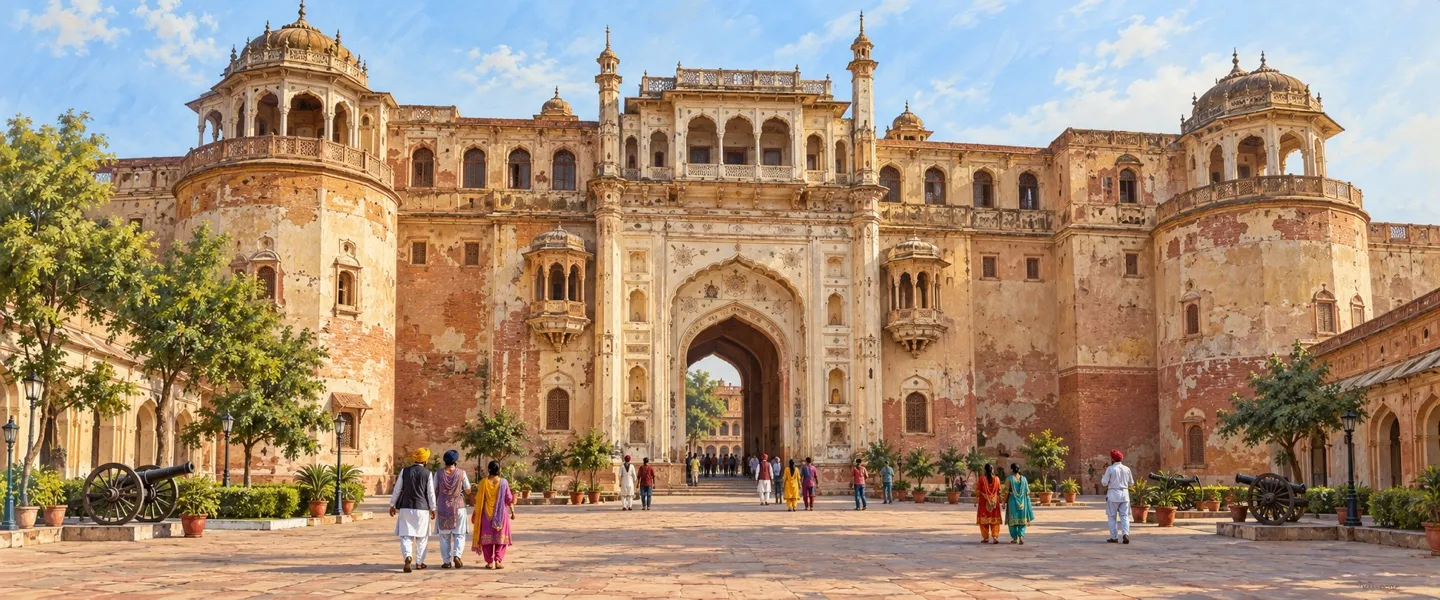

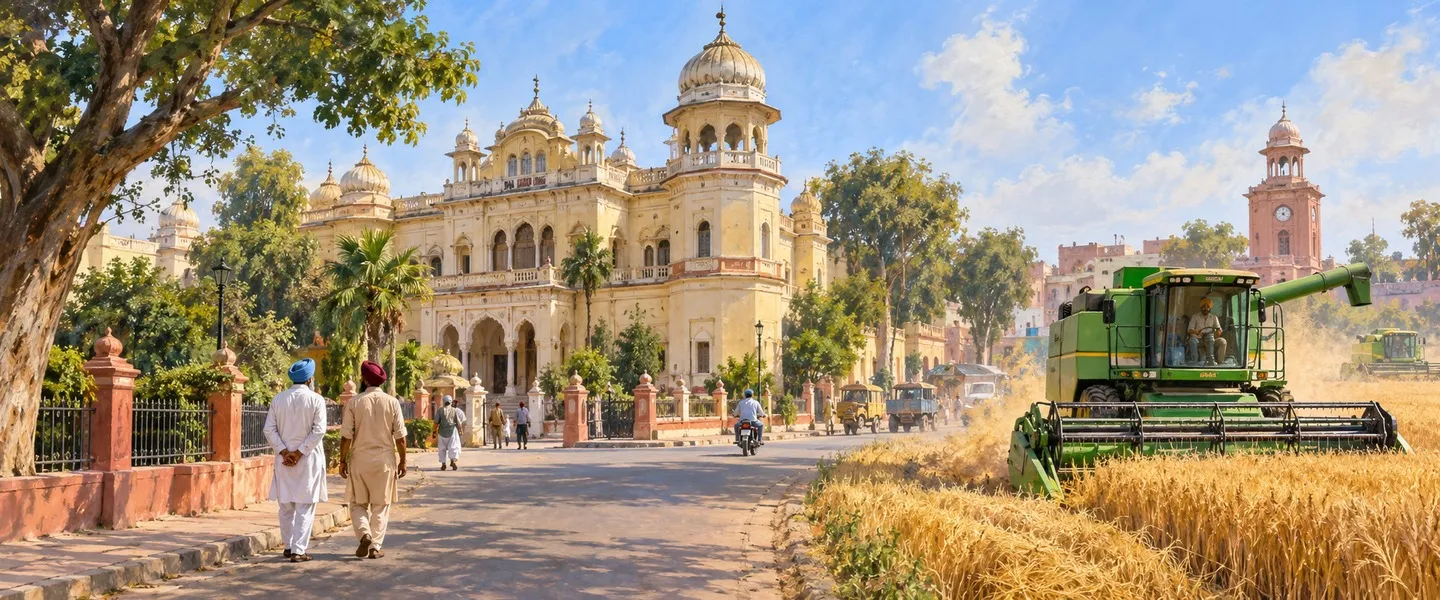

Samana in the news
All stories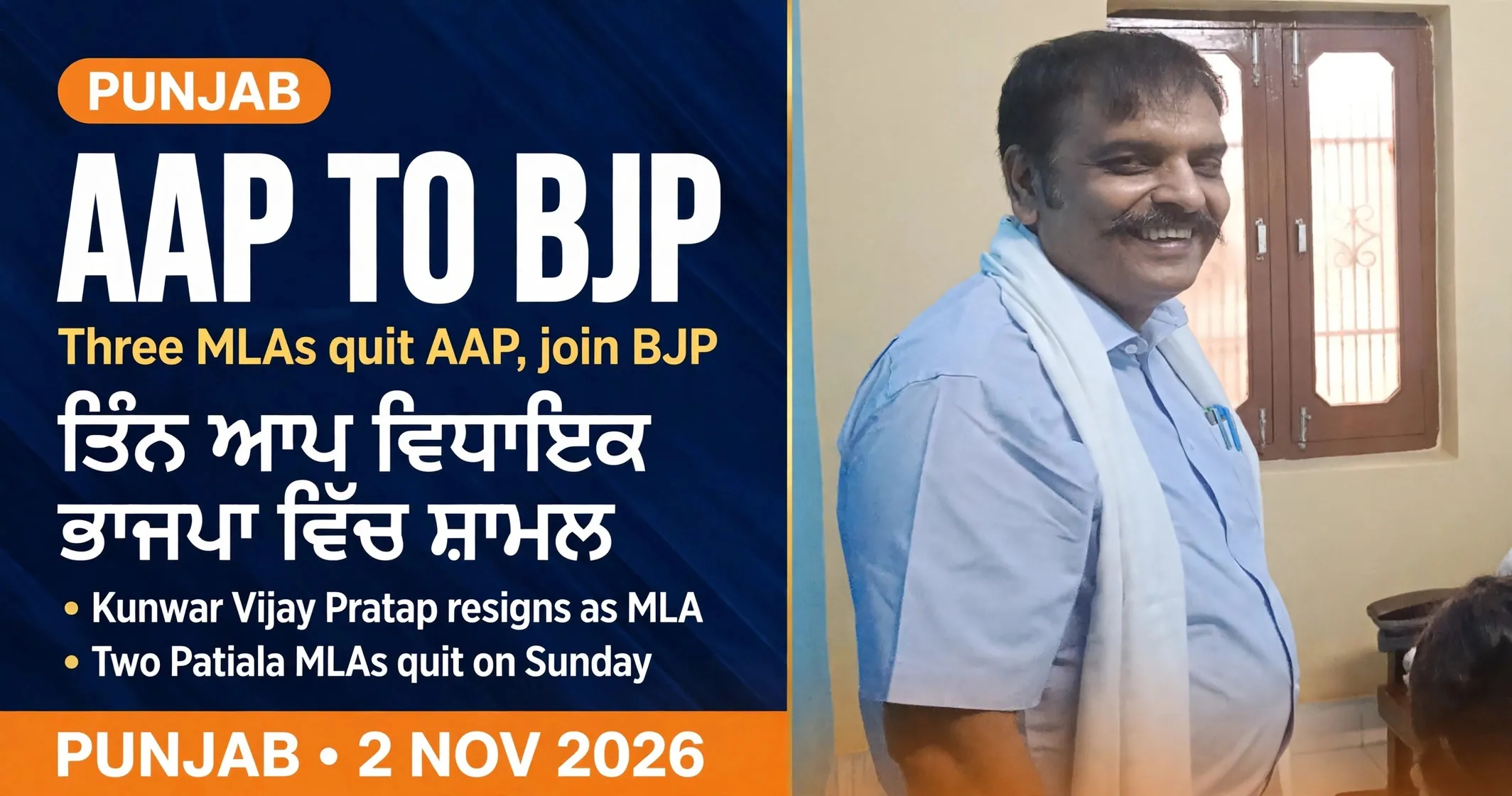 Three Punjab AAP MLAs Quit and Join BJP in Delhiਤਿੰਨ ਪੰਜਾਬ ਆਪ ਵਿਧਾਇਕਾਂ ਨੇ ਪਾਰਟੀ ਛੱਡੀ, ਭਾਜਪਾ ਵਿੱਚ ਸ਼ਾਮਲ ਹੋਏ
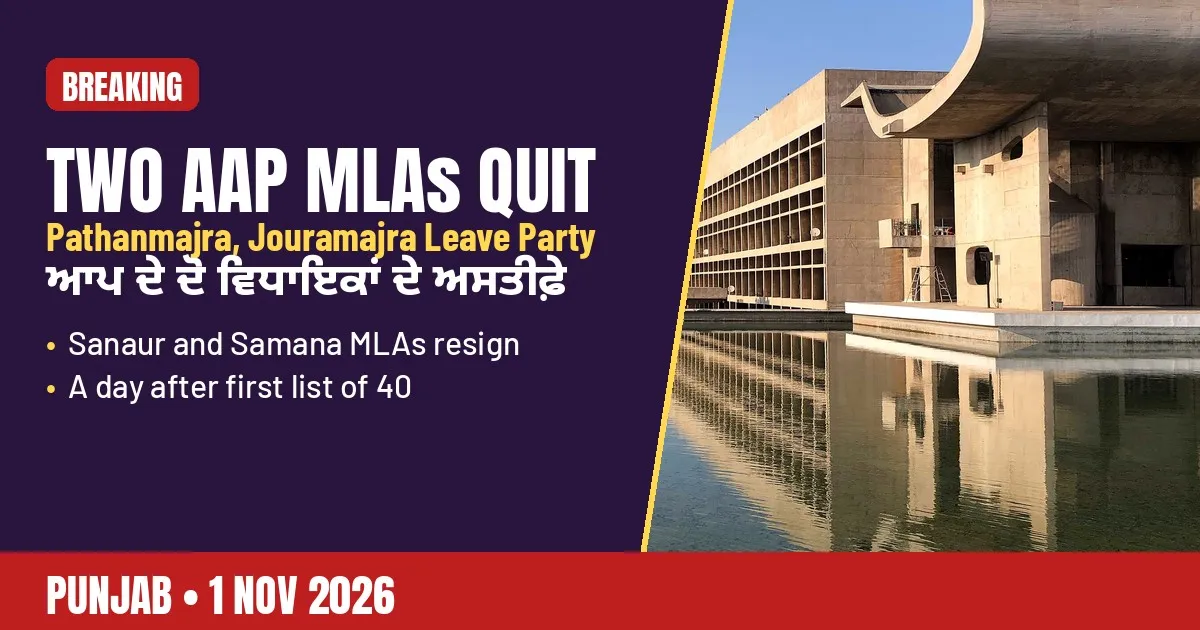 Two Punjab AAP MLAs Quit Party a Day After First Candidate Listਆਪ ਦੇ ਦੋ ਵਿਧਾਇਕਾਂ ਪਠਾਣਮਾਜਰਾ ਤੇ ਜੌੜਾਮਾਜਰਾ ਨੇ ਪਾਰਟੀ ਛੱਡੀ
Sources (5)
Jugti is free and independent. Reader support keeps the Kosh growing.
Support