
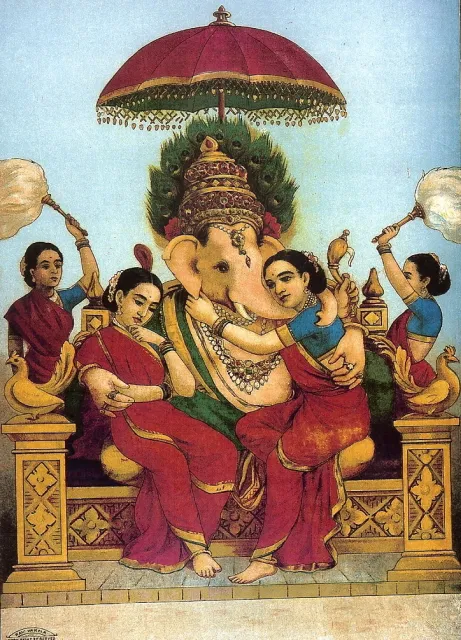
Ganesh, also called Ganesha, Ganapati and Vinayaka, is the elephant-headed god whom Hindus worship first of all, before any ritual, journey or new venture. The son of Shiva and Parvati, he is honoured as Vighnaharta, the remover of obstacles, and as the god of wisdom, intellect and learning. His festival, Ganesh Chaturthi, fills Maharashtra and much of India with processions, music and sweets, above all his beloved modaks.
- Punjabi name
- ਗਣੇਸ਼
- What he is
- God of beginnings, wisdom and intellect; remover of obstacles
- Other names
- Ganesha, Ganapati, Vinayaka, Vighnaharta, Pillaiyar
- Parents
- Shiva and Parvati
- Brother
- Kartikeya
- Mount (vahana)
- The mouse, Mushika
All 9 facts
- Symbols
- Elephant head, broken tusk, modak sweets, noose and goad
- Main festival
- Ganesh Chaturthi
- Famous temples
- Siddhivinayak Temple, Mumbai; the eight Ashtavinayak shrines of Maharashtra
No Hindu ceremony begins without Ganesh. Before a wedding, a shop opening, an examination or a journey, the first prayer is his, because he is the god who clears the road. His round belly, broken tusk and elephant head make him the most recognisable figure in the Hindu pantheon, and his image stands guard at temple doors and crossroads, in taxi dashboards and on the first page of account books and wedding invitations alike.
Who is Ganesh?
Ganesh is the elder son of Shiva and Parvati, and the brother of the war god Kartikeya. His Sanskrit names map his work: Ganapati, lord of Shiva's hosts; Vinayaka, the supreme leader; Vighnaharta, the remover of obstacles. He is the patron of arts, sciences and letters, and tradition calls him the scribe of the gods: when the sage Vyasa needed someone to write down the Mahabharata as he dictated it, Ganesh agreed, on the condition that the sage never pause. Worship of Ganesh cuts across every Hindu tradition and reached Jains and Buddhists as well; he emerged as a distinct god in the Gupta age, around the 4th and 5th centuries CE, and quickly became one of the most loved.
How Ganesh got his elephant head
The best-known story explains his strange head. Parvati, wanting a guard who owed loyalty to her alone, shaped a boy from the paste of her bath and set him at her door. When Shiva came home and the boy barred his way, the furious god struck off the child's head. Parvati's grief and anger shook the gods, and Shiva promised to restore the boy with the head of the first creature that came by, which was an elephant; in the struggle one tusk broke, which is why Ganesh is shown with a broken tusk in one hand. Shiva also declared that his son would be worshipped before all other gods, a promise Hindu practice keeps to this day.
What Ganesh teaches
Every part of Ganesh carries a lesson in the tradition's reading: the big ears say listen more, the small eyes say concentrate, the long trunk finds a way around every barrier, and the tiny mouse he rides shows that even desire, small and quick, can be mastered and put to work. His broken tusk is a sign of sacrifice for knowledge: one telling says he snapped it off to keep writing the Mahabharata when his pen failed. His favourite food, the sweet modak, stands for the sweetness of wisdom itself.
Festivals and temples
Ganesh Chaturthi, his birthday in late summer, is his great festival, above all in Maharashtra, where neighbourhoods raise huge clay images, worship them for days with singing and drums, and carry them in procession to be immersed in the sea or rivers, asking him to take the year's troubles with him. The Siddhivinayak Temple in Mumbai draws queues of devotees from before dawn, and Maharashtra's eight Ashtavinayak temples form a famous pilgrimage circuit. His worship travels with the diaspora: on Jugti you can also read about the Sri Selva Vinayakar Temple in Brisbane, one of Australia's best-known Ganesh shrines. At Diwali he is worshipped beside Lakshmi, so that new wealth begins under the guard of wisdom.
Ganesh in Punjab
Maharashtra keeps the most famous Ganesh pilgrimage of all: the Ashtavinayak, eight ancient temples of the god visited in a fixed traditional order, at Morgaon, Siddhatek, Pali, Mahad, Theur, Lenyadri, Ozar and Ranjangaon. The images there are held to be self-manifested, formed by the god himself rather than carved by human hands, and completing the circuit, traditionally on foot and within a set number of days, is a vow thousands undertake each year. The state's great city temple, the Siddhivinayak of Mumbai, draws queues of devotees from before dawn, film stars and farmers in the same line.
The festival Ganesh is now known by was transformed in 1893, when the freedom fighter Bal Gangadhar Tilak urged Maharashtra to celebrate Ganesh Chaturthi publicly, with shared neighbourhood images and processions, at a time when the British restricted political gatherings. The public festival united communities across caste and became a treasured cover for nationalist organising; it has never lost that scale. After days of worship the image is carried to rivers and the sea for Ganesh Visarjan, the immersion, to chants of Ganpati Bappa Morya and the invitation that gives the festival its ache and its promise: come back again next year.
His broken tusk has its own beloved explanation. When the sage Vyasa needed a scribe for the Mahabharata who could write as fast as he could dictate, Ganesh agreed, on condition that the dictation never pause; when his pen wore out mid-verse, the story says, he snapped off his own tusk and wrote on with it rather than break the flow. It is why he is also called Ekadanta, the one-tusked, and why Indian writers have loved him ever since: the god of beginnings is the patron of the work itself.
Punjabi Hindus keep Ganesh at the start of everything: weddings open with his invocation, new businesses in Punjab's market towns begin with his image installed, and students pray to him before examinations. Ganesh Chaturthi pandals have grown across Punjab's cities in recent decades, and Punjabi families in the diaspora are among the most enthusiastic keepers of the festival abroad.
ਕੋਈ ਹਿੰਦੂ ਅਨੁਸ਼ਠਾਨ ਗਣੇਸ਼ ਤੋਂ ਬਿਨਾਂ ਸ਼ੁਰੂ ਨਹੀਂ ਹੁੰਦਾ ਵਿਆਹ, ਦੁਕਾਨ ਖੋਲ੍ਹਣ, ਇਮਤਿਹਾਨ ਜਾਂ ਯਾਤਰਾ ਤੋਂ ਪਹਿਲਾਂ ਪਹਿਲੀ ਪ੍ਰਾਰਥਨਾ ਉਨ੍ਹਾਂ ਦੀ ਹੁੰਦੀ ਹੈ, ਕਿਉਂਕਿ ਉਹ ਰਾਹ ਸਾਫ ਕਰਨ ਵਾਲੇ ਦੇਵਤਾ ਹਨ ਉਨ੍ਹਾਂ ਦਾ ਗੋਲ ਢਿੱਡ, ਟੁੱਟਿਆ ਦੰਦ ਅਤੇ ਹਾਥੀ ਦਾ ਸਿਰ ਉਨ੍ਹਾਂ ਨੂੰ ਹਿੰਦੂ ਦੇਵ-ਸਮੂਹ ਦੀ ਸਭ ਤੋਂ ਪਛਾਣਨਯੋਗ ਹਸਤੀ ਬਣਾਉਂਦੇ ਹਨ, ਅਤੇ ਉਨ੍ਹਾਂ ਦੀ ਤਸਵੀਰ ਮੰਦਰਾਂ ਦੇ ਦਰਵਾਜ਼ਿਆਂ ਅਤੇ ਚੌਰਾਹਿਆਂ ਉੱਤੇ, ਟੈਕਸੀਆਂ ਦੇ ਡੈਸ਼ਬੋਰਡਾਂ ਵਿੱਚ ਅਤੇ ਬਹੀਆਂ ਅਤੇ ਵਿਆਹ ਦੇ ਕਾਰਡਾਂ ਦੇ ਪਹਿਲੇ ਪੰਨੇ ਉੱਤੇ ਰਾਖੀ ਕਰਦੀ ਹੈ
ਗਣੇਸ਼ ਕੌਣ ਹਨ?
ਗਣੇਸ਼ ਸ਼ਿਵ ਅਤੇ ਪਾਰਵਤੀ ਦੇ ਵੱਡੇ ਪੁੱਤਰ ਹਨ, ਅਤੇ ਯੁੱਧ ਦੇਵਤੇ ਕਾਰਤਿਕੇਯ ਦੇ ਭਰਾ ਉਨ੍ਹਾਂ ਦੇ ਸੰਸਕ੍ਰਿਤ ਨਾਮ ਉਨ੍ਹਾਂ ਦੇ ਕੰਮ ਦੱਸਦੇ ਹਨ: ਗਣਪਤੀ, ਸ਼ਿਵ ਦੀਆਂ ਸੈਨਾਵਾਂ ਦੇ ਸਵਾਮੀ; ਵਿਨਾਇਕ, ਪਰਮ ਨੇਤਾ; ਵਿਘਨਹਰਤਾ, ਰੁਕਾਵਟਾਂ ਦੂਰ ਕਰਨ ਵਾਲੇ ਉਹ ਕਲਾ, ਵਿਗਿਆਨ ਅਤੇ ਅੱਖਰਾਂ ਦੇ ਰੱਖਿਅਕ ਹਨ, ਅਤੇ ਪਰੰਪਰਾ ਉਨ੍ਹਾਂ ਨੂੰ ਦੇਵਤਿਆਂ ਦਾ ਲਿਖਾਰੀ ਕਹਿੰਦੀ ਹੈ: ਜਦੋਂ ਰਿਸ਼ੀ ਵਿਆਸ ਨੂੰ ਕਿਸੇ ਅਜਿਹੇ ਦੀ ਲੋੜ ਪਈ ਜੋ ਉਨ੍ਹਾਂ ਦੇ ਬੋਲਣ ਉੱਤੇ ਮਹਾਭਾਰਤ ਲਿਖੇ, ਤਾਂ ਗਣੇਸ਼ ਮੰਨ ਗਏ, ਇਸ ਸ਼ਰਤ ਉੱਤੇ ਕਿ ਰਿਸ਼ੀ ਕਦੇ ਨਾ ਰੁਕਣ ਗਣੇਸ਼ ਦੀ ਪੂਜਾ ਹਰ ਹਿੰਦੂ ਪਰੰਪਰਾ ਵਿੱਚ ਹੈ ਅਤੇ ਜੈਨੀਆਂ ਅਤੇ ਬੋਧੀਆਂ ਤੱਕ ਵੀ ਪਹੁੰਚੀ; ਉਹ ਗੁਪਤ ਯੁੱਗ ਵਿੱਚ, ਲਗਭਗ ਚੌਥੀ ਅਤੇ ਪੰਜਵੀਂ ਸਦੀ ਈਸਵੀ ਵਿੱਚ, ਇੱਕ ਵੱਖਰੇ ਦੇਵਤਾ ਵਜੋਂ ਉਭਰੇ, ਅਤੇ ਛੇਤੀ ਹੀ ਸਭ ਤੋਂ ਪਿਆਰਿਆਂ ਵਿੱਚੋਂ ਇੱਕ ਬਣ ਗਏ
ਗਣੇਸ਼ ਨੂੰ ਹਾਥੀ ਦਾ ਸਿਰ ਕਿਵੇਂ ਮਿਲਿਆ
ਸਭ ਤੋਂ ਮਸ਼ਹੂਰ ਕਥਾ ਉਨ੍ਹਾਂ ਦੇ ਅਜੀਬ ਸਿਰ ਦੀ ਵਿਆਖਿਆ ਕਰਦੀ ਹੈ ਪਾਰਵਤੀ ਨੇ, ਇੱਕ ਅਜਿਹਾ ਰਾਖਾ ਚਾਹੁੰਦਿਆਂ ਜੋ ਕੇਵਲ ਉਸ ਦਾ ਵਫਾਦਾਰ ਹੋਵੇ, ਆਪਣੇ ਇਸ਼ਨਾਨ ਦੇ ਲੇਪ ਤੋਂ ਇੱਕ ਮੁੰਡਾ ਬਣਾਇਆ ਅਤੇ ਉਸ ਨੂੰ ਆਪਣੇ ਦਰਵਾਜ਼ੇ ਉੱਤੇ ਖੜ੍ਹਾ ਕਰ ਦਿੱਤਾ ਜਦੋਂ ਸ਼ਿਵ ਘਰ ਆਏ ਅਤੇ ਮੁੰਡੇ ਨੇ ਉਨ੍ਹਾਂ ਦਾ ਰਾਹ ਰੋਕਿਆ, ਤਾਂ ਕਰੋਧੀ ਦੇਵਤੇ ਨੇ ਬੱਚੇ ਦਾ ਸਿਰ ਵੱਢ ਦਿੱਤਾ ਪਾਰਵਤੀ ਦੇ ਦੁੱਖ ਅਤੇ ਗੁੱਸੇ ਨੇ ਦੇਵਤਿਆਂ ਨੂੰ ਹਿਲਾ ਦਿੱਤਾ, ਅਤੇ ਸ਼ਿਵ ਨੇ ਵਾਅਦਾ ਕੀਤਾ ਕਿ ਉਹ ਮੁੰਡੇ ਨੂੰ ਪਹਿਲੇ ਮਿਲਣ ਵਾਲੇ ਜੀਵ ਦੇ ਸਿਰ ਨਾਲ ਮੁੜ ਜਿਉਂਦਾ ਕਰਨਗੇ, ਜੋ ਇੱਕ ਹਾਥੀ ਸੀ; ਇਸ ਖਿੱਚੋਤਾਣ ਵਿੱਚ ਇੱਕ ਦੰਦ ਟੁੱਟ ਗਿਆ, ਇਸੇ ਲਈ ਗਣੇਸ਼ ਨੂੰ ਇੱਕ ਹੱਥ ਵਿੱਚ ਟੁੱਟਿਆ ਦੰਦ ਫੜਿਆ ਵਿਖਾਇਆ ਜਾਂਦਾ ਹੈ ਸ਼ਿਵ ਨੇ ਇਹ ਵੀ ਐਲਾਨ ਕੀਤਾ ਕਿ ਉਨ੍ਹਾਂ ਦਾ ਪੁੱਤਰ ਸਾਰੇ ਦੇਵਤਿਆਂ ਤੋਂ ਪਹਿਲਾਂ ਪੂਜਿਆ ਜਾਵੇਗਾ, ਜੋ ਵਾਅਦਾ ਹਿੰਦੂ ਅਭਿਆਸ ਅੱਜ ਤੱਕ ਨਿਭਾਉਂਦਾ ਹੈ
ਗਣੇਸ਼ ਕੀ ਸਿਖਾਉਂਦੇ ਹਨ
ਪਰੰਪਰਾ ਦੀ ਵਿਆਖਿਆ ਵਿੱਚ ਗਣੇਸ਼ ਦਾ ਹਰ ਅੰਗ ਇੱਕ ਸਬਕ ਰੱਖਦਾ ਹੈ: ਵੱਡੇ ਕੰਨ ਕਹਿੰਦੇ ਹਨ ਵੱਧ ਸੁਣੋ, ਛੋਟੀਆਂ ਅੱਖਾਂ ਕਹਿੰਦੀਆਂ ਹਨ ਧਿਆਨ ਕੇਂਦਰਤ ਕਰੋ, ਲੰਬੀ ਸੁੰਡ ਹਰ ਰੁਕਾਵਟ ਦੇ ਆਲੇ ਦੁਆਲੇ ਦਾ ਰਾਹ ਲੱਭਦੀ ਹੈ, ਅਤੇ ਉਨ੍ਹਾਂ ਦੀ ਸਵਾਰੀ ਛੋਟਾ ਚੂਹਾ ਵਿਖਾਉਂਦਾ ਹੈ ਕਿ ਇੱਛਾ ਨੂੰ ਵੀ, ਛੋਟੀ ਅਤੇ ਤੇਜ਼, ਕਾਬੂ ਕਰਕੇ ਕੰਮ ਵਿੱਚ ਲਾਇਆ ਜਾ ਸਕਦਾ ਹੈ ਉਨ੍ਹਾਂ ਦਾ ਟੁੱਟਿਆ ਦੰਦ ਗਿਆਨ ਲਈ ਤਿਆਗ ਦੀ ਨਿਸ਼ਾਨੀ ਹੈ: ਇੱਕ ਕਥਾ ਕਹਿੰਦੀ ਹੈ ਕਿ ਜਦੋਂ ਉਨ੍ਹਾਂ ਦੀ ਕਲਮ ਅਸਫਲ ਹੋ ਗਈ ਤਾਂ ਮਹਾਭਾਰਤ ਲਿਖਦੇ ਰਹਿਣ ਲਈ ਉਨ੍ਹਾਂ ਨੇ ਇਸ ਨੂੰ ਤੋੜ ਲਿਆ ਸੀ ਉਨ੍ਹਾਂ ਦਾ ਪਸੰਦੀਦਾ ਖਾਣਾ, ਮਿੱਠਾ ਮੋਦਕ, ਗਿਆਨ ਦੀ ਮਿਠਾਸ ਦਾ ਪ੍ਰਤੀਕ ਹੈ
ਤਿਉਹਾਰ ਅਤੇ ਮੰਦਰ
ਗਣੇਸ਼ ਚਤੁਰਥੀ, ਗਰਮੀਆਂ ਦੇ ਅਖੀਰ ਵਿੱਚ ਉਨ੍ਹਾਂ ਦਾ ਜਨਮ ਦਿਨ, ਉਨ੍ਹਾਂ ਦਾ ਮਹਾਨ ਤਿਉਹਾਰ ਹੈ, ਸਭ ਤੋਂ ਵੱਧ ਮਹਾਰਾਸ਼ਟਰ ਵਿੱਚ, ਜਿੱਥੇ ਮੁਹੱਲੇ ਮਿੱਟੀ ਦੀਆਂ ਵੱਡੀਆਂ ਮੂਰਤੀਆਂ ਚੁੱਕਦੇ ਹਨ, ਦਿਨਾਂ ਤੱਕ ਗਾਉਣ ਅਤੇ ਢੋਲਾਂ ਨਾਲ ਉਨ੍ਹਾਂ ਦੀ ਪੂਜਾ ਕਰਦੇ ਹਨ, ਅਤੇ ਉਨ੍ਹਾਂ ਨੂੰ ਜਲੂਸ ਵਿੱਚ ਸਮੁੰਦਰ ਜਾਂ ਨਦੀਆਂ ਵਿੱਚ ਵਿਸਰਜਿਤ ਕਰਨ ਲਈ ਲਿਜਾਂਦੇ ਹਨ, ਇਹ ਕਹਿੰਦਿਆਂ ਕਿ ਉਹ ਸਾਲ ਦੀਆਂ ਮੁਸੀਬਤਾਂ ਆਪਣੇ ਨਾਲ ਲੈ ਜਾਣ ਮੁੰਬਈ ਦਾ ਸਿੱਧੀਵਿਨਾਇਕ ਮੰਦਰ ਸਵੇਰ ਤੋਂ ਪਹਿਲਾਂ ਹੀ ਸ਼ਰਧਾਲੂਆਂ ਦੀਆਂ ਕਤਾਰਾਂ ਖਿੱਚਦਾ ਹੈ, ਅਤੇ ਮਹਾਰਾਸ਼ਟਰ ਦੇ ਅੱਠ ਅਸ਼ਟਵਿਨਾਇਕ ਮੰਦਰ ਇੱਕ ਮਸ਼ਹੂਰ ਯਾਤਰਾ ਚੱਕਰ ਬਣਾਉਂਦੇ ਹਨ ਉਨ੍ਹਾਂ ਦੀ ਪੂਜਾ ਪਰਦੇਸ ਨਾਲ ਯਾਤਰਾ ਕਰਦੀ ਹੈ: ਜੁਗਤੀ ਉੱਤੇ ਤੁਸੀਂ ਬ੍ਰਿਸਬੇਨ ਦੇ ਸ਼੍ਰੀ ਸੈਲਵਾ ਵਿਨਾਇਕਰ ਮੰਦਰ ਬਾਰੇ ਵੀ ਪੜ੍ਹ ਸਕਦੇ ਹੋ, ਜੋ ਆਸਟਰੇਲੀਆ ਦੇ ਸਭ ਤੋਂ ਮਸ਼ਹੂਰ ਗਣੇਸ਼ ਸਥਾਨਾਂ ਵਿੱਚੋਂ ਇੱਕ ਹੈ ਦੀਵਾਲੀ ਉੱਤੇ ਉਨ੍ਹਾਂ ਨੂੰ ਲਕਸ਼ਮੀ ਨਾਲ ਪੂਜਿਆ ਜਾਂਦਾ ਹੈ, ਤਾਂ ਕਿ ਨਵਾਂ ਧੰਨ ਸੂਝ ਦੀ ਰਾਖੀ ਹੇਠ ਸ਼ੁਰੂ ਹੋਵੇ
ਪੰਜਾਬ ਵਿੱਚ ਗਣੇਸ਼
ਮਹਾਰਾਸ਼ਟਰ ਗਣੇਸ਼ ਦੀ ਸਭ ਤੋਂ ਮਸ਼ਹੂਰ ਯਾਤਰਾ ਰੱਖਦਾ ਹੈ: ਅਸ਼ਟਵਿਨਾਇਕ, ਦੇਵਤੇ ਦੇ ਅੱਠ ਪੁਰਾਣੇ ਮੰਦਰ ਜਿਨ੍ਹਾਂ ਦੀ ਯਾਤਰਾ ਇੱਕ ਨਿਸ਼ਚਿਤ ਪਰੰਪਰਕ ਕ੍ਰਮ ਵਿੱਚ ਕੀਤੀ ਜਾਂਦੀ ਹੈ, ਮੋਰਗਾਓਂ, ਸਿੱਧਟੇਕ, ਪਾਲੀ, ਮਹਾਡ, ਥੇਊਰ, ਲੇਣਿਆਦਰੀ, ਓਜ਼ਾਰ ਅਤੇ ਰੰਜਨਗਾਓਂ ਵਿੱਚ ਉੱਥੋਂ ਦੀਆਂ ਮੂਰਤੀਆਂ ਸਵੈ-ਪ੍ਰਗਟ ਮੰਨੀਆਂ ਜਾਂਦੀਆਂ ਹਨ, ਮਨੁੱਖੀ ਹੱਥਾਂ ਨਾਲ ਘੜੀਆਂ ਨਹੀਂ, ਸਗੋਂ ਦੇਵਤੇ ਨੇ ਆਪ ਬਣਾਈਆਂ ਹਨ, ਅਤੇ ਸਰਕਟ ਪੂਰਾ ਕਰਨਾ, ਪਰੰਪਰਾ ਅਨੁਸਾਰ ਪੈਦਲ ਅਤੇ ਨਿਸ਼ਚਿਤ ਦਿਨਾਂ ਵਿੱਚ, ਇੱਕ ਸੁੱਖਣ ਹੈ ਜੋ ਹਜ਼ਾਰਾਂ ਹਰ ਸਾਲ ਲੈਂਦੇ ਹਨ ਰਾਜ ਦਾ ਮਹਾਨ ਸ਼ਹਿਰੀ ਮੰਦਰ, ਮੁੰਬਈ ਦਾ ਸਿੱਧੀਵਿਨਾਇਕ, ਸਵੇਰ ਤੋਂ ਪਹਿਲਾਂ ਸ਼ਰਧਾਲੂਆਂ ਦੀਆਂ ਕਤਾਰਾਂ ਖਿੱਚਦਾ ਹੈ, ਫਿਲਮੀ ਸਿਤਾਰੇ ਅਤੇ ਕਿਸਾਨ ਇੱਕੋ ਲਾਈਨ ਵਿੱਚ
ਜਿਸ ਤਿਉਹਾਰ ਨਾਲ ਗਣੇਸ਼ ਹੁਣ ਜਾਣੇ ਜਾਂਦੇ ਹਨ ਉਹ 1893 ਵਿੱਚ ਬਦਲ ਗਿਆ, ਜਦੋਂ ਆਜ਼ਾਦੀ ਸੈਨਾਨੀ ਬਾਲ ਗੰਗਾਧਰ ਤਿਲਕ ਨੇ ਮਹਾਰਾਸ਼ਟਰ ਨੂੰ ਗਣੇਸ਼ ਚਤੁਰਥੀ ਨੂੰ ਜਨਤਕ ਤੌਰ ਉੱਤੇ ਮਨਾਉਣ ਲਈ ਪ੍ਰੇਰਿਆ, ਸਾਂਝੀਆਂ ਮੁਹੱਲਾ ਮੂਰਤੀਆਂ ਅਤੇ ਜਲੂਸਾਂ ਨਾਲ, ਉਸ ਸਮੇਂ ਜਦੋਂ ਅੰਗਰੇਜ਼ਾਂ ਨੇ ਸਿਆਸੀ ਇਕੱਠਾਂ ਉੱਤੇ ਪਾਬੰਦੀ ਲਾਈ ਸੀ ਜਨਤਕ ਤਿਉਹਾਰ ਨੇ ਜਾਤ ਤੋਂ ਪਰੇ ਭਾਈਚਾਰਿਆਂ ਨੂੰ ਜੋੜਿਆ ਅਤੇ ਰਾਸ਼ਟਰਵਾਦੀ ਸੰਗਠਨ ਲਈ ਇੱਕ ਕੀਮਤੀ ਓਟ ਬਣ ਗਿਆ; ਉਸ ਨੇ ਉਹ ਪੈਮਾਨਾ ਕਦੇ ਨਹੀਂ ਗਵਾਇਆ ਦਿਨਾਂ ਦੀ ਪੂਜਾ ਤੋਂ ਬਾਅਦ ਮੂਰਤੀ ਨੂੰ ਨਦੀਆਂ ਅਤੇ ਸਮੁੰਦਰ ਵੱਲ ਗਣੇਸ਼ ਵਿਸਰਜਨ ਲਈ ਲਿਜਾਇਆ ਜਾਂਦਾ ਹੈ, ਗਣਪਤੀ ਬਾਪਾ ਮੋਰਿਆ ਦੇ ਨਾਅਰਿਆਂ ਅਤੇ ਉਸ ਸੱਦੇ ਨਾਲ ਜੋ ਤਿਉਹਾਰ ਨੂੰ ਇਸ ਦੀ ਪੀੜ ਅਤੇ ਇਸ ਦਾ ਵਾਅਦਾ ਦਿੰਦਾ ਹੈ: ਅਗਲੇ ਸਾਲ ਫਿਰ ਆਉਣਾ
ਉਨ੍ਹਾਂ ਦੇ ਟੁੱਟੇ ਦੰਦ ਦੀ ਆਪਣੀ ਪਿਆਰੀ ਵਿਆਖਿਆ ਹੈ ਜਦੋਂ ਰਿਸ਼ੀ ਵਿਆਸ ਨੂੰ ਮਹਾਭਾਰਤ ਲਈ ਇੱਕ ਲਿਖਾਰੀ ਚਾਹੀਦਾ ਸੀ ਜੋ ਐਨੀ ਤੇਜ਼ੀ ਨਾਲ ਲਿਖ ਸਕੇ ਜਿੰਨੀ ਤੇਜ਼ੀ ਨਾਲ ਉਹ ਬੋਲ ਸਕਦੇ ਸਨ, ਗਣੇਸ਼ ਮੰਨ ਗਏ, ਇਸ ਸ਼ਰਤ ਉੱਤੇ ਕਿ ਬੋਲਣਾ ਕਦੇ ਨਾ ਰੁਕੇ; ਜਦੋਂ ਉਨ੍ਹਾਂ ਦੀ ਕਲਮ ਸ਼ਲੋਕ ਵਿਚਕਾਰ ਘਿਸ ਗਈ, ਕਹਾਣੀ ਕਹਿੰਦੀ ਹੈ, ਉਨ੍ਹਾਂ ਨੇ ਆਪਣਾ ਦੰਦ ਤੋੜ ਲਿਆ ਅਤੇ ਵਹਾਅ ਨਾ ਤੋੜਦਿਆਂ ਇਸ ਨਾਲ ਲਿਖਦੇ ਰਹੇ ਇਸੇ ਲਈ ਉਨ੍ਹਾਂ ਨੂੰ ਏਕਦੰਤ ਵੀ ਕਿਹਾ ਜਾਂਦਾ ਹੈ, ਇੱਕ ਦੰਦ ਵਾਲਾ, ਅਤੇ ਇਸੇ ਲਈ ਭਾਰਤੀ ਲਿਖਾਰੀ ਉਦੋਂ ਤੋਂ ਉਨ੍ਹਾਂ ਨੂੰ ਪਿਆਰ ਕਰਦੇ ਆਏ ਹਨ: ਸ਼ੁਰੂਆਤਾਂ ਦਾ ਦੇਵਤਾ ਆਪ ਕੰਮ ਦਾ ਸਰਪ੍ਰਸਤ ਹੈ
ਪੰਜਾਬੀ ਹਿੰਦੂ ਹਰ ਚੀਜ਼ ਦੀ ਸ਼ੁਰੂਆਤ ਵਿੱਚ ਗਣੇਸ਼ ਨੂੰ ਰੱਖਦੇ ਹਨ: ਵਿਆਹ ਉਨ੍ਹਾਂ ਦੇ ਸੱਦੇ ਨਾਲ ਖੁੱਲ੍ਹਦੇ ਹਨ, ਪੰਜਾਬ ਦੇ ਬਾਜ਼ਾਰੀ ਕਸਬਿਆਂ ਵਿੱਚ ਨਵੇਂ ਕਾਰੋਬਾਰ ਉਨ੍ਹਾਂ ਦੀ ਮੂਰਤੀ ਸਥਾਪਤ ਕਰਕੇ ਸ਼ੁਰੂ ਹੁੰਦੇ ਹਨ, ਅਤੇ ਵਿਦਿਆਰਥੀ ਇਮਤਿਹਾਨਾਂ ਤੋਂ ਪਹਿਲਾਂ ਉਨ੍ਹਾਂ ਅੱਗੇ ਪ੍ਰਾਰਥਨਾ ਕਰਦੇ ਹਨ ਹਾਲ ਦੇ ਦਹਾਕਿਆਂ ਵਿੱਚ ਪੰਜਾਬ ਦੇ ਸ਼ਹਿਰਾਂ ਵਿੱਚ ਗਣੇਸ਼ ਚਤੁਰਥੀ ਦੇ ਪੰਡਾਲ ਵਧੇ ਹਨ, ਅਤੇ ਪਰਦੇਸ ਵਿੱਚ ਪੰਜਾਬੀ ਪਰਿਵਾਰ ਇਸ ਤਿਉਹਾਰ ਨੂੰ ਸਭ ਤੋਂ ਉਤਸ਼ਾਹ ਨਾਲ ਮਨਾਉਣ ਵਾਲਿਆਂ ਵਿੱਚੋਂ ਹਨ