
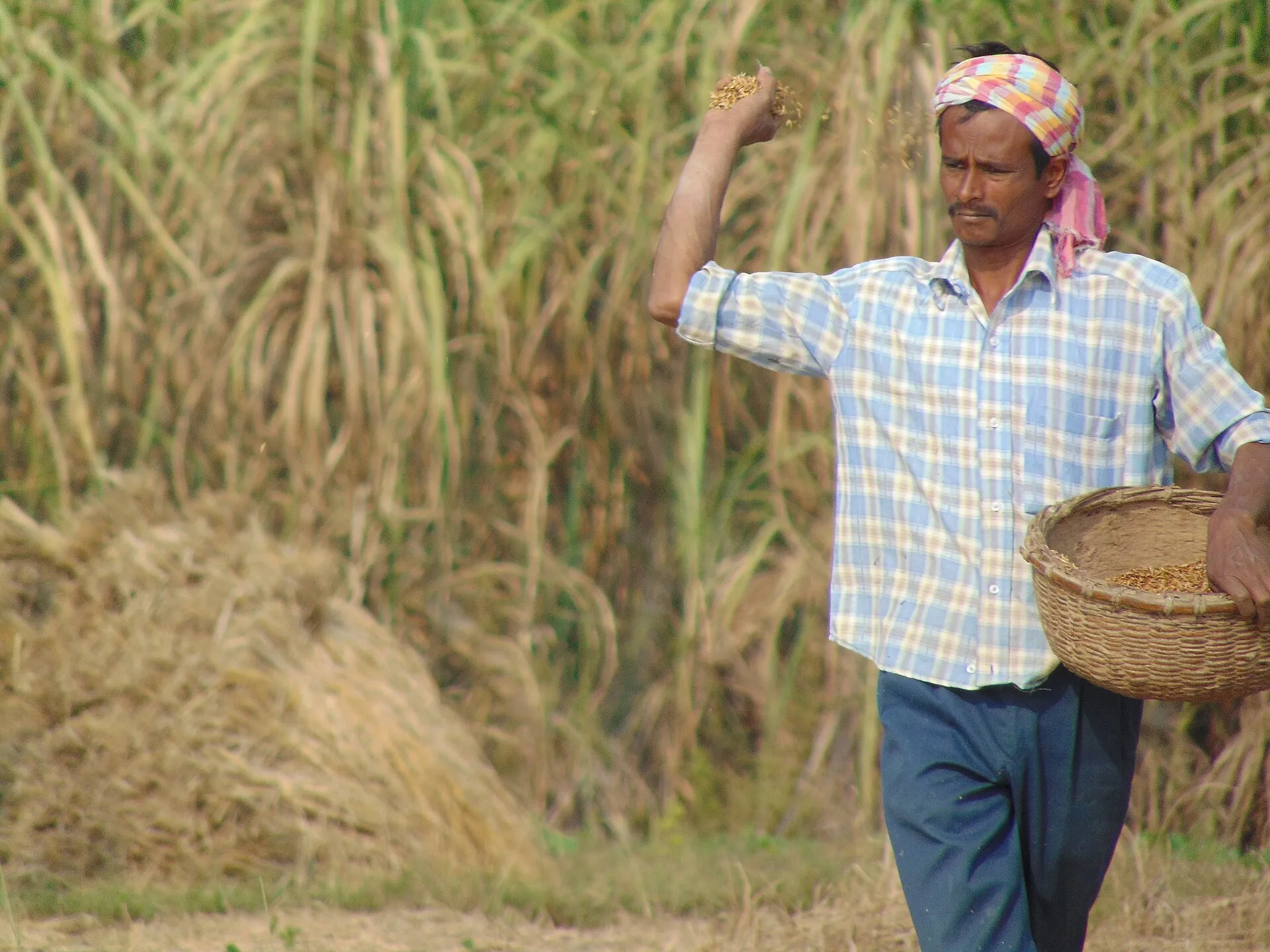
Karma is the Hindu teaching that actions have consequences that ripen over time: good deeds bring good results and harmful deeds bring suffering, in this life or in lives to come. From the Sanskrit word karman, meaning act or deed, karma is the causal law that drives samsara, the cycle of rebirth. It is not fate: because present actions are being made now, the future is being written now, and intention counts as much as the outward act.
- Punjabi name
- ਕਰਮ
- Word
- From the Sanskrit karman, an act or deed
- Teaching
- Actions ripen into results, in this life or a later one, in proportion to the deed
- Drives
- Samsara, the cycle of birth, death and rebirth
- Counts most
- Intention: the same act done deliberately or by accident does not bear the same fruit
- Four kinds
- Sanchita (stored), Prarabdha (now ripening), Agami (being made for the future), Kriyamana (immediate)
All 8 facts
- Earliest sense
- In the early Vedic texts, ritual action; the ethical sense grew later
- Shared with
- Buddhism, Jainism and Sikhism, each with its own reading
Karma is the idea that the moral universe keeps accounts. Nothing done with intention simply vanishes: every deed plants something, and what is planted eventually ripens, whether quickly or across lifetimes. It is one of the most widely known of all Hindu teachings, shared in different forms with Buddhism, Jainism and Sikhism, and it answers two questions at once: why do the good suffer and the wicked prosper, and what should a person do about it.
What is karma?
Karma comes from the Sanskrit karman, simply an act or deed. As a teaching it is the universal causal law by which an action, and the intention behind it, determines the future experience of the one who acts. It works through samsara, the cycle of rebirth: the conditions of this life reflect deeds of lives before, and the deeds of this life shape lives to come. In its earliest appearances, in Vedic texts of roughly 1000 to 700 BCE, karman meant ritual and sacrificial action whose fruit the gods delivered; the wider ethical sense, covering all intentional action, grew as the Upanishads and the epics developed the teaching.
Intention counts as much as the act
Karma is not a mechanical score of outer behaviour. The tradition weighs the mind behind the deed: an injury caused by genuine accident does not carry the fruit of an injury plotted and enjoyed, and a gift given for show does not ripen like a gift given in secret kindness. Desire and attachment strengthen the bond: action done while craving its reward binds the doer to the wheel, while action done as duty, without clutching at results, gradually loosens it. This is why the Bhagavad Gita's central counsel is not to stop acting but to act without attachment, and why intention, in karma's accounting, is itself a deed.
The four kinds of karma
Teachers traditionally sort karma into four kinds. Sanchita is the whole store accumulated over past lives, too vast to ripen at once. Prarabdha is the portion of that store allotted to this life, already ripening: it shapes the family, body and circumstances one is born into, and even the liberated are said to live out its remainder. Kriyamana is the karma being made now that bears fruit soon, and Agami is the karma being made now that will ripen in future lives. The picture matters because it separates what cannot be changed, the prarabdha already in motion, from what can: the deeds being chosen today.
Is karma the same as fate?
No, and the tradition is firm on the point. Fate would mean the future is fixed and effort useless; karma says the opposite, that the present was shaped by the past precisely because actions have consequences, and the future will be shaped the same way by actions taken now. Free will is real inside the teaching: prarabdha explains the hand one is dealt, but the playing of it is one's own. Karma also gives the tradition its main explanation of undeserved suffering and unearned fortune, the child born into hardship or ease, without laying either on the whim of a god: both are harvests, and every life is also a sowing.
Karma and the way out
Karma binds because the wheel it drives, samsara, is endless: every ripened fruit is also a new seed of desire and action. The goal of the spiritual life is therefore not merely good karma, which buys a better rebirth, but freedom from the wheel altogether, moksha. The paths differ: knowledge of the self, devotion, and selfless action done as offering, which the Gita calls karma yoga, action that no longer binds because its fruit is given up. Until that freedom, karma works alongside dharma: dharma says what action is right, karma says what action does.
Karma in Punjab
The word karam lives deep in Punjabi speech, in blessings and curses and in the everyday verdict that a person's fortune is the fruit of their karam. Sikh teaching took the idea up and turned it: Guru Nanak Dev Ji's hymns speak of deeds written on the soul and of liberation coming not from accumulated merit but from grace, hukam and honest living, so that Punjabi Sikhs speak of karma while placing God's grace above its arithmetic. The shared Punjabi vocabulary still runs on the seed and harvest picture: as you sow, so shall you reap is a Punjabi proverb as much as a doctrine.
ਕਰਮ ਇਹ ਵਿਚਾਰ ਹੈ ਕਿ ਨੈਤਿਕ ਬ੍ਰਹਿਮੰਡ ਹਿਸਾਬ ਰੱਖਦਾ ਹੈ ਨੀਅਤ ਨਾਲ ਕੀਤਾ ਕੁਝ ਵੀ ਬਸ ਖਤਮ ਨਹੀਂ ਹੋ ਜਾਂਦਾ: ਹਰ ਕਰਮ ਕੁਝ ਬੀਜਦਾ ਹੈ, ਅਤੇ ਜੋ ਬੀਜਿਆ ਜਾਂਦਾ ਹੈ ਉਹ ਅੰਤ ਵਿੱਚ ਪੱਕਦਾ ਹੈ, ਭਾਵੇਂ ਛੇਤੀ ਜਾਂ ਜਨਮਾਂ ਪਾਰ ਕਰਕੇ ਇਹ ਸਾਰੀਆਂ ਹਿੰਦੂ ਸਿੱਖਿਆਵਾਂ ਵਿੱਚੋਂ ਸਭ ਤੋਂ ਵਿਆਪਕ ਜਾਣੀ ਜਾਂਦੀ ਇੱਕ ਹੈ, ਬੁੱਧ ਧਰਮ, ਜੈਨ ਧਰਮ ਅਤੇ ਸਿੱਖ ਧਰਮ ਨਾਲ ਵੱਖ ਵੱਖ ਰੂਪਾਂ ਵਿੱਚ ਸਾਂਝੀ, ਅਤੇ ਇਹ ਇੱਕੋ ਸਮੇਂ ਦੋ ਸਵਾਲਾਂ ਦੇ ਜਵਾਬ ਦਿੰਦੀ ਹੈ: ਨੇਕ ਕਿਉਂ ਦੁੱਖ ਝੱਲਦੇ ਹਨ ਅਤੇ ਦੁਸ਼ਟ ਕਿਉਂ ਫਲਦੇ ਹਨ, ਅਤੇ ਇਸ ਬਾਰੇ ਇਨਸਾਨ ਨੂੰ ਕੀ ਕਰਨਾ ਚਾਹੀਦਾ ਹੈ
ਕਰਮ ਕੀ ਹੈ?
ਕਰਮ ਸੰਸਕ੍ਰਿਤ ਸ਼ਬਦ ਕਰਮਨ ਤੋਂ ਆਇਆ ਹੈ, ਜਿਸ ਦਾ ਅਰਥ ਹੈ ਸਿਰਫ ਇੱਕ ਕੰਮ ਜਾਂ ਕਰਮ ਇੱਕ ਸਿੱਖਿਆ ਵਜੋਂ ਇਹ ਉਹ ਵਿਸ਼ਵ ਵਿਆਪੀ ਕਾਰਨ ਨਿਯਮ ਹੈ ਜਿਸ ਨਾਲ ਇੱਕ ਕਰਮ, ਅਤੇ ਇਸ ਪਿੱਛੇ ਦੀ ਨੀਅਤ, ਕਰਨ ਵਾਲੇ ਦੇ ਭਵਿੱਖ ਦੇ ਅਨੁਭਵ ਨੂੰ ਤੈਅ ਕਰਦਾ ਹੈ ਇਹ ਸੰਸਾਰ, ਜਨਮ ਮਰਨ ਦੇ ਚੱਕਰ, ਰਾਹੀਂ ਕੰਮ ਕਰਦਾ ਹੈ: ਇਸ ਜੀਵਨ ਦੀਆਂ ਹਾਲਤਾਂ ਪਿਛਲੇ ਜਨਮਾਂ ਦੇ ਕਰਮਾਂ ਨੂੰ ਦਰਸਾਉਂਦੀਆਂ ਹਨ, ਅਤੇ ਇਸ ਜੀਵਨ ਦੇ ਕਰਮ ਆਉਣ ਵਾਲੇ ਜਨਮਾਂ ਨੂੰ ਆਕਾਰ ਦਿੰਦੇ ਹਨ ਇਸ ਦੇ ਸਭ ਤੋਂ ਪਹਿਲੇ ਪ੍ਰਗਟਾਵਿਆਂ ਵਿੱਚ, ਲਗਭਗ 1000 ਤੋਂ 700 ਈਸਾ ਪੂਰਵ ਦੇ ਵੈਦਿਕ ਗ੍ਰੰਥਾਂ ਵਿੱਚ, ਕਰਮਨ ਦਾ ਅਰਥ ਰੀਤੀ ਅਤੇ ਬਲੀਦਾਨ ਵਾਲਾ ਕਰਮ ਸੀ ਜਿਸ ਦਾ ਫਲ ਦੇਵਤੇ ਦਿੰਦੇ ਸਨ; ਵਿਆਪਕ ਨੈਤਿਕ ਅਰਥ, ਜੋ ਸਾਰੇ ਨੀਅਤੀ ਕਰਮਾਂ ਨੂੰ ਘੇਰਦਾ ਹੈ, ਉਪਨਿਸ਼ਦਾਂ ਅਤੇ ਮਹਾਂਕਾਵਿਆਂ ਵੱਲੋਂ ਸਿੱਖਿਆ ਨੂੰ ਵਿਕਸਿਤ ਕਰਨ ਨਾਲ ਵਧਿਆ
ਨੀਅਤ ਵੀ ਕਰਮ ਜਿੰਨੀ ਹੀ ਗਿਣੀ ਜਾਂਦੀ ਹੈ
ਕਰਮ ਬਾਹਰੀ ਵਿਵਹਾਰ ਦਾ ਮਕਾਨਕੀ ਹਿਸਾਬ ਨਹੀਂ ਹੈ ਪਰੰਪਰਾ ਕਰਮ ਪਿੱਛੇ ਦੇ ਮਨ ਨੂੰ ਤੋਲਦੀ ਹੈ: ਸੱਚੀ ਦੁਰਘਟਨਾ ਨਾਲ ਹੋਇਆ ਨੁਕਸਾਨ ਉਹ ਫਲ ਨਹੀਂ ਰੱਖਦਾ ਜੋ ਸੋਚ ਕੇ ਅਤੇ ਅਨੰਦ ਨਾਲ ਕੀਤੇ ਨੁਕਸਾਨ ਦਾ ਹੈ, ਅਤੇ ਵਿਖਾਵੇ ਲਈ ਦਿੱਤਾ ਦਾਨ ਗੁਪਤ ਦਿਆਲਤਾ ਨਾਲ ਦਿੱਤੇ ਦਾਨ ਵਾਂਗ ਨਹੀਂ ਪੱਕਦਾ ਇੱਛਾ ਅਤੇ ਲਗਾਅ ਬੰਧਨ ਨੂੰ ਮਜ਼ਬੂਤ ਕਰਦੇ ਹਨ: ਫਲ ਦੀ ਲਾਲਸਾ ਕਰਦੇ ਕੀਤਾ ਕਰਮ ਕਰਨ ਵਾਲੇ ਨੂੰ ਚੱਕਰ ਨਾਲ ਬੰਨ੍ਹਦਾ ਹੈ, ਜਦੋਂ ਕਿ ਫਰਜ਼ ਵਜੋਂ, ਨਤੀਜਿਆਂ ਨੂੰ ਪਕੜੇ ਬਿਨਾਂ, ਕੀਤਾ ਕਰਮ ਇਸ ਨੂੰ ਹੌਲੀ ਹੌਲੀ ਢਿੱਲਾ ਕਰਦਾ ਹੈ ਇਸੇ ਲਈ ਭਗਵਦ ਗੀਤਾ ਦੀ ਕੇਂਦਰੀ ਸਲਾਹ ਕਰਮ ਬੰਦ ਕਰਨਾ ਨਹੀਂ ਹੈ ਸਗੋਂ ਬਿਨਾਂ ਲਗਾਅ ਕਰਮ ਕਰਨਾ ਹੈ, ਅਤੇ ਇਸੇ ਲਈ ਨੀਅਤ, ਕਰਮ ਦੇ ਹਿਸਾਬ ਵਿੱਚ, ਆਪਣੇ ਆਪ ਵਿੱਚ ਇੱਕ ਕਰਮ ਹੈ
ਕਰਮ ਦੀਆਂ ਚਾਰ ਕਿਸਮਾਂ
ਅਧਿਆਪਕ ਰਵਾਇਤੀ ਤੌਰ ਉੱਤੇ ਕਰਮ ਨੂੰ ਚਾਰ ਕਿਸਮਾਂ ਵਿੱਚ ਵੰਡਦੇ ਹਨ ਸੰਚਿਤ ਸਾਰਾ ਭੰਡਾਰ ਹੈ ਜੋ ਪਿਛਲੇ ਜਨਮਾਂ ਵਿੱਚ ਇਕੱਠਾ ਹੋਇਆ, ਇੰਨਾ ਵਿਸ਼ਾਲ ਕਿ ਇੱਕੋ ਵਾਰ ਪੱਕ ਨਹੀਂ ਸਕਦਾ ਪ੍ਰਾਰਬਧ ਉਸ ਭੰਡਾਰ ਦਾ ਉਹ ਹਿੱਸਾ ਹੈ ਜੋ ਇਸ ਜੀਵਨ ਲਈ ਨਿਰਧਾਰਿਤ ਹੈ, ਪਹਿਲਾਂ ਹੀ ਪੱਕ ਰਿਹਾ: ਇਹ ਉਸ ਪਰਿਵਾਰ, ਸਰੀਰ ਅਤੇ ਹਾਲਤਾਂ ਨੂੰ ਆਕਾਰ ਦਿੰਦਾ ਹੈ ਜਿਨ੍ਹਾਂ ਵਿੱਚ ਕੋਈ ਜਨਮ ਲੈਂਦਾ ਹੈ, ਅਤੇ ਕਿਹਾ ਜਾਂਦਾ ਹੈ ਕਿ ਮੁਕਤ ਵੀ ਇਸ ਦੇ ਬਾਕੀ ਹਿੱਸੇ ਨੂੰ ਜੀਉਂਦੇ ਹਨ ਕ੍ਰਿਯਮਾਣ ਉਹ ਕਰਮ ਹੈ ਜੋ ਹੁਣ ਬਣਾਇਆ ਜਾ ਰਿਹਾ ਹੈ ਅਤੇ ਜਲਦੀ ਫਲ ਦਿੰਦਾ ਹੈ, ਅਤੇ ਆਗਾਮੀ ਉਹ ਕਰਮ ਹੈ ਜੋ ਹੁਣ ਬਣਾਇਆ ਜਾ ਰਿਹਾ ਹੈ ਅਤੇ ਭਵਿੱਖ ਦੇ ਜਨਮਾਂ ਵਿੱਚ ਪੱਕੇਗਾ ਇਹ ਤਸਵੀਰ ਮਹੱਤਵਪੂਰਨ ਹੈ ਕਿਉਂਕਿ ਇਹ ਉਸ ਨੂੰ ਜੋ ਬਦਲਿਆ ਨਹੀਂ ਜਾ ਸਕਦਾ, ਗਤੀ ਵਿੱਚ ਪਹਿਲਾਂ ਤੋਂ ਪ੍ਰਾਰਬਧ, ਉਸ ਤੋਂ ਵੱਖ ਕਰਦੀ ਹੈ ਜੋ ਬਦਲਿਆ ਜਾ ਸਕਦਾ ਹੈ: ਅੱਜ ਚੁਣੇ ਜਾ ਰਹੇ ਕਰਮ
ਕੀ ਕਰਮ ਕਿਸਮਤ ਵਾਂਗ ਹੀ ਹੈ?
ਨਹੀਂ, ਅਤੇ ਪਰੰਪਰਾ ਇਸ ਗੱਲ ਉੱਤੇ ਪੱਕੀ ਹੈ ਕਿਸਮਤ ਦਾ ਅਰਥ ਹੋਵੇਗਾ ਕਿ ਭਵਿੱਖ ਤੈਅ ਹੈ ਅਤੇ ਮਿਹਨਤ ਬੇਕਾਰ ਹੈ; ਕਰਮ ਇਸ ਦੇ ਉਲਟ ਕਹਿੰਦਾ ਹੈ, ਕਿ ਵਰਤਮਾਨ ਨੂੰ ਅਤੀਤ ਨੇ ਇਸੇ ਲਈ ਆਕਾਰ ਦਿੱਤਾ ਕਿਉਂਕਿ ਕਰਮਾਂ ਦੇ ਨਤੀਜੇ ਹੁੰਦੇ ਹਨ, ਅਤੇ ਭਵਿੱਖ ਨੂੰ ਵੀ ਉਸੇ ਤਰ੍ਹਾਂ ਹੁਣ ਕੀਤੇ ਕਰਮ ਆਕਾਰ ਦੇਣਗੇ ਸਿੱਖਿਆ ਦੇ ਅੰਦਰ ਸੁਤੰਤਰ ਇੱਛਾ ਅਸਲੀ ਹੈ: ਪ੍ਰਾਰਬਧ ਉਹ ਪੱਤੇ ਸਮਝਾਉਂਦਾ ਹੈ ਜੋ ਕਿਸੇ ਨੂੰ ਮਿਲੇ ਹਨ, ਪਰ ਉਨ੍ਹਾਂ ਨੂੰ ਖੇਡਣਾ ਆਪਣਾ ਕੰਮ ਹੈ ਕਰਮ ਪਰੰਪਰਾ ਨੂੰ ਨਾ ਮਿਲਣ ਵਾਲੇ ਦੁੱਖ ਅਤੇ ਨਾ ਕਮਾਏ ਸੁਖ ਦੀ ਮੁੱਖ ਵਿਆਖਿਆ ਵੀ ਦਿੰਦਾ ਹੈ, ਮੁਸ਼ਕਲ ਜਾਂ ਆਸਾਨੀ ਵਿੱਚ ਜਨਮਿਆ ਬੱਚਾ, ਬਿਨਾਂ ਦੋਵਾਂ ਨੂੰ ਕਿਸੇ ਦੇਵਤੇ ਦੀ ਮਨਮਰਜ਼ੀ ਉੱਤੇ ਪਾਏ: ਦੋਵੇਂ ਫਸਲਾਂ ਹਨ, ਅਤੇ ਹਰ ਜੀਵਨ ਇੱਕ ਬਿਜਾਈ ਵੀ ਹੈ
ਕਰਮ ਅਤੇ ਬਾਹਰ ਦਾ ਰਾਹ
ਕਰਮ ਇਸ ਲਈ ਬੰਨ੍ਹਦਾ ਹੈ ਕਿਉਂਕਿ ਜਿਸ ਚੱਕਰ ਨੂੰ ਇਹ ਚਲਾਉਂਦਾ ਹੈ, ਸੰਸਾਰ, ਉਹ ਬੇਅੰਤ ਹੈ: ਹਰ ਪੱਕਾ ਫਲ ਇੱਛਾ ਅਤੇ ਕਰਮ ਦਾ ਨਵਾਂ ਬੀਜ ਵੀ ਹੈ ਇਸ ਲਈ ਅਧਿਆਤਮਿਕ ਜੀਵਨ ਦਾ ਟੀਚਾ ਸਿਰਫ ਚੰਗਾ ਕਰਮ ਨਹੀਂ ਹੈ, ਜੋ ਬਿਹਤਰ ਮੁੜ ਜਨਮ ਖਰੀਦਦਾ ਹੈ, ਸਗੋਂ ਚੱਕਰ ਤੋਂ ਪੂਰੀ ਤਰ੍ਹਾਂ ਆਜ਼ਾਦੀ, ਮੋਕਸ਼ ਹੈ ਰਾਹ ਵੱਖ ਵੱਖ ਹਨ: ਆਪਣੇ ਆਪ ਦਾ ਗਿਆਨ, ਭਗਤੀ, ਅਤੇ ਭੇਟ ਵਜੋਂ ਕੀਤਾ ਨਿਰਸਵਾਰਥ ਕਰਮ, ਜਿਸ ਨੂੰ ਗੀਤਾ ਕਰਮ ਯੋਗ ਕਹਿੰਦੀ ਹੈ, ਉਹ ਕਰਮ ਜੋ ਹੁਣ ਨਹੀਂ ਬੰਨ੍ਹਦਾ ਕਿਉਂਕਿ ਇਸ ਦਾ ਫਲ ਤਿਆਗ ਦਿੱਤਾ ਗਿਆ ਹੈ ਉਸ ਆਜ਼ਾਦੀ ਤੱਕ, ਕਰਮ ਧਰਮ ਨਾਲ ਕੰਮ ਕਰਦਾ ਹੈ: ਧਰਮ ਕਹਿੰਦਾ ਹੈ ਕਿ ਕਿਹੜਾ ਕਰਮ ਸਹੀ ਹੈ, ਕਰਮ ਕਹਿੰਦਾ ਹੈ ਕਿ ਕਰਮ ਕੀ ਕਰਦਾ ਹੈ
ਪੰਜਾਬ ਵਿੱਚ ਕਰਮ
ਕਰਮ ਸ਼ਬਦ ਪੰਜਾਬੀ ਬੋਲੀ ਵਿੱਚ ਡੂੰਘਾ ਜੀਉਂਦਾ ਹੈ, ਅਸੀਸਾਂ ਅਤੇ ਸਰਾਪਾਂ ਵਿੱਚ ਅਤੇ ਰੋਜ਼ਾਨਾ ਫੈਸਲੇ ਵਿੱਚ ਕਿ ਇਨਸਾਨ ਦੀ ਕਿਸਮਤ ਉਸ ਦੇ ਕਰਮਾਂ ਦਾ ਫਲ ਹੈ ਸਿੱਖ ਸਿੱਖਿਆ ਨੇ ਇਸ ਵਿਚਾਰ ਨੂੰ ਅਪਣਾਇਆ ਅਤੇ ਮੋੜਿਆ: ਗੁਰੂ ਨਾਨਕ ਦੇਵ ਜੀ ਦੀਆਂ ਬਾਣੀਆਂ ਆਤਮਾ ਉੱਤੇ ਲਿਖੇ ਕਰਮਾਂ ਦੀ ਗੱਲ ਕਰਦੀਆਂ ਹਨ ਅਤੇ ਮੁਕਤੀ ਇਕੱਠੀ ਕੀਤੀ ਪੁੰਨ ਤੋਂ ਨਹੀਂ ਸਗੋਂ ਕਿਰਪਾ, ਹੁਕਮ ਅਤੇ ਇਮਾਨਦਾਰ ਜੀਵਨ ਤੋਂ ਆਉਣ ਦੀ, ਇਸ ਲਈ ਪੰਜਾਬੀ ਸਿੱਖ ਕਰਮ ਦੀ ਗੱਲ ਕਰਦੇ ਹਨ ਪਰ ਪਰਮਾਤਮਾ ਦੀ ਕਿਰਪਾ ਨੂੰ ਇਸ ਦੇ ਹਿਸਾਬ ਤੋਂ ਉੱਪਰ ਰੱਖਦੇ ਹਨ ਸਾਂਝੀ ਪੰਜਾਬੀ ਸ਼ਬਦਾਵਲੀ ਅਜੇ ਵੀ ਬੀਜ ਅਤੇ ਫਸਲ ਵਾਲੀ ਤਸਵੀਰ ਉੱਤੇ ਚਲਦੀ ਹੈ: ਜੋ ਬੀਜੋਗੇ ਸੋ ਵੱਢੋਗੇ, ਇੱਕ ਸਿਧਾਂਤ ਜਿੰਨਾ ਹੀ ਇੱਕ ਪੰਜਾਬੀ ਕਹਾਵਤ ਹੈ