
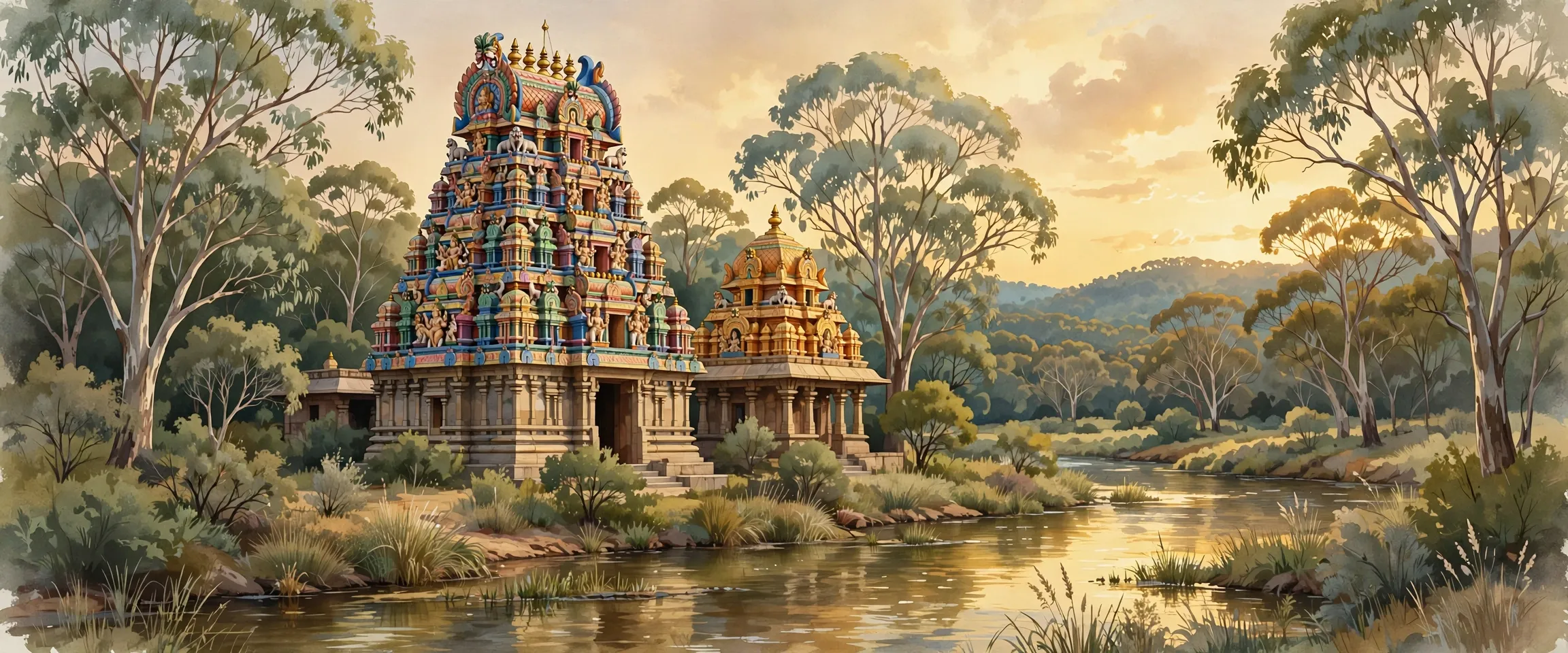
Sri Selva Vinayakar Koyil is a Tamil Hindu temple dedicated to Ganesha at South Maclean, about 35 km south of Brisbane, described as Queensland's first traditional Hindu temple. It grew from home prayer meetings begun in 1983, was consecrated on 5 February 1995, and was rebuilt on the same land with a new consecration on 1 May 2015.
- Punjabi name
- ਸ੍ਰੀ ਸੇਲਵਾ ਵਿਨਾਇਕਰ ਕੋਇਲ (ਗਣੇਸ਼ ਮੰਦਰ), ਸਾਊਥ ਮੈਕਲੀਨ, ਬ੍ਰਿਸਬੇਨ
- Country
- Australia
- City
- South Maclean, Logan City, Brisbane, Queensland, 4915-4923 Mount Lindesay Highway, QLD 4280
- Deity
- Vinayakar (Ganesha), central shrine; also Siva, Abirami (Parvati), Maha Vishnu, Murukan, Navagraha and Vairavar
- Architectural style
- Dravida (South Indian), built to Silpa Sastra and Agamas; gopuram and icons by builders and sculptors from South India
- Tradition
- Tamil Hindu; run by Hindu Ahlaya Sangam Queensland (formed 25 April 1986)
All 8 facts
- Land
- 4.5 acres of bushland at South Maclean near the Logan River, purchased 1990
- Consecrated
- 5 February 1995; rebuilt on the same site, Maha Kumbabishekam 1 May 2015
South of Brisbane, where the Mount Lindesay Highway runs through bushland near the Logan River, a colourful South Indian gopuram rises over the trees. Sri Selva Vinayakar Koyil at South Maclean is a Ganesha temple built by Queensland's Tamil Hindu community, and it is described as Queensland's first traditional Hindu temple. Its story starts not with stone but with monthly prayer meetings in family homes in 1983, and it reached a first consecration on 5 February 1995. The temple was later rebuilt on the same land, and its new Maha Kumbabishekam was held on 1 May 2015.
What is Sri Selva Vinayakar Koyil?
Sri Selva Vinayakar Koyil, also called the Ganesha Temple Brisbane, is a Hindu temple at 4915 to 4923 Mount Lindesay Highway, South Maclean, Queensland 4280, about 35 kilometres south of Brisbane. Vinayakar, another name for Ganesha, holds the central shrine. Around him are shrines for Siva, for Abirami (Parvati), for Maha Vishnu and for Murukan, with Navagraha and Vairavar near the entrance. The temple is run by Hindu Ahlaya Sangam Queensland, the community body formed in 1986, and it serves devotees across the Brisbane and Logan region as a place of worship, religious classes, music and dance.
How did a home prayer group become a temple?
The temple's own history, published by Hindu Ahlaya Sangam, begins with how recent Tamil migration to Queensland was. Before 1985 only a few Tamil families lived in the state. In 1983 Hindu families started monthly congregational prayers, first in homes and then at the SWARA Hall at Spring Hill, and those meetings continued as the congregation grew. A convening committee formed on 25 April 1986 and registered as Hindu Ahlaya Sangam, with its first management committee elected on 12 October 1986. From 1987 to 1990 the committees raised funds for land, and in 1990 they bought 4.5 acres of elevated bushland at South Maclean, close to the Logan River.
Planning consent, sought in July 1991, was granted through the Planning and Environment Courts in May 1992, and council approved the building plans that August. The foundation was laid on 10 June 1993. The main hall, the Maha Mandapam, was completed first, while deities, shrine doors, temple builders known as stapathies and three sculptors arrived from South India. Shrine construction began on 24 June 1994, and the finished temple was consecrated on 5 February 1995, in a traditional Kumbabishekam witnessed by hundreds of devotees and well wishers from other Australian states and territories.
What does the temple look like inside?
The temple was built in traditional Indian style following the Silpa Sastra and the Agamas, the texts that guide temple design and worship. Its gopuram, the ornamental entrance tower, and its icons were made by builders and sculptors invited from South India. In the layout recorded by Queensland Religious Places, Vinayakar's central shrine carries a vimanam, the tower over the sanctum, rising about 20 feet above ground level with its stupi on top. Siva sits to the right of the central shrine and Abirami to the left, while Vishnu and Murukan stand to the rear. Near the entrance are the Navagraha, the nine planetary deities, and Vairavar. Images also fill niches in the three walls around the central shrine, facing the prakara, the path used for walking around the shrine. Beside Siva are the four Tamil saints known as the Nalvar, cast in panchaloha, a five metal alloy, and a granite image of Sri Ramakrishna.
Why was the temple rebuilt in 2015?
Twenty years after the first consecration, the community rebuilt the temple on the same South Maclean site. The official history records the result simply: the temple was rebuilt in the same location and reopened to devotees, with the Maha Kumbabishekam, the great consecration ceremony, held on 1 May 2015. That second consecration renewed the shrines for a community that had grown far beyond the small group that first met in Brisbane homes in the 1980s. The temple's current site also looks ahead, with a further Kumbabishekam planned for 2027 listed among its upcoming events.
Visiting Sri Selva Vinayakar Koyil
The temple opens every day in two sessions. Its official site lists Monday to Friday darshan from 7:30 am to 12 noon and 5 pm to 8:30 pm, with morning pooja from 9 to 9:30 am and evening pooja from 7 to 7:30 pm, and longer morning hours on weekends. Visitors travel by car down the Mount Lindesay Highway to South Maclean, in Logan City; the bushland setting near the Logan River is part of the temple's character. As at other traditional temples, modest dress and removing shoes before entering the shrine area are the usual courtesies, and anyone planning a visit for a festival or a booked pooja should check the temple site first, since festival days run to their own programme.
ਬ੍ਰਿਸਬੇਨ ਦੇ ਦੱਖਣ ਵਿੱਚ, ਜਿੱਥੇ ਮਾਊਂਟ ਲਿੰਡਸੇ ਹਾਈਵੇ ਲੋਗਨ ਨਦੀ ਨੇੜੇ ਝਾੜੀ ਵਾਲੀ ਜ਼ਮੀਨ ਵਿੱਚੋਂ ਲੰਘਦਾ ਹੈ, ਦਰੱਖਤਾਂ ਉੱਤੇ ਇੱਕ ਰੰਗੀਨ ਦੱਖਣੀ ਭਾਰਤੀ ਗੋਪੁਰਮ ਉੱਠਦਾ ਹੈ ਸ੍ਰੀ ਸੇਲਵਾ ਵਿਨਾਇਕਰ ਕੋਇਲ, ਸਾਊਥ ਮੈਕਲੀਨ ਵਿਖੇ, ਕੁਈਨਜ਼ਲੈਂਡ ਦੀ ਤਮਿਲ ਹਿੰਦੂ ਸੰਗਤ ਵੱਲੋਂ ਬਣਾਇਆ ਗਣੇਸ਼ ਮੰਦਰ ਹੈ, ਅਤੇ ਇਸਨੂੰ ਕੁਈਨਜ਼ਲੈਂਡ ਦਾ ਪਹਿਲਾ ਪਰੰਪਰਾਗਤ ਹਿੰਦੂ ਮੰਦਰ ਕਿਹਾ ਜਾਂਦਾ ਹੈ ਇਸਦੀ ਕਹਾਣੀ ਪੱਥਰ ਤੋਂ ਨਹੀਂ, 1983 ਵਿੱਚ ਪਰਿਵਾਰਕ ਘਰਾਂ ਵਿੱਚ ਮਹੀਨਾਵਾਰ ਪ੍ਰਾਰਥਨਾ ਸਭਾਵਾਂ ਤੋਂ ਸ਼ੁਰੂ ਹੁੰਦੀ ਹੈ, ਅਤੇ 5 ਫਰਵਰੀ 1995 ਨੂੰ ਇਸਦੀ ਪਹਿਲੀ ਪ੍ਰਾਣ ਪ੍ਰਤਿਸ਼ਠਾ ਹੋਈ ਬਾਅਦ ਵਿੱਚ ਮੰਦਰ ਉਸੇ ਜ਼ਮੀਨ ਉੱਤੇ ਮੁੜ ਬਣਾਇਆ ਗਿਆ, ਅਤੇ ਇਸਦਾ ਨਵਾਂ ਮਹਾ ਕੁੰਭਾਭਿਸ਼ੇਕਮ 1 ਮਈ 2015 ਨੂੰ ਹੋਇਆ
ਸ੍ਰੀ ਸੇਲਵਾ ਵਿਨਾਇਕਰ ਕੋਇਲ ਕੀ ਹੈ?
ਸ੍ਰੀ ਸੇਲਵਾ ਵਿਨਾਇਕਰ ਕੋਇਲ, ਜਿਸਨੂੰ ਗਣੇਸ਼ ਮੰਦਰ ਬ੍ਰਿਸਬੇਨ ਵੀ ਕਿਹਾ ਜਾਂਦਾ ਹੈ, 4915 ਤੋਂ 4923 ਮਾਊਂਟ ਲਿੰਡਸੇ ਹਾਈਵੇ, ਸਾਊਥ ਮੈਕਲੀਨ, ਕੁਈਨਜ਼ਲੈਂਡ 4280 ਵਿਖੇ ਇੱਕ ਹਿੰਦੂ ਮੰਦਰ ਹੈ, ਜੋ ਬ੍ਰਿਸਬੇਨ ਤੋਂ ਲਗਭਗ 35 ਕਿਲੋਮੀਟਰ ਦੱਖਣ ਵਿੱਚ ਹੈ ਵਿਨਾਇਕਰ, ਗਣੇਸ਼ ਦਾ ਦੂਜਾ ਨਾਮ, ਕੇਂਦਰੀ ਮੰਦਰ ਵਿੱਚ ਵਿਰਾਜਮਾਨ ਹਨ ਉਨ੍ਹਾਂ ਦੇ ਆਲੇ ਦੁਆਲੇ ਸ਼ਿਵ, ਅਭਿਰਾਮੀ (ਪਾਰਵਤੀ), ਮਹਾ ਵਿਸ਼ਨੂੰ ਅਤੇ ਮੁਰੂਕਨ ਦੇ ਮੰਦਰ ਹਨ, ਅਤੇ ਪ੍ਰਵੇਸ਼ ਨੇੜੇ ਨਵਗ੍ਰਹਿ ਅਤੇ ਵੈਰਾਵਰ ਹਨ ਮੰਦਰ ਹਿੰਦੂ ਅਹਲਾਯਾ ਸੰਗਮ ਕੁਈਨਜ਼ਲੈਂਡ ਵੱਲੋਂ ਚਲਾਇਆ ਜਾਂਦਾ ਹੈ, ਜੋ 1986 ਵਿੱਚ ਬਣੀ ਸੰਗਤ ਸੰਸਥਾ ਹੈ, ਅਤੇ ਇਹ ਬ੍ਰਿਸਬੇਨ ਤੇ ਲੋਗਨ ਖੇਤਰ ਦੇ ਸ਼ਰਧਾਲੂਆਂ ਲਈ ਪੂਜਾ, ਧਾਰਮਿਕ ਕਲਾਸਾਂ, ਸੰਗੀਤ ਅਤੇ ਨਾਚ ਦੀ ਥਾਂ ਹੈ
ਘਰਾਂ ਦੀ ਪ੍ਰਾਰਥਨਾ ਸਭਾ ਮੰਦਰ ਕਿਵੇਂ ਬਣੀ?
ਮੰਦਰ ਦਾ ਆਪਣਾ ਇਤਿਹਾਸ, ਜੋ ਹਿੰਦੂ ਅਹਲਾਯਾ ਸੰਗਮ ਨੇ ਪ੍ਰਕਾਸ਼ਿਤ ਕੀਤਾ ਹੈ, ਇਸ ਗੱਲ ਤੋਂ ਸ਼ੁਰੂ ਹੁੰਦਾ ਹੈ ਕਿ ਕੁਈਨਜ਼ਲੈਂਡ ਵਿੱਚ ਤਮਿਲ ਪ੍ਰਵਾਸ ਕਿੰਨਾ ਤਾਜ਼ਾ ਸੀ 1985 ਤੋਂ ਪਹਿਲਾਂ ਰਾਜ ਵਿੱਚ ਸਿਰਫ ਕੁਝ ਤਮਿਲ ਪਰਿਵਾਰ ਰਹਿੰਦੇ ਸਨ 1983 ਵਿੱਚ ਹਿੰਦੂ ਪਰਿਵਾਰਾਂ ਨੇ ਮਹੀਨਾਵਾਰ ਸਾਂਝੀਆਂ ਪ੍ਰਾਰਥਨਾਵਾਂ ਸ਼ੁਰੂ ਕੀਤੀਆਂ, ਪਹਿਲਾਂ ਘਰਾਂ ਵਿੱਚ ਅਤੇ ਫਿਰ ਸਪਰਿੰਗ ਹਿੱਲ ਦੇ ਸਵਾਰਾ ਹਾਲ ਵਿੱਚ, ਅਤੇ ਸੰਗਤ ਵਧਣ ਨਾਲ ਇਹ ਸਭਾਵਾਂ ਜਾਰੀ ਰਹੀਆਂ 25 ਅਪ੍ਰੈਲ 1986 ਨੂੰ ਇੱਕ ਸੱਦਾ ਕਮੇਟੀ ਬਣੀ ਅਤੇ ਹਿੰਦੂ ਅਹਲਾਯਾ ਸੰਗਮ ਵਜੋਂ ਰਜਿਸਟਰ ਹੋਈ, ਅਤੇ ਇਸਦੀ ਪਹਿਲੀ ਪ੍ਰਬੰਧਕ ਕਮੇਟੀ 12 ਅਕਤੂਬਰ 1986 ਨੂੰ ਚੁਣੀ ਗਈ 1987 ਤੋਂ 1990 ਤੱਕ ਕਮੇਟੀਆਂ ਨੇ ਜ਼ਮੀਨ ਲਈ ਫੰਡ ਇਕੱਠੇ ਕੀਤੇ, ਅਤੇ 1990 ਵਿੱਚ ਉਨ੍ਹਾਂ ਨੇ ਲੋਗਨ ਨਦੀ ਨੇੜੇ ਸਾਊਥ ਮੈਕਲੀਨ ਵਿਖੇ 4.5 ਏਕੜ ਉੱਚੀ ਝਾੜੀ ਵਾਲੀ ਜ਼ਮੀਨ ਖਰੀਦੀ
ਜੁਲਾਈ 1991 ਵਿੱਚ ਮੰਗੀ ਯੋਜਨਾ ਮਨਜ਼ੂਰੀ ਮਈ 1992 ਵਿੱਚ ਯੋਜਨਾ ਅਤੇ ਵਾਤਾਵਰਣ ਅਦਾਲਤਾਂ ਰਾਹੀਂ ਮਿਲੀ, ਅਤੇ ਕੌਂਸਲ ਨੇ ਉਸ ਅਗਸਤ ਵਿੱਚ ਇਮਾਰਤ ਦੀਆਂ ਯੋਜਨਾਵਾਂ ਮਨਜ਼ੂਰ ਕੀਤੀਆਂ ਨੀਂਹ 10 ਜੂਨ 1993 ਨੂੰ ਰੱਖੀ ਗਈ ਮੁੱਖ ਹਾਲ, ਮਹਾ ਮੰਡਪਮ, ਪਹਿਲਾਂ ਪੂਰਾ ਹੋਇਆ, ਜਦਕਿ ਮੂਰਤੀਆਂ, ਮੰਦਰ ਦੇ ਦਰਵਾਜ਼ੇ, ਸਥਪਤੀ ਕਹਾਉਣ ਵਾਲੇ ਉਸਤਾਦ ਅਤੇ ਤਿੰਨ ਮੂਰਤੀਕਾਰ ਦੱਖਣੀ ਭਾਰਤ ਤੋਂ ਆਏ ਮੰਦਰਾਂ ਦੀ ਉਸਾਰੀ 24 ਜੂਨ 1994 ਨੂੰ ਸ਼ੁਰੂ ਹੋਈ, ਅਤੇ ਤਿਆਰ ਮੰਦਰ ਦੀ ਪ੍ਰਾਣ ਪ੍ਰਤਿਸ਼ਠਾ 5 ਫਰਵਰੀ 1995 ਨੂੰ ਪਰੰਪਰਾਗਤ ਕੁੰਭਾਭਿਸ਼ੇਕਮ ਨਾਲ ਹੋਈ, ਜਿਸਨੂੰ ਆਸਟ੍ਰੇਲੀਆ ਦੇ ਦੂਜੇ ਰਾਜਾਂ ਅਤੇ ਖੇਤਰਾਂ ਤੋਂ ਆਏ ਸੈਂਕੜੇ ਸ਼ਰਧਾਲੂਆਂ ਅਤੇ ਸ਼ੁਭਚਿੰਤਕਾਂ ਨੇ ਵੇਖਿਆ
ਮੰਦਰ ਅੰਦਰੋਂ ਕਿਹੋ ਜਿਹਾ ਹੈ?
ਮੰਦਰ ਪਰੰਪਰਾਗਤ ਭਾਰਤੀ ਸ਼ੈਲੀ ਵਿੱਚ ਸ਼ਿਲਪ ਸ਼ਾਸਤਰ ਅਤੇ ਆਗਮਾਂ ਅਨੁਸਾਰ ਬਣਾਇਆ ਗਿਆ, ਜੋ ਮੰਦਰ ਦੀ ਰੂਪ ਰੇਖਾ ਅਤੇ ਪੂਜਾ ਦੇ ਮਾਰਗਦਰਸ਼ਕ ਗ੍ਰੰਥ ਹਨ ਇਸਦਾ ਗੋਪੁਰਮ, ਸਜਾਵਟੀ ਪ੍ਰਵੇਸ਼ ਬੁਰਜ, ਅਤੇ ਇਸਦੀਆਂ ਮੂਰਤੀਆਂ ਦੱਖਣੀ ਭਾਰਤ ਤੋਂ ਸੱਦੇ ਗਏ ਉਸਤਾਦਾਂ ਅਤੇ ਮੂਰਤੀਕਾਰਾਂ ਨੇ ਬਣਾਈਆਂ ਕੁਈਨਜ਼ਲੈਂਡ ਰਿਲਿਜਸ ਪਲੇਸਿਜ਼ ਵਿੱਚ ਦਰਜ ਬਣਤਰ ਅਨੁਸਾਰ ਵਿਨਾਇਕਰ ਦੇ ਕੇਂਦਰੀ ਮੰਦਰ ਉੱਤੇ ਵਿਮਾਨਮ, ਗਰਭਗ੍ਰਹਿ ਉੱਤੇ ਬਣਿਆ ਬੁਰਜ, ਆਪਣੇ ਸਤੂਪੀ ਸਮੇਤ ਜ਼ਮੀਨ ਤੋਂ ਲਗਭਗ 20 ਫੁੱਟ ਉੱਚਾ ਹੈ ਸ਼ਿਵ ਕੇਂਦਰੀ ਮੰਦਰ ਦੇ ਸੱਜੇ ਪਾਸੇ ਅਤੇ ਅਭਿਰਾਮੀ ਖੱਬੇ ਪਾਸੇ ਵਿਰਾਜਮਾਨ ਹਨ, ਜਦਕਿ ਵਿਸ਼ਨੂੰ ਅਤੇ ਮੁਰੂਕਨ ਪਿਛਲੇ ਪਾਸੇ ਹਨ ਪ੍ਰਵੇਸ਼ ਨੇੜੇ ਨਵਗ੍ਰਹਿ, ਨੌਂ ਗ੍ਰਹਿ ਦੇਵਤੇ, ਅਤੇ ਵੈਰਾਵਰ ਹਨ ਕੇਂਦਰੀ ਮੰਦਰ ਦੇ ਆਲੇ ਦੁਆਲੇ ਤਿੰਨ ਕੰਧਾਂ ਦੇ ਆਲਿਆਂ ਵਿੱਚ ਵੀ ਮੂਰਤੀਆਂ ਹਨ, ਜੋ ਪ੍ਰਾਕਾਰ, ਮੰਦਰ ਦੇ ਆਲੇ ਦੁਆਲੇ ਘੁੰਮਣ ਵਾਲੇ ਰਾਹ, ਵੱਲ ਮੂੰਹ ਕਰਦੀਆਂ ਹਨ ਸ਼ਿਵ ਦੇ ਕੋਲ ਨਲਵਰ ਕਹਾਉਣ ਵਾਲੇ ਚਾਰ ਤਮਿਲ ਸੰਤ ਪੰਚਲੋਹਾ, ਪੰਜ ਧਾਤਾਂ ਦੇ ਮਿਸ਼ਰਣ, ਵਿੱਚ ਢਲੇ ਹਨ, ਅਤੇ ਸ੍ਰੀ ਰਾਮਕ੍ਰਿਸ਼ਨ ਦੀ ਗ੍ਰੇਨਾਈਟ ਮੂਰਤੀ ਹੈ
ਮੰਦਰ 2015 ਵਿੱਚ ਮੁੜ ਕਿਉਂ ਬਣਾਇਆ ਗਿਆ?
ਪਹਿਲੀ ਪ੍ਰਾਣ ਪ੍ਰਤਿਸ਼ਠਾ ਤੋਂ ਵੀਹ ਸਾਲ ਬਾਅਦ ਸੰਗਤ ਨੇ ਮੰਦਰ ਉਸੇ ਸਾਊਥ ਮੈਕਲੀਨ ਵਾਲੀ ਥਾਂ ਉੱਤੇ ਮੁੜ ਬਣਾਇਆ ਅਧਿਕਾਰਤ ਇਤਿਹਾਸ ਨਤੀਜਾ ਸਾਦਾ ਸ਼ਬਦਾਂ ਵਿੱਚ ਦਰਜ ਕਰਦਾ ਹੈ: ਮੰਦਰ ਉਸੇ ਥਾਂ ਉੱਤੇ ਮੁੜ ਬਣਾਇਆ ਗਿਆ ਅਤੇ ਸ਼ਰਧਾਲੂਆਂ ਲਈ ਖੋਲ੍ਹਿਆ ਗਿਆ, ਅਤੇ ਮਹਾ ਕੁੰਭਾਭਿਸ਼ੇਕਮ, ਵੱਡੀ ਪ੍ਰਾਣ ਪ੍ਰਤਿਸ਼ਠਾ ਰਸਮ, 1 ਮਈ 2015 ਨੂੰ ਹੋਈ ਇਸ ਦੂਜੀ ਪ੍ਰਤਿਸ਼ਠਾ ਨੇ ਉਸ ਸੰਗਤ ਲਈ ਮੰਦਰਾਂ ਨੂੰ ਨਵਿਆਇਆ ਜੋ 1980 ਵਿਆਂ ਵਿੱਚ ਬ੍ਰਿਸਬੇਨ ਦੇ ਘਰਾਂ ਵਿੱਚ ਮਿਲਣ ਵਾਲੇ ਛੋਟੇ ਸਮੂਹ ਨਾਲੋਂ ਬਹੁਤ ਵੱਡੀ ਹੋ ਚੁੱਕੀ ਸੀ ਮੰਦਰ ਦੀ ਮੌਜੂਦਾ ਸਾਈਟ ਅੱਗੇ ਵੱਲ ਵੀ ਵੇਖਦੀ ਹੈ, ਅਤੇ ਇਸਦੇ ਆਉਣ ਵਾਲੇ ਪ੍ਰੋਗਰਾਮਾਂ ਵਿੱਚ 2027 ਲਈ ਇੱਕ ਹੋਰ ਕੁੰਭਾਭਿਸ਼ੇਕਮ ਦਰਜ ਹੈ
ਸ੍ਰੀ ਸੇਲਵਾ ਵਿਨਾਇਕਰ ਕੋਇਲ ਦੇ ਦਰਸ਼ਨ
ਮੰਦਰ ਹਰ ਰੋਜ਼ ਦੋ ਸਮਿਆਂ ਵਿੱਚ ਖੁੱਲ੍ਹਦਾ ਹੈ ਇਸਦੀ ਅਧਿਕਾਰਤ ਸਾਈਟ ਸੋਮਵਾਰ ਤੋਂ ਸ਼ੁੱਕਰਵਾਰ ਦਰਸ਼ਨ ਸਵੇਰੇ 7:30 ਤੋਂ ਦੁਪਹਿਰ 12 ਵਜੇ ਤੱਕ ਅਤੇ ਸ਼ਾਮ 5 ਤੋਂ 8:30 ਤੱਕ ਦੱਸਦੀ ਹੈ, ਸਵੇਰ ਦੀ ਪੂਜਾ 9 ਤੋਂ 9:30 ਅਤੇ ਸ਼ਾਮ ਦੀ ਪੂਜਾ 7 ਤੋਂ 7:30 ਹੁੰਦੀ ਹੈ, ਅਤੇ ਹਫਤੇ ਦੇ ਅੰਤ ਵਿੱਚ ਸਵੇਰ ਦਾ ਸਮਾਂ ਲੰਬਾ ਹੁੰਦਾ ਹੈ ਆਉਣ ਵਾਲੇ ਕਾਰ ਰਾਹੀਂ ਮਾਊਂਟ ਲਿੰਡਸੇ ਹਾਈਵੇ ਉੱਤੇ ਸਾਊਥ ਮੈਕਲੀਨ, ਲੋਗਨ ਸਿਟੀ, ਪਹੁੰਚਦੇ ਹਨ; ਲੋਗਨ ਨਦੀ ਨੇੜੇ ਝਾੜੀ ਵਾਲਾ ਮਾਹੌਲ ਮੰਦਰ ਦੀ ਪਛਾਣ ਦਾ ਹਿੱਸਾ ਹੈ ਦੂਜੇ ਪਰੰਪਰਾਗਤ ਮੰਦਰਾਂ ਵਾਂਗ ਸਾਦੇ ਕੱਪੜੇ ਅਤੇ ਗਰਭਗ੍ਰਹਿ ਖੇਤਰ ਵਿੱਚ ਜਾਣ ਤੋਂ ਪਹਿਲਾਂ ਜੁੱਤੇ ਉਤਾਰਨਾ ਆਮ ਸਲੀਕਾ ਹੈ, ਅਤੇ ਤਿਉਹਾਰ ਜਾਂ ਬੁੱਕ ਕੀਤੀ ਪੂਜਾ ਲਈ ਆਉਣ ਵਾਲੇ ਪਹਿਲਾਂ ਮੰਦਰ ਦੀ ਸਾਈਟ ਵੇਖ ਲੈਣ, ਕਿਉਂਕਿ ਤਿਉਹਾਰਾਂ ਵਾਲੇ ਦਿਨਾਂ ਦਾ ਆਪਣਾ ਪ੍ਰੋਗਰਾਮ ਹੁੰਦਾ ਹੈ
More religion entries to explore
Sources
- Hindu Ahlaya Sangam Queensland, official temple site: history, deities, hours and address
- Queensland Religious Places: Sri Selva Vinayakar Temple, South Maclean (layout, vimanam, shrines)
- Inheritage Foundation: Heritage Sites in Queensland (first traditional Hindu temple dedicated to Ganesha, Dravida style)