
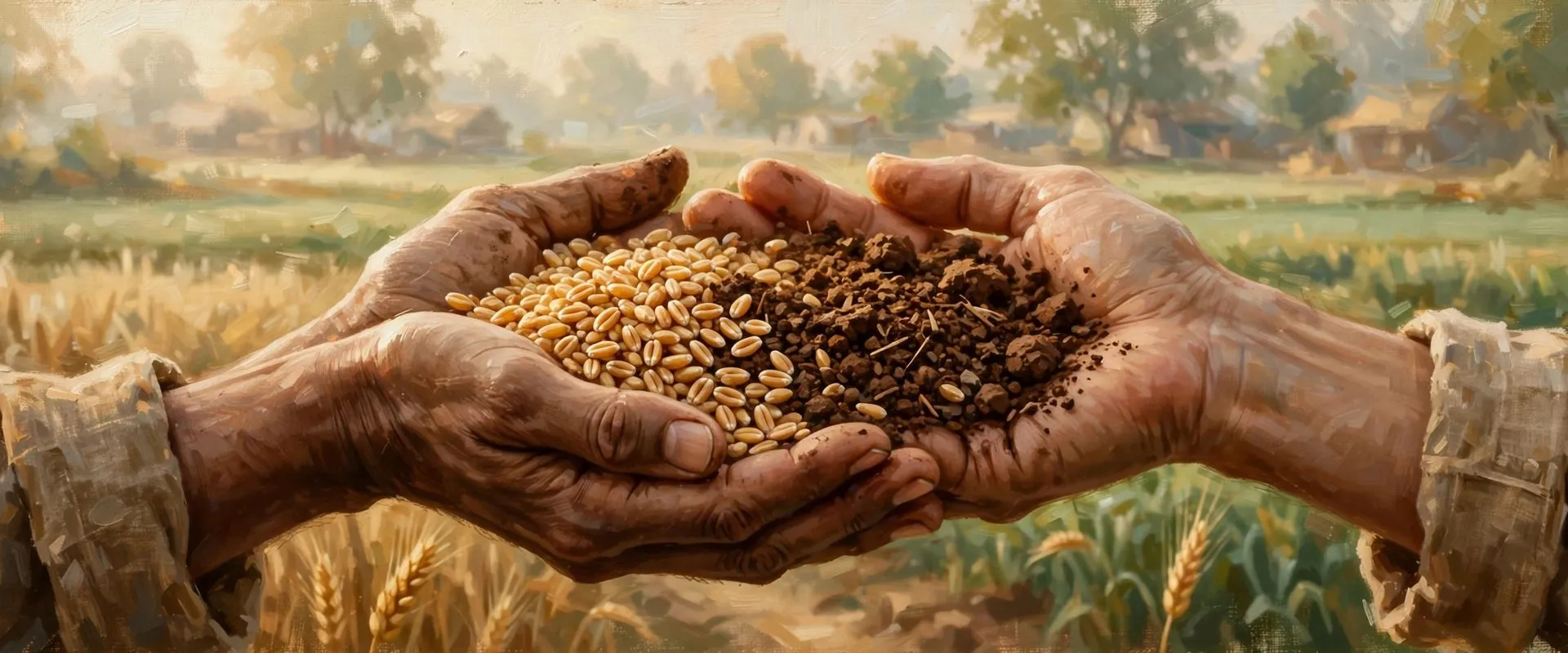
Hath (ਹੱਥ) is the Punjabi word for hand: the part at the end of the arm used for working, eating, writing and greeting. It is a masculine noun heard in daily speech across Punjab and the diaspora. It also carries wider senses of help, handiwork and control, as in hath vatauna, to lend a hand.
How it's used
- 1ਖਾਣਾ ਖਾਣ ਤੋਂ ਪਹਿਲਾਂ ਹੱਥ ਧੋ ਲਓWash your hands before eating. hath dhona: to wash the hands
- 2ਉਸਨੇ ਹੱਥ ਜੋੜ ਕੇ ਸਤਿ ਸ੍ਰੀ ਅਕਾਲ ਕਿਹਾHe joined his hands and said Sat Sri Akal. hath jorna: to join the hands
- 3ਮੇਰਾ ਹੱਥ ਫੜ ਕੇ ਚੱਲHold my hand and walk. hath farhna: to hold a hand
Show 1 more example
- 4ਇਹ ਕੰਮ ਮੇਰੇ ਹੱਥ ਵਿੱਚ ਹੈThis work is in my hands. hath vich: in hand, under control
ਹੱਥ (hath) ਪੰਜਾਬੀ ਵਿੱਚ ਬਾਂਹ ਦੇ ਸਿਰੇ ਵਾਲੇ ਅੰਗ ਦਾ ਨਾਂ ਹੈ, ਜਿਸ ਨਾਲ ਅਸੀਂ ਕੰਮ ਕਰਦੇ ਹਾਂ, ਖਾਂਦੇ ਹਾਂ ਅਤੇ ਲਿਖਦੇ ਹਾਂ ਇਹ ਪੁਲਿੰਗ ਸ਼ਬਦ ਹੈ ਰੋਜ਼ਾਨਾ ਬੋਲਚਾਲ ਵਿੱਚ ਹੱਥ ਵਟਾਉਣਾ ਦਾ ਅਰਥ ਹੈ ਮਦਦ ਕਰਨਾ, ਅਤੇ ਹੱਥ ਜੋੜਨਾ ਸਤਿਕਾਰ ਨਾਲ ਮਿਲਣ ਜਾਂ ਬੇਨਤੀ ਕਰਨ ਦਾ ਤਰੀਕਾ ਹੈ
Hath (ਹੱਥ) is the Punjabi word for hand, the part of the body at the end of the arm that we work, eat, write and greet with. It is a masculine noun, and it is one of the most common body words in the language. Beyond the body part itself, hath carries the wider sense of help, control and handiwork in everyday Punjabi speech.
Meaning
In its plain sense, hath is simply a hand. Dictionaries give ਹੱਥ as the Punjabi equivalent of the English word hand, and learners meet it early because so much daily life is described through the hands: washing them, joining them in greeting or prayer, raising them, and putting them to work. The plural is also hath, so context tells you whether one hand or both are meant.
How is hath used in everyday speech?
Help is the meaning Punjabis reach for most often after the body part itself. Hath vatauna means to lend a hand, to share someone's work, and the Kosh has a full entry for that phrase. Hath malna, rubbing the hands together, describes regret when a chance has slipped away, also covered in its own Kosh entry. Hath jorna, joining the hands, is the respectful greeting and the posture of a humble request. A job done by hand is hath da kamm, handwork, and something fully in your control may be described as being in your hath.
What does hath jorna mean?
Hath jorna means to join the hands, palms together. People do it when greeting an elder with respect, when praying, and when making a humble request or apology. The joined hands speak before any words do: they say the person comes with respect, not with pride.
Is hath only a body word?
No. Like hand in English, hath stretches well beyond anatomy. It stands for help in hath vatauna, for regret in hath malna, for skill in talk of handwork, and for control when something is said to be in someone's hands. Learning the plain word first makes all of those phrases easy to follow.
Related words
Sources (2)
Jugti is free and independent. Reader support keeps the Kosh growing.
Support