
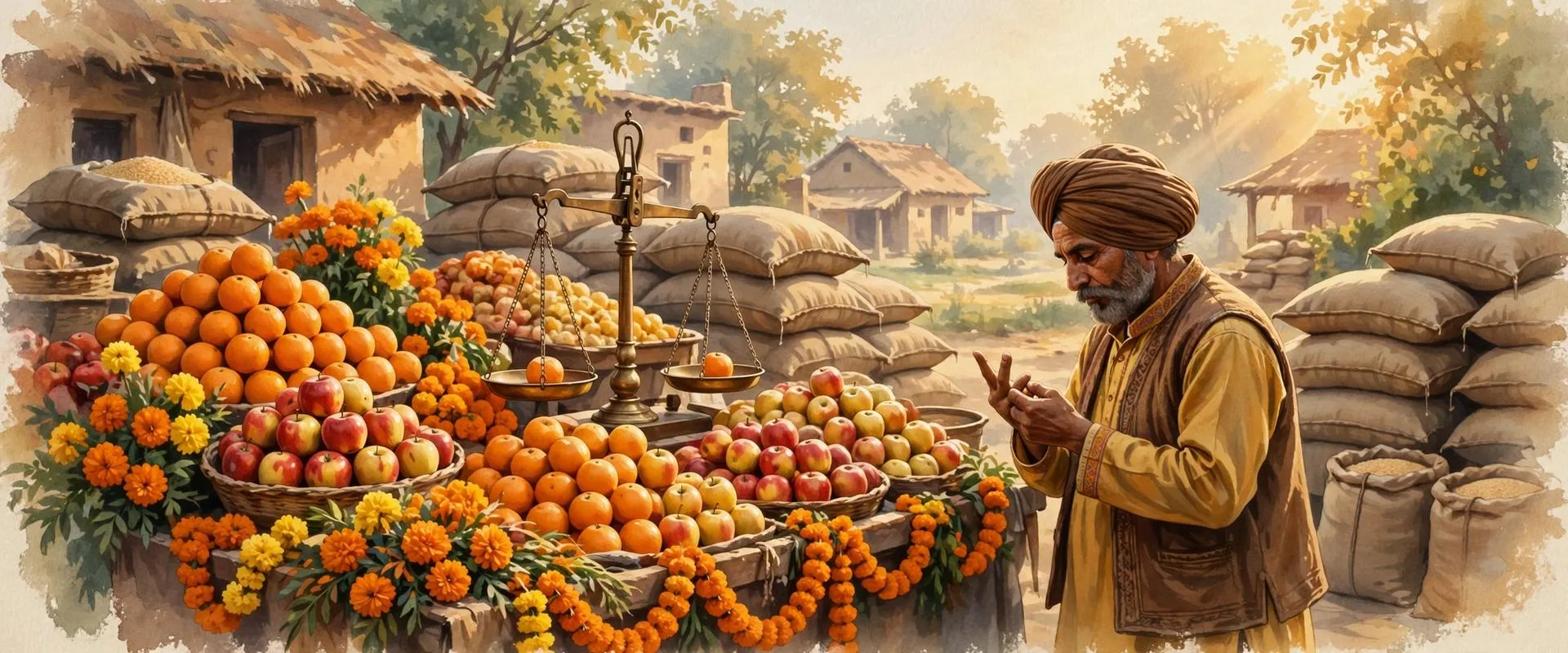
Punjabi numbers run ਇੱਕ (ikk, one) to ਸੌ (sau, a hundred), written in Gurmukhi digits ੧ to ੧੦੦. This guide gives every number from 1 to 100 with its pronunciation, plus the days of the week, the twelve Punjabi months and the ordinal numbers.
How it's used
- 1ਮੇਰੇ ਕੋਲ ਪੰਜ ਕਿਤਾਬਾਂ ਹਨI have five books. ਪੰਜ panj, five
- 2ਅੱਜ ਸੋਮਵਾਰ ਹੈToday is Monday. ਸੋਮਵਾਰ somvaar
- 3ਵੈਸਾਖੀ ਚੇਤ ਤੋਂ ਬਾਅਦ ਵੈਸਾਖ ਵਿੱਚ ਆਉਂਦੀ ਹੈVaisakhi comes in Vaisakh, after Chet. Months
ਪੰਜਾਬੀ ਗਿਣਤੀ ਇੱਕ ਤੋਂ ਸੌ ਤੱਕ ਗੁਰਮੁਖੀ ਅੰਕਾਂ ਵਿੱਚ ਲਿਖੀ ਜਾਂਦੀ ਹੈ: ੧, ੨, ੩ ਤੋਂ ਲੈ ਕੇ ੧੦੦ ਤੱਕ ਹਰ ਨੰਬਰ ਦਾ ਆਪਣਾ ਸ਼ਬਦ ਹੈ ਅਤੇ 21 ਤੋਂ 99 ਤੱਕ ਦੇ ਨੰਬਰ ਦਹਾਈਆਂ ਨਾਲ ਜੋੜ ਕੇ ਨਹੀਂ ਬਣਦੇ, ਇਸ ਲਈ ਹਰ ਨੰਬਰ ਵੱਖਰਾ ਯਾਦ ਕਰਨਾ ਪੈਂਦਾ ਹੈ 19, 29, 39 ਵਰਗੇ ਨੰਬਰ ਅਗਲੀ ਦਹਾਈ ਤੋਂ ਇੱਕ ਘੱਟ ਕਰਕੇ ਬਣਦੇ ਹਨ, ਜਿਵੇਂ 29 ਉਣੱਤੀ ਦਾ ਮਤਲਬ ਹੈ ਤੀਹ ਤੋਂ ਇੱਕ ਘੱਟ ਹਫ਼ਤੇ ਦੇ ਦਿਨ ਐਤਵਾਰ ਤੋਂ ਸ਼ਨੀਵਾਰ ਤੱਕ ਹੁੰਦੇ ਹਨ ਪੰਜਾਬੀ ਸਾਲ ਚੇਤ ਮਹੀਨੇ ਤੋਂ ਸ਼ੁਰੂ ਹੁੰਦਾ ਹੈ ਅਤੇ ਫੱਗਣ ਨਾਲ ਮੁੱਕਦਾ ਹੈ, ਕੁੱਲ ਬਾਰਾਂ ਮਹੀਨੇ ਗਿਣਤੀ ਸਿੱਖਣ ਨਾਲ ਬਜ਼ਾਰ ਵਿੱਚ ਭਾਅ, ਫ਼ੋਨ ਨੰਬਰ ਅਤੇ ਤਰੀਕਾਂ ਸਮਝਣੀਆਂ ਸੌਖੀਆਂ ਹੋ ਜਾਂਦੀਆਂ ਹਨ
Punjabi numbers are the first thing to learn after the alphabet, because you will use them every day: in prices at the mandi, in phone numbers, in dates and in the gurpurab calendar. Punjabi has its own Gurmukhi digits, ੦ ੧ ੨ ੩ ੪ ੫ ੬ ੭ ੮ ੯, which work exactly like the Western digits 0 to 9. Zero is ਸਿਫ਼ਰ (sifar), also called ਸੁੰਨ (sunn). Every Punjabi number from 1 to 100 has its own word, and unlike English, the numbers between 21 and 99 are mostly not built from the tens, so each one is learned as its own word. The good news is that they fall into families: numbers ending in the same digit sound alike, and the lists below are arranged so you can hear the pattern.
Punjabi numbers 1 to 10
੧ ਇੱਕ (ikk, 1) · ੨ ਦੋ (do, 2) · ੩ ਤਿੰਨ (tinn, 3) · ੪ ਚਾਰ (chaar, 4) · ੫ ਪੰਜ (panj, 5) · ੬ ਛੇ (chhe, 6) · ੭ ਸੱਤ (satt, 7) · ੮ ਅੱਠ (atth, 8) · ੯ ਨੌਂ (naun, 9) · ੧੦ ਦਸ (das, 10)
These ten are the foundation. Note that 3 ਤਿੰਨ (tinn) and 9 ਨੌਂ (naun) carry the nasal bindī, and that 10 ਦਸ (das) is also heard as ਦੱਸ (dass) in everyday speech. Once these are automatic, the teens follow.
Punjabi numbers 11 to 20
੧੧ ਗਿਆਰਾਂ (giaaraan, 11) · ੧੨ ਬਾਰਾਂ (baaraan, 12) · ੧੩ ਤੇਰਾਂ (teraan, 13) · ੧੪ ਚੌਦਾਂ (chaudaan, 14) · ੧੫ ਪੰਦਰਾਂ (pandraan, 15) · ੧੬ ਸੋਲਾਂ (solaan, 16) · ੧੭ ਸਤਾਰਾਂ (sataaraan, 17) · ੧੮ ਅਠਾਰਾਂ (athaaraan, 18) · ੧੯ ਉਨੀ (uni, 19) · ੨੦ ਵੀਹ (veeh, 20)
The teens mostly end in -ਆਂ (aan). The odd one out is 19 ਉਨੀ (uni), which is really "one short of twenty", the first of several numbers in Punjabi built by looking up at the next ten rather than back at the last one.
Punjabi numbers 21 to 50
੨੧ ਇੱਕੀ (ikki, 21) · ੨੨ ਬਾਈ (baai, 22) · ੨੩ ਤੇਈ (tei, 23) · ੨੪ ਚੌਵੀ (chauvi, 24) · ੨੫ ਪੱਚੀ (pachchi, 25) · ੨੬ ਛੱਬੀ (chhabbi, 26) · ੨੭ ਸਤਾਈ (sataai, 27) · ੨੮ ਅਠਾਈ (athaai, 28) · ੨੯ ਉਣੱਤੀ (unatti, 29) · ੩੦ ਤੀਹ (teeh, 30)
੩੧ ਇਕੱਤੀ (ikatti, 31) · ੩੨ ਬੱਤੀ (batti, 32) · ੩੩ ਤੇਤੀ (teti, 33) · ੩੪ ਚੌਂਤੀ (chaunti, 34) · ੩੫ ਪੈਂਤੀ (painti, 35) · ੩੬ ਛੱਤੀ (chhatti, 36) · ੩੭ ਸੈਂਤੀ (sainti, 37) · ੩੮ ਅਠੱਤੀ (athatti, 38) · ੩੯ ਉਣਤਾਲੀ (untaali, 39) · ੪੦ ਚਾਲੀ (chaali, 40)
੪੧ ਇਕਤਾਲੀ (iktaali, 41) · ੪੨ ਬਤਾਲੀ (bataali, 42) · ੪੩ ਤਰਤਾਲੀ (tartaali, 43) · ੪੪ ਚੌਤਾਲੀ (chautaali, 44) · ੪੫ ਪੰਜਤਾਲੀ (panjtaali, 45) · ੪੬ ਛਿਆਲੀ (chhiaali, 46) · ੪੭ ਸੰਤਾਲੀ (santaali, 47) · ੪੮ ਅੱਠਤਾਲੀ (athataali, 48) · ੪੯ ਉਣਿੰਜਾ (uninja, 49) · ੫੦ ਪੰਜਾਹ (panjaah, 50)
From 21 the pattern changes: each number is its own word, but the last digit leaves a fingerprint. The ones built on ਦੋ (two) start with ਬ, so 22 ਬਾਈ (baai), 32 ਬੱਤੀ (batti), 42 ਬਤਾਲੀ (bataali). The "one short" pattern returns at 29 ਉਣੱਤੀ (unatti), 39 ਉਣਤਾਲੀ (untaali) and 49 ਉਣਿੰਜਾ (uninja), where ਉਣ (un) means "less by one".
Punjabi numbers 51 to 100
੫੧ ਇਕਵਿੰਜਾ (ikvinja, 51) · ੫੨ ਬਵਿੰਜਾ (bavinja, 52) · ੫੩ ਤਰਵਿੰਜਾ (tarvinja, 53) · ੫੪ ਚਰਿੰਜਾ (charinja, 54) · ੫੫ ਪਚਵਿੰਜਾ (pachvinja, 55) · ੫੬ ਛਪਿੰਜਾ (chhapanja, 56) · ੫੭ ਸਤਵਿੰਜਾ (satvinja, 57) · ੫੮ ਅੱਠਵਿੰਜਾ (athvinja, 58) · ੫੯ ਉਣਾਠ (unaath, 59) · ੬੦ ਸੱਠ (satth, 60)
੬੧ ਇਕਾਹਠ (ikaahath, 61) · ੬੨ ਬਾਹਠ (baahath, 62) · ੬੩ ਤਰੇਠ (tareth, 63) · ੬੪ ਚੌਹਠ (chauhath, 64) · ੬੫ ਪੈਂਹਠ (painhath, 65) · ੬੬ ਛਿਆਹਠ (chhiaahath, 66) · ੬੭ ਸਤਾਹਠ (sataahath, 67) · ੬੮ ਅਠਾਹਠ (athaahath, 68) · ੬੯ ਉਣੱਤਰ (unattar, 69) · ੭੦ ਸੱਤਰ (sattar, 70)
੭੧ ਇਕੱਤਰ (ikattar, 71) · ੭੨ ਬਹੱਤਰ (bahattar, 72) · ੭੩ ਤਿਹੱਤਰ (tihattar, 73) · ੭੪ ਚੌਹੱਤਰ (chauhattar, 74) · ੭੫ ਪੰਜੱਤਰ (panjattar, 75) · ੭੬ ਛਿਹੱਤਰ (chhihattar, 76) · ੭੭ ਸਤੱਤਰ (satattar, 77) · ੭੮ ਅਠੱਤਰ (athattar, 78) · ੭੯ ਉਣਾਸੀ (unaasi, 79) · ੮੦ ਅੱਸੀ (assi, 80)
੮੧ ਇਕਾਸੀ (ikaasi, 81) · ੮੨ ਬਿਆਸੀ (biaasi, 82) · ੮੩ ਤਰਾਸੀ (taraasi, 83) · ੮੪ ਚਰਾਸੀ (charaasi, 84) · ੮੫ ਪੰਜਾਸੀ (panjaasi, 85) · ੮੬ ਛਿਆਸੀ (chhiaasi, 86) · ੮੭ ਸਤਾਸੀ (sataasi, 87) · ੮੮ ਅਠਾਸੀ (athaasi, 88) · ੮੯ ਉਣਾਨਵੇਂ (unaanvein, 89) · ੯੦ ਨੱਬੇ (nabbe, 90)
੯੧ ਇਕਾਨਵੇਂ (ikaanvein, 91) · ੯੨ ਬਿਆਨਵੇਂ (biaanvein, 92) · ੯੩ ਤਰਾਨਵੇਂ (taraanvein, 93) · ੯੪ ਚਰਾਨਵੇਂ (charaanvein, 94) · ੯੫ ਪਚਾਨਵੇਂ (pachaanvein, 95) · ੯੬ ਛਿਆਨਵੇਂ (chhiaanvein, 96) · ੯੭ ਸਤਾਨਵੇਂ (sataanvein, 97) · ੯੮ ਅਠਾਨਵੇਂ (athaanvein, 98) · ੯੯ ਨਿੜਾਨਵੇਂ (niraanvein, 99) · ੧੦੦ ਸੌ (sau, 100)
The fifties are the ਵਿੰਜਾ (vinja) family, from 50 ਪੰਜਾਹ (panjaah). The nineties end in -ਨਵੇਂ (navein), from 90 ਨੱਬੇ (nabbe). Beyond a hundred, Punjabi keeps building with ਸੌ (sau, hundred), ਹਜ਼ਾਰ (hazaar, thousand), ਲੱਖ (lakkh, one hundred thousand) and ਕਰੋੜ (karor, ten million), so 2026 is ਦੋ ਹਜ਼ਾਰ ਛੱਬੀ (do hazaar chhabbi).
Days of the week in Punjabi
Sunday: ਐਤਵਾਰ (aitvaar). Monday: ਸੋਮਵਾਰ (somvaar). Tuesday: ਮੰਗਲਵਾਰ (mangalvaar). Wednesday: ਬੁੱਧਵਾਰ (buddhvaar). Thursday: ਵੀਰਵਾਰ (veervaar). Friday: ਸ਼ੁੱਕਰਵਾਰ (shukkarvaar). Saturday: ਸ਼ਨੀਵਾਰ (shanivaar). Most day names are shared across North India, and ਵੀਰਵਾਰ for Thursday is the distinctly Punjabi form you will hear in Punjab and at the gurdwara.
The twelve Punjabi months
The Punjabi year of the Nanakshahi calendar begins with ਚੇਤ (Chet) in the middle of March. The months, with the fixed Gregorian spans of the Nanakshahi calendar, are: ਚੇਤ Chet (14 March to 13 April), ਵੈਸਾਖ Vaisakh (14 April to 14 May), ਜੇਠ Jeth (15 May to 14 June), ਹਾੜ Harh (15 June to 15 July), ਸਾਵਣ Sawan (16 July to 15 August), ਭਾਦੋਂ Bhadon (16 August to 14 September), ਅੱਸੂ Assu (15 September to 14 October), ਕੱਤਕ Kattak (15 October to 13 November), ਮੱਘਰ Maghar (14 November to 13 December), ਪੋਹ Poh (14 December to 12 January), ਮਾਘ Magh (13 January to 11 February) and ਫੱਗਣ Phaggan (12 February to 13 March). The first five months have 31 days and the rest 30, with Phaggan gaining a day in leap years. These are the fixed Nanakshahi dates used for gurpurabs; the older lunar desi calendar you may hear from elders gives dates that drift a little against them.
Ordinal numbers: first, second, third
For first, second and third, Punjabi uses special words: ਪਹਿਲਾ (pahila, first), ਦੂਜਾ (duja, second), ਤੀਜਾ (tija, third), ਚੌਥਾ (chautha, fourth). From fifth on, the pattern settles: ਪੰਜਵਾਂ (panjvaan, fifth), ਛੇਵਾਂ (chhevaan, sixth), ਸੱਤਵਾਂ (sattvaan, seventh), ਅੱਠਵਾਂ (athvaan, eighth), ਨੌਵਾਂ (nauvaan, ninth), ਦਸਵਾਂ (dasvaan, tenth). You will hear them in dates, floors of a building, positions in a race and classes at school.
Why Punjabi numbers feel different
English builds its numbers: twenty-one is twenty plus one. Punjabi mostly does not, so 21 ਇੱਕੀ (ikki), 22 ਬਾਈ (baai) and 23 ਤੇਈ (tei) must be learned as words in their own right, a little like English eleven and twelve. Two patterns help. The unit leaves a fingerprint: numbers built on two begin with ਬ, on three with ਤ, on five with ਪ, on eight with ਅਠ. And the "one less" family, 19 ਉਨੀ (uni), 29 ਉਣੱਤੀ (unatti), 39 ਉਣਤਾਲੀ (untaali), 49 ਉਣਿੰਜਾ (uninja), 59 ਉਣਾਠ (unaath), 69 ਉਣੱਤਰ (unattar), 79 ਉਣਾਸੀ (unaasi) and 89 ਉਣਾਨਵੇਂ (unaanvein), is counted by looking up to the next round ten. Learn 1 to 20 by heart, then walk the decades; most learners count freely within a few weeks. Three fraction words complete the everyday set, because Punjab runs on them: ਡੇਢ (derh, one and a half), ਢਾਈ (dhaai, two and a half), and ਸਾਢੇ (saade, used from three and a half up, so ਸਾਢੇ ਤਿੰਨ is three thirty and ਸਾਢੇ ਪੰਜ is five thirty). A quarter is ਸਵਾ (sava) going up, so ਸਵਾ ਚਾਰ is 4.15, and ਪੌਣੇ (paune) is a quarter short: ਪੌਣੇ ਪੰਜ is 4.45. You will hear all five in train times, shop prices and the weights at the sabzi cart within your first week of listening. From here, the natural companions are the Gurmukhi alphabet and the family terms, and the full route is in the Learn Punjabi guide.
How do you count to 10 in Punjabi?
You count: ਇੱਕ ikk (1), ਦੋ do (2), ਤਿੰਨ tinn (3), ਚਾਰ chaar (4), ਪੰਜ panj (5), ਛੇ chhe (6), ਸੱਤ satt (7), ਅੱਠ ath (8), ਨੌਂ naun (9), ਦਸ das (10). In Gurmukhi digits the same count is ੧ ੨ ੩ ੪ ੫ ੬ ੭ ੮ ੯ ੧੦.
What is 100 in Punjabi?
100 in Punjabi is ਸੌ (sau), written ੧੦੦ in Gurmukhi digits. Above it come ਹਜ਼ਾਰ (hazaar, 1,000), ਲੱਖ (lakkh, 100,000) and ਕਰੋੜ (karor, 10,000,000).
Why is 19 called uni in Punjabi?
Because Punjabi counts several numbers as "one less than" the next ten: 19 ਉਨੀ (uni) is one short of 20 ਵੀਹ (veeh), and the same pattern gives 29 ਉਣੱਤੀ (unatti), 39 ਉਣਤਾਲੀ (untaali) and 49 ਉਣਿੰਜਾ (uninja).
ਗਿਣਤੀ ਦਾ ਮਤਲਬ ਕੀ ਹੈ?
ਗਿਣਤੀ ਦਾ ਮਤਲਬ ਹੈ ਨੰਬਰ ਗਿਣਨੇ ਅਤੇ ਨੰਬਰਾਂ ਦੇ ਨਾਂ ਪੰਜਾਬੀ ਵਿੱਚ ਇੱਕ ਤੋਂ ਸੌ ਤੱਕ ਹਰ ਨੰਬਰ ਦਾ ਆਪਣਾ ਸ਼ਬਦ ਹੈ, ਜਿਵੇਂ ੧ ਇੱਕ, ੧੦ ਦਸ, ੫੦ ਪੰਜਾਹ ਅਤੇ ੧੦੦ ਸੌ
Related words
Sources (3)
Jugti is free and independent. Reader support keeps the Kosh growing.
Support