
US Proposes Ending 'Deference' to Earlier Approvals for H-1B Extensionsਅਮਰੀਕਾ ਦੀ ਤਜਵੀਜ਼: ਐੱਚ-1ਬੀ ਮਿਆਦ ਵਧਾਉਣ ਵੇਲੇ ਪਿਛਲੀ ਮਨਜ਼ੂਰੀ ਦਾ ਆਦਰ ਖ਼ਤਮ ਹੋਵੇ
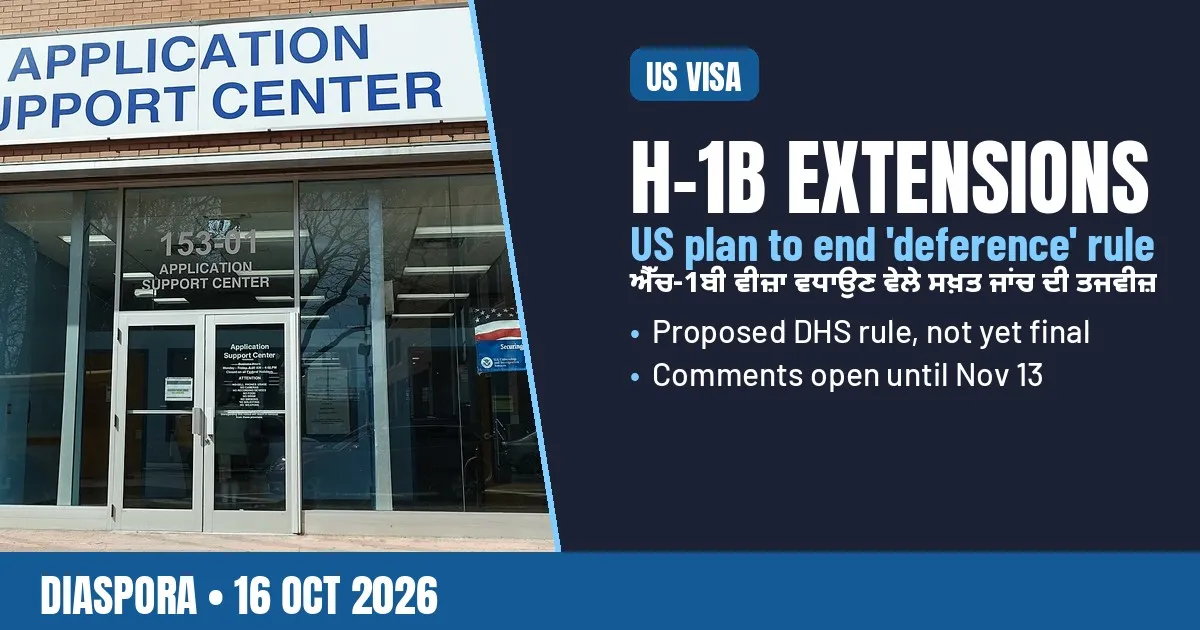
The US Department of Homeland Security has proposed scrapping a rule that tells immigration officers to generally trust earlier approvals when they review visa extensions, a change that could mean closer scrutiny for H-1B workers, a majority of whom are Indians. The proposal was published in the Federal Register on October 14 and is not yet in force. Public comments are open until November 13.
What is DHS proposing?
DHS, through US Citizenship and Immigration Services (USCIS), proposes to remove a regulation, 8 CFR 214.1(c)(5), that currently requires officers to defer to a prior eligibility decision when a Form I-129 petition involves the same parties and the same underlying facts. The exceptions are a material error, a material change or new material information, according to law firm Duane Morris and Mint. The notice, cited as 91 FR 65119, says the change would place the burden of proving eligibility squarely on the petitioner and strengthen the integrity of the immigration system.
Who would be affected?
Form I-129 covers H-1B, L-1, O-1, TN, E and P workers, among other categories. The change would most directly affect extensions with the same employer. Mint reported that Indians accounted for about 70 per cent of all H-1B beneficiaries in fiscal 2025, citing USCIS data. DHS estimates that deference applies to about 208,429 petitions a year, Duane Morris said.
What would change in practice?
Officers could still consider an earlier approval, but they would no longer start from a position of deference, the proposal says, as quoted by Mint. In effect, an extension would be reviewed afresh, much like a new petition. Duane Morris noted that this could mean more requests for evidence, with DHS projecting about 6,044 additional such requests a year, and longer waits. It said petitions that receive an evidence request took a median of 64 more days to decide.
That matters because a worker who timely files an extension with the same employer can generally keep working for up to 240 days after the authorised stay ends while the petition is pending. Longer processing raises the chance of a gap. DHS also estimates new annual costs to employers of about $133,987 from the extra evidence requests, Mint reported.
Why does DHS want the change?
DHS argues that deference shifts the burden from the petitioner to the officer and can carry forward approvals that were wrong or fraudulent. Mint, quoting the proposal, said the change would promote more complete adjudications and help protect US workers. The deference policy has a long history: a 2004 memo introduced it, USCIS rescinded it in 2017, reinstated it in 2021, and DHS codified it in December 2024, Duane Morris noted. This proposal would reverse that codification.
What else changed the same day?
Duane Morris said DHS released the proposal alongside a final rule ending automatic extensions of work permits for most employment authorisation documents. India West reported that this also affects H-4 spouses of H-1B workers.
Is the H-1B deference rule in force?
No. It is a proposed rule. The current regulation stays in effect until DHS publishes a final rule, and comments can be filed on regulations.gov under docket USCIS-2026-0529 until November 13.
Does this affect only H-1B workers?
No. It would apply to all petitions filed on Form I-129, including L-1, O-1, TN, E and P classifications, though H-1B extensions are the most watched in India.
What can workers and employers do now?
Duane Morris advises employers to prepare extensions as full filings that document eligibility afresh, start early, keep records of earlier petitions and consider premium processing. Workers should speak to their employer's immigration counsel.
ਅਮਰੀਕਾ ਦੇ ਗ੍ਰਹਿ ਸੁਰੱਖਿਆ ਵਿਭਾਗ (ਡੀਐੱਚਐੱਸ) ਨੇ ਉਹ ਨਿਯਮ ਖ਼ਤਮ ਕਰਨ ਦੀ ਤਜਵੀਜ਼ ਰੱਖੀ ਹੈ ਜੋ ਇਮੀਗ੍ਰੇਸ਼ਨ ਅਧਿਕਾਰੀਆਂ ਨੂੰ ਵੀਜ਼ਾ ਮਿਆਦ ਵਧਾਉਣ ਦੀਆਂ ਅਰਜ਼ੀਆਂ ਵੇਲੇ ਪਹਿਲੀਆਂ ਮਨਜ਼ੂਰੀਆਂ ਉੱਤੇ ਆਮ ਤੌਰ ਉੱਤੇ ਭਰੋਸਾ ਕਰਨ ਲਈ ਕਹਿੰਦਾ ਹੈ। ਇਸ ਨਾਲ ਐੱਚ-1ਬੀ ਕਾਮਿਆਂ ਦੀ ਪੜਤਾਲ ਹੋਰ ਸਖ਼ਤ ਹੋ ਸਕਦੀ ਹੈ, ਜਿਨ੍ਹਾਂ ਵਿੱਚ ਵੱਡੀ ਗਿਣਤੀ ਭਾਰਤੀਆਂ ਦੀ ਹੈ। ਇਹ ਤਜਵੀਜ਼ 14 ਅਕਤੂਬਰ ਨੂੰ ਫ਼ੈਡਰਲ ਰਜਿਸਟਰ ਵਿੱਚ ਛਪੀ ਹੈ ਅਤੇ ਹਾਲੇ ਲਾਗੂ ਨਹੀਂ ਹੋਈ। ਜਨਤਕ ਟਿੱਪਣੀਆਂ 13 ਨਵੰਬਰ ਤੱਕ ਲਈਆਂ ਜਾਣਗੀਆਂ।
ਡੀਐੱਚਐੱਸ ਕੀ ਤਜਵੀਜ਼ ਰੱਖ ਰਿਹਾ ਹੈ?
ਅਮਰੀਕੀ ਨਾਗਰਿਕਤਾ ਤੇ ਇਮੀਗ੍ਰੇਸ਼ਨ ਸੇਵਾਵਾਂ (ਯੂਐੱਸਸੀਆਈਐੱਸ) ਰਾਹੀਂ ਡੀਐੱਚਐੱਸ ਨੇ ਨਿਯਮ 8 ਸੀਐੱਫ਼ਆਰ 214.1(c)(5) ਹਟਾਉਣ ਦੀ ਤਜਵੀਜ਼ ਦਿੱਤੀ ਹੈ। ਇਹ ਨਿਯਮ ਹੁਣ ਅਧਿਕਾਰੀਆਂ ਨੂੰ ਪਾਬੰਦ ਕਰਦਾ ਹੈ ਕਿ ਜਦੋਂ ਫ਼ਾਰਮ ਆਈ-129 ਦੀ ਅਰਜ਼ੀ ਵਿੱਚ ਇੱਕੋ ਧਿਰਾਂ ਤੇ ਇੱਕੋ ਤੱਥ ਹੋਣ ਤਾਂ ਉਹ ਪਿਛਲੇ ਫ਼ੈਸਲੇ ਦਾ ਆਦਰ ਕਰਨ। ਕਾਨੂੰਨੀ ਫ਼ਰਮ ਡੁਏਨ ਮੌਰਿਸ ਅਤੇ ਮਿੰਟ ਮੁਤਾਬਕ ਅਪਵਾਦ ਸਿਰਫ਼ ਵੱਡੀ ਗ਼ਲਤੀ, ਵੱਡੀ ਤਬਦੀਲੀ ਜਾਂ ਨਵੀਂ ਅਹਿਮ ਜਾਣਕਾਰੀ ਦੇ ਹਨ। 91 ਐੱਫ਼ਆਰ 65119 ਵਜੋਂ ਦਰਜ ਨੋਟਿਸ ਮੁਤਾਬਕ ਇਸ ਬਦਲਾਅ ਨਾਲ ਯੋਗਤਾ ਸਾਬਤ ਕਰਨ ਦਾ ਬੋਝ ਪੂਰੀ ਤਰ੍ਹਾਂ ਅਰਜ਼ੀਕਾਰ ਉੱਤੇ ਹੋਵੇਗਾ ਅਤੇ ਇਮੀਗ੍ਰੇਸ਼ਨ ਪ੍ਰਣਾਲੀ ਦੀ ਸਾਖ਼ ਮਜ਼ਬੂਤ ਹੋਵੇਗੀ।
ਕਿਨ੍ਹਾਂ ਉੱਤੇ ਅਸਰ ਪਵੇਗਾ?
ਫ਼ਾਰਮ ਆਈ-129 ਵਿੱਚ ਐੱਚ-1ਬੀ, ਐੱਲ-1, ਓ-1, ਟੀਐੱਨ, ਈ ਅਤੇ ਪੀ ਸਮੇਤ ਕਈ ਸ਼੍ਰੇਣੀਆਂ ਦੇ ਕਾਮੇ ਆਉਂਦੇ ਹਨ। ਇਸ ਬਦਲਾਅ ਦਾ ਸਭ ਤੋਂ ਸਿੱਧਾ ਅਸਰ ਉਸੇ ਮਾਲਕ ਨਾਲ ਮਿਆਦ ਵਧਾਉਣ ਦੀਆਂ ਅਰਜ਼ੀਆਂ ਉੱਤੇ ਪਵੇਗਾ। ਮਿੰਟ ਨੇ ਯੂਐੱਸਸੀਆਈਐੱਸ ਦੇ ਅੰਕੜਿਆਂ ਦੇ ਹਵਾਲੇ ਨਾਲ ਦੱਸਿਆ ਕਿ 2025 ਦੇ ਵਿੱਤੀ ਸਾਲ ਵਿੱਚ ਐੱਚ-1ਬੀ ਲਾਭਪਾਤਰੀਆਂ ਵਿੱਚ ਭਾਰਤੀਆਂ ਦਾ ਹਿੱਸਾ ਲਗਭਗ 70 ਫ਼ੀਸਦੀ ਸੀ। ਡੁਏਨ ਮੌਰਿਸ ਮੁਤਾਬਕ ਡੀਐੱਚਐੱਸ ਦਾ ਅੰਦਾਜ਼ਾ ਹੈ ਕਿ ਹਰ ਸਾਲ ਲਗਭਗ 2,08,429 ਅਰਜ਼ੀਆਂ ਵਿੱਚ ਇਹ ਪਿਛਲੀ ਮਨਜ਼ੂਰੀ ਦਾ ਆਦਰ ਲਾਗੂ ਹੁੰਦਾ ਹੈ।
ਅਮਲ ਵਿੱਚ ਕੀ ਬਦਲੇਗਾ?
ਤਜਵੀਜ਼ ਮੁਤਾਬਕ, ਜਿਵੇਂ ਮਿੰਟ ਨੇ ਹਵਾਲਾ ਦਿੱਤਾ, ਅਧਿਕਾਰੀ ਪਹਿਲੀ ਮਨਜ਼ੂਰੀ ਨੂੰ ਵਿਚਾਰ ਤਾਂ ਸਕਣਗੇ, ਪਰ ਉਹ ਹੁਣ ਆਦਰ ਦੀ ਸਥਿਤੀ ਤੋਂ ਸ਼ੁਰੂ ਨਹੀਂ ਕਰਨਗੇ। ਅਸਲ ਵਿੱਚ ਮਿਆਦ ਵਧਾਉਣ ਦੀ ਅਰਜ਼ੀ ਦੀ ਨਵੇਂ ਸਿਰੇ ਤੋਂ ਜਾਂਚ ਹੋਵੇਗੀ, ਨਵੀਂ ਅਰਜ਼ੀ ਵਾਂਗ। ਡੁਏਨ ਮੌਰਿਸ ਨੇ ਦੱਸਿਆ ਕਿ ਇਸ ਨਾਲ ਹੋਰ ਸਬੂਤ ਮੰਗਣ ਵਾਲੇ ਨੋਟਿਸ ਆ ਸਕਦੇ ਹਨ, ਜਿਨ੍ਹਾਂ ਦੀ ਗਿਣਤੀ ਡੀਐੱਚਐੱਸ ਮੁਤਾਬਕ ਹਰ ਸਾਲ ਲਗਭਗ 6,044 ਵਧੇਗੀ, ਅਤੇ ਉਡੀਕ ਲੰਮੀ ਹੋ ਸਕਦੀ ਹੈ। ਫ਼ਰਮ ਮੁਤਾਬਕ ਜਿਨ੍ਹਾਂ ਅਰਜ਼ੀਆਂ ਉੱਤੇ ਸਬੂਤ ਮੰਗਣ ਦਾ ਨੋਟਿਸ ਆਇਆ, ਉਨ੍ਹਾਂ ਦੇ ਫ਼ੈਸਲੇ ਵਿੱਚ ਔਸਤਨ 64 ਦਿਨ ਹੋਰ ਲੱਗੇ।
ਇਹ ਇਸ ਲਈ ਅਹਿਮ ਹੈ ਕਿਉਂਕਿ ਜੋ ਕਾਮਾ ਉਸੇ ਮਾਲਕ ਨਾਲ ਸਮੇਂ ਸਿਰ ਮਿਆਦ ਵਧਾਉਣ ਦੀ ਅਰਜ਼ੀ ਦਾਖ਼ਲ ਕਰਦਾ ਹੈ, ਉਹ ਆਮ ਤੌਰ ਉੱਤੇ ਅਰਜ਼ੀ ਲੰਬਿਤ ਰਹਿਣ ਦੌਰਾਨ ਅਧਿਕਾਰਤ ਠਹਿਰ ਖ਼ਤਮ ਹੋਣ ਮਗਰੋਂ 240 ਦਿਨ ਤੱਕ ਕੰਮ ਕਰਦਾ ਰਹਿ ਸਕਦਾ ਹੈ। ਪ੍ਰਕਿਰਿਆ ਲੰਮੀ ਹੋਣ ਨਾਲ ਪਾੜੇ ਦਾ ਖ਼ਤਰਾ ਵਧਦਾ ਹੈ। ਮਿੰਟ ਮੁਤਾਬਕ ਡੀਐੱਚਐੱਸ ਦਾ ਇਹ ਵੀ ਅੰਦਾਜ਼ਾ ਹੈ ਕਿ ਵਾਧੂ ਸਬੂਤ ਮੰਗਣ ਕਾਰਨ ਮਾਲਕਾਂ ਉੱਤੇ ਹਰ ਸਾਲ ਲਗਭਗ 1,33,987 ਡਾਲਰ ਦਾ ਨਵਾਂ ਖ਼ਰਚਾ ਪਵੇਗਾ।
ਡੀਐੱਚਐੱਸ ਇਹ ਬਦਲਾਅ ਕਿਉਂ ਚਾਹੁੰਦਾ ਹੈ?
ਡੀਐੱਚਐੱਸ ਦਾ ਤਰਕ ਹੈ ਕਿ ਇਹ ਆਦਰ ਬੋਝ ਅਰਜ਼ੀਕਾਰ ਤੋਂ ਹਟਾ ਕੇ ਅਧਿਕਾਰੀ ਉੱਤੇ ਪਾ ਦਿੰਦਾ ਹੈ ਅਤੇ ਗ਼ਲਤ ਜਾਂ ਧੋਖੇ ਨਾਲ ਮਿਲੀਆਂ ਮਨਜ਼ੂਰੀਆਂ ਅੱਗੇ ਚੱਲਦੀਆਂ ਰਹਿ ਸਕਦੀਆਂ ਹਨ। ਮਿੰਟ ਨੇ ਤਜਵੀਜ਼ ਦੇ ਹਵਾਲੇ ਨਾਲ ਦੱਸਿਆ ਕਿ ਇਸ ਨਾਲ ਪੂਰੀ ਪੜਤਾਲ ਹੋਵੇਗੀ ਅਤੇ ਅਮਰੀਕੀ ਕਾਮਿਆਂ ਦੀ ਸੁਰੱਖਿਆ ਵਿੱਚ ਮਦਦ ਮਿਲੇਗੀ। ਇਸ ਨੀਤੀ ਦਾ ਲੰਮਾ ਇਤਿਹਾਸ ਹੈ: 2004 ਦੇ ਇੱਕ ਮੈਮੋ ਨੇ ਇਹ ਸ਼ੁਰੂ ਕੀਤੀ, 2017 ਵਿੱਚ ਯੂਐੱਸਸੀਆਈਐੱਸ ਨੇ ਇਸ ਨੂੰ ਵਾਪਸ ਲਿਆ, 2021 ਵਿੱਚ ਬਹਾਲ ਕੀਤਾ ਅਤੇ ਦਸੰਬਰ 2024 ਵਿੱਚ ਡੀਐੱਚਐੱਸ ਨੇ ਇਸ ਨੂੰ ਨਿਯਮ ਦਾ ਰੂਪ ਦਿੱਤਾ, ਡੁਏਨ ਮੌਰਿਸ ਮੁਤਾਬਕ। ਮੌਜੂਦਾ ਤਜਵੀਜ਼ ਉਸ ਫ਼ੈਸਲੇ ਨੂੰ ਪਲਟ ਦੇਵੇਗੀ।
ਉਸੇ ਦਿਨ ਹੋਰ ਕੀ ਬਦਲਿਆ?
ਡੁਏਨ ਮੌਰਿਸ ਮੁਤਾਬਕ ਡੀਐੱਚਐੱਸ ਨੇ ਇਹ ਤਜਵੀਜ਼ ਇੱਕ ਅੰਤਿਮ ਨਿਯਮ ਦੇ ਨਾਲ ਹੀ ਜਾਰੀ ਕੀਤੀ, ਜੋ ਜ਼ਿਆਦਾਤਰ ਰੁਜ਼ਗਾਰ ਮਨਜ਼ੂਰੀ ਦਸਤਾਵੇਜ਼ਾਂ ਦੀ ਆਪਣੇ-ਆਪ ਮਿਆਦ ਵਧਣ ਦੀ ਸਹੂਲਤ ਖ਼ਤਮ ਕਰਦਾ ਹੈ। ਇੰਡੀਆ ਵੈਸਟ ਨੇ ਦੱਸਿਆ ਕਿ ਇਸ ਦਾ ਅਸਰ ਐੱਚ-1ਬੀ ਕਾਮਿਆਂ ਦੇ ਐੱਚ-4 ਜੀਵਨ ਸਾਥੀਆਂ ਉੱਤੇ ਵੀ ਪੈਂਦਾ ਹੈ।
ਕੀ ਐੱਚ-1ਬੀ ਆਦਰ ਵਾਲਾ ਨਿਯਮ ਲਾਗੂ ਹੋ ਗਿਆ ਹੈ?
ਨਹੀਂ। ਇਹ ਸਿਰਫ਼ ਤਜਵੀਜ਼ ਹੈ। ਡੀਐੱਚਐੱਸ ਦੇ ਅੰਤਿਮ ਨਿਯਮ ਛਾਪਣ ਤੱਕ ਮੌਜੂਦਾ ਨਿਯਮ ਲਾਗੂ ਰਹੇਗਾ, ਅਤੇ 13 ਨਵੰਬਰ ਤੱਕ regulations.gov ਉੱਤੇ ਡੌਕੇਟ ਯੂਐੱਸਸੀਆਈਐੱਸ-2026-0529 ਹੇਠ ਟਿੱਪਣੀਆਂ ਦਿੱਤੀਆਂ ਜਾ ਸਕਦੀਆਂ ਹਨ।
ਕੀ ਇਹ ਸਿਰਫ਼ ਐੱਚ-1ਬੀ ਕਾਮਿਆਂ ਉੱਤੇ ਲਾਗੂ ਹੈ?
ਨਹੀਂ। ਇਹ ਫ਼ਾਰਮ ਆਈ-129 ਹੇਠ ਦਾਖ਼ਲ ਹਰ ਅਰਜ਼ੀ ਉੱਤੇ ਲਾਗੂ ਹੋਵੇਗਾ, ਜਿਸ ਵਿੱਚ ਐੱਲ-1, ਓ-1, ਟੀਐੱਨ, ਈ ਅਤੇ ਪੀ ਸ਼੍ਰੇਣੀਆਂ ਵੀ ਸ਼ਾਮਲ ਹਨ, ਹਾਲਾਂਕਿ ਭਾਰਤ ਵਿੱਚ ਸਭ ਤੋਂ ਵੱਧ ਨਜ਼ਰ ਐੱਚ-1ਬੀ ਦੀਆਂ ਮਿਆਦ ਵਧਾਉਣ ਵਾਲੀਆਂ ਅਰਜ਼ੀਆਂ ਉੱਤੇ ਹੈ।
ਕਾਮੇ ਤੇ ਮਾਲਕ ਹੁਣ ਕੀ ਕਰ ਸਕਦੇ ਹਨ?
ਡੁਏਨ ਮੌਰਿਸ ਮਾਲਕਾਂ ਨੂੰ ਸਲਾਹ ਦਿੰਦੀ ਹੈ ਕਿ ਉਹ ਮਿਆਦ ਵਧਾਉਣ ਦੀਆਂ ਅਰਜ਼ੀਆਂ ਪੂਰੀਆਂ ਨਵੀਆਂ ਫ਼ਾਈਲਾਂ ਵਾਂਗ ਤਿਆਰ ਕਰਨ, ਜਲਦੀ ਸ਼ੁਰੂ ਕਰਨ, ਪਿਛਲੀਆਂ ਅਰਜ਼ੀਆਂ ਦਾ ਰਿਕਾਰਡ ਸੰਭਾਲ ਕੇ ਰੱਖਣ ਅਤੇ ਪ੍ਰੀਮੀਅਮ ਪ੍ਰੋਸੈਸਿੰਗ ਬਾਰੇ ਸੋਚਣ। ਕਾਮਿਆਂ ਨੂੰ ਆਪਣੇ ਮਾਲਕ ਦੇ ਇਮੀਗ੍ਰੇਸ਼ਨ ਵਕੀਲ ਨਾਲ ਗੱਲ ਕਰਨੀ ਚਾਹੀਦੀ ਹੈ।
Key facts
- DHS published the proposed rule in the Federal Register on October 14, 2026 (91 FR 65119).
- It would remove 8 CFR 214.1(c)(5), under which USCIS defers to prior approvals on the same facts.
- It would apply to all Form I-129 petitions, including H-1B and L-1; Indians were about 70% of H-1B beneficiaries in FY 2025.
- DHS estimates deference applies to about 208,429 petitions a year and projects roughly 6,044 more evidence requests.
- Public comments are due November 13, 2026; the current rule stays in force until a final rule is published.