
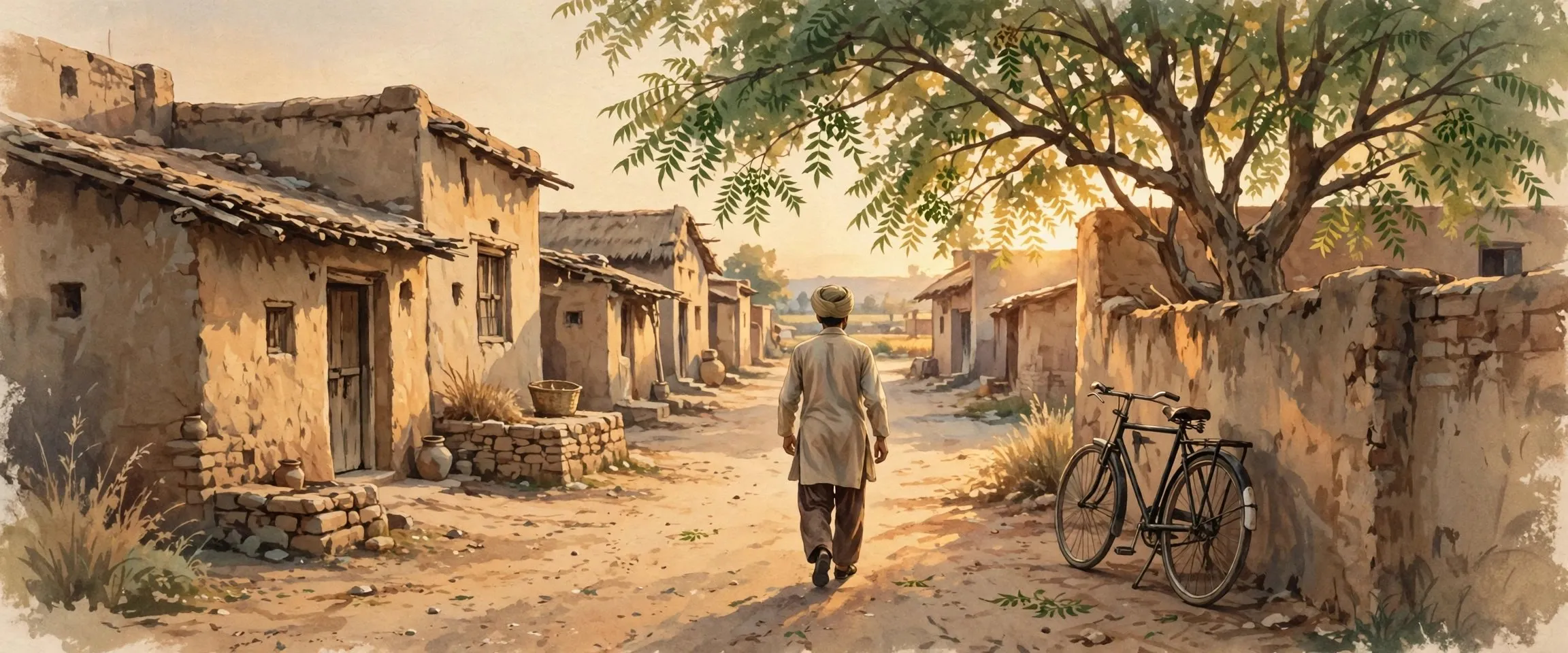
ਅਲੀ ਪੁਰ ਕਾ ਏਲੀ (1961) ਮੁਮਤਾਜ਼ ਮੁਫ਼ਤੀ ਦੇ ਜੀਵਨ ਦੇ ਪਹਿਲੇ ਹਿੱਸੇ ਦਾ ਹਿਸਾਬ ਹੈ, ਜੋ ਏਲੀ ਦੀ ਕਹਾਣੀ ਵਜੋਂ ਦੱਸਿਆ ਗਿਆ ਹੈ, ਇੱਕ ਨੌਜਵਾਨ ਜੋ ਪੰਜਾਬ ਦੇ ਛੋਟੇ ਕਸਬੇ ਅਲੀਪੁਰ ਅਤੇ ਫਿਰ ਲਾਹੌਰ ਵਿੱਚ ਵੱਡਾ ਹੁੰਦਾ ਹੈ। ਪਹਿਲਾਂ ਇਸ ਨੂੰ ਨਾਵਲ ਸਮਝਿਆ ਗਿਆ, ਬਾਅਦ ਵਿੱਚ ਇਹ ਖੁਲਾਸਾ ਹੋਇਆ ਕਿ ਇਹ ਮੁਫ਼ਤੀ ਦੀ ਆਪਣੀ ਸਵੈਜੀਵਨੀ ਹੈ, ਅਤੇ ਅੱਜ ਇਸ ਨੂੰ ਉਰਦੂ ਦੀਆਂ ਮਹਾਨ ਸਵੈਜੀਵਨੀ ਲਿਖਤਾਂ ਵਿੱਚੋਂ ਇੱਕ ਮੰਨਿਆ ਜਾਂਦਾ ਹੈ। ਇਹ ਉਸ ਦੇ ਸਕੂਲ ਦੇ ਦਿਨਾਂ, ਧਰਮ ਅਤੇ ਇੱਛਾ ਬਾਰੇ ਉਸ ਦੇ ਸਵਾਲਾਂ, ਅਤੇ ਆਪਣੇ ਪਿਤਾ ਅਤੇ ਸਮਾਜ ਨਾਲ ਉਸ ਦੀ ਟੱਕਰ ਨੂੰ ਦਰਸਾਉਂਦੀ ਹੈ, ਅਤੇ ਇਹ ਖੋਜ ਉਸ ਦੇ ਅਗਲੇ ਹਿੱਸੇ, ਅਲਖ ਨਗਰੀ, ਵਿੱਚ ਜਾਰੀ ਰਹਿੰਦੀ ਹੈ।
- ਪੰਜਾਬੀ ਨਾਂ
- علی پور کا ایلی
- ਲੇਖਕ
- ਮੁਮਤਾਜ਼ ਮੁਫ਼ਤੀ
- ਪਹਿਲੀ ਵਾਰ ਛਪੀ
- 1961
- ਭਾਸ਼ਾ
- ਉਰਦੂ
- ਰੂਪ
- ਸਵੈਜੀਵਨੀ, ਪਹਿਲਾਂ ਨਾਵਲ ਵਜੋਂ ਛਪੀ
- ਲੰਬਾਈ
- 1,188 ਸਫ਼ੇ (ਪਹਿਲਾ ਐਡੀਸ਼ਨ)
All 9 facts
- ਸਥਾਨ
- ਅਲੀਪੁਰ ਅਤੇ ਲਾਹੌਰ, ਪੰਜਾਬ
- ਅਗਲਾ ਹਿੱਸਾ
- ਅਲਖ ਨਗਰੀ (1992)
- ਹੋਰ ਸਪੈਲਿੰਗ
- Alipur Ka Aili, Alipur Ka Eli
ਪਾਤਰ
About the book
Ali Pur Ka Aeeli is Mumtaz Mufti's account of the first part of his life, told as the story of a young man called Aeeli growing up in the small Punjabi town of Alipur and then in Lahore. It was first published in Urdu in 1961, and readers took it for a novel. Thirty years later, in the 1991 edition, Mufti admitted it was his own life, the first volume of his autobiography, and the book's reputation only grew.
The book is long, 1,188 pages in its first edition, and it has no tidy plot. Instead it follows Aeeli through boyhood, school, first love, clashes with his father, and questions about God, sex and society that will not leave him alone. It is now regarded as one of the great autobiographical works in Urdu, and the best known of Mufti's books.
ਕਹਾਣੀ
Aeeli is a boy of Alipur, a small town in Punjab, and the book opens on his childhood there: the lanes, the school, the mosque and the house where his father rules. His father stands for authority and tradition, and the boy's struggle with him runs through the whole book, a quarrel between a son who wants to ask questions and a father who wants obedience.
As Aeeli grows, the book follows him through his schooldays in the towns of Punjab and then to Lahore, where he studies philosophy and economics. He falls in love, he argues with his teachers and his friends, he reads Freud and the European thinkers, and he tests every rule his world gives him, about religion, about women, about desire. Nothing is hidden: the book's honesty about the body and about doubt is what made it famous and what still startles readers.
The story does not end in triumph. It ends with a young man still searching, and the search continues in the book's sequel, Alakh Nagri, where Aeeli the lover becomes a devotee. Mufti himself described the two books as the two halves of his life: in the first half he discovered woman, in the second he discovered Qudrat Ullah Shahab, the writer and mystic who turned him towards Sufism.
ਕਿਤਾਬ ਬਾਰੇ
ਅਲੀ ਪੁਰ ਕਾ ਏਲੀ ਮੁਮਤਾਜ਼ ਮੁਫ਼ਤੀ ਦੇ ਜੀਵਨ ਦੇ ਪਹਿਲੇ ਹਿੱਸੇ ਦਾ ਹਿਸਾਬ ਹੈ, ਜੋ ਏਲੀ ਨਾਂ ਦੇ ਇੱਕ ਨੌਜਵਾਨ ਦੀ ਕਹਾਣੀ ਵਜੋਂ ਦੱਸਿਆ ਗਿਆ ਹੈ, ਜੋ ਪੰਜਾਬ ਦੇ ਛੋਟੇ ਕਸਬੇ ਅਲੀਪੁਰ ਅਤੇ ਫਿਰ ਲਾਹੌਰ ਵਿੱਚ ਵੱਡਾ ਹੁੰਦਾ ਹੈ। ਇਹ ਪਹਿਲੀ ਵਾਰ 1961 ਵਿੱਚ ਉਰਦੂ ਵਿੱਚ ਛਪੀ, ਅਤੇ ਪਾਠਕਾਂ ਨੇ ਇਸ ਨੂੰ ਨਾਵਲ ਸਮਝਿਆ। ਤੀਹ ਸਾਲ ਬਾਅਦ, 1991 ਦੇ ਐਡੀਸ਼ਨ ਵਿੱਚ, ਮੁਫ਼ਤੀ ਨੇ ਮੰਨਿਆ ਕਿ ਇਹ ਉਸ ਦਾ ਆਪਣਾ ਜੀਵਨ ਹੈ, ਉਸ ਦੀ ਸਵੈਜੀਵਨੀ ਦਾ ਪਹਿਲਾ ਹਿੱਸਾ, ਅਤੇ ਕਿਤਾਬ ਦੀ ਸ਼ੁਹਰਤ ਹੋਰ ਵਧ ਗਈ।
ਕਿਤਾਬ ਲੰਮੀ ਹੈ, ਪਹਿਲੇ ਐਡੀਸ਼ਨ ਵਿੱਚ 1,188 ਸਫ਼ੇ, ਅਤੇ ਇਸ ਵਿੱਚ ਕੋਈ ਸਾਫ਼ ਕਹਾਣੀ ਨਹੀਂ ਹੈ। ਇਸ ਦੀ ਥਾਂ ਇਹ ਏਲੀ ਦੇ ਬਚਪਨ, ਸਕੂਲ, ਪਹਿਲੇ ਪਿਆਰ, ਆਪਣੇ ਪਿਤਾ ਨਾਲ ਟੱਕਰ, ਅਤੇ ਰੱਬ, ਲਿੰਗਕਤਾ ਅਤੇ ਸਮਾਜ ਬਾਰੇ ਉਨ੍ਹਾਂ ਸਵਾਲਾਂ ਪਿੱਛੇ ਜਾਂਦੀ ਹੈ ਜੋ ਉਸ ਨੂੰ ਛੱਡਦੇ ਨਹੀਂ। ਅੱਜ ਇਸ ਨੂੰ ਉਰਦੂ ਦੀਆਂ ਮਹਾਨ ਸਵੈਜੀਵਨੀ ਲਿਖਤਾਂ ਵਿੱਚੋਂ ਇੱਕ ਮੰਨਿਆ ਜਾਂਦਾ ਹੈ, ਅਤੇ ਇਹ ਮੁਫ਼ਤੀ ਦੀ ਸਭ ਤੋਂ ਜਾਣੀ-ਪਛਾਣੀ ਕਿਤਾਬ ਹੈ।
ਕਹਾਣੀ
ਏਲੀ ਅਲੀਪੁਰ ਦਾ ਮੁੰਡਾ ਹੈ, ਪੰਜਾਬ ਦਾ ਇੱਕ ਛੋਟਾ ਕਸਬਾ, ਅਤੇ ਕਿਤਾਬ ਉਸ ਦੇ ਬਚਪਨ ਤੋਂ ਸ਼ੁਰੂ ਹੁੰਦੀ ਹੈ: ਗਲੀਆਂ, ਸਕੂਲ, ਮਸਜਿਦ ਅਤੇ ਉਹ ਘਰ ਜਿੱਥੇ ਉਸ ਦਾ ਪਿਤਾ ਹੁਕਮ ਚਲਾਉਂਦਾ ਹੈ। ਉਸ ਦਾ ਪਿਤਾ ਸੱਤਾ ਅਤੇ ਪਰੰਪਰਾ ਦਾ ਪ੍ਰਤੀਕ ਹੈ, ਅਤੇ ਪੁੱਤਰ ਦੀ ਉਸ ਨਾਲ ਲੜਾਈ ਪੂਰੀ ਕਿਤਾਬ ਵਿੱਚ ਚਲਦੀ ਹੈ, ਇੱਕ ਪੁੱਤਰ ਜੋ ਸਵਾਲ ਪੁੱਛਣਾ ਚਾਹੁੰਦਾ ਹੈ ਅਤੇ ਇੱਕ ਪਿਤਾ ਜੋ ਆਗਿਆਕਾਰੀ ਚਾਹੁੰਦਾ ਹੈ।
ਜਿਵੇਂ ਜਿਵੇਂ ਏਲੀ ਵੱਡਾ ਹੁੰਦਾ ਹੈ, ਕਿਤਾਬ ਉਸ ਦੇ ਪੰਜਾਬ ਦੇ ਕਸਬਿਆਂ ਵਿੱਚ ਸਕੂਲ ਦੇ ਦਿਨਾਂ ਅਤੇ ਫਿਰ ਲਾਹੌਰ ਪਿੱਛੇ ਜਾਂਦੀ ਹੈ, ਜਿੱਥੇ ਉਹ ਦਰਸ਼ਨ ਅਤੇ ਅਰਥ ਸ਼ਾਸਤਰ ਪੜ੍ਹਦਾ ਹੈ। ਉਹ ਪਿਆਰ ਵਿੱਚ ਪੈਂਦਾ ਹੈ, ਆਪਣੇ ਅਧਿਆਪਕਾਂ ਅਤੇ ਦੋਸਤਾਂ ਨਾਲ ਬਹਿਸ ਕਰਦਾ ਹੈ, ਫ਼ਰਾਇਡ ਅਤੇ ਯੂਰਪੀ ਵਿਚਾਰਕਾਂ ਨੂੰ ਪੜ੍ਹਦਾ ਹੈ, ਅਤੇ ਧਰਮ, ਔਰਤਾਂ ਅਤੇ ਇੱਛਾ ਬਾਰੇ ਹਰ ਨਿਯਮ ਨੂੰ ਪਰਖਦਾ ਹੈ ਜੋ ਉਸ ਦੀ ਦੁਨੀਆ ਉਸ ਨੂੰ ਦਿੰਦੀ ਹੈ। ਕੁਝ ਵੀ ਲੁਕਿਆ ਨਹੀਂ ਹੈ: ਸਰੀਰ ਅਤੇ ਸ਼ੰਕਾ ਬਾਰੇ ਕਿਤਾਬ ਦੀ ਇਮਾਨਦਾਰੀ ਹੀ ਹੈ ਜਿਸ ਨੇ ਇਸ ਨੂੰ ਮਸ਼ਹੂਰ ਕੀਤਾ ਅਤੇ ਜੋ ਅੱਜ ਵੀ ਪਾਠਕਾਂ ਨੂੰ ਹੈਰਾਨ ਕਰਦੀ ਹੈ।
ਕਹਾਣੀ ਜਿੱਤ ਵਿੱਚ ਖ਼ਤਮ ਨਹੀਂ ਹੁੰਦੀ। ਇਹ ਇੱਕ ਨੌਜਵਾਨ ਨਾਲ ਖ਼ਤਮ ਹੁੰਦੀ ਹੈ ਜੋ ਅਜੇ ਵੀ ਖੋਜ ਰਿਹਾ ਹੈ, ਅਤੇ ਇਹ ਖੋਜ ਕਿਤਾਬ ਦੇ ਅਗਲੇ ਹਿੱਸੇ, ਅਲਖ ਨਗਰੀ, ਵਿੱਚ ਜਾਰੀ ਰਹਿੰਦੀ ਹੈ, ਜਿੱਥੇ ਪ੍ਰੇਮੀ ਏਲੀ ਇੱਕ ਭਗਤ ਬਣ ਜਾਂਦਾ ਹੈ। ਮੁਫ਼ਤੀ ਖੁਦ ਦੋਹਾਂ ਕਿਤਾਬਾਂ ਨੂੰ ਆਪਣੇ ਜੀਵਨ ਦੇ ਦੋ ਹਿੱਸੇ ਦੱਸਦਾ ਸੀ: ਪਹਿਲੇ ਹਿੱਸੇ ਵਿੱਚ ਉਸ ਨੇ ਔਰਤ ਨੂੰ ਖੋਜਿਆ, ਦੂਜੇ ਵਿੱਚ ਉਸ ਨੇ ਕੁਦਰਤ ਉੱਲਾ ਸ਼ਹਾਬ ਨੂੰ ਖੋਜਿਆ, ਉਹ ਲੇਖਕ ਅਤੇ ਸੂਫ਼ੀ ਜਿਸ ਨੇ ਉਸ ਨੂੰ ਸੂਫ਼ੀਵਾਦ ਵੱਲ ਮੋੜਿਆ।
Why it caused a stir
When Ali Pur Ka Aeeli appeared in 1961, Urdu readers had not seen a book quite like it: a life told without varnish, with its desires and doubts on the page. Mufti hurried it into print so it could be considered for the Adamjee Literary Award that year, and the book was presented as a novel, since the prize had little time for autobiographies. The prize was judged to belong to Jamila Hashmi's novel Talash-e-Baharan instead, and the book became famous, in Ibn-e-Insha's phrase, as the one that did not win the Adamjee Award.
Critics called Mufti a psychological realist, a writer who looked at the inner life the way other writers looked at the outer world. The book's refusal to fit the shape of a novel also drew criticism, and Mufti took thirty years to agree with the critics who said it did not meet the demands of novel writing. That argument is part of the book's fame: it is a life that refused to be a novel, and a novel that turned out to be a life.
Is Ali Pur Ka Aeeli a novel or an autobiography?
It is both, and that is the honest answer. Mufti published it as a novel in 1961, with a hero called Aeeli who is plainly Mufti himself, and readers read it as fiction for thirty years. In the 1991 edition he revealed that it was the first part of his autobiography, and the sequel, Alakh Nagri (1992), is openly the second part. Readers today should take it as a life told in the shape of a story: the events are Mufti's own, told with a novelist's freedom.
From Freud to Sufism
The book is also the record of a mind changing. The young Mufti was a religious sceptic, shaped by Freud, Havelock Ellis, Alfred Adler and Dostoevsky, and his early stories shocked conservative readers. In later life he came back to Islam through Sufism, under the influence of Qudrat Ullah Shahab, and his later books, above all Alakh Nagri and his account of the Hajj, Labbaik, tell that second journey.
Ali Pur Ka Aeeli sits at the hinge of that change. It is the book of the sceptic and the lover, written before the turn, and that is why it reads so differently from the books that followed it. Together the two volumes tell one story: a man who challenged every taboo of his time, and then gave his life to faith.
ਲੇਖਕ
Mumtaz Mufti was born Mumtaz Husain on 11 September 1905 in Batala, in the Punjab of British India, the son of Mufti Muhammad Hussain. He was educated in Mianwali, Amritsar and Dera Ghazi Khan, and graduated in philosophy and economics from Islamia College, Lahore, in 1929. He worked as a schoolteacher and a civil servant, joined All India Radio, and after Partition in 1947 moved to Pakistan, where he worked for the Pakistan Air Force and Radio Azad Kashmir.
His first published fiction, the story Jhuki Jhuki Ankhen, appeared in 1932. Besides the two autobiographical volumes he wrote short stories, travel writing and essays, including Labbaik, his account of the Hajj. He won the Sitara-e-Imtiaz in 1986 and the Munshi Premchand Award in 1989, and died in Islamabad on 27 October 1995, aged 90.
ਵਿਰਾਸਤ
Ali Pur Ka Aeeli is still read and argued over, and it set a pattern for honest autobiographical writing in Urdu. His son Uxi Mufti set up the Mumtaz Mufti Trust after his death, and there is a road named after him in Multan. Readers who finish Aeeli usually go straight to Alakh Nagri, its second half, and to Labbaik, the pilgrimage book that closes the journey the two volumes begin.
ਇਸ ਨੇ ਹਲਚਲ ਕਿਉਂ ਮਚਾਈ
ਜਦੋਂ ਅਲੀ ਪੁਰ ਕਾ ਏਲੀ 1961 ਵਿੱਚ ਆਈ, ਤਾਂ ਉਰਦੂ ਪਾਠਕਾਂ ਨੇ ਇਸ ਵਰਗੀ ਕਿਤਾਬ ਪਹਿਲਾਂ ਨਹੀਂ ਵੇਖੀ ਸੀ: ਬਿਨਾਂ ਕਿਸੇ ਪਰਦੇ ਦੇ ਦੱਸਿਆ ਗਿਆ ਇੱਕ ਜੀਵਨ, ਜਿਸ ਦੀਆਂ ਇੱਛਾਵਾਂ ਅਤੇ ਸ਼ੰਕਾਵਾਂ ਸਫ਼ੇ ਉੱਤੇ ਸਨ। ਮੁਫ਼ਤੀ ਨੇ ਇਸ ਨੂੰ ਜਲਦੀ ਛਪਵਾਇਆ ਤਾਂ ਜੋ ਉਸ ਸਾਲ ਦੇ ਆਦਮਜੀ ਸਾਹਿਤਕ ਇਨਾਮ ਲਈ ਇਸ ਉੱਤੇ ਵਿਚਾਰ ਕੀਤਾ ਜਾ ਸਕੇ, ਅਤੇ ਕਿਤਾਬ ਨੂੰ ਨਾਵਲ ਵਜੋਂ ਪੇਸ਼ ਕੀਤਾ ਗਿਆ, ਕਿਉਂਕਿ ਇਨਾਮ ਨੂੰ ਸਵੈਜੀਵਨੀਆਂ ਦੀ ਬਹੁਤੀ ਪਰਵਾਹ ਨਹੀਂ ਸੀ। ਇਨਾਮ ਜਮੀਲਾ ਹਾਸ਼ਮੀ ਦੇ ਨਾਵਲ ਤਲਾਸ਼-ਏ-ਬਹਾਰਾਂ ਨੂੰ ਮਿਲਿਆ, ਅਤੇ ਕਿਤਾਬ ਇਬਨ-ਏ-ਇੰਸ਼ਾ ਦੇ ਸ਼ਬਦਾਂ ਵਿੱਚ, ਉਸ ਕਿਤਾਬ ਵਜੋਂ ਮਸ਼ਹੂਰ ਹੋ ਗਈ ਜਿਸ ਨੂੰ ਆਦਮਜੀ ਇਨਾਮ ਨਹੀਂ ਮਿਲਿਆ।
ਆਲੋਚਕਾਂ ਨੇ ਮੁਫ਼ਤੀ ਨੂੰ ਮਨੋਵਿਗਿਆਨਕ ਯਥਾਰਥਵਾਦੀ ਕਿਹਾ, ਇੱਕ ਲੇਖਕ ਜੋ ਅੰਦਰੂਨੀ ਜੀਵਨ ਨੂੰ ਉਸੇ ਤਰ੍ਹਾਂ ਵੇਖਦਾ ਸੀ ਜਿਵੇਂ ਦੂਜੇ ਲੇਖਕ ਬਾਹਰੀ ਦੁਨੀਆ ਨੂੰ ਵੇਖਦੇ ਹਨ। ਕਿਤਾਬ ਦਾ ਨਾਵਲ ਦੇ ਆਕਾਰ ਵਿੱਚ ਨਾ ਢਲਣਾ ਵੀ ਆਲੋਚਨਾ ਦਾ ਵਿਸ਼ਾ ਬਣਿਆ, ਅਤੇ ਮੁਫ਼ਤੀ ਨੂੰ ਉਨ੍ਹਾਂ ਆਲੋਚਕਾਂ ਨਾਲ ਸਹਿਮਤ ਹੋਣ ਵਿੱਚ ਤੀਹ ਸਾਲ ਲੱਗ ਗਏ ਜੋ ਕਹਿੰਦੇ ਸਨ ਕਿ ਇਹ ਨਾਵਲ ਲਿਖਣ ਦੀਆਂ ਮੰਗਾਂ ਪੂਰੀਆਂ ਨਹੀਂ ਕਰਦੀ। ਇਹ ਬਹਿਸ ਕਿਤਾਬ ਦੀ ਸ਼ੁਹਰਤ ਦਾ ਹਿੱਸਾ ਹੈ: ਇਹ ਇੱਕ ਜੀਵਨ ਹੈ ਜਿਸ ਨੇ ਨਾਵਲ ਬਣਨ ਤੋਂ ਇਨਕਾਰ ਕਰ ਦਿੱਤਾ, ਅਤੇ ਇੱਕ ਨਾਵਲ ਹੈ ਜੋ ਜੀਵਨ ਨਿਕਲਿਆ।
ਕੀ ਅਲੀ ਪੁਰ ਕਾ ਏਲੀ ਨਾਵਲ ਹੈ ਜਾਂ ਸਵੈਜੀਵਨੀ?
ਇਹ ਦੋਵੇਂ ਹੈ, ਅਤੇ ਇਹੀ ਇਮਾਨਦਾਰ ਜਵਾਬ ਹੈ। ਮੁਫ਼ਤੀ ਨੇ ਇਸ ਨੂੰ 1961 ਵਿੱਚ ਨਾਵਲ ਵਜੋਂ ਛਪਵਾਇਆ, ਜਿਸ ਦਾ ਨਾਇਕ ਏਲੀ ਸਾਫ਼ ਤੌਰ ਉੱਤੇ ਖੁਦ ਮੁਫ਼ਤੀ ਹੈ, ਅਤੇ ਪਾਠਕਾਂ ਨੇ ਇਸ ਨੂੰ ਤੀਹ ਸਾਲ ਗਲਪ ਵਜੋਂ ਪੜ੍ਹਿਆ। 1991 ਦੇ ਐਡੀਸ਼ਨ ਵਿੱਚ ਉਸ ਨੇ ਖੁਲਾਸਾ ਕੀਤਾ ਕਿ ਇਹ ਉਸ ਦੀ ਸਵੈਜੀਵਨੀ ਦਾ ਪਹਿਲਾ ਹਿੱਸਾ ਹੈ, ਅਤੇ ਅਗਲਾ ਹਿੱਸਾ, ਅਲਖ ਨਗਰੀ (1992), ਖੁੱਲ੍ਹ ਕੇ ਦੂਜਾ ਹਿੱਸਾ ਹੈ। ਅੱਜ ਦੇ ਪਾਠਕਾਂ ਨੂੰ ਇਸ ਨੂੰ ਕਹਾਣੀ ਦੇ ਆਕਾਰ ਵਿੱਚ ਦੱਸਿਆ ਗਿਆ ਜੀਵਨ ਸਮਝਣਾ ਚਾਹੀਦਾ ਹੈ: ਘਟਨਾਵਾਂ ਮੁਫ਼ਤੀ ਦੀਆਂ ਆਪਣੀਆਂ ਹਨ, ਜੋ ਇੱਕ ਨਾਵਲਕਾਰ ਦੀ ਆਜ਼ਾਦੀ ਨਾਲ ਦੱਸੀਆਂ ਗਈਆਂ ਹਨ।
ਫ਼ਰਾਇਡ ਤੋਂ ਸੂਫ਼ੀਵਾਦ ਤੱਕ
ਕਿਤਾਬ ਇੱਕ ਮਨ ਦੇ ਬਦਲਣ ਦਾ ਹਿਸਾਬ ਵੀ ਹੈ। ਨੌਜਵਾਨ ਮੁਫ਼ਤੀ ਇੱਕ ਧਾਰਮਿਕ ਸ਼ੰਕਾਵਾਦੀ ਸੀ, ਜੋ ਫ਼ਰਾਇਡ, ਹੈਵਲੌਕ ਐਲਿਸ, ਐਲਫ਼ਰੈਡ ਐਡਲਰ ਅਤੇ ਦੋਸਤੋਏਵਸਕੀ ਤੋਂ ਪ੍ਰਭਾਵਿਤ ਸੀ, ਅਤੇ ਉਸ ਦੀਆਂ ਸ਼ੁਰੂਆਤੀ ਕਹਾਣੀਆਂ ਨੇ ਰੂੜ੍ਹੀਵਾਦੀ ਪਾਠਕਾਂ ਨੂੰ ਹੈਰਾਨ ਕੀਤਾ। ਬਾਅਦ ਦੇ ਜੀਵਨ ਵਿੱਚ ਉਹ ਕੁਦਰਤ ਉੱਲਾ ਸ਼ਹਾਬ ਦੇ ਪ੍ਰਭਾਵ ਹੇਠ ਸੂਫ਼ੀਵਾਦ ਰਾਹੀਂ ਇਸਲਾਮ ਵੱਲ ਵਾਪਸ ਆਇਆ, ਅਤੇ ਉਸ ਦੀਆਂ ਬਾਅਦ ਦੀਆਂ ਕਿਤਾਬਾਂ, ਸਭ ਤੋਂ ਵੱਧ ਅਲਖ ਨਗਰੀ ਅਤੇ ਹੱਜ ਦਾ ਹਿਸਾਬ ਲਬੈਕ, ਉਸ ਦੂਜੀ ਯਾਤਰਾ ਨੂੰ ਦੱਸਦੀਆਂ ਹਨ।
ਅਲੀ ਪੁਰ ਕਾ ਏਲੀ ਉਸ ਬਦਲਾਅ ਦੇ ਮੋੜ ਉੱਤੇ ਖੜ੍ਹੀ ਹੈ। ਇਹ ਸ਼ੰਕਾਵਾਦੀ ਅਤੇ ਪ੍ਰੇਮੀ ਦੀ ਕਿਤਾਬ ਹੈ, ਜੋ ਮੋੜ ਤੋਂ ਪਹਿਲਾਂ ਲਿਖੀ ਗਈ, ਅਤੇ ਇਸੇ ਕਰਕੇ ਇਹ ਉਸ ਤੋਂ ਬਾਅਦ ਦੀਆਂ ਕਿਤਾਬਾਂ ਤੋਂ ਇੰਨੀ ਵੱਖਰੀ ਪੜ੍ਹੀ ਜਾਂਦੀ ਹੈ। ਦੋਵੇਂ ਹਿੱਸੇ ਮਿਲ ਕੇ ਇੱਕ ਕਹਾਣੀ ਦੱਸਦੇ ਹਨ: ਇੱਕ ਆਦਮੀ ਜਿਸ ਨੇ ਆਪਣੇ ਸਮੇਂ ਦੇ ਹਰ ਵਰਜਿਤ ਵਿਸ਼ੇ ਨੂੰ ਚੁਣੌਤੀ ਦਿੱਤੀ, ਅਤੇ ਫਿਰ ਆਪਣਾ ਜੀਵਨ ਈਮਾਨ ਨੂੰ ਦੇ ਦਿੱਤਾ।
ਲੇਖਕ
ਮੁਮਤਾਜ਼ ਮੁਫ਼ਤੀ ਦਾ ਜਨਮ ਮੁਮਤਾਜ਼ ਹੁਸੈਨ ਵਜੋਂ 11 ਸਤੰਬਰ 1905 ਨੂੰ ਬਟਾਲਾ ਵਿੱਚ ਹੋਇਆ, ਜੋ ਉਸ ਸਮੇਂ ਬ੍ਰਿਟਿਸ਼ ਭਾਰਤ ਦੇ ਪੰਜਾਬ ਵਿੱਚ ਸੀ, ਅਤੇ ਉਹ ਮੁਫ਼ਤੀ ਮੁਹੰਮਦ ਹੁਸੈਨ ਦਾ ਪੁੱਤਰ ਸੀ। ਉਸ ਦੀ ਪੜ੍ਹਾਈ ਮੀਆਂਵਾਲੀ, ਅੰਮ੍ਰਿਤਸਰ ਅਤੇ ਡੇਰਾ ਗ਼ਾਜ਼ੀ ਖ਼ਾਨ ਵਿੱਚ ਹੋਈ, ਅਤੇ ਉਸ ਨੇ 1929 ਵਿੱਚ ਇਸਲਾਮੀਆ ਕਾਲਜ, ਲਾਹੌਰ ਤੋਂ ਦਰਸ਼ਨ ਅਤੇ ਅਰਥ ਸ਼ਾਸਤਰ ਵਿੱਚ ਗਰੈਜੂਏਸ਼ਨ ਕੀਤੀ। ਉਸ ਨੇ ਸਕੂਲ ਅਧਿਆਪਕ ਅਤੇ ਸਿਵਲ ਸੇਵਕ ਵਜੋਂ ਕੰਮ ਕੀਤਾ, ਆਲ ਇੰਡੀਆ ਰੇਡੀਓ ਵਿੱਚ ਸ਼ਾਮਲ ਹੋਇਆ, ਅਤੇ 1947 ਵਿੱਚ ਵੰਡ ਤੋਂ ਬਾਅਦ ਪਾਕਿਸਤਾਨ ਚਲਾ ਗਿਆ, ਜਿੱਥੇ ਉਸ ਨੇ ਪਾਕਿਸਤਾਨ ਹਵਾਈ ਫ਼ੌਜ ਅਤੇ ਰੇਡੀਓ ਆਜ਼ਾਦ ਕਸ਼ਮੀਰ ਵਿੱਚ ਕੰਮ ਕੀਤਾ।
ਉਸ ਦੀ ਪਹਿਲੀ ਛਪੀ ਗਲਪ, ਕਹਾਣੀ ਝੁਕੀ ਝੁਕੀ ਅੱਖੇਂ, 1932 ਵਿੱਚ ਆਈ। ਦੋਹਾਂ ਸਵੈਜੀਵਨੀ ਹਿੱਸਿਆਂ ਤੋਂ ਇਲਾਵਾ ਉਸ ਨੇ ਛੋਟੀਆਂ ਕਹਾਣੀਆਂ, ਸਫ਼ਰਨਾਮੇ ਅਤੇ ਲੇਖ ਲਿਖੇ, ਜਿਨ੍ਹਾਂ ਵਿੱਚ ਹੱਜ ਦਾ ਹਿਸਾਬ ਲਬੈਕ ਵੀ ਹੈ। ਉਸ ਨੂੰ 1986 ਵਿੱਚ ਸਿਤਾਰਾ-ਏ-ਇਮਤਿਆਜ਼ ਅਤੇ 1989 ਵਿੱਚ ਮੁਨਸ਼ੀ ਪ੍ਰੇਮਚੰਦ ਇਨਾਮ ਮਿਲਿਆ, ਅਤੇ 27 ਅਕਤੂਬਰ 1995 ਨੂੰ ਇਸਲਾਮਾਬਾਦ ਵਿੱਚ ਉਸ ਦੀ ਮੌਤ ਹੋਈ, ਉਹ 90 ਸਾਲ ਦਾ ਸੀ।
ਵਿਰਾਸਤ
ਅਲੀ ਪੁਰ ਕਾ ਏਲੀ ਅੱਜ ਵੀ ਪੜ੍ਹੀ ਅਤੇ ਉਸ ਉੱਤੇ ਬਹਿਸ ਕੀਤੀ ਜਾਂਦੀ ਹੈ, ਅਤੇ ਇਸ ਨੇ ਉਰਦੂ ਵਿੱਚ ਇਮਾਨਦਾਰ ਸਵੈਜੀਵਨੀ ਲਿਖਣ ਦਾ ਰਾਹ ਬਣਾਇਆ। ਉਸ ਦੇ ਪੁੱਤਰ ਉਕਸੀ ਮੁਫ਼ਤੀ ਨੇ ਉਸ ਦੀ ਮੌਤ ਤੋਂ ਬਾਅਦ ਮੁਮਤਾਜ਼ ਮੁਫ਼ਤੀ ਟਰੱਸਟ ਬਣਾਇਆ, ਅਤੇ ਮੁਲਤਾਨ ਵਿੱਚ ਉਸ ਦੇ ਨਾਂ ਉੱਤੇ ਇੱਕ ਸੜਕ ਹੈ। ਜੋ ਪਾਠਕ ਏਲੀ ਨੂੰ ਖ਼ਤਮ ਕਰਦੇ ਹਨ, ਉਹ ਆਮ ਤੌਰ ਉੱਤੇ ਸਿੱਧੇ ਅਲਖ ਨਗਰੀ, ਇਸ ਦੇ ਦੂਜੇ ਹਿੱਸੇ, ਅਤੇ ਲਬੈਕ, ਹੱਜ ਦੀ ਕਿਤਾਬ ਵੱਲ ਜਾਂਦੇ ਹਨ, ਜੋ ਉਸ ਯਾਤਰਾ ਨੂੰ ਪੂਰਾ ਕਰਦੀ ਹੈ ਜੋ ਦੋਹਾਂ ਹਿੱਸਿਆਂ ਨੇ ਸ਼ੁਰੂ ਕੀਤੀ ਸੀ।
ਐਡੀਸ਼ਨ ਅਤੇ ਅਨੁਵਾਦ
- Ali Pur Ka AeeliUrdu · original, 1961, 1,188 pagesਮੂਲ
- Ali Pur Ka AeeliUrdu · 1991 edition, which revealed the book as the first part of Mufti's autobiographyEdition
ਲੇਖਕ

ਜੁੜੇ ਹੋਏ
ਹੋਰ ਪੜ੍ਹੋ
ਸਰੋਤ (4)
ਜੁਗਤੀ ਮੁਫ਼ਤ ਅਤੇ ਸੁਤੰਤਰ ਹੈ। ਪਾਠਕਾਂ ਦਾ ਸਹਿਯੋਗ ਕੋਸ਼ ਨੂੰ ਵਧਾਉਂਦਾ ਹੈ।
ਸਹਿਯੋਗ