
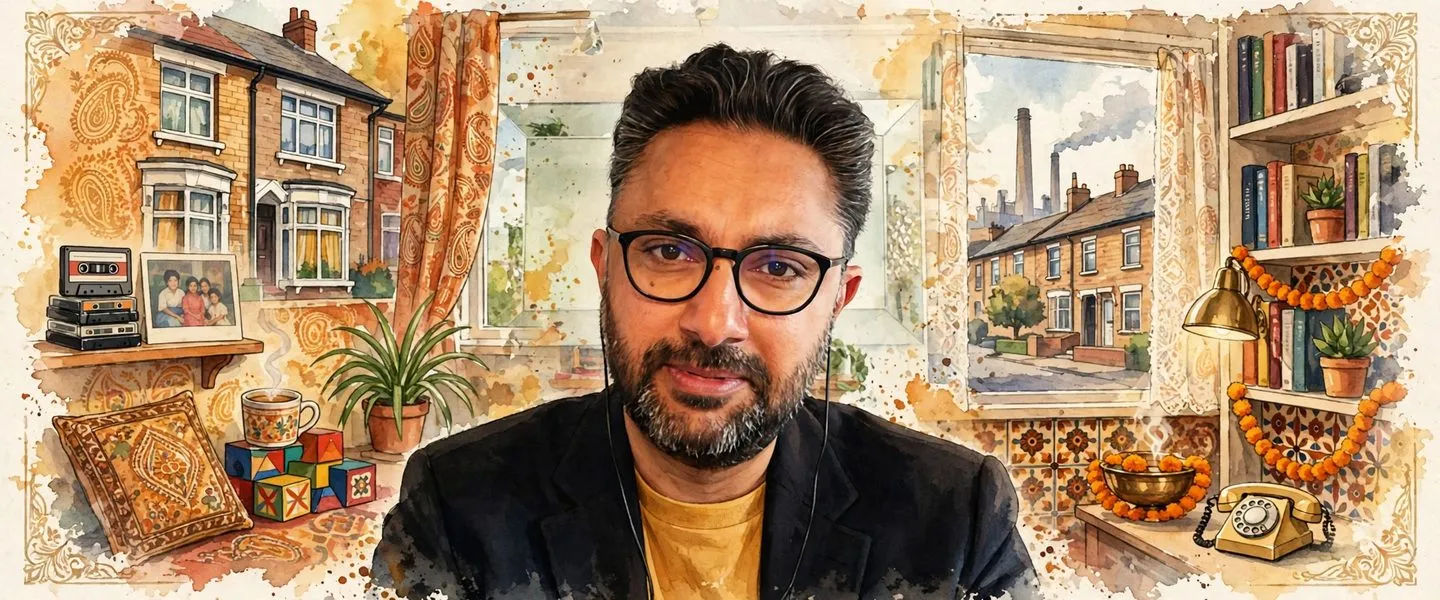
ਦ ਬੌਏ ਵਿਦ ਦ ਟੌਪਨੌਟ ਸਥਨਾਮ ਸੰਘੇਰਾ ਦੀ 2008 ਦੀ ਯਾਦ ਹੈ, ਜੋ ਵੁਲਵਰਹੈਂਪਟਨ ਵਿੱਚ ਪੰਜਾਬੀ ਸਿੱਖ ਪ੍ਰਵਾਸੀਆਂ ਦੇ ਪੁੱਤਰ ਵਜੋਂ ਵੱਡਾ ਹੋਇਆ। ਇਸ ਵਿੱਚ ਉਹ ਦੱਸਦਾ ਹੈ ਕਿ ਕਿਵੇਂ ਉਸ ਨੇ ਆਪਣੀ ਪੱਚੀ ਦੀ ਉਮਰ ਵਿੱਚ ਜਾਣਿਆ ਕਿ ਉਸ ਦੇ ਪਿਤਾ ਅਤੇ ਵੱਡੀ ਭੈਣ ਸਿਜ਼ੋਫਰੀਨੀਆ ਤੋਂ ਪੀੜਤ ਸਨ, ਇਹ ਗੱਲ ਪਰਿਵਾਰ ਨੇ ਉਸ ਤੋਂ ਕਦੇ ਨਹੀਂ ਦੱਸੀ ਸੀ। ਕਿਤਾਬ ਨੇ 2009 ਵਿੱਚ ਮਾਈਂਡ ਬੁੱਕ ਆਫ਼ ਦ ਈਅਰ ਪੁਰਸਕਾਰ ਜਿੱਤਿਆ ਅਤੇ 2017 ਵਿੱਚ ਇਸ ਉੱਤੇ ਬੀਬੀਸੀ ਟੂ ਦਾ ਡਰਾਮਾ ਬਣਿਆ।
ਅੰਗਰੇਜ਼ੀ- ਲੇਖਕ
- ਸਥਨਾਮ ਸੰਘੇਰਾ
- ਪ੍ਰਕਾਸ਼ਿਤ
- 2008 (ਵਾਈਕਿੰਗ, ਇਫ਼ ਯੂ ਡੋਨਟ ਨੋ ਮੀ ਬਾਈ ਨਾਓ ਸਿਰਲੇਖ ਹੇਠ)
- ਭਾਸ਼ਾ
- ਅੰਗਰੇਜ਼ੀ
- ਰੂਪ
- ਆਤਮਕਥਾ
- ਇਨਾਮ
- ਮਾਈਂਡ ਬੁੱਕ ਆਫ਼ ਦ ਈਅਰ 2009; ਕੋਸਟਾ ਬਾਇਓਗ੍ਰਾਫੀ ਪੁਰਸਕਾਰ 2008 ਲਈ ਚੁਣੀ ਗਈ
- ਰੂਪਾਂਤਰ
- ਬੀਬੀਸੀ ਟੂ ਡਰਾਮਾ, 2017
About the book
The Boy with the Topknot is Sathnam Sanghera's 2008 memoir of growing up as the son of Punjabi Sikh immigrants in Wolverhampton, England. It is the story of a childhood shaped by family secrets, and of the day he learned, in his mid-twenties, that his father and his eldest sister had been living with schizophrenia, a fact nobody had ever told him.
The book was first published in 2008 by Viking under the title If You Don't Know Me by Now. A year later Penguin republished it in paperback as The Boy with the Topknot, the title under which it became widely known. It was Sanghera's first book, written after he left his job at the Financial Times, moved back to Wolverhampton and spent about two years interviewing his family to piece together their history.
The memoir moves between two worlds: the Wolverhampton of his 1980s childhood and the London of his adult life as a journalist. The tension between them, and the secrets that connected them, is what drives the book.
What is the topknot in the title?
The topknot is the joora, the knot in which a young Sikh boy's uncut hair is tied on top of the head. The book opens in 1979, when Sanghera is three years old, with his mother combing his hair each morning and tying it up before school.
At fourteen, without telling his mother, he went to a hairdresser's and had the topknot cut off. The haircut is the book's central image: a private act of rebellion, a break with the visible sign of his Sikh upbringing, and the start of the double life he would lead as a teenager and young man, Punjabi at home and something else outside it.
ਕਿਤਾਬ ਬਾਰੇ
ਦ ਬੌਏ ਵਿਦ ਦ ਟੌਪਨੌਟ ਸਥਨਾਮ ਸੰਘੇਰਾ ਦੀ 2008 ਦੀ ਯਾਦ ਹੈ, ਜੋ ਇੰਗਲੈਂਡ ਦੇ ਸ਼ਹਿਰ ਵੁਲਵਰਹੈਂਪਟਨ ਵਿੱਚ ਪੰਜਾਬੀ ਸਿੱਖ ਪ੍ਰਵਾਸੀਆਂ ਦੇ ਪੁੱਤਰ ਵਜੋਂ ਵੱਡਾ ਹੋਇਆ। ਇਹ ਪਰਿਵਾਰਕ ਰਾਜ਼ਾਂ ਨਾਲ ਘਿਰੀ ਬਚਪਨ ਦੀ ਕਹਾਣੀ ਹੈ, ਅਤੇ ਉਸ ਦਿਨ ਦੀ ਕਹਾਣੀ ਹੈ ਜਦੋਂ ਉਸ ਨੇ ਆਪਣੀ ਪੱਚੀ ਦੀ ਉਮਰ ਵਿੱਚ ਜਾਣਿਆ ਕਿ ਉਸ ਦੇ ਪਿਤਾ ਅਤੇ ਉਸ ਦੀ ਵੱਡੀ ਭੈਣ ਸਿਜ਼ੋਫਰੀਨੀਆ ਨਾਲ ਜੂਝ ਰਹੇ ਸਨ, ਇਹ ਗੱਲ ਕਿਸੇ ਨੇ ਉਸ ਨੂੰ ਕਦੇ ਦੱਸੀ ਨਹੀਂ ਸੀ।
ਕਿਤਾਬ ਪਹਿਲੀ ਵਾਰ 2008 ਵਿੱਚ ਵਾਈਕਿੰਗ ਤੋਂ ਇਫ਼ ਯੂ ਡੋਨਟ ਨੋ ਮੀ ਬਾਈ ਨਾਓ ਸਿਰਲੇਖ ਹੇਠ ਛਪੀ। ਇੱਕ ਸਾਲ ਬਾਅਦ ਪੈਂਗੁਇਨ ਨੇ ਇਸ ਨੂੰ ਪੇਪਰਬੈਕ ਵਿੱਚ ਦ ਬੌਏ ਵਿਦ ਦ ਟੌਪਨੌਟ ਨਾਂ ਹੇਠ ਮੁੜ ਛਾਪਿਆ, ਅਤੇ ਇਸੇ ਸਿਰਲੇਖ ਨਾਲ ਇਹ ਮਸ਼ਹੂਰ ਹੋਈ। ਇਹ ਸੰਘੇਰਾ ਦੀ ਪਹਿਲੀ ਕਿਤਾਬ ਸੀ, ਜੋ ਉਸ ਨੇ ਫਾਈਨੈਂਸ਼ੀਅਲ ਟਾਈਮਜ਼ ਦੀ ਨੌਕਰੀ ਛੱਡ ਕੇ, ਵੁਲਵਰਹੈਂਪਟਨ ਵਾਪਸ ਆ ਕੇ ਅਤੇ ਲਗਭਗ ਦੋ ਸਾਲ ਆਪਣੇ ਪਰਿਵਾਰ ਨਾਲ ਗੱਲਬਾਤ ਕਰਕੇ ਲਿਖੀ।
ਯਾਦ ਦੋ ਸੰਸਾਰਾਂ ਵਿਚਕਾਰ ਘੁੰਮਦੀ ਹੈ: 1980 ਦੇ ਦਹਾਕੇ ਦੇ ਵੁਲਵਰਹੈਂਪਟਨ ਦਾ ਬਚਪਨ ਅਤੇ ਲੰਡਨ ਵਿੱਚ ਪੱਤਰਕਾਰ ਵਜੋਂ ਬਾਲਗ ਜ਼ਿੰਦਗੀ। ਇਨ੍ਹਾਂ ਵਿਚਕਾਰ ਤਣਾਅ, ਅਤੇ ਉਹ ਰਾਜ਼ ਜਿਨ੍ਹਾਂ ਨੇ ਇਨ੍ਹਾਂ ਨੂੰ ਜੋੜਿਆ ਹੋਇਆ ਸੀ, ਕਿਤਾਬ ਦੀ ਜਾਨ ਹਨ।
ਸਿਰਲੇਖ ਵਾਲਾ ਜੂੜਾ ਕੀ ਹੈ?
ਜੂੜਾ ਉਹ ਗੁੱਤ ਹੈ ਜਿਸ ਵਿੱਚ ਇੱਕ ਛੋਟੇ ਸਿੱਖ ਮੁੰਡੇ ਦੇ ਬਿਨਾਂ ਕੱਟੇ ਵਾਲ ਸਿਰ ਦੇ ਉੱਤੇ ਬੰਨ੍ਹੇ ਜਾਂਦੇ ਹਨ। ਕਿਤਾਬ 1979 ਵਿੱਚ ਸ਼ੁਰੂ ਹੁੰਦੀ ਹੈ, ਜਦੋਂ ਸੰਘੇਰਾ ਤਿੰਨ ਸਾਲ ਦਾ ਹੈ ਅਤੇ ਉਸ ਦੀ ਮਾਂ ਹਰ ਸਵੇਰ ਉਸ ਦੇ ਵਾਲ ਵਾਹ ਕੇ ਸਕੂਲ ਜਾਣ ਤੋਂ ਪਹਿਲਾਂ ਜੂੜਾ ਬੰਨ੍ਹਦੀ ਹੈ।
ਚੌਦਾਂ ਸਾਲ ਦੀ ਉਮਰ ਵਿੱਚ ਉਹ ਮਾਂ ਨੂੰ ਦੱਸੇ ਬਿਨਾਂ ਨਾਈ ਕੋਲ ਗਿਆ ਅਤੇ ਜੂੜਾ ਕਟਵਾ ਲਿਆ। ਇਹ ਵਾਲ ਕਟਵਾਉਣਾ ਕਿਤਾਬ ਦੀ ਕੇਂਦਰੀ ਤਸਵੀਰ ਹੈ: ਇੱਕ ਨਿੱਜੀ ਬਗ਼ਾਵਤ, ਆਪਣੀ ਸਿੱਖ ਪਰਵਰਿਸ਼ ਦੀ ਦਿਸਦੀ ਨਿਸ਼ਾਨੀ ਨਾਲੋਂ ਨਾਤਾ ਤੋੜਨਾ, ਅਤੇ ਉਸ ਦੋਹਰੀ ਜ਼ਿੰਦਗੀ ਦੀ ਸ਼ੁਰੂਆਤ ਜੋ ਉਸ ਨੇ ਜਵਾਨੀ ਵਿੱਚ ਜੀਈ, ਘਰ ਵਿੱਚ ਪੰਜਾਬੀ ਅਤੇ ਬਾਹਰ ਕੁਝ ਹੋਰ।
Years later, the title takes on a second meaning. The boy with the topknot is also the boy who knew nothing about his own family, whose parents kept their hardest truths from him until he was old enough to ask.
The secret at the heart of the book
In his mid-twenties Sanghera learned that his father, Jagjit, had schizophrenia. The illness had shaped his whole childhood, but no one had ever named it to him. His father could be violent, and his mother bore the worst of it, while the family blamed her, claiming she had put a curse on him.
His mother, Surjit, is at the heart of the book. She had been brought to Britain as a teenager in 1969 to marry Jagjit, and soon realised he was mentally ill, though no one around him recognised it. Once he was stabilised on medication he became the kind, gentle man Sanghera knows, but he was unable to work. Surjit worked as a seamstress at home and then in a factory, supporting the family and raising four children.
Later Sanghera realised his eldest sister, Puli, had schizophrenia too. He has said his mother cried while she told her story, and he cried while he wrote it, and that she feels vindicated because people now know what happened after she was blamed for so long.
The book also reports what Sanghera learned about schizophrenia itself, through interviews with doctors and experts, and takes on the myths that surround mental illness in South Asian families, where it is often hidden rather than discussed.
A double life in London
Sanghera was born in Wolverhampton in 1976, to parents who had emigrated from Punjab in 1968. He went to Wolverhampton Grammar School, then to Christ's College, Cambridge, where he took a first-class degree in English in 1998. He joined the Financial Times the same year and stayed until 2006, moving to The Times in 2007.
In London he led what he calls a secret double life: white girlfriends his family knew nothing about, and a reluctance to accept an arranged marriage. The memoir is frank about the guilt and the comedy of that split, and about how little his two worlds understood each other.
That honesty is part of why the book struck a chord. Readers wrote to him in their hundreds, many saying it was the first time they had read about mental illness in a British Asian family, and about the pressure to keep up appearances at any cost.
ਲੇਖਕ
Sathnam Sanghera is a British author and journalist of Punjabi Sikh heritage. The Boy with the Topknot was his first book. He went on to write the novel Marriage Material (2013), set among Wolverhampton's Punjabi community, and the history books Empireland (2021), Stolen History (2023) and Empireworld (2024).
He was elected a Fellow of the Royal Society of Literature in 2016. He writes for The Times, where he has been a columnist and feature writer since 2007.
Reception and legacy
The memoir was shortlisted for the Costa Biography Award in 2008 and for the PEN/Ackerley Prize in 2009, and won the Mind Book of the Year award in 2009. The author and memoirist Blake Morrison called it "a real one-off".
Not everyone welcomed it. Some in the community said Sanghera had brought shame on the community or betrayed the Sikh religion by writing about his family so openly. The book has also drawn criticism, including from writer Kavita Bhanot, for framing the cutting of the topknot as an escape into assimilation. The argument over the book is part of its legacy: it forced a conversation about mental illness, family secrets and identity that many British Asian families had avoided.
In 2017 the BBC turned the memoir into a 90-minute single drama for BBC Two, broadcast on 13 November 2017. Directed by Lynsey Miller and adapted by Mick Ford, it starred Sacha Dhawan as Sanghera, with Anupam Kher as his father and Deepti Naval as his mother. The Guardian and The Telegraph each gave the film three stars out of five, and Anupam Kher was nominated for Best Supporting Actor at the 2018 BAFTA Television Awards. The film won the Diversify TV Excellence Award, Best TV Programme at the 2018 Asian Media Awards and Best Single Drama at the RTS Midlands Awards.
ਸਾਲਾਂ ਬਾਅਦ ਸਿਰਲੇਖ ਦਾ ਇੱਕ ਹੋਰ ਅਰਥ ਵੀ ਨਿਕਲਦਾ ਹੈ। ਜੂੜੇ ਵਾਲਾ ਮੁੰਡਾ ਉਹ ਮੁੰਡਾ ਵੀ ਹੈ ਜੋ ਆਪਣੇ ਹੀ ਪਰਿਵਾਰ ਬਾਰੇ ਕੁਝ ਨਹੀਂ ਜਾਣਦਾ ਸੀ, ਜਿਸ ਦੇ ਮਾਪਿਆਂ ਨੇ ਆਪਣੇ ਸਭ ਤੋਂ ਔਖੇ ਸੱਚ ਉਸ ਤੋਂ ਉਦੋਂ ਤੱਕ ਲੁਕਾਏ ਰੱਖੇ ਜਦੋਂ ਤੱਕ ਉਹ ਪੁੱਛਣ ਜੋਗਾ ਨਾ ਹੋ ਗਿਆ।
ਕਿਤਾਬ ਦੇ ਕੇਂਦਰ ਵਿੱਚ ਰਾਜ਼
ਆਪਣੀ ਪੱਚੀ ਦੀ ਉਮਰ ਵਿੱਚ ਸੰਘੇਰਾ ਨੂੰ ਪਤਾ ਲੱਗਾ ਕਿ ਉਸ ਦੇ ਪਿਤਾ ਜਗਜੀਤ ਸਿਜ਼ੋਫਰੀਨੀਆ ਤੋਂ ਪੀੜਤ ਸਨ। ਇਹ ਬਿਮਾਰੀ ਉਸ ਦੇ ਸਾਰੇ ਬਚਪਨ ਨੂੰ ਘੇਰਦੀ ਰਹੀ ਸੀ, ਪਰ ਕਿਸੇ ਨੇ ਉਸ ਨੂੰ ਇਸ ਦਾ ਨਾਂ ਕਦੇ ਨਹੀਂ ਦੱਸਿਆ ਸੀ। ਉਸ ਦੇ ਪਿਤਾ ਕਈ ਵਾਰ ਹਿੰਸਕ ਹੋ ਜਾਂਦੇ ਸਨ, ਅਤੇ ਉਸ ਦੀ ਮਾਂ ਨੂੰ ਸਭ ਤੋਂ ਵੱਧ ਸਹਿਣਾ ਪੈਂਦਾ ਸੀ, ਜਦੋਂ ਕਿ ਪਰਿਵਾਰ ਉਸ ਨੂੰ ਹੀ ਦੋਸ਼ ਦਿੰਦਾ ਸੀ ਅਤੇ ਕਹਿੰਦਾ ਸੀ ਕਿ ਉਸ ਨੇ ਉਨ੍ਹਾਂ ਉੱਤੇ ਜਾਦੂ ਕਰ ਦਿੱਤਾ ਹੈ।
ਉਸ ਦੀ ਮਾਂ ਸੁਰਜੀਤ ਕਿਤਾਬ ਦੇ ਕੇਂਦਰ ਵਿੱਚ ਹੈ। ਉਸ ਨੂੰ 1969 ਵਿੱਚ ਜਵਾਨ ਕੁੜੀ ਵਜੋਂ ਬ੍ਰਿਟੇਨ ਲਿਆਂਦਾ ਗਿਆ ਸੀ ਤਾਂ ਜੋ ਉਸ ਦਾ ਵਿਆਹ ਜਗਜੀਤ ਨਾਲ ਹੋ ਸਕੇ, ਅਤੇ ਉਸ ਨੇ ਜਲਦੀ ਸਮਝ ਲਿਆ ਕਿ ਉਹ ਮਾਨਸਿਕ ਤੌਰ ਉੱਤੇ ਬਿਮਾਰ ਹੈ, ਭਾਵੇਂ ਉਸ ਦੇ ਆਲੇ-ਦੁਆਲੇ ਕਿਸੇ ਨੇ ਇਹ ਨਹੀਂ ਪਛਾਣਿਆ। ਜਦੋਂ ਦਵਾਈ ਨਾਲ ਉਸ ਦੀ ਹਾਲਤ ਸੰਭਲ ਗਈ ਤਾਂ ਉਹ ਉਹ ਦਿਆਲੂ, ਨਰਮ ਸੁਭਾਅ ਵਾਲਾ ਆਦਮੀ ਬਣ ਗਿਆ ਜਿਸ ਨੂੰ ਸੰਘੇਰਾ ਜਾਣਦਾ ਹੈ, ਪਰ ਉਹ ਕੰਮ ਨਹੀਂ ਕਰ ਸਕਦਾ ਸੀ। ਸੁਰਜੀਤ ਨੇ ਘਰ ਵਿੱਚ ਦਰਜ਼ਣ ਦਾ ਕੰਮ ਕੀਤਾ ਅਤੇ ਫਿਰ ਫੈਕਟਰੀ ਵਿੱਚ ਕੰਮ ਕਰਕੇ ਪਰਿਵਾਰ ਨੂੰ ਪਾਲਿਆ ਅਤੇ ਚਾਰ ਬੱਚਿਆਂ ਨੂੰ ਵੱਡਾ ਕੀਤਾ।
ਬਾਅਦ ਵਿੱਚ ਸੰਘੇਰਾ ਨੂੰ ਸਮਝ ਆਇਆ ਕਿ ਉਸ ਦੀ ਵੱਡੀ ਭੈਣ ਪੁਲੀ ਨੂੰ ਵੀ ਸਿਜ਼ੋਫਰੀਨੀਆ ਸੀ। ਉਸ ਨੇ ਦੱਸਿਆ ਹੈ ਕਿ ਜਦੋਂ ਉਸ ਦੀ ਮਾਂ ਨੇ ਆਪਣੀ ਕਹਾਣੀ ਸੁਣਾਈ ਤਾਂ ਉਹ ਰੋ ਪਈ, ਅਤੇ ਜਦੋਂ ਉਸ ਨੇ ਇਹ ਲਿਖਿਆ ਤਾਂ ਉਹ ਰੋ ਪਿਆ, ਅਤੇ ਉਸ ਦੀ ਮਾਂ ਨੂੰ ਲੱਗਦਾ ਹੈ ਕਿ ਹੁਣ ਲੋਕ ਜਾਣਦੇ ਹਨ ਕਿ ਉਸ ਨਾਲ ਕੀ ਹੋਇਆ ਸੀ, ਜਦੋਂ ਉਸ ਨੂੰ ਇੰਨਾ ਸਮਾਂ ਦੋਸ਼ ਦਿੱਤਾ ਜਾਂਦਾ ਰਿਹਾ।
ਕਿਤਾਬ ਵਿੱਚ ਸਿਜ਼ੋਫਰੀਨੀਆ ਬਾਰੇ ਉਹ ਗੱਲਾਂ ਵੀ ਹਨ ਜੋ ਸੰਘੇਰਾ ਨੇ ਡਾਕਟਰਾਂ ਅਤੇ ਮਾਹਰਾਂ ਨਾਲ ਗੱਲਬਾਤ ਕਰਕੇ ਸਿੱਖੀਆਂ, ਅਤੇ ਇਹ ਉਨ੍ਹਾਂ ਭਰਮਾਂ ਨੂੰ ਤੋੜਦੀ ਹੈ ਜੋ ਦੱਖਣੀ ਏਸ਼ੀਆਈ ਪਰਿਵਾਰਾਂ ਵਿੱਚ ਮਾਨਸਿਕ ਬਿਮਾਰੀ ਨੂੰ ਲੈ ਕੇ ਹਨ, ਜਿੱਥੇ ਇਸ ਬਾਰੇ ਗੱਲ ਕਰਨ ਦੀ ਥਾਂ ਇਸ ਨੂੰ ਲੁਕਾਇਆ ਜਾਂਦਾ ਹੈ।
ਲੰਡਨ ਵਿੱਚ ਦੋਹਰੀ ਜ਼ਿੰਦਗੀ
ਸੰਘੇਰਾ ਦਾ ਜਨਮ 1976 ਵਿੱਚ ਵੁਲਵਰਹੈਂਪਟਨ ਵਿੱਚ ਹੋਇਆ, ਉਸ ਦੇ ਮਾਪੇ 1968 ਵਿੱਚ ਪੰਜਾਬ ਤੋਂ ਪਰਵਾਸ ਕਰਕੇ ਆਏ ਸਨ। ਉਸ ਨੇ ਵੁਲਵਰਹੈਂਪਟਨ ਗਰਾਮਰ ਸਕੂਲ ਵਿੱਚ ਪੜ੍ਹਾਈ ਕੀਤੀ, ਫਿਰ ਕ੍ਰਾਈਸਟਜ਼ ਕਾਲਜ, ਕੈਂਬਰਿਜ ਤੋਂ 1998 ਵਿੱਚ ਅੰਗਰੇਜ਼ੀ ਵਿੱਚ ਪਹਿਲੇ ਦਰਜੇ ਦੀ ਡਿਗਰੀ ਲਈ। ਉਸੇ ਸਾਲ ਉਹ ਫਾਈਨੈਂਸ਼ੀਅਲ ਟਾਈਮਜ਼ ਵਿੱਚ ਭਰਤੀ ਹੋ ਗਿਆ ਅਤੇ 2006 ਤੱਕ ਉੱਥੇ ਰਿਹਾ, 2007 ਵਿੱਚ ਦ ਟਾਈਮਜ਼ ਵਿੱਚ ਆ ਗਿਆ।
ਲੰਡਨ ਵਿੱਚ ਉਸ ਨੇ ਇੱਕ ਗੁਪਤ ਦੋਹਰੀ ਜ਼ਿੰਦਗੀ ਜੀਈ: ਗੋਰੀਆਂ ਦੋਸਤ ਕੁੜੀਆਂ ਜਿਨ੍ਹਾਂ ਬਾਰੇ ਉਸ ਦੇ ਪਰਿਵਾਰ ਨੂੰ ਕੁਝ ਪਤਾ ਨਹੀਂ ਸੀ, ਅਤੇ ਮੰਗਣੀ ਵਾਲੇ ਵਿਆਹ ਨੂੰ ਮੰਨਣ ਤੋਂ ਝਿਜਕ। ਯਾਦ ਇਸ ਵੰਡ ਦੇ ਦੋਸ਼ ਅਤੇ ਹਾਸੇ ਬਾਰੇ ਖੁੱਲ੍ਹ ਕੇ ਲਿਖਦੀ ਹੈ, ਅਤੇ ਇਸ ਬਾਰੇ ਵੀ ਕਿ ਉਸ ਦੇ ਦੋ ਸੰਸਾਰ ਇੱਕ ਦੂਜੇ ਨੂੰ ਕਿੰਨਾ ਘੱਟ ਸਮਝਦੇ ਸਨ।
ਇਹੀ ਇਮਾਨਦਾਰੀ ਕਾਰਨ ਕਿਤਾਬ ਨੇ ਲੋਕਾਂ ਦੇ ਦਿਲ ਨੂੰ ਛੂਹਿਆ। ਸੈਂਕੜੇ ਪਾਠਕਾਂ ਨੇ ਉਸ ਨੂੰ ਚਿੱਠੀਆਂ ਲਿਖੀਆਂ, ਬਹੁਤਿਆਂ ਨੇ ਕਿਹਾ ਕਿ ਇਹ ਪਹਿਲੀ ਵਾਰ ਸੀ ਜਦੋਂ ਉਨ੍ਹਾਂ ਨੇ ਕਿਸੇ ਬ੍ਰਿਟਿਸ਼ ਏਸ਼ੀਆਈ ਪਰਿਵਾਰ ਵਿੱਚ ਮਾਨਸਿਕ ਬਿਮਾਰੀ ਬਾਰੇ ਪੜ੍ਹਿਆ ਸੀ, ਅਤੇ ਉਸ ਦਬਾਅ ਬਾਰੇ ਜੋ ਹਰ ਕੀਮਤ ਉੱਤੇ ਸ਼ਾਨ ਬਣਾਈ ਰੱਖਣ ਲਈ ਹੁੰਦਾ ਹੈ।
ਲੇਖਕ
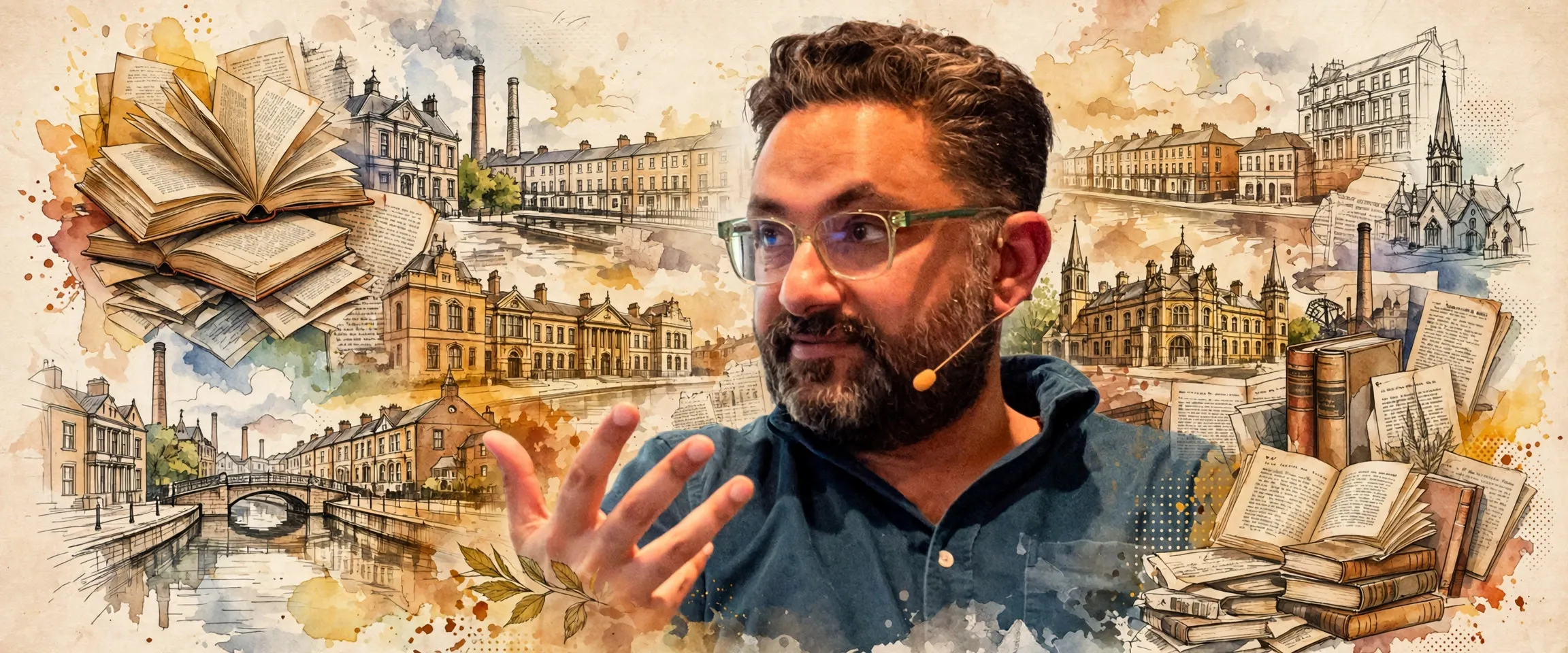
ਸਥਨਾਮ ਸੰਘੇਰਾ ਪੰਜਾਬੀ ਸਿੱਖ ਵਿਰਸੇ ਵਾਲਾ ਬ੍ਰਿਟਿਸ਼ ਲੇਖਕ ਅਤੇ ਪੱਤਰਕਾਰ ਹੈ। ਦ ਬੌਏ ਵਿਦ ਦ ਟੌਪਨੌਟ ਉਸ ਦੀ ਪਹਿਲੀ ਕਿਤਾਬ ਸੀ। ਇਸ ਤੋਂ ਬਾਅਦ ਉਸ ਨੇ ਨਾਵਲ ਮੈਰਿਜ ਮਟੀਰੀਅਲ (2013), ਜੋ ਵੁਲਵਰਹੈਂਪਟਨ ਦੇ ਪੰਜਾਬੀ ਭਾਈਚਾਰੇ ਬਾਰੇ ਹੈ, ਅਤੇ ਇਤਿਹਾਸ ਦੀਆਂ ਕਿਤਾਬਾਂ ਐਂਪਾਇਰਲੈਂਡ (2021), ਸਟੋਲਨ ਹਿਸਟਰੀ (2023) ਅਤੇ ਐਂਪਾਇਰਵਰਲਡ (2024) ਲਿਖੀਆਂ।
2016 ਵਿੱਚ ਉਹ ਰਾਇਲ ਸੋਸਾਇਟੀ ਆਫ਼ ਲਿਟਰੇਚਰ ਦਾ ਫੈਲੋ ਚੁਣਿਆ ਗਿਆ। ਉਹ 2007 ਤੋਂ ਦ ਟਾਈਮਜ਼ ਲਈ ਲਿਖਦਾ ਹੈ, ਜਿੱਥੇ ਉਹ ਕਾਲਮਨਵੀਸ ਅਤੇ ਫੀਚਰ ਲੇਖਕ ਹੈ।
ਸਵਾਗਤ ਅਤੇ ਵਿਰਾਸਤ
ਯਾਦ 2008 ਵਿੱਚ ਕੋਸਟਾ ਬਾਇਓਗ੍ਰਾਫੀ ਪੁਰਸਕਾਰ ਅਤੇ 2009 ਵਿੱਚ ਪੈਨ/ਐਕਰਲੀ ਪੁਰਸਕਾਰ ਲਈ ਚੁਣੀ ਗਈ, ਅਤੇ 2009 ਵਿੱਚ ਮਾਈਂਡ ਬੁੱਕ ਆਫ਼ ਦ ਈਅਰ ਪੁਰਸਕਾਰ ਜਿੱਤਿਆ। ਲੇਖਕ ਅਤੇ ਯਾਦ-ਲੇਖਕ ਬਲੇਕ ਮੌਰਿਸਨ ਨੇ ਇਸ ਨੂੰ 'ਇੱਕ ਅਸਲੀ ਅਨੋਖੀ ਕਿਤਾਬ' ਕਿਹਾ।
ਹਰ ਕਿਸੇ ਨੇ ਇਸ ਦਾ ਸਵਾਗਤ ਨਹੀਂ ਕੀਤਾ। ਭਾਈਚਾਰੇ ਦੇ ਕੁਝ ਲੋਕਾਂ ਨੇ ਕਿਹਾ ਕਿ ਸੰਘੇਰਾ ਨੇ ਆਪਣੇ ਪਰਿਵਾਰ ਬਾਰੇ ਇੰਨਾ ਖੁੱਲ੍ਹ ਕੇ ਲਿਖ ਕੇ ਭਾਈਚਾਰੇ ਦੀ ਬਦਨਾਮੀ ਕੀਤੀ ਹੈ ਜਾਂ ਸਿੱਖ ਧਰਮ ਨਾਲ ਧੋਖਾ ਕੀਤਾ ਹੈ। ਕਿਤਾਬ ਦੀ ਇਹ ਆਲੋਚਨਾ ਵੀ ਹੋਈ ਹੈ, ਜਿਸ ਵਿੱਚ ਲੇਖਕ ਕਵਿਤਾ ਭਾਨੋਟ ਵੀ ਸ਼ਾਮਲ ਹੈ, ਕਿ ਜੂੜਾ ਕੱਟਣ ਨੂੰ ਅੰਗਰੇਜ਼ੀ ਸਮਾਜ ਵਿੱਚ ਰਲ ਜਾਣ ਵੱਲ ਭੱਜਣ ਵਜੋਂ ਪੇਸ਼ ਕੀਤਾ ਗਿਆ ਹੈ। ਕਿਤਾਬ ਉੱਤੇ ਇਹ ਬਹਿਸ ਇਸ ਦੀ ਵਿਰਾਸਤ ਦਾ ਹਿੱਸਾ ਹੈ: ਇਸ ਨੇ ਮਾਨਸਿਕ ਬਿਮਾਰੀ, ਪਰਿਵਾਰਕ ਰਾਜ਼ਾਂ ਅਤੇ ਪਛਾਣ ਬਾਰੇ ਉਹ ਗੱਲਬਾਤ ਸ਼ੁਰੂ ਕੀਤੀ ਜਿਸ ਤੋਂ ਬਹੁਤ ਸਾਰੇ ਬ੍ਰਿਟਿਸ਼ ਏਸ਼ੀਆਈ ਪਰਿਵਾਰ ਬਚਦੇ ਸਨ।
2017 ਵਿੱਚ ਬੀਬੀਸੀ ਨੇ ਇਸ ਯਾਦ ਉੱਤੇ ਬੀਬੀਸੀ ਟੂ ਲਈ 90 ਮਿੰਟ ਦਾ ਇੱਕਲਾ ਡਰਾਮਾ ਬਣਾਇਆ, ਜੋ 13 ਨਵੰਬਰ 2017 ਨੂੰ ਪ੍ਰਸਾਰਿਤ ਹੋਇਆ। ਇਸ ਦਾ ਨਿਰਦੇਸ਼ਨ ਲਿਨਜ਼ੀ ਮਿਲਰ ਨੇ ਕੀਤਾ ਅਤੇ ਮਿਕ ਫੋਰਡ ਨੇ ਇਸ ਨੂੰ ਰੂਪਾਂਤਰਿਤ ਕੀਤਾ। ਸਚਾ ਧਵਨ ਨੇ ਸੰਘੇਰਾ ਦੀ, ਅਨੁਪਮ ਖੇਰ ਨੇ ਉਸ ਦੇ ਪਿਤਾ ਦੀ ਅਤੇ ਦੀਪਤੀ ਨਵਲ ਨੇ ਉਸ ਦੀ ਮਾਂ ਦੀ ਭੂਮਿਕਾ ਨਿਭਾਈ। ਦ ਗਾਰਡੀਅਨ ਅਤੇ ਦ ਟੈਲੀਗ੍ਰਾਫ਼ ਨੇ ਫ਼ਿਲਮ ਨੂੰ ਪੰਜ ਵਿੱਚੋਂ ਤਿੰਨ ਤਾਰੇ ਦਿੱਤੇ, ਅਤੇ ਅਨੁਪਮ ਖੇਰ 2018 ਦੇ ਬਾਫ਼ਟਾ ਟੈਲੀਵਿਜ਼ਨ ਪੁਰਸਕਾਰਾਂ ਵਿੱਚ ਸਰਬੋਤਮ ਸਹਾਇਕ ਅਦਾਕਾਰ ਲਈ ਨਾਮਜ਼ਦ ਹੋਏ। ਫ਼ਿਲਮ ਨੇ ਡਾਇਵਰਸੀਫਾਈ ਟੀਵੀ ਐਕਸੀਲੈਂਸ ਪੁਰਸਕਾਰ, 2018 ਦੇ ਏਸ਼ੀਅਨ ਮੀਡੀਆ ਪੁਰਸਕਾਰਾਂ ਵਿੱਚ ਸਰਬੋਤਮ ਟੀਵੀ ਪ੍ਰੋਗਰਾਮ ਅਤੇ ਆਰਟੀਐੱਸ ਮਿਡਲੈਂਡਜ਼ ਪੁਰਸਕਾਰਾਂ ਵਿੱਚ ਸਰਬੋਤਮ ਇੱਕਲਾ ਡਰਾਮਾ ਜਿੱਤਿਆ।
ਐਡੀਸ਼ਨ ਅਤੇ ਅਨੁਵਾਦ
- If You Don't Know Me by NowEnglish · hardback · Viking, 2008 · original titleਮੂਲ
- The Boy with the TopknotEnglish · paperback · Penguin, 2009Edition
ਲੇਖਕ
ਜੁੜੇ ਹੋਏ
ਹੋਰ ਪੜ੍ਹੋ
ਸਰੋਤ (6)
- Sathnam Sanghera (Wikipedia)
- The Boy with the Topknot (film) (Wikipedia)
- Sathnam Sanghera (Knight Ayton)
- Sathnam Sanghera on The Boy with the Topknot (The Observer, 5 Nov 2017)
- Home truths (The Guardian), 19 Aug 2009
- The Boy with the Topknot: a portrayal of mental illness in the British Asian community (British Journal of Psychiatry, 2018)
ਜੁਗਤੀ ਮੁਫ਼ਤ ਅਤੇ ਸੁਤੰਤਰ ਹੈ। ਪਾਠਕਾਂ ਦਾ ਸਹਿਯੋਗ ਕੋਸ਼ ਨੂੰ ਵਧਾਉਂਦਾ ਹੈ।
ਸਹਿਯੋਗ