
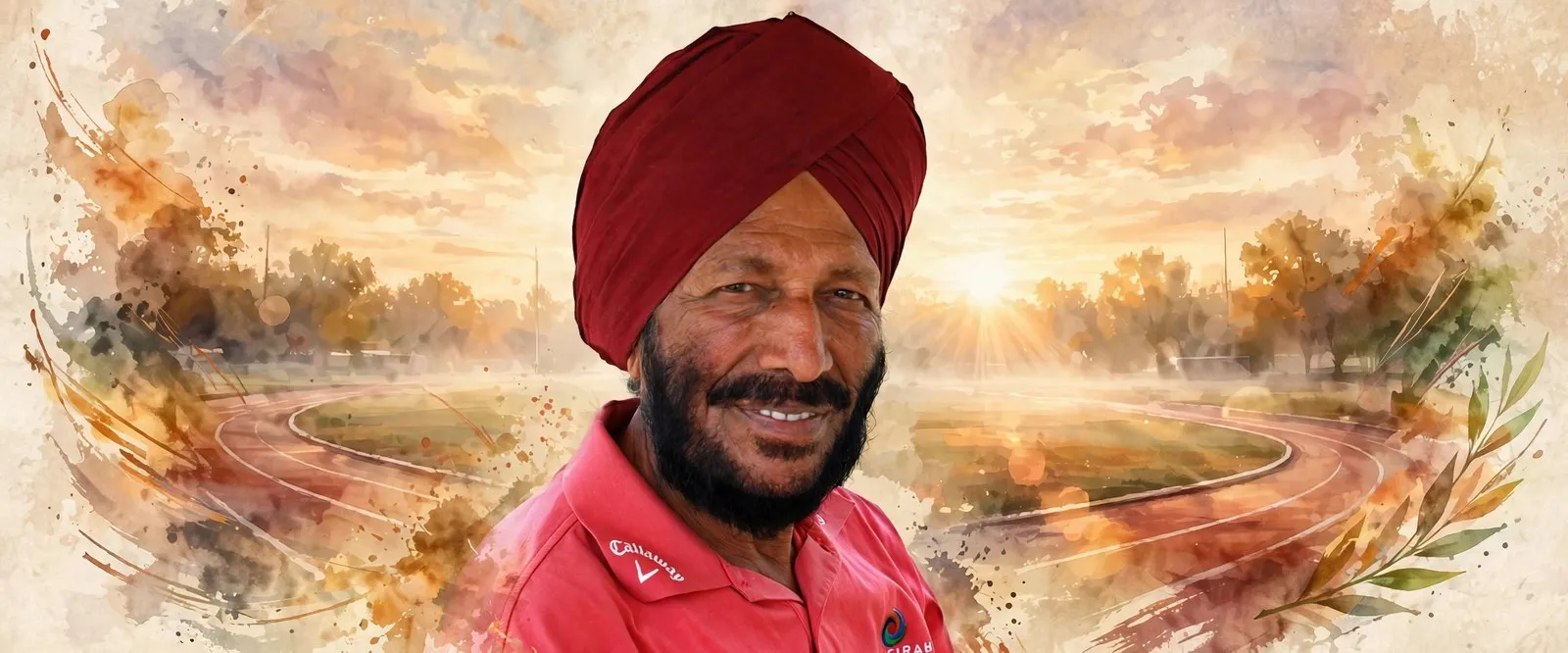
ਦ ਰੇਸ ਆਫ਼ ਮਾਈ ਲਾਈਫ਼: ਐਨ ਆਟੋਬਾਇਓਗ੍ਰਾਫ਼ੀ (2013) ਮਿਲਖਾ ਸਿੰਘ ਦੀ ਆਪਣੀ ਜੀਵਨ ਕਹਾਣੀ ਹੈ, ਜੋ ਉਸ ਨੇ ਆਪਣੀ ਧੀ ਸੋਨੀਆ ਸਾਂਵਲਕਾ ਨਾਲ ਮਿਲ ਕੇ ਲਿਖੀ ਹੈ। ਇਹ ਇੱਕ ਉਸ ਮੁੰਡੇ ਦੀ ਕਹਾਣੀ ਹੈ ਜੋ ਵੰਡ ਵਿੱਚ ਆਪਣਾ ਪਰਿਵਾਰ ਗੁਆ ਬੈਠਾ, ਦਿੱਲੀ ਦੇ ਸ਼ਰਨਾਰਥੀ ਕੈਂਪ ਤੋਂ ਭਾਰਤੀ ਫ਼ੌਜ ਵਿੱਚ ਗਿਆ, 1958 ਦੀਆਂ ਏਸ਼ੀਆਈ ਅਤੇ ਰਾਸ਼ਟਰਮੰਡਲ ਖੇਡਾਂ ਵਿੱਚ ਸੋਨ ਤਗ਼ਮੇ ਜਿੱਤੇ, ਅਤੇ 1960 ਵਿੱਚ ਰੋਮ ਓਲੰਪਿਕ ਦੀ 400 ਮੀਟਰ ਦੌੜ ਵਿੱਚ ਚੌਥੇ ਸਥਾਨ ਉੱਤੇ ਰਿਹਾ। ਇਸ ਕਿਤਾਬ ਉੱਤੇ ਮਸ਼ਹੂਰ ਫ਼ਿਲਮ ਭਾਗ ਮਿਲਖਾ ਭਾਗ ਬਣੀ ਹੈ।
ਅੰਗਰੇਜ਼ੀ- ਲੇਖਕ
- ਮਿਲਖਾ ਸਿੰਘ (1929 ਤੋਂ 2021)
- ਸਹਿ-ਲੇਖਕ
- ਸੋਨੀਆ ਸਾਂਵਲਕਾ, ਉਸ ਦੀ ਧੀ
- ਪ੍ਰਕਾਸ਼ਿਤ
- 2013
- ਪ੍ਰਕਾਸ਼ਕ
- ਰੂਪਾ ਪਬਲੀਕੇਸ਼ਨਜ਼, ਨਵੀਂ ਦਿੱਲੀ
- ਭਾਸ਼ਾ
- ਅੰਗਰੇਜ਼ੀ
- ਰੂਪ
- ਆਤਮਕਥਾ
All 9 facts
- ਪਹਿਲਾ ਸੰਸਕਰਨ
- 160 ਸਫ਼ੇ
- ਫ਼ਿਲਮ
- ਭਾਗ ਮਿਲਖਾ ਭਾਗ (2013)
- ਆਈਐੱਸਬੀਐੱਨ
- 8129129108 (ਪਹਿਲਾ ਸੰਸਕਰਨ)
About the book
The Race of My Life: An Autobiography is Milkha Singh's own story of how a boy who lost his family in the Partition became India's greatest sprinter. Written with his daughter Sonia Sanwalka and published by Rupa in 2013, it tells the story in twenty short chapters, from a Punjab village that is now in Pakistan to the Olympic final in Rome in 1960, with a foreword by film director Rakeysh Omprakash Mehra and an introduction by his son, golfer Jeev Milkha Singh.
Milkha Singh tells the story in a plain, direct voice, hiding nothing: the killing of his family, his young days stealing and outrunning the police, his brief stay in Tihar jail, and the Rome mistake that cost him an Olympic medal. Read it as the first-hand record of a life, not as a work of literature. Its value is that the man himself is telling it.
Why is Milkha Singh called the Flying Sikh?
In 1960, the prime minister Jawaharlal Nehru persuaded Milkha Singh to set aside his memories of the Partition and race in Pakistan against Abdul Khaliq, the fastest man in Asia. Milkha Singh won the race in Lahore. After the race, General Ayub Khan, the president of Pakistan, said that Milkha Singh had not run but flown, and called him the Flying Sikh. The name stayed with him for life.
The nickname also captures how he ran. He was a 400 metres runner with a long, powerful stride. In 1958 he won the 200 metres and the 400 metres at the Asian Games in Tokyo, and the 440 yards at the Commonwealth Games in Cardiff, becoming the first Indian to win an individual athletics gold at the Commonwealth Games.
From Partition to the running track
Milkha Singh was born in Govindpura, a village about ten kilometres from Muzaffargarh, in Punjab that is now in Pakistan. The records of his birth date differ: Pakistan records give 20 November 1929, his passport gave 1932, and the book itself says he was born in 1932. He was one of fifteen children, and he watched his parents, a brother and two sisters being killed in the violence of the Partition. He escaped to Delhi in 1947, lived with a married sister, and spent a short time in Tihar jail for travelling without a ticket, until his sister Ishvar sold some jewellery to free him.
ਕਿਤਾਬ ਬਾਰੇ
ਦ ਰੇਸ ਆਫ਼ ਮਾਈ ਲਾਈਫ਼: ਐਨ ਆਟੋਬਾਇਓਗ੍ਰਾਫ਼ੀ ਮਿਲਖਾ ਸਿੰਘ ਦੀ ਆਪਣੀ ਕਹਾਣੀ ਹੈ ਕਿ ਕਿਵੇਂ ਇੱਕ ਮੁੰਡਾ, ਜਿਸ ਨੇ ਵੰਡ ਵਿੱਚ ਆਪਣਾ ਪਰਿਵਾਰ ਗੁਆ ਦਿੱਤਾ ਸੀ, ਭਾਰਤ ਦਾ ਸਭ ਤੋਂ ਵੱਡਾ ਦੌੜਾਕ ਬਣ ਗਿਆ। ਇਹ ਕਿਤਾਬ ਉਸ ਨੇ ਆਪਣੀ ਧੀ ਸੋਨੀਆ ਸਾਂਵਲਕਾ ਨਾਲ ਮਿਲ ਕੇ ਲਿਖੀ ਹੈ ਅਤੇ ਰੂਪਾ ਨੇ ਇਸ ਨੂੰ 2013 ਵਿੱਚ ਛਾਪਿਆ ਸੀ। ਵੀਹ ਛੋਟੇ ਅਧਿਆਇਆਂ ਵਿੱਚ ਇਹ ਕਹਾਣੀ ਪੰਜਾਬ ਦੇ ਉਸ ਪਿੰਡ ਤੋਂ ਸ਼ੁਰੂ ਹੁੰਦੀ ਹੈ ਜੋ ਹੁਣ ਪਾਕਿਸਤਾਨ ਵਿੱਚ ਹੈ, ਅਤੇ 1960 ਵਿੱਚ ਰੋਮ ਓਲੰਪਿਕ ਦੀ ਫ਼ਾਈਨਲ ਦੌੜ ਤੱਕ ਜਾਂਦੀ ਹੈ, ਜਿਸ ਦੀ ਭੂਮਿਕਾ ਫ਼ਿਲਮ ਨਿਰਦੇਸ਼ਕ ਰਾਕੇਸ਼ ਓਮਪ੍ਰਕਾਸ਼ ਮਹਿਰਾ ਨੇ ਅਤੇ ਪ੍ਰਸਤਾਵਨਾ ਉਸ ਦੇ ਪੁੱਤਰ, ਗੋਲਫ਼ਰ ਜੀਵ ਮਿਲਖਾ ਸਿੰਘ ਨੇ ਲਿਖੀ ਹੈ।
ਮਿਲਖਾ ਸਿੰਘ ਕਹਾਣੀ ਸਾਫ਼ ਅਤੇ ਸਿੱਧੇ ਲਫ਼ਜ਼ਾਂ ਵਿੱਚ ਦੱਸਦਾ ਹੈ, ਕੁਝ ਵੀ ਲੁਕਾਏ ਬਿਨਾਂ: ਆਪਣੇ ਪਰਿਵਾਰ ਦਾ ਕਤਲ, ਚੋਰੀ ਕਰ ਕੇ ਪੁਲੀਸ ਤੋਂ ਭੱਜਣ ਵਾਲੇ ਦਿਨ, ਤਿਹਾੜ ਜੇਲ੍ਹ ਵਿੱਚ ਗੁਜ਼ਾਰਿਆ ਥੋੜ੍ਹਾ ਸਮਾਂ, ਅਤੇ ਰੋਮ ਵਿੱਚ ਉਹ ਗ਼ਲਤੀ ਜਿਸ ਨੇ ਉਸ ਤੋਂ ਓਲੰਪਿਕ ਤਗ਼ਮਾ ਖੋਹ ਲਿਆ। ਇਸ ਨੂੰ ਸਾਹਿਤ ਦੀ ਕਿਤਾਬ ਵਾਂਗ ਨਹੀਂ, ਸਗੋਂ ਇੱਕ ਜੀਵਨ ਦੇ ਪਹਿਲੇ ਹੱਥੀਂ ਲਿਖੇ ਹਿਸਾਬ ਵਾਂਗ ਪੜ੍ਹਨਾ ਚਾਹੀਦਾ ਹੈ। ਇਸ ਦੀ ਕੀਮਤ ਇਹੀ ਹੈ ਕਿ ਇਹ ਕਹਾਣੀ ਉਸ ਆਦਮੀ ਨੇ ਖ਼ੁਦ ਦੱਸੀ ਹੈ।
ਮਿਲਖਾ ਸਿੰਘ ਨੂੰ ਉੱਡਦਾ ਸਿੱਖ ਕਿਉਂ ਕਿਹਾ ਜਾਂਦਾ ਹੈ?
1960 ਵਿੱਚ ਪ੍ਰਧਾਨ ਮੰਤਰੀ ਜਵਾਹਰ ਲਾਲ ਨਹਿਰੂ ਨੇ ਮਿਲਖਾ ਸਿੰਘ ਨੂੰ ਮਨਾਇਆ ਕਿ ਉਹ ਵੰਡ ਦੀਆਂ ਯਾਦਾਂ ਨੂੰ ਪਾਸੇ ਰੱਖ ਕੇ ਪਾਕਿਸਤਾਨ ਵਿੱਚ ਏਸ਼ੀਆ ਦੇ ਸਭ ਤੋਂ ਤੇਜ਼ ਦੌੜਾਕ ਅਬਦੁਲ ਖ਼ਾਲਿਕ਼ ਨਾਲ ਦੌੜੇ। ਮਿਲਖਾ ਸਿੰਘ ਨੇ ਲਾਹੌਰ ਵਿੱਚ ਇਹ ਦੌੜ ਜਿੱਤ ਲਈ। ਦੌੜ ਤੋਂ ਬਾਅਦ ਪਾਕਿਸਤਾਨ ਦੇ ਰਾਸ਼ਟਰਪਤੀ ਜਨਰਲ ਅਯੂਬ ਖ਼ਾਨ ਨੇ ਕਿਹਾ ਕਿ ਮਿਲਖਾ ਸਿੰਘ ਦੌੜਿਆ ਨਹੀਂ, ਉੱਡਿਆ ਹੈ, ਅਤੇ ਉਸ ਨੂੰ ਉੱਡਦਾ ਸਿੱਖ ਕਿਹਾ। ਇਹ ਨਾਂ ਉਸ ਨਾਲ ਸਾਰੀ ਉਮਰ ਰਿਹਾ।
ਇਹ ਨਾਂ ਉਸ ਦੀ ਦੌੜ ਨੂੰ ਵੀ ਦੱਸਦਾ ਹੈ। ਉਹ 400 ਮੀਟਰ ਦਾ ਦੌੜਾਕ ਸੀ, ਜਿਸ ਦੀ ਲੰਮੀ ਅਤੇ ਤਾਕਤਵਰ ਚਾਲ ਸੀ। 1958 ਵਿੱਚ ਉਸ ਨੇ ਟੋਕੀਓ ਏਸ਼ੀਆਈ ਖੇਡਾਂ ਵਿੱਚ 200 ਮੀਟਰ ਅਤੇ 400 ਮੀਟਰ ਜਿੱਤੇ, ਅਤੇ ਕਾਰਡਿਫ਼ ਰਾਸ਼ਟਰਮੰਡਲ ਖੇਡਾਂ ਵਿੱਚ 440 ਗਜ਼ ਦੀ ਦੌੜ ਜਿੱਤੀ। ਉਹ ਰਾਸ਼ਟਰਮੰਡਲ ਖੇਡਾਂ ਵਿੱਚ ਵਿਅਕਤੀਗਤ ਐਥਲੈਟਿਕਸ ਸੋਨ ਤਗ਼ਮਾ ਜਿੱਤਣ ਵਾਲਾ ਪਹਿਲਾ ਭਾਰਤੀ ਸੀ।
ਵੰਡ ਤੋਂ ਦੌੜ ਦੇ ਮੈਦਾਨ ਤੱਕ
ਮਿਲਖਾ ਸਿੰਘ ਦਾ ਜਨਮ ਗੋਬਿੰਦਪੁਰਾ ਪਿੰਡ ਵਿੱਚ ਹੋਇਆ ਸੀ, ਜੋ ਮੁਜ਼ੱਫ਼ਰਗੜ੍ਹ ਤੋਂ ਲਗਭਗ ਦਸ ਕਿਲੋਮੀਟਰ ਦੂਰ ਹੈ, ਉਸ ਪੰਜਾਬ ਵਿੱਚ ਜੋ ਹੁਣ ਪਾਕਿਸਤਾਨ ਵਿੱਚ ਹੈ। ਉਸ ਦੀ ਜਨਮ ਤਰੀਕ ਬਾਰੇ ਦਸਤਾਵੇਜ਼ ਇਕੋ ਜਿਹੇ ਨਹੀਂ ਹਨ: ਪਾਕਿਸਤਾਨ ਦੇ ਦਸਤਾਵੇਜ਼ਾਂ ਵਿੱਚ 20 ਨਵੰਬਰ 1929 ਦਰਜ ਹੈ, ਉਸ ਦੇ ਪਾਸਪੋਰਟ ਵਿੱਚ 1932 ਲਿਖਿਆ ਸੀ, ਅਤੇ ਕਿਤਾਬ ਵਿੱਚ ਵੀ 1932 ਹੀ ਕਿਹਾ ਗਿਆ ਹੈ। ਉਹ ਪੰਦਰਾਂ ਭੈਣ-ਭਰਾਵਾਂ ਵਿੱਚੋਂ ਇੱਕ ਸੀ, ਅਤੇ ਉਸ ਨੇ ਆਪਣੇ ਮਾਪਿਆਂ, ਇੱਕ ਭਰਾ ਅਤੇ ਦੋ ਭੈਣਾਂ ਨੂੰ ਵੰਡ ਦੀ ਹਿੰਸਾ ਵਿੱਚ ਮਾਰੇ ਜਾਂਦਿਆਂ ਵੇਖਿਆ ਸੀ। ਉਹ 1947 ਵਿੱਚ ਦਿੱਲੀ ਭੱਜ ਗਿਆ, ਆਪਣੀ ਵਿਆਹੀ ਹੋਈ ਭੈਣ ਕੋਲ ਰਿਹਾ, ਅਤੇ ਬਿਨਾਂ ਟਿਕਟ ਰੇਲ ਵਿੱਚ ਸਫ਼ਰ ਕਰਨ ਕਰ ਕੇ ਤਿਹਾੜ ਜੇਲ੍ਹ ਵਿੱਚ ਥੋੜ੍ਹਾ ਸਮਾਂ ਰਿਹਾ, ਜਦੋਂ ਤੱਕ ਉਸ ਦੀ ਭੈਣ ਈਸ਼ਵਰ ਨੇ ਕੁਝ ਗਹਿਣੇ ਵੇਚ ਕੇ ਉਸ ਨੂੰ ਨਹੀਂ ਛੁਡਾਇਆ।
He lived in a refugee camp at Purana Qila and a resettlement colony at Shahdara, and for a while he thought of becoming a dacoit. His brother Malkhan persuaded him to try for the Indian Army instead. He got in on his fourth attempt, in 1951, and at the Electrical Mechanical Engineering Centre in Secunderabad he was introduced to athletics. As a boy he had run ten kilometres to school and back, and in the army he finished sixth in a cross-country run for new recruits, which won him special training. His first race in the army was run to win a daily glass of milk.
The 1956 Olympics in Melbourne came too early for him, and he went out in the heats of the 200 and 400 metres. But a meeting there with Charles Jenkins Sr., who went on to win the 400 metres, showed him how the best trained. Two years later, at the National Games in Cuttack, he set records in the 200 and 400 metres, and then came the gold medals: two at the Asian Games in Tokyo, and the 440 yards at Cardiff in 46.6 seconds. In 1959 he was awarded the Padma Shri, India's fourth-highest civilian honour.
Rome 1960: the race that got away
The 400 metres final at the Rome Olympics on 6 September 1960 is the race for which Milkha Singh is best remembered. He went into it as one of the favourites, and he led the race until the 200 metre mark. Then, believing he could not hold the pace, he eased off and looked around: the mistake of his life. The American Otis Davis and the German Carl Kaufmann passed him, and then Malcolm Spence of South Africa took the bronze. Davis won in a world record 44.9 seconds by hand timing, and Spence took third in 45.5. Milkha Singh finished fourth in 45.6 seconds by hand, 45.73 by the electronic clock.
He called the race his worst memory, and he returned home a broken man. But the time he ran, 45.73 seconds, became the Indian national record, and it stood for almost forty years, until Paramjit Singh ran 45.70 in 1998. No Indian man has come as close to an Olympic track medal since.
He went on to win gold in the 400 metres and the 4 x 400 metres relay at the 1962 Asian Games in Jakarta, and ran at a third Olympics, in Tokyo in 1964. He later became Director of Sports in the Punjab government until 1998, turned down the Arjuna Award in 2001 as meant for young sportspeople, and gave all his medals to the nation. He died in Chandigarh on 18 June 2021, of complications from COVID-19, aged 91, five days after his wife Nirmal.
Bhaag Milkha Bhaag: from book to film
After Milkha Singh's autobiography was read by film directors, several of them asked to make a film of his life. His son Jeev decided the rights should go to Rakeysh Omprakash Mehra, who also wrote the foreword to the book. Milkha Singh sold the film rights for one rupee, with a clause that ten to fifteen per cent of the film's profits would go to the Milkha Singh Charitable Trust, which he had founded in 2003 to help poor and needy sportspeople.
Bhaag Milkha Bhaag (2013) starred Farhan Akhtar as Milkha Singh and Sonam Kapoor as Biro. Made for about 30 crore rupees, it took about 164 crore around the world, one of the highest grossing Bollywood films of 2013. It won the National Film Award for best popular film providing wholesome entertainment. Milkha Singh said of Akhtar's performance that he looked like his duplicate, and that there was nothing in the film he would have changed.
How was the book received?
Not every critic liked the book. IBN Live called it disappointing, saying it was nothing but part of a deal for the film's production. The criticism was fair in one way: the book is plain and simple, and it came out alongside the film. But readers did not mind: the book sold because people wanted the story in the man's own words, and it remains the only full account of his life he wrote himself.
The film gave the book a longer life: a new generation learned the story from the screen and then picked up the book. When Neeraj Chopra won India's first track and field gold at the Tokyo Olympics in 2021, he dedicated it to Milkha Singh, whose wax statue in running pose was unveiled at Madame Tussauds in 2017.
ਲੇਖਕ
Milkha Singh (1929 to 2021), known as the Flying Sikh, was India's greatest sprinter and the first Indian to win an individual athletics gold at the Commonwealth Games. He married Nirmal Saini, a former captain of the Indian women's volleyball team, and they had three daughters and a son, the professional golfer Jeev Milkha Singh. His daughter Sonia Sanwalka helped him write this book, and his full life is covered in his Kosh entry.
ਉਹ ਪੁਰਾਣਾ ਕਿਲਾ ਦੇ ਸ਼ਰਨਾਰਥੀ ਕੈਂਪ ਅਤੇ ਸ਼ਾਹਦਰਾ ਦੀ ਮੁੜ-ਵਸੇਬਾ ਕਲੋਨੀ ਵਿੱਚ ਰਿਹਾ, ਅਤੇ ਕੁਝ ਸਮੇਂ ਲਈ ਉਸ ਨੇ ਡਾਕੂ ਬਣਨ ਬਾਰੇ ਵੀ ਸੋਚਿਆ। ਉਸ ਦੇ ਭਰਾ ਮਲਖਾਨ ਨੇ ਉਸ ਨੂੰ ਭਾਰਤੀ ਫ਼ੌਜ ਵਿੱਚ ਭਰਤੀ ਹੋਣ ਦੀ ਕੋਸ਼ਿਸ਼ ਕਰਨ ਲਈ ਮਨਾਇਆ। ਚੌਥੀ ਕੋਸ਼ਿਸ਼ ਵਿੱਚ, 1951 ਵਿੱਚ, ਉਹ ਫ਼ੌਜ ਵਿੱਚ ਭਰਤੀ ਹੋ ਗਿਆ, ਅਤੇ ਸਿਕੰਦਰਾਬਾਦ ਦੇ ਇਲੈਕਟ੍ਰੀਕਲ ਮਕੈਨੀਕਲ ਇੰਜੀਨੀਅਰਿੰਗ ਸੈਂਟਰ ਵਿੱਚ ਉਸ ਦੀ ਐਥਲੈਟਿਕਸ ਨਾਲ ਜਾਣ-ਪਛਾਣ ਹੋਈ। ਬਚਪਨ ਵਿੱਚ ਉਹ ਸਕੂਲ ਤੱਕ ਦਸ ਕਿਲੋਮੀਟਰ ਦੌੜ ਕੇ ਜਾਂਦਾ ਸੀ, ਅਤੇ ਫ਼ੌਜ ਵਿੱਚ ਨਵੇਂ ਭਰਤੀ ਹੋਏ ਸਿਪਾਹੀਆਂ ਦੀ ਕਰਾਸ-ਕੰਟਰੀ ਦੌੜ ਵਿੱਚ ਛੇਵੇਂ ਸਥਾਨ ਉੱਤੇ ਆਇਆ, ਜਿਸ ਕਰ ਕੇ ਉਸ ਨੂੰ ਖ਼ਾਸ ਸਿਖਲਾਈ ਮਿਲੀ। ਫ਼ੌਜ ਵਿੱਚ ਉਸ ਦੀ ਪਹਿਲੀ ਦੌੜ ਇੱਕ ਰੋਜ਼ਾਨਾ ਗਲਾਸ ਦੁੱਧ ਜਿੱਤਣ ਲਈ ਸੀ।
1956 ਵਿੱਚ ਮੈਲਬਰਨ ਓਲੰਪਿਕ ਉਸ ਲਈ ਬਹੁਤ ਜਲਦੀ ਆ ਗਏ ਸਨ, ਅਤੇ ਉਹ 200 ਅਤੇ 400 ਮੀਟਰ ਦੀ ਪਹਿਲੀ ਦੌੜ ਵਿੱਚ ਹੀ ਬਾਹਰ ਹੋ ਗਿਆ। ਪਰ ਉੱਥੇ ਉਸ ਦੀ ਮੁਲਾਕਾਤ ਚਾਰਲਸ ਜੈਨਕਿਨਜ਼ ਸੀਨੀਅਰ ਨਾਲ ਹੋਈ, ਜੋ 400 ਮੀਟਰ ਜਿੱਤਿਆ ਸੀ, ਅਤੇ ਉਸ ਨੇ ਮਿਲਖਾ ਸਿੰਘ ਨੂੰ ਦੱਸਿਆ ਕਿ ਸਭ ਤੋਂ ਵਧੀਆ ਦੌੜਾਕ ਕਿਵੇਂ ਸਿਖਲਾਈ ਲੈਂਦੇ ਹਨ। ਦੋ ਸਾਲ ਬਾਅਦ ਕਟਕ ਵਿੱਚ ਰਾਸ਼ਟਰੀ ਖੇਡਾਂ ਵਿੱਚ ਉਸ ਨੇ 200 ਅਤੇ 400 ਮੀਟਰ ਦੇ ਰਿਕਾਰਡ ਬਣਾਏ, ਅਤੇ ਫ਼ਿਰ ਸੋਨ ਤਗ਼ਮੇ ਆਏ: ਟੋਕੀਓ ਏਸ਼ੀਆਈ ਖੇਡਾਂ ਵਿੱਚ ਦੋ, ਅਤੇ ਕਾਰਡਿਫ਼ ਵਿੱਚ 440 ਗਜ਼ ਦੀ ਦੌੜ 46.6 ਸਕਿੰਟ ਵਿੱਚ। 1959 ਵਿੱਚ ਉਸ ਨੂੰ ਪਦਮ ਸ਼੍ਰੀ ਮਿਲਿਆ, ਜੋ ਭਾਰਤ ਦਾ ਚੌਥਾ ਸਭ ਤੋਂ ਵੱਡਾ ਨਾਗਰਿਕ ਸਨਮਾਨ ਹੈ।
ਰੋਮ 1960: ਉਹ ਦੌੜ ਜੋ ਹੱਥੋਂ ਨਿਕਲ ਗਈ
6 ਸਤੰਬਰ 1960 ਨੂੰ ਰੋਮ ਓਲੰਪਿਕ ਦੀ 400 ਮੀਟਰ ਫ਼ਾਈਨਲ ਉਹ ਦੌੜ ਹੈ ਜਿਸ ਲਈ ਮਿਲਖਾ ਸਿੰਘ ਸਭ ਤੋਂ ਵੱਧ ਯਾਦ ਕੀਤਾ ਜਾਂਦਾ ਹੈ। ਉਹ ਇਸ ਵਿੱਚ ਸਭ ਤੋਂ ਮਜ਼ਬੂਤ ਦਾਅਵੇਦਾਰਾਂ ਵਿੱਚੋਂ ਇੱਕ ਸੀ, ਅਤੇ 200 ਮੀਟਰ ਦੇ ਨਿਸ਼ਾਨ ਤੱਕ ਉਹ ਅੱਗੇ ਸੀ। ਫ਼ਿਰ, ਇਹ ਸੋਚ ਕੇ ਕਿ ਉਹ ਇਹ ਰਫ਼ਤਾਰ ਨਹੀਂ ਕਾਇਮ ਰੱਖ ਸਕੇਗਾ, ਉਸ ਨੇ ਰਫ਼ਤਾਰ ਘਟਾ ਦਿੱਤੀ ਅਤੇ ਪਿੱਛੇ ਮੁੜ ਕੇ ਵੇਖਿਆ: ਉਸ ਦੀ ਜ਼ਿੰਦਗੀ ਦੀ ਸਭ ਤੋਂ ਵੱਡੀ ਗ਼ਲਤੀ। ਅਮਰੀਕਾ ਦਾ ਓਟਿਸ ਡੇਵਿਸ ਅਤੇ ਜਰਮਨੀ ਦਾ ਕਾਰਲ ਕਾਫ਼ਮਾਨ ਉਸ ਤੋਂ ਅੱਗੇ ਨਿਕਲ ਗਏ, ਅਤੇ ਫ਼ਿਰ ਦੱਖਣੀ ਅਫ਼ਰੀਕਾ ਦਾ ਮਾਲਕਮ ਸਪੈਂਸ ਕਾਂਸੀ ਦਾ ਤਗ਼ਮਾ ਲੈ ਗਿਆ। ਡੇਵਿਸ ਨੇ ਹੱਥੀਂ ਸਮੇਂ ਮੁਤਾਬਕ 44.9 ਸਕਿੰਟ ਦੇ ਵਿਸ਼ਵ ਰਿਕਾਰਡ ਨਾਲ ਜਿੱਤਿਆ, ਅਤੇ ਸਪੈਂਸ 45.5 ਸਕਿੰਟ ਵਿੱਚ ਤੀਜੇ ਸਥਾਨ ਉੱਤੇ ਰਿਹਾ। ਮਿਲਖਾ ਸਿੰਘ 45.6 ਸਕਿੰਟ ਹੱਥੀਂ ਸਮੇਂ, ਅਤੇ ਇਲੈਕਟ੍ਰਾਨਿਕ ਘੜੀ ਮੁਤਾਬਕ 45.73 ਸਕਿੰਟ ਨਾਲ ਚੌਥੇ ਸਥਾਨ ਉੱਤੇ ਰਿਹਾ।
ਉਸ ਨੇ ਇਸ ਦੌੜ ਨੂੰ ਆਪਣੀ ਸਭ ਤੋਂ ਭੈੜੀ ਯਾਦ ਕਿਹਾ, ਅਤੇ ਉਹ ਟੁੱਟੇ ਹੋਏ ਮਨ ਨਾਲ ਘਰ ਪਰਤਿਆ। ਪਰ ਉਸ ਦਾ ਸਮਾਂ, 45.73 ਸਕਿੰਟ, ਭਾਰਤ ਦਾ ਰਾਸ਼ਟਰੀ ਰਿਕਾਰਡ ਬਣ ਗਿਆ, ਅਤੇ ਇਹ ਲਗਭਗ ਚਾਲੀ ਸਾਲਾਂ ਤੱਕ ਕਾਇਮ ਰਿਹਾ, ਜਦੋਂ ਤੱਕ 1998 ਵਿੱਚ ਪਰਮਜੀਤ ਸਿੰਘ ਨੇ 45.70 ਸਕਿੰਟ ਦੌੜ ਕੇ ਇਸ ਨੂੰ ਨਹੀਂ ਤੋੜਿਆ। ਉਸ ਤੋਂ ਬਾਅਦ ਕੋਈ ਵੀ ਭਾਰਤੀ ਪੁਰਸ਼ ਓਲੰਪਿਕ ਟਰੈਕ ਤਗ਼ਮੇ ਦੇ ਇੰਨਾ ਨੇੜੇ ਨਹੀਂ ਆਇਆ।
ਉਸ ਨੇ 1962 ਵਿੱਚ ਜਕਾਰਤਾ ਏਸ਼ੀਆਈ ਖੇਡਾਂ ਵਿੱਚ 400 ਮੀਟਰ ਅਤੇ 4 ਗੁਣਾ 400 ਮੀਟਰ ਰਿਲੇਅ ਵਿੱਚ ਸੋਨ ਤਗ਼ਮੇ ਜਿੱਤੇ, ਅਤੇ 1964 ਵਿੱਚ ਟੋਕੀਓ ਵਿੱਚ ਤੀਜੀ ਵਾਰ ਓਲੰਪਿਕ ਵਿੱਚ ਹਿੱਸਾ ਲਿਆ। ਬਾਅਦ ਵਿੱਚ ਉਹ ਪੰਜਾਬ ਸਰਕਾਰ ਵਿੱਚ ਖੇਡ ਨਿਰਦੇਸ਼ਕ ਬਣਿਆ, ਅਤੇ 1998 ਵਿੱਚ ਇਸ ਅਹੁਦੇ ਤੋਂ ਸੇਵਾਮੁਕਤ ਹੋਇਆ। 2001 ਵਿੱਚ ਉਸ ਨੇ ਅਰਜੁਨ ਪੁਰਸਕਾਰ ਲੈਣ ਤੋਂ ਇਨਕਾਰ ਕਰ ਦਿੱਤਾ, ਇਹ ਕਹਿ ਕੇ ਕਿ ਇਹ ਨੌਜਵਾਨ ਖਿਡਾਰੀਆਂ ਲਈ ਹੈ। ਉਸ ਨੇ ਆਪਣੇ ਸਾਰੇ ਤਗ਼ਮੇ ਦੇਸ਼ ਨੂੰ ਦੇ ਦਿੱਤੇ। 18 ਜੂਨ 2021 ਨੂੰ ਚੰਡੀਗੜ੍ਹ ਵਿੱਚ ਕੋਵਿਡ-19 ਦੀਆਂ ਪੇਚੀਦਗੀਆਂ ਨਾਲ ਉਸ ਦੀ ਮੌਤ ਹੋ ਗਈ, ਉਹ 91 ਸਾਲ ਦਾ ਸੀ, ਅਤੇ ਉਸ ਦੀ ਪਤਨੀ ਨਿਰਮਲ ਤੋਂ ਪੰਜ ਦਿਨ ਬਾਅਦ।
ਭਾਗ ਮਿਲਖਾ ਭਾਗ: ਕਿਤਾਬ ਤੋਂ ਫ਼ਿਲਮ ਤੱਕ
ਮਿਲਖਾ ਸਿੰਘ ਦੀ ਆਤਮਕਥਾ ਪੜ੍ਹਨ ਤੋਂ ਬਾਅਦ ਕਈ ਫ਼ਿਲਮ ਨਿਰਦੇਸ਼ਕਾਂ ਨੇ ਉਸ ਦੀ ਜ਼ਿੰਦਗੀ ਉੱਤੇ ਫ਼ਿਲਮ ਬਣਾਉਣ ਦੀ ਇੱਛਾ ਜਤਾਈ। ਉਸ ਦੇ ਪੁੱਤਰ ਜੀਵ ਨੇ ਫ਼ੈਸਲਾ ਕੀਤਾ ਕਿ ਇਹ ਅਧਿਕਾਰ ਰਾਕੇਸ਼ ਓਮਪ੍ਰਕਾਸ਼ ਮਹਿਰਾ ਨੂੰ ਮਿਲਣੇ ਚਾਹੀਦੇ ਹਨ, ਜਿਸ ਨੇ ਕਿਤਾਬ ਦੀ ਭੂਮਿਕਾ ਵੀ ਲਿਖੀ ਸੀ। ਮਿਲਖਾ ਸਿੰਘ ਨੇ ਫ਼ਿਲਮ ਦੇ ਅਧਿਕਾਰ ਇੱਕ ਰੁਪਏ ਵਿੱਚ ਵੇਚ ਦਿੱਤੇ, ਇਸ ਸ਼ਰਤ ਨਾਲ ਕਿ ਫ਼ਿਲਮ ਦੇ ਮੁਨਾਫ਼ੇ ਦਾ ਦਸ ਤੋਂ ਪੰਦਰਾਂ ਫ਼ੀਸਦੀ ਹਿੱਸਾ ਮਿਲਖਾ ਸਿੰਘ ਚੈਰੀਟੇਬਲ ਟਰੱਸਟ ਨੂੰ ਜਾਵੇਗਾ, ਜਿਸ ਦੀ ਸਥਾਪਨਾ ਉਸ ਨੇ 2003 ਵਿੱਚ ਗ਼ਰੀਬ ਅਤੇ ਲੋੜਵੰਦ ਖਿਡਾਰੀਆਂ ਦੀ ਮਦਦ ਲਈ ਕੀਤੀ ਸੀ।
ਭਾਗ ਮਿਲਖਾ ਭਾਗ 2013 ਵਿੱਚ ਆਈ, ਜਿਸ ਵਿੱਚ ਫ਼ਰਹਾਨ ਅਖ਼ਤਰ ਨੇ ਮਿਲਖਾ ਸਿੰਘ ਦੀ ਅਤੇ ਸੋਨਮ ਕਪੂਰ ਨੇ ਬੀਰੋ ਦੀ ਭੂਮਿਕਾ ਨਿਭਾਈ। ਇਹ ਫ਼ਿਲਮ ਲਗਭਗ 30 ਕਰੋੜ ਰੁਪਏ ਵਿੱਚ ਬਣੀ ਸੀ ਅਤੇ ਦੁਨੀਆ ਭਰ ਵਿੱਚ ਲਗਭਗ 164 ਕਰੋੜ ਰੁਪਏ ਕਮਾਏ, ਜਿਸ ਨਾਲ ਇਹ 2013 ਦੀਆਂ ਸਭ ਤੋਂ ਵੱਧ ਕਮਾਈ ਕਰਨ ਵਾਲੀਆਂ ਬਾਲੀਵੁੱਡ ਫ਼ਿਲਮਾਂ ਵਿੱਚੋਂ ਇੱਕ ਬਣ ਗਈ। ਇਸ ਨੇ ਸਭ ਤੋਂ ਵਧੀਆ ਲੋਕਪ੍ਰਿਯ ਫ਼ਿਲਮ ਦਾ ਰਾਸ਼ਟਰੀ ਫ਼ਿਲਮ ਪੁਰਸਕਾਰ ਜਿੱਤਿਆ। ਮਿਲਖਾ ਸਿੰਘ ਨੇ ਅਖ਼ਤਰ ਦੀ ਅਦਾਕਾਰੀ ਬਾਰੇ ਕਿਹਾ ਕਿ ਉਹ ਉਸ ਦੀ ਨਕਲ ਜਾਪਦਾ ਸੀ, ਅਤੇ ਫ਼ਿਲਮ ਵਿੱਚ ਕੁਝ ਵੀ ਅਜਿਹਾ ਨਹੀਂ ਸੀ ਜੋ ਉਹ ਬਦਲਣਾ ਚਾਹੁੰਦਾ।
ਕਿਤਾਬ ਨੂੰ ਕਿਵੇਂ ਲਿਆ ਗਿਆ?
ਹਰ ਆਲੋਚਕ ਨੂੰ ਕਿਤਾਬ ਪਸੰਦ ਨਹੀਂ ਆਈ। ਆਈਬੀਐਨ ਲਾਈਵ ਨੇ ਇਸ ਨੂੰ ਨਿਰਾਸ਼ਾਜਨਕ ਕਿਹਾ, ਅਤੇ ਲਿਖਿਆ ਕਿ ਇਹ ਫ਼ਿਲਮ ਦੇ ਸੌਦੇ ਦਾ ਹਿੱਸਾ ਹੀ ਸੀ। ਇਹ ਆਲੋਚਨਾ ਇੱਕ ਹੱਦ ਤੱਕ ਸਹੀ ਸੀ: ਕਿਤਾਬ ਸਾਦੀ ਅਤੇ ਸਿੱਧੀ ਹੈ, ਅਤੇ ਇਹ ਫ਼ਿਲਮ ਦੇ ਨਾਲ ਹੀ ਆਈ ਸੀ। ਪਰ ਪਾਠਕਾਂ ਨੂੰ ਇਸ ਨਾਲ ਕੋਈ ਫ਼ਰਕ ਨਹੀਂ ਪਿਆ। ਕਿਤਾਬ ਇਸ ਲਈ ਵਿਕੀ ਕਿਉਂਕਿ ਲੋਕ ਕਹਾਣੀ ਉਸ ਆਦਮੀ ਦੇ ਆਪਣੇ ਸ਼ਬਦਾਂ ਵਿੱਚ ਸੁਣਨਾ ਚਾਹੁੰਦੇ ਸਨ, ਅਤੇ ਇਹ ਉਸ ਦੀ ਜ਼ਿੰਦਗੀ ਦਾ ਇੱਕੋ ਇੱਕ ਪੂਰਾ ਹਿਸਾਬ ਹੈ ਜੋ ਮਿਲਖਾ ਸਿੰਘ ਨੇ ਖ਼ੁਦ ਲਿਖਿਆ ਸੀ।
ਫ਼ਿਲਮ ਨੇ ਕਿਤਾਬ ਨੂੰ ਲੰਮੀ ਉਮਰ ਦਿੱਤੀ: ਨਵੀਂ ਪੀੜ੍ਹੀ ਨੇ ਉੱਡਦੇ ਸਿੱਖ ਦੀ ਕਹਾਣੀ ਪਰਦੇ ਉੱਤੇ ਵੇਖੀ, ਅਤੇ ਫ਼ਿਰ ਉਨ੍ਹਾਂ ਵਿੱਚੋਂ ਬਹੁਤਿਆਂ ਨੇ ਕਿਤਾਬ ਚੁੱਕ ਲਈ। ਜਦੋਂ ਨੀਰਜ ਚੋਪੜਾ ਨੇ 2021 ਵਿੱਚ ਟੋਕੀਓ ਓਲੰਪਿਕ ਵਿੱਚ ਭਾਰਤ ਦਾ ਪਹਿਲਾ ਟਰੈਕ ਅਤੇ ਫ਼ੀਲਡ ਸੋਨ ਤਗ਼ਮਾ ਜਿੱਤਿਆ, ਤਾਂ ਉਸ ਨੇ ਇਹ ਜਿੱਤ ਮਿਲਖਾ ਸਿੰਘ ਨੂੰ ਸਮਰਪਿਤ ਕੀਤੀ। 2017 ਵਿੱਚ ਮੈਡਮ ਤੁਸਾਦ ਵਿੱਚ ਦੌੜਦੀ ਹੋਈ ਮੁਦਰਾ ਵਿੱਚ ਮਿਲਖਾ ਸਿੰਘ ਦੀ ਮੋਮ ਦੀ ਮੂਰਤੀ ਲਗਾਈ ਗਈ ਸੀ।
ਲੇਖਕ
ਮਿਲਖਾ ਸਿੰਘ (1929 ਤੋਂ 2021), ਜਿਸ ਨੂੰ ਉੱਡਦਾ ਸਿੱਖ ਕਿਹਾ ਜਾਂਦਾ ਹੈ, ਭਾਰਤ ਦਾ ਸਭ ਤੋਂ ਵੱਡਾ ਦੌੜਾਕ ਸੀ ਅਤੇ ਰਾਸ਼ਟਰਮੰਡਲ ਖੇਡਾਂ ਵਿੱਚ ਵਿਅਕਤੀਗਤ ਐਥਲੈਟਿਕਸ ਸੋਨ ਤਗ਼ਮਾ ਜਿੱਤਣ ਵਾਲਾ ਪਹਿਲਾ ਭਾਰਤੀ ਸੀ। ਉਸ ਦਾ ਵਿਆਹ ਨਿਰਮਲ ਸੈਣੀ ਨਾਲ ਹੋਇਆ ਸੀ, ਜੋ ਭਾਰਤੀ ਮਹਿਲਾ ਵਾਲੀਬਾਲ ਟੀਮ ਦੀ ਸਾਬਕਾ ਕਪਤਾਨ ਸੀ, ਅਤੇ ਉਨ੍ਹਾਂ ਦੀਆਂ ਤਿੰਨ ਧੀਆਂ ਅਤੇ ਇੱਕ ਪੁੱਤਰ, ਪੇਸ਼ੇਵਰ ਗੋਲਫ਼ਰ ਜੀਵ ਮਿਲਖਾ ਸਿੰਘ ਹਨ। ਉਸ ਦੀ ਧੀ ਸੋਨੀਆ ਸਾਂਵਲਕਾ ਨੇ ਇਸ ਕਿਤਾਬ ਨੂੰ ਲਿਖਣ ਵਿੱਚ ਉਸ ਦੀ ਮਦਦ ਕੀਤੀ। ਉਸ ਦੀ ਪੂਰੀ ਜ਼ਿੰਦਗੀ ਅਤੇ ਕਰੀਅਰ ਉਸ ਦੀ ਕੋਸ਼ ਐਂਟਰੀ ਵਿੱਚ ਦਰਜ ਹੈ।
ਐਡੀਸ਼ਨ ਅਤੇ ਅਨੁਵਾਦ
- The Race of My LifeEnglish, original, Rupa, 2013ਮੂਲ
ਲੇਖਕ

ਜੁੜੇ ਹੋਏ
ਹੋਰ ਪੜ੍ਹੋ
ਸਰੋਤ (3)
ਜੁਗਤੀ ਮੁਫ਼ਤ ਅਤੇ ਸੁਤੰਤਰ ਹੈ। ਪਾਠਕਾਂ ਦਾ ਸਹਿਯੋਗ ਕੋਸ਼ ਨੂੰ ਵਧਾਉਂਦਾ ਹੈ।
ਸਹਿਯੋਗ