

ਬਚਿਤ੍ਰ ਨਾਟਕ, ਅਦਭੁਤ ਨਾਟਕ, ਗੁਰੂ ਗੋਬਿੰਦ ਸਿੰਘ, ਦਸਵੇਂ ਸਿੱਖ ਗੁਰੂ, ਦੀ ਆਪਣੀ ਜੀਵਨ ਕਹਾਣੀ ਵਾਲੀ ਕਵਿਤਾ ਹੈ, ਜੋ 1698 ਵਿੱਚ ਪੂਰੀ ਹੋਈ। ਬ੍ਰਜ ਭਾਸ਼ਾ ਦੀ ਕਵਿਤਾ ਦੇ 14 ਕਾਂਡਾਂ ਅਤੇ 471 ਬੰਦਾਂ ਵਿੱਚ ਗੁਰੂ ਜੀ ਆਪਣੀ ਕਹਾਣੀ ਸੁਣਾਉਂਦੇ ਹਨ: ਆਪਣੀ ਵੰਸ਼ਾਵਲੀ, ਹੇਮਕੁੰਟ ਉੱਤੇ ਆਪਣਾ ਤਪ ਅਤੇ ਰੱਬ ਵੱਲੋਂ ਮਿਲਿਆ ਮਿਸ਼ਨ, ਅਤੇ ਭੰਗਾਣੀ ਤੇ ਨਦੌਣ ਵਿੱਚ ਪਹਾੜੀ ਰਾਜਿਆਂ ਨਾਲ ਲੜਾਈਆਂ। ਇਹ ਗੁਰੂ ਜੀ ਦੇ ਮੁੱਢਲੇ ਜੀਵਨ ਦਾ ਮੁੱਖ ਸਰੋਤ ਹੈ ਅਤੇ ਦਸਮ ਗ੍ਰੰਥ ਦੇ ਅੰਦਰ ਹੈ।
with an English translation- ਪੰਜਾਬੀ ਨਾਂ
- ਬਚਿਤ੍ਰ ਨਾਟਕ
- ਲੇਖਕ
- ਗੁਰੂ ਗੋਬਿੰਦ ਸਿੰਘ
- ਪੂਰਾ ਹੋਇਆ
- 1698
- ਸ਼ੁਰੂਆਤ
- 1688, ਪਾਉਂਟਾ ਸਾਹਿਬ
- ਭਾਸ਼ਾ
- ਬ੍ਰਜ ਭਾਸ਼ਾ, ਗੁਰਮੁਖੀ ਲਿਪੀ
- ਕਾਂਡ
- 14
All 10 facts
- ਬੰਦ
- 471
- ਹੋਰ ਨਾਂ
- ਆਪਣੀ ਕਥਾ (ਮੇਰੀ ਕਹਾਣੀ)
- ਭਾਗ
- ਦਸਮ ਗ੍ਰੰਥ
- ਨਾਂ ਦਾ ਮਤਲਬ
- ਅਦਭੁਤ ਨਾਟਕ
About the book
Bachittar Natak, the Wonderful Play, is the autobiographical poem of Guru Gobind Singh, the tenth Sikh Guru. Written in Braj Bhasha in 14 chapters and 471 verses, it tells the story of his life up to 1696: his lineage, the mission he believed God had given him, and the battles he fought against the hill chiefs of the Punjab foothills. It is the longest personal account left by any of the Sikh Gurus, and the main source for the Guru's early life. The poem sits inside the Dasam Granth, the collection of the Guru's writings, and its name is also sometimes given to a larger group of compositions in that collection.
What the poem tells
The poem opens with praise of Akal Purakh, the Timeless Being, and an invocation to Bhagauti, the sword that stands for divine justice. The poet then traces his lineage back through the Sodhi house to Lava, the son of Rama, and through the Bedis, the family of Guru Nanak, explaining how leadership passed from the Bedis to the Sodhis. He pauses over the martyrdom of his father, Guru Tegh Bahadur, who was executed in Delhi in 1675. In the sixth chapter the poem turns personal, with the words 'ab mai apani katha bakhano', now I relate my own story. The Guru tells how in a previous life he meditated on the seven-peaked mountain of Hemkunt until his spirit merged with the Divine, and how God then sent him to take birth in the Kali age, to show the world the path of truth and to teach it to worship God alone. He accepted the charge humbly, and warned his followers not to worship him: 'Those who call me God shall into the pit of Hell be cast. I am but the slave of the Supreme Being.'
The battles of Bhangani and Nadaun
The rest of the poem is largely a record of war. After the hostility of the neighbouring hill rajas drove him from Anandpur, the Guru settled at Paonta, where he lived happily for a time. Then Fateh Shah, the raja of Srinagar, attacked him without provocation, and the Guru defeated him and his allies at Bhangani in 1688. At Nadaun he defeated Alif Khan, a Mughal commander sent to collect tribute from the hill chiefs, with the help of his former enemy Bhim Chand of Bilaspur. Three expeditions sent by Dilawar Khan were also put to rout. The poem describes these battles in vivid, fast-moving verse, full of the sounds and sights of war, and it ends in the fourteenth chapter with the Guru reaffirming his faith in God's protection: 'He hath succoured me, His own slave.'
Why is it called the Wonderful Play?
The name comes from the poem's own view of the world. Bachitra means marvellous or wondrous, and natak means a drama or play. For the Guru, history itself is God's play, acted out on the world's stage by saints and warriors, and his own life is one part of it. The poem is also sometimes called Apni Katha, my own story, which is what the Guru calls it himself. Readers should not confuse the poem with the Bachitra Natak Granth, a larger group of compositions in the Dasam Granth that takes its name from it, including the Chandi Charitras, the Chaubis Avatar, the Brahma Avatar and the Rudra Avatar.
ਲੇਖਕ
Guru Gobind Singh (1666 to 1708) was the tenth and last human Guru of the Sikhs. Born Gobind Rai in Patna, he became Guru at nine after his father's martyrdom, founded the Khalsa in 1699, and gave the Sikh community its distinct identity. He was a scholar and a poet as well as a warrior, and he kept a court of poets at Anandpur. Bachittar Natak was written at Paonta during the first burst of his literary activity, begun in 1688 and completed in 1698, a year before the founding of the Khalsa, which the poem does not mention.
Reception and legacy
Bachittar Natak is the main source for the life of Guru Gobind Singh, and historians from the eighteenth century onwards have drawn on it. Works such as the Gur Sobha Granth, the Gurbilas Patshahi Dasvin and the Bansavlinama all mention it and attribute it to the Guru. Modern scholars value it as the only autobiography among the Sikh scriptures, a first-person account of a Guru's mission and wars. The poem's account of the Guru's meditation at Hemkunt is also the reason the Hemkunt Sahib shrine in the Himalayas is tied to his life. The poem is still read and sung, and its story shapes how Sikhs remember the tenth Guru: a poet who fought, and a warrior who wrote.
ਕਿਤਾਬ ਬਾਰੇ
ਬਚਿਤ੍ਰ ਨਾਟਕ, ਅਦਭੁਤ ਨਾਟਕ, ਗੁਰੂ ਗੋਬਿੰਦ ਸਿੰਘ, ਦਸਵੇਂ ਸਿੱਖ ਗੁਰੂ, ਦੀ ਆਪਣੀ ਜੀਵਨ ਕਹਾਣੀ ਵਾਲੀ ਕਵਿਤਾ ਹੈ। ਇਹ ਬ੍ਰਜ ਭਾਸ਼ਾ ਵਿੱਚ 14 ਕਾਂਡਾਂ ਅਤੇ 471 ਬੰਦਾਂ ਵਿੱਚ ਲਿਖੀ ਗਈ ਹੈ, ਅਤੇ 1696 ਤੱਕ ਉਨ੍ਹਾਂ ਦੇ ਜੀਵਨ ਦੀ ਕਹਾਣੀ ਦੱਸਦੀ ਹੈ: ਉਨ੍ਹਾਂ ਦੀ ਵੰਸ਼ਾਵਲੀ, ਉਹ ਮਿਸ਼ਨ ਜੋ ਉਹ ਮੰਨਦੇ ਸਨ ਕਿ ਰੱਬ ਨੇ ਉਨ੍ਹਾਂ ਨੂੰ ਦਿੱਤਾ ਹੈ, ਅਤੇ ਪੰਜਾਬ ਦੀਆਂ ਪਹਾੜੀਆਂ ਦੇ ਰਾਜਿਆਂ ਨਾਲ ਉਨ੍ਹਾਂ ਦੀਆਂ ਲੜਾਈਆਂ। ਇਹ ਕਿਸੇ ਵੀ ਸਿੱਖ ਗੁਰੂ ਵੱਲੋਂ ਛੱਡਿਆ ਗਿਆ ਸਭ ਤੋਂ ਲੰਮਾ ਨਿੱਜੀ ਬਿਰਤਾਂਤ ਹੈ, ਅਤੇ ਗੁਰੂ ਜੀ ਦੇ ਮੁੱਢਲੇ ਜੀਵਨ ਦਾ ਮੁੱਖ ਸਰੋਤ ਹੈ। ਇਹ ਕਵਿਤਾ ਦਸਮ ਗ੍ਰੰਥ, ਗੁਰੂ ਜੀ ਦੀਆਂ ਰਚਨਾਵਾਂ ਦੇ ਸੰਗ੍ਰਹਿ, ਦੇ ਅੰਦਰ ਹੈ, ਅਤੇ ਇਸ ਦਾ ਨਾਂ ਕਈ ਵਾਰ ਉਸ ਸੰਗ੍ਰਹਿ ਦੀਆਂ ਹੋਰ ਰਚਨਾਵਾਂ ਦੇ ਇੱਕ ਵੱਡੇ ਸਮੂਹ ਨੂੰ ਵੀ ਦਿੱਤਾ ਜਾਂਦਾ ਹੈ।
ਕਵਿਤਾ ਕੀ ਦੱਸਦੀ ਹੈ
ਕਵਿਤਾ ਅਕਾਲ ਪੁਰਖ, ਸਦੀਵੀ ਸੱਚ, ਦੀ ਉਸਤਤ ਅਤੇ ਭਗੌਤੀ, ਤਲਵਾਰ ਜੋ ਰੱਬੀ ਨਿਆਂ ਦਾ ਪ੍ਰਤੀਕ ਹੈ, ਨੂੰ ਸੱਦੇ ਨਾਲ ਸ਼ੁਰੂ ਹੁੰਦੀ ਹੈ। ਫਿਰ ਕਵੀ ਆਪਣੀ ਵੰਸ਼ਾਵਲੀ ਸੋਢੀ ਘਰ ਰਾਹੀਂ ਰਾਮ ਦੇ ਪੁੱਤਰ ਲਵ ਤੱਕ, ਅਤੇ ਬੇਦੀ ਪਰਿਵਾਰ, ਗੁਰੂ ਨਾਨਕ ਦੇ ਪਰਿਵਾਰ, ਰਾਹੀਂ ਲੈ ਜਾਂਦਾ ਹੈ, ਅਤੇ ਸਮਝਾਉਂਦਾ ਹੈ ਕਿ ਅਗਵਾਈ ਬੇਦੀਆਂ ਤੋਂ ਸੋਢੀਆਂ ਕੋਲ ਕਿਵੇਂ ਆਈ। ਉਹ ਆਪਣੇ ਪਿਤਾ ਗੁਰੂ ਤੇਗ਼ ਬਹਾਦਰ ਦੀ ਸ਼ਹਾਦਤ ਉੱਤੇ ਠਹਿਰਦਾ ਹੈ, ਜਿਨ੍ਹਾਂ ਨੂੰ 1675 ਵਿੱਚ ਦਿੱਲੀ ਵਿੱਚ ਸ਼ਹੀਦ ਕੀਤਾ ਗਿਆ ਸੀ। ਛੇਵੇਂ ਕਾਂਡ ਵਿੱਚ ਕਵਿਤਾ ਨਿੱਜੀ ਹੋ ਜਾਂਦੀ ਹੈ, ਇਨ੍ਹਾਂ ਸ਼ਬਦਾਂ ਨਾਲ: ਅਬ ਮੈਂ ਅਪਨੀ ਕਥਾ ਬਖਾਨੋ, ਹੁਣ ਮੈਂ ਆਪਣੀ ਕਹਾਣੀ ਸੁਣਾਉਂਦਾ ਹਾਂ। ਗੁਰੂ ਜੀ ਦੱਸਦੇ ਹਨ ਕਿ ਪਿਛਲੇ ਜਨਮ ਵਿੱਚ ਉਨ੍ਹਾਂ ਨੇ ਸੱਤ ਚੋਟੀਆਂ ਵਾਲੇ ਪਹਾੜ ਹੇਮਕੁੰਟ ਉੱਤੇ ਤਪ ਕੀਤਾ ਸੀ, ਜਦੋਂ ਤੱਕ ਉਨ੍ਹਾਂ ਦੀ ਆਤਮਾ ਰੱਬ ਵਿੱਚ ਲੀਨ ਨਾ ਹੋ ਗਈ, ਅਤੇ ਫਿਰ ਰੱਬ ਨੇ ਉਨ੍ਹਾਂ ਨੂੰ ਕਲਿਯੁਗ ਵਿੱਚ ਜਨਮ ਲੈਣ ਲਈ ਭੇਜਿਆ, ਤਾਂ ਕਿ ਉਹ ਦੁਨੀਆ ਨੂੰ ਸੱਚ ਦਾ ਰਾਹ ਦਿਖਾਉਣ ਅਤੇ ਉਸ ਨੂੰ ਇਕੱਲੇ ਰੱਬ ਦੀ ਪੂਜਾ ਸਿਖਾਉਣ। ਉਨ੍ਹਾਂ ਨੇ ਇਹ ਸੇਵਾ ਨਿਮਰਤਾ ਨਾਲ ਮੰਨੀ, ਅਤੇ ਆਪਣੇ ਸਿੱਖਾਂ ਨੂੰ ਚੇਤਾਵਨੀ ਦਿੱਤੀ ਕਿ ਉਹ ਉਨ੍ਹਾਂ ਦੀ ਪੂਜਾ ਨਾ ਕਰਨ: ਜੋ ਮੈਨੂੰ ਰੱਬ ਕਹਿੰਦੇ ਹਨ, ਉਹ ਨਰਕ ਵਿੱਚ ਡਿੱਗਣਗੇ। ਮੈਂ ਤਾਂ ਸਿਰਫ਼ ਅਕਾਲ ਪੁਰਖ ਦਾ ਦਾਸ ਹਾਂ।
ਭੰਗਾਣੀ ਤੇ ਨਦੌਣ ਦੀਆਂ ਲੜਾਈਆਂ
ਕਵਿਤਾ ਦਾ ਬਾਕੀ ਹਿੱਸਾ ਜ਼ਿਆਦਾਤਰ ਜੰਗ ਦਾ ਬਿਰਤਾਂਤ ਹੈ। ਗੁਆਂਢੀ ਪਹਾੜੀ ਰਾਜਿਆਂ ਦੀ ਦੁਸ਼ਮਣੀ ਕਾਰਨ ਗੁਰੂ ਜੀ ਨੂੰ ਅਨੰਦਪੁਰ ਛੱਡਣਾ ਪਿਆ, ਅਤੇ ਉਹ ਪਾਉਂਟਾ ਆ ਕੇ ਰਹਿਣ ਲੱਗੇ, ਜਿੱਥੇ ਉਨ੍ਹਾਂ ਨੇ ਕੁਝ ਸਮਾਂ ਸੁਖ ਨਾਲ ਗੁਜ਼ਾਰਿਆ। ਫਿਰ ਸ੍ਰੀਨਗਰ ਦੇ ਰਾਜਾ ਫ਼ਤਿਹ ਸ਼ਾਹ ਨੇ ਬਿਨਾਂ ਕਿਸੇ ਕਾਰਨ ਉਨ੍ਹਾਂ ਉੱਤੇ ਹਮਲਾ ਕਰ ਦਿੱਤਾ, ਅਤੇ ਗੁਰੂ ਜੀ ਨੇ 1688 ਵਿੱਚ ਭੰਗਾਣੀ ਦੀ ਲੜਾਈ ਵਿੱਚ ਉਸ ਨੂੰ ਅਤੇ ਉਸ ਦੇ ਸਾਥੀਆਂ ਨੂੰ ਹਰਾ ਦਿੱਤਾ। ਨਦੌਣ ਵਿੱਚ ਉਨ੍ਹਾਂ ਨੇ ਮੁਗ਼ਲ ਸਰਦਾਰ ਅਲੀਫ਼ ਖ਼ਾਨ ਨੂੰ ਹਰਾਇਆ, ਜੋ ਪਹਾੜੀ ਰਾਜਿਆਂ ਤੋਂ ਕਰ ਵਸੂਲਣ ਆਇਆ ਸੀ, ਅਤੇ ਇਸ ਵਿੱਚ ਉਨ੍ਹਾਂ ਦੇ ਪੁਰਾਣੇ ਵਿਰੋਧੀ ਬਿਲਾਸਪੁਰ ਦੇ ਭੀਮ ਚੰਦ ਨੇ ਵੀ ਮਦਦ ਕੀਤੀ। ਦਿਲਾਵਰ ਖ਼ਾਨ ਵੱਲੋਂ ਭੇਜੇ ਗਏ ਤਿੰਨ ਹਮਲੇ ਵੀ ਨਾਕਾਮ ਹੋ ਗਏ। ਕਵਿਤਾ ਇਨ੍ਹਾਂ ਲੜਾਈਆਂ ਨੂੰ ਤੇਜ਼ ਤੇ ਸਜੀਵ ਕਵਿਤਾ ਵਿੱਚ ਦਰਸਾਉਂਦੀ ਹੈ, ਜੰਗ ਦੀਆਂ ਆਵਾਜ਼ਾਂ ਤੇ ਦ੍ਰਿਸ਼ਾਂ ਨਾਲ ਭਰੀ ਹੋਈ, ਅਤੇ ਚੌਦ੍ਹਵੇਂ ਕਾਂਡ ਵਿੱਚ ਗੁਰੂ ਜੀ ਰੱਬ ਦੀ ਰੱਖਿਆ ਵਿੱਚ ਆਪਣਾ ਭਰੋਸਾ ਮੁੜ ਦੁਹਰਾਉਂਦੇ ਹਨ: ਉਸ ਨੇ ਆਪਣੇ ਦਾਸ ਦੀ ਰੱਖਿਆ ਕੀਤੀ ਹੈ।
ਇਸ ਨੂੰ ਅਦਭੁਤ ਨਾਟਕ ਕਿਉਂ ਕਿਹਾ ਜਾਂਦਾ ਹੈ?
ਇਹ ਨਾਂ ਕਵਿਤਾ ਦੇ ਆਪਣੇ ਸੰਸਾਰ-ਦ੍ਰਿਸ਼ਟੀਕੋਣ ਤੋਂ ਆਇਆ ਹੈ। ਬਚਿਤ੍ਰ ਦਾ ਮਤਲਬ ਹੈ ਅਦਭੁਤ ਜਾਂ ਹੈਰਾਨ ਕਰਨ ਵਾਲਾ, ਅਤੇ ਨਾਟਕ ਦਾ ਮਤਲਬ ਹੈ ਖੇਡ ਜਾਂ ਤਮਾਸ਼ਾ। ਗੁਰੂ ਜੀ ਲਈ ਇਤਿਹਾਸ ਆਪ ਹੀ ਰੱਬ ਦਾ ਨਾਟਕ ਹੈ, ਜੋ ਦੁਨੀਆ ਦੇ ਰੰਗਮੰਚ ਉੱਤੇ ਸੰਤਾਂ ਤੇ ਯੋਧਿਆਂ ਰਾਹੀਂ ਖੇਡਿਆ ਜਾਂਦਾ ਹੈ, ਅਤੇ ਉਨ੍ਹਾਂ ਦਾ ਆਪਣਾ ਜੀਵਨ ਉਸ ਦਾ ਇੱਕ ਹਿੱਸਾ ਹੈ। ਕਵਿਤਾ ਨੂੰ ਆਪਣੀ ਕਥਾ ਵੀ ਕਿਹਾ ਜਾਂਦਾ ਹੈ, ਮੇਰੀ ਆਪਣੀ ਕਹਾਣੀ, ਜੋ ਨਾਂ ਗੁਰੂ ਜੀ ਖ਼ੁਦ ਵਰਤਦੇ ਹਨ। ਪਾਠਕਾਂ ਨੂੰ ਇਸ ਕਵਿਤਾ ਨੂੰ ਬਚਿਤ੍ਰ ਨਾਟਕ ਗ੍ਰੰਥ ਨਾਲ ਰਲਗੱਡ ਨਹੀਂ ਕਰਨਾ ਚਾਹੀਦਾ, ਜੋ ਦਸਮ ਗ੍ਰੰਥ ਦੀਆਂ ਰਚਨਾਵਾਂ ਦਾ ਇੱਕ ਵੱਡਾ ਸਮੂਹ ਹੈ ਜਿਸ ਦਾ ਨਾਂ ਇਸ ਕਵਿਤਾ ਤੋਂ ਲਿਆ ਗਿਆ ਹੈ, ਅਤੇ ਜਿਸ ਵਿੱਚ ਚੰਡੀ ਚਰਿਤ੍ਰ, ਚੌਬੀਸ ਅਵਤਾਰ, ਬ੍ਰਹਮ ਅਵਤਾਰ ਅਤੇ ਰੁਦ੍ਰ ਅਵਤਾਰ ਸ਼ਾਮਲ ਹਨ।
ਲੇਖਕ ਬਾਰੇ
ਗੁਰੂ ਗੋਬਿੰਦ ਸਿੰਘ (1666 ਤੋਂ 1708) ਸਿੱਖਾਂ ਦੇ ਦਸਵੇਂ ਅਤੇ ਆਖ਼ਰੀ ਮਨੁੱਖੀ ਗੁਰੂ ਸਨ। ਪਟਨਾ ਵਿੱਚ ਗੋਬਿੰਦ ਰਾਇ ਦੇ ਰੂਪ ਵਿੱਚ ਜਨਮੇ ਉਹ ਆਪਣੇ ਪਿਤਾ ਦੀ ਸ਼ਹਾਦਤ ਤੋਂ ਬਾਅਦ ਨੌਂ ਸਾਲ ਦੀ ਉਮਰ ਵਿੱਚ ਗੁਰੂ ਬਣੇ, 1699 ਵਿੱਚ ਖ਼ਾਲਸਾ ਸਾਜਿਆ, ਅਤੇ ਸਿੱਖ ਕੌਮ ਨੂੰ ਉਸ ਦੀ ਵੱਖਰੀ ਪਛਾਣ ਦਿੱਤੀ। ਉਹ ਯੋਧੇ ਹੋਣ ਦੇ ਨਾਲ-ਨਾਲ ਵਿਦਵਾਨ ਤੇ ਕਵੀ ਵੀ ਸਨ, ਅਤੇ ਅਨੰਦਪੁਰ ਵਿੱਚ ਉਨ੍ਹਾਂ ਦੇ ਦਰਬਾਰ ਵਿੱਚ ਕਵੀ ਰਹਿੰਦੇ ਸਨ। ਬਚਿਤ੍ਰ ਨਾਟਕ ਪਾਉਂਟਾ ਵਿੱਚ ਉਨ੍ਹਾਂ ਦੀ ਸਾਹਿਤਕ ਸਰਗਰਮੀ ਦੇ ਪਹਿਲੇ ਦੌਰ ਵਿੱਚ ਲਿਖਿਆ ਗਿਆ, 1688 ਵਿੱਚ ਸ਼ੁਰੂ ਹੋ ਕੇ 1698 ਵਿੱਚ ਪੂਰਾ ਹੋਇਆ, ਖ਼ਾਲਸੇ ਦੀ ਸਾਜਨਾ ਤੋਂ ਇੱਕ ਸਾਲ ਪਹਿਲਾਂ, ਜਿਸ ਦਾ ਕਵਿਤਾ ਵਿੱਚ ਕੋਈ ਜ਼ਿਕਰ ਨਹੀਂ ਹੈ।
ਸਵਾਗਤ ਤੇ ਵਿਰਾਸਤ
ਬਚਿਤ੍ਰ ਨਾਟਕ ਗੁਰੂ ਗੋਬਿੰਦ ਸਿੰਘ ਦੇ ਜੀਵਨ ਦਾ ਮੁੱਖ ਸਰੋਤ ਹੈ, ਅਤੇ ਅਠਾਰ੍ਹਵੀਂ ਸਦੀ ਤੋਂ ਲੈ ਕੇ ਇਤਿਹਾਸਕਾਰ ਇਸ ਤੋਂ ਲੈਂਦੇ ਆ ਰਹੇ ਹਨ। ਗੁਰ ਸੋਭਾ ਗ੍ਰੰਥ, ਗੁਰਬਿਲਾਸ ਪਾਤਸ਼ਾਹੀ ਦਸਵੀਂ ਅਤੇ ਬੰਸਾਵਲੀਨਾਮਾ ਵਰਗੀਆਂ ਕਿਤਾਬਾਂ ਇਸ ਦਾ ਜ਼ਿਕਰ ਕਰਦੀਆਂ ਹਨ ਅਤੇ ਇਸ ਨੂੰ ਗੁਰੂ ਜੀ ਦੀ ਰਚਨਾ ਮੰਨਦੀਆਂ ਹਨ। ਆਧੁਨਿਕ ਵਿਦਵਾਨ ਇਸ ਨੂੰ ਸਿੱਖ ਗ੍ਰੰਥਾਂ ਵਿੱਚ ਇੱਕੋ-ਇੱਕ ਸਵੈ-ਜੀਵਨੀ ਮੰਨਦੇ ਹਨ, ਇੱਕ ਗੁਰੂ ਦੇ ਮਿਸ਼ਨ ਤੇ ਜੰਗਾਂ ਦਾ ਪਹਿਲੇ ਵਿਅਕਤੀ ਵਿੱਚ ਲਿਖਿਆ ਬਿਰਤਾਂਤ। ਕਵਿਤਾ ਵਿੱਚ ਹੇਮਕੁੰਟ ਉੱਤੇ ਗੁਰੂ ਜੀ ਦੇ ਤਪ ਦਾ ਬਿਰਤਾਂਤ ਹੀ ਉਹ ਕਾਰਨ ਹੈ ਜਿਸ ਕਰਕੇ ਹਿਮਾਲਿਆ ਵਿੱਚ ਹੇਮਕੁੰਟ ਸਾਹਿਬ ਦਾ ਅਸਥਾਨ ਉਨ੍ਹਾਂ ਦੇ ਜੀਵਨ ਨਾਲ ਜੁੜਿਆ ਹੋਇਆ ਹੈ। ਕਵਿਤਾ ਅੱਜ ਵੀ ਪੜ੍ਹੀ ਤੇ ਗਾਈ ਜਾਂਦੀ ਹੈ, ਅਤੇ ਇਸ ਦੀ ਕਹਾਣੀ ਹੀ ਉਹ ਤਸਵੀਰ ਹੈ ਜਿਸ ਰਾਹੀਂ ਸਿੱਖ ਦਸਵੇਂ ਗੁਰੂ ਨੂੰ ਯਾਦ ਕਰਦੇ ਹਨ: ਇੱਕ ਕਵੀ ਜਿਸ ਨੇ ਜੰਗ ਲੜੀ, ਅਤੇ ਇੱਕ ਯੋਧਾ ਜਿਸ ਨੇ ਲਿਖਿਆ।
ਲੇਖਕ
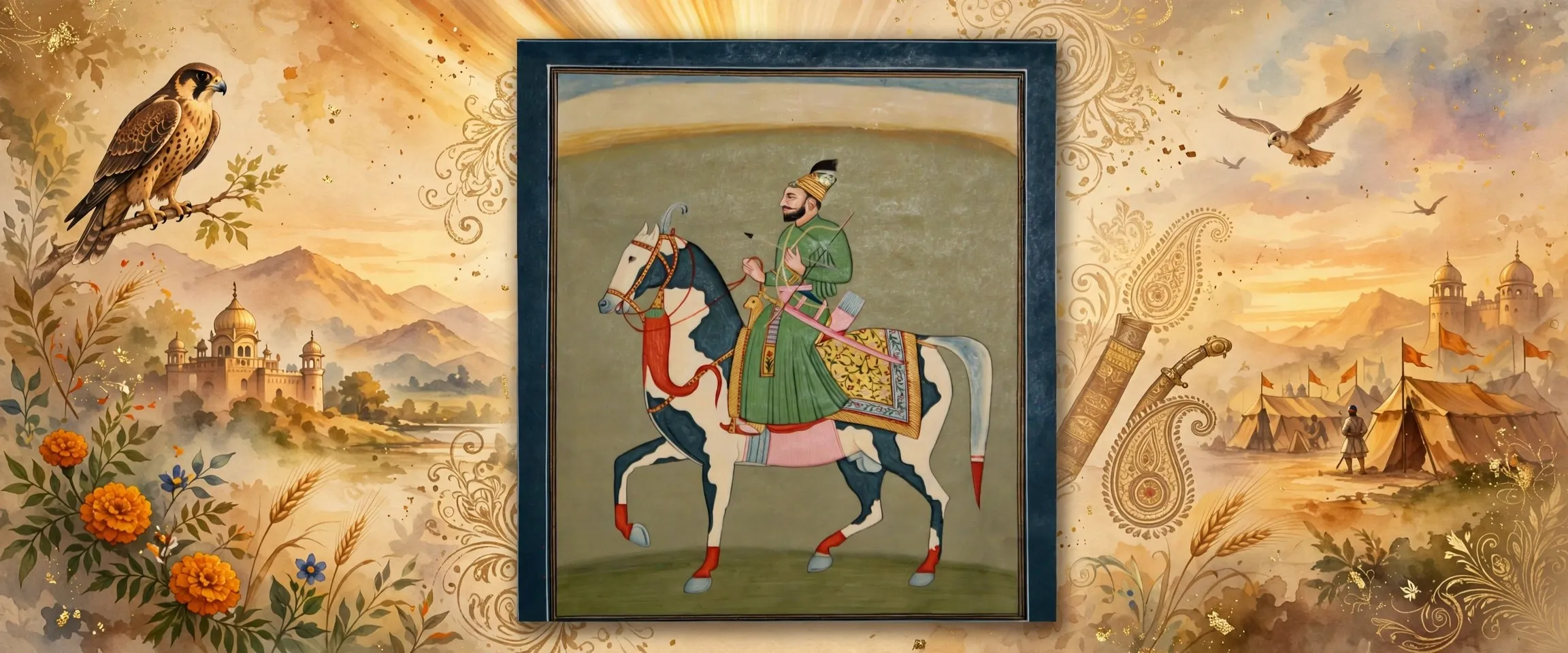
ਜੁੜੇ ਹੋਏ
ਹੋਰ ਪੜ੍ਹੋ
ਸਰੋਤ (3)
ਜੁਗਤੀ ਮੁਫ਼ਤ ਅਤੇ ਸੁਤੰਤਰ ਹੈ। ਪਾਠਕਾਂ ਦਾ ਸਹਿਯੋਗ ਕੋਸ਼ ਨੂੰ ਵਧਾਉਂਦਾ ਹੈ।
ਸਹਿਯੋਗ