
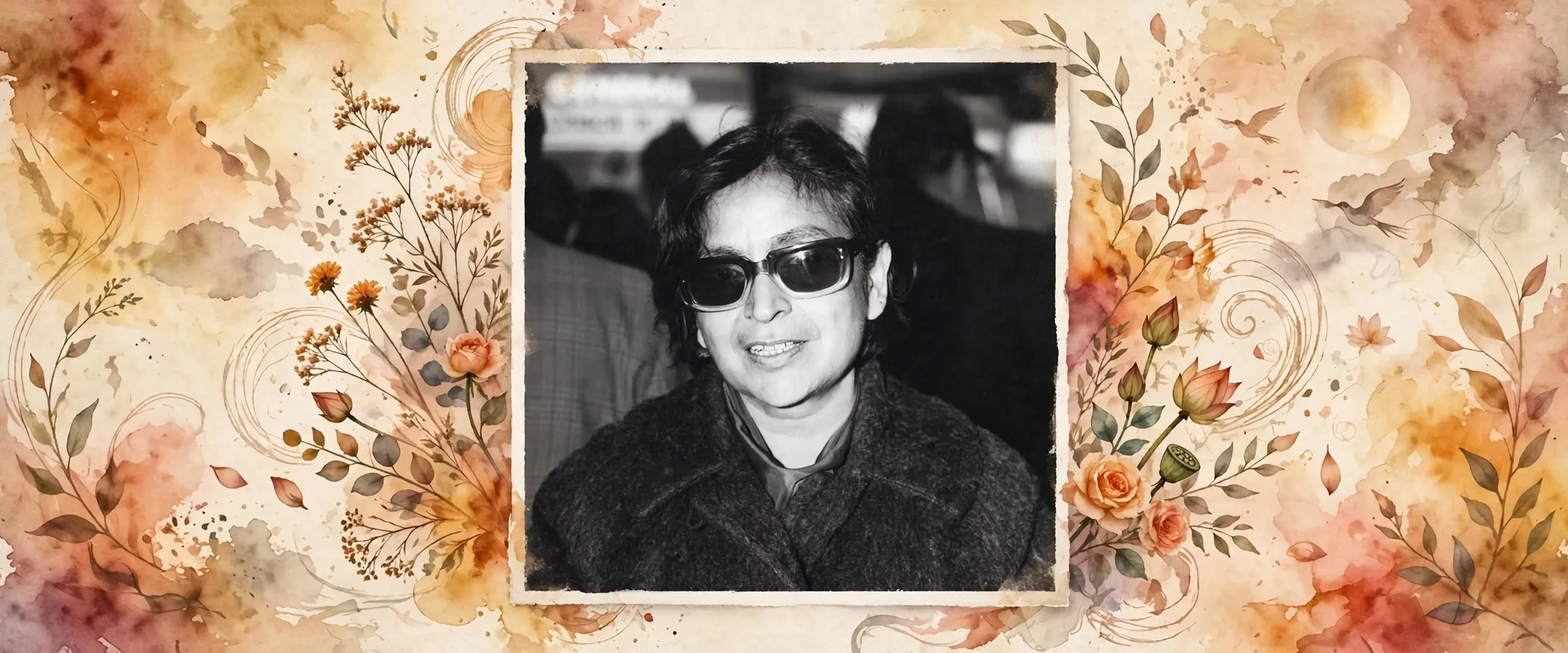
ਮੈਂ ਤੈਨੂੰ ਫਿਰ ਮਿਲਾਂਗੀ ਅੰਮ੍ਰਿਤਾ ਪ੍ਰੀਤਮ ਦੀ ਇੱਕ ਪੰਜਾਬੀ ਕਵਿਤਾ ਹੈ, ਜੋ ਉਸ ਦੇ ਜੀਵਨ ਦੇ ਅੰਤ ਨੇੜੇ ਲਿਖੀ ਗਈ ਸੀ ਅਤੇ ਉਸ ਦੇ ਸਾਥੀ, ਚਿੱਤਰਕਾਰ ਇਮਰੋਜ਼, ਨੂੰ ਸੰਬੋਧਨ ਹੈ। ਇਸ ਵਿੱਚ ਕਵੀ ਵਾਅਦਾ ਕਰਦੀ ਹੈ ਕਿ ਭਾਵੇਂ ਉਸ ਦਾ ਸਰੀਰ ਖ਼ਤਮ ਹੋ ਜਾਵੇਗਾ, ਯਾਦਾਂ ਦੇ ਧਾਗੇ ਬਚੇ ਰਹਿਣਗੇ, ਅਤੇ ਉਹ ਉਸ ਨੂੰ ਫਿਰ ਮਿਲੇਗੀ, ਸ਼ਾਇਦ ਉਸ ਦੀ ਕਲਪਨਾ ਵਿੱਚ ਇੱਕ ਚਿਣਗ ਬਣ ਕੇ, ਉਸ ਦੇ ਕੈਨਵਸ ਉੱਤੇ ਇੱਕ ਲਕੀਰ ਬਣ ਕੇ, ਜਾਂ ਉਸ ਦੇ ਰੰਗਾਂ ਵਿੱਚ ਸੂਰਜ ਦੀ ਇੱਕ ਕਿਰਨ ਬਣ ਕੇ। ਉਸ ਦੀ ਅਨੁਵਾਦਕ ਨਿਰੁਪਮਾ ਦੱਤ ਇਸ ਨੂੰ ਪ੍ਰੀਤਮ ਦੀ ਆਖ਼ਰੀ ਕਵਿਤਾ ਦੱਸਦੀ ਹੈ, ਅਤੇ ਹੁਣ ਇਸ ਨੂੰ ਉਸ ਦੀ ਵੰਡ ਦੀ ਓਡ, ਅੱਜ ਆਖਾਂ ਵਾਰਿਸ ਸ਼ਾਹ ਨੂੰ, ਤੋਂ ਬਾਅਦ ਦੂਜਾ ਸਭ ਤੋਂ ਮਸ਼ਹੂਰ ਦਰਜਾ ਮਿਲਿਆ ਹੈ।
ਪੰਜਾਬੀ, ਗੁਰਮੁਖੀ, ਅੰਗਰੇਜ਼ੀ ਅਨੁਵਾਦ ਸਮੇਤ- ਪੰਜਾਬੀ ਨਾਂ
- ਮੈਂ ਤੈਨੂੰ ਫਿਰ ਮਿਲਾਂਗੀ
- ਲੇਖਕ
- ਅੰਮ੍ਰਿਤਾ ਪ੍ਰੀਤਮ
- ਲਿਖਾਈ
- ਉਸ ਦੇ ਜੀਵਨ ਦੇ ਅੰਤ ਨੇੜੇ; ਉਸ ਦੀ ਆਖ਼ਰੀ ਕਵਿਤਾ, ਜਿਵੇਂ ਉਸ ਦੀ ਅਨੁਵਾਦਕ ਦੱਸਦੀ ਹੈ
- ਭਾਸ਼ਾ
- ਪੰਜਾਬੀ, ਗੁਰਮੁਖੀ
- ਰੂਪ
- ਕਵਿਤਾ
- ਅਨੁਵਾਦਕ
- ਨਿਰੁਪਮਾ ਦੱਤ, "ਆਈ ਵਿਲ ਮੀਟ ਯੂ ਯੈਟ ਅਗੇਨ"
All 8 facts
- ਸਮਰਪਿਤ
- ਇਮਰੋਜ਼ (ਚਿੱਤਰਕਾਰ ਇੰਦਰਜੀਤ ਇਮਰੋਜ਼)
- ਵਿਸ਼ੇਸ਼ਤਾ
- ਅੱਜ ਆਖਾਂ ਵਾਰਿਸ ਸ਼ਾਹ ਨੂੰ ਤੋਂ ਬਾਅਦ ਦੂਜਾ ਸਭ ਤੋਂ ਮਸ਼ਹੂਰ ਦਰਜਾ
About the poem
Main Tainu Phir Milangi is a Punjabi poem by Amrita Pritam, one of the most loved poems in modern Punjabi literature. Its title means I Will Meet You Yet Again, and that promise is the whole poem: a woman who knows she is dying tells the man she loves that death will not end their meeting. The poem was written near the end of Pritam's life, and her translator, Nirupama Dutt, records it as the last poem Pritam ever wrote. Pritam showed it to Dutt herself, saying that all ends with death but something survives, and that she had addressed the poem to Imroz, the artist who had shared her life for the last forty years. Dutt's English translation, I Will Meet You Yet Again, appeared in The Little Magazine while Pritam was still alive, and the poet smiled at it even in pain. The poem is short, plain and direct, with none of the ornament of her early romantic verse. Its power comes from its plainness: a woman facing death, speaking simply about what she believes will outlast her body.
What the poem says
The poem opens with its promise and its uncertainty in the same breath. She will meet him again, but she does not know how or where. Then she imagines the forms that meeting might take, each one drawn from Imroz's world as a painter. Perhaps she will become a spark in his imagination, a mysterious line on his canvas, watching him in silence. Perhaps she will become a ray of sun that melts into his colours, or a spring whose drops cool his chest. The images are gentle and physical, sun and water and paint, and they all carry the same meaning: she will be present in the things he makes and the life he goes on living. Then the poem turns to what endures. When the body perishes, she says, everything perishes, but the threads of memory are woven of enduring atoms. She will gather those particles, weave the threads, and meet him yet again. The poem does not argue for an afterlife or name any heaven. It rests its faith on memory itself, on the idea that love leaves particles behind that can be gathered again. Dutt's translation keeps the plain, repeated cadence of the Punjabi: "I will meet you yet again. How and where? I know not. Perhaps I will become a figment of your imagination."
The author: Amrita Pritam and Imroz
Amrita Pritam was born on 31 August 1919 in Gujranwala, in pre-Partition Punjab, and died in New Delhi on 31 October 2005. She became the first modern poet of Punjab at sixteen, with Thandiyan Kirnan (Cool Rays), and went on to author some 100 books of poetry, fiction, essays and memoirs, including her autobiography Raseedi Ticket (The Revenue Stamp, 1976). Her collection Sunehre won the Sahitya Akademi Award in 1956, making her the first woman to receive it, and Kagaz te Canvas won the Jnanpith Award in 1982, the first Jnanpith for writing in Punjabi. She also received the Padma Shri and the Padma Vibhushan, and edited the Punjabi literary journal Nagmani for decades. Her most famous poem, Ajj Akhan Waris Shah Nu, was written on a train journey from Delhi to Dehradun in 1948, as a 28-year-old refugee from Lahore, calling on the Sufi poet Waris Shah to speak for the daughters of a Punjab torn by Partition. Her personal life was as openly lived as her writing. She walked out of a loveless marriage, had an intense but platonic romance with the Urdu poet Sahir Ludhianvi, and then spent the last forty years of her life with the artist Inderjit Imroz. Imroz was her partner, her companion and the keeper of her daily life, and it is to him, not to Sahir, that this last poem is addressed. The distinction matters, because the poem is not about a lost love from her youth. It is about the man who shared her home, her table and her last years.
Why is Main Tainu Phir Milangi so loved?
The poem is loved because it says the hardest thing in the plainest words. Almost everyone who has lost someone has wanted to say what Pritam says here: that the meeting is not over. The poem gives that wish a shape without making any claim the reader must believe. It does not promise heaven or rebirth, only that memory has threads and that love can gather them. Readers also love it because it is a love poem without possession. She does not ask Imroz to grieve forever or to follow her. She tells him she will come to him, quietly, in his imagination, in his painting, in sunlight and cool water. The images belong to his work as an artist, which makes the poem feel like a gift made for one person and yet open to everyone. Its standing is easy to state: Sahapedia records that it enjoys an iconic status second only to her ode to Waris Shah. That is remarkable for a poem written at the very end of a long life, when most poets have said their last word. Pritam's last word turned out to be one of her most remembered.
Reception and legacy
The poem reached English readers through Nirupama Dutt's translation, I Will Meet You Yet Again, published in The Little Magazine while Pritam was alive. Dutt has said the poem made Pritam smile even amidst pain, and she counts it among the two poems she looks back on with the most love. Since then the translation has carried the poem far beyond Punjabi readers, and it is now one of the most quoted Punjabi poems in English as well as in Punjabi. Its legacy is also a matter of place: it closed a career that had begun with Thandiyan Kirnan at sixteen and run through a hundred books, the Sahitya Akademi and Jnanpith awards, and the Partition ode that made her immortal. That a poet who had written so much should be remembered, in her last poem, for a simple promise to one man, says something about what her readers value most in her. She wrote all her life about love, freedom, justice and togetherness, in Sahapedia's words, and this poem gathers all four into a single vow: love survives, and the meeting is not over. For readers of Punjabi poetry, it stands beside Ajj Akhan Waris Shah Nu as the second pillar of her fame, and for many it is the poem they turn to first.
ਕਵਿਤਾ ਬਾਰੇ
ਮੈਂ ਤੈਨੂੰ ਫਿਰ ਮਿਲਾਂਗੀ ਅੰਮ੍ਰਿਤਾ ਪ੍ਰੀਤਮ ਦੀ ਇੱਕ ਪੰਜਾਬੀ ਕਵਿਤਾ ਹੈ, ਜੋ ਆਧੁਨਿਕ ਪੰਜਾਬੀ ਸਾਹਿਤ ਦੀਆਂ ਸਭ ਤੋਂ ਪਿਆਰੀਆਂ ਕਵਿਤਾਵਾਂ ਵਿੱਚੋਂ ਇੱਕ ਹੈ। ਇਸ ਦਾ ਸਿਰਲੇਖ ਹੈ ਕਿ ਮੈਂ ਤੈਨੂੰ ਫਿਰ ਮਿਲਾਂਗੀ, ਅਤੇ ਇਹ ਵਾਅਦਾ ਹੀ ਸਾਰੀ ਕਵਿਤਾ ਹੈ। ਇੱਕ ਔਰਤ ਜੋ ਜਾਣਦੀ ਹੈ ਕਿ ਉਹ ਮਰ ਰਹੀ ਹੈ, ਆਪਣੇ ਪਿਆਰੇ ਨੂੰ ਕਹਿੰਦੀ ਹੈ ਕਿ ਮੌਤ ਉਨ੍ਹਾਂ ਦੀ ਮੁਲਾਕਾਤ ਖ਼ਤਮ ਨਹੀਂ ਕਰੇਗੀ। ਇਹ ਕਵਿਤਾ ਪ੍ਰੀਤਮ ਦੇ ਜੀਵਨ ਦੇ ਅੰਤ ਨੇੜੇ ਲਿਖੀ ਗਈ ਸੀ, ਅਤੇ ਉਸ ਦੀ ਅਨੁਵਾਦਕ ਨਿਰੁਪਮਾ ਦੱਤ ਇਸ ਨੂੰ ਪ੍ਰੀਤਮ ਦੀ ਆਖ਼ਰੀ ਕਵਿਤਾ ਦੱਸਦੀ ਹੈ। ਪ੍ਰੀਤਮ ਨੇ ਇਹ ਕਵਿਤਾ ਦੱਤ ਨੂੰ ਖ਼ੁਦ ਦਿਖਾਈ ਸੀ, ਇਹ ਕਹਿੰਦਿਆਂ ਕਿ ਮੌਤ ਨਾਲ ਸਭ ਖ਼ਤਮ ਹੋ ਜਾਂਦਾ ਹੈ ਪਰ ਕੁਝ ਬਚਦਾ ਹੈ, ਅਤੇ ਉਸ ਨੇ ਇਹ ਕਵਿਤਾ ਇਮਰੋਜ਼ ਨੂੰ ਸੰਬੋਧਨ ਕਰ ਕੇ ਲਿਖੀ ਹੈ, ਉਹ ਚਿੱਤਰਕਾਰ ਜਿਸ ਨੇ ਉਸ ਦੇ ਜੀਵਨ ਦੇ ਆਖ਼ਰੀ ਚਾਲੀ ਸਾਲ ਉਸ ਨਾਲ ਸਾਂਝੇ ਕੀਤੇ ਸਨ। ਦੱਤ ਦਾ ਅੰਗਰੇਜ਼ੀ ਅਨੁਵਾਦ, ਆਈ ਵਿਲ ਮੀਟ ਯੂ ਯੈਟ ਅਗੇਨ, ਦ ਲਿਟਲ ਮੈਗਜ਼ੀਨ ਵਿੱਚ ਛਪਿਆ ਸੀ ਜਦੋਂ ਪ੍ਰੀਤਮ ਅਜੇ ਜੀਉਂਦੀ ਸੀ, ਅਤੇ ਕਵਿਤਾ ਨੇ ਦਰਦ ਵਿੱਚ ਵੀ ਉਸ ਦੇ ਚਿਹਰੇ ਉੱਤੇ ਮੁਸਕਰਾਹਟ ਲਿਆਂਦੀ ਸੀ। ਇਹ ਕਵਿਤਾ ਛੋਟੀ, ਸਾਦੀ ਤੇ ਸਿੱਧੀ ਹੈ, ਉਸ ਦੀ ਮੁੱਢਲੀ ਰੁਮਾਂਟਿਕ ਕਵਿਤਾ ਦੀ ਸਜਾਵਟ ਤੋਂ ਬਿਨਾਂ। ਇਸ ਦੀ ਤਾਕਤ ਇਸ ਦੀ ਸਾਦਗੀ ਵਿੱਚ ਹੈ। ਮੌਤ ਦਾ ਸਾਹਮਣਾ ਕਰਦੀ ਇੱਕ ਔਰਤ ਸਾਦੇ ਸ਼ਬਦਾਂ ਵਿੱਚ ਉਸ ਬਾਰੇ ਬੋਲਦੀ ਹੈ ਜੋ ਉਸ ਦੇ ਸਰੀਰ ਤੋਂ ਪਾਰ ਜੀਉਂਦਾ ਰਹੇਗਾ।
ਕਵਿਤਾ ਕੀ ਕਹਿੰਦੀ ਹੈ
ਕਵਿਤਾ ਆਪਣੇ ਵਾਅਦੇ ਤੇ ਆਪਣੀ ਅਨਿਸ਼ਚਿਤਤਾ ਨਾਲ ਇੱਕੋ ਸਾਹ ਵਿੱਚ ਸ਼ੁਰੂ ਹੁੰਦੀ ਹੈ। ਉਹ ਉਸ ਨੂੰ ਫਿਰ ਮਿਲੇਗੀ, ਪਰ ਉਸ ਨੂੰ ਨਹੀਂ ਪਤਾ ਕਿ ਕਿਵੇਂ ਜਾਂ ਕਿੱਥੇ। ਫਿਰ ਉਹ ਉਨ੍ਹਾਂ ਰੂਪਾਂ ਦੀ ਕਲਪਨਾ ਕਰਦੀ ਹੈ ਜੋ ਇਹ ਮੁਲਾਕਾਤ ਲੈ ਸਕਦੀ ਹੈ, ਹਰ ਰੂਪ ਇਮਰੋਜ਼ ਦੀ ਦੁਨੀਆ, ਇੱਕ ਚਿੱਤਰਕਾਰ ਦੀ ਦੁਨੀਆ, ਤੋਂ ਲਿਆ ਗਿਆ ਹੈ। ਸ਼ਾਇਦ ਉਹ ਉਸ ਦੀ ਕਲਪਨਾ ਵਿੱਚ ਇੱਕ ਚਿਣਗ ਬਣ ਜਾਵੇਗੀ, ਉਸ ਦੇ ਕੈਨਵਸ ਉੱਤੇ ਇੱਕ ਰਹੱਸਮਈ ਲਕੀਰ ਬਣ ਕੇ ਚੁੱਪ-ਚਾਪ ਉਸ ਨੂੰ ਤੱਕਦੀ ਰਹੇਗੀ। ਸ਼ਾਇਦ ਉਹ ਸੂਰਜ ਦੀ ਇੱਕ ਕਿਰਨ ਬਣ ਜਾਵੇਗੀ ਜੋ ਉਸ ਦੇ ਰੰਗਾਂ ਵਿੱਚ ਘੁਲ ਜਾਵੇਗੀ, ਜਾਂ ਇੱਕ ਚਸ਼ਮਾ ਬਣ ਜਾਵੇਗੀ ਜਿਸ ਦੀਆਂ ਬੂੰਦਾਂ ਉਸ ਦੀ ਛਾਤੀ ਨੂੰ ਠੰਢਕ ਦੇਣਗੀਆਂ। ਇਹ ਤਸਵੀਰਾਂ ਨਰਮ ਤੇ ਸਰੀਰਕ ਹਨ, ਸੂਰਜ ਤੇ ਪਾਣੀ ਤੇ ਰੰਗ, ਅਤੇ ਸਾਰੀਆਂ ਦਾ ਇੱਕੋ ਮਤਲਬ ਹੈ। ਉਹ ਉਨ੍ਹਾਂ ਚੀਜ਼ਾਂ ਵਿੱਚ ਮੌਜੂਦ ਰਹੇਗੀ ਜੋ ਉਹ ਬਣਾਉਂਦਾ ਹੈ ਅਤੇ ਉਸ ਜ਼ਿੰਦਗੀ ਵਿੱਚ ਜੋ ਉਹ ਜੀਉਂਦਾ ਰਹੇਗਾ। ਫਿਰ ਕਵਿਤਾ ਉਸ ਵੱਲ ਮੁੜਦੀ ਹੈ ਜੋ ਬਚਦਾ ਹੈ। ਜਦੋਂ ਸਰੀਰ ਖ਼ਤਮ ਹੋ ਜਾਂਦਾ ਹੈ, ਉਹ ਕਹਿੰਦੀ ਹੈ, ਸਭ ਕੁਝ ਖ਼ਤਮ ਹੋ ਜਾਂਦਾ ਹੈ, ਪਰ ਯਾਦਾਂ ਦੇ ਧਾਗੇ ਸਦਾ ਰਹਿਣ ਵਾਲੇ ਕਣਾਂ ਦੇ ਬੁਣੇ ਹੁੰਦੇ ਹਨ। ਉਹ ਉਨ੍ਹਾਂ ਕਣਾਂ ਨੂੰ ਚੁਣੇਗੀ, ਧਾਗਿਆਂ ਨੂੰ ਬੁਣੇਗੀ, ਤੇ ਉਸ ਨੂੰ ਫਿਰ ਮਿਲੇਗੀ। ਕਵਿਤਾ ਕਿਸੇ ਅਗਲੇ ਜਨਮ ਦੀ ਦਲੀਲ ਨਹੀਂ ਦਿੰਦੀ ਅਤੇ ਨਾ ਹੀ ਕਿਸੇ ਸਵਰਗ ਦਾ ਨਾਂ ਲੈਂਦੀ ਹੈ। ਇਸ ਦਾ ਵਿਸ਼ਵਾਸ ਯਾਦ ਉੱਤੇ ਹੀ ਟਿਕਿਆ ਹੈ, ਇਸ ਵਿਚਾਰ ਉੱਤੇ ਕਿ ਪਿਆਰ ਪਿੱਛੇ ਕਣ ਛੱਡ ਜਾਂਦਾ ਹੈ ਜਿਨ੍ਹਾਂ ਨੂੰ ਫਿਰ ਇਕੱਠਾ ਕੀਤਾ ਜਾ ਸਕਦਾ ਹੈ। ਮੈਂ ਤੈਨੂੰ ਫਿਰ ਮਿਲਾਂਗੀ। ਕਿੱਥੇ? ਕਿਸ ਤਰ੍ਹਾਂ? ਪਤਾ ਨਹੀਂ।
ਲੇਖਕ: ਅੰਮ੍ਰਿਤਾ ਪ੍ਰੀਤਮ ਤੇ ਇਮਰੋਜ਼
ਅੰਮ੍ਰਿਤਾ ਪ੍ਰੀਤਮ ਦਾ ਜਨਮ 31 ਅਗਸਤ 1919 ਨੂੰ ਗੁਜਰਾਂਵਾਲਾ ਵਿੱਚ ਹੋਇਆ ਸੀ, ਵੰਡ ਤੋਂ ਪਹਿਲਾਂ ਦੇ ਪੰਜਾਬ ਵਿੱਚ, ਅਤੇ ਉਸ ਦੀ ਮੌਤ 31 ਅਕਤੂਬਰ 2005 ਨੂੰ ਨਵੀਂ ਦਿੱਲੀ ਵਿੱਚ ਹੋਈ। ਉਹ ਸੋਲਾਂ ਸਾਲ ਦੀ ਉਮਰ ਵਿੱਚ ਠੰਢੀਆਂ ਕਿਰਨਾਂ ਨਾਲ ਪੰਜਾਬ ਦੀ ਪਹਿਲੀ ਆਧੁਨਿਕ ਕਵੀ ਬਣੀ ਸੀ, ਅਤੇ ਫਿਰ ਉਸ ਨੇ ਕਵਿਤਾ, ਗਲਪ, ਲੇਖ ਤੇ ਸੰਸਮਰਣਾਂ ਦੀਆਂ ਲਗਭਗ 100 ਕਿਤਾਬਾਂ ਲਿਖੀਆਂ, ਜਿਨ੍ਹਾਂ ਵਿੱਚ ਉਸ ਦੀ ਆਤਮਕਥਾ ਰਸੀਦੀ ਟਿਕਟ (1976) ਵੀ ਹੈ। ਉਸ ਦੇ ਸੰਗ੍ਰਹਿ ਸੁਨੇਹਰੇ ਨੇ 1956 ਵਿੱਚ ਸਾਹਿਤ ਅਕਾਦਮੀ ਪੁਰਸਕਾਰ ਜਿੱਤਿਆ, ਜਿਸ ਨਾਲ ਉਹ ਇਹ ਪੁਰਸਕਾਰ ਪਾਉਣ ਵਾਲੀ ਪਹਿਲੀ ਔਰਤ ਬਣੀ, ਅਤੇ ਕਾਗਜ਼ ਤੇ ਕੈਨਵਸ ਨੇ 1982 ਵਿੱਚ ਗਿਆਨਪੀਠ ਪੁਰਸਕਾਰ ਜਿੱਤਿਆ, ਜੋ ਪੰਜਾਬੀ ਵਿੱਚ ਲਿਖਣ ਲਈ ਪਹਿਲਾ ਗਿਆਨਪੀਠ ਸੀ। ਉਸ ਨੂੰ ਪਦਮ ਸ਼੍ਰੀ ਤੇ ਪਦਮ ਵਿਭੂਸ਼ਣ ਵੀ ਮਿਲੇ, ਅਤੇ ਉਸ ਨੇ ਪੰਜਾਬੀ ਸਾਹਿਤਕ ਪੱਤਰ ਨਾਗਮਣੀ ਦਾ ਸੰਪਾਦਨ ਦਹਾਕਿਆਂ ਤੱਕ ਕੀਤਾ। ਉਸ ਦੀ ਸਭ ਤੋਂ ਮਸ਼ਹੂਰ ਕਵਿਤਾ, ਅੱਜ ਆਖਾਂ ਵਾਰਿਸ ਸ਼ਾਹ ਨੂੰ, 1948 ਵਿੱਚ ਦਿੱਲੀ ਤੋਂ ਦੇਹਰਾਦੂਨ ਜਾਂਦੀ ਰੇਲ ਵਿੱਚ ਲਿਖੀ ਗਈ ਸੀ, ਜਦੋਂ ਉਹ ਲਾਹੌਰ ਤੋਂ ਆਈ 28 ਸਾਲ ਦੀ ਸ਼ਰਨਾਰਥੀ ਸੀ, ਅਤੇ ਉਸ ਨੇ ਸੂਫ਼ੀ ਕਵੀ ਵਾਰਿਸ ਸ਼ਾਹ ਨੂੰ ਵੰਡ ਨਾਲ ਟੁੱਟੇ ਪੰਜਾਬ ਦੀਆਂ ਧੀਆਂ ਲਈ ਬੋਲਣ ਲਈ ਕਿਹਾ ਸੀ। ਉਸ ਦਾ ਨਿੱਜੀ ਜੀਵਨ ਉਸ ਦੀ ਲਿਖਤ ਵਾਂਗ ਹੀ ਖੁੱਲ੍ਹਾ ਸੀ। ਉਹ ਇੱਕ ਬਿਨਾਂ ਪਿਆਰ ਦੇ ਵਿਆਹ ਤੋਂ ਬਾਹਰ ਨਿਕਲੀ, ਉਰਦੂ ਕਵੀ ਸਾਹਿਰ ਲੁਧਿਆਣਵੀ ਨਾਲ ਉਸ ਦਾ ਗਹਿਰਾ ਪਰ ਪਵਿੱਤਰ ਪਿਆਰ ਰਿਹਾ, ਅਤੇ ਫਿਰ ਉਸ ਨੇ ਆਪਣੇ ਜੀਵਨ ਦੇ ਆਖ਼ਰੀ ਚਾਲੀ ਸਾਲ ਚਿੱਤਰਕਾਰ ਇੰਦਰਜੀਤ ਇਮਰੋਜ਼ ਨਾਲ ਬਿਤਾਏ। ਇਮਰੋਜ਼ ਉਸ ਦਾ ਸਾਥੀ, ਉਸ ਦਾ ਹਮਸਫ਼ਰ ਅਤੇ ਉਸ ਦੇ ਰੋਜ਼ਾਨਾ ਜੀਵਨ ਦਾ ਰਖਵਾਲਾ ਸੀ, ਅਤੇ ਇਹ ਆਖ਼ਰੀ ਕਵਿਤਾ ਉਸੇ ਨੂੰ ਸੰਬੋਧਨ ਹੈ, ਸਾਹਿਰ ਨੂੰ ਨਹੀਂ। ਇਹ ਫ਼ਰਕ ਮਾਇਨੇ ਰੱਖਦਾ ਹੈ, ਕਿਉਂਕਿ ਕਵਿਤਾ ਉਸ ਦੇ ਜਵਾਨੀ ਦੇ ਗੁਆਚੇ ਪਿਆਰ ਬਾਰੇ ਨਹੀਂ ਹੈ। ਇਹ ਉਸ ਆਦਮੀ ਬਾਰੇ ਹੈ ਜਿਸ ਨੇ ਉਸ ਦਾ ਘਰ, ਉਸ ਦੀ ਮੇਜ਼ ਤੇ ਉਸ ਦੇ ਆਖ਼ਰੀ ਸਾਲ ਸਾਂਝੇ ਕੀਤੇ ਸਨ।
ਮੈਂ ਤੈਨੂੰ ਫਿਰ ਮਿਲਾਂਗੀ ਇੰਨੀ ਪਿਆਰੀ ਕਿਉਂ ਹੈ?
ਇਹ ਕਵਿਤਾ ਇਸ ਲਈ ਪਿਆਰੀ ਹੈ ਕਿਉਂਕਿ ਇਹ ਸਭ ਤੋਂ ਔਖੀ ਗੱਲ ਸਭ ਤੋਂ ਸਾਦੇ ਸ਼ਬਦਾਂ ਵਿੱਚ ਕਹਿੰਦੀ ਹੈ। ਲਗਭਗ ਹਰ ਉਹ ਵਿਅਕਤੀ ਜਿਸ ਨੇ ਕਿਸੇ ਨੂੰ ਗੁਆਇਆ ਹੈ, ਉਹੀ ਕਹਿਣਾ ਚਾਹੁੰਦਾ ਹੈ ਜੋ ਪ੍ਰੀਤਮ ਇੱਥੇ ਕਹਿੰਦੀ ਹੈ। ਕਿ ਮੁਲਾਕਾਤ ਖ਼ਤਮ ਨਹੀਂ ਹੋਈ। ਕਵਿਤਾ ਇਸ ਚਾਹਤ ਨੂੰ ਇੱਕ ਰੂਪ ਦਿੰਦੀ ਹੈ, ਬਿਨਾਂ ਕੋਈ ਅਜਿਹਾ ਦਾਅਵਾ ਕੀਤੇ ਜਿਸ ਉੱਤੇ ਪਾਠਕ ਨੂੰ ਵਿਸ਼ਵਾਸ ਕਰਨਾ ਹੀ ਪਵੇ। ਇਹ ਸਵਰਗ ਜਾਂ ਪੁਨਰਜਨਮ ਦਾ ਵਾਅਦਾ ਨਹੀਂ ਕਰਦੀ, ਸਿਰਫ਼ ਇਹ ਕਿ ਯਾਦ ਦੇ ਧਾਗੇ ਹਨ ਅਤੇ ਪਿਆਰ ਉਨ੍ਹਾਂ ਨੂੰ ਇਕੱਠਾ ਕਰ ਸਕਦਾ ਹੈ। ਪਾਠਕ ਇਸ ਨੂੰ ਇਸ ਲਈ ਵੀ ਪਿਆਰ ਕਰਦੇ ਹਨ ਕਿਉਂਕਿ ਇਹ ਬਿਨਾਂ ਮਾਲਕੀ ਦੇ ਪਿਆਰ ਦੀ ਕਵਿਤਾ ਹੈ। ਉਹ ਇਮਰੋਜ਼ ਨੂੰ ਸਦਾ ਸੋਗ ਕਰਨ ਜਾਂ ਉਸ ਦੇ ਪਿੱਛੇ ਆਉਣ ਲਈ ਨਹੀਂ ਕਹਿੰਦੀ। ਉਹ ਉਸ ਨੂੰ ਕਹਿੰਦੀ ਹੈ ਕਿ ਉਹ ਉਸ ਕੋਲ ਆਵੇਗੀ, ਚੁੱਪ-ਚਾਪ, ਉਸ ਦੀ ਕਲਪਨਾ ਵਿੱਚ, ਉਸ ਦੀ ਪੇਂਟਿੰਗ ਵਿੱਚ, ਸੂਰਜ ਦੀ ਰੋਸ਼ਨੀ ਤੇ ਠੰਢੇ ਪਾਣੀ ਵਿੱਚ। ਇਹ ਤਸਵੀਰਾਂ ਇੱਕ ਕਲਾਕਾਰ ਵਜੋਂ ਉਸ ਦੇ ਕੰਮ ਦੀਆਂ ਹਨ, ਜਿਸ ਨਾਲ ਕਵਿਤਾ ਇੱਕ ਵਿਅਕਤੀ ਲਈ ਬਣੇ ਤੋਹਫ਼ੇ ਵਰਗੀ ਲੱਗਦੀ ਹੈ ਅਤੇ ਫਿਰ ਵੀ ਹਰ ਕਿਸੇ ਲਈ ਖੁੱਲ੍ਹੀ ਹੈ। ਇਸ ਦਾ ਦਰਜਾ ਸਾਦੇ ਸ਼ਬਦਾਂ ਵਿੱਚ ਦੱਸਿਆ ਜਾ ਸਕਦਾ ਹੈ। ਸਹਾਪੀਡੀਆ ਦੱਸਦਾ ਹੈ ਕਿ ਇਸ ਨੂੰ ਉਸ ਦੀ ਵਾਰਿਸ ਸ਼ਾਹ ਨੂੰ ਓਡ ਤੋਂ ਬਾਅਦ ਦੂਜਾ ਸਭ ਤੋਂ ਮਸ਼ਹੂਰ ਦਰਜਾ ਮਿਲਿਆ ਹੈ। ਇਹ ਹੈਰਾਨ ਕਰਨ ਵਾਲੀ ਗੱਲ ਹੈ, ਇੱਕ ਅਜਿਹੀ ਕਵਿਤਾ ਲਈ ਜੋ ਇੱਕ ਲੰਮੇ ਜੀਵਨ ਦੇ ਬਿਲਕੁਲ ਅੰਤ ਵਿੱਚ ਲਿਖੀ ਗਈ ਸੀ, ਜਦੋਂ ਜ਼ਿਆਦਾਤਰ ਕਵੀਆਂ ਨੇ ਆਪਣਾ ਆਖ਼ਰੀ ਸ਼ਬਦ ਕਹਿ ਦਿੱਤਾ ਹੁੰਦਾ ਹੈ। ਪ੍ਰੀਤਮ ਦਾ ਆਖ਼ਰੀ ਸ਼ਬਦ ਉਸ ਦੇ ਸਭ ਤੋਂ ਯਾਦ ਰੱਖੇ ਜਾਣ ਵਾਲੇ ਸ਼ਬਦਾਂ ਵਿੱਚੋਂ ਇੱਕ ਨਿਕਲਿਆ।
ਸਵਾਗਤ ਤੇ ਵਿਰਾਸਤ
ਇਹ ਕਵਿਤਾ ਅੰਗਰੇਜ਼ੀ ਪਾਠਕਾਂ ਤੱਕ ਨਿਰੁਪਮਾ ਦੱਤ ਦੇ ਅਨੁਵਾਦ, ਆਈ ਵਿਲ ਮੀਟ ਯੂ ਯੈਟ ਅਗੇਨ, ਰਾਹੀਂ ਪਹੁੰਚੀ, ਜੋ ਦ ਲਿਟਲ ਮੈਗਜ਼ੀਨ ਵਿੱਚ ਛਪਿਆ ਸੀ ਜਦੋਂ ਪ੍ਰੀਤਮ ਅਜੇ ਜੀਉਂਦੀ ਸੀ। ਦੱਤ ਨੇ ਕਿਹਾ ਹੈ ਕਿ ਕਵਿਤਾ ਨੇ ਦਰਦ ਵਿੱਚ ਵੀ ਪ੍ਰੀਤਮ ਨੂੰ ਮੁਸਕਰਾਹਟ ਦਿੱਤੀ ਸੀ, ਅਤੇ ਉਹ ਇਸ ਨੂੰ ਉਨ੍ਹਾਂ ਦੋ ਕਵਿਤਾਵਾਂ ਵਿੱਚੋਂ ਇੱਕ ਮੰਨਦੀ ਹੈ ਜਿਨ੍ਹਾਂ ਨੂੰ ਉਹ ਸਭ ਤੋਂ ਵੱਧ ਪਿਆਰ ਨਾਲ ਯਾਦ ਕਰਦੀ ਹੈ। ਉਸ ਤੋਂ ਬਾਅਦ ਅਨੁਵਾਦ ਨੇ ਕਵਿਤਾ ਨੂੰ ਪੰਜਾਬੀ ਪਾਠਕਾਂ ਤੋਂ ਬਹੁਤ ਪਾਰ ਪਹੁੰਚਾ ਦਿੱਤਾ ਹੈ, ਅਤੇ ਇਹ ਹੁਣ ਪੰਜਾਬੀ ਵਿੱਚ ਵੀ ਅਤੇ ਅੰਗਰੇਜ਼ੀ ਵਿੱਚ ਵੀ ਸਭ ਤੋਂ ਵੱਧ ਹਵਾਲਾ ਦਿੱਤੀਆਂ ਜਾਣ ਵਾਲੀਆਂ ਪੰਜਾਬੀ ਕਵਿਤਾਵਾਂ ਵਿੱਚੋਂ ਇੱਕ ਹੈ। ਇਸ ਦੀ ਵਿਰਾਸਤ ਇਸ ਦੀ ਜਗ੍ਹਾ ਨਾਲ ਵੀ ਜੁੜੀ ਹੈ। ਇਸ ਨੇ ਇੱਕ ਅਜਿਹੇ ਜੀਵਨ ਨੂੰ ਸਮੇਟਿਆ ਜੋ ਸੋਲਾਂ ਸਾਲ ਦੀ ਉਮਰ ਵਿੱਚ ਠੰਢੀਆਂ ਕਿਰਨਾਂ ਨਾਲ ਸ਼ੁਰੂ ਹੋਇਆ ਸੀ ਅਤੇ ਸੌ ਕਿਤਾਬਾਂ, ਸਾਹਿਤ ਅਕਾਦਮੀ ਤੇ ਗਿਆਨਪੀਠ ਪੁਰਸਕਾਰਾਂ, ਅਤੇ ਵੰਡ ਦੀ ਉਸ ਓਡ ਵਿੱਚੋਂ ਲੰਘਿਆ ਸੀ ਜਿਸ ਨੇ ਉਸ ਨੂੰ ਅਮਰ ਬਣਾ ਦਿੱਤਾ ਸੀ। ਕਿ ਇੱਕ ਕਵੀ ਜਿਸ ਨੇ ਇੰਨਾ ਕੁਝ ਲਿਖਿਆ ਹੋਵੇ, ਉਸ ਨੂੰ ਆਪਣੀ ਆਖ਼ਰੀ ਕਵਿਤਾ ਵਿੱਚ ਇੱਕ ਆਦਮੀ ਨੂੰ ਦਿੱਤੇ ਸਾਦੇ ਵਾਅਦੇ ਲਈ ਯਾਦ ਕੀਤਾ ਜਾਵੇ, ਇਹ ਦੱਸਦਾ ਹੈ ਕਿ ਉਸ ਦੇ ਪਾਠਕ ਉਸ ਵਿੱਚ ਸਭ ਤੋਂ ਵੱਧ ਕੀ ਮਾਣਦੇ ਹਨ। ਉਸ ਨੇ ਸਾਰੀ ਉਮਰ ਪਿਆਰ, ਆਜ਼ਾਦੀ, ਨਿਆਂ ਤੇ ਸਾਂਝ ਬਾਰੇ ਲਿਖਿਆ, ਸਹਾਪੀਡੀਆ ਦੇ ਸ਼ਬਦਾਂ ਵਿੱਚ, ਅਤੇ ਇਹ ਕਵਿਤਾ ਚਾਰਾਂ ਨੂੰ ਇੱਕੋ ਵਾਅਦੇ ਵਿੱਚ ਇਕੱਠਾ ਕਰਦੀ ਹੈ। ਪਿਆਰ ਬਚਦਾ ਹੈ, ਅਤੇ ਮੁਲਾਕਾਤ ਖ਼ਤਮ ਨਹੀਂ ਹੋਈ। ਪੰਜਾਬੀ ਕਵਿਤਾ ਦੇ ਪਾਠਕਾਂ ਲਈ ਇਹ ਅੱਜ ਆਖਾਂ ਵਾਰਿਸ ਸ਼ਾਹ ਨੂੰ ਦੇ ਨਾਲ ਉਸ ਦੀ ਪ੍ਰਸਿੱਧੀ ਦਾ ਦੂਜਾ ਥੰਮ੍ਹ ਹੈ, ਅਤੇ ਕਈਆਂ ਲਈ ਇਹ ਉਹ ਕਵਿਤਾ ਹੈ ਜਿਸ ਵੱਲ ਉਹ ਪਹਿਲਾਂ ਮੁੜਦੇ ਹਨ।
ਲੇਖਕ

ਜੁੜੇ ਹੋਏ
ਹੋਰ ਪੜ੍ਹੋ
ਸਰੋਤ (4)
ਜੁਗਤੀ ਮੁਫ਼ਤ ਅਤੇ ਸੁਤੰਤਰ ਹੈ। ਪਾਠਕਾਂ ਦਾ ਸਹਿਯੋਗ ਕੋਸ਼ ਨੂੰ ਵਧਾਉਂਦਾ ਹੈ।
ਸਹਿਯੋਗ