

ਚੌਥੀ ਕੂਟ (ਦ ਫੋਰਥ ਡਾਇਰੈਕਸ਼ਨ) ਵਰਿਆਮ ਸਿੰਘ ਸੰਧੂ ਦਾ 1998 ਦਾ ਪੰਜਾਬੀ ਕਹਾਣੀ ਸੰਗ੍ਰਹਿ ਹੈ, ਜਿਸ ਨੇ 2000 ਵਿੱਚ ਸਾਹਿਤ ਅਕਾਦਮੀ ਇਨਾਮ ਜਿੱਤਿਆ। ਇਸ ਦੀ ਸਿਰਲੇਖ ਕਹਾਣੀ 1980ਵਿਆਂ ਦੇ ਪੰਜਾਬ ਵਿੱਚ ਅੰਮ੍ਰਿਤਸਰ ਜਾਂਦੀ ਰਾਤ ਦੀ ਗੱਡੀ ਉੱਤੇ ਦੋ ਹਿੰਦੂ ਦੋਸਤਾਂ ਦੀ ਹੈ, ਜੋ ਖਾੜਕੂਆਂ ਅਤੇ ਸੁਰੱਖਿਆ ਬਲਾਂ ਵਿਚਕਾਰ ਫਸੇ ਹਨ, ਅਤੇ ਇਸ ਕਿਤਾਬ ਦੀ ਇੱਕ ਹੋਰ ਕਹਾਣੀ ਨਾਲ ਮਿਲ ਕੇ ਇਹ ਗੁਰਵਿੰਦਰ ਸਿੰਘ ਦੀ 2015 ਦੀ ਕਾਨ ਫ਼ਿਲਮ ਚੌਥੀ ਕੂਟ ਬਣੀ।
ਪੰਜਾਬੀ, ਗੁਰਮੁਖੀ, ਅੰਗਰੇਜ਼ੀ ਅਨੁਵਾਦ ਸਮੇਤ- ਪੰਜਾਬੀ ਨਾਂ
- ਚੌਥੀ ਕੂਟ
- ਲੇਖਕ
- ਵਰਿਆਮ ਸਿੰਘ ਸੰਧੂ (ਜਨਮ 1945)
- ਪ੍ਰਕਾਸ਼ਿਤ
- 1998
- ਪ੍ਰਕਾਸ਼ਕ
- ਚੇਤਨਾ ਪ੍ਰਕਾਸ਼ਨ, ਲੁਧਿਆਣਾ
- ਭਾਸ਼ਾ
- ਪੰਜਾਬੀ, ਗੁਰਮੁਖੀ
- ਰੂਪ
- ਕਹਾਣੀਆਂ
All 9 facts
- ਸਿਰਲੇਖ ਦਾ ਅਰਥ
- ਦ ਫੋਰਥ ਡਾਇਰੈਕਸ਼ਨ
- ਪੁਰਸਕਾਰ
- ਪੰਜਾਬੀ ਲਈ ਸਾਹਿਤ ਅਕਾਦਮੀ ਇਨਾਮ, 2000
- ਫ਼ਿਲਮ
- ਚੌਥੀ ਕੂਟ (2015), ਨਿਰਦੇਸ਼ਕ ਗੁਰਵਿੰਦਰ ਸਿੰਘ
ਪਾਤਰ
About the book
Chauthi Koot, in English The Fourth Direction, is a Punjabi short story collection by Waryam Singh Sandhu, first published in 1998 by Chetna Prakashan of Ludhiana. It is the book that carried Sandhu, already one of the most respected Punjabi story writers of his generation, to the Sahitya Akademi Award, which he received for Punjabi in 2000. The collection belongs to the Punjab of the 1980s and early 1990s, the years of the militancy, when ordinary families lived between armed militants on one side and the security forces on the other, and when a knock on the door after dark was enough to stop a household's breath.
Sandhu did not write those years from a distance. He was a school teacher and later a college lecturer in the same Punjab he describes, and his stories stay at ground level: a clerk trying to get home, a farmer trying to protect his family, neighbours learning to suspect each other. That ground level view is what has kept the book in print in the minds of readers long after the events it describes, and what later carried two of its stories to the Cannes Film Festival.
The title story
The title story follows Rajkumar, a clerk in a school in a border village of Amritsar district, and his friend Jugal Kishor. Travelling back from Chandigarh, the two men reach Jalandhar too late for the last passenger train to Amritsar and persuade a guard to let them onto a train that is not meant to carry passengers. Two young turbaned Sikh men are already on board, and in the fear of those years Rajkumar cannot stop suspecting them: the guard, he notices, took money from the Hindus but refused it from the Sikhs.
The suspicion turns inside out. The Sikh men ask if they can walk with the two friends when the train reaches Amritsar. One of them has just lost his mother, and they are afraid that, seen alone in the dark, they will be killed in a false encounter by the police or the CRPF. Walking beside clean shaven Hindus is their protection. Rajkumar, who had feared them all the way, ends up leading them through the city by the fourth direction, the forbidden route of his grandmother's tale, in which a prince who was told never to go that way went, survived, and came home with treasure. The story's title is that route: the way nobody is supposed to take, which turns out to be the way people save each other.
The story of Joginder and his dog
The collection's other best known story, Hun Main Theek-Thaak Haan (I Am Feeling Fine Now), is set in a village farmhouse where the farmer Joginder lives with his wife, children, mother and a dog called Tommy. Militants who move through the area at night order Joginder to kill the dog, because its barking at strangers draws attention to their visits. Twice he takes Tommy away and leaves him; twice the dog finds his way home. Then the security forces arrive, search the house, turn it upside down and beat Joginder, who is caught between two armed powers and guilty in the eyes of both. It is one of the sharpest short portraits in Punjabi of what those years did to people who wanted only to be left alone.
ਵਿਸ਼ੇ
Across the collection the subject is fear and what fear does to trust. Sandhu's Punjab is a place where a turban, a shaven face, a barking dog or a missed train can decide whether a man gets home alive, and where neighbour begins to read neighbour as a threat. Against that, the stories set small acts of decency: a guard who quietly helps, a stranger who walks beside another stranger so that both survive the night. Sandhu writes in the socialist realist tradition he grew up in, but the politics never lectures. The argument is carried by the situations themselves, which is why the title story is still taught, translated and argued over.
ਲੇਖਕ
Waryam Singh Sandhu was born on 10 September 1945 in the village of Nanke in Amritsar district. The oldest of six children, he trained as a teacher, took a doctorate, and retired as a lecturer from Lyallpur Khalsa College, Jalandhar. His first story appeared in the magazine Preetlari, and Chauthi Koot was his fourth collection, after Lohe De Hath (1971), Ang Sang (1981) and Bhajian Bahin (1987). His stories have been translated into Hindi, Bengali, Urdu and English. After retirement he turned to non-fiction and wrote several volumes on the Ghadar Party, the early twentieth century movement of Punjabi revolutionaries abroad. In 2019 he returned his Sahitya Akademi Award in protest against the policies of the government of the day.
From page to screen: the film Chauthi Koot
In 2015 the director Gurvinder Singh wove the title story together with Hun Main Theek-Thaak Haan into the Punjabi film Chauthi Koot, released in English as The Fourth Direction, with Suvinder Vicky as Joginder and Kanwaljit Singh as Jugal. The film was screened in the Un Certain Regard section of the Cannes Film Festival in May 2015, where it was reported to have received a long standing ovation, and it went on to win Best Asian Feature Film at the Singapore International Film Festival, the top film award at the Mumbai Film Festival, and the National Film Award for Best Feature Film in Punjabi in 2016. The film is the second part of Gurvinder Singh's Punjab trilogy, and it carried Sandhu's stories to an audience far beyond Punjabi readers.
Why does Chauthi Koot still matter?
Because it records, from inside ordinary homes, a decade that Punjab is still coming to terms with, and it does so without taking the side of any gun. The title story's English translations, including the one by C. Christine Fair published in the journal Orientalia Suecana in 2025 and an earlier appearance in the anthology Tell Me a Long, Long Story, have taken it into classrooms outside Punjab. For readers who know the period only from headlines, Chauthi Koot shows what the headlines cost the people who lived between them.
ਕਿਤਾਬ ਬਾਰੇ
ਚੌਥੀ ਕੂਟ, ਅੰਗਰੇਜ਼ੀ ਵਿੱਚ ਦ ਫੋਰਥ ਡਾਇਰੈਕਸ਼ਨ, ਵਰਿਆਮ ਸਿੰਘ ਸੰਧੂ ਦਾ ਪੰਜਾਬੀ ਕਹਾਣੀ ਸੰਗ੍ਰਹਿ ਹੈ, ਜੋ ਪਹਿਲੀ ਵਾਰ 1998 ਵਿੱਚ ਲੁਧਿਆਣੇ ਦੇ ਚੇਤਨਾ ਪ੍ਰਕਾਸ਼ਨ ਨੇ ਛਾਪਿਆ। ਇਹੀ ਕਿਤਾਬ ਸੰਧੂ ਨੂੰ, ਜੋ ਪਹਿਲਾਂ ਹੀ ਆਪਣੀ ਪੀੜ੍ਹੀ ਦੇ ਸਭ ਤੋਂ ਸਤਿਕਾਰਤ ਪੰਜਾਬੀ ਕਹਾਣੀਕਾਰਾਂ ਵਿੱਚੋਂ ਇੱਕ ਸਨ, ਸਾਹਿਤ ਅਕਾਦਮੀ ਇਨਾਮ ਤੱਕ ਲੈ ਗਈ, ਜੋ ਉਨ੍ਹਾਂ ਨੂੰ 2000 ਵਿੱਚ ਪੰਜਾਬੀ ਲਈ ਮਿਲਿਆ। ਇਹ ਸੰਗ੍ਰਹਿ 1980ਵਿਆਂ ਅਤੇ 1990ਵਿਆਂ ਦੇ ਸ਼ੁਰੂ ਦੇ ਪੰਜਾਬ ਦਾ ਹੈ, ਖਾੜਕੂਵਾਦ ਦੇ ਉਨ੍ਹਾਂ ਸਾਲਾਂ ਦਾ ਜਦੋਂ ਆਮ ਪਰਿਵਾਰ ਇੱਕ ਪਾਸੇ ਹਥਿਆਰਬੰਦ ਖਾੜਕੂਆਂ ਅਤੇ ਦੂਜੇ ਪਾਸੇ ਸੁਰੱਖਿਆ ਬਲਾਂ ਵਿਚਕਾਰ ਜਿਉਂਦੇ ਸਨ, ਅਤੇ ਜਦੋਂ ਹਨੇਰੇ ਤੋਂ ਬਾਅਦ ਦਰਵਾਜ਼ੇ ਉੱਤੇ ਦਸਤਕ ਹੀ ਕਿਸੇ ਪਰਿਵਾਰ ਦਾ ਸਾਹ ਰੋਕਣ ਲਈ ਕਾਫ਼ੀ ਸੀ।
ਸੰਧੂ ਨੇ ਉਹ ਸਾਲ ਦੂਰੋਂ ਨਹੀਂ ਲਿਖੇ। ਉਹ ਉਸੇ ਪੰਜਾਬ ਵਿੱਚ ਸਕੂਲ ਅਧਿਆਪਕ ਅਤੇ ਫਿਰ ਕਾਲਜ ਲੈਕਚਰਾਰ ਰਹੇ ਜਿਸ ਦਾ ਉਹ ਵਰਣਨ ਕਰਦੇ ਹਨ, ਅਤੇ ਉਨ੍ਹਾਂ ਦੀਆਂ ਕਹਾਣੀਆਂ ਜ਼ਮੀਨੀ ਪੱਧਰ ਉੱਤੇ ਰਹਿੰਦੀਆਂ ਹਨ: ਘਰ ਪਹੁੰਚਣ ਦੀ ਕੋਸ਼ਿਸ਼ ਕਰਦਾ ਇੱਕ ਕਲਰਕ, ਆਪਣੇ ਪਰਿਵਾਰ ਦੀ ਰਾਖੀ ਕਰਦਾ ਇੱਕ ਕਿਸਾਨ, ਇੱਕ ਦੂਜੇ ਉੱਤੇ ਸ਼ੱਕ ਕਰਨਾ ਸਿੱਖਦੇ ਗੁਆਂਢੀ। ਇਹੀ ਜ਼ਮੀਨੀ ਨਜ਼ਰੀਆ ਹੈ ਜਿਸ ਨੇ ਕਿਤਾਬ ਨੂੰ ਉਨ੍ਹਾਂ ਘਟਨਾਵਾਂ ਤੋਂ ਬਹੁਤ ਬਾਅਦ ਵੀ ਪਾਠਕਾਂ ਦੇ ਮਨਾਂ ਵਿੱਚ ਜਿਉਂਦਾ ਰੱਖਿਆ, ਅਤੇ ਜਿਸ ਨੇ ਬਾਅਦ ਵਿੱਚ ਇਸ ਦੀਆਂ ਦੋ ਕਹਾਣੀਆਂ ਨੂੰ ਕਾਨ ਫ਼ਿਲਮ ਉਤਸਵ ਤੱਕ ਪਹੁੰਚਾਇਆ।
ਸਿਰਲੇਖ ਕਹਾਣੀ
ਸਿਰਲੇਖ ਕਹਾਣੀ ਰਾਜਕੁਮਾਰ ਦੀ ਹੈ, ਜੋ ਅੰਮ੍ਰਿਤਸਰ ਜ਼ਿਲ੍ਹੇ ਦੇ ਇੱਕ ਸਰਹੱਦੀ ਪਿੰਡ ਦੇ ਸਕੂਲ ਵਿੱਚ ਕਲਰਕ ਹੈ, ਅਤੇ ਉਸ ਦੇ ਦੋਸਤ ਜੁਗਲ ਕਿਸ਼ੋਰ ਦੀ। ਚੰਡੀਗੜ੍ਹ ਤੋਂ ਵਾਪਸ ਆਉਂਦੇ ਦੋਵੇਂ ਜਣੇ ਅੰਮ੍ਰਿਤਸਰ ਲਈ ਆਖ਼ਰੀ ਯਾਤਰੀ ਗੱਡੀ ਲਈ ਜਲੰਧਰ ਦੇਰ ਨਾਲ ਪਹੁੰਚਦੇ ਹਨ ਅਤੇ ਇੱਕ ਗਾਰਡ ਨੂੰ ਮਨਾ ਕੇ ਉਸ ਗੱਡੀ ਉੱਤੇ ਚੜ੍ਹ ਜਾਂਦੇ ਹਨ ਜੋ ਯਾਤਰੀਆਂ ਲਈ ਨਹੀਂ ਹੈ। ਦੋ ਨੌਜਵਾਨ ਪਗੜੀ ਵਾਲੇ ਸਿੱਖ ਪਹਿਲਾਂ ਹੀ ਗੱਡੀ ਵਿੱਚ ਹਨ, ਅਤੇ ਉਨ੍ਹਾਂ ਸਾਲਾਂ ਦੇ ਡਰ ਵਿੱਚ ਰਾਜਕੁਮਾਰ ਉਨ੍ਹਾਂ ਉੱਤੇ ਸ਼ੱਕ ਕਰਨੋਂ ਰੁਕ ਨਹੀਂ ਸਕਦਾ: ਉਹ ਦੇਖਦਾ ਹੈ ਕਿ ਗਾਰਡ ਨੇ ਹਿੰਦੂਆਂ ਕੋਲੋਂ ਪੈਸੇ ਲਏ ਪਰ ਸਿੱਖਾਂ ਕੋਲੋਂ ਲੈਣ ਤੋਂ ਇਨਕਾਰ ਕਰ ਦਿੱਤਾ।
ਸ਼ੱਕ ਉਲਟ ਜਾਂਦਾ ਹੈ। ਸਿੱਖ ਨੌਜਵਾਨ ਪੁੱਛਦੇ ਹਨ ਕਿ ਕੀ ਗੱਡੀ ਅੰਮ੍ਰਿਤਸਰ ਪਹੁੰਚਣ ਉੱਤੇ ਉਹ ਦੋਵਾਂ ਦੋਸਤਾਂ ਨਾਲ ਤੁਰ ਸਕਦੇ ਹਨ। ਉਨ੍ਹਾਂ ਵਿੱਚੋਂ ਇੱਕ ਦੀ ਮਾਂ ਹੁਣੇ ਹੁਣੇ ਗੁਜ਼ਰੀ ਹੈ, ਅਤੇ ਉਨ੍ਹਾਂ ਨੂੰ ਡਰ ਹੈ ਕਿ ਹਨੇਰੇ ਵਿੱਚ ਇਕੱਲੇ ਦਿਸੇ ਤਾਂ ਪੁਲਿਸ ਜਾਂ ਸੀ.ਆਰ.ਪੀ.ਐਫ਼. ਉਨ੍ਹਾਂ ਨੂੰ ਝੂਠੇ ਮੁਕਾਬਲੇ ਵਿੱਚ ਮਾਰ ਦੇਵੇਗੀ। ਸਾਫ਼ ਸ਼ੇਵ ਵਾਲੇ ਹਿੰਦੂਆਂ ਨਾਲ ਤੁਰਨਾ ਹੀ ਉਨ੍ਹਾਂ ਦੀ ਰਾਖੀ ਹੈ। ਰਾਜਕੁਮਾਰ, ਜੋ ਸਾਰੇ ਰਸਤੇ ਉਨ੍ਹਾਂ ਤੋਂ ਡਰਦਾ ਰਿਹਾ ਸੀ, ਅੰਤ ਵਿੱਚ ਉਨ੍ਹਾਂ ਨੂੰ ਸ਼ਹਿਰ ਵਿੱਚੋਂ ਚੌਥੀ ਕੂਟ ਵੱਲ ਲੈ ਤੁਰਦਾ ਹੈ, ਆਪਣੀ ਦਾਦੀ ਦੀ ਕਹਾਣੀ ਦੇ ਉਸ ਵਰਜਿਤ ਰਾਹ ਵੱਲ, ਜਿਸ ਵਿੱਚ ਇੱਕ ਰਾਜਕੁਮਾਰ, ਜਿਸ ਨੂੰ ਉਸ ਪਾਸੇ ਜਾਣ ਤੋਂ ਰੋਕਿਆ ਗਿਆ ਸੀ, ਗਿਆ, ਬਚਿਆ, ਅਤੇ ਖ਼ਜ਼ਾਨਾ ਲੈ ਕੇ ਘਰ ਪਰਤਿਆ। ਕਹਾਣੀ ਦਾ ਸਿਰਲੇਖ ਉਹੀ ਰਾਹ ਹੈ: ਉਹ ਰਾਹ ਜਿਸ ਵੱਲ ਕਿਸੇ ਨੂੰ ਨਹੀਂ ਜਾਣਾ ਚਾਹੀਦਾ, ਅਤੇ ਜੋ ਅੰਤ ਵਿੱਚ ਉਹੀ ਰਾਹ ਨਿਕਲਦਾ ਹੈ ਜਿਸ ਰਾਹੀਂ ਲੋਕ ਇੱਕ ਦੂਜੇ ਨੂੰ ਬਚਾਉਂਦੇ ਹਨ।
ਜੋਗਿੰਦਰ ਅਤੇ ਉਸ ਦੇ ਕੁੱਤੇ ਦੀ ਕਹਾਣੀ
ਸੰਗ੍ਰਹਿ ਦੀ ਦੂਜੀ ਸਭ ਤੋਂ ਜਾਣੀ ਕਹਾਣੀ, ਹੁਣ ਮੈਂ ਠੀਕ-ਠਾਕ ਹਾਂ, ਇੱਕ ਪਿੰਡ ਦੇ ਖੇਤ ਘਰ ਦੀ ਹੈ, ਜਿਥੇ ਕਿਸਾਨ ਜੋਗਿੰਦਰ ਆਪਣੀ ਪਤਨੀ, ਬੱਚਿਆਂ, ਮਾਂ ਅਤੇ ਟੌਮੀ ਨਾਂ ਦੇ ਕੁੱਤੇ ਨਾਲ ਰਹਿੰਦਾ ਹੈ। ਰਾਤ ਨੂੰ ਇਲਾਕੇ ਵਿੱਚ ਘੁੰਮਦੇ ਖਾੜਕੂ ਜੋਗਿੰਦਰ ਨੂੰ ਕੁੱਤੇ ਨੂੰ ਮਾਰਨ ਦਾ ਹੁਕਮ ਦਿੰਦੇ ਹਨ, ਕਿਉਂਕਿ ਅਜਨਬੀਆਂ ਉੱਤੇ ਉਸ ਦਾ ਭੌਂਕਣਾ ਉਨ੍ਹਾਂ ਦੀਆਂ ਫੇਰੀਆਂ ਵੱਲ ਧਿਆਨ ਖਿੱਚਦਾ ਹੈ। ਦੋ ਵਾਰ ਉਹ ਟੌਮੀ ਨੂੰ ਦੂਰ ਛੱਡ ਆਉਂਦਾ ਹੈ, ਦੋ ਵਾਰ ਕੁੱਤਾ ਰਾਹ ਲੱਭ ਕੇ ਘਰ ਪਰਤ ਆਉਂਦਾ ਹੈ। ਫਿਰ ਸੁਰੱਖਿਆ ਬਲ ਆਉਂਦੇ ਹਨ, ਘਰ ਦੀ ਤਲਾਸ਼ੀ ਲੈਂਦੇ ਹਨ, ਸਭ ਕੁਝ ਉਲਟ ਪੁਲਟ ਕਰਦੇ ਹਨ ਅਤੇ ਜੋਗਿੰਦਰ ਨੂੰ ਕੁੱਟਦੇ ਹਨ, ਜੋ ਦੋ ਹਥਿਆਰਬੰਦ ਤਾਕਤਾਂ ਵਿਚਕਾਰ ਫਸਿਆ ਹੈ ਅਤੇ ਦੋਵਾਂ ਦੀਆਂ ਅੱਖਾਂ ਵਿੱਚ ਦੋਸ਼ੀ ਹੈ। ਇਹ ਉਨ੍ਹਾਂ ਸਾਲਾਂ ਨੇ ਉਨ੍ਹਾਂ ਲੋਕਾਂ ਨਾਲ ਕੀ ਕੀਤਾ ਜੋ ਸਿਰਫ਼ ਇਕੱਲੇ ਛੱਡੇ ਜਾਣਾ ਚਾਹੁੰਦੇ ਸਨ, ਇਸ ਦਾ ਪੰਜਾਬੀ ਵਿੱਚ ਸਭ ਤੋਂ ਤਿੱਖਾ ਛੋਟਾ ਚਿੱਤਰ ਹੈ।
ਵਿਸ਼ੇ
ਸਾਰੇ ਸੰਗ੍ਰਹਿ ਵਿੱਚ ਵਿਸ਼ਾ ਡਰ ਹੈ ਅਤੇ ਡਰ ਭਰੋਸੇ ਨਾਲ ਕੀ ਕਰਦਾ ਹੈ। ਸੰਧੂ ਦਾ ਪੰਜਾਬ ਉਹ ਥਾਂ ਹੈ ਜਿਥੇ ਪਗੜੀ, ਸਾਫ਼ ਸ਼ੇਵ ਵਾਲਾ ਚਿਹਰਾ, ਭੌਂਕਦਾ ਕੁੱਤਾ ਜਾਂ ਛੁੱਟੀ ਗੱਡੀ ਤੈਅ ਕਰ ਸਕਦੀ ਹੈ ਕਿ ਕੋਈ ਬੰਦਾ ਜਿਉਂਦਾ ਘਰ ਪਹੁੰਚੇਗਾ ਜਾਂ ਨਹੀਂ, ਅਤੇ ਜਿਥੇ ਗੁਆਂਢੀ ਗੁਆਂਢੀ ਨੂੰ ਖ਼ਤਰਾ ਪੜ੍ਹਨ ਲੱਗ ਪੈਂਦਾ ਹੈ। ਇਸ ਦੇ ਸਾਹਮਣੇ ਕਹਾਣੀਆਂ ਸਾਦਗੀ ਦੇ ਛੋਟੇ ਕੰਮ ਰੱਖਦੀਆਂ ਹਨ: ਚੁੱਪ ਕਰਕੇ ਮਦਦ ਕਰਦਾ ਇੱਕ ਗਾਰਡ, ਇੱਕ ਅਜਨਬੀ ਨਾਲ ਤੁਰਦਾ ਦੂਜਾ ਅਜਨਬੀ ਤਾਂ ਜੋ ਦੋਵੇਂ ਰਾਤ ਬਚ ਜਾਣ। ਸੰਧੂ ਉਸ ਸਮਾਜਵਾਦੀ ਯਥਾਰਥਵਾਦੀ ਪਰੰਪਰਾ ਵਿੱਚ ਲਿਖਦੇ ਹਨ ਜਿਸ ਵਿੱਚ ਉਹ ਵੱਡੇ ਹੋਏ, ਪਰ ਰਾਜਨੀਤੀ ਕਦੇ ਭਾਸ਼ਣ ਨਹੀਂ ਦਿੰਦੀ। ਦਲੀਲ ਹਾਲਾਤ ਆਪ ਚੁੱਕਦੇ ਹਨ, ਇਸੇ ਲਈ ਸਿਰਲੇਖ ਕਹਾਣੀ ਅੱਜ ਵੀ ਪੜ੍ਹਾਈ, ਅਨੁਵਾਦ ਅਤੇ ਚਰਚਾ ਵਿੱਚ ਹੈ।
ਲੇਖਕ
ਵਰਿਆਮ ਸਿੰਘ ਸੰਧੂ ਦਾ ਜਨਮ 10 ਸਤੰਬਰ 1945 ਨੂੰ ਅੰਮ੍ਰਿਤਸਰ ਜ਼ਿਲ੍ਹੇ ਦੇ ਪਿੰਡ ਨਾਨਕੇ ਵਿੱਚ ਹੋਇਆ। ਛੇ ਭੈਣ ਭਰਾਵਾਂ ਵਿੱਚੋਂ ਸਭ ਤੋਂ ਵੱਡੇ, ਉਨ੍ਹਾਂ ਨੇ ਅਧਿਆਪਕ ਦੀ ਸਿਖਲਾਈ ਲਈ, ਡਾਕਟਰੇਟ ਕੀਤੀ, ਅਤੇ ਜਲੰਧਰ ਦੇ ਲਾਇਲਪੁਰ ਖ਼ਾਲਸਾ ਕਾਲਜ ਤੋਂ ਲੈਕਚਰਾਰ ਵਜੋਂ ਸੇਵਾਮੁਕਤ ਹੋਏ। ਉਨ੍ਹਾਂ ਦੀ ਪਹਿਲੀ ਕਹਾਣੀ ਪ੍ਰੀਤਲੜੀ ਰਸਾਲੇ ਵਿੱਚ ਛਪੀ, ਅਤੇ ਚੌਥੀ ਕੂਟ ਉਨ੍ਹਾਂ ਦਾ ਚੌਥਾ ਸੰਗ੍ਰਹਿ ਸੀ, ਲੋਹੇ ਦੇ ਹੱਥ (1971), ਅੰਗ ਸੰਗ (1981) ਅਤੇ ਭੱਜੀਆਂ ਬਾਹੀਂ (1987) ਤੋਂ ਬਾਅਦ। ਉਨ੍ਹਾਂ ਦੀਆਂ ਕਹਾਣੀਆਂ ਹਿੰਦੀ, ਬੰਗਾਲੀ, ਉਰਦੂ ਅਤੇ ਅੰਗਰੇਜ਼ੀ ਵਿੱਚ ਅਨੁਵਾਦ ਹੋਈਆਂ ਹਨ। ਸੇਵਾਮੁਕਤੀ ਤੋਂ ਬਾਅਦ ਉਹ ਗ਼ੈਰ ਗਲਪ ਵੱਲ ਮੁੜੇ ਅਤੇ ਗ਼ਦਰ ਪਾਰਟੀ, ਵਿਦੇਸ਼ਾਂ ਵਿੱਚ ਪੰਜਾਬੀ ਇਨਕਲਾਬੀਆਂ ਦੀ ਵੀਹਵੀਂ ਸਦੀ ਦੇ ਸ਼ੁਰੂ ਦੀ ਲਹਿਰ, ਉੱਤੇ ਕਈ ਕਿਤਾਬਾਂ ਲਿਖੀਆਂ। 2019 ਵਿੱਚ ਉਨ੍ਹਾਂ ਨੇ ਉਸ ਸਮੇਂ ਦੀ ਸਰਕਾਰ ਦੀਆਂ ਨੀਤੀਆਂ ਦੇ ਵਿਰੋਧ ਵਿੱਚ ਆਪਣਾ ਸਾਹਿਤ ਅਕਾਦਮੀ ਇਨਾਮ ਵਾਪਸ ਕਰ ਦਿੱਤਾ।
ਪੰਨੇ ਤੋਂ ਪਰਦੇ ਤੱਕ: ਫ਼ਿਲਮ ਚੌਥੀ ਕੂਟ
2015 ਵਿੱਚ ਨਿਰਦੇਸ਼ਕ ਗੁਰਵਿੰਦਰ ਸਿੰਘ ਨੇ ਸਿਰਲੇਖ ਕਹਾਣੀ ਨੂੰ ਹੁਣ ਮੈਂ ਠੀਕ-ਠਾਕ ਹਾਂ ਨਾਲ ਬੁਣ ਕੇ ਪੰਜਾਬੀ ਫ਼ਿਲਮ ਚੌਥੀ ਕੂਟ ਬਣਾਈ, ਜੋ ਅੰਗਰੇਜ਼ੀ ਵਿੱਚ ਦ ਫੋਰਥ ਡਾਇਰੈਕਸ਼ਨ ਨਾਂ ਨਾਲ ਆਈ, ਜਿਸ ਵਿੱਚ ਸੁਵਿੰਦਰ ਵਿੱਕੀ ਜੋਗਿੰਦਰ ਅਤੇ ਕੰਵਲਜੀਤ ਸਿੰਘ ਜੁਗਲ ਦੇ ਰੋਲ ਵਿੱਚ ਹਨ। ਫ਼ਿਲਮ ਮਈ 2015 ਵਿੱਚ ਕਾਨ ਫ਼ਿਲਮ ਉਤਸਵ ਦੇ ਅਨ ਸਰਟੇਨ ਰਿਗਾਰਦ ਹਿੱਸੇ ਵਿੱਚ ਦਿਖਾਈ ਗਈ, ਜਿਥੇ ਇਸ ਨੂੰ ਲੰਮੀ ਖੜ੍ਹੇ ਹੋ ਕੇ ਤਾੜੀਆਂ ਮਿਲਣ ਦੀ ਖ਼ਬਰ ਆਈ, ਅਤੇ ਅੱਗੇ ਜਾ ਕੇ ਇਸ ਨੇ ਸਿੰਗਾਪੁਰ ਅੰਤਰਰਾਸ਼ਟਰੀ ਫ਼ਿਲਮ ਉਤਸਵ ਵਿੱਚ ਸਭ ਤੋਂ ਵਧੀਆ ਏਸ਼ੀਆਈ ਫ਼ੀਚਰ ਫ਼ਿਲਮ, ਮੁੰਬਈ ਫ਼ਿਲਮ ਉਤਸਵ ਵਿੱਚ ਸਭ ਤੋਂ ਵਧੀਆ ਫ਼ਿਲਮ ਦਾ ਇਨਾਮ, ਅਤੇ 2016 ਵਿੱਚ ਪੰਜਾਬੀ ਵਿੱਚ ਸਭ ਤੋਂ ਵਧੀਆ ਫ਼ੀਚਰ ਫ਼ਿਲਮ ਦਾ ਕੌਮੀ ਫ਼ਿਲਮ ਇਨਾਮ ਜਿੱਤਿਆ। ਫ਼ਿਲਮ ਗੁਰਵਿੰਦਰ ਸਿੰਘ ਦੀ ਪੰਜਾਬ ਤਿੱਕੜੀ ਦਾ ਦੂਜਾ ਭਾਗ ਹੈ, ਅਤੇ ਇਸ ਨੇ ਸੰਧੂ ਦੀਆਂ ਕਹਾਣੀਆਂ ਨੂੰ ਪੰਜਾਬੀ ਪਾਠਕਾਂ ਤੋਂ ਕਿਤੇ ਪਰ੍ਹੇ ਦੇ ਦਰਸ਼ਕਾਂ ਤੱਕ ਪਹੁੰਚਾਇਆ।
ਚੌਥੀ ਕੂਟ ਅੱਜ ਵੀ ਮਹੱਤਵਪੂਰਨ ਕਿਉਂ ਹੈ?
ਕਿਉਂਕਿ ਇਹ ਉਸ ਦਹਾਕੇ ਨੂੰ ਆਮ ਘਰਾਂ ਦੇ ਅੰਦਰੋਂ ਦਰਜ ਕਰਦੀ ਹੈ ਜਿਸ ਨਾਲ ਪੰਜਾਬ ਅਜੇ ਵੀ ਨਜਿੱਠ ਰਿਹਾ ਹੈ, ਅਤੇ ਇਹ ਕਿਸੇ ਵੀ ਬੰਦੂਕ ਦਾ ਪੱਖ ਲਏ ਬਿਨਾਂ ਕਰਦੀ ਹੈ। ਸਿਰਲੇਖ ਕਹਾਣੀ ਦੇ ਅੰਗਰੇਜ਼ੀ ਅਨੁਵਾਦਾਂ, ਜਿਨ੍ਹਾਂ ਵਿੱਚ 2025 ਵਿੱਚ ਰਸਾਲੇ ਓਰੀਐਂਟਾਲੀਆ ਸੁਏਕਾਨਾ ਵਿੱਚ ਛਪਿਆ ਸੀ. ਕ੍ਰਿਸਟੀਨ ਫ਼ੇਅਰ ਦਾ ਅਨੁਵਾਦ ਅਤੇ ਇਸ ਤੋਂ ਪਹਿਲਾਂ ਟੈਲ ਮੀ ਅ ਲੌਂਗ, ਲੌਂਗ ਸਟੋਰੀ ਸੰਗ੍ਰਹਿ ਵਿੱਚ ਆਇਆ ਅਨੁਵਾਦ ਸ਼ਾਮਲ ਹੈ, ਨੇ ਇਸ ਨੂੰ ਪੰਜਾਬ ਤੋਂ ਬਾਹਰ ਦੀਆਂ ਕਲਾਸਾਂ ਤੱਕ ਪਹੁੰਚਾਇਆ ਹੈ। ਜਿਨ੍ਹਾਂ ਪਾਠਕਾਂ ਲਈ ਉਹ ਦੌਰ ਸਿਰਫ਼ ਸੁਰਖੀਆਂ ਹਨ, ਉਨ੍ਹਾਂ ਲਈ ਚੌਥੀ ਕੂਟ ਦਿਖਾਉਂਦੀ ਹੈ ਕਿ ਉਨ੍ਹਾਂ ਸੁਰਖੀਆਂ ਦੀ ਕੀਮਤ ਉਨ੍ਹਾਂ ਲੋਕਾਂ ਨੇ ਕੀ ਚੁਕਾਈ ਜੋ ਉਨ੍ਹਾਂ ਵਿਚਕਾਰ ਜਿਉਂਦੇ ਸਨ।
ਐਡੀਸ਼ਨ ਅਤੇ ਅਨੁਵਾਦ
- ਚੌਥੀ ਕੂਟPunjabi · Gurmukhi · original, Chetna Prakashan, Ludhiana, 1998ਮੂਲ
- ਚੌਥੀ ਕੂਟTitle story in English translation by C. Christine Fair, Orientalia Suecana, 2025; also in the anthology Tell Me a Long, Long Storyਅਨੁਵਾਦ
ਲੇਖਕ
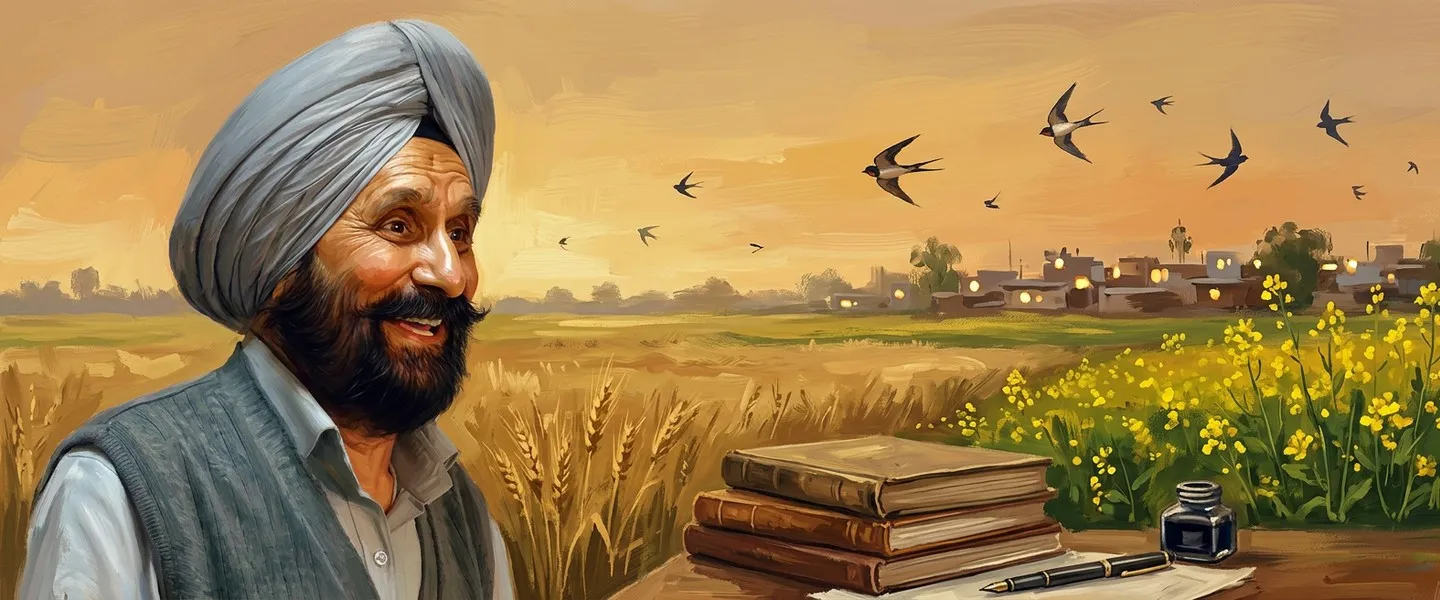
ਜੁੜੇ ਹੋਏ
ਹੋਰ ਪੜ੍ਹੋ
ਸਰੋਤ (5)
ਜੁਗਤੀ ਮੁਫ਼ਤ ਅਤੇ ਸੁਤੰਤਰ ਹੈ। ਪਾਠਕਾਂ ਦਾ ਸਹਿਯੋਗ ਕੋਸ਼ ਨੂੰ ਵਧਾਉਂਦਾ ਹੈ।
ਸਹਿਯੋਗ