

ਨਵੇਂ ਲੋਕ (1967) ਕੁਲਵੰਤ ਸਿੰਘ ਵਿਰਕ ਦਾ ਪੰਜਾਬੀ ਕਹਾਣੀ ਸੰਗ੍ਰਹਿ ਹੈ, ਜਿਸ ਨੇ 1968 ਵਿੱਚ ਸਾਹਿਤ ਅਕਾਦਮੀ ਪੁਰਸਕਾਰ ਜਿੱਤਿਆ। ਇਹ ਉਨ੍ਹਾਂ ਦੇ ਇਨਾਮ ਜੇਤੂ ਦੁੱਧ ਦਾ ਛੱਪੜ (1958) ਤੋਂ ਬਾਅਦ ਆਇਆ ਅਤੇ ਅੱਜ ਵੀ ਉਹ ਕਿਤਾਬ ਹੈ ਜਿਸ ਨਾਲ ਵਿਰਕ ਦਾ ਨਾਂ ਸਭ ਤੋਂ ਪਹਿਲਾਂ ਜੁੜਦਾ ਹੈ, ਉਸ ਲੇਖਕ ਦੀ ਜਿਸ ਦੀਆਂ ਕਹਾਣੀਆਂ ਰੂਸੀ ਅਤੇ ਜਾਪਾਨੀ ਵਿੱਚ ਅਨੁਵਾਦ ਹੋਈਆਂ।
ਪੰਜਾਬੀ, ਗੁਰਮੁਖੀ- ਪੰਜਾਬੀ ਨਾਂ
- ਨਵੇਂ ਲੋਕ
- ਲੇਖਕ
- ਕੁਲਵੰਤ ਸਿੰਘ ਵਿਰਕ (1921 ਤੋਂ 1987)
- ਪ੍ਰਕਾਸ਼ਿਤ
- 1967
- ਭਾਸ਼ਾ
- ਪੰਜਾਬੀ, ਗੁਰਮੁਖੀ
- ਰੂਪ
- ਕਹਾਣੀਆਂ
- ਸਿਰਲੇਖ ਦਾ ਅਰਥ
- ਨਵੇਂ ਲੋਕ
All 8 facts
- ਪੁਰਸਕਾਰ
- ਪੰਜਾਬੀ ਲਈ ਸਾਹਿਤ ਅਕਾਦਮੀ ਪੁਰਸਕਾਰ, 1968
- ਪਹਿਲਾ ਇਨਾਮ
- 1958 ਵਿੱਚ ਪਹਿਲਾ ਇਨਾਮ, ਦੁੱਧ ਦਾ ਛੱਪੜ ਲਈ
About the book
Nave Lok, New Folks, is a Punjabi short story collection by Kulwant Singh Virk, published in 1967. A year later it won the Sahitya Akademi Award for Punjabi, India's national literary award, for 1968, placing Virk in the line of Punjabi winners that runs from Bhai Vir Singh and Amrita Pritam through Nanak Singh and Shiv Kumar Batalvi. It was not his first prize: a decade earlier, in 1958, his collection Dudh Da Chhappar, A Pond of Milk, had won him his first award, and Nave Lok confirmed what that earlier book had promised.
The collection came late in a long run of story books. Virk had been publishing collections since Chhah Vela in 1950, through Dhartee te Akash, Toorhi di Pand, Ekas Ke Hum Barik, Dudh Da Chhappar, Gola and Virk Dian Kahanian in 1966. Nave Lok was the book the national jury picked out from that body of work, and it remains the title his name is attached to first: reference works, award lists and his own Kosh biography all lead with it.
What does the title Nave Lok mean?
Nave Lok means New Folks, or the new people. It is a story writer's title rather than a programme: Virk's fiction is known for turning its attention on ordinary Punjabis, the villagers, soldiers, clerks and families he had known as a soldier, a civil servant and a press officer, and watching them meet a changing Punjab. Readers looking for the flavour of that world in his work can also find his stories gathered later in Merian Sarian Kahanian, All My Stories, in 1986, and in the Sahitya Akademi monograph on him by Ajeet Cour.
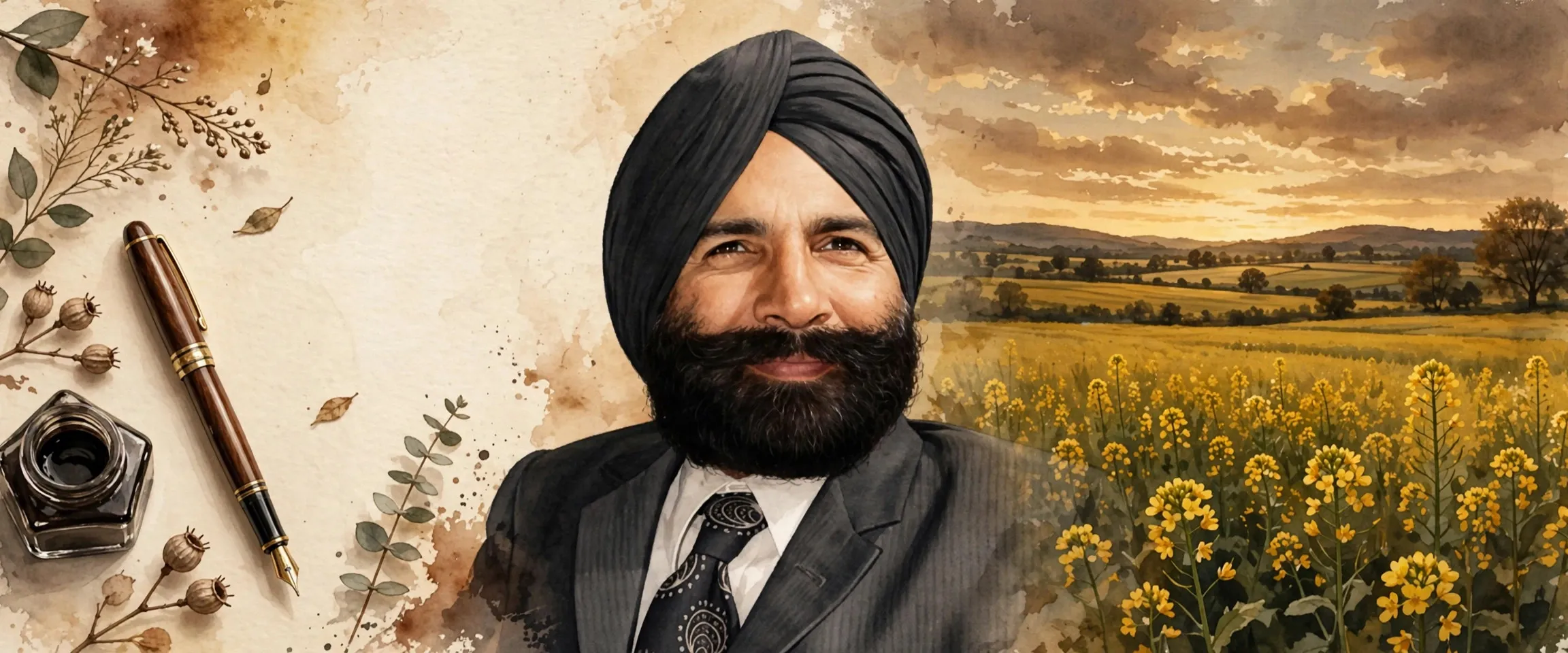
ਲੇਖਕ
Kulwant Singh Virk (20 May 1921 to 24 December 1987) was born in Phularwan village, Sheikhupura district, in the Punjab that is now Pakistan. He served as a second lieutenant in the British Army during the Second World War, then joined the Punjab civil services as a public relations officer in 1949, edited the magazines Advance and Jagriti, and later worked in the Union Ministry of Information and Broadcasting and as press secretary to the Punjab premier, alongside a senior communications post at Punjab Agricultural University. He wrote in Punjabi and English, and he translated Ernest Hemingway's A Farewell to Arms into Punjabi.
That double life, official by day and story writer throughout, gave Virk his material and his angle: he knew the village from inside and the government office from inside, and his stories move between the two. After retirement he spent time in Canada, returned to Punjab, suffered a stroke in 1987, and died in Toronto on 24 December 1987 while there for medical care.
Virk's other collections
Nave Lok sits in the middle of a shelf that maps the post Partition Punjabi short story. The early collections, Chhah Vela (1950), Dhartee te Akash (1951) and Toorhi di Pand (1954), were followed by Ekas Ke Hum Barik (1955) and the prize winning Dudh Da Chhappar (1958). Gola came in 1961 and Virk Dian Kahanian in 1966, a year before Nave Lok. The later books, Duadashi, Astbaazi (1984) and Merian Sarian Kahanian (1986), gathered and extended the work of four decades. His single most retold story outside the collections is Khabbal, and stories including Dudh Da Chappar and Khabbal were dramatised for television.
Reception and legacy
The Sahitya Akademi Award of 1968 was the centre of a wider recognition: an award from the Language Department, Punjab, in 1959, honour as Shiromani Sahityakar in 1985, acclaim from the Punjab Sahitya Academy in 1986, and recognition from the Literary Forum of Canada in 1984. His stories travelled: they were translated into Russian, by Natasha Tolstoy, a granddaughter of Leo Tolstoy, and into Japanese by Dr Tomio Mizokami of Osaka University, among other languages, and a book of his stories appeared in Russia under the title Dharti Hethla Balad. Scholars kept writing about him: Ajeet Cour's monograph Kulwant Singh Virk appeared in the Sahitya Akademi's Makers of Indian Literature series in 2003, and studies by Waryam Singh Sandhu, Randhir Singh Chand, Bikram Singh Ghuman and T. R. Vinod are listed among the books on his story world.
Why does Nave Lok still matter?
Because it is the book that carried the Punjabi short story to a national jury and won. For readers coming to Virk for the first time, Nave Lok is the natural door: it is the collection his own reference entries lead with, the one tied to the 1968 award, and the one that shows why his stories were translated and televised. Read with Dudh Da Chhappar before it and Merian Sarian Kahanian after it, it gives a short course in how the Punjabi kahani grew up in the decades after Partition.
ਕਿਤਾਬ ਬਾਰੇ
ਨਵੇਂ ਲੋਕ ਕੁਲਵੰਤ ਸਿੰਘ ਵਿਰਕ ਦਾ ਪੰਜਾਬੀ ਕਹਾਣੀ ਸੰਗ੍ਰਹਿ ਹੈ, ਜੋ 1967 ਵਿੱਚ ਛਪਿਆ। ਇੱਕ ਸਾਲ ਬਾਅਦ ਇਸ ਨੇ 1968 ਲਈ ਪੰਜਾਬੀ ਦਾ ਸਾਹਿਤ ਅਕਾਦਮੀ ਪੁਰਸਕਾਰ, ਭਾਰਤ ਦਾ ਰਾਸ਼ਟਰੀ ਸਾਹਿਤਕ ਇਨਾਮ, ਜਿੱਤਿਆ, ਅਤੇ ਵਿਰਕ ਨੂੰ ਪੰਜਾਬੀ ਜੇਤੂਆਂ ਦੀ ਉਸ ਕਤਾਰ ਵਿੱਚ ਖੜ੍ਹਾ ਕਰ ਦਿੱਤਾ ਜੋ ਭਾਈ ਵੀਰ ਸਿੰਘ ਅਤੇ ਅੰਮ੍ਰਿਤਾ ਪ੍ਰੀਤਮ ਤੋਂ ਨਾਨਕ ਸਿੰਘ ਅਤੇ ਸ਼ਿਵ ਕੁਮਾਰ ਬਟਾਲਵੀ ਤੱਕ ਚੱਲਦੀ ਹੈ। ਇਹ ਉਨ੍ਹਾਂ ਦਾ ਪਹਿਲਾ ਇਨਾਮ ਨਹੀਂ ਸੀ: ਦਸ ਸਾਲ ਪਹਿਲਾਂ, 1958 ਵਿੱਚ, ਉਨ੍ਹਾਂ ਦੇ ਸੰਗ੍ਰਹਿ ਦੁੱਧ ਦਾ ਛੱਪੜ ਨੇ ਉਨ੍ਹਾਂ ਨੂੰ ਪਹਿਲਾ ਇਨਾਮ ਦਿਵਾਇਆ ਸੀ, ਅਤੇ ਨਵੇਂ ਲੋਕ ਨੇ ਉਸ ਪਹਿਲੀ ਕਿਤਾਬ ਦੇ ਵਾਅਦੇ ਨੂੰ ਪੂਰਾ ਕੀਤਾ।
ਇਹ ਸੰਗ੍ਰਹਿ ਕਹਾਣੀ ਪੁਸਤਕਾਂ ਦੀ ਲੰਬੀ ਕਤਾਰ ਵਿੱਚ ਦੇਰ ਨਾਲ ਆਇਆ। ਵਿਰਕ 1950 ਵਿੱਚ ਛਾਹ ਵੇਲਾ ਤੋਂ ਸੰਗ੍ਰਹਿ ਛਪਵਾ ਰਹੇ ਸਨ, ਧਰਤੀ ਤੇ ਅਕਾਸ਼, ਤੂੜੀ ਦੀ ਪੰਡ, ਏਕਸ ਕੇ ਹਮ ਬਾਰਿਕ, ਦੁੱਧ ਦਾ ਛੱਪੜ, ਗੋਲਾ ਅਤੇ 1966 ਵਿੱਚ ਵਿਰਕ ਦੀਆਂ ਕਹਾਣੀਆਂ ਰਾਹੀਂ। ਨਵੇਂ ਲੋਕ ਉਹ ਕਿਤਾਬ ਸੀ ਜਿਸ ਨੂੰ ਰਾਸ਼ਟਰੀ ਜਿਊਰੀ ਨੇ ਉਸ ਸਾਰੀ ਰਚਨਾ ਵਿੱਚੋਂ ਚੁਣਿਆ, ਅਤੇ ਇਹ ਅੱਜ ਵੀ ਉਹ ਸਿਰਲੇਖ ਹੈ ਜਿਸ ਨਾਲ ਉਨ੍ਹਾਂ ਦਾ ਨਾਂ ਸਭ ਤੋਂ ਪਹਿਲਾਂ ਜੁੜਦਾ ਹੈ: ਹਵਾਲਾ ਪੁਸਤਕਾਂ, ਇਨਾਮ ਸੂਚੀਆਂ ਅਤੇ ਇਸ ਕੋਸ਼ ਵਿੱਚ ਉਨ੍ਹਾਂ ਦੀ ਆਪਣੀ ਜੀਵਨੀ ਸਭ ਇਸੇ ਨਾਲ ਸ਼ੁਰੂ ਹੁੰਦੀਆਂ ਹਨ।
ਨਵੇਂ ਲੋਕ ਸਿਰਲੇਖ ਦਾ ਕੀ ਅਰਥ ਹੈ?
ਨਵੇਂ ਲੋਕ ਦਾ ਅਰਥ ਹੈ ਨਵੇਂ ਲੋਕ। ਇਹ ਕਹਾਣੀਕਾਰ ਦਾ ਸਿਰਲੇਖ ਹੈ, ਕੋਈ ਪ੍ਰੋਗਰਾਮ ਨਹੀਂ: ਵਿਰਕ ਦੀ ਰਚਨਾ ਆਮ ਪੰਜਾਬੀਆਂ ਵੱਲ ਧਿਆਨ ਦੇਣ ਲਈ ਜਾਣੀ ਜਾਂਦੀ ਹੈ, ਉਹ ਪੇਂਡੂ, ਸਿਪਾਹੀ, ਕਲਰਕ ਅਤੇ ਪਰਿਵਾਰ ਜਿਨ੍ਹਾਂ ਨੂੰ ਉਨ੍ਹਾਂ ਨੇ ਸਿਪਾਹੀ, ਸਰਕਾਰੀ ਕਰਮਚਾਰੀ ਅਤੇ ਪ੍ਰੈਸ ਅਧਿਕਾਰੀ ਵਜੋਂ ਜਾਣਿਆ ਸੀ, ਅਤੇ ਉਨ੍ਹਾਂ ਨੂੰ ਬਦਲਦੇ ਪੰਜਾਬ ਨਾਲ ਮਿਲਦੇ ਵੇਖਦੀ ਹੈ। ਉਨ੍ਹਾਂ ਦੀ ਉਸ ਦੁਨੀਆ ਦਾ ਸੁਆਦ ਲੱਭਣ ਵਾਲੇ ਪਾਠਕ ਉਨ੍ਹਾਂ ਦੀਆਂ ਕਹਾਣੀਆਂ ਬਾਅਦ ਵਿੱਚ 1986 ਵਿੱਚ ਮੇਰੀਆਂ ਸਾਰੀਆਂ ਕਹਾਣੀਆਂ ਵਿੱਚ ਇਕੱਠੀਆਂ ਅਤੇ ਅਜੀਤ ਕੌਰ ਦੀ ਉਨ੍ਹਾਂ ਉੱਤੇ ਸਾਹਿਤ ਅਕਾਦਮੀ ਮੋਨੋਗ੍ਰਾਫ ਵਿੱਚ ਵੀ ਪਾ ਸਕਦੇ ਹਨ।
ਲੇਖਕ
ਕੁਲਵੰਤ ਸਿੰਘ ਵਿਰਕ (20 ਮਈ 1921 ਤੋਂ 24 ਦਸੰਬਰ 1987) ਦਾ ਜਨਮ ਸ਼ੇਖੂਪੁਰਾ ਜ਼ਿਲ੍ਹੇ ਦੇ ਪਿੰਡ ਫੁੱਲਰਵਾਨ ਵਿੱਚ ਹੋਇਆ, ਉਸ ਪੰਜਾਬ ਵਿੱਚ ਜੋ ਹੁਣ ਪਾਕਿਸਤਾਨ ਹੈ। ਉਹ ਦੂਜੀ ਵਿਸ਼ਵ ਜੰਗ ਦੌਰਾਨ ਬ੍ਰਿਟਿਸ਼ ਫੌਜ ਵਿੱਚ ਸੈਕੰਡ ਲੈਫਟੀਨੈਂਟ ਰਹੇ, ਫਿਰ 1949 ਵਿੱਚ ਲੋਕ ਸੰਪਰਕ ਅਧਿਕਾਰੀ ਵਜੋਂ ਪੰਜਾਬ ਸਿਵਲ ਸੇਵਾਵਾਂ ਵਿੱਚ ਸ਼ਾਮਲ ਹੋਏ, ਅਡਵਾਂਸ ਅਤੇ ਜਾਗ੍ਰਿਤੀ ਪੱਤਰਿਕਾਵਾਂ ਦਾ ਸੰਪਾਦਨ ਕੀਤਾ, ਅਤੇ ਬਾਅਦ ਵਿੱਚ ਕੇਂਦਰੀ ਸੂਚਨਾ ਅਤੇ ਪ੍ਰਸਾਰਣ ਮੰਤਰਾਲੇ ਅਤੇ ਪੰਜਾਬ ਦੇ ਪ੍ਰੀਮੀਅਰ ਦੇ ਪ੍ਰੈਸ ਸਕੱਤਰ ਵਜੋਂ ਕੰਮ ਕੀਤਾ, ਪੰਜਾਬ ਖੇਤੀਬਾੜੀ ਯੂਨੀਵਰਸਿਟੀ ਵਿੱਚ ਸੀਨੀਅਰ ਸੰਚਾਰ ਅਹੁਦੇ ਦੇ ਨਾਲ ਨਾਲ। ਉਨ੍ਹਾਂ ਨੇ ਪੰਜਾਬੀ ਅਤੇ ਅੰਗਰੇਜ਼ੀ ਵਿੱਚ ਲਿਖਿਆ, ਅਤੇ ਅਰਨੈਸਟ ਹੈਮਿੰਗਵੇ ਦੇ ਏ ਫੇਅਰਵੈੱਲ ਟੂ ਆਰਮਜ਼ ਦਾ ਪੰਜਾਬੀ ਵਿੱਚ ਅਨੁਵਾਦ ਕੀਤਾ।
ਉਹ ਦੋਹਰਾ ਜੀਵਨ, ਦਿਨੇ ਅਧਿਕਾਰੀ ਅਤੇ ਸਾਰਾ ਸਮਾਂ ਕਹਾਣੀਕਾਰ, ਵਿਰਕ ਨੂੰ ਉਨ੍ਹਾਂ ਦੀ ਸਮੱਗਰੀ ਅਤੇ ਦ੍ਰਿਸ਼ਟੀਕੋਣ ਦਿੰਦਾ ਸੀ: ਉਹ ਪਿੰਡ ਨੂੰ ਅੰਦਰੋਂ ਜਾਣਦੇ ਸਨ ਅਤੇ ਸਰਕਾਰੀ ਦਫ਼ਤਰ ਨੂੰ ਵੀ ਅੰਦਰੋਂ, ਅਤੇ ਉਨ੍ਹਾਂ ਦੀਆਂ ਕਹਾਣੀਆਂ ਦੋਵਾਂ ਵਿਚਕਾਰ ਘੁੰਮਦੀਆਂ ਹਨ। ਸੇਵਾਮੁਕਤੀ ਤੋਂ ਬਾਅਦ ਉਹ ਕੁਝ ਸਮਾਂ ਕੈਨੇਡਾ ਰਹੇ, ਪੰਜਾਬ ਪਰਤੇ, 1987 ਵਿੱਚ ਉਨ੍ਹਾਂ ਨੂੰ ਦਿਮਾਗੀ ਦੌਰਾ ਪਿਆ, ਅਤੇ ਇਲਾਜ ਲਈ ਉੱਥੇ ਗਏ ਹੋਏ 24 ਦਸੰਬਰ 1987 ਨੂੰ ਟੋਰਾਂਟੋ ਵਿੱਚ ਉਨ੍ਹਾਂ ਦਾ ਦੇਹਾਂਤ ਹੋ ਗਿਆ।
ਵਿਰਕ ਦੇ ਹੋਰ ਸੰਗ੍ਰਹਿ
ਨਵੇਂ ਲੋਕ ਉਸ ਸ਼ੈਲਫ ਦੇ ਵਿਚਕਾਰ ਬੈਠਾ ਹੈ ਜੋ ਵੰਡ ਤੋਂ ਬਾਅਦ ਦੀ ਪੰਜਾਬੀ ਨਿੱਕੀ ਕਹਾਣੀ ਦਾ ਨਕਸ਼ਾ ਬਣਾਉਂਦੀ ਹੈ। ਮੁੱਢਲੇ ਸੰਗ੍ਰਹਿ, ਛਾਹ ਵੇਲਾ (1950), ਧਰਤੀ ਤੇ ਅਕਾਸ਼ (1951) ਅਤੇ ਤੂੜੀ ਦੀ ਪੰਡ (1954), ਤੋਂ ਬਾਅਦ ਏਕਸ ਕੇ ਹਮ ਬਾਰਿਕ (1955) ਅਤੇ ਇਨਾਮ ਜੇਤੂ ਦੁੱਧ ਦਾ ਛੱਪੜ (1958) ਆਏ। ਗੋਲਾ 1961 ਵਿੱਚ ਆਇਆ ਅਤੇ ਵਿਰਕ ਦੀਆਂ ਕਹਾਣੀਆਂ 1966 ਵਿੱਚ, ਨਵੇਂ ਲੋਕ ਤੋਂ ਇੱਕ ਸਾਲ ਪਹਿਲਾਂ। ਬਾਅਦ ਦੀਆਂ ਕਿਤਾਬਾਂ, ਦੁਆਦਸ਼ੀ, ਅਸਤਬਾਜ਼ੀ (1984) ਅਤੇ ਮੇਰੀਆਂ ਸਾਰੀਆਂ ਕਹਾਣੀਆਂ (1986), ਨੇ ਚਾਰ ਦਹਾਕਿਆਂ ਦੇ ਕੰਮ ਨੂੰ ਇਕੱਠਾ ਕੀਤਾ ਅਤੇ ਵਧਾਇਆ। ਸੰਗ੍ਰਹਿਆਂ ਤੋਂ ਬਾਹਰ ਉਨ੍ਹਾਂ ਦੀ ਸਭ ਤੋਂ ਵੱਧ ਮੁੜ ਦੱਸੀ ਜਾਣ ਵਾਲੀ ਕਹਾਣੀ ਖੱਬਲ ਹੈ, ਅਤੇ ਦੁੱਧ ਦਾ ਛੱਪੜ ਅਤੇ ਖੱਬਲ ਸਮੇਤ ਕਹਾਣੀਆਂ ਟੈਲੀਵਿਜ਼ਨ ਉੱਤੇ ਨਾਟਕੀ ਰੂਪ ਵਿੱਚ ਪੇਸ਼ ਹੋਈਆਂ।
ਹੁੰਗਾਰਾ ਅਤੇ ਵਿਰਸਾ
1968 ਦਾ ਸਾਹਿਤ ਅਕਾਦਮੀ ਪੁਰਸਕਾਰ ਵੱਡੀ ਮਾਨਤਾ ਦੇ ਕੇਂਦਰ ਵਿੱਚ ਸੀ: 1959 ਵਿੱਚ ਭਾਸ਼ਾ ਵਿਭਾਗ, ਪੰਜਾਬ ਦਾ ਇਨਾਮ, 1985 ਵਿੱਚ ਸ਼ਿਰੋਮਣੀ ਸਾਹਿਤਕਾਰ ਵਜੋਂ ਸਨਮਾਨ, 1986 ਵਿੱਚ ਪੰਜਾਬੀ ਸਾਹਿਤ ਅਕਾਦਮੀ ਦੀ ਸਰਾਹਨਾ, ਅਤੇ 1984 ਵਿੱਚ ਲਿਟਰੇਰੀ ਫੋਰਮ ਆਫ ਕੈਨੇਡਾ ਦੀ ਮਾਨਤਾ। ਉਨ੍ਹਾਂ ਦੀਆਂ ਕਹਾਣੀਆਂ ਸਫ਼ਰ ਕਰਦੀਆਂ ਰਹੀਆਂ: ਉਹ ਰੂਸੀ ਵਿੱਚ, ਲੀਓ ਤਾਲਸਤਾਏ ਦੀ ਪੋਤੀ ਨਤਾਸ਼ਾ ਤਾਲਸਤਾਏ ਵੱਲੋਂ, ਅਤੇ ਜਾਪਾਨੀ ਵਿੱਚ ਓਸਾਕਾ ਯੂਨੀਵਰਸਿਟੀ ਦੇ ਡਾ. ਤੋਮੀਓ ਮਿਜ਼ੋਕਾਮੀ ਵੱਲੋਂ, ਹੋਰ ਭਾਸ਼ਾਵਾਂ ਸਮੇਤ ਅਨੁਵਾਦ ਹੋਈਆਂ, ਅਤੇ ਉਨ੍ਹਾਂ ਦੀਆਂ ਕਹਾਣੀਆਂ ਦੀ ਇੱਕ ਕਿਤਾਬ ਰੂਸ ਵਿੱਚ ਧਰਤੀ ਹੇਠਲਾ ਬੌਲਦ ਸਿਰਲੇਖ ਨਾਲ ਛਪੀ। ਵਿਦਵਾਨ ਉਨ੍ਹਾਂ ਬਾਰੇ ਲਿਖਦੇ ਰਹੇ: ਅਜੀਤ ਕੌਰ ਦੀ ਮੋਨੋਗ੍ਰਾਫ ਕੁਲਵੰਤ ਸਿੰਘ ਵਿਰਕ 2003 ਵਿੱਚ ਸਾਹਿਤ ਅਕਾਦਮੀ ਦੀ ਮੇਕਰਜ਼ ਆਫ ਇੰਡੀਅਨ ਲਿਟਰੇਚਰ ਲੜੀ ਵਿੱਚ ਆਈ, ਅਤੇ ਵਰਿਆਮ ਸਿੰਘ ਸੰਧੂ, ਰਣਧੀਰ ਸਿੰਘ ਚੰਦ, ਬਿਕਰਮ ਸਿੰਘ ਘੁੰਮਣ ਅਤੇ ਟੀ. ਆਰ. ਵਿਨੋਦ ਦੇ ਅਧਿਐਨ ਉਨ੍ਹਾਂ ਦੇ ਕਹਾਣੀ ਸੰਸਾਰ ਉੱਤੇ ਕਿਤਾਬਾਂ ਵਿੱਚ ਦਰਜ ਹਨ।
ਨਵੇਂ ਲੋਕ ਅੱਜ ਵੀ ਮਹੱਤਵਪੂਰਨ ਕਿਉਂ ਹੈ?
ਕਿਉਂਕਿ ਇਹ ਉਹ ਕਿਤਾਬ ਹੈ ਜੋ ਪੰਜਾਬੀ ਨਿੱਕੀ ਕਹਾਣੀ ਨੂੰ ਰਾਸ਼ਟਰੀ ਜਿਊਰੀ ਤੱਕ ਲੈ ਗਈ ਅਤੇ ਜਿੱਤੀ। ਵਿਰਕ ਕੋਲ ਪਹਿਲੀ ਵਾਰ ਆਉਣ ਵਾਲੇ ਪਾਠਕਾਂ ਲਈ ਨਵੇਂ ਲੋਕ ਕੁਦਰਤੀ ਦਰਵਾਜ਼ਾ ਹੈ: ਇਹ ਉਹ ਸੰਗ੍ਰਹਿ ਹੈ ਜਿਸ ਨਾਲ ਉਨ੍ਹਾਂ ਦੇ ਆਪਣੇ ਹਵਾਲਾ ਲੇਖ ਸ਼ੁਰੂ ਹੁੰਦੇ ਹਨ, ਜੋ 1968 ਦੇ ਇਨਾਮ ਨਾਲ ਜੁੜਿਆ ਹੈ, ਅਤੇ ਜੋ ਵਿਖਾਉਂਦਾ ਹੈ ਕਿ ਉਨ੍ਹਾਂ ਦੀਆਂ ਕਹਾਣੀਆਂ ਅਨੁਵਾਦ ਅਤੇ ਟੈਲੀਵਿਜ਼ਨ ਤੱਕ ਕਿਉਂ ਗਈਆਂ। ਇਸ ਤੋਂ ਪਹਿਲਾਂ ਦੁੱਧ ਦਾ ਛੱਪੜ ਅਤੇ ਇਸ ਤੋਂ ਬਾਅਦ ਮੇਰੀਆਂ ਸਾਰੀਆਂ ਕਹਾਣੀਆਂ ਨਾਲ ਪੜ੍ਹਿਆ ਜਾਵੇ ਤਾਂ ਇਹ ਛੋਟਾ ਕੋਰਸ ਦਿੰਦਾ ਹੈ ਕਿ ਵੰਡ ਤੋਂ ਬਾਅਦ ਦੇ ਦਹਾਕਿਆਂ ਵਿੱਚ ਪੰਜਾਬੀ ਕਹਾਣੀ ਕਿਵੇਂ ਵੱਡੀ ਹੋਈ।
ਐਡੀਸ਼ਨ ਅਤੇ ਅਨੁਵਾਦ
- ਨਵੇਂ ਲੋਕਪੰਜਾਬੀ · ਗੁਰਮੁਖੀ · ਮੂਲ, 1967ਮੂਲ
ਲੇਖਕ
ਜੁੜੇ ਹੋਏ
ਹੋਰ ਪੜ੍ਹੋ
ਜੁਗਤੀ ਮੁਫ਼ਤ ਅਤੇ ਸੁਤੰਤਰ ਹੈ। ਪਾਠਕਾਂ ਦਾ ਸਹਿਯੋਗ ਕੋਸ਼ ਨੂੰ ਵਧਾਉਂਦਾ ਹੈ।
ਸਹਿਯੋਗ