
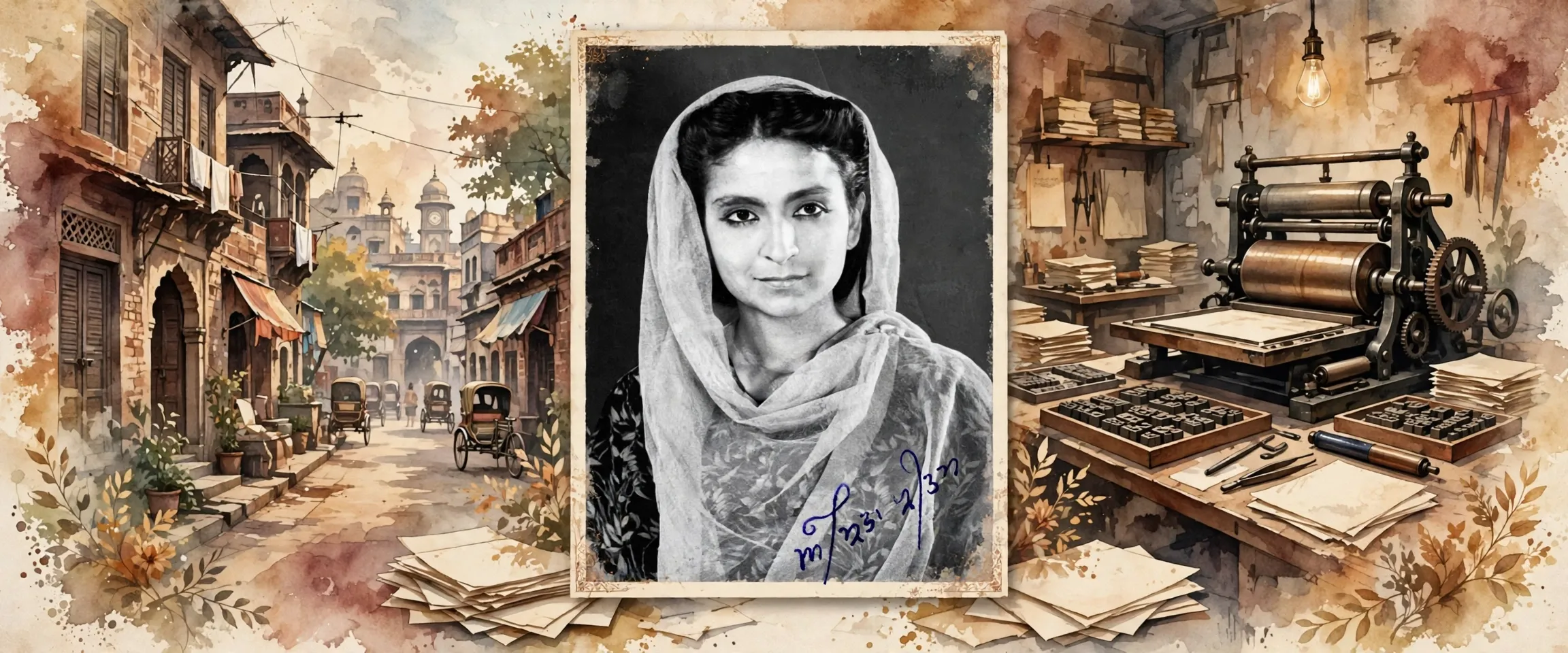
ਦਿੱਲੀ ਕੀ ਗਲੀਆਂ (ਦਿੱਲੀ ਦੀਆਂ ਗਲੀਆਂ) ਅੰਮ੍ਰਿਤਾ ਪ੍ਰੀਤਮ ਦਾ 1946 ਦਾ ਹਿੰਦੀ ਨਾਵਲ ਹੈ, ਜੋ ਉਸ ਵੇਲੇ ਲਿਖਿਆ ਗਿਆ ਜਦੋਂ ਉਹ ਛੱਬੀ ਸਾਲ ਦੀ ਸੀ ਅਤੇ ਉਸ ਦੇ ਪੱਤਰਕਾਰ ਵਜੋਂ ਸ਼ੁਰੂਆਤੀ ਸਾਲਾਂ ਤੋਂ ਪ੍ਰੇਰਿਤ ਹੈ। ਇਹ ਕਾਮਿਨੀ ਦੀ ਕਹਾਣੀ ਦੱਸਦਾ ਹੈ, 1940 ਦੇ ਦਹਾਕੇ ਦੀ ਦਿੱਲੀ ਵਿੱਚ ਇੱਕ ਨੌਜਵਾਨ ਔਰਤ ਕਾਲਮਨਵੀਸ ਜੋ ਮਰਦਾਂ ਦੇ ਚਲਾਏ ਪੇਸ਼ੇ ਵਿੱਚ ਗੰਭੀਰਤਾ ਨਾਲ ਲਏ ਜਾਣ ਲਈ ਲੜਦੀ ਹੈ, ਅਤੇ ਨਾਸਿਰ, ਇੱਕ ਮੁਸਲਮਾਨ, ਨਾਲ ਉਸ ਦੇ ਵਿਆਹ ਨਾਲ ਖ਼ਤਮ ਹੁੰਦਾ ਹੈ। ਨਾਵਲ ਤਿੰਨ ਹਿੱਸਿਆਂ ਵਿੱਚ ਬਣਿਆ ਹੈ, ਦਿੱਲੀ ਦੀਆਂ ਗਲੀਆਂ, ਸੰਘਰਸ਼, ਅਤੇ ਜਿੱਤ, ਅਤੇ ਇਸ ਦਾ ਅੰਗਰੇਜ਼ੀ, ਉਰਦੂ ਅਤੇ ਪੰਜਾਬੀ ਵਿੱਚ ਅਨੁਵਾਦ ਹੋਇਆ ਹੈ।
Hindi, with an English translation- ਪੰਜਾਬੀ ਨਾਂ
- दिल्ली की गलियाँ
- ਲੇਖਕ
- ਅੰਮ੍ਰਿਤਾ ਪ੍ਰੀਤਮ (1919-2005)
- ਪਹਿਲੀ ਵਾਰ ਛਪੀ
- 1946
- ਭਾਸ਼ਾ
- ਹਿੰਦੀ
- ਰੂਪ
- ਨਾਵਲ
- ਸਥਾਨ
- 1940 ਦੇ ਦਹਾਕੇ ਦੀ ਦਿੱਲੀ
All 9 facts
- ਮੁੱਖ ਪਾਤਰ
- ਕਾਮਿਨੀ, ਇੱਕ ਨੌਜਵਾਨ ਪੱਤਰਕਾਰ
- ਬਣਤਰ
- ਤਿੰਨ ਹਿੱਸੇ: ਦਿੱਲੀ ਦੀਆਂ ਗਲੀਆਂ, ਸੰਘਰਸ਼, ਜਿੱਤ
- ਅਨੁਵਾਦ
- ਅੰਗਰੇਜ਼ੀ, ਉਰਦੂ, ਪੰਜਾਬੀ
About the book
Dilli Ki Galiyan, The Streets of Delhi, is a Hindi novel by Amrita Pritam, first published in 1946. It was written a year before Partition, when Pritam was twenty-six and already a published poet, and it draws on her own early years as a working journalist. The novel follows Kamini, a young woman who has come to Delhi to make a living by her pen, and it watches her learn what the city asks of a woman who wants to be independent.
It belongs to the first phase of Pritam's long career, before the Partition poems that made her famous across both Punjabs. Where her later work would be dominated by Partition and its wounds, Dilli Ki Galiyan is a novel about ordinary ambition: a young woman, a new city, and a job she refuses to give up.
Who is Kamini?
Kamini is a young journalist, a columnist on a daily newspaper in Delhi. She is strong-willed and determined to succeed in a profession run by men, passionate about telling the truth, and unwilling to soften what she writes to suit other people's comfort. The novel follows her through the daily grind of assignments and deadlines, and through the reactions she meets when she refuses to behave as people expect a woman to behave.
She is underestimated and discriminated against, and she has to work twice as hard to prove herself, but she does not give up on her work. Two people in her life give her the steady support she needs, an emotional anchor that lets her keep going. The novel ends with Kamini's marriage to Nasir, a Muslim man. In a city and a country on the edge of Partition, the marriage stands as a symbol of hope and tolerance, a private answer to the public divisions around her.
Delhi in the 1940s
The Delhi of the novel is the capital in the last years of British rule: crowded lanes, newspaper offices, and a city full of people arriving to make something of themselves. Pritam knew it from the inside. The novel was inspired by her own experiences as a journalist, and Delhi is drawn from close observation rather than from a distance.
That closeness is what makes the book work. The lanes of the title are not a backdrop. They are the place where Kamini's working life happens: the walk to the office, the people she meets on assignments, the rooms she lives in. Pritam writes about a woman's vulnerability in the capital, emotional and physical, and about the strength it takes to meet it day after day.
Love, work and independence
At its heart, Dilli Ki Galiyan is a novel about a woman refusing to be narrowed to one role. Kamini wants to be a journalist, and she wants to be loved, and the novel insists that those two wants are not in conflict. Its three parts trace that insistence: The Streets of Delhi, The Struggle, and The Victory. The titles are the shape of the book: first the city, then the fight to be taken seriously in it, then a life won on her own terms.
The novel was published in 1946, a year before Partition divided the country. Read in that light, Kamini's marriage to Nasir carries a weight beyond the personal. It is a quiet claim, made before the violence began, that love can cross the lines that politics draws. That is also why the book still reads today. The questions it asks about a woman's place at work, about who gets believed and who gets heard, have not gone away, and Kamini's answer, to keep working and to keep her own counsel, still feels modern.
ਲੇਖਕ
Amrita Pritam was born Amrit Kaur on 31 August 1919 at Gujranwala, in what is now Pakistan. Her first collection of poems, Amrit Lehran, appeared in 1936, when she was sixteen. She moved to Delhi after Partition, worked in the Punjabi service of All India Radio until 1961, and edited the literary monthly Nagmani with the artist Imroz for thirty-three years.
Her long poem Sunehade won the Sahitya Akademi Award in 1956, making her the first woman to receive the award for a work in Punjabi, and she received the Jnanpith Award in 1982 for Kagaz Te Canvas. She was awarded the Padma Shri in 1969 and the Padma Vibhushan in 2004, and served as a nominated member of the Rajya Sabha from 1986 to 1992. She died in Delhi on 31 October 2005. Dilli Ki Galiyan comes from the very start of that long career, written before the Partition poem Ajj Aakhaan Waris Shah Nu made her famous.
Reception and legacy
Dilli Ki Galiyan has never been as widely read as Pinjar or Kagaz Te Canvas, but it has stayed in print in Hindi and has been translated into English, Urdu and Punjabi. It is remembered now as an early landmark in Pritam's own work, the novel in which the themes that would run through her whole career first came together in fiction: a woman's independence, her work, and her right to love on her own terms.
For readers who know Pritam only as the poet of Partition, Dilli Ki Galiyan is a useful surprise. It shows her before the fame, writing about Delhi, work and a young woman's determination, in a voice that is already entirely her own.
ਕਿਤਾਬ ਬਾਰੇ
ਦਿੱਲੀ ਕੀ ਗਲੀਆਂ ਅੰਮ੍ਰਿਤਾ ਪ੍ਰੀਤਮ ਦਾ ਹਿੰਦੀ ਨਾਵਲ ਹੈ, ਜੋ ਪਹਿਲੀ ਵਾਰ 1946 ਵਿੱਚ ਛਪਿਆ। ਇਹ ਵੰਡ ਤੋਂ ਇੱਕ ਸਾਲ ਪਹਿਲਾਂ ਲਿਖਿਆ ਗਿਆ ਸੀ, ਜਦੋਂ ਪ੍ਰੀਤਮ ਛੱਬੀ ਸਾਲ ਦੀ ਸੀ ਅਤੇ ਪਹਿਲਾਂ ਹੀ ਇੱਕ ਛਪੀ ਹੋਈ ਕਵਿਤਰੀ ਸੀ, ਅਤੇ ਇਹ ਉਸ ਦੇ ਪੱਤਰਕਾਰ ਵਜੋਂ ਸ਼ੁਰੂਆਤੀ ਸਾਲਾਂ ਤੋਂ ਪ੍ਰੇਰਿਤ ਹੈ। ਨਾਵਲ ਕਾਮਿਨੀ ਦੀ ਕਹਾਣੀ ਦੱਸਦਾ ਹੈ, ਇੱਕ ਨੌਜਵਾਨ ਔਰਤ ਜੋ ਆਪਣੀ ਕਲਮ ਨਾਲ ਦਿੱਲੀ ਵਿੱਚ ਰੋਜ਼ੀ ਕਮਾਉਣ ਆਈ ਹੈ, ਅਤੇ ਇਹ ਦੇਖਦਾ ਹੈ ਕਿ ਸ਼ਹਿਰ ਇੱਕ ਅਜਿਹੀ ਔਰਤ ਤੋਂ ਕੀ ਮੰਗਦਾ ਹੈ ਜੋ ਆਜ਼ਾਦ ਰਹਿਣਾ ਚਾਹੁੰਦੀ ਹੈ।
ਇਹ ਪ੍ਰੀਤਮ ਦੇ ਲੰਬੇ ਕੈਰੀਅਰ ਦੇ ਪਹਿਲੇ ਦੌਰ ਨਾਲ ਸਬੰਧ ਰੱਖਦਾ ਹੈ, ਉਨ੍ਹਾਂ ਵੰਡ ਦੀਆਂ ਕਵਿਤਾਵਾਂ ਤੋਂ ਪਹਿਲਾਂ ਜਿਨ੍ਹਾਂ ਨੇ ਉਸ ਨੂੰ ਦੋਵੇਂ ਪੰਜਾਬਾਂ ਵਿੱਚ ਮਸ਼ਹੂਰ ਕਰ ਦਿੱਤਾ। ਜਿੱਥੇ ਉਸ ਦੀ ਬਾਅਦ ਦੀ ਰਚਨਾ ਉੱਤੇ ਵੰਡ ਅਤੇ ਉਸ ਦੇ ਜ਼ਖ਼ਮ ਹਾਵੀ ਰਹੇ, ਦਿੱਲੀ ਕੀ ਗਲੀਆਂ ਆਮ ਅਭਿਲਾਸ਼ਾ ਦਾ ਨਾਵਲ ਹੈ: ਇੱਕ ਨੌਜਵਾਨ ਔਰਤ, ਇੱਕ ਨਵਾਂ ਸ਼ਹਿਰ, ਅਤੇ ਇੱਕ ਨੌਕਰੀ ਜਿਸ ਨੂੰ ਉਹ ਛੱਡਣ ਤੋਂ ਇਨਕਾਰ ਕਰ ਦਿੰਦੀ ਹੈ।
ਕਾਮਿਨੀ ਕੌਣ ਹੈ?
ਕਾਮਿਨੀ ਇੱਕ ਨੌਜਵਾਨ ਪੱਤਰਕਾਰ ਹੈ, ਦਿੱਲੀ ਦੇ ਇੱਕ ਰੋਜ਼ਾਨਾ ਅਖ਼ਬਾਰ ਵਿੱਚ ਕਾਲਮਨਵੀਸ। ਉਹ ਮਜ਼ਬੂਤ ਇਰਾਦੇ ਵਾਲੀ ਹੈ ਅਤੇ ਮਰਦਾਂ ਦੇ ਚਲਾਏ ਪੇਸ਼ੇ ਵਿੱਚ ਸਫ਼ਲ ਹੋਣ ਲਈ ਦ੍ਰਿੜ ਹੈ, ਸੱਚ ਬੋਲਣ ਲਈ ਜਨੂੰਨੀ ਹੈ, ਅਤੇ ਦੂਜਿਆਂ ਦੀ ਸਹੂਲਤ ਲਈ ਆਪਣੀ ਲਿਖਤ ਨੂੰ ਨਰਮ ਕਰਨ ਤੋਂ ਇਨਕਾਰ ਕਰ ਦਿੰਦੀ ਹੈ। ਨਾਵਲ ਉਸ ਦੇ ਰੋਜ਼ਾਨਾ ਕੰਮ ਵਿੱਚੋਂ ਲੰਘਦਾ ਹੈ, ਅਸਾਈਨਮੈਂਟਾਂ ਅਤੇ ਸਮਾਂ ਸੀਮਾਵਾਂ ਵਿੱਚੋਂ, ਅਤੇ ਉਨ੍ਹਾਂ ਪ੍ਰਤੀਕਿਰਿਆਵਾਂ ਵਿੱਚੋਂ ਜਿਨ੍ਹਾਂ ਦਾ ਉਸ ਨੂੰ ਸਾਹਮਣਾ ਕਰਨਾ ਪੈਂਦਾ ਹੈ ਜਦੋਂ ਉਹ ਉਸ ਤਰ੍ਹਾਂ ਵਿਵਹਾਰ ਕਰਨ ਤੋਂ ਇਨਕਾਰ ਕਰ ਦਿੰਦੀ ਹੈ ਜਿਵੇਂ ਲੋਕ ਇੱਕ ਔਰਤ ਤੋਂ ਉਮੀਦ ਕਰਦੇ ਹਨ।
ਉਸ ਨੂੰ ਘੱਟ ਸਮਝਿਆ ਜਾਂਦਾ ਹੈ ਅਤੇ ਉਸ ਨਾਲ ਵਿਤਕਰਾ ਹੁੰਦਾ ਹੈ, ਅਤੇ ਉਸ ਨੂੰ ਆਪ ਨੂੰ ਸਾਬਤ ਕਰਨ ਲਈ ਦੁੱਗਣੀ ਮਿਹਨਤ ਕਰਨੀ ਪੈਂਦੀ ਹੈ, ਪਰ ਉਹ ਆਪਣੇ ਕੰਮ ਤੋਂ ਹਾਰ ਨਹੀਂ ਮੰਨਦੀ। ਉਸ ਦੀ ਜ਼ਿੰਦਗੀ ਵਿੱਚ ਦੋ ਲੋਕ ਉਸ ਨੂੰ ਉਹ ਸਥਿਰ ਸਹਾਰਾ ਦਿੰਦੇ ਹਨ ਜਿਸ ਦੀ ਉਸ ਨੂੰ ਲੋੜ ਹੈ, ਇੱਕ ਭਾਵਨਾਤਮਕ ਲੰਗਰ ਜੋ ਉਸ ਨੂੰ ਅੱਗੇ ਵਧਣ ਦਿੰਦਾ ਹੈ। ਨਾਵਲ ਕਾਮਿਨੀ ਦੇ ਨਾਸਿਰ, ਇੱਕ ਮੁਸਲਮਾਨ, ਨਾਲ ਵਿਆਹ ਨਾਲ ਖ਼ਤਮ ਹੁੰਦਾ ਹੈ। ਵੰਡ ਦੇ ਕੰਢੇ ਉੱਤੇ ਖੜ੍ਹੇ ਸ਼ਹਿਰ ਅਤੇ ਦੇਸ਼ ਵਿੱਚ ਇਹ ਵਿਆਹ ਉਮੀਦ ਅਤੇ ਸਹਿਣਸ਼ੀਲਤਾ ਦਾ ਪ੍ਰਤੀਕ ਹੈ, ਆਲੇ ਦੁਆਲੇ ਦੀਆਂ ਜਨਤਕ ਵੰਡਾਂ ਦਾ ਇੱਕ ਨਿੱਜੀ ਜਵਾਬ ਹੈ।
1940 ਦੇ ਦਹਾਕੇ ਦੀ ਦਿੱਲੀ
ਨਾਵਲ ਦੀ ਦਿੱਲੀ ਬਰਤਾਨਵੀ ਰਾਜ ਦੇ ਆਖ਼ਰੀ ਸਾਲਾਂ ਦੀ ਰਾਜਧਾਨੀ ਹੈ: ਭਰੀਆਂ ਗਲੀਆਂ, ਅਖ਼ਬਾਰਾਂ ਦੇ ਦਫ਼ਤਰ, ਅਤੇ ਇੱਕ ਸ਼ਹਿਰ ਜੋ ਉਨ੍ਹਾਂ ਲੋਕਾਂ ਨਾਲ ਭਰਿਆ ਹੈ ਜੋ ਕੁਝ ਬਣਨ ਆਏ ਹਨ। ਪ੍ਰੀਤਮ ਇਸ ਨੂੰ ਅੰਦਰੋਂ ਜਾਣਦੀ ਸੀ। ਨਾਵਲ ਉਸ ਦੇ ਪੱਤਰਕਾਰ ਵਜੋਂ ਆਪਣੇ ਤਜਰਬਿਆਂ ਤੋਂ ਪ੍ਰੇਰਿਤ ਸੀ, ਅਤੇ ਦਿੱਲੀ ਦੂਰੋਂ ਨਹੀਂ, ਨੇੜਿਓਂ ਦੇਖ ਕੇ ਲਿਖੀ ਗਈ ਹੈ।
ਇਹੀ ਨੇੜਤਾ ਕਿਤਾਬ ਨੂੰ ਕਾਮਯਾਬ ਬਣਾਉਂਦੀ ਹੈ। ਸਿਰਲੇਖ ਦੀਆਂ ਗਲੀਆਂ ਕੋਈ ਪਿਛੋਕੜ ਨਹੀਂ ਹਨ। ਇਹ ਉਹ ਥਾਂ ਹਨ ਜਿੱਥੇ ਕਾਮਿਨੀ ਦੀ ਕੰਮ ਵਾਲੀ ਜ਼ਿੰਦਗੀ ਵਾਪਰਦੀ ਹੈ: ਦਫ਼ਤਰ ਤੱਕ ਦੀ ਸੈਰ, ਅਸਾਈਨਮੈਂਟਾਂ ਉੱਤੇ ਮਿਲੇ ਲੋਕ, ਉਹ ਕਮਰੇ ਜਿੱਥੇ ਉਹ ਰਹਿੰਦੀ ਹੈ। ਪ੍ਰੀਤਮ ਰਾਜਧਾਨੀ ਵਿੱਚ ਇੱਕ ਔਰਤ ਦੀ ਕਮਜ਼ੋਰੀ ਬਾਰੇ ਲਿਖਦੀ ਹੈ, ਭਾਵਨਾਤਮਕ ਅਤੇ ਸਰੀਰਕ, ਅਤੇ ਉਸ ਤਾਕਤ ਬਾਰੇ ਜੋ ਇਸ ਦਾ ਰੋਜ਼ ਸਾਹਮਣਾ ਕਰਨ ਲਈ ਚਾਹੀਦੀ ਹੈ।
ਪਿਆਰ, ਕੰਮ ਅਤੇ ਆਜ਼ਾਦੀ
ਦਿੱਲੀ ਕੀ ਗਲੀਆਂ ਦੇ ਕੇਂਦਰ ਵਿੱਚ ਇੱਕ ਔਰਤ ਹੈ ਜੋ ਇੱਕੋ ਭੂਮਿਕਾ ਤੱਕ ਸੀਮਤ ਹੋਣ ਤੋਂ ਇਨਕਾਰ ਕਰਦੀ ਹੈ। ਕਾਮਿਨੀ ਪੱਤਰਕਾਰ ਬਣਨਾ ਚਾਹੁੰਦੀ ਹੈ, ਅਤੇ ਉਹ ਪਿਆਰ ਵੀ ਚਾਹੁੰਦੀ ਹੈ, ਅਤੇ ਨਾਵਲ ਜ਼ੋਰ ਦਿੰਦਾ ਹੈ ਕਿ ਇਹ ਦੋਵੇਂ ਇੱਛਾਵਾਂ ਆਪਸ ਵਿੱਚ ਟਕਰਾਉਂਦੀਆਂ ਨਹੀਂ ਹਨ। ਇਸ ਦੇ ਤਿੰਨ ਹਿੱਸੇ ਇਸ ਜ਼ਿੱਦ ਨੂੰ ਦਰਸਾਉਂਦੇ ਹਨ: ਦਿੱਲੀ ਦੀਆਂ ਗਲੀਆਂ, ਸੰਘਰਸ਼, ਅਤੇ ਜਿੱਤ। ਇਹ ਸਿਰਲੇਖ ਹੀ ਕਿਤਾਬ ਦੀ ਸ਼ਕਲ ਹਨ: ਪਹਿਲਾਂ ਸ਼ਹਿਰ, ਫਿਰ ਇਸ ਵਿੱਚ ਗੰਭੀਰਤਾ ਨਾਲ ਲਏ ਜਾਣ ਦੀ ਲੜਾਈ, ਫਿਰ ਆਪਣੀਆਂ ਸ਼ਰਤਾਂ ਉੱਤੇ ਜਿੱਤੀ ਹੋਈ ਜ਼ਿੰਦਗੀ।
ਨਾਵਲ 1946 ਵਿੱਚ ਛਪਿਆ, ਦੇਸ਼ ਦੀ ਵੰਡ ਤੋਂ ਇੱਕ ਸਾਲ ਪਹਿਲਾਂ। ਇਸ ਰੌਸ਼ਨੀ ਵਿੱਚ ਪੜ੍ਹਿਆ ਜਾਵੇ ਤਾਂ ਕਾਮਿਨੀ ਦਾ ਨਾਸਿਰ ਨਾਲ ਵਿਆਹ ਨਿੱਜੀ ਗੱਲ ਤੋਂ ਵੱਧ ਭਾਰ ਰੱਖਦਾ ਹੈ। ਇਹ ਇੱਕ ਚੁੱਪ ਦਾਅਵਾ ਹੈ, ਹਿੰਸਾ ਸ਼ੁਰੂ ਹੋਣ ਤੋਂ ਪਹਿਲਾਂ ਕੀਤਾ ਗਿਆ, ਕਿ ਪਿਆਰ ਉਨ੍ਹਾਂ ਲਕੀਰਾਂ ਨੂੰ ਪਾਰ ਕਰ ਸਕਦਾ ਹੈ ਜੋ ਸਿਆਸਤ ਖਿੱਚਦੀ ਹੈ। ਇਸੇ ਕਰਕੇ ਕਿਤਾਬ ਅੱਜ ਵੀ ਪੜ੍ਹੀ ਜਾਂਦੀ ਹੈ। ਕੰਮ ਉੱਤੇ ਇੱਕ ਔਰਤ ਦੀ ਥਾਂ, ਕਿਸ ਦੀ ਗੱਲ ਮੰਨੀ ਜਾਂਦੀ ਹੈ ਅਤੇ ਕਿਸ ਦੀ ਸੁਣੀ ਜਾਂਦੀ ਹੈ, ਇਹ ਸਵਾਲ ਅਜੇ ਖ਼ਤਮ ਨਹੀਂ ਹੋਏ, ਅਤੇ ਕਾਮਿਨੀ ਦਾ ਜਵਾਬ, ਕੰਮ ਕਰਦੇ ਰਹਿਣਾ ਅਤੇ ਆਪਣੀ ਸੋਚ ਉੱਤੇ ਕਾਇਮ ਰਹਿਣਾ, ਅੱਜ ਵੀ ਆਧੁਨਿਕ ਲੱਗਦਾ ਹੈ।
ਲੇਖਕ
ਅੰਮ੍ਰਿਤਾ ਪ੍ਰੀਤਮ ਦਾ ਜਨਮ ਅੰਮ੍ਰਿਤ ਕੌਰ ਵਜੋਂ 31 ਅਗਸਤ 1919 ਨੂੰ ਗੁਜਰਾਂਵਾਲਾ ਵਿੱਚ ਹੋਇਆ, ਜੋ ਹੁਣ ਪਾਕਿਸਤਾਨ ਵਿੱਚ ਹੈ। ਉਸ ਦਾ ਕਵਿਤਾਵਾਂ ਦਾ ਪਹਿਲਾ ਸੰਗ੍ਰਹਿ, ਅੰਮ੍ਰਿਤ ਲਹਿਰਾਂ, 1936 ਵਿੱਚ ਛਪਿਆ, ਜਦੋਂ ਉਹ ਸੋਲਾਂ ਸਾਲ ਦੀ ਸੀ। ਵੰਡ ਤੋਂ ਬਾਅਦ ਉਹ ਦਿੱਲੀ ਆ ਗਈ, 1961 ਤੱਕ ਆਲ ਇੰਡੀਆ ਰੇਡੀਓ ਦੀ ਪੰਜਾਬੀ ਸੇਵਾ ਵਿੱਚ ਕੰਮ ਕੀਤਾ, ਅਤੇ ਕਲਾਕਾਰ ਇਮਰੋਜ਼ ਨਾਲ ਤੈਂਤੀ ਸਾਲ ਤੱਕ ਸਾਹਿਤਕ ਮਾਸਿਕ ਨਾਗਮਣੀ ਦਾ ਸੰਪਾਦਨ ਕੀਤਾ।
ਉਸ ਦੀ ਲੰਬੀ ਕਵਿਤਾ ਸੁਨੇਹੇ ਨੂੰ 1956 ਵਿੱਚ ਸਾਹਿਤ ਅਕਾਦਮੀ ਇਨਾਮ ਮਿਲਿਆ, ਜਿਸ ਨਾਲ ਉਹ ਪੰਜਾਬੀ ਰਚਨਾ ਲਈ ਇਹ ਇਨਾਮ ਪਾਉਣ ਵਾਲੀ ਪਹਿਲੀ ਔਰਤ ਬਣੀ, ਅਤੇ 1982 ਵਿੱਚ ਉਸ ਨੂੰ ਕਾਗਜ਼ ਤੇ ਕੈਨਵਸ ਲਈ ਗਿਆਨਪੀਠ ਇਨਾਮ ਮਿਲਿਆ। 1969 ਵਿੱਚ ਉਸ ਨੂੰ ਪਦਮ ਸ਼੍ਰੀ ਅਤੇ 2004 ਵਿੱਚ ਪਦਮ ਵਿਭੂਸ਼ਣ ਮਿਲਿਆ, ਅਤੇ ਉਹ 1986 ਤੋਂ 1992 ਤੱਕ ਰਾਜ ਸਭਾ ਦੀ ਨਾਮਜ਼ਦ ਮੈਂਬਰ ਰਹੀ। 31 ਅਕਤੂਬਰ 2005 ਨੂੰ ਦਿੱਲੀ ਵਿੱਚ ਉਸ ਦਾ ਦੇਹਾਂਤ ਹੋ ਗਿਆ। ਦਿੱਲੀ ਕੀ ਗਲੀਆਂ ਉਸ ਲੰਬੇ ਕੈਰੀਅਰ ਦੀ ਬਿਲਕੁਲ ਸ਼ੁਰੂਆਤ ਤੋਂ ਹੈ, ਉਸ ਵੰਡ ਦੀ ਕਵਿਤਾ ਅੱਜ ਆਖਾਂ ਵਾਰਿਸ ਸ਼ਾਹ ਨੂੰ ਤੋਂ ਪਹਿਲਾਂ ਲਿਖੀ ਗਈ ਜਿਸ ਨੇ ਉਸ ਨੂੰ ਮਸ਼ਹੂਰ ਕਰ ਦਿੱਤਾ।
ਸਵਾਗਤ ਅਤੇ ਵਿਰਾਸਤ
ਦਿੱਲੀ ਕੀ ਗਲੀਆਂ ਪਿੰਜਰ ਜਾਂ ਕਾਗਜ਼ ਤੇ ਕੈਨਵਸ ਜਿੰਨੀ ਵੱਧ ਨਹੀਂ ਪੜ੍ਹੀ ਗਈ, ਪਰ ਇਹ ਹਿੰਦੀ ਵਿੱਚ ਛਪਦੀ ਰਹੀ ਹੈ ਅਤੇ ਇਸ ਦਾ ਅੰਗਰੇਜ਼ੀ, ਉਰਦੂ ਅਤੇ ਪੰਜਾਬੀ ਵਿੱਚ ਅਨੁਵਾਦ ਹੋਇਆ ਹੈ। ਅੱਜ ਇਹ ਪ੍ਰੀਤਮ ਦੀ ਆਪਣੀ ਰਚਨਾ ਵਿੱਚ ਇੱਕ ਸ਼ੁਰੂਆਤੀ ਮੀਲ ਪੱਥਰ ਵਜੋਂ ਯਾਦ ਕੀਤੀ ਜਾਂਦੀ ਹੈ, ਉਹ ਨਾਵਲ ਜਿਸ ਵਿੱਚ ਉਹ ਵਿਸ਼ੇ ਪਹਿਲੀ ਵਾਰ ਗਲਪ ਵਿੱਚ ਇਕੱਠੇ ਹੋਏ ਜੋ ਉਸ ਦੇ ਪੂਰੇ ਕੈਰੀਅਰ ਵਿੱਚ ਚੱਲਦੇ ਰਹੇ: ਇੱਕ ਔਰਤ ਦੀ ਆਜ਼ਾਦੀ, ਉਸ ਦਾ ਕੰਮ, ਅਤੇ ਆਪਣੀਆਂ ਸ਼ਰਤਾਂ ਉੱਤੇ ਪਿਆਰ ਕਰਨ ਦਾ ਉਸ ਦਾ ਹੱਕ।
ਉਨ੍ਹਾਂ ਪਾਠਕਾਂ ਲਈ ਜੋ ਪ੍ਰੀਤਮ ਨੂੰ ਸਿਰਫ਼ ਵੰਡ ਦੀ ਕਵਿਤਰੀ ਵਜੋਂ ਜਾਣਦੇ ਹਨ, ਦਿੱਲੀ ਕੀ ਗਲੀਆਂ ਇੱਕ ਚੰਗਾ ਅਚੰਭਾ ਹੈ। ਇਹ ਉਸ ਨੂੰ ਮਸ਼ਹੂਰੀ ਤੋਂ ਪਹਿਲਾਂ ਦਿਖਾਉਂਦੀ ਹੈ, ਦਿੱਲੀ, ਕੰਮ ਅਤੇ ਇੱਕ ਨੌਜਵਾਨ ਔਰਤ ਦੇ ਦ੍ਰਿੜ ਇਰਾਦੇ ਬਾਰੇ ਲਿਖਦੀ ਹੋਈ, ਇੱਕ ਅਜਿਹੀ ਆਵਾਜ਼ ਵਿੱਚ ਜੋ ਪਹਿਲਾਂ ਤੋਂ ਹੀ ਪੂਰੀ ਤਰ੍ਹਾਂ ਉਸ ਦੀ ਆਪਣੀ ਹੈ।
ਐਡੀਸ਼ਨ ਅਤੇ ਅਨੁਵਾਦ
- Dilli Ki GaliyanHindi · original · 1946 · Hindi title: दिल्ली की गलियाँਮੂਲ
ਲੇਖਕ

ਜੁੜੇ ਹੋਏ
ਹੋਰ ਪੜ੍ਹੋ
ਜੁਗਤੀ ਮੁਫ਼ਤ ਅਤੇ ਸੁਤੰਤਰ ਹੈ। ਪਾਠਕਾਂ ਦਾ ਸਹਿਯੋਗ ਕੋਸ਼ ਨੂੰ ਵਧਾਉਂਦਾ ਹੈ।
ਸਹਿਯੋਗ