
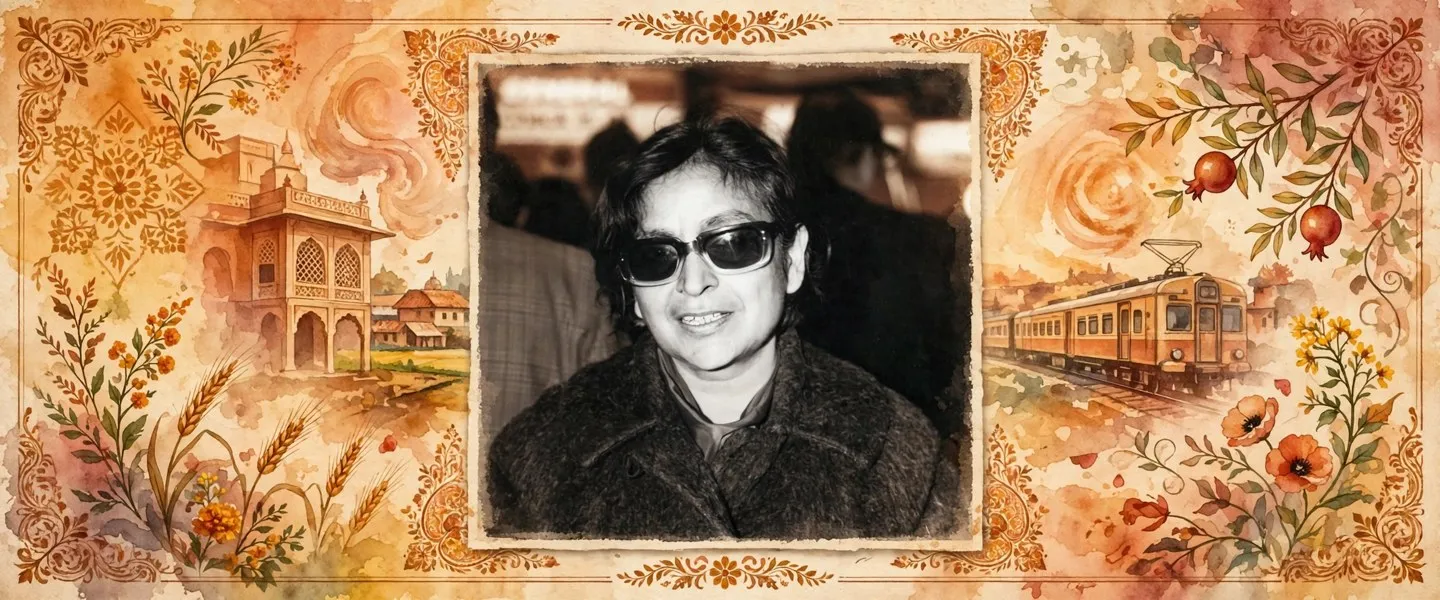
ਡਾਕਟਰ ਦੇਵ ਅੰਮ੍ਰਿਤਾ ਪ੍ਰੀਤਮ ਦਾ ਪੰਜਾਬੀ ਨਾਵਲ ਹੈ, ਜੋ ਉਸ ਦੀਆਂ ਰਚਨਾਵਾਂ ਦੀ ਹਰ ਸੂਚੀ ਵਿੱਚ ਪਿੰਜਰ ਅਤੇ ਕੋਰੇ ਕਾਗਜ਼ ਦੇ ਨਾਲ ਦਰਜ ਹੈ। ਇਹ ਦੇਵ ਦੀ ਕਹਾਣੀ ਹੈ, ਇੱਕ ਨੌਜਵਾਨ ਡਾਕਟਰ ਜੋ ਕਦੇ ਵਿਆਹ ਨਹੀਂ ਕਰਦਾ, ਮਮਤਾ ਦੀ, ਉਹ ਔਰਤ ਜਿਸ ਨੇ ਉਸ ਨੂੰ ਪਿਆਰ ਕੀਤਾ ਅਤੇ ਉਸ ਦੇ ਬੱਚੇ ਨੂੰ ਜਨਮ ਦਿੱਤਾ, ਫਿਰ ਕਿਸੇ ਹੋਰ ਨਾਲ ਵਿਆਹ ਦਿੱਤੀ ਗਈ, ਅਤੇ ਮਨੂ ਦੀ, ਉਹ ਪੁੱਤਰ ਜਿਸ ਦੀ ਆਪਣੀ ਪਛਾਣ ਦੀ ਖੋਜ ਵਿਛੜੀ ਜੋੜੀ ਨੂੰ ਮੁੜ ਮਿਲਾਉਂਦੀ ਹੈ।
ਪੰਜਾਬੀ, ਗੁਰਮੁਖੀ- ਪੰਜਾਬੀ ਨਾਂ
- ਡਾਕਟਰ ਦੇਵ
- ਲੇਖਕ
- ਅੰਮ੍ਰਿਤਾ ਪ੍ਰੀਤਮ (1919 ਤੋਂ 2005)
- ਰੂਪ
- ਨਾਵਲ
- ਭਾਸ਼ਾ
- ਪੰਜਾਬੀ
- ਮੁੱਖ ਪਾਤਰ
- ਡਾਕਟਰ ਦੇਵ; ਮਮਤਾ; ਮਨੂ; ਕੁਮਾਰੀ
- ਹਿੰਦੀ ਅਨੁਵਾਦ
- ਹਿੰਦ ਪਾਕੇਟ ਬੁਕਸ ਅਡੀਸ਼ਨ, 1969, ਵਿਦਵਤਾਪੂਰਨ ਹਵਾਲਿਆਂ ਵਿੱਚ ਦਰਜ
All 8 facts
- ਤਾਜ਼ਾ ਅਡੀਸ਼ਨ
- ਪੈਂਗੁਇਨ ਸਵਦੇਸ਼ ਹਿੰਦੀ ਪੇਪਰਬੈਕ, 112 ਪੰਨੇ, 2019
- ਲੇਖਿਕਾ ਦਾ ਸਭ ਤੋਂ ਪ੍ਰਸਿੱਧ ਨਾਵਲ
- ਪਿੰਜਰ (1950)
ਪਾਤਰ
About the book
Doctor Dev is a Punjabi novel by Amrita Pritam, the writer whose name is attached to Pinjar and to the poem Ajj Aakhaan Waris Shah Nu. Every standard bibliography of her work lists Doctor Dev among her novels, usually right after Pinjar, and scholars of her fiction still study it when they write about the women she created. Bibliographies list the novel without a settled first publication year, so this page records what can be verified instead: the book was written in Punjabi, reached Hindi readers in a translation published by Hind Pocket Books in 1969, and is still in print, most recently in a Penguin Swadesh Hindi paperback of 112 pages issued in 2019.
That long life in reprint matters. Amrita Pritam wrote more than a hundred books, and most writers are remembered for two or three. Doctor Dev is one of the handful of her novels that publishers keep returning to, alongside Pinjar, Dharti Sagar Te Sippiyan and Kore Kagaz. It is a love story, but of the kind she specialised in: a love that society refuses a place, and whose cost is paid, year after year, by the woman.
What is Doctor Dev about?
A scholarly study of Amrita Pritam's fiction, published in the International Journal of English Language, Literature and Humanities in 2017, sums up the plot this way. It is a story of ideal love. Dev is a young doctor who never marries, because Mamata, the woman who loved him and bore his child, is forced into a respectable marriage with a good but limited man. The second thread concerns Kumari, another woman Dev turns away: at his own request she marries someone else. Years later Kumari's daughter marries Manu, the son of Dev and Mamata, and it is only when Manu discovers who he is that he brings his mother and Dev together again.
Read that shape carefully and the novel's real subject comes into focus. Two generations are bound by one hidden fact, a child born outside marriage, and the truth moves through the family the slow way: concealed by the elders, carried by the women, and finally spoken by the son. Dev's lifelong refusal to marry can look like devotion, and the study calls his love ideal, but the respectable settlement is arranged entirely around Mamata's silence. She is the one who must live inside the marriage chosen for her while the man she loves keeps his honour intact by staying unmarried.
Themes: love, respectability and the price women pay
The same study places Doctor Dev inside the pattern of Pritam's fiction as a whole: love and marriage, loss and guilt, and the role of women in Indian society. Again and again her women are shown living a dictated life, answerable to parents, brothers, husbands and lovers, and her anger is aimed at that arrangement rather than at any one character. Mamata does not rebel in any loud way. Her resistance is endurance, and her care for the people around her, including when they are sick and suffering, is presented as a form of strength that the respectable world depends on and refuses to reward.
Pain is the other constant. The study quotes the line associated with Pritam's writing, that pain is truth, and describes a writer who inhaled pain and accepted it as a way of life. In Doctor Dev that pain is not Partition violence, as it is in Pinjar, but the quieter violence of custom: a woman separated from the man she loves and from the open acknowledgement of her own child, and a son who must discover his identity as if it were a secret kept from him by his own family.
ਲੇਖਕ
Amrita Pritam (1919 to 2005) was born on 31 August 1919 in Gujranwala, now in Pakistan, and died on 31 October 2005 in New Delhi. Over six decades she wrote more than a hundred books of poetry, fiction, essays and memoir in Punjabi and Hindi. In 1956 she became the first woman to win the Sahitya Akademi Award, for her long poem Sunehade, and she later received the Bharatiya Jnanpith for Kagaz Te Canvas, the Padma Shri in 1969 and the Padma Vibhushan in 2004. Her most noted novel remains Pinjar (1950), filmed in 2003, and her autobiography Rasidi Ticket is one of the most candid memoirs in Punjabi. Doctor Dev belongs to the body of fiction that built that reputation: novels in which a woman's inner life is treated as the real action of the story.
Reception and legacy
Doctor Dev has never displaced Pinjar as Amrita Pritam's best known novel, and this page does not pretend otherwise. Its standing is different: it is the novel scholars reach for when they explain what she did with the love story. The 2017 study discussed above reads Mamata alongside Pooro of Pinjar as evidence of the growth in her women, from submissive and conventional toward unconventional and independent. Publishers have kept faith with it in practical terms too: a Hindi translation in 1969, and a fresh Penguin Swadesh paperback in 2019, more than a century after the author's birth year and long after her death. For a reader who knows Pritam only through the Waris Shah poem, Doctor Dev is a good second door into her fiction: the same question as Pinjar, asked in a domestic key. What does respectability cost the woman who loves outside it?
ਕਿਤਾਬ ਬਾਰੇ
ਡਾਕਟਰ ਦੇਵ ਅੰਮ੍ਰਿਤਾ ਪ੍ਰੀਤਮ ਦਾ ਪੰਜਾਬੀ ਨਾਵਲ ਹੈ। ਅੰਮ੍ਰਿਤਾ ਪ੍ਰੀਤਮ ਉਹ ਲੇਖਿਕਾ ਹੈ ਜਿਸ ਦਾ ਨਾਂ ਪਿੰਜਰ ਅਤੇ ਕਵਿਤਾ ਅੱਜ ਆਖਾਂ ਵਾਰਿਸ ਸ਼ਾਹ ਨੂੰ ਨਾਲ ਜੁੜਿਆ ਹੈ। ਉਸ ਦੀਆਂ ਰਚਨਾਵਾਂ ਦੀ ਹਰ ਮਿਆਰੀ ਸੂਚੀ ਡਾਕਟਰ ਦੇਵ ਨੂੰ ਉਸ ਦੇ ਨਾਵਲਾਂ ਵਿੱਚ ਗਿਣਦੀ ਹੈ, ਆਮ ਤੌਰ ਉੱਤੇ ਪਿੰਜਰ ਤੋਂ ਠੀਕ ਬਾਅਦ, ਅਤੇ ਉਸ ਦੀ ਗਲਪ ਦੇ ਵਿਦਵਾਨ ਅੱਜ ਵੀ ਇਸ ਦਾ ਅਧਿਐਨ ਕਰਦੇ ਹਨ ਜਦੋਂ ਉਹ ਉਸ ਵੱਲੋਂ ਸਿਰਜੀਆਂ ਔਰਤਾਂ ਬਾਰੇ ਲਿਖਦੇ ਹਨ। ਸੂਚੀਆਂ ਨਾਵਲ ਦਾ ਪਹਿਲਾ ਪ੍ਰਕਾਸ਼ਨ ਸਾਲ ਤੈਅ ਕਰਕੇ ਨਹੀਂ ਦਿੰਦੀਆਂ, ਇਸ ਲਈ ਇਹ ਸਫਾ ਉਹ ਦਰਜ ਕਰਦਾ ਹੈ ਜਿਸ ਦੀ ਪੁਸ਼ਟੀ ਹੋ ਸਕਦੀ ਹੈ: ਕਿਤਾਬ ਪੰਜਾਬੀ ਵਿੱਚ ਲਿਖੀ ਗਈ, ਹਿੰਦੀ ਪਾਠਕਾਂ ਤੱਕ 1969 ਵਿੱਚ ਹਿੰਦ ਪਾਕੇਟ ਬੁਕਸ ਵੱਲੋਂ ਛਪੇ ਅਨੁਵਾਦ ਰਾਹੀਂ ਪਹੁੰਚੀ, ਅਤੇ ਅੱਜ ਵੀ ਛਪ ਰਹੀ ਹੈ, ਸਭ ਤੋਂ ਤਾਜ਼ਾ 2019 ਵਿੱਚ ਪੈਂਗੁਇਨ ਸਵਦੇਸ਼ ਦੀ 112 ਪੰਨਿਆਂ ਦੀ ਹਿੰਦੀ ਪੇਪਰਬੈਕ ਵਿੱਚ।
ਮੁੜ ਛਪਦੇ ਰਹਿਣ ਦੀ ਇਹ ਲੰਮੀ ਉਮਰ ਮਾਇਨੇ ਰੱਖਦੀ ਹੈ। ਅੰਮ੍ਰਿਤਾ ਪ੍ਰੀਤਮ ਨੇ ਸੌ ਤੋਂ ਵੱਧ ਕਿਤਾਬਾਂ ਲਿਖੀਆਂ, ਅਤੇ ਬਹੁਤੇ ਲੇਖਕ ਦੋ ਜਾਂ ਤਿੰਨ ਕਿਤਾਬਾਂ ਨਾਲ ਯਾਦ ਰਹਿੰਦੇ ਹਨ। ਡਾਕਟਰ ਦੇਵ ਉਸ ਦੇ ਉਨ੍ਹਾਂ ਗਿਣਤੀ ਦੇ ਨਾਵਲਾਂ ਵਿੱਚੋਂ ਇੱਕ ਹੈ ਜਿਨ੍ਹਾਂ ਵੱਲ ਪ੍ਰਕਾਸ਼ਕ ਮੁੜ ਮੁੜ ਪਰਤਦੇ ਹਨ, ਪਿੰਜਰ, ਧਰਤੀ ਸਾਗਰ ਤੇ ਸਿੱਪੀਆਂ ਅਤੇ ਕੋਰੇ ਕਾਗਜ਼ ਦੇ ਨਾਲ। ਇਹ ਪਿਆਰ ਕਹਾਣੀ ਹੈ, ਪਰ ਉਸ ਕਿਸਮ ਦੀ ਜਿਸ ਵਿੱਚ ਉਹ ਮਾਹਿਰ ਸੀ: ਇੱਕ ਪਿਆਰ ਜਿਸ ਨੂੰ ਸਮਾਜ ਥਾਂ ਦੇਣ ਤੋਂ ਇਨਕਾਰ ਕਰਦਾ ਹੈ, ਅਤੇ ਜਿਸ ਦੀ ਕੀਮਤ, ਸਾਲ ਦਰ ਸਾਲ, ਔਰਤ ਚੁਕਾਉਂਦੀ ਹੈ।
ਡਾਕਟਰ ਦੇਵ ਕਿਸ ਬਾਰੇ ਹੈ?
ਅੰਮ੍ਰਿਤਾ ਪ੍ਰੀਤਮ ਦੀ ਗਲਪ ਉੱਤੇ ਇੱਕ ਵਿਦਵਤਾਪੂਰਨ ਅਧਿਐਨ, ਜੋ 2017 ਵਿੱਚ ਇੰਟਰਨੈਸ਼ਨਲ ਜਰਨਲ ਆਫ ਇੰਗਲਿਸ਼ ਲੈਂਗੂਏਜ, ਲਿਟਰੇਚਰ ਐਂਡ ਹਿਊਮੈਨਿਟੀਜ਼ ਵਿੱਚ ਛਪਿਆ, ਕਹਾਣੀ ਨੂੰ ਇਸ ਤਰ੍ਹਾਂ ਦੱਸਦਾ ਹੈ। ਇਹ ਆਦਰਸ਼ ਪਿਆਰ ਦੀ ਕਹਾਣੀ ਹੈ। ਦੇਵ ਇੱਕ ਨੌਜਵਾਨ ਡਾਕਟਰ ਹੈ ਜੋ ਕਦੇ ਵਿਆਹ ਨਹੀਂ ਕਰਦਾ, ਕਿਉਂਕਿ ਮਮਤਾ, ਉਹ ਔਰਤ ਜਿਸ ਨੇ ਉਸ ਨੂੰ ਪਿਆਰ ਕੀਤਾ ਅਤੇ ਉਸ ਦੇ ਬੱਚੇ ਨੂੰ ਜਨਮ ਦਿੱਤਾ, ਇੱਕ ਚੰਗੇ ਪਰ ਸੀਮਿਤ ਆਦਮੀ ਨਾਲ ਇੱਜ਼ਤਦਾਰ ਵਿਆਹ ਵਿੱਚ ਧੱਕ ਦਿੱਤੀ ਜਾਂਦੀ ਹੈ। ਦੂਜੀ ਲੜੀ ਕੁਮਾਰੀ ਬਾਰੇ ਹੈ, ਇੱਕ ਹੋਰ ਔਰਤ ਜਿਸ ਨੂੰ ਦੇਵ ਮੋੜ ਦਿੰਦਾ ਹੈ: ਉਸ ਦੀ ਆਪਣੀ ਬੇਨਤੀ ਉੱਤੇ ਉਹ ਕਿਸੇ ਹੋਰ ਨਾਲ ਵਿਆਹ ਕਰ ਲੈਂਦੀ ਹੈ। ਸਾਲਾਂ ਬਾਅਦ ਕੁਮਾਰੀ ਦੀ ਬੇਟੀ ਮਨੂ ਨਾਲ ਵਿਆਹ ਕਰਦੀ ਹੈ, ਜੋ ਦੇਵ ਅਤੇ ਮਮਤਾ ਦਾ ਪੁੱਤਰ ਹੈ, ਅਤੇ ਜਦੋਂ ਮਨੂ ਨੂੰ ਪਤਾ ਲੱਗਦਾ ਹੈ ਕਿ ਉਹ ਹੈ ਕੌਣ, ਤਾਂ ਹੀ ਉਹ ਆਪਣੀ ਮਾਂ ਅਤੇ ਦੇਵ ਨੂੰ ਮੁੜ ਮਿਲਾਉਂਦਾ ਹੈ।
ਇਸ ਢਾਂਚੇ ਨੂੰ ਧਿਆਨ ਨਾਲ ਪੜ੍ਹੋ ਤਾਂ ਨਾਵਲ ਦਾ ਅਸਲ ਵਿਸ਼ਾ ਸਾਹਮਣੇ ਆਉਂਦਾ ਹੈ। ਦੋ ਪੀੜ੍ਹੀਆਂ ਇੱਕ ਲੁਕੇ ਤੱਥ ਨਾਲ ਬੱਝੀਆਂ ਹਨ, ਵਿਆਹ ਤੋਂ ਬਾਹਰ ਜਨਮਿਆ ਇੱਕ ਬੱਚਾ, ਅਤੇ ਸਚਾਈ ਪਰਿਵਾਰ ਵਿੱਚ ਹੌਲੀ ਰਾਹ ਤੁਰਦੀ ਹੈ: ਵਡੇਰਿਆਂ ਵੱਲੋਂ ਲੁਕਾਈ ਗਈ, ਔਰਤਾਂ ਵੱਲੋਂ ਚੁੱਕੀ ਗਈ, ਅਤੇ ਅਖੀਰ ਪੁੱਤਰ ਵੱਲੋਂ ਬੋਲੀ ਗਈ। ਦੇਵ ਦਾ ਸਾਰੀ ਉਮਰ ਵਿਆਹ ਤੋਂ ਇਨਕਾਰ ਭਗਤੀ ਵਰਗਾ ਲੱਗ ਸਕਦਾ ਹੈ, ਅਤੇ ਅਧਿਐਨ ਉਸ ਦੇ ਪਿਆਰ ਨੂੰ ਆਦਰਸ਼ ਕਹਿੰਦਾ ਹੈ, ਪਰ ਇੱਜ਼ਤਦਾਰ ਸਮਝੌਤਾ ਪੂਰੀ ਤਰ੍ਹਾਂ ਮਮਤਾ ਦੀ ਚੁੱਪ ਦੁਆਲੇ ਬਣਿਆ ਹੈ। ਉਹੋ ਇੱਕ ਹੈ ਜਿਸ ਨੂੰ ਆਪਣੇ ਲਈ ਚੁਣੇ ਵਿਆਹ ਅੰਦਰ ਜੀਣਾ ਪੈਂਦਾ ਹੈ, ਜਦੋਂ ਕਿ ਉਸ ਨੂੰ ਪਿਆਰ ਕਰਨ ਵਾਲਾ ਆਦਮੀ ਅਣਵਿਆਹਿਆ ਰਹਿ ਕੇ ਆਪਣੀ ਇੱਜ਼ਤ ਬਚਾਈ ਰੱਖਦਾ ਹੈ।
ਵਿਸ਼ੇ: ਪਿਆਰ, ਇੱਜ਼ਤਦਾਰੀ ਅਤੇ ਔਰਤਾਂ ਵੱਲੋਂ ਚੁਕਾਈ ਕੀਮਤ
ਉਹੀ ਅਧਿਐਨ ਡਾਕਟਰ ਦੇਵ ਨੂੰ ਅੰਮ੍ਰਿਤਾ ਪ੍ਰੀਤਮ ਦੀ ਸਮੁੱਚੀ ਗਲਪ ਦੇ ਢਾਂਚੇ ਵਿੱਚ ਰੱਖਦਾ ਹੈ: ਪਿਆਰ ਅਤੇ ਵਿਆਹ, ਨੁਕਸਾਨ ਅਤੇ ਦੋਸ਼ ਭਾਵਨਾ, ਅਤੇ ਭਾਰਤੀ ਸਮਾਜ ਵਿੱਚ ਔਰਤਾਂ ਦੀ ਭੂਮਿਕਾ। ਵਾਰ ਵਾਰ ਉਸ ਦੀਆਂ ਔਰਤਾਂ ਹੁਕਮ ਹੇਠ ਜੀਉਂਦੀਆਂ ਵਿਖਾਈਆਂ ਗਈਆਂ ਹਨ, ਮਾਪਿਆਂ, ਭਰਾਵਾਂ, ਪਤੀਆਂ ਅਤੇ ਪ੍ਰੇਮੀਆਂ ਨੂੰ ਜਵਾਬਦੇਹ, ਅਤੇ ਉਸ ਦਾ ਗੁੱਸਾ ਕਿਸੇ ਇੱਕ ਪਾਤਰ ਉੱਤੇ ਨਹੀਂ, ਉਸ ਵਿਵਸਥਾ ਉੱਤੇ ਹੈ। ਮਮਤਾ ਕੋਈ ਉੱਚੀ ਬਗਾਵਤ ਨਹੀਂ ਕਰਦੀ। ਉਸ ਦਾ ਵਿਰੋਧ ਸਹਿਣਸ਼ੀਲਤਾ ਹੈ, ਅਤੇ ਆਪਣੇ ਆਲੇ ਦੁਆਲੇ ਦੇ ਲੋਕਾਂ ਦੀ ਦੇਖਭਾਲ, ਜਦੋਂ ਉਹ ਬਿਮਾਰ ਅਤੇ ਦੁੱਖ ਵਿੱਚ ਹੋਣ ਤਾਂ ਵੀ, ਇੱਕ ਅਜਿਹੀ ਤਾਕਤ ਵਜੋਂ ਪੇਸ਼ ਕੀਤੀ ਗਈ ਹੈ ਜਿਸ ਉੱਤੇ ਇੱਜ਼ਤਦਾਰ ਸੰਸਾਰ ਨਿਰਭਰ ਕਰਦਾ ਹੈ ਅਤੇ ਜਿਸ ਦਾ ਮੁੱਲ ਦੇਣ ਤੋਂ ਇਨਕਾਰ ਕਰਦਾ ਹੈ।
ਦਰਦ ਦੂਜਾ ਸਥਾਈ ਤੱਤ ਹੈ। ਅਧਿਐਨ ਅੰਮ੍ਰਿਤਾ ਪ੍ਰੀਤਮ ਦੀ ਲਿਖਤ ਨਾਲ ਜੁੜੀ ਇਹ ਗੱਲ ਦਰਜ ਕਰਦਾ ਹੈ ਕਿ ਦਰਦ ਹੀ ਸਚਾਈ ਹੈ, ਅਤੇ ਇੱਕ ਅਜਿਹੀ ਲੇਖਿਕਾ ਦਾ ਵਰਣਨ ਕਰਦਾ ਹੈ ਜਿਸ ਨੇ ਦਰਦ ਨੂੰ ਸਾਹ ਵਾਂਗ ਅੰਦਰ ਲਿਆ ਅਤੇ ਉਸ ਨੂੰ ਜੀਣ ਦਾ ਢੰਗ ਮੰਨ ਲਿਆ। ਡਾਕਟਰ ਦੇਵ ਵਿੱਚ ਇਹ ਦਰਦ ਵੰਡ ਦੀ ਹਿੰਸਾ ਨਹੀਂ, ਜਿਵੇਂ ਪਿੰਜਰ ਵਿੱਚ ਹੈ, ਸਗੋਂ ਰੀਤ ਦਾ ਸ਼ਾਂਤ ਜ਼ੁਲਮ ਹੈ: ਇੱਕ ਔਰਤ ਜੋ ਆਪਣੇ ਪਿਆਰੇ ਤੋਂ ਅਤੇ ਆਪਣੇ ਬੱਚੇ ਦੀ ਖੁੱਲ੍ਹੀ ਪਛਾਣ ਤੋਂ ਵੱਖ ਕਰ ਦਿੱਤੀ ਗਈ, ਅਤੇ ਇੱਕ ਪੁੱਤਰ ਜਿਸ ਨੂੰ ਆਪਣੀ ਪਛਾਣ ਇਸ ਤਰ੍ਹਾਂ ਖੋਜਣੀ ਪੈਂਦੀ ਹੈ ਜਿਵੇਂ ਉਹ ਉਸ ਦੇ ਆਪਣੇ ਪਰਿਵਾਰ ਵੱਲੋਂ ਉਸ ਤੋਂ ਲੁਕਾਇਆ ਰਾਜ਼ ਹੋਵੇ।
ਲੇਖਿਕਾ
ਅੰਮ੍ਰਿਤਾ ਪ੍ਰੀਤਮ (1919 ਤੋਂ 2005) ਦਾ ਜਨਮ 31 ਅਗਸਤ 1919 ਨੂੰ ਗੁਜਰਾਂਵਾਲਾ ਵਿੱਚ ਹੋਇਆ, ਜੋ ਹੁਣ ਪਾਕਿਸਤਾਨ ਵਿੱਚ ਹੈ, ਅਤੇ ਦੇਹਾਂਤ 31 ਅਕਤੂਬਰ 2005 ਨੂੰ ਨਵੀਂ ਦਿੱਲੀ ਵਿੱਚ ਹੋਇਆ। ਛੇ ਦਹਾਕਿਆਂ ਤੋਂ ਵੱਧ ਸਮੇਂ ਵਿੱਚ ਉਸ ਨੇ ਪੰਜਾਬੀ ਅਤੇ ਹਿੰਦੀ ਵਿੱਚ ਕਵਿਤਾ, ਗਲਪ, ਲੇਖ ਅਤੇ ਜੀਵਨੀ ਦੀਆਂ ਸੌ ਤੋਂ ਵੱਧ ਕਿਤਾਬਾਂ ਲਿਖੀਆਂ। 1956 ਵਿੱਚ ਉਹ ਸਾਹਿਤ ਅਕਾਦਮੀ ਪੁਰਸਕਾਰ ਜਿੱਤਣ ਵਾਲੀ ਪਹਿਲੀ ਔਰਤ ਬਣੀ, ਆਪਣੀ ਲੰਮੀ ਕਵਿਤਾ ਸੁਨੇਹੜੇ ਲਈ, ਅਤੇ ਬਾਅਦ ਵਿੱਚ ਉਸ ਨੂੰ ਕਾਗਜ਼ ਤੇ ਕੈਨਵਸ ਲਈ ਭਾਰਤੀ ਗਿਆਨਪੀਠ, 1969 ਵਿੱਚ ਪਦਮ ਸ਼੍ਰੀ ਅਤੇ 2004 ਵਿੱਚ ਪਦਮ ਵਿਭੂਸ਼ਣ ਮਿਲਿਆ। ਉਸ ਦਾ ਸਭ ਤੋਂ ਪ੍ਰਸਿੱਧ ਨਾਵਲ ਪਿੰਜਰ (1950) ਰਹਿੰਦਾ ਹੈ, ਜਿਸ ਉੱਤੇ 2003 ਵਿੱਚ ਫਿਲਮ ਬਣੀ, ਅਤੇ ਉਸ ਦੀ ਸਵੈਜੀਵਨੀ ਰਸੀਦੀ ਟਿਕਟ ਪੰਜਾਬੀ ਦੀਆਂ ਸਭ ਤੋਂ ਖੁੱਲ੍ਹੀਆਂ ਯਾਦਾਂ ਦੀਆਂ ਕਿਤਾਬਾਂ ਵਿੱਚੋਂ ਇੱਕ ਹੈ। ਡਾਕਟਰ ਦੇਵ ਉਸ ਗਲਪ ਨਾਲ ਸੰਬੰਧਿਤ ਹੈ ਜਿਸ ਨੇ ਇਹ ਸਾਖ ਬਣਾਈ: ਨਾਵਲ ਜਿਨ੍ਹਾਂ ਵਿੱਚ ਔਰਤ ਦਾ ਅੰਦਰਲਾ ਜੀਵਨ ਹੀ ਕਹਾਣੀ ਦੀ ਅਸਲ ਕਾਰਵਾਈ ਹੈ।
ਪ੍ਰਤੀਕਿਰਿਆ ਅਤੇ ਵਿਰਾਸਤ
ਡਾਕਟਰ ਦੇਵ ਨੇ ਪਿੰਜਰ ਨੂੰ ਅੰਮ੍ਰਿਤਾ ਪ੍ਰੀਤਮ ਦੇ ਸਭ ਤੋਂ ਜਾਣੇ ਨਾਵਲ ਵਜੋਂ ਕਦੇ ਨਹੀਂ ਹਟਾਇਆ, ਅਤੇ ਇਹ ਸਫਾ ਇਹ ਦਾਅਵਾ ਨਹੀਂ ਕਰਦਾ। ਇਸ ਦੀ ਥਾਂ ਵੱਖਰੀ ਹੈ: ਇਹ ਉਹ ਨਾਵਲ ਹੈ ਜਿਸ ਵੱਲ ਵਿਦਵਾਨ ਜਾਂਦੇ ਹਨ ਜਦੋਂ ਉਹ ਸਮਝਾਉਂਦੇ ਹਨ ਕਿ ਉਸ ਨੇ ਪਿਆਰ ਕਹਾਣੀ ਨਾਲ ਕੀ ਕੀਤਾ। ਉੱਤੇ ਚਰਚਿਤ 2017 ਦਾ ਅਧਿਐਨ ਮਮਤਾ ਨੂੰ ਪਿੰਜਰ ਦੀ ਪੂਰੋ ਦੇ ਨਾਲ ਰੱਖ ਕੇ ਪੜ੍ਹਦਾ ਹੈ, ਉਸ ਦੀਆਂ ਔਰਤਾਂ ਦੇ ਵਾਧੇ ਦੇ ਸਬੂਤ ਵਜੋਂ, ਦੱਬੀਆਂ ਅਤੇ ਰਵਾਇਤੀ ਤੋਂ ਗੈਰ ਰਵਾਇਤੀ ਅਤੇ ਸੁਤੰਤਰ ਵੱਲ। ਪ੍ਰਕਾਸ਼ਕਾਂ ਨੇ ਅਮਲੀ ਤੌਰ ਉੱਤੇ ਵੀ ਇਸ ਉੱਤੇ ਭਰੋਸਾ ਰੱਖਿਆ ਹੈ: 1969 ਵਿੱਚ ਹਿੰਦੀ ਅਨੁਵਾਦ, ਅਤੇ 2019 ਵਿੱਚ ਤਾਜ਼ਾ ਪੈਂਗੁਇਨ ਸਵਦੇਸ਼ ਪੇਪਰਬੈਕ, ਲੇਖਿਕਾ ਦੇ ਜਨਮ ਸਾਲ ਤੋਂ ਇੱਕ ਸਦੀ ਤੋਂ ਵੱਧ ਸਮੇਂ ਬਾਅਦ ਅਤੇ ਉਸ ਦੀ ਮੌਤ ਤੋਂ ਬਹੁਤ ਬਾਅਦ। ਜਿਹੜਾ ਪਾਠਕ ਅੰਮ੍ਰਿਤਾ ਪ੍ਰੀਤਮ ਨੂੰ ਸਿਰਫ ਵਾਰਿਸ ਸ਼ਾਹ ਵਾਲੀ ਕਵਿਤਾ ਰਾਹੀਂ ਜਾਣਦਾ ਹੈ, ਉਸ ਲਈ ਡਾਕਟਰ ਦੇਵ ਉਸ ਦੀ ਗਲਪ ਦਾ ਚੰਗਾ ਦੂਜਾ ਦਰਵਾਜ਼ਾ ਹੈ: ਪਿੰਜਰ ਵਾਲਾ ਹੀ ਸਵਾਲ, ਘਰੇਲੂ ਸੁਰ ਵਿੱਚ ਪੁੱਛਿਆ ਗਿਆ। ਇੱਜ਼ਤਦਾਰੀ ਦੀ ਕੀਮਤ ਉਹ ਔਰਤ ਕੀ ਚੁਕਾਉਂਦੀ ਹੈ ਜੋ ਇਸ ਤੋਂ ਬਾਹਰ ਪਿਆਰ ਕਰਦੀ ਹੈ?
ਐਡੀਸ਼ਨ ਅਤੇ ਅਨੁਵਾਦ
- ਡਾਕਟਰ ਦੇਵPunjabi · original novelਮੂਲ
- ਡਾਕਟਰ ਦੇਵHindi · Hind Pocket Books, 1969Edition
- ਡਾਕਟਰ ਦੇਵHindi · Penguin Swadesh paperback, 112 pages, 2019Edition
ਲੇਖਕ

ਜੁੜੇ ਹੋਏ
ਹੋਰ ਪੜ੍ਹੋ
ਸਰੋਤ (3)
ਜੁਗਤੀ ਮੁਫ਼ਤ ਅਤੇ ਸੁਤੰਤਰ ਹੈ। ਪਾਠਕਾਂ ਦਾ ਸਹਿਯੋਗ ਕੋਸ਼ ਨੂੰ ਵਧਾਉਂਦਾ ਹੈ।
ਸਹਿਯੋਗ