
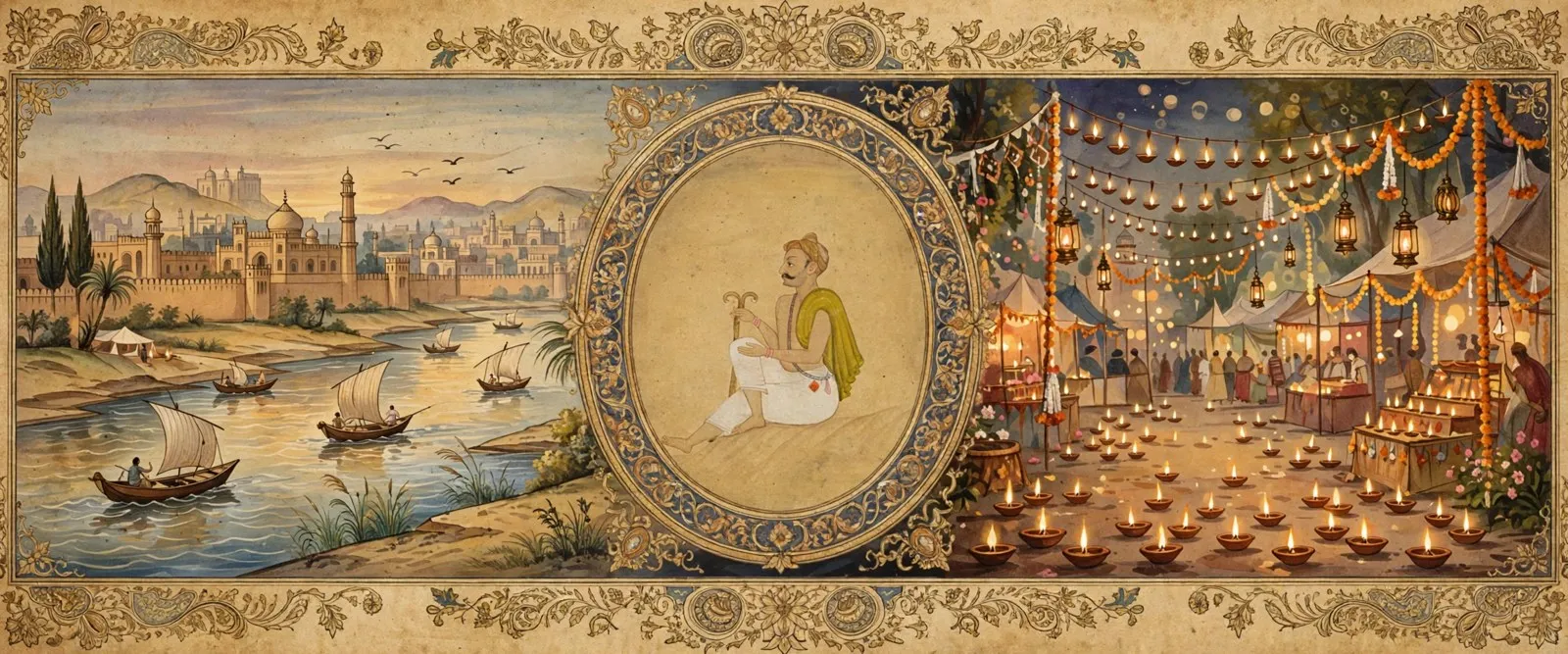
ਸ਼ਾਹ ਹੁਸੈਨ ਦੀਆਂ ਕਾਫ਼ੀਆਂ ਲਾਹੌਰ ਦੇ ਸ਼ਾਹ ਹੁਸੈਨ (1538 ਤੋਂ 1599) ਦੀਆਂ ਛੋਟੀਆਂ ਗਾਈਆਂ ਜਾਣ ਵਾਲੀਆਂ ਕਵਿਤਾਵਾਂ ਹਨ, ਉਹ ਜੁਲਾਹਾ ਕਵੀ ਜਿਸ ਨੇ ਪੰਜਾਬੀ ਵਿੱਚ ਕਾਫ਼ੀ ਰੂਪ ਦੀ ਮੋਹਰ ਲਾਈ। ਅਕਸਰ ਲਾੜੀ ਦੀ ਆਵਾਜ਼ ਵਿੱਚ ਪ੍ਰੇਮ, ਵਿਛੋੜੇ ਅਤੇ ਮੌਤ ਦੀ ਗੱਲ ਕਰਦੀਆਂ, ਇਹ ਅੱਜ ਵੀ ਕੱਵਾਲੀ ਵਿੱਚ ਅਤੇ ਉਨ੍ਹਾਂ ਦੀ ਲਾਹੌਰੀ ਦਰਗਾਹ ਉੱਤੇ ਗਾਈਆਂ ਜਾਂਦੀਆਂ ਹਨ, ਅਤੇ ਇਨ੍ਹਾਂ ਨੇ ਬਾਅਦ ਵਿੱਚ ਬੁੱਲ੍ਹੇ ਸ਼ਾਹ ਅਤੇ ਹੀਰ ਪਰੰਪਰਾ ਨੂੰ ਰੂਪ ਦਿੱਤਾ।
ਪੰਜਾਬੀ, ਗੁਰਮੁਖੀ, ਅੰਗਰੇਜ਼ੀ ਅਨੁਵਾਦ ਸਮੇਤ- ਪੰਜਾਬੀ ਨਾਂ
- ਕਾਫ਼ੀਆਂ ਸ਼ਾਹ ਹੁਸੈਨ
- ਲੇਖਕ
- ਸ਼ਾਹ ਹੁਸੈਨ (1538 ਤੋਂ 1599), ਜਿਨ੍ਹਾਂ ਨੂੰ ਮਾਧੋ ਲਾਲ ਹੁਸੈਨ ਵੀ ਕਿਹਾ ਜਾਂਦਾ ਹੈ
- ਭਾਸ਼ਾ
- ਪੰਜਾਬੀ
- ਰੂਪ
- ਕਾਫ਼ੀ, ਸੂਫ਼ੀ ਗੀਤ ਕਵਿਤਾ
- ਥਾਂ
- ਲਾਹੌਰ, ਪੰਜਾਬ
- ਕਾਫ਼ੀਆਂ ਦੀ ਗਿਣਤੀ
- ਨਜਮ ਹੁਸੈਨ ਸਈਦ ਨਾਲ ਤਿਆਰ ਲਾਹੌਰੀ ਸੰਸਕਰਨ ਵਿੱਚ 163
All 8 facts
- ਅੰਗਰੇਜ਼ੀ ਅਨੁਵਾਦ
- ਵਰਸਿਜ਼ ਔਫ਼ ਅ ਲਾਉਲੀ ਫ਼ਕੀਰ, ਅਨੁਵਾਦ ਨਵੀਦ ਆਲਮ, ਪੈਂਗੁਇਨ, 2016
- ਦਰਗਾਹ
- ਬਾਗਬਾਨਪੁਰਾ, ਲਾਹੌਰ, ਸ਼ਾਲੀਮਾਰ ਬਾਗ ਦੇ ਨਾਲ; ਹਰ ਸਾਲ ਉੱਥੇ ਮੇਲਾ ਚਿਰਾਗਾਂ ਲੱਗਦਾ ਹੈ
About the kafis
The Kafis of Shah Hussain are the founding songs of Punjabi Sufi poetry. Shah Hussain of Lahore (1538 to 1599) composed no long epic and left no prose. His whole surviving work is a body of short sung poems called kafis, and with them he is regarded as the pioneer of the kafi form in Punjabi and the first major early modern poet of the Punjab. A widely used Lahore edition, prepared with the scholar Najm Hosain Syed, prints 163 kafis, and the collection has stayed in print for centuries as one of the best loved books in the language.
A kafi is built to be sung. Each poem carries a refrain and a small number of rhymed lines, usually between four and ten, set to the rhythms of Punjabi folk music. That simple frame holds an unusual range: longing for God, the pain of separation, mockery of pride and learning, and a weaver's plain talk about death. Because the poems lived first in voices rather than on paper, they belong as much to the qawwali hall and the shrine courtyard as to the printed page.
What is a kafi?
A kafi is a short Punjabi lyric poem made for singing, with a refrain that returns after each verse. Shah Hussain took the rhythms and stories of Punjabi folk song and filled that small form with Sufi teaching, so that a song a village audience could remember also carried a complete account of the soul's journey: its love, its separation from the beloved, and its hope of union. Later poets, above all Bulleh Shah in the next century, inherited the form from him and made it the central vehicle of Punjabi Sufi verse.
Themes: the bride, the weaver and the road to Ranjha
Hussain most often speaks in a woman's voice, as a bride speaking of her bridegroom. In that voice God is the beloved, called by names such as Sajjan and Saiyan, and the soul is by turns a girl who does not yet know her fate, a bride waiting for the wedding, a happily married suhagan, or a deserted duhagan longing for reunion. The red dyed bridal cloth, the spinning wheel and the wedding preparations of an ordinary Punjabi home become, in his hands, signs of the soul's deeds and its journey.
He also borrows Heer, the heroine of Punjab's great love story. In one famous kafi the speaker refuses to hear of the Khedas, the family who took Heer away, and answers: Ranjha is mine and I am Ranjha's. Folk romance becomes a statement of devotion: the beloved is already chosen, and what people say about it does not matter. Against these love songs stand the kafis of self knowledge, in which Hussain calls himself simply a weaver, a faqir, a nobody, and reminds the listener that the body is ashes and the road after death is unknown.
The author: a weaver of Lahore
Shah Hussain was born in 1538 inside the walled city of Lahore, the son of Sheikh Usman, a weaver. He studied as a young man and became a learned scholar, a student of the Qadiri Sufi Shaikh Bahlol Daryai, who named him his representative in Lahore. Then, in his mid thirties, he turned away from the scholar's life. Tradition remembers him in red clothes, singing and dancing in the streets of Lahore, a malang who had chosen blame over respectability. That choice is the key to the poems: they speak the language of the street and the spinning room, not of the seminary, because their author had deliberately left the seminary behind.
Why is he called Madho Lal Hussain?
He is called Madho Lal Hussain because of his bond with Madho Lal, a Hindu Brahmin who became his disciple and successor. Hussain placed Madho's name before his own, and the two names have been inseparable ever since. Madho carried the shrine forward for 48 years after Hussain's death in 1599, and the two are buried side by side at Baghbanpura in Lahore, beside the Shalimar Gardens. For Punjabis the joined name itself has become a sign of a love that crossed the boundary between communities.
How have the kafis been kept and sung?
The kafis survived the way they were made: by being sung. They entered the traditional qawwali repertoire and have been performed in modern times by singers including Nusrat Fateh Ali Khan, Abida Parveen, Ghulam Ali and Noor Jehan, so that lines written in sixteenth century Lahore are still heard by audiences who may never open the book. In print, editors and scholars in Lahore have kept the text in circulation, and in English the poems reached new readers in Verses of a Lowly Fakir, Naveed Alam's translation published by Penguin in 2016.
The living centre of the tradition is the shrine itself. Every year the Mela Chiraghan, the Festival of Lights, marks Hussain's urs at Baghbanpura with lamps, singing and crowds from across Punjab. In the time of Maharaja Ranjit Singh the maharaja himself is remembered to have walked barefoot in procession to the shrine, joined by Sikhs, Muslims and Hindus together, a picture of the mixed audience the kafis have always gathered.
Reception and legacy
Later Punjabi poetry is difficult to imagine without him. Writers on his work point to his direct influence on Bulleh Shah, whose most famous question, who am I, grows out of a short kafi of Hussain's, and on the Heer tradition that Waris Shah would bring to its height two centuries later. As a book, the Kafis of Shah Hussain offer the shortest road into classical Punjabi literature: one poet, one city, one small sung form, and inside it the whole emotional world of old Punjab: love, blame, humour and the nearness of death.
ਕਾਫ਼ੀਆਂ ਬਾਰੇ
ਸ਼ਾਹ ਹੁਸੈਨ ਦੀਆਂ ਕਾਫ਼ੀਆਂ ਪੰਜਾਬੀ ਸੂਫ਼ੀ ਕਵਿਤਾ ਦੇ ਮੁੱਢਲੇ ਗੀਤ ਹਨ। ਲਾਹੌਰ ਦੇ ਸ਼ਾਹ ਹੁਸੈਨ (1538 ਤੋਂ 1599) ਨੇ ਨਾ ਕੋਈ ਲੰਮਾ ਕਿੱਸਾ ਲਿਖਿਆ ਅਤੇ ਨਾ ਕੋਈ ਵਾਰਤਕ ਛੱਡੀ। ਉਨ੍ਹਾਂ ਦੀ ਬਚੀ ਹੋਈ ਸਾਰੀ ਰਚਨਾ ਛੋਟੀਆਂ ਗਾਈਆਂ ਜਾਣ ਵਾਲੀਆਂ ਕਵਿਤਾਵਾਂ ਦਾ ਸਮੂਹ ਹੈ ਜਿਨ੍ਹਾਂ ਨੂੰ ਕਾਫ਼ੀਆਂ ਕਿਹਾ ਜਾਂਦਾ ਹੈ, ਅਤੇ ਇਨ੍ਹਾਂ ਨਾਲ ਹੀ ਉਹ ਪੰਜਾਬੀ ਵਿੱਚ ਕਾਫ਼ੀ ਰੂਪ ਦੇ ਮੋਢੀ ਅਤੇ ਪੰਜਾਬ ਦੇ ਪਹਿਲੇ ਵੱਡੇ ਆਧੁਨਿਕ ਕਵੀ ਮੰਨੇ ਜਾਂਦੇ ਹਨ। ਵਿਦਵਾਨ ਨਜਮ ਹੁਸੈਨ ਸਈਦ ਨਾਲ ਤਿਆਰ ਕੀਤੇ ਇੱਕ ਪ੍ਰਚਲਿਤ ਲਾਹੌਰੀ ਸੰਸਕਰਨ ਵਿੱਚ 163 ਕਾਫ਼ੀਆਂ ਛਪੀਆਂ ਹਨ, ਅਤੇ ਇਹ ਸੰਗ੍ਰਹਿ ਸਦੀਆਂ ਤੋਂ ਭਾਸ਼ਾ ਦੀਆਂ ਸਭ ਤੋਂ ਪਿਆਰੀਆਂ ਕਿਤਾਬਾਂ ਵਿੱਚੋਂ ਇੱਕ ਵਜੋਂ ਛਪਦਾ ਆ ਰਿਹਾ ਹੈ।
ਕਾਫ਼ੀ ਗਾਏ ਜਾਣ ਲਈ ਬਣੀ ਹੁੰਦੀ ਹੈ। ਹਰ ਕਵਿਤਾ ਵਿੱਚ ਇੱਕ ਟੇਕ ਹੁੰਦੀ ਹੈ ਅਤੇ ਤੁਕਬੰਦੀ ਵਾਲੀਆਂ ਕੁਝ ਸਤਰਾਂ ਹੁੰਦੀਆਂ ਹਨ, ਆਮ ਤੌਰ ਉੱਤੇ ਚਾਰ ਤੋਂ ਦਸ ਵਿਚਕਾਰ, ਜੋ ਪੰਜਾਬੀ ਲੋਕ ਸੰਗੀਤ ਦੀਆਂ ਤਾਲਾਂ ਉੱਤੇ ਬੈਠਦੀਆਂ ਹਨ। ਇਸ ਸਾਦੇ ਢਾਂਚੇ ਵਿੱਚ ਅਜੀਬ ਵਿਸਤਾਰ ਹੈ: ਰੱਬ ਦੀ ਤਾਂਘ, ਵਿਛੋੜੇ ਦਾ ਦਰਦ, ਹੰਕਾਰ ਅਤੇ ਪੜ੍ਹਾਈ ਉੱਤੇ ਵਿਅੰਗ, ਅਤੇ ਮੌਤ ਬਾਰੇ ਇੱਕ ਜੁਲਾਹੇ ਦੀ ਸਿੱਧੀ ਗੱਲ। ਕਿਉਂਕਿ ਇਹ ਕਵਿਤਾਵਾਂ ਪਹਿਲਾਂ ਆਵਾਜ਼ਾਂ ਵਿੱਚ ਜਿਉਂਦੀਆਂ ਸਨ, ਕਾਗਜ਼ ਉੱਤੇ ਨਹੀਂ, ਇਹ ਕੱਵਾਲੀ ਮਹਿਫ਼ਲ ਅਤੇ ਦਰਗਾਹ ਦੇ ਵਿਹੜੇ ਨਾਲ ਓਨੀਆਂ ਹੀ ਸਬੰਧਿਤ ਹਨ ਜਿੰਨੀਆਂ ਛਪੇ ਸਫ਼ੇ ਨਾਲ।
ਕਾਫ਼ੀ ਕੀ ਹੁੰਦੀ ਹੈ?
ਕਾਫ਼ੀ ਇੱਕ ਛੋਟੀ ਪੰਜਾਬੀ ਗੀਤ ਕਵਿਤਾ ਹੁੰਦੀ ਹੈ ਜੋ ਗਾਏ ਜਾਣ ਲਈ ਬਣੀ ਹੁੰਦੀ ਹੈ, ਜਿਸ ਵਿੱਚ ਹਰ ਬੰਦ ਤੋਂ ਬਾਅਦ ਇੱਕ ਟੇਕ ਵਾਪਸ ਆਉਂਦੀ ਹੈ। ਸ਼ਾਹ ਹੁਸੈਨ ਨੇ ਪੰਜਾਬੀ ਲੋਕ ਗੀਤ ਦੀਆਂ ਤਾਲਾਂ ਅਤੇ ਕਹਾਣੀਆਂ ਲਈਆਂ ਅਤੇ ਉਸ ਛੋਟੇ ਰੂਪ ਵਿੱਚ ਸੂਫ਼ੀ ਸਿੱਖਿਆ ਭਰ ਦਿੱਤੀ, ਤਾਂ ਜੋ ਜਿਹੜਾ ਗੀਤ ਪਿੰਡ ਦੇ ਸਰੋਤੇ ਯਾਦ ਰੱਖ ਸਕਣ, ਉਹ ਰੂਹ ਦੇ ਸਫ਼ਰ ਦਾ ਪੂਰਾ ਬਿਰਤਾਂਤ ਵੀ ਲੈ ਕੇ ਚੱਲੇ: ਉਸ ਦਾ ਪ੍ਰੇਮ, ਮਹਿਬੂਬ ਤੋਂ ਵਿਛੋੜਾ ਅਤੇ ਮੇਲ ਦੀ ਆਸ। ਬਾਅਦ ਦੇ ਕਵੀਆਂ, ਸਭ ਤੋਂ ਵੱਧ ਅਗਲੀ ਸਦੀ ਵਿੱਚ ਬੁੱਲ੍ਹੇ ਸ਼ਾਹ, ਨੇ ਇਹ ਰੂਪ ਉਨ੍ਹਾਂ ਤੋਂ ਵਿਰਾਸਤ ਵਿੱਚ ਲਿਆ ਅਤੇ ਇਸ ਨੂੰ ਪੰਜਾਬੀ ਸੂਫ਼ੀ ਕਾਵਿ ਦਾ ਕੇਂਦਰੀ ਮਾਧਿਅਮ ਬਣਾ ਦਿੱਤਾ।
ਵਿਸ਼ੇ: ਲਾੜੀ, ਜੁਲਾਹਾ ਅਤੇ ਰਾਂਝੇ ਦਾ ਰਾਹ
ਹੁਸੈਨ ਅਕਸਰ ਔਰਤ ਦੀ ਆਵਾਜ਼ ਵਿੱਚ ਬੋਲਦੇ ਹਨ, ਇੱਕ ਲਾੜੀ ਵਜੋਂ ਜੋ ਆਪਣੇ ਲਾੜੇ ਦੀ ਗੱਲ ਕਰਦੀ ਹੈ। ਉਸ ਆਵਾਜ਼ ਵਿੱਚ ਰੱਬ ਮਹਿਬੂਬ ਹੈ, ਜਿਸ ਨੂੰ ਸੱਜਣ ਅਤੇ ਸਾਈਆਂ ਵਰਗੇ ਨਾਵਾਂ ਨਾਲ ਬੁਲਾਇਆ ਜਾਂਦਾ ਹੈ, ਅਤੇ ਰੂਹ ਵਾਰੀ ਵਾਰੀ ਉਹ ਕੁੜੀ ਹੈ ਜੋ ਅਜੇ ਆਪਣੀ ਕਿਸਮਤ ਨਹੀਂ ਜਾਣਦੀ, ਵਿਆਹ ਦੀ ਉਡੀਕ ਕਰਦੀ ਲਾੜੀ, ਸੁਹਾਗਣ, ਜਾਂ ਮੇਲ ਦੀ ਤਾਂਘ ਵਿੱਚ ਛੱਡੀ ਹੋਈ ਦੁਹਾਗਣ। ਲਾਲ ਰੰਗਿਆ ਵਿਆਹ ਵਾਲਾ ਕੱਪੜਾ, ਚਰਖਾ ਅਤੇ ਆਮ ਪੰਜਾਬੀ ਘਰ ਦੀਆਂ ਵਿਆਹ ਦੀਆਂ ਤਿਆਰੀਆਂ ਉਨ੍ਹਾਂ ਦੇ ਹੱਥਾਂ ਵਿੱਚ ਰੂਹ ਦੇ ਕਰਮਾਂ ਅਤੇ ਉਸ ਦੇ ਸਫ਼ਰ ਦੇ ਚਿੰਨ੍ਹ ਬਣ ਜਾਂਦੀਆਂ ਹਨ।
ਉਹ ਪੰਜਾਬ ਦੀ ਮਹਾਨ ਪ੍ਰੇਮ ਕਹਾਣੀ ਦੀ ਨਾਇਕਾ ਹੀਰ ਨੂੰ ਵੀ ਉਧਾਰ ਲੈਂਦੇ ਹਨ। ਇੱਕ ਪ੍ਰਸਿੱਧ ਕਾਫ਼ੀ ਵਿੱਚ ਬੋਲਣ ਵਾਲੀ ਖੇੜਿਆਂ ਦੀ ਗੱਲ ਸੁਣਨ ਤੋਂ ਇਨਕਾਰ ਕਰਦੀ ਹੈ, ਉਸ ਪਰਿਵਾਰ ਦੀ ਜੋ ਹੀਰ ਨੂੰ ਲੈ ਗਿਆ, ਅਤੇ ਜਵਾਬ ਦਿੰਦੀ ਹੈ: ਰਾਂਝਾ ਮੇਰਾ ਹੈ ਅਤੇ ਮੈਂ ਰਾਂਝੇ ਦੀ ਹਾਂ। ਲੋਕ ਪ੍ਰੇਮ ਭਗਤੀ ਦਾ ਬਿਆਨ ਬਣ ਜਾਂਦਾ ਹੈ: ਮਹਿਬੂਬ ਪਹਿਲਾਂ ਹੀ ਚੁਣਿਆ ਜਾ ਚੁੱਕਾ ਹੈ, ਅਤੇ ਲੋਕ ਇਸ ਬਾਰੇ ਕੀ ਕਹਿੰਦੇ ਹਨ ਇਸ ਨਾਲ ਕੋਈ ਫ਼ਰਕ ਨਹੀਂ ਪੈਂਦਾ। ਇਨ੍ਹਾਂ ਪ੍ਰੇਮ ਗੀਤਾਂ ਦੇ ਨਾਲ ਆਤਮ ਜਾਣਕਾਰੀ ਦੀਆਂ ਕਾਫ਼ੀਆਂ ਖੜ੍ਹੀਆਂ ਹਨ, ਜਿਨ੍ਹਾਂ ਵਿੱਚ ਹੁਸੈਨ ਆਪਣੇ ਆਪ ਨੂੰ ਸਿਰਫ਼ ਜੁਲਾਹਾ, ਫ਼ਕੀਰ, ਇੱਕ ਕੋਈ ਨਹੀਂ ਕਹਿੰਦੇ ਹਨ, ਅਤੇ ਸਰੋਤੇ ਨੂੰ ਯਾਦ ਕਰਾਉਂਦੇ ਹਨ ਕਿ ਸਰੀਰ ਸੁਆਹ ਹੈ ਅਤੇ ਮੌਤ ਤੋਂ ਬਾਅਦ ਦਾ ਰਾਹ ਅਣਜਾਣ ਹੈ।
ਲੇਖਕ: ਲਾਹੌਰ ਦਾ ਜੁਲਾਹਾ
ਸ਼ਾਹ ਹੁਸੈਨ ਦਾ ਜਨਮ 1538 ਵਿੱਚ ਲਾਹੌਰ ਦੇ ਕੰਧਾਂ ਵਾਲੇ ਸ਼ਹਿਰ ਅੰਦਰ ਹੋਇਆ, ਉਹ ਸ਼ੇਖ ਉਸਮਾਨ, ਇੱਕ ਜੁਲਾਹੇ, ਦੇ ਪੁੱਤਰ ਸਨ। ਉਨ੍ਹਾਂ ਨੇ ਜਵਾਨੀ ਵਿੱਚ ਪੜ੍ਹਾਈ ਕੀਤੀ ਅਤੇ ਵਿਦਵਾਨ ਬਣੇ, ਕਾਦਰੀ ਸੂਫ਼ੀ ਸ਼ੇਖ ਬਹਿਲੋਲ ਦਰਿਆਈ ਦੇ ਵਿਦਿਆਰਥੀ, ਜਿਨ੍ਹਾਂ ਨੇ ਉਨ੍ਹਾਂ ਨੂੰ ਲਾਹੌਰ ਵਿੱਚ ਆਪਣਾ ਪ੍ਰਤੀਨਿਧੀ ਨਿਯੁਕਤ ਕੀਤਾ। ਫਿਰ, ਤੀਹਵਿਆਂ ਦੇ ਅੱਧ ਵਿੱਚ, ਉਹ ਵਿਦਵਾਨ ਦੇ ਜੀਵਨ ਤੋਂ ਮੁੜ ਗਏ। ਪਰੰਪਰਾ ਉਨ੍ਹਾਂ ਨੂੰ ਲਾਲ ਕੱਪੜਿਆਂ ਵਿੱਚ ਯਾਦ ਕਰਦੀ ਹੈ, ਲਾਹੌਰ ਦੀਆਂ ਗਲੀਆਂ ਵਿੱਚ ਗਾਉਂਦੇ ਅਤੇ ਨੱਚਦੇ ਹੋਏ, ਇੱਕ ਮਲੰਗ ਜਿਸ ਨੇ ਇੱਜ਼ਤ ਨਾਲੋਂ ਬਦਨਾਮੀ ਚੁਣੀ ਸੀ। ਇਹ ਚੋਣ ਕਵਿਤਾਵਾਂ ਦੀ ਕੁੰਜੀ ਹੈ: ਉਹ ਗਲੀ ਅਤੇ ਚਰਖੇ ਵਾਲੇ ਕਮਰੇ ਦੀ ਭਾਸ਼ਾ ਬੋਲਦੀਆਂ ਹਨ, ਮਦਰੱਸੇ ਦੀ ਨਹੀਂ, ਕਿਉਂਕਿ ਉਨ੍ਹਾਂ ਦੇ ਲੇਖਕ ਨੇ ਜਾਣ ਬੁੱਝ ਕੇ ਮਦਰੱਸਾ ਪਿੱਛੇ ਛੱਡ ਦਿੱਤਾ ਸੀ।
ਉਨ੍ਹਾਂ ਨੂੰ ਮਾਧੋ ਲਾਲ ਹੁਸੈਨ ਕਿਉਂ ਕਿਹਾ ਜਾਂਦਾ ਹੈ?
ਉਨ੍ਹਾਂ ਨੂੰ ਮਾਧੋ ਲਾਲ ਹੁਸੈਨ ਮਾਧੋ ਲਾਲ ਨਾਲ ਉਨ੍ਹਾਂ ਦੇ ਸਬੰਧ ਕਰਕੇ ਕਿਹਾ ਜਾਂਦਾ ਹੈ, ਇੱਕ ਹਿੰਦੂ ਬ੍ਰਾਹਮਣ ਜੋ ਉਨ੍ਹਾਂ ਦਾ ਚੇਲਾ ਅਤੇ ਵਾਰਸ ਬਣਿਆ। ਹੁਸੈਨ ਨੇ ਮਾਧੋ ਦਾ ਨਾਂ ਆਪਣੇ ਨਾਂ ਤੋਂ ਪਹਿਲਾਂ ਰੱਖਿਆ, ਅਤੇ ਦੋਵੇਂ ਨਾਂ ਉਦੋਂ ਤੋਂ ਅਟੁੱਟ ਹੋ ਗਏ ਹਨ। ਮਾਧੋ ਨੇ 1599 ਵਿੱਚ ਹੁਸੈਨ ਦੀ ਮੌਤ ਤੋਂ ਬਾਅਦ 48 ਸਾਲ ਦਰਗਾਹ ਨੂੰ ਅੱਗੇ ਚਲਾਇਆ, ਅਤੇ ਦੋਵੇਂ ਲਾਹੌਰ ਦੇ ਬਾਗਬਾਨਪੁਰਾ ਵਿੱਚ ਸ਼ਾਲੀਮਾਰ ਬਾਗ ਦੇ ਨਾਲ ਨਾਲ ਦਫ਼ਨ ਹਨ। ਪੰਜਾਬੀਆਂ ਲਈ ਜੁੜਿਆ ਹੋਇਆ ਨਾਂ ਆਪਣੇ ਆਪ ਵਿੱਚ ਉਸ ਪ੍ਰੇਮ ਦਾ ਚਿੰਨ੍ਹ ਬਣ ਗਿਆ ਹੈ ਜਿਸ ਨੇ ਭਾਈਚਾਰਿਆਂ ਵਿਚਕਾਰਲੀ ਹੱਦ ਪਾਰ ਕੀਤੀ।
ਕਾਫ਼ੀਆਂ ਕਿਵੇਂ ਸੰਭਾਲੀਆਂ ਅਤੇ ਗਾਈਆਂ ਗਈਆਂ?
ਕਾਫ਼ੀਆਂ ਉਸੇ ਤਰ੍ਹਾਂ ਬਚੀਆਂ ਜਿਵੇਂ ਬਣੀਆਂ ਸਨ: ਗਾਈਆਂ ਜਾ ਕੇ। ਉਹ ਰਵਾਇਤੀ ਕੱਵਾਲੀ ਭੰਡਾਰ ਵਿੱਚ ਸ਼ਾਮਿਲ ਹੋਈਆਂ ਅਤੇ ਆਧੁਨਿਕ ਸਮੇਂ ਵਿੱਚ ਨੁਸਰਤ ਫ਼ਤਿਹ ਅਲੀ ਖ਼ਾਨ, ਆਬਿਦਾ ਪਰਵੀਨ, ਗ਼ੁਲਾਮ ਅਲੀ ਅਤੇ ਨੂਰ ਜਹਾਂ ਸਮੇਤ ਗਾਇਕਾਂ ਨੇ ਗਾਈਆਂ ਹਨ, ਤਾਂ ਜੋ ਸੋਲ੍ਹਵੀਂ ਸਦੀ ਦੇ ਲਾਹੌਰ ਵਿੱਚ ਲਿਖੀਆਂ ਸਤਰਾਂ ਅੱਜ ਵੀ ਉਹ ਸਰੋਤੇ ਸੁਣਦੇ ਹਨ ਜੋ ਸ਼ਾਇਦ ਕਦੇ ਕਿਤਾਬ ਨਾ ਖੋਲ੍ਹਣ। ਛਪਾਈ ਵਿੱਚ, ਲਾਹੌਰ ਦੇ ਸੰਪਾਦਕਾਂ ਅਤੇ ਵਿਦਵਾਨਾਂ ਨੇ ਪਾਠ ਨੂੰ ਪ੍ਰਚਲਨ ਵਿੱਚ ਰੱਖਿਆ ਹੈ, ਅਤੇ ਅੰਗਰੇਜ਼ੀ ਵਿੱਚ ਇਹ ਕਵਿਤਾਵਾਂ ਨਵੇਂ ਪਾਠਕਾਂ ਤੱਕ ਵਰਸਿਜ਼ ਔਫ਼ ਅ ਲਾਉਲੀ ਫ਼ਕੀਰ ਵਿੱਚ ਪਹੁੰਚੀਆਂ, ਨਵੀਦ ਆਲਮ ਦਾ ਅਨੁਵਾਦ ਜੋ ਪੈਂਗੁਇਨ ਨੇ 2016 ਵਿੱਚ ਛਾਪਿਆ।
ਇਸ ਪਰੰਪਰਾ ਦਾ ਜਿਉਂਦਾ ਕੇਂਦਰ ਦਰਗਾਹ ਆਪ ਹੈ। ਹਰ ਸਾਲ ਮੇਲਾ ਚਿਰਾਗਾਂ, ਦੀਵਿਆਂ ਦਾ ਮੇਲਾ, ਬਾਗਬਾਨਪੁਰਾ ਵਿੱਚ ਹੁਸੈਨ ਦੇ ਉਰਸ ਨੂੰ ਦੀਵਿਆਂ, ਗਾਇਨ ਅਤੇ ਸਾਰੇ ਪੰਜਾਬ ਤੋਂ ਆਈ ਭੀੜ ਨਾਲ ਮਨਾਉਂਦਾ ਹੈ। ਮਹਾਰਾਜਾ ਰਣਜੀਤ ਸਿੰਘ ਦੇ ਸਮੇਂ ਵਿੱਚ ਮਹਾਰਾਜਾ ਆਪ ਦਰਗਾਹ ਤੱਕ ਨੰਗੇ ਪੈਰੀਂ ਜਲੂਸ ਵਿੱਚ ਗਏ ਯਾਦ ਕੀਤੇ ਜਾਂਦੇ ਹਨ, ਸਿੱਖ, ਮੁਸਲਮਾਨ ਅਤੇ ਹਿੰਦੂ ਇਕੱਠੇ, ਉਸ ਮਿਲੇ ਜੁਲੇ ਸਰੋਤਾ ਸਮੂਹ ਦੀ ਤਸਵੀਰ ਜਿਸ ਨੂੰ ਕਾਫ਼ੀਆਂ ਨੇ ਹਮੇਸ਼ਾ ਇਕੱਠਾ ਕੀਤਾ ਹੈ।
ਪ੍ਰਭਾਵ ਅਤੇ ਵਿਰਾਸਤ
ਬਾਅਦ ਦੀ ਪੰਜਾਬੀ ਕਵਿਤਾ ਉਨ੍ਹਾਂ ਤੋਂ ਬਿਨਾਂ ਕਲਪਣਾ ਕਰਨੀ ਔਖੀ ਹੈ। ਉਨ੍ਹਾਂ ਦੇ ਕੰਮ ਬਾਰੇ ਲਿਖਣ ਵਾਲੇ ਬੁੱਲ੍ਹੇ ਸ਼ਾਹ ਉੱਤੇ ਉਨ੍ਹਾਂ ਦੇ ਸਿੱਧੇ ਪ੍ਰਭਾਵ ਵੱਲ ਇਸ਼ਾਰਾ ਕਰਦੇ ਹਨ, ਜਿਨ੍ਹਾਂ ਦਾ ਸਭ ਤੋਂ ਪ੍ਰਸਿੱਧ ਸਵਾਲ, ਮੈਂ ਕੌਣ ਹਾਂ, ਹੁਸੈਨ ਦੀ ਇੱਕ ਛੋਟੀ ਕਾਫ਼ੀ ਵਿੱਚੋਂ ਉੱਗਦਾ ਹੈ, ਅਤੇ ਹੀਰ ਪਰੰਪਰਾ ਉੱਤੇ ਜਿਸ ਨੂੰ ਵਾਰਿਸ ਸ਼ਾਹ ਦੋ ਸਦੀਆਂ ਬਾਅਦ ਸਿਖਰ ਉੱਤੇ ਲੈ ਜਾਣਗੇ। ਇੱਕ ਕਿਤਾਬ ਵਜੋਂ, ਸ਼ਾਹ ਹੁਸੈਨ ਦੀਆਂ ਕਾਫ਼ੀਆਂ ਕਲਾਸੀਕਲ ਪੰਜਾਬੀ ਸਾਹਿਤ ਵਿੱਚ ਸਭ ਤੋਂ ਛੋਟਾ ਰਾਹ ਪੇਸ਼ ਕਰਦੀਆਂ ਹਨ: ਇੱਕ ਕਵੀ, ਇੱਕ ਸ਼ਹਿਰ, ਇੱਕ ਛੋਟਾ ਗਾਇਆ ਜਾਣ ਵਾਲਾ ਰੂਪ, ਅਤੇ ਇਸ ਦੇ ਅੰਦਰ ਪੁਰਾਣੇ ਪੰਜਾਬ ਦੀ ਸਾਰੀ ਭਾਵਨਾਤਮਕ ਦੁਨੀਆਂ: ਪ੍ਰੇਮ, ਬਦਨਾਮੀ, ਹਾਸਾ ਅਤੇ ਮੌਤ ਦੀ ਨੇੜਤਾ।
ਐਡੀਸ਼ਨ ਅਤੇ ਅਨੁਵਾਦ
- ਕਾਫ਼ੀਆਂ ਸ਼ਾਹ ਹੁਸੈਨPunjabi, traditional collections, traditional title Kafian Shah HussainEdition
- Verses of a Lowly FakirEnglish, translated by Naveed Alam, Penguin, 2016ਅਨੁਵਾਦ
ਲੇਖਕ
ਜੁੜੇ ਹੋਏ
ਹੋਰ ਪੜ੍ਹੋ
ਸਰੋਤ (3)
ਜੁਗਤੀ ਮੁਫ਼ਤ ਅਤੇ ਸੁਤੰਤਰ ਹੈ। ਪਾਠਕਾਂ ਦਾ ਸਹਿਯੋਗ ਕੋਸ਼ ਨੂੰ ਵਧਾਉਂਦਾ ਹੈ।
ਸਹਿਯੋਗ