
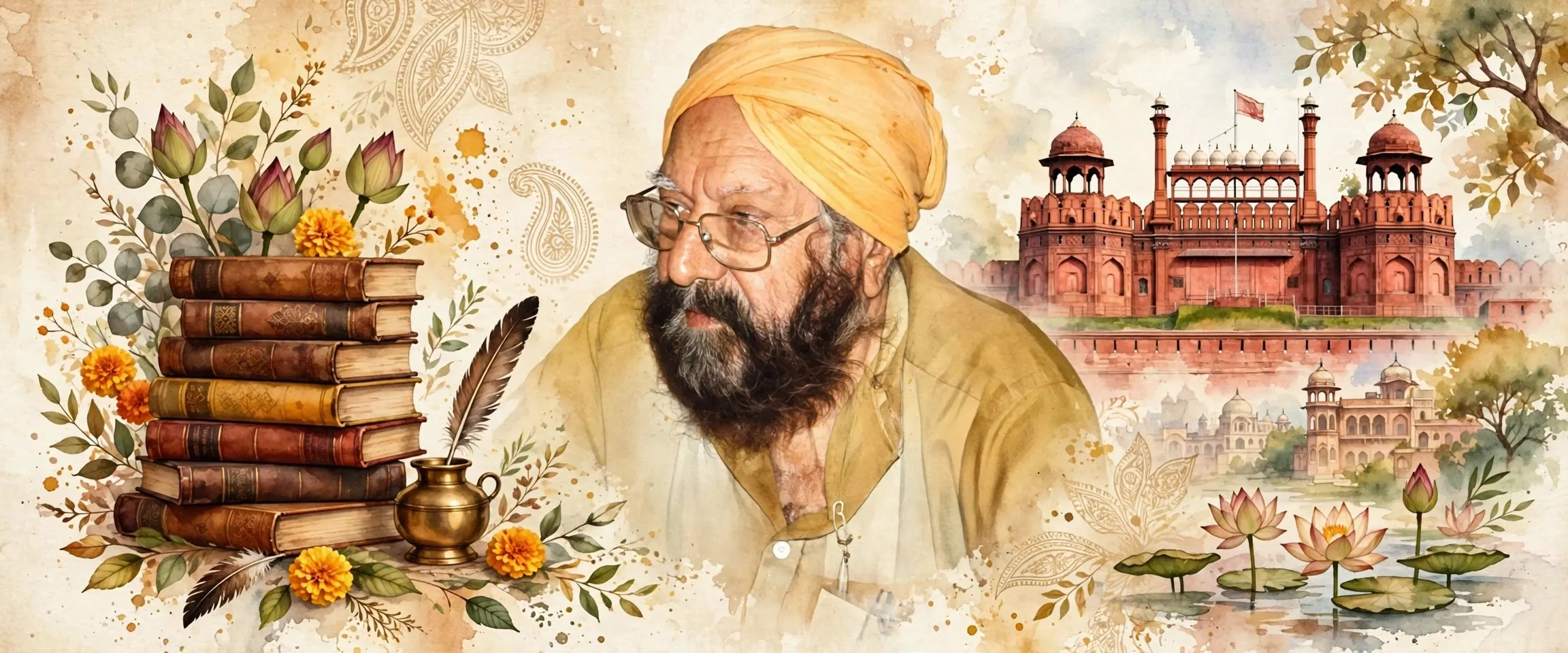
ਖੁਸ਼ਵੰਤਨਾਮਾ: ਦ ਲੈਸਨਜ਼ ਆਫ਼ ਮਾਈ ਲਾਈਫ਼ ਖੁਸ਼ਵੰਤ ਸਿੰਘ ਦਾ ਛੋਟਾ ਸੰਸਮਰਣ ਹੈ, ਜੋ ਫ਼ਰਵਰੀ 2013 ਵਿੱਚ ਪੈਂਗੁਇਨ ਵਾਈਕਿੰਗ ਨੇ ਛਾਪਿਆ, ਜਦੋਂ ਉਹ 98 ਸਾਲ ਦਾ ਸੀ। ਛੋਟੇ ਲੇਖਾਂ ਵਿੱਚ ਉਹ ਲਗਭਗ ਇੱਕ ਸਦੀ ਦੇ ਜੀਵਨ 'ਤੇ ਪਿੱਛੇ ਮੁੜ ਕੇ ਵੇਖਦਾ ਹੈ ਅਤੇ ਦੱਸਦਾ ਹੈ ਕਿ ਇਸ ਨੇ ਉਸ ਨੂੰ ਕੀ ਸਿਖਾਇਆ: ਬੁਢਾਪੇ ਅਤੇ ਮੌਤ ਦੇ ਡਰ, ਸੈਕਸ, ਕਵਿਤਾ, ਹਾਸੇ, ਰਾਜਨੀਤੀ, ਲਿਖਣ ਅਤੇ ਧਰਮ ਬਾਰੇ। ਇਹ ਉਸ ਦੀ ਆਖ਼ਰੀ ਤੋਂ ਪਹਿਲੀ ਕਿਤਾਬ ਸੀ: ਉਸ ਦੀ ਆਖ਼ਰੀ ਕਿਤਾਬ, ਦ ਗੁੱਡ, ਦ ਬੈਡ ਐਂਡ ਦ ਰਿਡਿਕਿਊਲਸ, ਅਕਤੂਬਰ 2013 ਵਿੱਚ ਆਈ, ਅਤੇ ਮਾਰਚ 2014 ਵਿੱਚ ਉਸ ਦਾ ਦੇਹਾਂਤ ਹੋ ਗਿਆ।
ਅੰਗਰੇਜ਼ੀ- ਲੇਖਕ
- ਖੁਸ਼ਵੰਤ ਸਿੰਘ
- ਪ੍ਰਕਾਸ਼ਿਤ
- 15 ਫਰਵਰੀ 2013
- ਪ੍ਰਕਾਸ਼ਕ
- ਪੈਂਗੁਇਨ ਵਾਈਕਿੰਗ
- ਪੰਨੇ
- 188 (ਜਿਲਦ ਵਾਲਾ ਸੰਸਕਰਣ)
- ਭਾਸ਼ਾ
- ਅੰਗਰੇਜ਼ੀ
- ਰੂਪ
- ਸੰਸਮਰਣ
All 8 facts
- ਲਿਖਣ ਸਮੇਂ ਉਮਰ
- 98
- ਹਿੰਦੀ ਸੰਸਕਰਣ
- ਮੇਰੇ ਜੀਵਨ ਕੇ ਸਬਕ
About the book
Khushwantnama: The Lessons of My Life was published by Penguin Viking on 15 February 2013. The hardcover runs to 188 pages, and the book is short even by Khushwant Singh's standards: a set of brief essays rather than a life story, written when he was 98 years old. A Hindi edition followed under the title Mere Jiwan ke Sabak.
The book opens with its author's own summary of what he is doing. 'At 98, as I look back on my life, I think about what has enriched it, what's been important to me, the mistakes I've made, and what my experiences have taught me.' What follows is that accounting: a balance sheet of a life, as he puts it, with the credits and the debits set down honestly.
What does the book say?
The essays take up the subjects Singh had been writing about for decades, now pressed into short, plain statements. 'The State of the Nation' and 'The Importance of Gandhi' look at the country he had watched since before Independence. 'What Religion Means to Me' states the agnosticism he never hid. 'The Business of Writing' and 'Journalism Then and Now' look back on a working life in newspapers and magazines. 'Dealing With Death' faces the subject that had occupied him since The Sunset Club, his novel about three men in their eighties talking about life, lust and politics.
Another section, 'Thinking Aloud', ranges more freely: Partition, the paradox of the English language in India, sex, and the qualities a president should have. Singh is candid throughout, and often funny about himself. He writes that he has always believed sex is more important than romance, and that romance is a waste of energy. He writes about Delhi, the city his father Sobha Singh had helped lay out with Lutyens, which had grown out of all proportions, from Alipur to Faridabad, and now held some 16 million people. He no longer went out, he says, because the roads were clogged from sunrise to sunset.
The balance sheet itself is disarming. On the credit side, he counts over eighty books: novels, story collections, biographies, histories, translations from Punjabi and Urdu, and essays. On the debit side he puts his character, calling himself a reckless sardar, and remembers the sparrows he killed as a boy with an airgun, birds that had done him no harm. He had, he writes, little left to look forward to, but lots to reminisce about.
ਕਿਤਾਬ ਬਾਰੇ
ਖੁਸ਼ਵੰਤਨਾਮਾ: ਦ ਲੈਸਨਜ਼ ਆਫ਼ ਮਾਈ ਲਾਈਫ਼ 15 ਫ਼ਰਵਰੀ 2013 ਨੂੰ ਪੈਂਗੁਇਨ ਵਾਈਕਿੰਗ ਨੇ ਛਾਪੀ। ਜਿਲਦ ਵਾਲਾ ਸੰਸਕਰਣ 188 ਸਫ਼ਿਆਂ ਦਾ ਹੈ, ਅਤੇ ਖੁਸ਼ਵੰਤ ਸਿੰਘ ਦੇ ਮਿਆਰ ਨਾਲ ਵੀ ਇਹ ਕਿਤਾਬ ਛੋਟੀ ਹੈ: ਜੀਵਨ ਕਹਾਣੀ ਨਹੀਂ, ਸਗੋਂ ਛੋਟੇ ਲੇਖਾਂ ਦਾ ਸੰਗ੍ਰਹਿ, ਜੋ ਉਸ ਨੇ 98 ਸਾਲ ਦੀ ਉਮਰ ਵਿੱਚ ਲਿਖਿਆ। ਇਸ ਦਾ ਹਿੰਦੀ ਸੰਸਕਰਣ ਮੇਰੇ ਜੀਵਨ ਕੇ ਸਬਕ ਨਾਂ ਹੇਠ ਆਇਆ।
ਕਿਤਾਬ ਉਸ ਦੇ ਆਪਣੇ ਸ਼ਬਦਾਂ ਨਾਲ ਸ਼ੁਰੂ ਹੁੰਦੀ ਹੈ। '98 ਸਾਲ ਦੀ ਉਮਰ ਵਿੱਚ, ਜਦੋਂ ਮੈਂ ਆਪਣੇ ਜੀਵਨ 'ਤੇ ਪਿੱਛੇ ਮੁੜ ਕੇ ਵੇਖਦਾ ਹਾਂ, ਤਾਂ ਸੋਚਦਾ ਹਾਂ ਕਿ ਕਿਸ ਚੀਜ਼ ਨੇ ਇਸ ਨੂੰ ਅਮੀਰ ਬਣਾਇਆ, ਮੇਰੇ ਲਈ ਕੀ ਮਹੱਤਵਪੂਰਨ ਰਿਹਾ, ਮੈਂ ਕਿਹੜੀਆਂ ਗ਼ਲਤੀਆਂ ਕੀਤੀਆਂ, ਅਤੇ ਮੇਰੇ ਤਜਰਬਿਆਂ ਨੇ ਮੈਨੂੰ ਕੀ ਸਿਖਾਇਆ।' ਅੱਗੇ ਉਹੀ ਹਿਸਾਬ ਹੈ: ਜਿਵੇਂ ਉਹ ਕਹਿੰਦਾ ਹੈ, ਜੀਵਨ ਦੀ ਬੈਲੈਂਸ ਸ਼ੀਟ, ਜਿਸ ਵਿੱਚ ਜਮ੍ਹਾ ਅਤੇ ਉਧਾਰ ਦੋਵੇਂ ਇਮਾਨਦਾਰੀ ਨਾਲ ਲਿਖੇ ਗਏ ਹਨ।
ਕਿਤਾਬ ਵਿੱਚ ਕੀ ਹੈ?
ਲੇਖ ਉਨ੍ਹਾਂ ਵਿਸ਼ਿਆਂ ਨੂੰ ਲੈਂਦੇ ਹਨ ਜਿਨ੍ਹਾਂ ਬਾਰੇ ਸਿੰਘ ਦਹਾਕਿਆਂ ਤੋਂ ਲਿਖ ਰਿਹਾ ਸੀ, ਹੁਣ ਛੋਟੇ ਅਤੇ ਸਾਦੇ ਬਿਆਨਾਂ ਵਿੱਚ। 'ਦ ਸਟੇਟ ਆਫ਼ ਦ ਨੇਸ਼ਨ' ਅਤੇ 'ਦ ਇੰਪੌਰਟੈਂਸ ਆਫ਼ ਗਾਂਧੀ' ਉਸ ਦੇਸ਼ ਨੂੰ ਵੇਖਦੇ ਹਨ ਜਿਸ ਨੂੰ ਉਸ ਨੇ ਆਜ਼ਾਦੀ ਤੋਂ ਪਹਿਲਾਂ ਤੋਂ ਵੇਖਿਆ ਸੀ। 'ਵ੍ਹਾਟ ਰਿਲੀਜਨ ਮੀਨਜ਼ ਟੂ ਮੀ' ਉਸ ਦੇ ਉਸ ਅਨਿਸ਼ਚਰਵਾਦ ਨੂੰ ਦਰਸਾਉਂਦਾ ਹੈ ਜਿਸ ਨੂੰ ਉਸ ਨੇ ਕਦੇ ਲੁਕਾਇਆ ਨਹੀਂ। 'ਦ ਬਿਜ਼ਨਸ ਆਫ਼ ਰਾਈਟਿੰਗ' ਅਤੇ 'ਜਰਨਲਿਜ਼ਮ ਦੈਨ ਐਂਡ ਨਾਓ' ਅਖ਼ਬਾਰਾਂ ਅਤੇ ਰਸਾਲਿਆਂ ਵਿੱਚ ਬਿਤਾਏ ਕੰਮਕਾਜੀ ਜੀਵਨ 'ਤੇ ਪਿੱਛੇ ਮੁੜ ਕੇ ਵੇਖਦੇ ਹਨ। 'ਡੀਲਿੰਗ ਵਿਦ ਡੈਥ' ਉਸ ਵਿਸ਼ੇ ਦਾ ਸਾਹਮਣਾ ਕਰਦਾ ਹੈ ਜਿਸ ਨੇ ਉਸ ਨੂੰ ਦ ਸਨਸੈੱਟ ਕਲੱਬ ਤੋਂ ਹੀ ਘੇਰਿਆ ਹੋਇਆ ਸੀ, ਜੋ ਅੱਸੀ ਸਾਲਾਂ ਦੇ ਤਿੰਨ ਮਰਦਾਂ ਬਾਰੇ ਨਾਵਲ ਹੈ, ਜੋ ਜੀਵਨ, ਕਾਮ ਅਤੇ ਰਾਜਨੀਤੀ ਬਾਰੇ ਗੱਲਾਂ ਕਰਦੇ ਹਨ।
ਇੱਕ ਹੋਰ ਹਿੱਸਾ, 'ਥਿੰਕਿੰਗ ਅਲਾਊਡ', ਹੋਰ ਖੁੱਲ੍ਹ ਕੇ ਘੁੰਮਦਾ ਹੈ: ਵੰਡ, ਭਾਰਤ ਵਿੱਚ ਅੰਗਰੇਜ਼ੀ ਭਾਸ਼ਾ ਦਾ ਵਿਰੋਧਾਭਾਸ, ਸੈਕਸ, ਅਤੇ ਇੱਕ ਰਾਸ਼ਟਰਪਤੀ ਵਿੱਚ ਕਿਹੜੇ ਗੁਣ ਹੋਣੇ ਚਾਹੀਦੇ ਹਨ। ਸਿੰਘ ਸਾਰੀ ਕਿਤਾਬ ਵਿੱਚ ਸਾਫ਼ਗੋਈ ਨਾਲ ਲਿਖਦਾ ਹੈ, ਅਤੇ ਅਕਸਰ ਆਪਣੇ 'ਤੇ ਹੱਸਦਾ ਹੈ। ਉਹ ਲਿਖਦਾ ਹੈ ਕਿ ਉਸ ਨੇ ਹਮੇਸ਼ਾ ਮੰਨਿਆ ਹੈ ਕਿ ਸੈਕਸ ਰੋਮਾਂਸ ਨਾਲੋਂ ਵੱਧ ਮਹੱਤਵਪੂਰਨ ਹੈ, ਅਤੇ ਰੋਮਾਂਸ ਊਰਜਾ ਦੀ ਬਰਬਾਦੀ ਹੈ। ਉਹ ਦਿੱਲੀ ਬਾਰੇ ਲਿਖਦਾ ਹੈ, ਉਹ ਸ਼ਹਿਰ ਜਿਸ ਨੂੰ ਉਸ ਦੇ ਪਿਤਾ ਸੋਭਾ ਸਿੰਘ ਨੇ ਲੁਟੀਅਨਜ਼ ਨਾਲ ਮਿਲ ਕੇ ਵਸਾਇਆ ਸੀ, ਜੋ ਹੁਣ ਹੱਦੋਂ ਵੱਧ ਵਧ ਗਿਆ ਹੈ, ਅਲੀਪੁਰ ਤੋਂ ਫ਼ਰੀਦਾਬਾਦ ਤੱਕ, ਅਤੇ ਜਿਸ ਵਿੱਚ ਹੁਣ ਲਗਭਗ 16 ਮਿਲੀਅਨ ਲੋਕ ਰਹਿੰਦੇ ਹਨ। ਉਹ ਹੁਣ ਬਾਹਰ ਨਹੀਂ ਜਾਂਦਾ, ਉਹ ਕਹਿੰਦਾ ਹੈ, ਕਿਉਂਕਿ ਸੜਕਾਂ ਸਵੇਰ ਤੋਂ ਸ਼ਾਮ ਤੱਕ ਜਾਮ ਰਹਿੰਦੀਆਂ ਹਨ।
ਬੈਲੈਂਸ ਸ਼ੀਟ ਖ਼ੁਦ ਹੈਰਾਨ ਕਰਨ ਵਾਲੀ ਹੈ। ਜਮ੍ਹਾ ਪੱਖ ਵਿੱਚ ਉਹ ਅੱਸੀ ਤੋਂ ਵੱਧ ਕਿਤਾਬਾਂ ਗਿਣਦਾ ਹੈ: ਨਾਵਲ, ਕਹਾਣੀ ਸੰਗ੍ਰਹਿ, ਜੀਵਨੀਆਂ, ਇਤਿਹਾਸ, ਪੰਜਾਬੀ ਅਤੇ ਉਰਦੂ ਤੋਂ ਅਨੁਵਾਦ, ਅਤੇ ਲੇਖ। ਉਧਾਰ ਪੱਖ ਵਿੱਚ ਉਹ ਆਪਣਾ ਚਰਿੱਤਰ ਰੱਖਦਾ ਹੈ, ਆਪਣੇ ਆਪ ਨੂੰ ਲਾਪਰਵਾਹ ਸਰਦਾਰ ਕਹਿੰਦਾ ਹੈ, ਅਤੇ ਉਨ੍ਹਾਂ ਚਿੜੀਆਂ ਨੂੰ ਯਾਦ ਕਰਦਾ ਹੈ ਜਿਨ੍ਹਾਂ ਨੂੰ ਉਸ ਨੇ ਬਚਪਨ ਵਿੱਚ ਏਅਰਗਨ ਨਾਲ ਮਾਰਿਆ ਸੀ, ਉਹ ਪੰਛੀ ਜਿਨ੍ਹਾਂ ਨੇ ਉਸ ਦਾ ਕੋਈ ਨੁਕਸਾਨ ਨਹੀਂ ਕੀਤਾ ਸੀ। ਉਸ ਕੋਲ, ਉਹ ਲਿਖਦਾ ਹੈ, ਅੱਗੇ ਵੇਖਣ ਲਈ ਬਹੁਤ ਘੱਟ ਬਚਿਆ ਸੀ, ਪਰ ਯਾਦ ਕਰਨ ਲਈ ਬਹੁਤ ਕੁਝ ਸੀ।
Why did he write it at 98?
Two years earlier, at 96, Singh had decided to withdraw into himself. Some people would call it retirement, he wrote; he chose the Indian word sanyas. The book is the fruit of that withdrawal: a man with little left to look forward to, taking stock before the end.
It is also, quietly, a book about how a writer is made. Singh never rated himself highly as a writer. At school he was hopeless at every subject, and no good at games either. The one bright point, he recalls, was a comment from his English teacher, Ms. Budden, who had come from England to teach at Modern School for two years. She wrote that he had the possibility of making it as a writer. That single sentence, he suggests, was enough to build a life on.
Is Khushwantnama an autobiography?
No, and the distinction matters. Singh's full autobiography is Truth, Love and a Little Malice, published in 2002, which tells the events of his life in order. Khushwantnama tells almost no events. It is a book of conclusions rather than of memories: short essays on what a long life taught him, written when the events were mostly behind him.
Readers looking for the story of his life should start with the autobiography. Readers who want Singh's opinions, in his own voice and at their sharpest, will find this the better book. It is also the shorter one, and the more quotable.
ਲੇਖਕ
Khushwant Singh (1915 to 2014) was born in Hadali, in the Khushab district of Punjab, now in Pakistan. His father made up his birth date, 2 February 1915, for his school enrolment; his grandmother said he was born in August, and he later kept 15 August as his birthday. He studied law at King's College London, practised at the Lahore High Court, joined the Indian Foreign Service at Independence, and then turned to journalism: All India Radio, UNESCO in Paris, and the editorship of the Illustrated Weekly of India, whose circulation he raised from 65,000 to 400,000. He served in the Rajya Sabha from 1980 to 1986. He was awarded the Padma Bhushan in 1974 and returned it in 1984 in protest against Operation Blue Star; in 2007 he received the Padma Vibhushan. His novel Train to Pakistan (1956) is the classic novel of Partition. He died in New Delhi on 20 March 2014, aged 99.
Reception and legacy
Reviewers found the book beguiling, and noted the tongue-in-cheek self-analysis that runs through it: an old man looking at his own life without flinching and without self-pity. It was his penultimate book. The Good, the Bad and the Ridiculous appeared in October 2013, after which he retired from writing, and he died five months later.
Singh had been rehearsing his own ending for decades. In 1943 he had written his own obituary under the headline 'Sardar Khushwant Singh Dead', and he had prepared his own epitaph, which begins: 'Here lies one who spared neither man nor God.' Khushwantnama is the last full statement of that voice: funny, frank and unafraid of death, written by a man who had spent nearly seventy years telling India what he thought of it.
ਉਸ ਨੇ 98 ਸਾਲ ਦੀ ਉਮਰ ਵਿੱਚ ਇਹ ਕਿਉਂ ਲਿਖੀ?
ਇਸ ਤੋਂ ਦੋ ਸਾਲ ਪਹਿਲਾਂ, 96 ਸਾਲ ਦੀ ਉਮਰ ਵਿੱਚ, ਸਿੰਘ ਨੇ ਆਪਣੇ ਆਪ ਵਿੱਚ ਸਿਮਟਣ ਦਾ ਫ਼ੈਸਲਾ ਕੀਤਾ ਸੀ। ਕੁਝ ਲੋਕ ਇਸ ਨੂੰ ਸੇਵਾਮੁਕਤੀ ਕਹਿਣਗੇ, ਉਸ ਨੇ ਲਿਖਿਆ; ਉਸ ਨੇ ਭਾਰਤੀ ਸ਼ਬਦ ਸੰਨਿਆਸ ਚੁਣਿਆ। ਇਹ ਕਿਤਾਬ ਉਸੇ ਸਿਮਟਣ ਦਾ ਫ਼ਲ ਹੈ: ਇੱਕ ਮਰਦ ਜਿਸ ਕੋਲ ਅੱਗੇ ਵੇਖਣ ਲਈ ਬਹੁਤ ਘੱਟ ਬਚਿਆ ਸੀ, ਅੰਤ ਤੋਂ ਪਹਿਲਾਂ ਹਿਸਾਬ ਲਾ ਰਿਹਾ ਹੈ।
ਇਹ, ਚੁੱਪਚਾਪ, ਇਸ ਬਾਰੇ ਵੀ ਕਿਤਾਬ ਹੈ ਕਿ ਲੇਖਕ ਕਿਵੇਂ ਬਣਦਾ ਹੈ। ਸਿੰਘ ਨੇ ਆਪਣੇ ਆਪ ਨੂੰ ਲੇਖਕ ਵਜੋਂ ਕਦੇ ਬਹੁਤਾ ਨਹੀਂ ਸਮਝਿਆ। ਸਕੂਲ ਵਿੱਚ ਉਹ ਹਰ ਵਿਸ਼ੇ ਵਿੱਚ ਨਾਕਾਮ ਸੀ, ਅਤੇ ਖੇਡਾਂ ਵਿੱਚ ਵੀ ਚੰਗਾ ਨਹੀਂ ਸੀ। ਇੱਕੋ ਚਮਕਦਾਰ ਗੱਲ, ਉਹ ਯਾਦ ਕਰਦਾ ਹੈ, ਉਸ ਦੀ ਅੰਗਰੇਜ਼ੀ ਅਧਿਆਪਕਾ ਮਿਸ ਬਡਨ ਦੀ ਟਿੱਪਣੀ ਸੀ, ਜੋ ਇੰਗਲੈਂਡ ਤੋਂ ਆ ਕੇ ਮਾਡਰਨ ਸਕੂਲ ਵਿੱਚ ਦੋ ਸਾਲ ਪੜ੍ਹਾਉਣ ਆਈ ਸੀ। ਉਸ ਨੇ ਲਿਖਿਆ ਸੀ ਕਿ ਉਸ ਵਿੱਚ ਲੇਖਕ ਬਣਨ ਦੀ ਸੰਭਾਵਨਾ ਹੈ। ਉਸ ਇੱਕ ਸਤਰ 'ਤੇ, ਉਹ ਸੁਝਾਉਂਦਾ ਹੈ, ਇੱਕ ਜੀਵਨ ਬਣਾਇਆ ਜਾ ਸਕਦਾ ਸੀ।
ਕੀ ਖੁਸ਼ਵੰਤਨਾਮਾ ਇੱਕ ਆਤਮਕਥਾ ਹੈ?
ਨਹੀਂ, ਅਤੇ ਇਹ ਫ਼ਰਕ ਮਹੱਤਵਪੂਰਨ ਹੈ। ਸਿੰਘ ਦੀ ਪੂਰੀ ਆਤਮਕਥਾ ਟਰੁੱਥ, ਲਵ ਐਂਡ ਅ ਲਿਟਲ ਮੈਲਿਸ ਹੈ, ਜੋ 2002 ਵਿੱਚ ਛਪੀ ਅਤੇ ਜਿਸ ਵਿੱਚ ਉਸ ਦੇ ਜੀਵਨ ਦੀਆਂ ਘਟਨਾਵਾਂ ਤਰਤੀਬ ਨਾਲ ਦੱਸੀਆਂ ਗਈਆਂ ਹਨ। ਖੁਸ਼ਵੰਤਨਾਮਾ ਲਗਭਗ ਕੋਈ ਘਟਨਾ ਨਹੀਂ ਦੱਸਦਾ। ਇਹ ਯਾਦਾਂ ਦੀ ਨਹੀਂ, ਸਗੋਂ ਸਿੱਟਿਆਂ ਦੀ ਕਿਤਾਬ ਹੈ: ਛੋਟੇ ਲੇਖ ਜੋ ਦੱਸਦੇ ਹਨ ਕਿ ਲੰਮੇ ਜੀਵਨ ਨੇ ਕੀ ਸਿਖਾਇਆ, ਜਦੋਂ ਘਟਨਾਵਾਂ ਜ਼ਿਆਦਾਤਰ ਪਿੱਛੇ ਰਹਿ ਗਈਆਂ ਸਨ।
ਜਿਹੜੇ ਪਾਠਕ ਉਸ ਦੇ ਜੀਵਨ ਦੀ ਕਹਾਣੀ ਚਾਹੁੰਦੇ ਹਨ, ਉਨ੍ਹਾਂ ਨੂੰ ਆਤਮਕਥਾ ਤੋਂ ਸ਼ੁਰੂ ਕਰਨਾ ਚਾਹੀਦਾ ਹੈ। ਜਿਹੜੇ ਪਾਠਕ ਸਿੰਘ ਦੇ ਵਿਚਾਰ, ਉਸ ਦੀ ਆਪਣੀ ਆਵਾਜ਼ ਵਿੱਚ ਅਤੇ ਸਭ ਤੋਂ ਤਿੱਖੇ ਰੂਪ ਵਿੱਚ ਚਾਹੁੰਦੇ ਹਨ, ਉਨ੍ਹਾਂ ਨੂੰ ਇਹ ਕਿਤਾਬ ਬਿਹਤਰ ਲੱਗੇਗੀ। ਇਹ ਛੋਟੀ ਵੀ ਹੈ, ਅਤੇ ਵੱਧ ਹਵਾਲਾ ਦੇਣ ਯੋਗ ਵੀ।
ਲੇਖਕ
ਖੁਸ਼ਵੰਤ ਸਿੰਘ (1915 ਤੋਂ 2014) ਦਾ ਜਨਮ ਹਦਾਲੀ ਵਿੱਚ ਹੋਇਆ, ਜੋ ਪੰਜਾਬ ਦੇ ਖੁਸ਼ਾਬ ਜ਼ਿਲ੍ਹੇ ਵਿੱਚ ਹੈ ਅਤੇ ਹੁਣ ਪਾਕਿਸਤਾਨ ਵਿੱਚ ਹੈ। ਉਸ ਦੇ ਪਿਤਾ ਨੇ ਸਕੂਲ ਵਿੱਚ ਦਾਖ਼ਲੇ ਲਈ ਉਸ ਦੀ ਜਨਮ ਮਿਤੀ 2 ਫ਼ਰਵਰੀ 1915 ਬਣਾ ਲਈ ਸੀ; ਉਸ ਦੀ ਦਾਦੀ ਕਹਿੰਦੀ ਸੀ ਕਿ ਉਹ ਅਗਸਤ ਵਿੱਚ ਜੰਮਿਆ ਸੀ, ਅਤੇ ਬਾਅਦ ਵਿੱਚ ਉਸ ਨੇ 15 ਅਗਸਤ ਨੂੰ ਆਪਣਾ ਜਨਮ ਦਿਨ ਮੰਨ ਲਿਆ। ਉਸ ਨੇ ਕਿੰਗਜ਼ ਕਾਲਜ ਲੰਡਨ ਤੋਂ ਕਾਨੂੰਨ ਦੀ ਪੜ੍ਹਾਈ ਕੀਤੀ, ਲਾਹੌਰ ਹਾਈ ਕੋਰਟ ਵਿੱਚ ਵਕਾਲਤ ਕੀਤੀ, ਆਜ਼ਾਦੀ ਸਮੇਂ ਭਾਰਤੀ ਵਿਦੇਸ਼ ਸੇਵਾ ਵਿੱਚ ਸ਼ਾਮਲ ਹੋਇਆ, ਅਤੇ ਫਿਰ ਪੱਤਰਕਾਰੀ ਵੱਲ ਮੁੜਿਆ: ਆਲ ਇੰਡੀਆ ਰੇਡੀਓ, ਪੈਰਿਸ ਵਿੱਚ ਯੂਨੈਸਕੋ, ਅਤੇ ਇਲਸਟਰੇਟਡ ਵੀਕਲੀ ਆਫ਼ ਇੰਡੀਆ ਦੀ ਸੰਪਾਦਕੀ, ਜਿਸ ਦਾ ਪ੍ਰਸਾਰ ਉਸ ਨੇ 65,000 ਤੋਂ ਵਧਾ ਕੇ 400,000 ਕਰ ਦਿੱਤਾ। ਉਹ 1980 ਤੋਂ 1986 ਤੱਕ ਰਾਜ ਸਭਾ ਦਾ ਮੈਂਬਰ ਰਿਹਾ। 1974 ਵਿੱਚ ਉਸ ਨੂੰ ਪਦਮ ਭੂਸ਼ਣ ਮਿਲਿਆ, ਜਿਸ ਨੂੰ ਉਸ ਨੇ 1984 ਵਿੱਚ ਆਪਰੇਸ਼ਨ ਬਲੂ ਸਟਾਰ ਦੇ ਵਿਰੋਧ ਵਿੱਚ ਵਾਪਸ ਕਰ ਦਿੱਤਾ; 2007 ਵਿੱਚ ਉਸ ਨੂੰ ਪਦਮ ਵਿਭੂਸ਼ਣ ਮਿਲਿਆ। ਉਸ ਦਾ ਨਾਵਲ ਟਰੇਨ ਟੂ ਪਾਕਿਸਤਾਨ (1956) ਵੰਡ ਦਾ ਸ਼ਾਸਤਰੀ ਨਾਵਲ ਹੈ। 20 ਮਾਰਚ 2014 ਨੂੰ 99 ਸਾਲ ਦੀ ਉਮਰ ਵਿੱਚ ਨਵੀਂ ਦਿੱਲੀ ਵਿੱਚ ਉਸ ਦਾ ਦੇਹਾਂਤ ਹੋਇਆ।
ਸਵਾਗਤ ਅਤੇ ਵਿਰਾਸਤ
ਸਮੀਖਿਅਕਾਂ ਨੂੰ ਇਹ ਕਿਤਾਬ ਮਨਮੋਹਕ ਲੱਗੀ, ਅਤੇ ਉਨ੍ਹਾਂ ਨੇ ਉਸ ਵਿਅੰਗ ਭਰੇ ਆਤਮ-ਵਿਸ਼ਲੇਸ਼ਣ ਨੂੰ ਨੋਟ ਕੀਤਾ ਜੋ ਸਾਰੀ ਕਿਤਾਬ ਵਿੱਚ ਚੱਲਦਾ ਹੈ: ਇੱਕ ਬਜ਼ੁਰਗ ਮਰਦ ਜੋ ਆਪਣੇ ਜੀਵਨ ਨੂੰ ਬਿਨਾਂ ਝਿਜਕ ਅਤੇ ਬਿਨਾਂ ਤਰਸ ਤੋਂ ਵੇਖਦਾ ਹੈ। ਇਹ ਉਸ ਦੀ ਆਖ਼ਰੀ ਤੋਂ ਪਹਿਲੀ ਕਿਤਾਬ ਸੀ। ਦ ਗੁੱਡ, ਦ ਬੈਡ ਐਂਡ ਦ ਰਿਡਿਕਿਊਲਸ ਅਕਤੂਬਰ 2013 ਵਿੱਚ ਆਈ, ਜਿਸ ਤੋਂ ਬਾਅਦ ਉਸ ਨੇ ਲਿਖਣਾ ਬੰਦ ਕਰ ਦਿੱਤਾ, ਅਤੇ ਪੰਜ ਮਹੀਨੇ ਬਾਅਦ ਉਸ ਦਾ ਦੇਹਾਂਤ ਹੋ ਗਿਆ।
ਸਿੰਘ ਦਹਾਕਿਆਂ ਤੋਂ ਆਪਣੇ ਅੰਤ ਦੀ ਤਿਆਰੀ ਕਰ ਰਿਹਾ ਸੀ। 1943 ਵਿੱਚ ਉਸ ਨੇ 'ਸਰਦਾਰ ਖੁਸ਼ਵੰਤ ਸਿੰਘ ਡੈੱਡ' ਸਿਰਲੇਖ ਹੇਠ ਆਪਣੀ ਖ਼ੁਦ ਦੀ ਮੌਤ ਦੀ ਖ਼ਬਰ ਲਿਖੀ ਸੀ, ਅਤੇ ਆਪਣੀ ਕਬਰ ਲਈ ਇਹ ਸਤਰਾਂ ਤਿਆਰ ਕੀਤੀਆਂ ਸਨ: 'ਇੱਥੇ ਉਹ ਪਿਆ ਹੈ ਜਿਸ ਨੇ ਨਾ ਮਨੁੱਖ ਨੂੰ ਬਖ਼ਸ਼ਿਆ, ਨਾ ਰੱਬ ਨੂੰ।' ਖੁਸ਼ਵੰਤਨਾਮਾ ਉਸੇ ਆਵਾਜ਼ ਦਾ ਆਖ਼ਰੀ ਪੂਰਾ ਬਿਆਨ ਹੈ: ਮਜ਼ਾਕੀਆ, ਸਾਫ਼ਗੋਈ ਵਾਲਾ ਅਤੇ ਮੌਤ ਤੋਂ ਨਿਡਰ, ਇੱਕ ਅਜਿਹੇ ਮਰਦ ਵੱਲੋਂ ਜਿਸ ਨੇ ਲਗਭਗ ਸੱਤਰ ਸਾਲ ਭਾਰਤ ਨੂੰ ਦੱਸਿਆ ਕਿ ਉਹ ਇਸ ਬਾਰੇ ਕੀ ਸੋਚਦਾ ਹੈ।
ਐਡੀਸ਼ਨ ਅਤੇ ਅਨੁਵਾਦ
- ਮੇਰੇ ਜੀਵਨ ਕੇ ਸਬਕਹਿੰਦੀ ਸੰਸਕਰਣEdition
ਲੇਖਕ

ਜੁੜੇ ਹੋਏ
ਹੋਰ ਪੜ੍ਹੋ
ਸਰੋਤ (3)
ਜੁਗਤੀ ਮੁਫ਼ਤ ਅਤੇ ਸੁਤੰਤਰ ਹੈ। ਪਾਠਕਾਂ ਦਾ ਸਹਿਯੋਗ ਕੋਸ਼ ਨੂੰ ਵਧਾਉਂਦਾ ਹੈ।
ਸਹਿਯੋਗ