
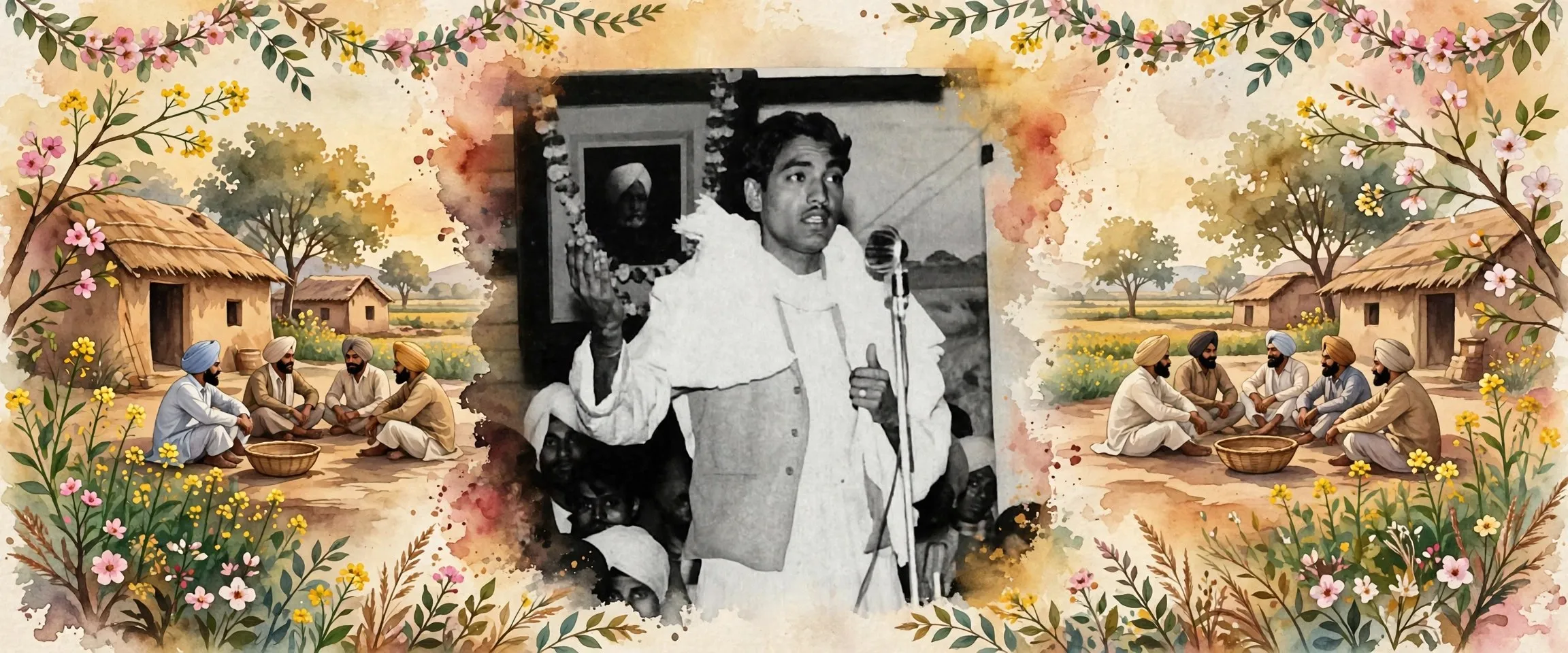
ਲਾਜਵੰਤੀ (ਸ਼ਰਮੀਲੀ ਕੁੜੀ) ਸ਼ਿਵ ਕੁਮਾਰ ਬਟਾਲਵੀ ਦਾ 1961 ਦਾ ਪੰਜਾਬੀ ਕਾਵਿ ਸੰਗ੍ਰਹਿ ਹੈ, ਜੋ ਲਾਹੌਰ ਬੁੱਕ ਸ਼ਾਪ, ਲੁਧਿਆਣਾ ਵੱਲੋਂ ਛਪਿਆ, ਉਸ ਦੇ ਪਹਿਲੇ ਸੰਗ੍ਰਹਿ ਪੀੜਾਂ ਦਾ ਪਰਾਗਾ ਤੋਂ ਇੱਕ ਸਾਲ ਬਾਅਦ। ਵਿਦਵਾਨ ਇਸ ਦੀ ਲੰਮੀ ਕਵਿਤਾ ਸ਼ੀਸ਼ੋ, ਇੱਕ ਅਮੀਰ ਜ਼ਿਮੀਦਾਰ ਵੱਲੋਂ ਸ਼ੋਸ਼ਿਤ ਗਰੀਬ ਪਿੰਡ ਦੀ ਕੁੜੀ ਬਾਰੇ, ਅਤੇ ਇਸ ਦੇ ਕੁਦਰਤ ਗੀਤਾਂ ਨੂੰ ਨੌਜਵਾਨ ਕਵੀ ਦੀ ਪਰਪੱਕਤਾ ਅਤੇ ਵਿਸ਼ਾਲਤਾ ਦਾ ਪਹਿਲਾ ਸਬੂਤ ਮੰਨਦੇ ਹਨ।
ਪੰਜਾਬੀ, ਗੁਰਮੁਖੀ- ਪੰਜਾਬੀ ਨਾਂ
- ਲਾਜਵੰਤੀ
- ਲੇਖਕ
- ਸ਼ਿਵ ਕੁਮਾਰ ਬਟਾਲਵੀ (1936 ਤੋਂ 1973)
- ਪ੍ਰਕਾਸ਼ਿਤ
- 1961
- ਪ੍ਰਕਾਸ਼ਕ
- ਲਾਹੌਰ ਬੁੱਕ ਸ਼ਾਪ, ਲੁਧਿਆਣਾ
- ਭਾਸ਼ਾ
- ਪੰਜਾਬੀ (ਗੁਰਮੁਖੀ)
- ਰੂਪ
- ਕਾਵਿ ਸੰਗ੍ਰਹਿ
All 9 facts
- ਸਿਰਲੇਖ ਦਾ ਅਰਥ
- ਸ਼ਰਮੀਲੀ ਕੁੜੀ; ਛੂਹ ਮੁਈ ਬੂਟੇ ਦੇ ਨਾਂ ਉੱਤੇ ਵੀ ਅਨੁਵਾਦਿਤ
- ਸਥਾਨ
- ਦੂਜਾ ਸੰਗ੍ਰਹਿ, ਪੀੜਾਂ ਦਾ ਪਰਾਗਾ (1960) ਤੋਂ ਬਾਅਦ ਅਤੇ ਆਟੇ ਦੀਆਂ ਚਿੜੀਆਂ (1962) ਤੋਂ ਪਹਿਲਾਂ
- ਵਿਦਵਾਨਾਂ ਵੱਲੋਂ ਚਰਚਿਤ ਕਵਿਤਾ
- ਸ਼ੀਸ਼ੋ, ਇੱਕ ਅਮੀਰ ਜ਼ਿਮੀਦਾਰ ਵੱਲੋਂ ਸ਼ੋਸ਼ਿਤ ਗਰੀਬ ਪਿੰਡ ਦੀ ਕੁੜੀ
About the book
Lajwanti is a Punjabi poetry collection by Shiv Kumar Batalvi, published in 1961 by Lahore Book Shop, Ludhiana. It was his second book, appearing a single year after his first collection, Piran da Paraga (1960), made a young poet from Batala suddenly known across Punjab. The bibliography in the study of his life and poetry published in the International Journal of Punjab Studies records the book in that place and under that publisher, and the Central Institute of Indian Languages survey of Punjabi literature lists it in the same early sequence, between Piran da Paraga and Aate Diyan Chiriyan (1962), under the translated title Touch Me Not.
The title is a plant and a portrait at once. Lajwanti is the touch-me-not, the sensitive plant whose leaves fold at a touch, and the journal study translates the title as The Shy Maid. Both renderings point the same way: this is a book about tender things that close against the world, and about the people, above all the village girls of Punjab, who live that tenderness. It appeared in 1961, the year the study records Batalvi resigning from the revenue department post his father had pressed him into: the patwari's job went, and poetry became the whole of his working life.
What is Lajwanti about?
The journal study answers that question by contrast with the book before it. Within a single year, it says, Shiv appeared to have arrived at a level of maturity that was not as prominent in his earlier poetry, and this collection has some remarkable poems on many different subjects. Where Piran da Paraga had gathered the poems of 1957 to 1960 around pain, the sorrow of separation and the desire for death, Lajwanti ranges outward: a poor girl wronged by a landlord, the sun standing over mountain ridges, a beloved located by perfume, dawn and henna coloured light. The study makes a second observation that fits this book exactly. Across his poetry there are subjects Batalvi touched once, wrote one memorable poem on, and then never came back to. Lajwanti is full of those single visits, and they are much of its freshness.
Sheesho: a village girl and a landlord
The poem scholars single out is Sheesho. The study calls it an exceptionally beautiful and comparatively long poem, and states its subject plainly: the exploitation of a poor village girl by the rich landowner. What it praises is the double achievement, the poetic quality of the telling together with the poet's heart wrenching pity and compassion about the poor girl's plight. Nothing in the first collection quite prepares a reader for it, because here the singer of love songs steps aside and lets a village girl's wrong carry the whole poem.
Sheesho matters beyond its own pages. Four years later Batalvi built Loona (1965) around a young wife wronged by the order of her marriage, and the journal study reads that verse play as a profound and perceptive empathy with women's emotions and feelings as victims of social inequity. That sympathy was not new in 1965. It was already present in 1961, in a young poet's second book, turned on a poor girl and a powerful man in a Punjab village.
Songs of nature and love
Beside Sheesho stands a long poem the study quotes simply as Geet, a song, and offers as proof of Batalvi's mastery of describing natural scenery. It opens with the sun hiding behind the high peaks of mountains, planting little seedlings of light. In the translation printed in the study, the yellow sunshine is crushed into small pieces to make anklets for the mountaintops, fragrances flow ankle deep in the wind, birds fall asleep, and through a clump of green trees a water channel flows, piping a melody. These are the folk images of the Punjab village, wells, channels, birds and the blue lotus, raised to a finish no Punjabi lyric poet of his generation matched.
A second song, also titled Geet in the study, turns the same gift to love, and its mood is entirely different from the sadness around it. Where rivulets of perfume flow, there my beloved lives. Where passing breezes halt, where dawn arrives on little bare toes and night throws henna beams on feet, where fragrance bathes in moonlight, there my beloved lives. The study ends its account of the collection with a plain verdict: a number of Shiv's memorable and popular poems are part of this collection. The two songs show why. Nature and the beloved are described in one breath, each lending the other its beauty.
ਲੇਖਕ
Shiv Kumar Batalvi (1936 to 1973) was born on 23 July 1936 in Bara Pind Lohtian, in what is now Pakistan, and his family settled in Batala after the Partition of 1947, from which town he took his pen name. His first collection, Piran da Paraga, appeared in 1960 and was an instant success. Loona (1965) brought him the Sahitya Akademi Award in 1967, making him its youngest recipient at the time. He married Aruna in 1967, worked for a time at the State Bank of India in Chandigarh, and died on 6 May 1973 at Kiri Mangial, aged 36. His poems have been sung by Jagjit Singh and Chitra Singh, Nusrat Fateh Ali Khan, Surinder Kaur, Hans Raj Hans and Ghulam Ali, among many others.
Reception and legacy
Literary histories keep Lajwanti in its exact place in the arc of the career. The Central Institute survey, tracing Batalvi from Piran da Paraga through Lajwanti and Aate Diyan Chiriyan to Main Te Main (1970), finds the theme of disappointment in love, bereavement and despair dominating his poetry, built on lyricism, images and symbols drawn from village life, folk forms and simple language. Against that summary, Lajwanti is the collection that proves the summary incomplete: the despair is here, but so are social anger, landscape painting and compassion for a wronged girl, four years before Loona made those qualities famous.
One caution for readers searching the title. Lajwanti is also the name of Rajinder Singh Bedi's celebrated Urdu short story, whose heroine is a woman abducted during the Partition and taken back by a husband who cannot accept her as before. That is a different work, in a different language. The Lajwanti on this page is Batalvi's 1961 Punjabi poetry collection, and it rewards reading as the hinge of his early career: the book in which the singer of separation showed, in his mid twenties, that pity, landscape and anger at injustice belonged in his songs too.
ਕਿਤਾਬ ਬਾਰੇ
ਲਾਜਵੰਤੀ ਸ਼ਿਵ ਕੁਮਾਰ ਬਟਾਲਵੀ ਦਾ ਪੰਜਾਬੀ ਕਾਵਿ ਸੰਗ੍ਰਹਿ ਹੈ, ਜੋ 1961 ਵਿੱਚ ਲਾਹੌਰ ਬੁੱਕ ਸ਼ਾਪ, ਲੁਧਿਆਣਾ ਵੱਲੋਂ ਛਪਿਆ। ਇਹ ਉਸ ਦੀ ਦੂਜੀ ਕਿਤਾਬ ਸੀ, ਉਸ ਦੇ ਪਹਿਲੇ ਸੰਗ੍ਰਹਿ ਪੀੜਾਂ ਦਾ ਪਰਾਗਾ (1960) ਤੋਂ ਸਿਰਫ ਇੱਕ ਸਾਲ ਬਾਅਦ ਆਈ, ਜਿਸ ਨੇ ਬਟਾਲੇ ਦੇ ਇੱਕ ਨੌਜਵਾਨ ਕਵੀ ਨੂੰ ਅਚਾਨਕ ਸਾਰੇ ਪੰਜਾਬ ਵਿੱਚ ਜਾਣਿਆ ਪਛਾਣਿਆ ਬਣਾ ਦਿੱਤਾ। ਇੰਟਰਨੈਸ਼ਨਲ ਜਰਨਲ ਆਫ ਪੰਜਾਬ ਸਟੱਡੀਜ਼ ਵਿੱਚ ਛਪਿਆ ਉਸ ਦੇ ਜੀਵਨ ਅਤੇ ਕਵਿਤਾ ਦਾ ਅਧਿਐਨ ਆਪਣੀ ਸੂਚੀ ਵਿੱਚ ਇਸ ਕਿਤਾਬ ਨੂੰ ਉਸੇ ਥਾਂ ਅਤੇ ਉਸੇ ਪ੍ਰਕਾਸ਼ਕ ਹੇਠ ਦਰਜ ਕਰਦਾ ਹੈ, ਅਤੇ ਕੇਂਦਰੀ ਭਾਰਤੀ ਭਾਸ਼ਾਵਾਂ ਸੰਸਥਾਨ ਦਾ ਪੰਜਾਬੀ ਸਾਹਿਤ ਦਾ ਸਰਵੇਖਣ ਇਸ ਨੂੰ ਉਸੇ ਮੁੱਢਲੇ ਸਿਲਸਿਲੇ ਵਿੱਚ, ਪੀੜਾਂ ਦਾ ਪਰਾਗਾ ਅਤੇ ਆਟੇ ਦੀਆਂ ਚਿੜੀਆਂ (1962) ਵਿਚਕਾਰ, ਛੂਹ ਮੁਈ ਦੇ ਅਨੁਵਾਦਿਤ ਨਾਂ ਹੇਠ ਗਿਣਦਾ ਹੈ।
ਸਿਰਲੇਖ ਇੱਕੋ ਸਮੇਂ ਇੱਕ ਬੂਟਾ ਵੀ ਹੈ ਅਤੇ ਇੱਕ ਤਸਵੀਰ ਵੀ। ਲਾਜਵੰਤੀ ਛੂਹ ਮੁਈ ਹੈ, ਉਹ ਨਾਜ਼ੁਕ ਬੂਟਾ ਜਿਸ ਦੇ ਪੱਤੇ ਛੂਹਣ ਨਾਲ ਮੁੜ ਜਾਂਦੇ ਹਨ, ਅਤੇ ਜਰਨਲ ਦਾ ਅਧਿਐਨ ਸਿਰਲੇਖ ਦਾ ਅਨੁਵਾਦ ਸ਼ਰਮੀਲੀ ਕੁੜੀ ਕਰਦਾ ਹੈ। ਦੋਵੇਂ ਅਨੁਵਾਦ ਇੱਕੋ ਪਾਸੇ ਇਸ਼ਾਰਾ ਕਰਦੇ ਹਨ: ਇਹ ਉਨ੍ਹਾਂ ਕੋਮਲ ਚੀਜ਼ਾਂ ਬਾਰੇ ਕਿਤਾਬ ਹੈ ਜੋ ਸੰਸਾਰ ਅੱਗੇ ਸੁੰਗੜ ਜਾਂਦੀਆਂ ਹਨ, ਅਤੇ ਉਨ੍ਹਾਂ ਲੋਕਾਂ ਬਾਰੇ, ਸਭ ਤੋਂ ਵੱਧ ਪੰਜਾਬ ਦੀਆਂ ਪਿੰਡਾਂ ਦੀਆਂ ਕੁੜੀਆਂ ਬਾਰੇ, ਜੋ ਇਹ ਕੋਮਲਤਾ ਜਿਉਂਦੀਆਂ ਹਨ। ਇਹ 1961 ਵਿੱਚ ਆਈ, ਉਹ ਸਾਲ ਜਿਸ ਵਿੱਚ ਅਧਿਐਨ ਦਰਜ ਕਰਦਾ ਹੈ ਕਿ ਬਟਾਲਵੀ ਨੇ ਮਾਲ ਵਿਭਾਗ ਦੀ ਉਹ ਨੌਕਰੀ ਛੱਡ ਦਿੱਤੀ ਜਿਸ ਵਿੱਚ ਉਸ ਦੇ ਪਿਤਾ ਨੇ ਉਸ ਨੂੰ ਧੱਕਿਆ ਸੀ: ਪਟਵਾਰੀ ਦੀ ਨੌਕਰੀ ਗਈ, ਅਤੇ ਕਵਿਤਾ ਉਸ ਦੇ ਕੰਮਕਾਜੀ ਜੀਵਨ ਦਾ ਸਭ ਕੁਝ ਬਣ ਗਈ।
ਲਾਜਵੰਤੀ ਕਿਸ ਬਾਰੇ ਹੈ?
ਜਰਨਲ ਦਾ ਅਧਿਐਨ ਇਸ ਸਵਾਲ ਦਾ ਜਵਾਬ ਇਸ ਤੋਂ ਪਹਿਲੀ ਕਿਤਾਬ ਨਾਲ ਤੁਲਨਾ ਕਰਕੇ ਦਿੰਦਾ ਹੈ। ਉਹ ਕਹਿੰਦਾ ਹੈ ਕਿ ਇੱਕੋ ਸਾਲ ਵਿੱਚ ਸ਼ਿਵ ਪਰਪੱਕਤਾ ਦੇ ਉਸ ਪੱਧਰ ਉੱਤੇ ਪਹੁੰਚ ਗਿਆ ਜੋ ਉਸ ਦੀ ਪਹਿਲੀ ਕਵਿਤਾ ਵਿੱਚ ਓਨਾ ਸਪੱਸ਼ਟ ਨਹੀਂ ਸੀ, ਅਤੇ ਇਸ ਸੰਗ੍ਰਹਿ ਵਿੱਚ ਕਈ ਵੱਖ ਵੱਖ ਵਿਸ਼ਿਆਂ ਉੱਤੇ ਸ਼ਾਨਦਾਰ ਕਵਿਤਾਵਾਂ ਹਨ। ਜਿੱਥੇ ਪੀੜਾਂ ਦਾ ਪਰਾਗਾ ਨੇ 1957 ਤੋਂ 1960 ਦੀਆਂ ਕਵਿਤਾਵਾਂ ਨੂੰ ਦਰਦ, ਵਿਛੋੜੇ ਦੇ ਦੁੱਖ ਅਤੇ ਮੌਤ ਦੀ ਇੱਛਾ ਦੁਆਲੇ ਇਕੱਠਾ ਕੀਤਾ ਸੀ, ਲਾਜਵੰਤੀ ਬਾਹਰ ਵੱਲ ਫੈਲਦੀ ਹੈ: ਇੱਕ ਜ਼ਿਮੀਦਾਰ ਵੱਲੋਂ ਸ਼ੋਸ਼ਿਤ ਗਰੀਬ ਕੁੜੀ, ਪਹਾੜੀ ਚੋਟੀਆਂ ਉੱਤੇ ਖੜਾ ਸੂਰਜ, ਸੁਗੰਧ, ਸਵੇਰ ਅਤੇ ਮਹਿੰਦੀ ਰੰਗੀ ਰੌਸ਼ਨੀ ਰਾਹੀਂ ਲੱਭੀ ਪ੍ਰੇਮਿਕਾ। ਅਧਿਐਨ ਦੂਜੀ ਗੱਲ ਵੀ ਦਰਜ ਕਰਦਾ ਹੈ ਜੋ ਇਸ ਕਿਤਾਬ ਉੱਤੇ ਪੂਰੀ ਢੁੱਕਦੀ ਹੈ। ਆਪਣੀ ਸਾਰੀ ਕਵਿਤਾ ਵਿੱਚ ਕੁਝ ਵਿਸ਼ੇ ਅਜਿਹੇ ਹਨ ਜਿਨ੍ਹਾਂ ਨੂੰ ਬਟਾਲਵੀ ਨੇ ਇੱਕ ਵਾਰ ਛੂਹਿਆ, ਉਨ੍ਹਾਂ ਉੱਤੇ ਇੱਕ ਯਾਦਗਾਰੀ ਕਵਿਤਾ ਲਿਖੀ, ਅਤੇ ਫਿਰ ਕਦੇ ਉਨ੍ਹਾਂ ਵੱਲ ਨਹੀਂ ਪਰਤਿਆ। ਲਾਜਵੰਤੀ ਅਜਿਹੀਆਂ ਇੱਕ ਵਾਰ ਦੀਆਂ ਮੁਲਾਕਾਤਾਂ ਨਾਲ ਭਰੀ ਹੈ, ਅਤੇ ਉਹੋ ਇਸ ਦੀ ਤਾਜ਼ਗੀ ਦਾ ਵੱਡਾ ਹਿੱਸਾ ਹਨ।
ਸ਼ੀਸ਼ੋ: ਇੱਕ ਪਿੰਡ ਦੀ ਕੁੜੀ ਅਤੇ ਇੱਕ ਜ਼ਿਮੀਦਾਰ
ਜਿਸ ਕਵਿਤਾ ਨੂੰ ਵਿਦਵਾਨ ਖਾਸ ਤੌਰ ਉੱਤੇ ਚੁਣਦੇ ਹਨ, ਉਹ ਸ਼ੀਸ਼ੋ ਹੈ। ਅਧਿਐਨ ਇਸ ਨੂੰ ਅਸਾਧਾਰਨ ਤੌਰ ਉੱਤੇ ਸੋਹਣੀ ਅਤੇ ਤੁਲਨਾਤਮਕ ਤੌਰ ਉੱਤੇ ਲੰਮੀ ਕਵਿਤਾ ਕਹਿੰਦਾ ਹੈ, ਅਤੇ ਇਸ ਦਾ ਵਿਸ਼ਾ ਸਾਫ਼ ਸ਼ਬਦਾਂ ਵਿੱਚ ਦੱਸਦਾ ਹੈ: ਇੱਕ ਅਮੀਰ ਜ਼ਿਮੀਦਾਰ ਵੱਲੋਂ ਇੱਕ ਗਰੀਬ ਪਿੰਡ ਦੀ ਕੁੜੀ ਦਾ ਸ਼ੋਸ਼ਣ। ਜਿਸ ਗੱਲ ਦੀ ਉਹ ਸ਼ਲਾਘਾ ਕਰਦਾ ਹੈ, ਉਹ ਦੁੱਗਣੀ ਪ੍ਰਾਪਤੀ ਹੈ, ਕਹਿਣ ਦੀ ਕਾਵਿਕ ਖੂਬੀ ਦੇ ਨਾਲ ਨਾਲ ਗਰੀਬ ਕੁੜੀ ਦੀ ਹਾਲਤ ਉੱਤੇ ਕਵੀ ਦੀ ਦਿਲ ਹਿਲਾ ਦੇਣ ਵਾਲੀ ਦਇਆ ਅਤੇ ਹਮਦਰਦੀ। ਪਹਿਲਾ ਸੰਗ੍ਰਹਿ ਪਾਠਕ ਨੂੰ ਇਸ ਲਈ ਤਿਆਰ ਨਹੀਂ ਕਰਦਾ, ਕਿਉਂਕਿ ਇੱਥੇ ਪਿਆਰ ਗੀਤਾਂ ਦਾ ਗਾਇਕ ਪਾਸੇ ਹਟ ਜਾਂਦਾ ਹੈ ਅਤੇ ਇੱਕ ਪਿੰਡ ਦੀ ਕੁੜੀ ਨਾਲ ਹੋਇਆ ਅਨਿਆਂ ਪੂਰੀ ਕਵਿਤਾ ਨੂੰ ਚੁੱਕ ਲੈਂਦਾ ਹੈ।
ਸ਼ੀਸ਼ੋ ਦੀ ਮਹੱਤਤਾ ਇਸ ਦੇ ਆਪਣੇ ਪੰਨਿਆਂ ਤੋਂ ਅੱਗੇ ਹੈ। ਚਾਰ ਸਾਲ ਬਾਅਦ ਬਟਾਲਵੀ ਨੇ ਲੂਣਾ (1965) ਇੱਕ ਨੌਜਵਾਨ ਪਤਨੀ ਦੁਆਲੇ ਬਣਾਈ ਜਿਸ ਨਾਲ ਉਸ ਦੇ ਵਿਆਹ ਦੀ ਵਿਵਸਥਾ ਨੇ ਅਨਿਆਂ ਕੀਤਾ, ਅਤੇ ਜਰਨਲ ਦਾ ਅਧਿਐਨ ਉਸ ਕਾਵਿ ਨਾਟਕ ਨੂੰ ਸਮਾਜਿਕ ਅਸਮਾਨਤਾ ਦੀਆਂ ਸ਼ਿਕਾਰ ਔਰਤਾਂ ਦੀਆਂ ਭਾਵਨਾਵਾਂ ਅਤੇ ਅਨੁਭਵਾਂ ਨਾਲ ਡੂੰਘੀ ਅਤੇ ਸੂਝਵਾਨ ਹਮਦਰਦੀ ਵਜੋਂ ਪੜ੍ਹਦਾ ਹੈ। ਉਹ ਹਮਦਰਦੀ 1965 ਵਿੱਚ ਨਵੀਂ ਨਹੀਂ ਸੀ। ਉਹ 1961 ਵਿੱਚ ਹੀ ਮੌਜੂਦ ਸੀ, ਇੱਕ ਨੌਜਵਾਨ ਕਵੀ ਦੀ ਦੂਜੀ ਕਿਤਾਬ ਵਿੱਚ, ਪੰਜਾਬ ਦੇ ਇੱਕ ਪਿੰਡ ਵਿੱਚ ਇੱਕ ਗਰੀਬ ਕੁੜੀ ਅਤੇ ਇੱਕ ਤਾਕਤਵਰ ਆਦਮੀ ਵੱਲ ਮੁੜੀ ਹੋਈ।
ਕੁਦਰਤ ਅਤੇ ਪਿਆਰ ਦੇ ਗੀਤ
ਸ਼ੀਸ਼ੋ ਦੇ ਨਾਲ ਇੱਕ ਲੰਮੀ ਕਵਿਤਾ ਖੜੀ ਹੈ ਜਿਸ ਨੂੰ ਅਧਿਐਨ ਸਿਰਫ ਗੀਤ ਕਹਿ ਕੇ ਦਰਜ ਕਰਦਾ ਹੈ, ਅਤੇ ਬਟਾਲਵੀ ਦੀ ਕੁਦਰਤੀ ਦ੍ਰਿਸ਼ ਵਰਣਨ ਦੀ ਮੁਹਾਰਤ ਦੇ ਸਬੂਤ ਵਜੋਂ ਪੇਸ਼ ਕਰਦਾ ਹੈ। ਇਹ ਪਹਾੜਾਂ ਦੀਆਂ ਉੱਚੀਆਂ ਚੋਟੀਆਂ ਪਿੱਛੇ ਲੁਕੇ ਸੂਰਜ ਨਾਲ ਸ਼ੁਰੂ ਹੁੰਦੀ ਹੈ, ਜੋ ਰੌਸ਼ਨੀ ਦੇ ਛੋਟੇ ਬੂਟੇ ਲਾ ਰਿਹਾ ਹੈ। ਅਧਿਐਨ ਵਿੱਚ ਛਪੇ ਅਨੁਵਾਦ ਵਿੱਚ ਪੀਲੀ ਧੁੱਪ ਨੂੰ ਛੋਟੇ ਟੁਕੜਿਆਂ ਵਿੱਚ ਕੁੱਟ ਕੇ ਪਹਾੜੀ ਚੋਟੀਆਂ ਲਈ ਝਾਂਜਰਾਂ ਬਣਾਇਆ ਜਾਂਦਾ ਹੈ, ਖੁਸ਼ਬੂਆਂ ਹਵਾ ਵਿੱਚ ਗਿੱਟਿਆਂ ਤੱਕ ਵਗਦੀਆਂ ਹਨ, ਪੰਛੀ ਸੌਂ ਜਾਂਦੇ ਹਨ, ਅਤੇ ਹਰੇ ਰੁੱਖਾਂ ਦੇ ਝੁੰਡ ਵਿੱਚੋਂ ਇੱਕ ਪਾਣੀ ਦੀ ਖਾਲ ਧੁਨ ਵਜਾਉਂਦੀ ਲੰਘਦੀ ਹੈ। ਇਹ ਪੰਜਾਬ ਦੇ ਪਿੰਡ ਦੀਆਂ ਲੋਕ ਛਬੀਆਂ ਹਨ, ਖੂਹ, ਖਾਲਾਂ, ਪੰਛੀ ਅਤੇ ਨੀਲਾ ਕੰਵਲ, ਉਸ ਸਫਾਈ ਤੱਕ ਚੁੱਕੀਆਂ ਜਿਸ ਤੱਕ ਉਸ ਦੀ ਪੀੜ੍ਹੀ ਦਾ ਕੋਈ ਹੋਰ ਪੰਜਾਬੀ ਗੀਤਕਾਰ ਨਹੀਂ ਪਹੁੰਚਿਆ।
ਦੂਜਾ ਗੀਤ, ਜਿਸ ਦਾ ਸਿਰਲੇਖ ਵੀ ਅਧਿਐਨ ਵਿੱਚ ਗੀਤ ਹੀ ਹੈ, ਉਹੋ ਤੋਹਫਾ ਪਿਆਰ ਵੱਲ ਮੋੜਦਾ ਹੈ, ਅਤੇ ਇਸ ਦਾ ਮਿਜਾਜ਼ ਆਲੇ ਦੁਆਲੇ ਦੀ ਉਦਾਸੀ ਤੋਂ ਬਿਲਕੁਲ ਵੱਖਰਾ ਹੈ। ਜਿੱਥੇ ਸੁਗੰਧ ਦੀਆਂ ਛੋਟੀਆਂ ਨਦੀਆਂ ਵਗਦੀਆਂ ਹਨ, ਉੱਥੇ ਮੇਰੀ ਪ੍ਰੇਮਿਕਾ ਰਹਿੰਦੀ ਹੈ। ਜਿੱਥੇ ਲੰਘਦੀਆਂ ਹਵਾਵਾਂ ਰੁਕਦੀਆਂ ਹਨ, ਜਿੱਥੇ ਸਵੇਰ ਨੰਗੇ ਛੋਟੇ ਪੈਰਾਂ ਉੱਤੇ ਆਉਂਦੀ ਹੈ ਅਤੇ ਰਾਤ ਪੈਰਾਂ ਉੱਤੇ ਮਹਿੰਦੀ ਦੀਆਂ ਕਿਰਨਾਂ ਸੁੱਟਦੀ ਹੈ, ਜਿੱਥੇ ਖੁਸ਼ਬੂ ਚਾਨਣੀ ਵਿੱਚ ਨਹਾਉਂਦੀ ਹੈ, ਉੱਥੇ ਮੇਰੀ ਪ੍ਰੇਮਿਕਾ ਰਹਿੰਦੀ ਹੈ। ਅਧਿਐਨ ਸੰਗ੍ਰਹਿ ਦਾ ਆਪਣਾ ਵਰਣਨ ਇੱਕ ਸਾਦੇ ਫੈਸਲੇ ਨਾਲ ਮੁਕਾਉਂਦਾ ਹੈ: ਸ਼ਿਵ ਦੀਆਂ ਕਈ ਯਾਦਗਾਰੀ ਅਤੇ ਪ੍ਰਸਿੱਧ ਕਵਿਤਾਵਾਂ ਇਸ ਸੰਗ੍ਰਹਿ ਦਾ ਹਿੱਸਾ ਹਨ। ਦੋਵੇਂ ਗੀਤ ਵਿਖਾਉਂਦੇ ਹਨ ਕਿਉਂ। ਕੁਦਰਤ ਅਤੇ ਪ੍ਰੇਮਿਕਾ ਇੱਕੋ ਸਾਹ ਵਿੱਚ ਵਰਣਿਤ ਹੁੰਦੇ ਹਨ, ਹਰ ਇੱਕ ਦੂਜੇ ਨੂੰ ਆਪਣੀ ਖੂਬਸੂਰਤੀ ਉਧਾਰ ਦਿੰਦਾ ਹੈ।
ਲੇਖਕ
ਸ਼ਿਵ ਕੁਮਾਰ ਬਟਾਲਵੀ (1936 ਤੋਂ 1973) ਦਾ ਜਨਮ 23 ਜੁਲਾਈ 1936 ਨੂੰ ਬੜਾ ਪਿੰਡ ਲੋਹਟੀਆਂ ਵਿੱਚ ਹੋਇਆ, ਜੋ ਹੁਣ ਪਾਕਿਸਤਾਨ ਵਿੱਚ ਹੈ, ਅਤੇ ਉਸ ਦਾ ਪਰਿਵਾਰ 1947 ਦੀ ਵੰਡ ਤੋਂ ਬਾਅਦ ਬਟਾਲੇ ਆ ਵਸਿਆ, ਜਿਸ ਸ਼ਹਿਰ ਤੋਂ ਉਸ ਨੇ ਆਪਣਾ ਤਖੱਲਸ ਲਿਆ। ਉਸ ਦਾ ਪਹਿਲਾ ਸੰਗ੍ਰਹਿ, ਪੀੜਾਂ ਦਾ ਪਰਾਗਾ, 1960 ਵਿੱਚ ਆਇਆ ਅਤੇ ਤੁਰੰਤ ਸਫਲ ਹੋਇਆ। ਲੂਣਾ (1965) ਨੇ ਉਸ ਨੂੰ 1967 ਵਿੱਚ ਸਾਹਿਤ ਅਕਾਦਮੀ ਪੁਰਸਕਾਰ ਦਿਵਾਇਆ, ਜਿਸ ਨਾਲ ਉਹ ਉਸ ਸਮੇਂ ਇਸ ਦਾ ਸਭ ਤੋਂ ਘੱਟ ਉਮਰ ਦਾ ਜੇਤੂ ਬਣਿਆ। ਉਸ ਨੇ 1967 ਵਿੱਚ ਅਰੁਣਾ ਨਾਲ ਵਿਆਹ ਕੀਤਾ, ਕੁਝ ਸਮਾਂ ਚੰਡੀਗੜ੍ਹ ਵਿੱਚ ਭਾਰਤੀ ਸਟੇਟ ਬੈਂਕ ਵਿੱਚ ਕੰਮ ਕੀਤਾ, ਅਤੇ 6 ਮਈ 1973 ਨੂੰ ਕੀੜੀ ਮੰਗਿਆਲ ਵਿੱਚ 36 ਸਾਲ ਦੀ ਉਮਰ ਵਿੱਚ ਦੇਹਾਂਤ ਹੋ ਗਿਆ। ਉਸ ਦੀਆਂ ਕਵਿਤਾਵਾਂ ਜਗਜੀਤ ਸਿੰਘ ਅਤੇ ਚਿਤਰਾ ਸਿੰਘ, ਨੁਸਰਤ ਫਤਹਿ ਅਲੀ ਖਾਨ, ਸੁਰਿੰਦਰ ਕੌਰ, ਹੰਸ ਰਾਜ ਹੰਸ ਅਤੇ ਗੁਲਾਮ ਅਲੀ ਸਮੇਤ ਕਈ ਗਾਇਕਾਂ ਨੇ ਗਾਈਆਂ ਹਨ।
ਪ੍ਰਤੀਕਿਰਿਆ ਅਤੇ ਵਿਰਾਸਤ
ਸਾਹਿਤਕ ਇਤਿਹਾਸ ਲਾਜਵੰਤੀ ਨੂੰ ਉਸ ਦੇ ਸਾਹਿਤਕ ਜੀਵਨ ਦੇ ਚਾਪ ਵਿੱਚ ਉਸ ਦੀ ਠੀਕ ਥਾਂ ਉੱਤੇ ਰੱਖਦੇ ਹਨ। ਕੇਂਦਰੀ ਸੰਸਥਾਨ ਦਾ ਸਰਵੇਖਣ, ਬਟਾਲਵੀ ਨੂੰ ਪੀੜਾਂ ਦਾ ਪਰਾਗਾ ਤੋਂ ਲਾਜਵੰਤੀ ਅਤੇ ਆਟੇ ਦੀਆਂ ਚਿੜੀਆਂ ਰਾਹੀਂ ਮੈਂ ਤੇ ਮੈਂ (1970) ਤੱਕ ਟਰੇਸ ਕਰਦਾ ਹੋਇਆ, ਉਸ ਦੀ ਕਵਿਤਾ ਉੱਤੇ ਪਿਆਰ ਵਿੱਚ ਨਿਰਾਸ਼ਾ, ਵਿਛੋੜੇ ਅਤੇ ਮਾਯੂਸੀ ਦੇ ਵਿਸ਼ੇ ਦਾ ਰਾਜ ਪਾਉਂਦਾ ਹੈ, ਜੋ ਗੀਤਾਤਮਕਤਾ, ਪਿੰਡ ਦੇ ਜੀਵਨ ਤੋਂ ਲਈਆਂ ਛਬੀਆਂ ਅਤੇ ਪ੍ਰਤੀਕਾਂ, ਲੋਕ ਰੂਪਾਂ ਅਤੇ ਸਾਦੀ ਭਾਸ਼ਾ ਉੱਤੇ ਬਣੀ ਹੈ। ਉਸ ਸਾਰ ਦੇ ਸਾਹਮਣੇ ਲਾਜਵੰਤੀ ਉਹ ਸੰਗ੍ਰਹਿ ਹੈ ਜੋ ਸਾਰ ਨੂੰ ਅਧੂਰਾ ਸਾਬਤ ਕਰਦਾ ਹੈ: ਮਾਯੂਸੀ ਇੱਥੇ ਹੈ, ਪਰ ਸਮਾਜਿਕ ਗੁੱਸਾ, ਕੁਦਰਤ ਦੀ ਤਸਵੀਰਕਾਰੀ ਅਤੇ ਇੱਕ ਪੀੜਤ ਕੁੜੀ ਲਈ ਹਮਦਰਦੀ ਵੀ ਹੈ, ਲੂਣਾ ਨੇ ਉਨ੍ਹਾਂ ਗੁਣਾਂ ਨੂੰ ਪ੍ਰਸਿੱਧ ਕਰਨ ਤੋਂ ਚਾਰ ਸਾਲ ਪਹਿਲਾਂ।
ਸਿਰਲੇਖ ਲੱਭਣ ਵਾਲੇ ਪਾਠਕਾਂ ਲਈ ਇੱਕ ਚੇਤਾਵਨੀ। ਲਾਜਵੰਤੀ ਰਜਿੰਦਰ ਸਿੰਘ ਬੇਦੀ ਦੀ ਪ੍ਰਸਿੱਧ ਉਰਦੂ ਕਹਾਣੀ ਦਾ ਨਾਂ ਵੀ ਹੈ, ਜਿਸ ਦੀ ਨਾਇਕਾ ਵੰਡ ਦੌਰਾਨ ਅਗਵਾ ਕੀਤੀ ਗਈ ਇੱਕ ਔਰਤ ਹੈ, ਜਿਸ ਨੂੰ ਉਸ ਦਾ ਪਤੀ ਵਾਪਸ ਤਾਂ ਲੈ ਲੈਂਦਾ ਹੈ ਪਰ ਪਹਿਲਾਂ ਵਾਂਗ ਸਵੀਕਾਰ ਨਹੀਂ ਕਰ ਸਕਦਾ। ਉਹ ਵੱਖਰੀ ਰਚਨਾ ਹੈ, ਵੱਖਰੀ ਭਾਸ਼ਾ ਵਿੱਚ। ਇਸ ਸਫੇ ਉੱਤੇ ਦਰਜ ਲਾਜਵੰਤੀ ਬਟਾਲਵੀ ਦਾ 1961 ਦਾ ਪੰਜਾਬੀ ਕਾਵਿ ਸੰਗ੍ਰਹਿ ਹੈ, ਅਤੇ ਇਹ ਉਸ ਦੇ ਮੁੱਢਲੇ ਸਾਹਿਤਕ ਜੀਵਨ ਦੇ ਕਬਜ਼ ਵਜੋਂ ਪੜ੍ਹਨ ਯੋਗ ਹੈ: ਉਹ ਕਿਤਾਬ ਜਿਸ ਵਿੱਚ ਵਿਛੋੜੇ ਦੇ ਗਾਇਕ ਨੇ ਆਪਣੇ ਵੀਹਾਂ ਦੇ ਮੱਧ ਵਿੱਚ ਵਿਖਾਇਆ ਕਿ ਦਇਆ, ਕੁਦਰਤ ਅਤੇ ਅਨਿਆਂ ਵਿਰੁੱਧ ਗੁੱਸਾ ਵੀ ਉਸ ਦੇ ਗੀਤਾਂ ਵਿੱਚ ਸਨ।
ਐਡੀਸ਼ਨ ਅਤੇ ਅਨੁਵਾਦ
- ਲਾਜਵੰਤੀPunjabi · Gurmukhi · Lahore Book Shop, Ludhiana, 1961Edition
ਲੇਖਕ

ਜੁੜੇ ਹੋਏ
ਹੋਰ ਪੜ੍ਹੋ
ਸਰੋਤ (4)
ਜੁਗਤੀ ਮੁਫ਼ਤ ਅਤੇ ਸੁਤੰਤਰ ਹੈ। ਪਾਠਕਾਂ ਦਾ ਸਹਿਯੋਗ ਕੋਸ਼ ਨੂੰ ਵਧਾਉਂਦਾ ਹੈ।
ਸਹਿਯੋਗ