
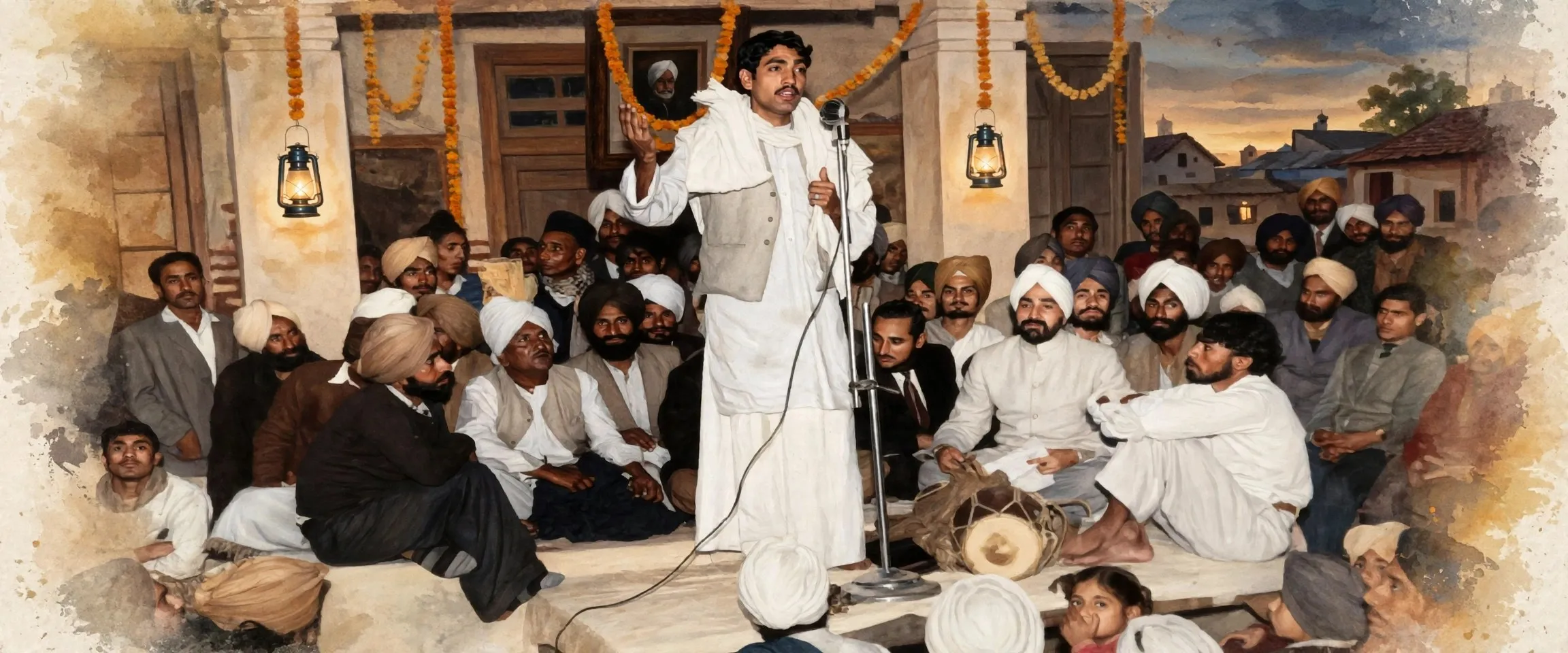
ਪੀੜਾਂ ਦਾ ਪਰਾਗਾ (1960) ਸ਼ਿਵ ਕੁਮਾਰ ਬਟਾਲਵੀ (1936 ਤੋਂ 1973) ਦਾ ਪਹਿਲਾ ਕਵਿਤਾ ਸੰਗ੍ਰਹਿ ਹੈ, ਜੋ ਲੋਕ ਸਾਹਿਤ ਪ੍ਰਕਾਸ਼ਨ, ਅੰਮ੍ਰਿਤਸਰ ਨੇ ਛਾਪਿਆ, ਜਦੋਂ ਕਵੀ ਆਪਣੀ ਵੀਹਵਿਆਂ ਦੀ ਸ਼ੁਰੂਆਤ ਵਿਚ ਸੀ। ਇਸ ਦੀਆਂ 25 ਕਵਿਤਾਵਾਂ, ਜੋ 1957 ਤੋਂ 1960 ਵਿਚਕਾਰ ਲਿਖੀਆਂ ਗਈਆਂ, ਵਿਛੋੜੇ, ਦੁੱਖ ਅਤੇ ਮੌਤ ਦੀ ਤਾਂਘ ਬਾਰੇ ਗਾਉਂਦੀਆਂ ਹਨ, ਅਤੇ ਇਹ ਕਿਤਾਬ ਤੁਰੰਤ ਸਫਲ ਹੋਈ। ਇਸੇ ਨੇ ਉਹ ਕੈਰੀਅਰ ਸ਼ੁਰੂ ਕੀਤਾ ਜਿਸ ਨੇ ਪੰਜ ਸਾਲ ਬਾਅਦ ਲੂਣਾ ਦਿੱਤੀ।
ਪੰਜਾਬੀ, ਗੁਰਮੁਖੀ- ਪੰਜਾਬੀ ਨਾਂ
- ਪੀੜਾਂ ਦਾ ਪਰਾਗਾ
- ਲੇਖਕ
- ਸ਼ਿਵ ਕੁਮਾਰ ਬਟਾਲਵੀ (1936 ਤੋਂ 1973)
- ਪ੍ਰਕਾਸ਼ਿਤ
- 1960
- ਪ੍ਰਕਾਸ਼ਕ
- ਲੋਕ ਸਾਹਿਤ ਪ੍ਰਕਾਸ਼ਨ, ਅੰਮ੍ਰਿਤਸਰ
- ਭਾਸ਼ਾ
- ਪੰਜਾਬੀ, ਗੁਰਮੁਖੀ
- ਰੂਪ
- ਕਵਿਤਾ
All 9 facts
- ਕਵਿਤਾਵਾਂ
- 25, 1957 ਤੋਂ 1960 ਵਿਚਕਾਰ ਲਿਖੀਆਂ
- ਸਿਰਲੇਖ ਦਾ ਅਰਥ
- ਪੀੜਾਂ ਦੀ ਇਕ ਮੁੱਠ
- ਅਗਲੀ ਕਿਤਾਬ
- ਲਾਜਵੰਤੀ (1961)
About the book
Piran Da Paraga is the first book of Shiv Kumar Batalvi, published in 1960 by Lok Sahit Prakashan of Amritsar. It gathers 25 poems written between 1957 and 1960, the years in which a college student from Batala who had sung folk and film songs began to sing his own poems instead. The collection became an instant success, and it made the name of a poet still in his early twenties.
The book arrived at a turning point in Punjabi poetry. The classical Sufi and qissa centuries were long past, and the post Partition field was dominated by senior figures such as Mohan Singh and Amrita Pritam. Into that company stepped a young poet whose weapons were the folk song, the village image and an unsparing subject: his own sorrow. Senior Batala writers, Jaswant Singh Rahi, Kartar Singh Balgan and Barkat Ram Yumman among them, took him under their wings, and Yumman introduced him to the kavi darbars, the poetry gatherings where his way of singing his own verse would soon make him the star attraction.
What does Piran Da Paraga mean?
Piran is the plural of pir, pain. A paraga is a handful, the measure a farmer scoops up in one palm, and translators have rendered the title both as A Handful of Pains, in the standard scholarly survey of his poetry, and as The Scarf of Sorrows. Either way the measure is deliberately small. The young poet is not claiming an ocean of grief. He is holding out one handful, and asking the reader to feel its weight.
The title proved prophetic as a programme. Pain, and specifically birha, the pain of separation from the beloved, became the signature subject of everything Batalvi wrote, until admirers named him Birha Da Sultan, the sultan of separation. This first handful contains the whole later harvest in seed.
Themes: the pain of separation
The scholarly survey of his poetry in the Journal of Punjab Studies describes this collection plainly: poems expressing pain and sorrow of separation, and his desire for death. That bluntness is the book's character. Poem after poem returns to parting: the beloved gone, the season turned, the singer left with a voice and nothing to spend it on. In his early twenties Batalvi was already rehearsing the farewell he would sing for the rest of his short life.
What kept the sorrow from becoming monotone was the world it moved through. Batalvi's imagination had been stocked in childhood by Ramlila performances, wandering minstrel singers and snake charmers, and by the streams and mango orchards of his home village, Bara Pind Lohtian. The survey of his work notes that these early impressions gave his poetry its haunting stock of images and its rural flavour. In Piran Da Paraga that stock is already on the page: grief spoken in the language of fields, fairs and village nights.
ਲੇਖਕ
Shiv Kumar was born on 23 July 1936 at Bara Pind Lohtian, in what was then Gurdaspur district and is now in Pakistan. Partition brought his family to Batala in 1947, and the town gave him his pen name, Batalvi. He passed his matriculation in 1953, then drifted in and out of colleges at Batala, Nabha and Qadian without taking a degree. It was in his final year at S. N. College, Qadian, in 1957, that he started writing poetry in Punjabi: the poems of this book are that beginning, gathered as he wrote them.
The career that followed was brief and blazing. Five collections appeared between 1960 and 1965, ending with the verse play Loona, which in 1967 made him the youngest recipient of the Sahitya Akademi Award. He sang his poems at kavi darbars to pin drop silence, married Aruna in 1967, and died at Kiri Mangial on 6 May 1973, aged 36, having predicted his early death in verse for years.
Reception and legacy
Was Piran Da Paraga a success? By every account, immediately. Summaries of his life call the first anthology an instant success, and the evidence is in what followed: a second collection, Lajwanti, within a year, showing a maturity the survey finds less prominent in this first book, and a run of books that carried him to Loona in five years. The first collection is the apprentice work of a master, and it reads that way: uneven in the manner of first books, and already unmistakably his.
Scholars kept returning to it. Pritam Saini's 1979 study of Batalvi's thought and art gives this collection a special study of its own, and the Journal of Punjab Studies survey begins its account of the poetry here, with the early pangs of birha from which the later, more complex work grew. For a reader meeting Batalvi for the first time, Piran Da Paraga is the right door: 25 short poems, the folk tune already in the voice, the sorrow already complete.
ਕਿਤਾਬ ਬਾਰੇ
ਪੀੜਾਂ ਦਾ ਪਰਾਗਾ ਸ਼ਿਵ ਕੁਮਾਰ ਬਟਾਲਵੀ ਦੀ ਪਹਿਲੀ ਕਿਤਾਬ ਹੈ, ਜੋ 1960 ਵਿਚ ਅੰਮ੍ਰਿਤਸਰ ਦੇ ਲੋਕ ਸਾਹਿਤ ਪ੍ਰਕਾਸ਼ਨ ਨੇ ਛਾਪੀ। ਇਸ ਵਿਚ 1957 ਤੋਂ 1960 ਵਿਚਕਾਰ ਲਿਖੀਆਂ 25 ਕਵਿਤਾਵਾਂ ਹਨ, ਉਹ ਸਾਲ ਜਿਨ੍ਹਾਂ ਵਿਚ ਬਟਾਲਾ ਦਾ ਇਕ ਕਾਲਜ ਵਿਦਿਆਰਥੀ, ਜੋ ਲੋਕ ਗੀਤ ਅਤੇ ਫਿਲਮੀ ਗੀਤ ਗਾਉਂਦਾ ਸੀ, ਆਪਣੀਆਂ ਕਵਿਤਾਵਾਂ ਗਾਉਣ ਲੱਗਾ। ਇਹ ਸੰਗ੍ਰਹਿ ਤੁਰੰਤ ਸਫਲ ਹੋਇਆ, ਅਤੇ ਇਸ ਨੇ ਉਸ ਕਵੀ ਦਾ ਨਾਂ ਬਣਾਇਆ ਜੋ ਅਜੇ ਆਪਣੀ ਵੀਹਵਿਆਂ ਦੀ ਸ਼ੁਰੂਆਤ ਵਿਚ ਸੀ।
ਇਹ ਕਿਤਾਬ ਪੰਜਾਬੀ ਕਵਿਤਾ ਦੇ ਇਕ ਮੋੜ ਉੱਤੇ ਆਈ। ਸੂਫ਼ੀ ਅਤੇ ਕਿੱਸਾ ਕਵਿਤਾ ਦੀਆਂ ਸਦੀਆਂ ਲੰਘ ਚੁੱਕੀਆਂ ਸਨ, ਅਤੇ ਵੰਡ ਤੋਂ ਬਾਅਦ ਦੇ ਖੇਤਰ ਵਿਚ ਮੋਹਨ ਸਿੰਘ ਅਤੇ ਅੰਮ੍ਰਿਤਾ ਪ੍ਰੀਤਮ ਵਰਗੇ ਸੀਨੀਅਰ ਕਵੀ ਛਾਏ ਹੋਏ ਸਨ। ਉਸ ਸੰਗਤ ਵਿਚ ਇਕ ਨੌਜਵਾਨ ਕਵੀ ਆਇਆ ਜਿਸ ਦੇ ਹਥਿਆਰ ਲੋਕ ਗੀਤ, ਪਿੰਡ ਦਾ ਬਿੰਬ ਅਤੇ ਇਕ ਬੇਰਹਿਮ ਵਿਸ਼ਾ ਸਨ: ਉਸ ਦਾ ਆਪਣਾ ਦੁੱਖ। ਬਟਾਲਾ ਦੇ ਸੀਨੀਅਰ ਲੇਖਕਾਂ, ਜਸਵੰਤ ਸਿੰਘ ਰਾਹੀ, ਕਰਤਾਰ ਸਿੰਘ ਬਲਗਣ ਅਤੇ ਬਰਕਤ ਰਾਮ ਯੰਮਣ ਸਮੇਤ, ਨੇ ਉਸ ਨੂੰ ਆਪਣੀ ਛਾਂ ਹੇਠ ਲਿਆ, ਅਤੇ ਯੰਮਣ ਨੇ ਉਸ ਨੂੰ ਕਵੀ ਦਰਬਾਰਾਂ ਨਾਲ ਜਾਣੂ ਕਰਾਇਆ, ਉਹ ਕਵਿਤਾ ਮਹਿਫਲਾਂ ਜਿੱਥੇ ਆਪਣੀ ਕਵਿਤਾ ਗਾਉਣ ਦਾ ਉਸ ਦਾ ਢੰਗ ਛੇਤੀ ਹੀ ਉਸ ਨੂੰ ਸਭ ਦਾ ਕੇਂਦਰ ਬਣਾ ਦੇਣ ਵਾਲਾ ਸੀ।
ਪੀੜਾਂ ਦਾ ਪਰਾਗਾ ਦਾ ਮਤਲਬ ਕੀ ਹੈ?
ਪੀੜਾਂ, ਪੀੜ ਦਾ ਬਹੁਵਚਨ ਹੈ, ਦਰਦ। ਪਰਾਗਾ ਇਕ ਮੁੱਠ ਹੈ, ਉਹ ਮਾਪ ਜੋ ਕਿਸਾਨ ਇਕ ਹਥੇਲੀ ਵਿਚ ਚੁੱਕਦਾ ਹੈ, ਅਤੇ ਅਨੁਵਾਦਕਾਂ ਨੇ ਇਸ ਨਾਂ ਨੂੰ ਉਸ ਦੀ ਕਵਿਤਾ ਦੇ ਮਿਆਰੀ ਵਿਦਵਾਨ ਸਰਵੇਖਣ ਵਿਚ ਅੰਗਰੇਜ਼ੀ ਵਿਚ ਦਰਦਾਂ ਦੀ ਮੁੱਠ ਅਤੇ ਹੋਰ ਥਾਂ ਸੋਗ ਦੀ ਚੁੰਨੀ ਕਿਹਾ ਹੈ। ਦੋਹਾਂ ਹਾਲਤਾਂ ਵਿਚ ਮਾਪ ਜਾਣ ਬੁੱਝ ਕੇ ਛੋਟਾ ਹੈ। ਨੌਜਵਾਨ ਕਵੀ ਦੁੱਖ ਦੇ ਸਮੁੰਦਰ ਦਾ ਦਾਅਵਾ ਨਹੀਂ ਕਰ ਰਿਹਾ। ਉਹ ਇਕ ਮੁੱਠ ਅੱਗੇ ਕਰ ਰਿਹਾ ਹੈ, ਅਤੇ ਪਾਠਕ ਨੂੰ ਉਸ ਦਾ ਭਾਰ ਮਹਿਸੂਸ ਕਰਨ ਲਈ ਕਹਿ ਰਿਹਾ ਹੈ।
ਇਹ ਨਾਂ ਇਕ ਪ੍ਰੋਗਰਾਮ ਵਜੋਂ ਸੱਚ ਸਾਬਤ ਹੋਇਆ। ਦਰਦ, ਅਤੇ ਖਾਸ ਕਰਕੇ ਬਿਰਹਾ, ਮਹਿਬੂਬ ਤੋਂ ਵਿਛੋੜੇ ਦਾ ਦਰਦ, ਬਟਾਲਵੀ ਦੀ ਹਰ ਲਿਖਤ ਦਾ ਪਛਾਣ ਵਿਸ਼ਾ ਬਣ ਗਿਆ, ਇੱਥੋਂ ਤੱਕ ਕਿ ਪ੍ਰਸ਼ੰਸਕਾਂ ਨੇ ਉਸ ਨੂੰ ਬਿਰਹਾ ਦਾ ਸੁਲਤਾਨ ਕਹਿਣਾ ਸ਼ੁਰੂ ਕਰ ਦਿੱਤਾ। ਇਸ ਪਹਿਲੀ ਮੁੱਠ ਵਿਚ ਬਾਅਦ ਦੀ ਸਾਰੀ ਫਸਲ ਬੀਜ ਰੂਪ ਵਿਚ ਹੈ।
ਵਿਸ਼ੇ: ਵਿਛੋੜੇ ਦਾ ਦਰਦ
ਜਰਨਲ ਆਫ਼ ਪੰਜਾਬ ਸਟੱਡੀਜ਼ ਵਿਚ ਉਸ ਦੀ ਕਵਿਤਾ ਦਾ ਵਿਦਵਾਨ ਸਰਵੇਖਣ ਇਸ ਸੰਗ੍ਰਹਿ ਨੂੰ ਸਾਦੇ ਸ਼ਬਦਾਂ ਵਿਚ ਦੱਸਦਾ ਹੈ: ਵਿਛੋੜੇ ਦੇ ਦਰਦ ਅਤੇ ਸੋਗ ਨੂੰ ਦਰਸਾਉਂਦੀਆਂ ਕਵਿਤਾਵਾਂ, ਅਤੇ ਮੌਤ ਦੀ ਉਸ ਦੀ ਤਾਂਘ। ਇਹ ਸਪਸ਼ਟਤਾ ਹੀ ਕਿਤਾਬ ਦਾ ਸੁਭਾਅ ਹੈ। ਕਵਿਤਾ ਮਗਰੋਂ ਕਵਿਤਾ ਵਿਛੋੜੇ ਵੱਲ ਮੁੜਦੀ ਹੈ: ਮਹਿਬੂਬ ਗਿਆ, ਰੁੱਤ ਬਦਲੀ, ਗਾਇਕ ਕੋਲ ਆਵਾਜ਼ ਰਹਿ ਗਈ ਅਤੇ ਉਸ ਨੂੰ ਖਰਚਣ ਲਈ ਕੁਝ ਨਹੀਂ। ਆਪਣੀ ਵੀਹਵਿਆਂ ਦੀ ਸ਼ੁਰੂਆਤ ਵਿਚ ਹੀ ਬਟਾਲਵੀ ਉਸ ਵਿਦਾਇਗੀ ਦਾ ਅਭਿਆਸ ਕਰ ਰਿਹਾ ਸੀ ਜੋ ਉਸ ਨੇ ਆਪਣੀ ਛੋਟੀ ਜਿਹੀ ਬਾਕੀ ਜ਼ਿੰਦਗੀ ਗਾਉਣੀ ਸੀ।
ਜਿਸ ਚੀਜ਼ ਨੇ ਸੋਗ ਨੂੰ ਇਕਸਾਰ ਹੋਣ ਤੋਂ ਬਚਾਇਆ ਉਹ ਉਹ ਸੰਸਾਰ ਸੀ ਜਿਸ ਵਿਚ ਇਹ ਘੁੰਮਦਾ ਸੀ। ਬਟਾਲਵੀ ਦੀ ਕਲਪਨਾ ਬਚਪਨ ਵਿਚ ਰਾਮਲੀਲਾ ਦੇ ਖੇਡਾਂ, ਘੁੰਮਣ ਵਾਲੇ ਗਵਈਆਂ ਅਤੇ ਸਪੇਰਿਆਂ ਨਾਲ, ਅਤੇ ਉਸ ਦੇ ਜੱਦੀ ਪਿੰਡ ਬੜਾ ਪਿੰਡ ਲੋਹਟੀਆਂ ਦੀਆਂ ਨਦੀਆਂ ਨਾਲਿਆਂ ਅਤੇ ਅੰਬਾਂ ਦੇ ਬਾਗਾਂ ਨਾਲ ਭਰੀ ਹੋਈ ਸੀ। ਉਸ ਦੇ ਕੰਮ ਦਾ ਸਰਵੇਖਣ ਨੋਟ ਕਰਦਾ ਹੈ ਕਿ ਇਨ੍ਹਾਂ ਮੁੱਢਲੇ ਪ੍ਰਭਾਵਾਂ ਨੇ ਉਸ ਦੀ ਕਵਿਤਾ ਨੂੰ ਬਿੰਬਾਂ ਦਾ ਮੋਹ ਲੈਣ ਵਾਲਾ ਭੰਡਾਰ ਅਤੇ ਪੇਂਡੂ ਰੰਗ ਦਿੱਤਾ। ਪੀੜਾਂ ਦਾ ਪਰਾਗਾ ਵਿਚ ਉਹ ਭੰਡਾਰ ਪੰਨੇ ਉੱਤੇ ਪਹਿਲਾਂ ਹੀ ਹੈ: ਖੇਤਾਂ, ਮੇਲਿਆਂ ਅਤੇ ਪਿੰਡ ਦੀਆਂ ਰਾਤਾਂ ਦੀ ਬੋਲੀ ਵਿਚ ਬੋਲਿਆ ਗ਼ਮ।
ਲੇਖਕ
ਸ਼ਿਵ ਕੁਮਾਰ ਦਾ ਜਨਮ 23 ਜੁਲਾਈ 1936 ਨੂੰ ਬੜਾ ਪਿੰਡ ਲੋਹਟੀਆਂ ਵਿਖੇ ਹੋਇਆ, ਜੋ ਉਸ ਵੇਲੇ ਗੁਰਦਾਸਪੁਰ ਜ਼ਿਲ੍ਹੇ ਵਿਚ ਸੀ ਅਤੇ ਹੁਣ ਪਾਕਿਸਤਾਨ ਵਿਚ ਹੈ। ਵੰਡ 1947 ਵਿਚ ਉਸ ਦੇ ਪਰਿਵਾਰ ਨੂੰ ਬਟਾਲਾ ਲੈ ਆਈ, ਅਤੇ ਉਸ ਸ਼ਹਿਰ ਨੇ ਉਸ ਨੂੰ ਉਸ ਦਾ ਤਖ਼ੱਲੁਸ ਦਿੱਤਾ, ਬਟਾਲਵੀ। ਉਸ ਨੇ 1953 ਵਿਚ ਦਸਵੀਂ ਪਾਸ ਕੀਤੀ, ਫਿਰ ਡਿਗਰੀ ਲਏ ਬਿਨਾਂ ਬਟਾਲਾ, ਨਾਭਾ ਅਤੇ ਕਾਦੀਆਂ ਦੇ ਕਾਲਜਾਂ ਵਿਚ ਆਉਂਦਾ ਜਾਂਦਾ ਰਿਹਾ। ਐਸ. ਐਨ. ਕਾਲਜ, ਕਾਦੀਆਂ ਵਿਚ ਆਪਣੇ ਆਖਰੀ ਸਾਲ 1957 ਵਿਚ ਉਸ ਨੇ ਪੰਜਾਬੀ ਵਿਚ ਕਵਿਤਾ ਲਿਖਣੀ ਸ਼ੁਰੂ ਕੀਤੀ: ਇਸ ਕਿਤਾਬ ਦੀਆਂ ਕਵਿਤਾਵਾਂ ਉਹੀ ਸ਼ੁਰੂਆਤ ਹਨ, ਜਿਵੇਂ ਉਸ ਨੇ ਲਿਖੀਆਂ, ਇਕੱਠੀਆਂ ਕੀਤੀਆਂ ਗਈਆਂ।
ਇਸ ਤੋਂ ਬਾਅਦ ਦਾ ਕੈਰੀਅਰ ਛੋਟਾ ਅਤੇ ਚਮਕਦਾਰ ਸੀ। 1960 ਤੋਂ 1965 ਵਿਚਕਾਰ ਪੰਜ ਸੰਗ੍ਰਹਿ ਆਏ, ਆਖਰ ਵਿਚ ਕਾਵਿ ਨਾਟਕ ਲੂਣਾ, ਜਿਸ ਨੇ 1967 ਵਿਚ ਉਸ ਨੂੰ ਸਾਹਿਤ ਅਕਾਦਮੀ ਇਨਾਮ ਦਾ ਸਭ ਤੋਂ ਛੋਟੀ ਉਮਰ ਦਾ ਜੇਤੂ ਬਣਾਇਆ। ਉਹ ਕਵੀ ਦਰਬਾਰਾਂ ਵਿਚ ਸੁੰਨ ਚੁੱਪ ਵਿਚ ਆਪਣੀਆਂ ਕਵਿਤਾਵਾਂ ਗਾਉਂਦਾ ਸੀ, 1967 ਵਿਚ ਉਸ ਦਾ ਵਿਆਹ ਅਰੁਣਾ ਨਾਲ ਹੋਇਆ, ਅਤੇ 6 ਮਈ 1973 ਨੂੰ ਕੀੜੀ ਮਾਂਗਿਆਲ ਵਿਖੇ 36 ਸਾਲ ਦੀ ਉਮਰ ਵਿਚ ਉਸ ਦੀ ਮੌਤ ਹੋ ਗਈ, ਸਾਲਾਂ ਤੋਂ ਕਵਿਤਾ ਵਿਚ ਆਪਣੀ ਛੋਟੀ ਉਮਰ ਦੀ ਮੌਤ ਦੀ ਪੇਸ਼ੀਨਗੋਈ ਕਰਦਿਆਂ।
ਪ੍ਰਤੀਕਿਰਿਆ ਅਤੇ ਵਿਰਾਸਤ
ਕੀ ਪੀੜਾਂ ਦਾ ਪਰਾਗਾ ਸਫਲ ਹੋਇਆ? ਹਰ ਬਿਆਨ ਮੁਤਾਬਕ, ਤੁਰੰਤ। ਉਸ ਦੀ ਜ਼ਿੰਦਗੀ ਦੇ ਸਾਰ ਪਹਿਲੇ ਸੰਗ੍ਰਹਿ ਨੂੰ ਤੁਰੰਤ ਸਫਲਤਾ ਕਹਿੰਦੇ ਹਨ, ਅਤੇ ਸਬੂਤ ਉਸ ਵਿਚ ਹੈ ਜੋ ਮਗਰੋਂ ਆਇਆ: ਇਕ ਸਾਲ ਦੇ ਅੰਦਰ ਦੂਜਾ ਸੰਗ੍ਰਹਿ ਲਾਜਵੰਤੀ, ਉਹ ਪੁਖਤਗੀ ਵਿਖਾਉਂਦਾ ਜੋ ਸਰਵੇਖਣ ਨੂੰ ਇਸ ਪਹਿਲੀ ਕਿਤਾਬ ਵਿਚ ਘੱਟ ਨਜ਼ਰ ਆਉਂਦੀ ਹੈ, ਅਤੇ ਕਿਤਾਬਾਂ ਦੀ ਉਹ ਲੜੀ ਜੋ ਪੰਜ ਸਾਲ ਵਿਚ ਉਸ ਨੂੰ ਲੂਣਾ ਤੱਕ ਲੈ ਗਈ। ਪਹਿਲਾ ਸੰਗ੍ਰਹਿ ਇਕ ਮਾਹਰ ਦਾ ਸਿਖਾਂਦਰੂ ਕੰਮ ਹੈ, ਅਤੇ ਇਸੇ ਤਰ੍ਹਾਂ ਪੜ੍ਹਿਆ ਜਾਂਦਾ ਹੈ: ਪਹਿਲੀਆਂ ਕਿਤਾਬਾਂ ਵਾਂਗ ਥੋੜ੍ਹਾ ਅਸਮਾਨ, ਅਤੇ ਪਹਿਲਾਂ ਹੀ ਬਿਨਾਂ ਸ਼ੱਕ ਉਸੇ ਦਾ।
ਵਿਦਵਾਨ ਇਸ ਵੱਲ ਮੁੜ ਮੁੜ ਆਉਂਦੇ ਰਹੇ। ਪ੍ਰੀਤਮ ਸੈਣੀ ਦੇ 1979 ਦੇ ਬਟਾਲਵੀ ਦੇ ਚਿੰਤਨ ਅਤੇ ਕਲਾ ਉੱਤੇ ਅਧਿਐਨ ਵਿਚ ਇਸ ਸੰਗ੍ਰਹਿ ਦਾ ਆਪਣਾ ਵਿਸ਼ੇਸ਼ ਅਧਿਐਨ ਹੈ, ਅਤੇ ਜਰਨਲ ਆਫ਼ ਪੰਜਾਬ ਸਟੱਡੀਜ਼ ਦਾ ਸਰਵੇਖਣ ਉਸ ਦੀ ਕਵਿਤਾ ਦਾ ਬਿਆਨ ਇੱਥੋਂ ਸ਼ੁਰੂ ਕਰਦਾ ਹੈ, ਬਿਰਹੇ ਦੀਆਂ ਮੁੱਢਲੀਆਂ ਪੀੜਾਂ ਤੋਂ ਜਿਨ੍ਹਾਂ ਵਿਚੋਂ ਬਾਅਦ ਦਾ ਹੋਰ ਗੁੰਝਲਦਾਰ ਕੰਮ ਉੱਗਿਆ। ਬਟਾਲਵੀ ਨੂੰ ਪਹਿਲੀ ਵਾਰ ਮਿਲਣ ਵਾਲੇ ਪਾਠਕ ਲਈ ਪੀੜਾਂ ਦਾ ਪਰਾਗਾ ਠੀਕ ਦਰਵਾਜ਼ਾ ਹੈ: 25 ਛੋਟੀਆਂ ਕਵਿਤਾਵਾਂ, ਆਵਾਜ਼ ਵਿਚ ਲੋਕ ਧੁਨ ਪਹਿਲਾਂ ਹੀ, ਸੋਗ ਪਹਿਲਾਂ ਹੀ ਪੂਰਾ।
ਐਡੀਸ਼ਨ ਅਤੇ ਅਨੁਵਾਦ
- ਪੀੜਾਂ ਦਾ ਪਰਾਗਾPunjabi · Gurmukhi · original, 1960 · Lok Sahit Prakashan, Amritsar · Gurmukhi title: ਪੀੜਾਂ ਦਾ ਪਰਾਗਾਮੂਲ
ਲੇਖਕ

ਜੁੜੇ ਹੋਏ
ਹੋਰ ਪੜ੍ਹੋ
ਸਰੋਤ (2)
ਜੁਗਤੀ ਮੁਫ਼ਤ ਅਤੇ ਸੁਤੰਤਰ ਹੈ। ਪਾਠਕਾਂ ਦਾ ਸਹਿਯੋਗ ਕੋਸ਼ ਨੂੰ ਵਧਾਉਂਦਾ ਹੈ।
ਸਹਿਯੋਗ