
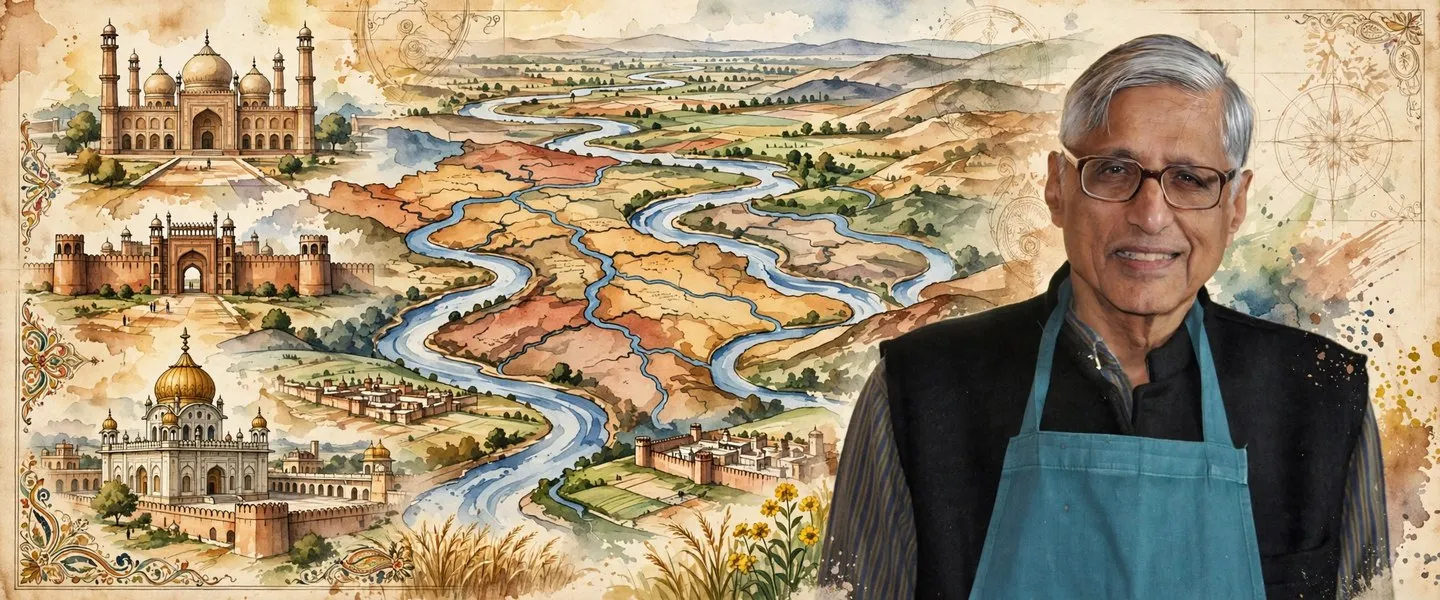
ਪੰਜਾਬ: ਅ ਹਿਸਟਰੀ ਫ਼ਰਾਮ ਔਰੰਗਜ਼ੇਬ ਟੂ ਮਾਊਂਟਬੈਟਨ ਰਾਜਮੋਹਨ ਗਾਂਧੀ ਦਾ 2013 ਦਾ ਅਵਿਭਾਜਿਤ ਪੰਜਾਬ ਦਾ ਇਤਿਹਾਸ ਹੈ, ਜੋ ਮੁਗ਼ਲ ਬਾਦਸ਼ਾਹ ਔਰੰਗਜ਼ੇਬ ਦੀ ਮੌਤ 1707 ਤੋਂ ਲੈ ਕੇ 1947 ਦੀ ਵੰਡ ਤੱਕ ਜਾਂਦਾ ਹੈ। 11 ਅਧਿਆਇਆਂ ਵਿੱਚ ਇਹ ਮੁਗ਼ਲ ਸੱਤਾ ਦੇ ਢਹਿਣ, ਸਿੱਖ ਸਾਮਰਾਜ, ਬਰਤਾਨਵੀ ਰਾਜ ਅਤੇ ਆਜ਼ਾਦੀ ਸੰਘਰਸ਼ ਨੂੰ ਕਵਰ ਕਰਦਾ ਹੈ। ਇਹ ਖੇਤਰ ਦਾ ਪਹਿਲਾ ਵੱਡਾ ਇਕ-ਜਿਲਦੀ ਇਤਿਹਾਸ ਹੈ।
ਅੰਗਰੇਜ਼ੀ- ਲੇਖਕ
- ਰਾਜਮੋਹਨ ਗਾਂਧੀ
- ਪ੍ਰਕਾਸ਼ਿਤ
- 2013 · ਅਲੈਫ਼ ਬੁੱਕ ਕੰਪਨੀ, ਨਵੀਂ ਦਿੱਲੀ
- ਪੰਨੇ
- 432
- ਅਧਿਆਇ
- 11
- ਸਮਾਂ
- 1707-1947
- ਆਈਐੱਸਬੀਐੱਨ
- 9789382277583
- ਸਮਰਪਿਤ
- ਖ਼ੁਸ਼ਵੰਤ ਸਿੰਘ, ਮੁਬਾਸਿਰ ਹੁਸੈਨ, ਪਿਆਰੇ ਲਾਲ ਨਈਅਰ
About the book
Punjab: A History from Aurangzeb to Mountbatten, first published in 2013 by the Aleph Book Company in New Delhi, is Rajmohan Gandhi's history of undivided Punjab. In 432 pages and 11 chapters it traces the land of the five rivers from the death of the Mughal emperor Aurangzeb in 1707 to the Partition of 1947, the most violent phase of Punjab's history.
The publisher calls it the first major account of undivided Punjab, and the claim holds: no earlier book had tried to tell the whole story of the region, from the collapse of Mughal authority through the Sikh empire and British rule to Partition, in a single volume. It is dedicated to three men: Khushwant Singh, Mubasir Hussain and Pyare Lal Nayar.
The book's Punjab is the undivided one: the province that covered much of present-day Pakistan and the Indian states of Punjab, Haryana and Himachal Pradesh, seven times larger than the Punjab of today. Its people, Gandhi argues, shared a Punjabiyat that Partition could not erase.
Why did Rajmohan Gandhi write a Punjab history?
The preface gives a personal answer. Gandhi was eleven when Partition happened. His first awareness of Punjab, he writes, came in 1945, when three Punjabi officers of the Indian National Army, a Hindu, a Muslim and a Sikh, were tried for treason by the British. A visit to Lahore some fifty years later deepened the interest into a book.
The introduction asks the question directly: why a Punjab history? Part of the answer is the gap in the bookshelf. The last full history of the region was Syed Muhammad Latif's History of the Panjab, published in 1889. Ikram Ali's History of the Punjab 1799-1947, published in 1971, did not cover the years from 1707 to 1799. Between the Mughal collapse and the Sikh empire there was a century with no single account.
The other part of the answer is the subject itself. Punjab was the garrison state of India, invaded again and again, and its people learned to absorb invasions and carry on. Gandhi's book is an attempt to write that story from the inside, through the eyes of all its communities rather than one.
What the book covers
The book opens with a chapter on Punjab until Aurangzeb's death, then follows the collapse of authority from 1707 to 1757, the years of Adina Beg Khan, the Afghans and the Sikhs from 1757 to 1799, and the long chapter on Ranjit Singh and his successors from 1799 to 1849. British Punjab, from annexation in 1849 to the freedom struggle, takes up the middle of the book, including the years 1919 to 1922, when Hindus, Muslims and Sikhs campaigned together for freedom.
The story is told through battles and tragedies, but the book keeps returning to ordinary Punjabis: farmers, traders, soldiers and singers whose lives were disrupted by events they did not choose. The final chapter, Divided Punjab and the future of Punjabiyat, asks what survives of the shared culture after 1947, and answers with cautious hope.
Gandhi draws on fresh sources as well as earlier accounts, and he uses them from opposing perspectives, letting Mughal, Sikh, British and nationalist versions of the same events sit side by side. The political scientist Ishtiaq Ahmed, who read the manuscript, called it a book that will surely be the standard reference on the history of Punjab.
What makes it different?
The book breaks free of the nationalist and communalist histories written after Partition, in India and in Pakistan, in which each community tells Punjab's story as its own. Gandhi's Punjab belongs to no single community: its heroes include the Sikh maharaja, the Muslim peasant soldier, the Hindu trader and the British administrator, and its villains are rarely whole communities.
That even-handedness is the book's method and its argument at once. The reviewer in The Hindu BusinessLine called it a masterpiece and recommended it as compulsory reading for students of history and civil servants, particularly those serving in Punjab and Haryana. The EducationWorld review called it an evocative, epic account of a vibrant region.
ਲੇਖਕ
Rajmohan Gandhi (born 1935) is the grandson of Mahatma Gandhi and of C. Rajagopalachari. He worked as a journalist, co-founding the weekly Himmat in 1964, served in the Rajya Sabha from 1990 to 1992, and taught history and political science at the University of Illinois. His earlier books include biographies of Vallabhbhai Patel and of his grandfather, and a comparative study of the 1857 rising and the American Civil War. His life is told in full in his own entry in the Kosh.
Punjab was the book that brought him closest to the region his grandfather's politics had divided. He wrote it, he says, in the hope that it might prod others to pursue their own research into Punjab's history.
Reception and legacy
The book was widely reviewed on publication in 2013. The Hindu BusinessLine praised its sensitive pen and its sweep from Afghanistan to the Red Fort, and EducationWorld praised its evocation of a region that withstood invasions and carried on with sound practical sense. Ishtiaq Ahmed's two-part review, published on ApnaOrg, examined it chapter by chapter.
More than a decade on, it remains the single-volume history of undivided Punjab that readers and students reach for first. It has not replaced the specialist histories, and it does not try to: its job is to give the whole story in one place, and to remind readers on both sides of the border that the Punjab they share is older than the line that divides it.
ਕਿਤਾਬ ਬਾਰੇ
ਪੰਜਾਬ: ਅ ਹਿਸਟਰੀ ਫ਼ਰਾਮ ਔਰੰਗਜ਼ੇਬ ਟੂ ਮਾਊਂਟਬੈਟਨ, ਜੋ ਪਹਿਲੀ ਵਾਰ 2013 ਵਿੱਚ ਨਵੀਂ ਦਿੱਲੀ ਦੀ ਅਲੈਫ਼ ਬੁੱਕ ਕੰਪਨੀ ਵੱਲੋਂ ਛਪੀ, ਅਵਿਭਾਜਿਤ ਪੰਜਾਬ ਬਾਰੇ ਰਾਜਮੋਹਨ ਗਾਂਧੀ ਦਾ ਇਤਿਹਾਸ ਹੈ। 432 ਸਫ਼ਿਆਂ ਅਤੇ 11 ਅਧਿਆਇਆਂ ਵਿੱਚ ਇਹ ਪੰਜ ਦਰਿਆਵਾਂ ਦੀ ਧਰਤੀ ਨੂੰ ਮੁਗ਼ਲ ਬਾਦਸ਼ਾਹ ਔਰੰਗਜ਼ੇਬ ਦੀ ਮੌਤ 1707 ਤੋਂ ਲੈ ਕੇ 1947 ਦੀ ਵੰਡ ਤੱਕ ਲੈ ਜਾਂਦੀ ਹੈ, ਜੋ ਪੰਜਾਬ ਦੇ ਇਤਿਹਾਸ ਦਾ ਸਭ ਤੋਂ ਹਿੰਸਕ ਦੌਰ ਹੈ।
ਪ੍ਰਕਾਸ਼ਕ ਇਸ ਨੂੰ ਅਵਿਭਾਜਿਤ ਪੰਜਾਬ ਦਾ ਪਹਿਲਾ ਵੱਡਾ ਬਿਰਤਾਂਤ ਦੱਸਦਾ ਹੈ, ਅਤੇ ਇਹ ਦਾਅਵਾ ਸਹੀ ਹੈ: ਇਸ ਤੋਂ ਪਹਿਲਾਂ ਕਿਸੇ ਕਿਤਾਬ ਨੇ ਮੁਗ਼ਲ ਸੱਤਾ ਦੇ ਢਹਿਣ ਤੋਂ ਲੈ ਕੇ ਸਿੱਖ ਸਾਮਰਾਜ ਅਤੇ ਬਰਤਾਨਵੀ ਰਾਜ ਤੋਂ ਹੁੰਦੀ ਹੋਈ ਵੰਡ ਤੱਕ, ਖੇਤਰ ਦੀ ਪੂਰੀ ਕਹਾਣੀ ਇੱਕੋ ਜਿਲਦ ਵਿੱਚ ਦੱਸਣ ਦੀ ਕੋਸ਼ਿਸ਼ ਨਹੀਂ ਕੀਤੀ ਸੀ। ਇਹ ਤਿੰਨ ਆਦਮੀਆਂ ਨੂੰ ਸਮਰਪਿਤ ਹੈ: ਖ਼ੁਸ਼ਵੰਤ ਸਿੰਘ, ਮੁਬਾਸਿਰ ਹੁਸੈਨ ਅਤੇ ਪਿਆਰੇ ਲਾਲ ਨਈਅਰ।
ਇਸ ਕਿਤਾਬ ਦਾ ਪੰਜਾਬ ਅਵਿਭਾਜਿਤ ਪੰਜਾਬ ਹੈ: ਉਹ ਸੂਬਾ ਜੋ ਅੱਜ ਦੇ ਪਾਕਿਸਤਾਨ ਦੇ ਵੱਡੇ ਹਿੱਸੇ ਅਤੇ ਭਾਰਤ ਦੇ ਪੰਜਾਬ, ਹਰਿਆਣਾ ਅਤੇ ਹਿਮਾਚਲ ਪ੍ਰਦੇਸ਼ ਰਾਜਾਂ ਉੱਤੇ ਫੈਲਿਆ ਹੋਇਆ ਸੀ, ਅੱਜ ਦੇ ਪੰਜਾਬ ਤੋਂ ਸੱਤ ਗੁਣਾ ਵੱਡਾ। ਗਾਂਧੀ ਦਾ ਤਰਕ ਹੈ ਕਿ ਇਸ ਦੇ ਲੋਕਾਂ ਵਿੱਚ ਇੱਕ ਸਾਂਝੀ ਪੰਜਾਬੀਅਤ ਸੀ ਜਿਸ ਨੂੰ ਵੰਡ ਮਿਟਾ ਨਹੀਂ ਸਕੀ।
ਰਾਜਮੋਹਨ ਗਾਂਧੀ ਨੇ ਪੰਜਾਬ ਦਾ ਇਤਿਹਾਸ ਕਿਉਂ ਲਿਖਿਆ?
ਮੁੱਖਬੰਦ ਇਸ ਦਾ ਨਿੱਜੀ ਜਵਾਬ ਦਿੰਦਾ ਹੈ। ਵੰਡ ਵੇਲੇ ਗਾਂਧੀ ਗਿਆਰਾਂ ਸਾਲ ਦਾ ਸੀ। ਉਹ ਲਿਖਦਾ ਹੈ ਕਿ ਪੰਜਾਬ ਬਾਰੇ ਉਸ ਦੀ ਪਹਿਲੀ ਜਾਣਕਾਰੀ 1945 ਵਿੱਚ ਮਿਲੀ ਸੀ, ਜਦੋਂ ਭਾਰਤੀ ਰਾਸ਼ਟਰੀ ਸੈਨਾ ਦੇ ਤਿੰਨ ਪੰਜਾਬੀ ਅਫ਼ਸਰਾਂ, ਇੱਕ ਹਿੰਦੂ, ਇੱਕ ਮੁਸਲਮਾਨ ਅਤੇ ਇੱਕ ਸਿੱਖ, ਉੱਤੇ ਅੰਗਰੇਜ਼ਾਂ ਨੇ ਦੇਸ਼ਧ੍ਰੋਹ ਦਾ ਮੁਕੱਦਮਾ ਚਲਾਇਆ ਸੀ। ਲਗਭਗ ਪੰਜਾਹ ਸਾਲ ਬਾਅਦ ਲਾਹੌਰ ਦੀ ਫੇਰੀ ਨੇ ਇਸ ਦਿਲਚਸਪੀ ਨੂੰ ਕਿਤਾਬ ਵਿੱਚ ਬਦਲ ਦਿੱਤਾ।
ਮੁੱਖਬੰਦ ਵਿੱਚ ਸਿੱਧਾ ਸਵਾਲ ਪੁੱਛਿਆ ਗਿਆ ਹੈ: ਪੰਜਾਬ ਦਾ ਇਤਿਹਾਸ ਕਿਉਂ? ਇਸ ਦਾ ਇੱਕ ਜਵਾਬ ਕਿਤਾਬਾਂ ਦੀ ਅਲਮਾਰੀ ਵਿੱਚ ਖਾਲੀ ਥਾਂ ਹੈ। ਖੇਤਰ ਦਾ ਆਖ਼ਰੀ ਪੂਰਾ ਇਤਿਹਾਸ ਸੱਯਦ ਮੁਹੰਮਦ ਲਤੀਫ਼ ਦਾ ਹਿਸਟਰੀ ਆਫ਼ ਦ ਪੰਜਾਬ ਸੀ, ਜੋ 1889 ਵਿੱਚ ਛਪਿਆ ਸੀ। ਇਕਰਾਮ ਅਲੀ ਦਾ ਹਿਸਟਰੀ ਆਫ਼ ਦ ਪੰਜਾਬ 1799-1947, ਜੋ 1971 ਵਿੱਚ ਛਪਿਆ, 1707 ਤੋਂ 1799 ਤੱਕ ਦੇ ਸਾਲਾਂ ਨੂੰ ਕਵਰ ਨਹੀਂ ਕਰਦਾ ਸੀ। ਮੁਗ਼ਲ ਪਤਨ ਅਤੇ ਸਿੱਖ ਸਾਮਰਾਜ ਵਿਚਕਾਰ ਇੱਕ ਸਦੀ ਦਾ ਕੋਈ ਇਕਲੌਤਾ ਬਿਰਤਾਂਤ ਨਹੀਂ ਸੀ।
ਦੂਜਾ ਜਵਾਬ ਵਿਸ਼ਾ ਖ਼ੁਦ ਹੈ। ਪੰਜਾਬ ਭਾਰਤ ਦਾ ਛਾਉਣੀ ਵਾਲਾ ਸੂਬਾ ਸੀ, ਜਿਸ ਉੱਤੇ ਵਾਰ-ਵਾਰ ਹਮਲੇ ਹੋਏ, ਅਤੇ ਇਸ ਦੇ ਲੋਕਾਂ ਨੇ ਹਮਲਿਆਂ ਨੂੰ ਸਹਿਣਾ ਅਤੇ ਜੀਵਨ ਜਾਰੀ ਰੱਖਣਾ ਸਿੱਖ ਲਿਆ। ਗਾਂਧੀ ਦੀ ਕਿਤਾਬ ਇਸ ਕਹਾਣੀ ਨੂੰ ਅੰਦਰੋਂ, ਇਸ ਦੀਆਂ ਸਾਰੀਆਂ ਭਾਈਚਾਰਿਆਂ ਦੀਆਂ ਨਜ਼ਰਾਂ ਰਾਹੀਂ, ਲਿਖਣ ਦੀ ਕੋਸ਼ਿਸ਼ ਹੈ, ਨਾ ਕਿ ਸਿਰਫ਼ ਇੱਕ ਦੀ ਨਜ਼ਰੋਂ।
ਕਿਤਾਬ ਵਿੱਚ ਕੀ ਹੈ
ਕਿਤਾਬ ਔਰੰਗਜ਼ੇਬ ਦੀ ਮੌਤ ਤੱਕ ਪੰਜਾਬ ਬਾਰੇ ਅਧਿਆਇ ਨਾਲ ਸ਼ੁਰੂ ਹੁੰਦੀ ਹੈ, ਫਿਰ 1707 ਤੋਂ 1757 ਤੱਕ ਸੱਤਾ ਦੇ ਢਹਿਣ, 1757 ਤੋਂ 1799 ਤੱਕ ਅਦੀਨਾ ਬੇਗ ਖ਼ਾਨ, ਅਫ਼ਗ਼ਾਨਾਂ ਅਤੇ ਸਿੱਖਾਂ ਦੇ ਸਾਲਾਂ, ਅਤੇ 1799 ਤੋਂ 1849 ਤੱਕ ਰਣਜੀਤ ਸਿੰਘ ਅਤੇ ਉਸ ਦੇ ਉੱਤਰਾਧਿਕਾਰੀਆਂ ਬਾਰੇ ਲੰਮੇ ਅਧਿਆਇ ਵੱਲ ਜਾਂਦੀ ਹੈ। 1849 ਵਿੱਚ ਮਿਲਾਏ ਜਾਣ ਤੋਂ ਲੈ ਕੇ ਆਜ਼ਾਦੀ ਸੰਘਰਸ਼ ਤੱਕ ਦਾ ਬਰਤਾਨਵੀ ਪੰਜਾਬ ਕਿਤਾਬ ਦੇ ਵਿਚਕਾਰਲੇ ਹਿੱਸੇ ਵਿੱਚ ਹੈ, ਜਿਸ ਵਿੱਚ 1919 ਤੋਂ 1922 ਤੱਕ ਦੇ ਸਾਲ ਵੀ ਹਨ, ਜਦੋਂ ਹਿੰਦੂ, ਮੁਸਲਮਾਨ ਅਤੇ ਸਿੱਖ ਆਜ਼ਾਦੀ ਲਈ ਇਕੱਠੇ ਲੜੇ ਸਨ।
ਕਹਾਣੀ ਲੜਾਈਆਂ ਅਤੇ ਤ੍ਰਾਸਦੀਆਂ ਰਾਹੀਂ ਦੱਸੀ ਜਾਂਦੀ ਹੈ, ਪਰ ਕਿਤਾਬ ਵਾਰ-ਵਾਰ ਆਮ ਪੰਜਾਬੀਆਂ ਵੱਲ ਮੁੜਦੀ ਹੈ: ਕਿਸਾਨ, ਵਪਾਰੀ, ਸਿਪਾਹੀ ਅਤੇ ਗਾਇਕ, ਜਿਨ੍ਹਾਂ ਦੇ ਜੀਵਨ ਉਨ੍ਹਾਂ ਘਟਨਾਵਾਂ ਨੇ ਵਿਗਾੜ ਦਿੱਤੇ ਜਿਨ੍ਹਾਂ ਨੂੰ ਉਨ੍ਹਾਂ ਨੇ ਨਹੀਂ ਚੁਣਿਆ ਸੀ। ਆਖ਼ਰੀ ਅਧਿਆਇ, ਵੰਡਿਆ ਪੰਜਾਬ ਅਤੇ ਪੰਜਾਬੀਅਤ ਦਾ ਭਵਿੱਖ, ਇਹ ਪੁੱਛਦਾ ਹੈ ਕਿ 1947 ਤੋਂ ਬਾਅਦ ਸਾਂਝੇ ਸੱਭਿਆਚਾਰ ਵਿੱਚੋਂ ਕੀ ਬਚਿਆ ਹੈ, ਅਤੇ ਸਾਵਧਾਨ ਉਮੀਦ ਨਾਲ ਜਵਾਬ ਦਿੰਦਾ ਹੈ।
ਗਾਂਧੀ ਨਵੇਂ ਸਰੋਤਾਂ ਦੇ ਨਾਲ-ਨਾਲ ਪੁਰਾਣੇ ਬਿਰਤਾਂਤਾਂ ਦੀ ਵਰਤੋਂ ਕਰਦਾ ਹੈ, ਅਤੇ ਉਹ ਉਨ੍ਹਾਂ ਨੂੰ ਵਿਰੋਧੀ ਨਜ਼ਰੀਏ ਤੋਂ ਵਰਤਦਾ ਹੈ, ਮੁਗ਼ਲ, ਸਿੱਖ, ਬਰਤਾਨਵੀ ਅਤੇ ਰਾਸ਼ਟਰਵਾਦੀ ਵਿਆਖਿਆਵਾਂ ਨੂੰ ਇੱਕੋ ਘਟਨਾ ਬਾਰੇ ਨਾਲ-ਨਾਲ ਰੱਖਦਾ ਹੈ। ਰਾਜਨੀਤੀ ਵਿਗਿਆਨੀ ਇਸ਼ਤਿਆਕ ਅਹਿਮਦ, ਜਿਸ ਨੇ ਖਰੜਾ ਪੜ੍ਹਿਆ ਸੀ, ਨੇ ਇਸ ਨੂੰ ਅਜਿਹੀ ਕਿਤਾਬ ਦੱਸਿਆ ਜੋ ਪੰਜਾਬ ਦੇ ਇਤਿਹਾਸ ਬਾਰੇ ਮਿਆਰੀ ਹਵਾਲਾ ਬਣੇਗੀ।
ਇਸ ਨੂੰ ਵੱਖਰਾ ਕੀ ਬਣਾਉਂਦਾ ਹੈ?
ਇਹ ਕਿਤਾਬ ਵੰਡ ਤੋਂ ਬਾਅਦ ਭਾਰਤ ਅਤੇ ਪਾਕਿਸਤਾਨ ਵਿੱਚ ਲਿਖੇ ਗਏ ਰਾਸ਼ਟਰਵਾਦੀ ਅਤੇ ਫਿਰਕੂ ਇਤਿਹਾਸਾਂ ਤੋਂ ਅੱਗੇ ਨਿਕਲਦੀ ਹੈ, ਜਿਨ੍ਹਾਂ ਵਿੱਚ ਹਰ ਭਾਈਚਾਰਾ ਪੰਜਾਬ ਦੀ ਕਹਾਣੀ ਨੂੰ ਆਪਣੀ ਕਹਾਣੀ ਵਜੋਂ ਦੱਸਦਾ ਹੈ। ਗਾਂਧੀ ਦਾ ਪੰਜਾਬ ਕਿਸੇ ਇੱਕ ਭਾਈਚਾਰੇ ਦਾ ਨਹੀਂ ਹੈ: ਇਸ ਦੇ ਨਾਇਕਾਂ ਵਿੱਚ ਸਿੱਖ ਮਹਾਰਾਜਾ, ਮੁਸਲਮਾਨ ਕਿਸਾਨ ਸਿਪਾਹੀ, ਹਿੰਦੂ ਵਪਾਰੀ ਅਤੇ ਬਰਤਾਨਵੀ ਪ੍ਰਸ਼ਾਸਕ ਸ਼ਾਮਲ ਹਨ, ਅਤੇ ਇਸ ਦੇ ਖਲਨਾਇਕ ਘੱਟ ਹੀ ਪੂਰੇ ਭਾਈਚਾਰੇ ਹੁੰਦੇ ਹਨ।
ਇਹ ਨਿਰਪੱਖਤਾ ਕਿਤਾਬ ਦਾ ਤਰੀਕਾ ਅਤੇ ਇਸ ਦਾ ਤਰਕ, ਦੋਵੇਂ ਇੱਕੋ ਸਮੇਂ ਹਨ। ਦ ਹਿੰਦੂ ਬਿਜ਼ਨਸਲਾਈਨ ਦੇ ਸਮੀਖਿਅਕ ਨੇ ਇਸ ਨੂੰ ਸ਼ਾਹਕਾਰ ਕਿਹਾ ਅਤੇ ਇਤਿਹਾਸ ਦੇ ਵਿਦਿਆਰਥੀਆਂ ਅਤੇ ਸਿਵਲ ਸੇਵਕਾਂ, ਖ਼ਾਸ ਕਰਕੇ ਪੰਜਾਬ ਅਤੇ ਹਰਿਆਣਾ ਵਿੱਚ ਸੇਵਾ ਕਰਨ ਵਾਲਿਆਂ, ਲਈ ਇਸ ਨੂੰ ਲਾਜ਼ਮੀ ਪੜ੍ਹਨ ਵਾਲੀ ਕਿਤਾਬ ਦੱਸਿਆ। ਐਜੂਕੇਸ਼ਨਵਰਲਡ ਦੀ ਸਮੀਖਿਆ ਨੇ ਇਸ ਨੂੰ ਇੱਕ ਜੀਵੰਤ ਖੇਤਰ ਦਾ ਭਾਵਪੂਰਨ, ਮਹਾਂਕਾਵਿ ਬਿਰਤਾਂਤ ਕਿਹਾ।
ਲੇਖਕ
ਰਾਜਮੋਹਨ ਗਾਂਧੀ (ਜਨਮ 1935) ਮਹਾਤਮਾ ਗਾਂਧੀ ਅਤੇ ਸੀ. ਰਾਜਗੋਪਾਲਾਚਾਰੀ ਦਾ ਪੋਤਾ ਹੈ। ਉਸ ਨੇ ਪੱਤਰਕਾਰ ਵਜੋਂ ਕੰਮ ਕੀਤਾ, 1964 ਵਿੱਚ ਹਫ਼ਤਾਵਾਰੀ ਹਿੰਮਤ ਦੀ ਸਹਿ-ਸਥਾਪਨਾ ਕੀਤੀ, 1990 ਤੋਂ 1992 ਤੱਕ ਰਾਜ ਸਭਾ ਵਿੱਚ ਰਿਹਾ, ਅਤੇ ਇਲੀਨੌਇਸ ਯੂਨੀਵਰਸਿਟੀ ਵਿੱਚ ਇਤਿਹਾਸ ਅਤੇ ਰਾਜਨੀਤੀ ਵਿਗਿਆਨ ਪੜ੍ਹਾਇਆ। ਉਸ ਦੀਆਂ ਪਹਿਲੀਆਂ ਕਿਤਾਬਾਂ ਵਿੱਚ ਵੱਲਭਭਾਈ ਪਟੇਲ ਅਤੇ ਉਸ ਦੇ ਦਾਦਾ ਦੀਆਂ ਜੀਵਨੀਆਂ, ਅਤੇ 1857 ਦੇ ਵਿਦਰੋਹ ਅਤੇ ਅਮਰੀਕੀ ਸਿਵਲ ਜੰਗ ਦੀ ਤੁਲਨਾਤਮਕ ਪੜ੍ਹਤ ਸ਼ਾਮਲ ਹਨ। ਉਸ ਦਾ ਜੀਵਨ ਕੋਸ਼ ਵਿੱਚ ਉਸ ਦੀ ਆਪਣੀ ਐਂਟਰੀ ਵਿੱਚ ਪੂਰਾ ਦੱਸਿਆ ਗਿਆ ਹੈ।
ਪੰਜਾਬ ਉਹ ਕਿਤਾਬ ਸੀ ਜਿਸ ਨੇ ਉਸ ਨੂੰ ਉਸ ਖੇਤਰ ਦੇ ਸਭ ਤੋਂ ਨੇੜੇ ਲਿਆਂਦਾ ਜਿਸ ਨੂੰ ਉਸ ਦੇ ਦਾਦਾ ਦੀ ਰਾਜਨੀਤੀ ਨੇ ਵੰਡਿਆ ਸੀ। ਉਹ ਕਹਿੰਦਾ ਹੈ ਕਿ ਉਸ ਨੇ ਇਸ ਨੂੰ ਇਸ ਉਮੀਦ ਨਾਲ ਲਿਖਿਆ ਕਿ ਇਹ ਹੋਰਾਂ ਨੂੰ ਪੰਜਾਬ ਦੇ ਇਤਿਹਾਸ ਬਾਰੇ ਆਪਣੀ ਖੋਜ ਕਰਨ ਲਈ ਪ੍ਰੇਰੇਗੀ।
ਸਵਾਗਤ ਅਤੇ ਵਿਰਾਸਤ
2013 ਵਿੱਚ ਛਪਣ ਉੱਤੇ ਇਸ ਕਿਤਾਬ ਦੀ ਵਿਆਪਕ ਸਮੀਖਿਆ ਹੋਈ। ਦ ਹਿੰਦੂ ਬਿਜ਼ਨਸਲਾਈਨ ਨੇ ਇਸ ਦੀ ਸੰਵੇਦਨਸ਼ੀਲ ਕਲਮ ਅਤੇ ਅਫ਼ਗ਼ਾਨਿਸਤਾਨ ਤੋਂ ਲਾਲ ਕਿਲ੍ਹੇ ਤੱਕ ਦੀ ਇਸ ਦੀ ਪਹੁੰਚ ਦੀ ਪ੍ਰਸ਼ੰਸਾ ਕੀਤੀ, ਅਤੇ ਐਜੂਕੇਸ਼ਨਵਰਲਡ ਨੇ ਉਸ ਖੇਤਰ ਦੀ ਇਸ ਦੀ ਤਸਵੀਰ ਦੀ ਪ੍ਰਸ਼ੰਸਾ ਕੀਤੀ ਜੋ ਹਮਲਿਆਂ ਨੂੰ ਸਹਿ ਕੇ ਵੀ ਸੂਝ-ਬੂਝ ਨਾਲ ਜੀਉਂਦਾ ਰਿਹਾ। ਇਸ਼ਤਿਆਕ ਅਹਿਮਦ ਦੀ ਦੋ-ਭਾਗੀ ਸਮੀਖਿਆ, ਜੋ ਅਪਨਾਆਰਗ ਉੱਤੇ ਛਪੀ, ਨੇ ਇਸ ਨੂੰ ਅਧਿਆਇ ਦਰ ਅਧਿਆਇ ਪਰਖਿਆ।
ਇੱਕ ਦਹਾਕੇ ਤੋਂ ਵੱਧ ਸਮੇਂ ਬਾਅਦ, ਇਹ ਅੱਜ ਵੀ ਅਵਿਭਾਜਿਤ ਪੰਜਾਬ ਦਾ ਇਕ-ਜਿਲਦੀ ਇਤਿਹਾਸ ਹੈ ਜਿਸ ਵੱਲ ਪਾਠਕ ਅਤੇ ਵਿਦਿਆਰਥੀ ਸਭ ਤੋਂ ਪਹਿਲਾਂ ਜਾਂਦੇ ਹਨ। ਇਸ ਨੇ ਵਿਸ਼ੇਸ਼ ਇਤਿਹਾਸਾਂ ਦੀ ਥਾਂ ਨਹੀਂ ਲਈ, ਅਤੇ ਇਹ ਇਸ ਦੀ ਕੋਸ਼ਿਸ਼ ਵੀ ਨਹੀਂ ਹੈ: ਇਸ ਦਾ ਕੰਮ ਪੂਰੀ ਕਹਾਣੀ ਨੂੰ ਇੱਕ ਥਾਂ ਦੇਣਾ ਹੈ, ਅਤੇ ਸਰਹੱਦ ਦੇ ਦੋਵੇਂ ਪਾਸਿਆਂ ਦੇ ਪਾਠਕਾਂ ਨੂੰ ਯਾਦ ਦਿਵਾਉਣਾ ਹੈ ਕਿ ਉਨ੍ਹਾਂ ਦਾ ਸਾਂਝਾ ਪੰਜਾਬ ਉਸ ਲਕੀਰ ਤੋਂ ਪੁਰਾਣਾ ਹੈ ਜੋ ਉਨ੍ਹਾਂ ਨੂੰ ਵੰਡਦੀ ਹੈ।
ਐਡੀਸ਼ਨ ਅਤੇ ਅਨੁਵਾਦ
- Punjab: A History from Aurangzeb to MountbattenFirst edition · Aleph Book Company, New Delhi, 2013 · hardcover, 432 pages · ISBN 9789382277583Edition
- Punjab: A History from Aurangzeb to MountbattenE-book · e-ISBN 978-93-83064-41-0Edition
ਲੇਖਕ

ਜੁੜੇ ਹੋਏ
ਹੋਰ ਪੜ੍ਹੋ
ਸਰੋਤ (6)
- Punjab: A History from Aurangzeb to Mountbatten (AbeBooks)
- Punjab: A History from Aurangzeb to Mountbatten (copyright page, via Scribd)
- Punjabiyat that defies partition (The Hindu BusinessLine)
- Evocative epic (EducationWorld)
- Punjab History: Rajmohan Gandhi (review, ResearchGate)
- Punjab: A History from Aurangzeb to Mountbatten (review, ApnaOrg)
ਜੁਗਤੀ ਮੁਫ਼ਤ ਅਤੇ ਸੁਤੰਤਰ ਹੈ। ਪਾਠਕਾਂ ਦਾ ਸਹਿਯੋਗ ਕੋਸ਼ ਨੂੰ ਵਧਾਉਂਦਾ ਹੈ।
ਸਹਿਯੋਗ