

ਪੰਜਾਬ ਦੇ ਸਿੱਖ ਜੇ. ਐਸ. ਗਰੇਵਾਲ ਦਾ ਸਿੱਖਾਂ ਦਾ ਇਤਿਹਾਸ ਹੈ, ਜੋ ਪਹਿਲੀ ਵਾਰ 1990 ਵਿੱਚ ਕੈਂਬਰਿਜ ਯੂਨੀਵਰਸਿਟੀ ਪ੍ਰੈੱਸ ਵੱਲੋਂ ਦਿ ਨਿਊ ਕੈਂਬਰਿਜ ਹਿਸਟਰੀ ਆਫ਼ ਇੰਡੀਆ ਦੇ ਇੱਕ ਖੰਡ ਵਜੋਂ ਛਪਿਆ ਸੀ। ਇਹ ਸਿੱਖ ਪੰਥ ਦੀ ਕਹਾਣੀ ਗੁਰੂ ਨਾਨਕ ਦੇ ਸਮੇਂ ਤੋਂ ਲੈ ਕੇ ਅੱਜ ਤੱਕ ਦੱਸਦਾ ਹੈ, ਅਤੇ ਪੰਜਾਬ ਦੇ ਵੱਡੇ ਇਤਿਹਾਸ ਦੇ ਸੰਦਰਭ ਵਿੱਚ ਰੱਖਦਾ ਹੈ। 1998 ਵਿੱਚ ਇਸ ਦਾ ਸੋਧਿਆ ਹੋਇਆ ਐਡੀਸ਼ਨ ਆਇਆ, ਅਤੇ ਇਹ ਕਿਤਾਬ ਕਈ ਵਾਰ ਛਪ ਕੇ ਇੱਕ ਮਿਆਰੀ ਹਵਾਲਾ ਬਣ ਗਈ ਹੈ।
ਅੰਗਰੇਜ਼ੀ- ਲੇਖਕ
- ਜੇ. ਐਸ. ਗਰੇਵਾਲ (1927 ਤੋਂ 2022)
- ਪ੍ਰਕਾਸ਼ਿਤ
- 1990 (ਸੋਧਿਆ ਹੋਇਆ ਐਡੀਸ਼ਨ 1998)
- ਪ੍ਰਕਾਸ਼ਕ
- ਕੈਂਬਰਿਜ ਯੂਨੀਵਰਸਿਟੀ ਪ੍ਰੈੱਸ
- ਲੜੀ
- ਦਿ ਨਿਊ ਕੈਂਬਰਿਜ ਹਿਸਟਰੀ ਆਫ਼ ਇੰਡੀਆ, ਖੰਡ II.3
- ਭਾਸ਼ਾ
- ਅੰਗਰੇਜ਼ੀ
- ਰੂਪ
- ਇਤਿਹਾਸ
All 8 facts
- ਸਮਾਂ
- ਪੰਦਰਵੀਂ ਸਦੀ ਦੇ ਅੰਤ ਤੋਂ 1997 ਤੱਕ
- ਪੰਨੇ
- 277 (ਸੋਧਿਆ ਹੋਇਆ ਐਡੀਸ਼ਨ)
About the book
The Sikhs of the Punjab is the book J. S. Grewal was invited to write for The New Cambridge History of India, and it is the work that made his reputation beyond the seminar room. Cambridge University Press asked him in 1980 to write the volume on the Sikhs, and it was published in 1990 as volume II.3 of the series. A revised edition followed in 1998, with its epilogue brought up to 1997, and the book has been reprinted many times since. Sahapedia calls it a study of change and continuities, and readers have treated it as a classic ever since.
The book does what its title promises. It tells the history of the Sikhs as a people of Punjab, from the mission of Guru Nanak in the late fifteenth century to the present day, and it never lets that story drift away from the land that produced it. The changing pattern of settlement in the region, the rise of Punjabi as a language of the region, and the politics of Delhi, Lahore and the Punjab countryside all run through the narrative. Religion, society, politics, economy, culture and demography are treated together, not as separate stories.
What does the book cover?
Ten chapters carry the story. It opens with Turko-Afghan rule in the Punjab, then turns to the foundation of the Sikh Panth under Guru Nanak and its evolution under his successors to 1606. The transformation of the Panth under Guru Gobind Singh, the rise to political power in the eighteenth century and the Sikh empire of Maharaja Ranjit Singh follow, then the recession and resurgence under British rule, the struggle for freedom, the movement for a Punjabi-speaking province and the new Punjab state after 1966. An epilogue, five appendices and a bibliographical essay close the volume.
Grewal divides the whole span into four periods. The first runs from Guru Nanak to the death of Guru Gobind Singh in 1708. The second runs from the rise of Banda Bahadur to the annexation of Punjab by the British in 1849. The third covers the near century of colonial rule to 1947, and the fourth the decades of Independence. He is frank that historians had long concentrated on the first two periods, and that interest in the colonial period only began in the 1960s. His own treatment grows more detailed, and more factual, as it moves towards the present.
How Grewal writes Sikh history
The preface states the method plainly. General statements give way to factual and analytical narrative as the book moves from one period to another, because the aim is to identify change: what altered, when, and why. The book draws on two decades of research on Sikh history, including the Persian sources Grewal had worked on for years, and it takes account of the research published in the two decades before 1990, which Grewal calls its major claim on the reader.
The tone is measured throughout. Grewal writes as a historian of the region, not as a partisan of any community, and he places Sikh history inside the wider history of India rather than apart from it. That is why the book opens with the land itself, its settlements and its language, before any Guru appears, and why its later chapters give as much weight to the movement for a Punjabi province and the crisis of the 1980s as to the battles of the eighteenth century.
ਲੇਖਕ
J. S. Grewal (Jagtar Singh Grewal, 1927 to 2022) was a Punjabi historian who helped make Sikh studies a field of its own. He took his PhD in history from the University of London in 1963, joined the faculty of Panjab University, Chandigarh, in 1964, and taught there until his retirement in 1987. In 1984 he was elected general president of the Indian History Congress, and in 2005 the President of India awarded him the Padma Shri for his contribution to learning. His full story is in his Kosh entry.
The Sikhs of the Punjab stands in the middle of a long shelf of his work. It followed Guru Nanak in History (1969), the study that earned him his D.Lit., and it was followed by Sikh Ideology, Polity and Social Order (1996), Historical Perspectives on Sikh Identity (1997) and Contesting Interpretations of the Sikh Tradition (1998).
Reception and legacy
The book was received as the standard single-volume history of the Sikhs, and it has held that place for more than three decades. In his Sahapedia interview, Grewal noted that it was meant at first for the common reader, and that it has been reprinted many a time to become a classic. It is cited in almost every serious work on Punjab that followed it, and it is the book teachers reach for when a student asks where to begin.
For readers of the Kosh, it is the natural companion to the two histories already here: Khushwant Singh's A History of the Sikhs and The Sikhs. Grewal's volume is the more scholarly of the three, built on Persian and Punjabi sources as well as English ones, and it is the one that carries the story through the twentieth century to the present day.
ਕਿਤਾਬ ਬਾਰੇ
ਪੰਜਾਬ ਦੇ ਸਿੱਖ ਜੇ. ਐਸ. ਗਰੇਵਾਲ ਦੀ ਉਹ ਕਿਤਾਬ ਹੈ ਜੋ ਉਨ੍ਹਾਂ ਨੂੰ ਦਿ ਨਿਊ ਕੈਂਬਰਿਜ ਹਿਸਟਰੀ ਆਫ਼ ਇੰਡੀਆ ਲਈ ਲਿਖਣ ਲਈ ਕਿਹਾ ਗਿਆ ਸੀ, ਅਤੇ ਇਹੀ ਉਹ ਕਿਤਾਬ ਹੈ ਜਿਸ ਨੇ ਉਨ੍ਹਾਂ ਦਾ ਨਾਂ ਸੈਮੀਨਾਰ ਕਮਰਿਆਂ ਤੋਂ ਬਾਹਰ ਪਹੁੰਚਾਇਆ। ਕੈਂਬਰਿਜ ਯੂਨੀਵਰਸਿਟੀ ਪ੍ਰੈੱਸ ਨੇ 1980 ਵਿੱਚ ਉਨ੍ਹਾਂ ਨੂੰ ਸਿੱਖਾਂ ਬਾਰੇ ਇਹ ਖੰਡ ਲਿਖਣ ਲਈ ਸੱਦਾ ਦਿੱਤਾ, ਅਤੇ ਇਹ 1990 ਵਿੱਚ ਇਸ ਲੜੀ ਦੇ ਖੰਡ II.3 ਵਜੋਂ ਛਪੀ। 1998 ਵਿੱਚ ਇਸ ਦਾ ਸੋਧਿਆ ਹੋਇਆ ਐਡੀਸ਼ਨ ਆਇਆ, ਜਿਸ ਦਾ ਉਪਸੰਹਾਰ 1997 ਤੱਕ ਲਿਆਂਦਾ ਗਿਆ, ਅਤੇ ਉਸ ਤੋਂ ਬਾਅਦ ਇਹ ਕਿਤਾਬ ਕਈ ਵਾਰ ਛਪ ਚੁੱਕੀ ਹੈ। ਸਹਾਪੀਡੀਆ ਨੇ ਇਸ ਨੂੰ ਬਦਲਾਅ ਅਤੇ ਨਿਰੰਤਰਤਾ ਦਾ ਅਧਿਐਨ ਕਿਹਾ ਹੈ, ਅਤੇ ਪਾਠਕਾਂ ਨੇ ਇਸ ਨੂੰ ਉਦੋਂ ਤੋਂ ਇੱਕ ਕਲਾਸਿਕ ਮੰਨਿਆ ਹੈ।
ਕਿਤਾਬ ਆਪਣੇ ਸਿਰਲੇਖ ਦਾ ਵਾਅਦਾ ਪੂਰਾ ਕਰਦੀ ਹੈ। ਇਹ ਸਿੱਖ ਪੰਥ ਦੀ ਕਹਾਣੀ ਗੁਰੂ ਨਾਨਕ ਦੇ ਸਮੇਂ ਤੋਂ, ਪੰਦਰਵੀਂ ਸਦੀ ਦੇ ਅੰਤ ਤੋਂ ਲੈ ਕੇ ਅੱਜ ਤੱਕ ਦੱਸਦੀ ਹੈ, ਅਤੇ ਇਹ ਕਹਾਣੀ ਕਦੇ ਉਸ ਧਰਤੀ ਤੋਂ ਦੂਰ ਨਹੀਂ ਜਾਂਦੀ ਜਿਸ ਨੇ ਇਸ ਨੂੰ ਜਨਮ ਦਿੱਤਾ। ਇਲਾਕੇ ਵਿੱਚ ਵਸੋਂ ਦੇ ਬਦਲਦੇ ਢੰਗ, ਪੰਜਾਬੀ ਭਾਸ਼ਾ ਦਾ ਖੇਤਰੀ ਭਾਸ਼ਾ ਵਜੋਂ ਉਭਾਰ, ਅਤੇ ਦਿੱਲੀ, ਲਾਹੌਰ ਅਤੇ ਪੰਜਾਬ ਦੇ ਪਿੰਡਾਂ ਦੀ ਸਿਆਸਤ, ਇਹ ਸਭ ਕਹਾਣੀ ਵਿੱਚ ਚਲਦਾ ਹੈ। ਧਰਮ, ਸਮਾਜ, ਸਿਆਸਤ, ਅਰਥਚਾਰਾ, ਸੱਭਿਆਚਾਰ ਅਤੇ ਜਨਸੰਖਿਆ ਨੂੰ ਇਕੱਠੇ ਲਿਆ ਗਿਆ ਹੈ, ਅਲੱਗ-ਅਲੱਗ ਕਹਾਣੀਆਂ ਵਜੋਂ ਨਹੀਂ।
ਕਿਤਾਬ ਵਿੱਚ ਕੀ ਹੈ?
ਦਸ ਅਧਿਆਇ ਕਹਾਣੀ ਨੂੰ ਅੱਗੇ ਲੈ ਜਾਂਦੇ ਹਨ। ਸ਼ੁਰੂਆਤ ਪੰਜਾਬ ਵਿੱਚ ਤੁਰਕ-ਅਫ਼ਗਾਨ ਰਾਜ ਤੋਂ ਹੁੰਦੀ ਹੈ, ਫਿਰ ਗੁਰੂ ਨਾਨਕ ਅਧੀਨ ਸਿੱਖ ਪੰਥ ਦੀ ਨੀਂਹ ਅਤੇ 1606 ਤੱਕ ਉਨ੍ਹਾਂ ਦੇ ਉੱਤਰਾਧਿਕਾਰੀਆਂ ਅਧੀਨ ਇਸ ਦੇ ਵਿਕਾਸ ਦੀ ਗੱਲ ਆਉਂਦੀ ਹੈ। ਇਸ ਤੋਂ ਬਾਅਦ ਗੁਰੂ ਗੋਬਿੰਦ ਸਿੰਘ ਅਧੀਨ ਪੰਥ ਦਾ ਰੂਪਾਂਤਰ, ਅਠਾਰਵੀਂ ਸਦੀ ਵਿੱਚ ਸਿਆਸੀ ਸ਼ਕਤੀ ਦਾ ਉਭਾਰ ਅਤੇ ਮਹਾਰਾਜਾ ਰਣਜੀਤ ਸਿੰਘ ਦਾ ਸਿੱਖ ਸਾਮਰਾਜ ਆਉਂਦਾ ਹੈ, ਫਿਰ ਬਰਤਾਨਵੀ ਰਾਜ ਅਧੀਨ ਗਿਰਾਵਟ ਅਤੇ ਮੁੜ ਉਭਾਰ, ਆਜ਼ਾਦੀ ਦੀ ਲੜਾਈ, ਪੰਜਾਬੀ ਸੂਬੇ ਲਈ ਅੰਦੋਲਨ ਅਤੇ 1966 ਤੋਂ ਬਾਅਦ ਦਾ ਨਵਾਂ ਪੰਜਾਬ ਰਾਜ। ਇੱਕ ਉਪਸੰਹਾਰ, ਪੰਜ ਅੰਤਿਕਾਵਾਂ ਅਤੇ ਇੱਕ ਗ੍ਰੰਥ-ਸੂਚੀ ਨਿਬੰਧ ਇਸ ਖੰਡ ਨੂੰ ਪੂਰਾ ਕਰਦੇ ਹਨ।
ਗਰੇਵਾਲ ਪੂਰੇ ਸਮੇਂ ਨੂੰ ਚਾਰ ਦੌਰਾਂ ਵਿੱਚ ਵੰਡਦਾ ਹੈ। ਪਹਿਲਾ ਦੌਰ ਗੁਰੂ ਨਾਨਕ ਤੋਂ ਗੁਰੂ ਗੋਬਿੰਦ ਸਿੰਘ ਦੀ ਮੌਤ 1708 ਤੱਕ ਚਲਦਾ ਹੈ। ਦੂਜਾ ਦੌਰ ਬੰਦਾ ਬਹਾਦਰ ਦੇ ਉਭਾਰ ਤੋਂ 1849 ਵਿੱਚ ਪੰਜਾਬ ਦੇ ਅੰਗਰੇਜ਼ਾਂ ਹੱਥੋਂ ਖੁੱਸਣ ਤੱਕ ਹੈ। ਤੀਜਾ ਦੌਰ 1947 ਤੱਕ ਦਾ ਲਗਭਗ ਸੌ ਸਾਲ ਦਾ ਬਸਤੀਵਾਦੀ ਰਾਜ ਹੈ, ਅਤੇ ਚੌਥਾ ਆਜ਼ਾਦੀ ਦੇ ਦਹਾਕੇ ਹਨ। ਉਹ ਖੁੱਲ੍ਹ ਕੇ ਕਹਿੰਦਾ ਹੈ ਕਿ ਇਤਿਹਾਸਕਾਰ ਲੰਬੇ ਸਮੇਂ ਤੋਂ ਪਹਿਲੇ ਦੋ ਦੌਰਾਂ ਉੱਤੇ ਹੀ ਧਿਆਨ ਦਿੰਦੇ ਰਹੇ ਹਨ, ਅਤੇ ਬਸਤੀਵਾਦੀ ਦੌਰ ਵਿੱਚ ਦਿਲਚਸਪੀ ਸਿਰਫ਼ 1960 ਦੇ ਦਹਾਕੇ ਵਿੱਚ ਸ਼ੁਰੂ ਹੋਈ। ਉਸ ਦਾ ਆਪਣਾ ਵਰਣਨ ਜਿਵੇਂ-ਜਿਵੇਂ ਵਰਤਮਾਨ ਵੱਲ ਵਧਦਾ ਹੈ, ਓਨਾ ਹੀ ਵਿਸਥਾਰ ਅਤੇ ਤੱਥਾਂ ਨਾਲ ਭਰਦਾ ਜਾਂਦਾ ਹੈ।
ਗਰੇਵਾਲ ਸਿੱਖ ਇਤਿਹਾਸ ਕਿਵੇਂ ਲਿਖਦਾ ਹੈ
ਭੂਮਿਕਾ ਵਿੱਚ ਤਰੀਕਾ ਸਾਫ਼ ਲਿਖਿਆ ਹੈ। ਜਿਵੇਂ-ਜਿਵੇਂ ਕਿਤਾਬ ਇੱਕ ਦੌਰ ਤੋਂ ਦੂਜੇ ਦੌਰ ਵੱਲ ਵਧਦੀ ਹੈ, ਆਮ ਬਿਆਨਾਂ ਦੀ ਥਾਂ ਤੱਥਾਂ ਭਰਿਆ ਅਤੇ ਵਿਸ਼ਲੇਸ਼ਣ ਵਾਲਾ ਵਰਣਨ ਲੈ ਲੈਂਦਾ ਹੈ, ਕਿਉਂਕਿ ਮਕਸਦ ਬਦਲਾਅ ਨੂੰ ਪਛਾਣਨਾ ਹੈ: ਕੀ ਬਦਲਿਆ, ਕਦੋਂ ਅਤੇ ਕਿਉਂ। ਇਹ ਕਿਤਾਬ ਸਿੱਖ ਇਤਿਹਾਸ ਉੱਤੇ ਦੋ ਦਹਾਕਿਆਂ ਦੀ ਖੋਜ ਉੱਤੇ ਖੜ੍ਹੀ ਹੈ, ਜਿਸ ਵਿੱਚ ਉਹ ਫ਼ਾਰਸੀ ਸਰੋਤ ਵੀ ਹਨ ਜਿਨ੍ਹਾਂ ਉੱਤੇ ਗਰੇਵਾਲ ਨੇ ਸਾਲਾਂ ਕੰਮ ਕੀਤਾ ਸੀ, ਅਤੇ ਇਹ 1990 ਤੋਂ ਪਹਿਲੇ ਦੋ ਦਹਾਕਿਆਂ ਵਿੱਚ ਛਪੀ ਖੋਜ ਨੂੰ ਵੀ ਸਮੇਟਦੀ ਹੈ, ਜਿਸ ਨੂੰ ਗਰੇਵਾਲ ਪਾਠਕਾਂ ਉੱਤੇ ਇਸ ਦਾ ਵੱਡਾ ਦਾਅਵਾ ਕਹਿੰਦਾ ਹੈ।
ਸਾਰੀ ਕਿਤਾਬ ਵਿੱਚ ਲਹਿਜਾ ਸੰਜਮ ਵਾਲਾ ਹੈ। ਗਰੇਵਾਲ ਕਿਸੇ ਭਾਈਚਾਰੇ ਦਾ ਪੱਖ ਲੈਣ ਵਾਲਾ ਨਹੀਂ, ਸਗੋਂ ਇਲਾਕੇ ਦਾ ਇਤਿਹਾਸਕਾਰ ਬਣ ਕੇ ਲਿਖਦਾ ਹੈ, ਅਤੇ ਉਹ ਸਿੱਖ ਇਤਿਹਾਸ ਨੂੰ ਭਾਰਤ ਦੇ ਵੱਡੇ ਇਤਿਹਾਸ ਦੇ ਅੰਦਰ ਰੱਖਦਾ ਹੈ, ਉਸ ਤੋਂ ਅਲੱਗ ਨਹੀਂ। ਇਸੇ ਲਈ ਕਿਤਾਬ ਕਿਸੇ ਗੁਰੂ ਦੇ ਆਉਣ ਤੋਂ ਪਹਿਲਾਂ ਧਰਤੀ ਤੋਂ ਸ਼ੁਰੂ ਹੁੰਦੀ ਹੈ, ਉਸ ਦੀ ਵਸੋਂ ਅਤੇ ਭਾਸ਼ਾ ਤੋਂ, ਅਤੇ ਇਸੇ ਲਈ ਇਸ ਦੇ ਬਾਅਦ ਵਾਲੇ ਅਧਿਆਇ ਅਠਾਰਵੀਂ ਸਦੀ ਦੀਆਂ ਲੜਾਈਆਂ ਜਿੰਨਾ ਹੀ ਭਾਰ ਪੰਜਾਬੀ ਸੂਬੇ ਦੇ ਅੰਦੋਲਨ ਅਤੇ 1980 ਦੇ ਦਹਾਕੇ ਦੇ ਸੰਕਟ ਨੂੰ ਵੀ ਦਿੰਦੇ ਹਨ।
ਲੇਖਕ
ਜੇ. ਐਸ. ਗਰੇਵਾਲ (ਜਗਤਾਰ ਸਿੰਘ ਗਰੇਵਾਲ, 1927 ਤੋਂ 2022) ਇੱਕ ਪੰਜਾਬੀ ਇਤਿਹਾਸਕਾਰ ਸੀ ਜਿਸ ਨੇ ਸਿੱਖ ਅਧਿਐਨ ਨੂੰ ਇੱਕ ਵੱਖਰਾ ਖੇਤਰ ਬਣਾਉਣ ਵਿੱਚ ਮਦਦ ਕੀਤੀ। ਉਸ ਨੇ 1963 ਵਿੱਚ ਲੰਡਨ ਯੂਨੀਵਰਸਿਟੀ ਤੋਂ ਇਤਿਹਾਸ ਵਿੱਚ ਪੀਐੱਚ.ਡੀ. ਕੀਤੀ, 1964 ਵਿੱਚ ਪੰਜਾਬ ਯੂਨੀਵਰਸਿਟੀ, ਚੰਡੀਗੜ੍ਹ ਦੇ ਅਧਿਆਪਕ ਵਜੋਂ ਜੁੜਿਆ, ਅਤੇ 1987 ਵਿੱਚ ਸੇਵਾਮੁਕਤ ਹੋਣ ਤੱਕ ਉੱਥੇ ਪੜ੍ਹਾਇਆ। 1984 ਵਿੱਚ ਉਹ ਇੰਡੀਅਨ ਹਿਸਟਰੀ ਕਾਂਗਰਸ ਦਾ ਪ੍ਰਧਾਨ ਚੁਣਿਆ ਗਿਆ, ਅਤੇ 2005 ਵਿੱਚ ਭਾਰਤ ਦੇ ਰਾਸ਼ਟਰਪਤੀ ਨੇ ਉਸ ਨੂੰ ਵਿਦਿਆ ਦੇ ਖੇਤਰ ਵਿੱਚ ਯੋਗਦਾਨ ਲਈ ਪਦਮ ਸ਼੍ਰੀ ਦਿੱਤਾ। ਉਸ ਦੀ ਪੂਰੀ ਕਹਾਣੀ ਕੋਸ਼ ਵਿੱਚ ਉਸ ਦੇ ਲੇਖ ਵਿੱਚ ਹੈ।
ਪੰਜਾਬ ਦੇ ਸਿੱਖ ਉਸ ਦੀਆਂ ਕਿਤਾਬਾਂ ਦੀ ਲੰਬੀ ਕਤਾਰ ਦੇ ਵਿਚਕਾਰ ਖੜ੍ਹੀ ਹੈ। ਇਸ ਤੋਂ ਪਹਿਲਾਂ ਇਤਿਹਾਸ ਵਿੱਚ ਗੁਰੂ ਨਾਨਕ (1969) ਆਈ ਸੀ, ਜਿਸ ਨੇ ਉਸ ਨੂੰ ਡੀ.ਲਿਟ. ਦਿਵਾਈ, ਅਤੇ ਇਸ ਤੋਂ ਬਾਅਦ ਸਿੱਖ ਆਈਡੀਓਲੋਜੀ, ਪਾਲਿਟੀ ਐਂਡ ਸੋਸ਼ਲ ਆਰਡਰ (1996), ਹਿਸਟੋਰੀਕਲ ਪਰਸਪੈਕਟਿਵਜ਼ ਆਨ ਸਿੱਖ ਆਈਡੈਂਟਿਟੀ (1997) ਅਤੇ ਕੰਟੈਸਟਿੰਗ ਇੰਟਰਪ੍ਰੀਟੇਸ਼ਨਜ਼ ਆਫ਼ ਦਿ ਸਿੱਖ ਟਰੈਡੀਸ਼ਨ (1998) ਆਈਆਂ।
ਸਵਾਗਤ ਅਤੇ ਵਿਰਸਾ
ਕਿਤਾਬ ਨੂੰ ਸਿੱਖਾਂ ਦਾ ਮਿਆਰੀ ਇੱਕ-ਖੰਡੀ ਇਤਿਹਾਸ ਮੰਨਿਆ ਗਿਆ, ਅਤੇ ਤਿੰਨ ਦਹਾਕਿਆਂ ਤੋਂ ਵੱਧ ਸਮੇਂ ਤੋਂ ਇਹ ਉਸੇ ਥਾਂ ਉੱਤੇ ਕਾਇਮ ਹੈ। ਸਹਾਪੀਡੀਆ ਨਾਲ ਗੱਲਬਾਤ ਵਿੱਚ ਗਰੇਵਾਲ ਨੇ ਕਿਹਾ ਸੀ ਕਿ ਇਹ ਸ਼ੁਰੂ ਵਿੱਚ ਆਮ ਪਾਠਕ ਲਈ ਲਿਖੀ ਗਈ ਸੀ, ਅਤੇ ਇਹ ਕਈ ਵਾਰ ਛਪ ਕੇ ਇੱਕ ਕਲਾਸਿਕ ਬਣ ਗਈ ਹੈ। ਇਸ ਤੋਂ ਬਾਅਦ ਪੰਜਾਬ ਉੱਤੇ ਲਿਖੀ ਲਗਭਗ ਹਰ ਗੰਭੀਰ ਕਿਤਾਬ ਇਸ ਦਾ ਹਵਾਲਾ ਦਿੰਦੀ ਹੈ, ਅਤੇ ਅਧਿਆਪਕਾਂ ਕੋਲ ਜਦੋਂ ਕੋਈ ਵਿਦਿਆਰਥੀ ਪੁੱਛਦਾ ਹੈ ਕਿ ਕਿੱਥੋਂ ਸ਼ੁਰੂ ਕਰੀਏ, ਤਾਂ ਉਹ ਇਸੇ ਕਿਤਾਬ ਵੱਲ ਇਸ਼ਾਰਾ ਕਰਦੇ ਹਨ।
ਕੋਸ਼ ਦੇ ਪਾਠਕਾਂ ਲਈ ਇਹ ਉਨ੍ਹਾਂ ਦੋ ਇਤਿਹਾਸਾਂ ਦੀ ਸੁਭਾਵਿਕ ਸਾਥਣ ਹੈ ਜੋ ਪਹਿਲਾਂ ਤੋਂ ਇੱਥੇ ਹਨ: ਖੁਸ਼ਵੰਤ ਸਿੰਘ ਦੀ ਅ ਹਿਸਟਰੀ ਆਫ਼ ਦਿ ਸਿੱਖਸ ਅਤੇ ਦਿ ਸਿੱਖਸ। ਗਰੇਵਾਲ ਦਾ ਖੰਡ ਇਨ੍ਹਾਂ ਤਿੰਨਾਂ ਵਿੱਚੋਂ ਵਧੇਰੇ ਵਿਦਵਤਾਪੂਰਨ ਹੈ, ਜੋ ਅੰਗਰੇਜ਼ੀ ਸਰੋਤਾਂ ਦੇ ਨਾਲ-ਨਾਲ ਫ਼ਾਰਸੀ ਅਤੇ ਪੰਜਾਬੀ ਸਰੋਤਾਂ ਉੱਤੇ ਵੀ ਖੜ੍ਹਾ ਹੈ, ਅਤੇ ਇਹੀ ਉਹ ਕਿਤਾਬ ਹੈ ਜੋ ਕਹਾਣੀ ਨੂੰ ਵੀਹਵੀਂ ਸਦੀ ਤੋਂ ਲੈ ਕੇ ਅੱਜ ਤੱਕ ਪਹੁੰਚਾਉਂਦੀ ਹੈ।
ਐਡੀਸ਼ਨ ਅਤੇ ਅਨੁਵਾਦ
- The Sikhs of the PunjabEnglish · first edition, Cambridge University Press, 1990Edition
- The Sikhs of the PunjabEnglish · revised edition, paperback, Cambridge University Press, 1998Edition
ਲੇਖਕ
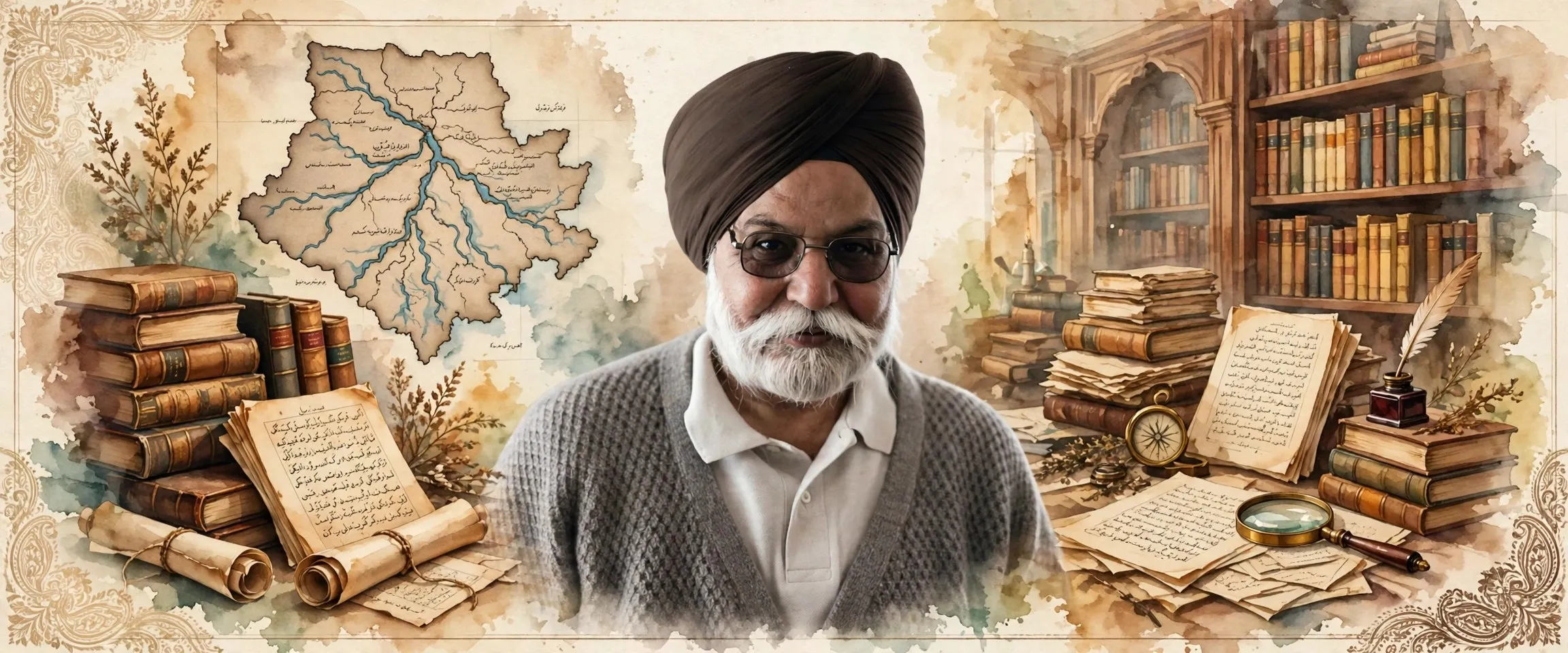
ਜੁੜੇ ਹੋਏ
ਹੋਰ ਪੜ੍ਹੋ
ਸਰੋਤ (3)
ਜੁਗਤੀ ਮੁਫ਼ਤ ਅਤੇ ਸੁਤੰਤਰ ਹੈ। ਪਾਠਕਾਂ ਦਾ ਸਹਿਯੋਗ ਕੋਸ਼ ਨੂੰ ਵਧਾਉਂਦਾ ਹੈ।
ਸਹਿਯੋਗ