
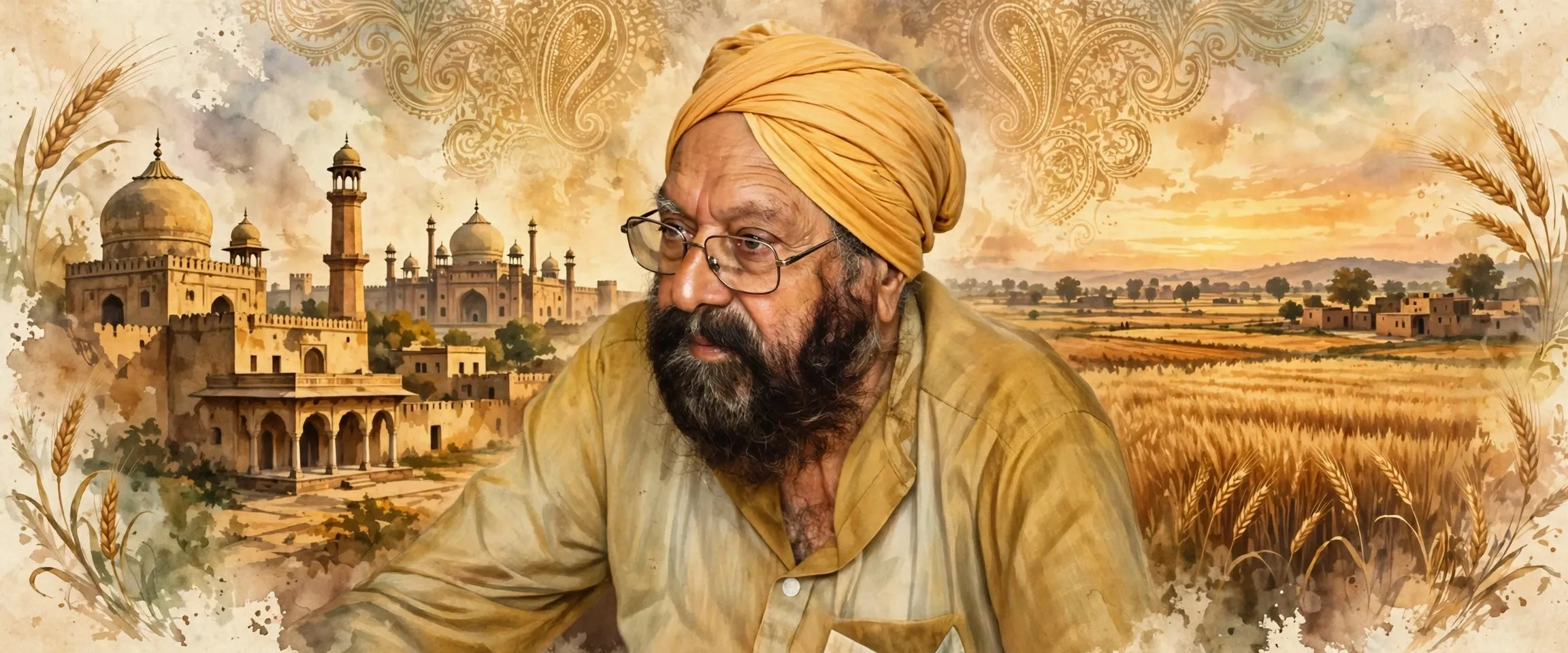
ਦ ਸਿੱਖਸ ਖ਼ੁਸ਼ਵੰਤ ਸਿੰਘ ਦੀ ਸਿੱਖਾਂ ਦੀ ਸੰਖੇਪ ਇਤਿਹਾਸ ਹੈ, ਜੋ ਪਹਿਲੀ ਵਾਰ 1953 ਵਿੱਚ ਛਪੀ। ਗੁਰੂ ਨਾਨਕ (1469 ਤੋਂ 1539) ਤੋਂ ਸ਼ੁਰੂ ਕਰ ਕੇ ਇਹ ਦਸਾਂ ਗੁਰੂਆਂ, ਸਿੱਖ ਰਾਜ ਦੇ ਉਭਾਰ ਤੇ ਪਤਨ, ਅਤੇ ਸੁਧਾਰ, ਬਗ਼ਾਵਤ ਤੇ 1947 ਦੀ ਵੰਡ ਵਿੱਚੋਂ ਲੰਘਦੀ ਕੌਮ ਦੀ ਕਹਾਣੀ ਦੱਸਦੀ ਹੈ, ਅਤੇ ਇਹ ਅੱਜ ਵੀ ਸਿੱਖ ਇਤਿਹਾਸ ਦੀ ਸਭ ਤੋਂ ਸੌਖੀ ਜਾਣ ਪਛਾਣ ਹੈ।
English, with an English translation- ਲੇਖਕ
- ਖੁਸ਼ਵੰਤ ਸਿੰਘ (1915 ਤੋਂ 2014)
- ਪ੍ਰਕਾਸ਼ਿਤ
- 1953
- ਭਾਸ਼ਾ
- ਅੰਗਰੇਜ਼ੀ
- ਰੂਪ
- ਇਤਿਹਾਸ
- ਪ੍ਰਕਾਸ਼ਕ
- ਜਾਰਜ ਐਲਨ ਅਤੇ ਅਨਵਿਨ, ਲੰਡਨ
- ਸਮਰਪਿਤ
- ਸਰ ਸੋਭਾ ਸਿੰਘ ਨੂੰ, ਲੇਖਕ ਦੇ ਪਿਤਾ
All 8 facts
- ਵਿਸ਼ਾ
- 1469 ਤੋਂ 1947
- ਅਗਲੀਆਂ ਕਿਤਾਬਾਂ
- ਅ ਹਿਸਟਰੀ ਆਫ਼ ਦ ਸਿੱਖਸ (1963 ਤੋਂ 1966), ਦੋ ਜਿਲਦਾਂ
About the book
The Sikhs is Khushwant Singh's concise history of the Sikhs, first published in London in 1953 by George Allen and Unwin. It was his first book of history, written before Train to Pakistan made him famous as a novelist, and it is still in print more than seventy years later. In a single compact volume, Singh tells the story of the Sikhs from Guru Nanak to the Partition of 1947: the ten Gurus, the rise and fall of the Sikh kingdom, and the community's passage through reform, rebellion and exile. He dedicated the book to his father, Sir Sobha Singh. Later editions carry a new afterword by his son, the journalist Rahul Singh, which brings the story up to date.
What does The Sikhs cover?
The book is arranged in four parts. Part One tells the founding story: the life of Guru Nanak (1469 to 1539), the Sikh religion as shaped by the nine Gurus who followed him, the rise of the Sikh confederacy, the kingdom of Maharaja Ranjit Singh, and the end of that kingdom with the British annexation of the Punjab in 1849. Part Two follows the community after 1849, when its history merges with the history of the rest of India: the movements of religious reform, the Singh Sabha and its work of social reform, the Akali agitation for control of Sikh shrines, the Ghadr rebellion and its links with Marxism, the political groups of the twentieth century, and finally the Partition of 1947, which Singh calls the Partition holocaust and the exodus. Part Three describes the cultural heritage of the Sikhs, and Part Four looks to the future. Through it all, Singh keeps his eye on the Guru Granth Sahib, the Sikh holy book, and its central place in Sikh life.
Why Khushwant Singh wrote it
Singh explains his reasons in the preface, and they are personal. He feared that the story of the Sikhs was being written by outsiders, and that the last chapters of it were being written by his own contemporaries. He wanted an account by someone identified with the community by faith and association, even if that meant it would lack the objectivity of the outsider. He was frank about the gap he was filling: no complete history of the Sikhs had been written by a Sikh, and no history at all had dealt with the community after 1849. Before him, the English reader had only a handful of older books: John Malcolm's Sketch of the Sikhs (1812), Captain J. D. Cunningham's History of the Sikhs (1849), and Max Arthur Macauliffe's six-volume The Sikh Religion (1909). Singh drew on sources those writers had not used. He had met leading figures of the movements he describes, he was entrusted with their original documents, and he worked in the India Office Library in London and with Ghadr party newspapers in Canada, where he served as a diplomat.
ਲੇਖਕ
Khushwant Singh was born in 1915 at Hadali, a village in the Khushab district of Punjab that now lies in Pakistan. He was educated at Modern School in New Delhi, St Stephen's College in Delhi, Government College in Lahore, and King's College London, where he studied law. He practised as a lawyer in Lahore for eight years, then joined the Indian Foreign Service in 1947, serving in Toronto, London and Ottawa, before turning to journalism. He edited the Illustrated Weekly of India from 1969 to 1978, taking its circulation from 65,000 to 400,000, and he served in the Rajya Sabha, the upper house of India's parliament, from 1980 to 1986. He wrote Train to Pakistan (1956), Delhi: A Novel, and the two-volume A History of the Sikhs (1963 to 1966), which grew out of this book and became the standard work on the subject. He died in New Delhi on 20 March 2014, aged ninety-nine.
Reception and legacy
The Sikhs was the book that made Khushwant Singh a historian. His publisher calls it one of the most concise and readable accounts of the Sikhs and their faith, and it has stayed in print through reprints and new editions ever since, most recently with his son's afterword. Its greater legacy is the book it led to. Ten years after The Sikhs, Singh published the first volume of A History of the Sikhs (1963), followed by the second volume in 1966, a work based on Persian, Gurmukhi and English documents that is still described as the most comprehensive and authoritative history of the Sikhs. The Sikhs remains the shorter road into that history: the book to read first, whether the reader wants the story of the Gurus, the kingdom of Ranjit Singh, or the community's passage through the twentieth century.
ਕਿਤਾਬ ਬਾਰੇ
ਦ ਸਿੱਖਸ ਖ਼ੁਸ਼ਵੰਤ ਸਿੰਘ ਦੀ ਸਿੱਖਾਂ ਦੀ ਸੰਖੇਪ ਇਤਿਹਾਸ ਹੈ, ਜੋ ਪਹਿਲੀ ਵਾਰ 1953 ਵਿੱਚ ਲੰਡਨ ਵਿੱਚ ਜਾਰਜ ਐਲਨ ਅਤੇ ਅਨਵਿਨ ਵੱਲੋਂ ਛਪੀ। ਇਹ ਉਸ ਦੀ ਇਤਿਹਾਸ ਦੀ ਪਹਿਲੀ ਕਿਤਾਬ ਸੀ, ਜੋ ਟਰੇਨ ਟੂ ਪਾਕਿਸਤਾਨ ਤੋਂ ਪਹਿਲਾਂ ਲਿਖੀ ਗਈ, ਜਿਸ ਨੇ ਉਸ ਨੂੰ ਨਾਵਲਕਾਰ ਵਜੋਂ ਮਸ਼ਹੂਰ ਕੀਤਾ, ਅਤੇ ਇਹ ਸੱਤਰ ਸਾਲਾਂ ਤੋਂ ਵੱਧ ਸਮੇਂ ਬਾਅਦ ਵੀ ਛਪ ਰਹੀ ਹੈ। ਇੱਕ ਸੰਖੇਪ ਜਿਲਦ ਵਿੱਚ ਸਿੰਘ ਗੁਰੂ ਨਾਨਕ ਤੋਂ 1947 ਦੀ ਵੰਡ ਤੱਕ ਸਿੱਖਾਂ ਦੀ ਕਹਾਣੀ ਦੱਸਦਾ ਹੈ: ਦਸ ਗੁਰੂ, ਸਿੱਖ ਰਾਜ ਦਾ ਉਭਾਰ ਤੇ ਪਤਨ, ਅਤੇ ਸੁਧਾਰ, ਬਗ਼ਾਵਤ ਤੇ ਦੇਸ ਨਿਕਾਲੇ ਵਿੱਚੋਂ ਲੰਘਦੀ ਕੌਮ। ਉਸ ਨੇ ਇਹ ਕਿਤਾਬ ਆਪਣੇ ਪਿਤਾ ਸਰ ਸੋਭਾ ਸਿੰਘ ਨੂੰ ਸਮਰਪਿਤ ਕੀਤੀ। ਬਾਅਦ ਦੇ ਸੰਸਕਰਣਾਂ ਵਿੱਚ ਉਸ ਦੇ ਪੁੱਤਰ, ਪੱਤਰਕਾਰ ਰਾਹੁਲ ਸਿੰਘ ਦਾ ਨਵਾਂ ਉਪਸੰਹਾਰ ਹੈ, ਜੋ ਕਹਾਣੀ ਨੂੰ ਅੱਗੇ ਲੈ ਜਾਂਦਾ ਹੈ।
ਦ ਸਿੱਖਸ ਵਿੱਚ ਕੀ ਹੈ?
ਕਿਤਾਬ ਚਾਰ ਹਿੱਸਿਆਂ ਵਿੱਚ ਵੰਡੀ ਹੈ। ਪਹਿਲਾ ਹਿੱਸਾ ਨੀਂਹ ਦੀ ਕਹਾਣੀ ਦੱਸਦਾ ਹੈ: ਗੁਰੂ ਨਾਨਕ (1469 ਤੋਂ 1539) ਦਾ ਜੀਵਨ, ਉਨ੍ਹਾਂ ਤੋਂ ਬਾਅਦ ਦੇ ਨੌਂ ਗੁਰੂਆਂ ਵੱਲੋਂ ਸਿੱਖ ਧਰਮ ਦੀ ਉਸਾਰੀ, ਸਿੱਖ ਮਿਸਲਾਂ ਦਾ ਉਭਾਰ, ਮਹਾਰਾਜਾ ਰਣਜੀਤ ਸਿੰਘ ਦਾ ਰਾਜ, ਅਤੇ 1849 ਵਿੱਚ ਅੰਗਰੇਜ਼ਾਂ ਵੱਲੋਂ ਪੰਜਾਬ ਦੇ ਕਬਜ਼ੇ ਨਾਲ ਉਸ ਰਾਜ ਦਾ ਅੰਤ। ਦੂਜਾ ਹਿੱਸਾ 1849 ਤੋਂ ਬਾਅਦ ਦੀ ਕੌਮ ਨੂੰ ਦੇਖਦਾ ਹੈ, ਜਦੋਂ ਉਸ ਦਾ ਇਤਿਹਾਸ ਬਾਕੀ ਭਾਰਤ ਦੇ ਇਤਿਹਾਸ ਨਾਲ ਮਿਲ ਜਾਂਦਾ ਹੈ: ਧਾਰਮਿਕ ਸੁਧਾਰ ਦੀਆਂ ਲਹਿਰਾਂ, ਸਿੰਘ ਸਭਾ ਅਤੇ ਸਮਾਜਿਕ ਸੁਧਾਰ, ਸਿੱਖ ਅਸਥਾਨਾਂ ਦੇ ਕਬਜ਼ੇ ਲਈ ਅਕਾਲੀ ਲਹਿਰ, ਗ਼ਦਰ ਬਗ਼ਾਵਤ ਅਤੇ ਮਾਰਕਸਵਾਦ ਨਾਲ ਉਸ ਦਾ ਸੰਬੰਧ, ਵੀਹਵੀਂ ਸਦੀ ਦੇ ਸਿਆਸੀ ਦਲ, ਅਤੇ ਅੰਤ ਵਿੱਚ 1947 ਦੀ ਵੰਡ, ਜਿਸ ਨੂੰ ਸਿੰਘ ਵੰਡ ਦਾ ਕਤਲੇਆਮ ਅਤੇ ਪਰਵਾਸ ਕਹਿੰਦਾ ਹੈ। ਤੀਜਾ ਹਿੱਸਾ ਸਿੱਖਾਂ ਦੀ ਸੱਭਿਆਚਾਰਕ ਵਿਰਾਸਤ ਬਾਰੇ ਹੈ, ਅਤੇ ਚੌਥਾ ਭਵਿੱਖ ਵੱਲ ਦੇਖਦਾ ਹੈ। ਸਾਰੀ ਕਿਤਾਬ ਵਿੱਚ ਸਿੰਘ ਦੀ ਨਜ਼ਰ ਗੁਰੂ ਗ੍ਰੰਥ ਸਾਹਿਬ ਤੇ ਰਹਿੰਦੀ ਹੈ, ਸਿੱਖਾਂ ਦੀ ਪਵਿੱਤਰ ਬਾਣੀ ਅਤੇ ਸਿੱਖ ਜੀਵਨ ਵਿੱਚ ਉਸ ਦੀ ਕੇਂਦਰੀ ਥਾਂ ਤੇ।
ਖ਼ੁਸ਼ਵੰਤ ਸਿੰਘ ਨੇ ਇਹ ਕਿਉਂ ਲਿਖੀ?
ਸਿੰਘ ਆਪਣੀ ਪ੍ਰਸਤਾਵਨਾ ਵਿੱਚ ਆਪਣੇ ਕਾਰਨ ਦੱਸਦਾ ਹੈ, ਅਤੇ ਉਹ ਨਿੱਜੀ ਹਨ। ਉਸ ਨੂੰ ਡਰ ਸੀ ਕਿ ਸਿੱਖਾਂ ਦੀ ਕਹਾਣੀ ਬਾਹਰਲੇ ਲੋਕ ਲਿਖ ਰਹੇ ਹਨ, ਅਤੇ ਉਸ ਦੇ ਆਖ਼ਰੀ ਅਧਿਆਇ ਉਸ ਦੇ ਆਪਣੇ ਸਮਕਾਲੀ ਲਿਖ ਰਹੇ ਹਨ। ਉਹ ਕਿਸੇ ਅਜਿਹੇ ਵਿਅਕਤੀ ਦਾ ਬਿਰਤਾਂਤ ਚਾਹੁੰਦਾ ਸੀ, ਜੋ ਧਰਮ ਅਤੇ ਸਾਂਝ ਕਰ ਕੇ ਕੌਮ ਨਾਲ ਜੁੜਿਆ ਹੋਵੇ, ਭਾਵੇਂ ਇਸ ਦਾ ਮਤਲਬ ਇਹ ਹੋਵੇ ਕਿ ਉਸ ਵਿੱਚ ਬਾਹਰਲੇ ਵਿਅਕਤੀ ਦੀ ਨਿਰਪੱਖਤਾ ਨਾ ਹੋਵੇ। ਉਹ ਉਸ ਖਾਲੀ ਥਾਂ ਬਾਰੇ ਸਾਫ਼ ਸੀ, ਜਿਸ ਨੂੰ ਉਹ ਭਰ ਰਿਹਾ ਸੀ: ਕਿਸੇ ਸਿੱਖ ਨੇ ਸਿੱਖਾਂ ਦਾ ਪੂਰਾ ਇਤਿਹਾਸ ਨਹੀਂ ਲਿਖਿਆ ਸੀ, ਅਤੇ 1849 ਤੋਂ ਬਾਅਦ ਦੀ ਕੌਮ ਬਾਰੇ ਕੋਈ ਇਤਿਹਾਸ ਛਪਿਆ ਹੀ ਨਹੀਂ ਸੀ। ਉਸ ਤੋਂ ਪਹਿਲਾਂ ਅੰਗਰੇਜ਼ੀ ਪਾਠਕ ਕੋਲ ਸਿਰਫ਼ ਕੁਝ ਪੁਰਾਣੀਆਂ ਕਿਤਾਬਾਂ ਸਨ: ਜਾਨ ਮਾਲਕਮ ਦੀ ਸਕੈਚ ਆਫ਼ ਦ ਸਿੱਖਸ (1812), ਕਪਤਾਨ ਜੇ. ਡੀ. ਕਨਿੰਘਮ ਦੀ ਹਿਸਟਰੀ ਆਫ਼ ਦ ਸਿੱਖਸ (1849), ਅਤੇ ਮੈਕਾਲਿਫ਼ ਦੀ ਛੇ ਜਿਲਦਾਂ ਵਾਲੀ ਦ ਸਿੱਖ ਰਿਲੀਜਨ (1909)। ਸਿੰਘ ਨੇ ਉਨ੍ਹਾਂ ਸਰੋਤਾਂ ਦੀ ਵਰਤੋਂ ਕੀਤੀ, ਜੋ ਇਨ੍ਹਾਂ ਲੇਖਕਾਂ ਕੋਲ ਨਹੀਂ ਸਨ। ਉਹ ਉਨ੍ਹਾਂ ਲਹਿਰਾਂ ਦੇ ਮੋਹਰੀ ਲੋਕਾਂ ਨੂੰ ਮਿਲਿਆ ਸੀ, ਜਿਨ੍ਹਾਂ ਬਾਰੇ ਉਹ ਲਿਖ ਰਿਹਾ ਸੀ, ਉਨ੍ਹਾਂ ਦੇ ਅਸਲੀ ਦਸਤਾਵੇਜ਼ ਉਸ ਨੂੰ ਸੌਂਪੇ ਗਏ ਸਨ, ਅਤੇ ਉਸ ਨੇ ਲੰਡਨ ਦੀ ਇੰਡੀਆ ਆਫ਼ਿਸ ਲਾਇਬ੍ਰੇਰੀ ਵਿੱਚ ਅਤੇ ਕੈਨੇਡਾ ਵਿੱਚ ਗ਼ਦਰ ਪਾਰਟੀ ਦੇ ਅਖ਼ਬਾਰਾਂ ਨਾਲ ਕੰਮ ਕੀਤਾ, ਜਿੱਥੇ ਉਹ ਰਾਜਦੂਤ ਵਜੋਂ ਸੇਵਾ ਕਰ ਰਿਹਾ ਸੀ।
ਲੇਖਕ
ਖ਼ੁਸ਼ਵੰਤ ਸਿੰਘ ਦਾ ਜਨਮ 1915 ਵਿੱਚ ਹਡਾਲੀ ਵਿੱਚ ਹੋਇਆ, ਜੋ ਪੰਜਾਬ ਦੇ ਖੁਸ਼ਾਬ ਜ਼ਿਲ੍ਹੇ ਦਾ ਪਿੰਡ ਹੈ ਅਤੇ ਅੱਜ ਪਾਕਿਸਤਾਨ ਵਿੱਚ ਪੈਂਦਾ ਹੈ। ਉਹ ਨਵੀਂ ਦਿੱਲੀ ਦੇ ਮਾਡਰਨ ਸਕੂਲ, ਦਿੱਲੀ ਦੇ ਸੇਂਟ ਸਟੀਫ਼ਨ ਕਾਲਜ, ਲਾਹੌਰ ਦੇ ਗੌਰਮਿੰਟ ਕਾਲਜ ਅਤੇ ਲੰਡਨ ਦੇ ਕਿੰਗਜ਼ ਕਾਲਜ ਵਿੱਚ ਪੜ੍ਹਿਆ, ਜਿੱਥੇ ਉਸ ਨੇ ਕਾਨੂੰਨ ਪੜ੍ਹਿਆ। ਉਹ ਅੱਠ ਸਾਲ ਲਾਹੌਰ ਵਿੱਚ ਵਕੀਲ ਰਿਹਾ, ਫਿਰ 1947 ਵਿੱਚ ਭਾਰਤੀ ਵਿਦੇਸ਼ ਸੇਵਾ ਵਿੱਚ ਸ਼ਾਮਲ ਹੋ ਗਿਆ ਅਤੇ ਟੋਰਾਂਟੋ, ਲੰਡਨ ਤੇ ਓਟਾਵਾ ਵਿੱਚ ਸੇਵਾ ਕੀਤੀ, ਫਿਰ ਪੱਤਰਕਾਰੀ ਵੱਲ ਮੁੜਿਆ। ਉਹ 1969 ਤੋਂ 1978 ਤੱਕ ਇਲਸਟ੍ਰੇਟਿਡ ਵੀਕਲੀ ਆਫ਼ ਇੰਡੀਆ ਦਾ ਸੰਪਾਦਕ ਰਿਹਾ ਅਤੇ ਉਸ ਦੀ ਗਿਣਤੀ 65,000 ਤੋਂ 400,000 ਤੱਕ ਪਹੁੰਚਾਈ, ਅਤੇ 1980 ਤੋਂ 1986 ਤੱਕ ਭਾਰਤੀ ਸੰਸਦ ਦੇ ਉਪਰਲੇ ਸਦਨ, ਰਾਜ ਸਭਾ ਦਾ ਮੈਂਬਰ ਰਿਹਾ। ਉਸ ਨੇ ਟਰੇਨ ਟੂ ਪਾਕਿਸਤਾਨ (1956), ਦਿੱਲੀ: ਅ ਨਾਵਲ, ਅਤੇ ਦੋ ਜਿਲਦਾਂ ਵਾਲੀ ਅ ਹਿਸਟਰੀ ਆਫ਼ ਦ ਸਿੱਖਸ (1963 ਤੋਂ 1966) ਲਿਖੀ, ਜੋ ਇਸੇ ਕਿਤਾਬ ਤੋਂ ਵਧੀ ਅਤੇ ਇਸ ਵਿਸ਼ੇ ਦੀ ਮਿਆਰੀ ਰਚਨਾ ਬਣ ਗਈ। ਉਸ ਦੀ ਮੌਤ 20 ਮਾਰਚ 2014 ਨੂੰ ਨਵੀਂ ਦਿੱਲੀ ਵਿੱਚ ਹੋਈ, ਉਹ 99 ਸਾਲਾਂ ਦਾ ਸੀ।
ਸਵਾਗਤ ਅਤੇ ਵਿਰਸਾ
ਦ ਸਿੱਖਸ ਉਹ ਕਿਤਾਬ ਸੀ, ਜਿਸ ਨੇ ਖ਼ੁਸ਼ਵੰਤ ਸਿੰਘ ਨੂੰ ਇਤਿਹਾਸਕਾਰ ਬਣਾਇਆ। ਉਸ ਦਾ ਪ੍ਰਕਾਸ਼ਕ ਇਸ ਨੂੰ ਸਿੱਖਾਂ ਅਤੇ ਉਨ੍ਹਾਂ ਦੇ ਧਰਮ ਬਾਰੇ ਸਭ ਤੋਂ ਸੰਖੇਪ ਅਤੇ ਸੌਖੀ ਜਾਣ ਪਛਾਣ ਦੱਸਦਾ ਹੈ, ਅਤੇ ਇਹ ਮੁੜ ਛਪਾਈਆਂ ਅਤੇ ਨਵੇਂ ਸੰਸਕਰਣਾਂ ਰਾਹੀਂ ਉਦੋਂ ਤੋਂ ਛਪ ਰਹੀ ਹੈ, ਹਾਲ ਹੀ ਵਿੱਚ ਉਸ ਦੇ ਪੁੱਤਰ ਦੇ ਉਪਸੰਹਾਰ ਨਾਲ। ਇਸ ਦੀ ਵੱਡੀ ਵਿਰਾਸਤ ਉਹ ਕਿਤਾਬ ਹੈ, ਜਿਸ ਵੱਲ ਇਹ ਲੈ ਗਈ। ਦ ਸਿੱਖਸ ਤੋਂ ਦਸ ਸਾਲ ਬਾਅਦ ਸਿੰਘ ਨੇ ਅ ਹਿਸਟਰੀ ਆਫ਼ ਦ ਸਿੱਖਸ ਦੀ ਪਹਿਲੀ ਜਿਲਦ (1963) ਛਾਪੀ, ਫਿਰ 1966 ਵਿੱਚ ਦੂਜੀ ਜਿਲਦ, ਜੋ ਫ਼ਾਰਸੀ, ਗੁਰਮੁਖੀ ਅਤੇ ਅੰਗਰੇਜ਼ੀ ਦਸਤਾਵੇਜ਼ਾਂ ਤੇ ਆਧਾਰਿਤ ਹੈ ਅਤੇ ਅੱਜ ਵੀ ਸਿੱਖਾਂ ਦੀ ਸਭ ਤੋਂ ਵਿਸਥਾਰ ਅਤੇ ਅਧਿਕਾਰਿਤ ਇਤਿਹਾਸ ਦੱਸੀ ਜਾਂਦੀ ਹੈ। ਦ ਸਿੱਖਸ ਉਸ ਇਤਿਹਾਸ ਵਿੱਚ ਦਾਖ਼ਲੇ ਦਾ ਛੋਟਾ ਰਾਹ ਹੈ: ਪਹਿਲਾਂ ਪੜ੍ਹਨ ਵਾਲੀ ਕਿਤਾਬ, ਭਾਵੇਂ ਪਾਠਕ ਗੁਰੂਆਂ ਦੀ ਕਹਾਣੀ ਚਾਹੁੰਦਾ ਹੋਵੇ, ਰਣਜੀਤ ਸਿੰਘ ਦਾ ਰਾਜ ਹੋਵੇ, ਜਾਂ ਵੀਹਵੀਂ ਸਦੀ ਵਿੱਚੋਂ ਲੰਘਦੀ ਕੌਮ ਹੋਵੇ।
ਐਡੀਸ਼ਨ ਅਤੇ ਅਨੁਵਾਦ
- The SikhsEnglish · original, George Allen and Unwin, 1953ਮੂਲ
- The SikhsEnglish · HarperCollins reprint, with afterword by Rahul SinghEdition
ਲੇਖਕ

ਜੁੜੇ ਹੋਏ
ਹੋਰ ਪੜ੍ਹੋ
ਸਰੋਤ (3)
ਜੁਗਤੀ ਮੁਫ਼ਤ ਅਤੇ ਸੁਤੰਤਰ ਹੈ। ਪਾਠਕਾਂ ਦਾ ਸਹਿਯੋਗ ਕੋਸ਼ ਨੂੰ ਵਧਾਉਂਦਾ ਹੈ।
ਸਹਿਯੋਗ